Kotobuki
Kotobuki serves authentic Japanese sushi at 457 Summer St in Stamford, with an open kitchen, sake program, casual dress code, and conversational pacing for lunch or dinner.
Pearl is the En Primeur Club membership app — saves, bookings, and concierge access live there. Same editors, same standards.
- Address
- 457 Summer St, Stamford, CT 06901
- Phone
- +12033594747
- Website
- kotobukijapanese.com
- Directions
- Get directions
 Saves & bookings on Pearl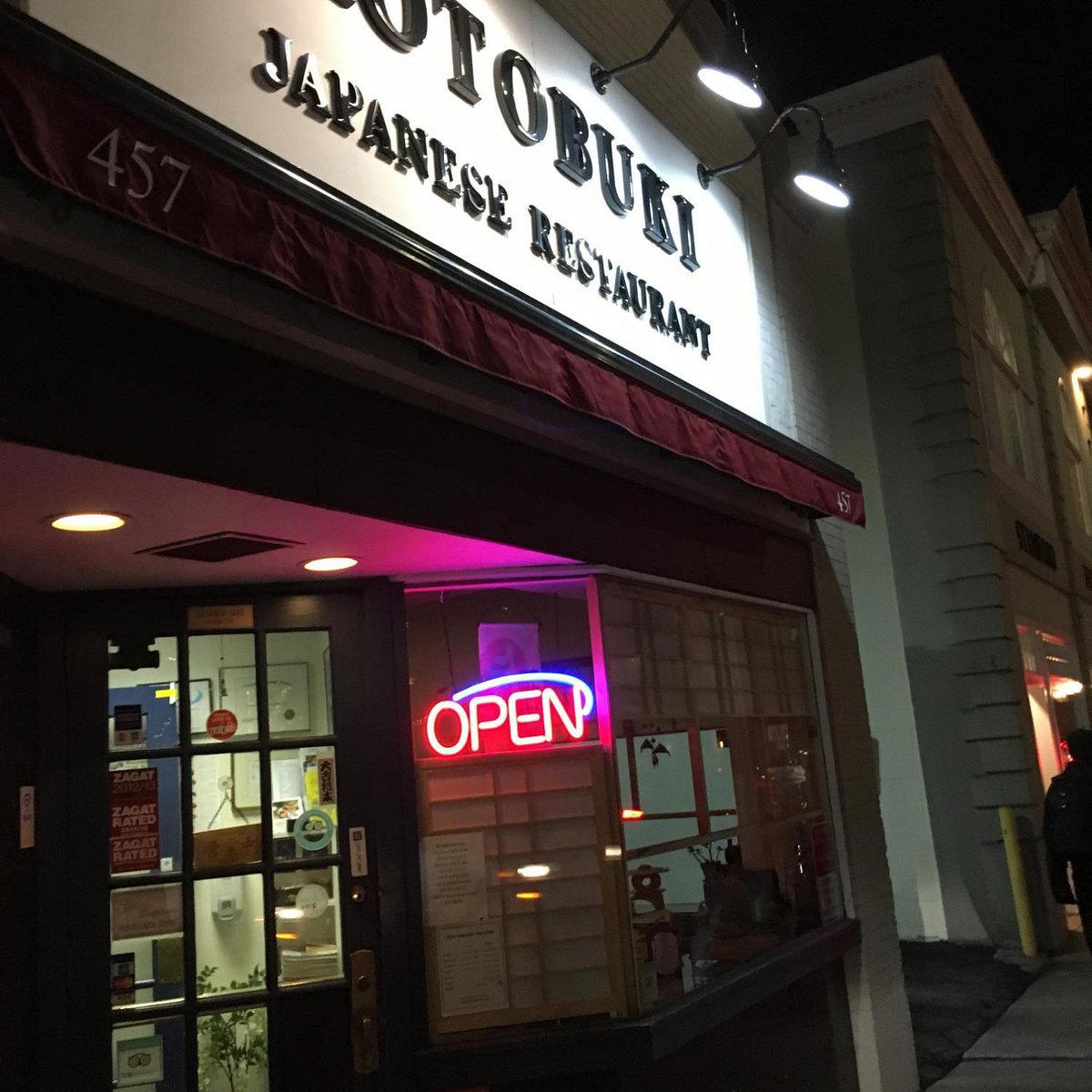
Summer Street and What It Says About Stamford's Dining Ambitions
On Summer Street in downtown Stamford, the gap between a quick lunch counter and a considered dining room can be a single block. Kotobuki, at 457 Summer St, is a Japanese restaurant at 457 Summer St in Stamford, Connecticut, serving authentic Japanese sushi at a midrange price point. Stamford's restaurant scene has matured steadily over the past decade, moving from chain-heavy midtown dining toward a more layered collection of independent operators, and Japanese cuisine has been part of that shift. The city now hosts several formats across the Japanese spectrum, from casual ramen to more deliberate omakase-style settings, and Kotobuki sits within that expanding category.
Ingredient Sourcing as Editorial: What Japanese Kitchens in This Region Are Working With
Connecticut's position on the northeastern seaboard places its Japanese restaurants in an interesting supply position. The Atlantic fisheries accessible to New York-area purveyors, combined with air-freight access to Japanese fish markets, have allowed kitchens across the tri-state area to work with a broader ingredient base than many domestic Japanese restaurants could manage twenty years ago. The sourcing question is central to how a Japanese kitchen in Stamford positions itself: proximity to the Fulton Fish Market in New York, roughly an hour south, gives any serious operator access to the same product tiers available to Manhattan's more celebrated counters. What separates tiers is not geography but the selection decisions made at the point of purchase and the handling protocols applied from delivery to plate.
Japanese cuisine's sourcing standards, particularly for seafood, create a transparent quality signal for the informed diner. The specific cut of fish, its provenance, the temperature at which it arrives at the table, and the rice preparation that supports it are all observable variables. These are not abstractions: they are the elements that separate a technically accomplished kitchen from a competent one. For a restaurant on Summer Street to compete seriously within this framework, the sourcing conversation has to be ongoing, not incidental.
Stamford's Japanese Dining Context
Stamford functions differently from New York as a dining city. Its restaurant-going population skews toward finance and corporate professionals who commute along the Metro-North corridor, and that demographic historically supported solid, consistent Japanese dining rather than experimental formats. The result is a market where quality standards are meaningful but where novelty is not always rewarded. Japanese restaurants in this environment tend to build loyalty through consistency and sourcing reliability rather than seasonal menu reinvention, a pattern visible across the suburban Northeast from Greenwich to White Plains.
Within Stamford's broader dining mix, Kotobuki exists alongside destinations like Barcelona Wine Bar Stamford, which anchors the Spanish small-plates end of the market, and Cafe Silvium, which represents the European bistro tradition in the city. Seafood-forward dining in Stamford also includes Crab Shell, operating in the casual waterfront register. At the other end of the formality spectrum, Taj Stamford brings South Asian cuisine into the conversation. For something structurally different again, Çka Ka Qëllu represents the Albanian dining tradition that has taken root in southwestern Connecticut. Kotobuki occupies its own lane within this spread, serving the city's appetite for Japanese cuisine in a market where the category has room to develop further. A full picture of what Stamford's dining scene currently offers is in our full Stamford restaurants guide.
Japanese Cuisine at This Tier: What the Category Implies
Japanese restaurants in suburban Northeast markets tend to operate across two broad registers. The first is a comprehensive menu format covering sushi, cooked dishes, and bento-style combinations, designed for frequency and accessibility. The second is a more focused format built around a tighter menu with closer attention to product quality at each price point. The distinction matters for sourcing: a comprehensive menu requires a broader inventory and makes it harder to prioritize the highest-quality individual items, while a focused format allows the kitchen to concentrate purchasing power on fewer, better products.
Across the United States, the restaurants that have pushed Japanese cuisine to the highest critical recognition levels, from Atomix in New York City at the Korean-Japanese boundary to more traditional omakase formats at highly awarded seafood-forward restaurants like Le Bernardin in New York City in the French-seafood register, share an emphasis on provenance transparency as a defining characteristic. Restaurants known for sourcing rigor, including Blue Hill at Stone Barns in Tarrytown in the Hudson Valley and Single Thread Farm in Healdsburg on the West Coast, have demonstrated that the sourcing story, when it is substantive rather than decorative, becomes a central part of the dining proposition. That principle applies across cuisines, including Japanese.
Other benchmark restaurants where sourcing discipline and format precision define the dining proposition include The French Laundry in Napa, Alinea in Chicago, Lazy Bear in San Francisco, Providence in Los Angeles, Addison in San Diego, The Inn at Little Washington in Washington, Emeril's in New Orleans, and internationally, 8 1/2 Otto e Mezzo Bombana in Hong Kong. These references frame what sourcing-led dining looks like at the furthest end of the commitment spectrum, and they provide a useful lens for assessing how any Japanese restaurant, in Stamford or elsewhere, chooses to define its standards.
Planning Your Visit
Kotobuki is located at 457 Summer St in downtown Stamford, accessible from the Stamford Metro-North station, which is a walkable distance from the city's central dining corridor.
Comparable Spots, Quickly
Comparable venues nearby, for context on price, style, and recognition.
| Venue | Cuisine | Price | Notes |
|---|---|---|---|
| KotobukiThis venue — the venue you are viewing | Authentic Japanese Sushi | $$ | Not listed |
| Taj Stamford | Authentic Kerala Indian Cuisine | $$ | Downtown Stamford |
| Çka Ka Qëllu | Modern Albanian Mediterranean | $$ | downtown |
| Barcelona Wine Bar Stamford | Spanish Tapas & Wine Bar | $$ | Downtown Stamford |
| Crab Shell | Waterfront Seafood | $$ | Stamford Landing |
| Cafe Silvium | Traditional Southern Italian Trattoria | $$ | Shippan |
Continue exploring
More in Stamford
Restaurants in Stamford
Browse all →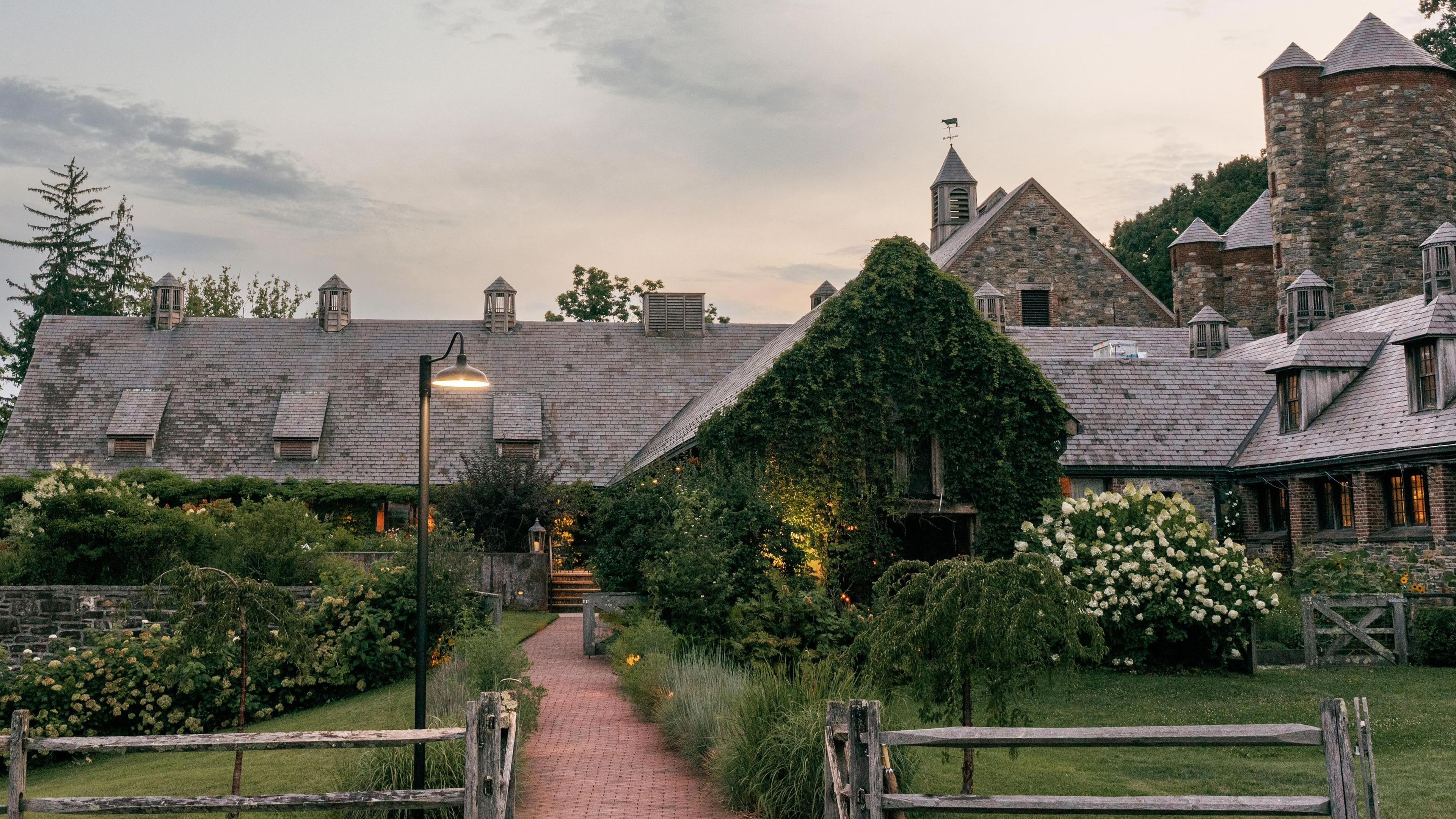
Bars in Stamford
Browse all →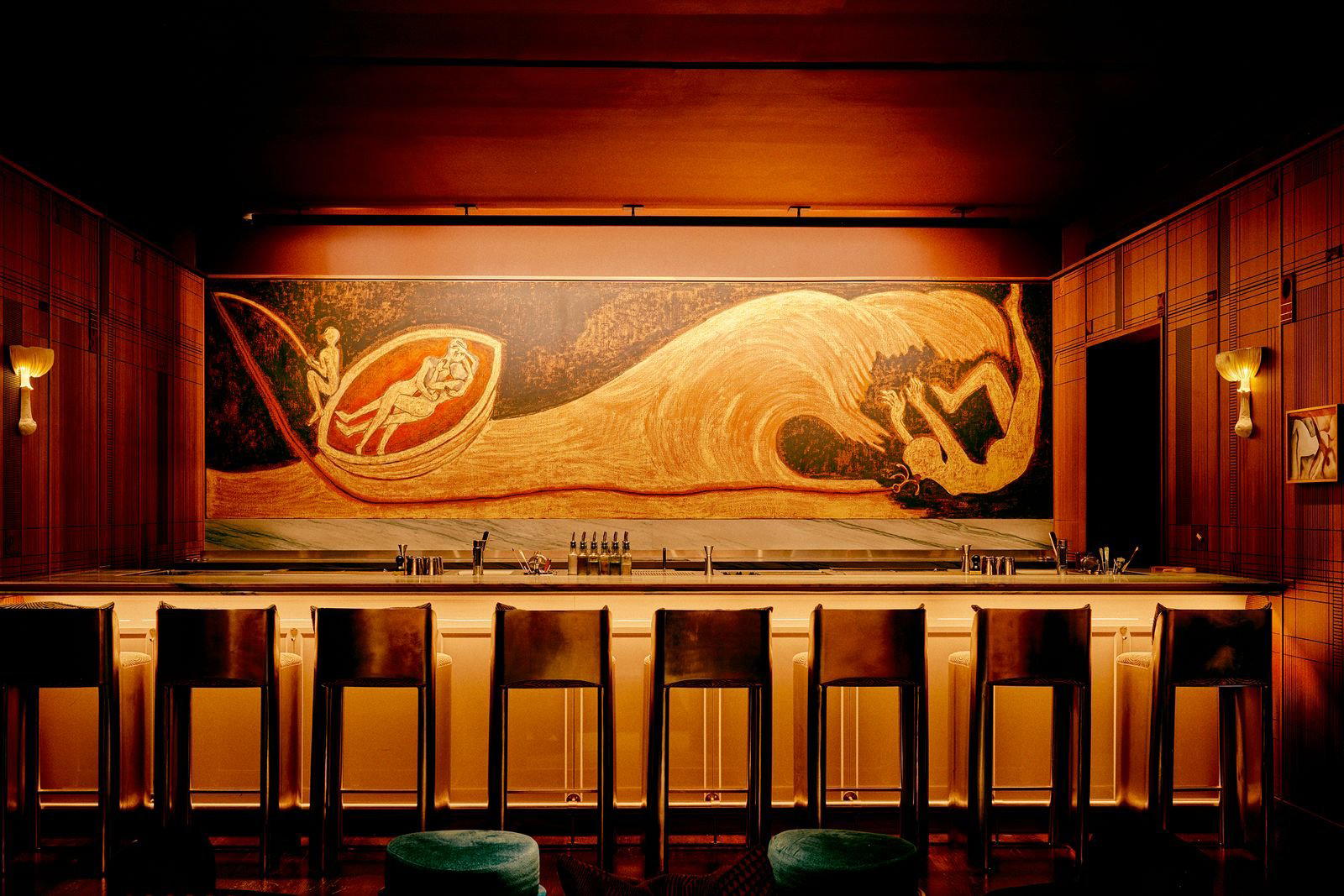


Hotels in Stamford
Browse all →





At a Glance
- Classic
- Intimate
- Date Night
- Business Dinner
- Open Kitchen
- Sake Program
Current opening hours
- Monday
- Closed
- Tuesday
- 11 AM–2:30 PM, 5–9 PM
- Wednesday
- 11 AM–2:30 PM, 5–9 PM
- Thursday
- 11 AM–2:30 PM, 5–9 PM
- Friday
- 11 AM–2:30 PM, 5–10 PM
- Saturday
- 5–10 PM
- Sunday
- 5–9 PM
Hours can change for holidays and private events. Last verified .
Cozy, quaint atmosphere in a small, minimalist space that feels like an authentic neighborhood spot in Japan, though some note it needs cosmetic updates.