
Korean Shokudo Iru sits in Osaka’s Fukushima ward, where compact izakaya formats and specialist Asian kitchens overlap. The draw is Korean cooking in a shokudo-izakaya register, with samgyetang at the centre and Tabelog 100 Asian/Ethnic WEST selections in 2022, 2023, and 2024 giving it a clear signal beyond neighbourhood convenience.
Pearl is the En Primeur Club membership app — saves, bookings, and concierge access live there. Same editors, same standards.
- Address
- 3 Chome-8-10 Fukushima, Fukushima Ward, Osaka, 553-0003, Japan
- Phone
- +81 6-4256-6910
- Website
- tabelog.com
 Saves & bookings on Pearl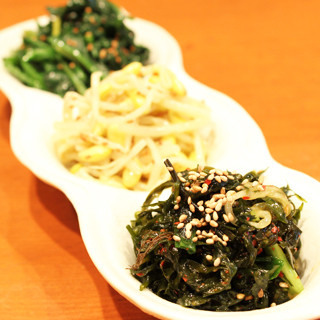
Fukushima’s restaurant streets work at close range: small frontages, narrow staircases, counters that turn dinner into a shared rhythm rather than a private performance. Korean Shokudo Iru belongs to that Osaka register, where the meal is less about ceremony than pacing: soup, side dishes, drinks, table conversation, and the steady cadence of an izakaya room. The category matters. This is Korean food filtered through Japan’s shokudo and tavern habits, not a luxury tasting-menu translation.
Osaka has long treated Korean cooking as part of its everyday dining grammar, especially through Tsuruhashi and the city’s broader yakiniku, kimchi, soup, and drinking culture. Fukushima adds another layer: the ward favours compact restaurants with sharp identities, where a single format can carry a full evening. In that setting, Korean Shokudo Iru’s selection for Tabelog’s Asian cuisine / Ethnic cuisine WEST 100 in 2022, 2023, and 2024 reads as a useful credential. It places the restaurant inside a western Japan cohort judged around specialist cooking rather than general popularity.
Samgyetang gives the meal its centre of gravity
The defining ritual here is samgyetang, the Korean chicken-and-ginseng soup that sits closer to restorative cooking than to spectacle. In Korea, the dish is tied to stamina, heat, and recovery; in Osaka, it adapts well to the izakaya table because it slows the meal down. Diners do not rush through soup built around broth, rice, poultry, and aromatics. The format rewards pacing, and that is where the restaurant’s shokudo identity becomes important: side dishes and drinks are not decoration, they set the tempo.
The restaurant is listed as Korean and izakaya, a pairing that explains much of the experience. Korean dining often assumes shared plates, condiments, and a table that accumulates small components. Japanese izakaya culture brings drinks, repeat ordering, and a less formal arc than a coursed restaurant. Together, the result is a dinner structure that can suit a pair at the counter or a larger group upstairs without turning the meal into a banquet hall exercise.
Public restaurant description connects the samgyetang lineage to Kanmiichi in Tsuruhashi, a useful marker in Osaka because Tsuruhashi remains the city’s reference point for Korean food culture. That connection gives context without requiring mythmaking: the appeal is a specific soup tradition carried into Fukushima’s tighter, more contemporary dining grid.
Fukushima's ethnic-dining tier is broader than ramen and late-night drinking
Fukushima can be misread by visitors as a simple ramen-and-izakaya district because its station-area density makes quick meals easy. The stronger reading is more interesting. The ward supports different price and format tiers at once: low-cost noodle shops such as Ramen Kozou, casual options like KANNOSUKE, specialist ramen at Resshi Shoyu Menkobo Sanku, and higher-spend Asian dining such as Modern Thai CIEL Oosaka honten. Korean Shokudo Iru sits away from the cheapest end of that spectrum and closer to the specialist dinner bracket.
That distinction matters for itinerary planning. A ramen stop solves a short meal; a Korean izakaya built around soup and shared side dishes asks for a longer table window. The recognition from Tabelog’s WEST Asian/Ethnic list also separates it from restaurants that are simply convenient to the station. Awards of this kind are not substitutes for taste, but they do indicate that the restaurant has been noticed within a crowded regional field, where Osaka, Kyoto, Kobe, and other western Japanese cities compete for attention.
The room reinforces the format. The listed layout divides the restaurant between counter seating and second-floor tables, which is a classic Osaka solution to scale: enough intimacy for solo or two-person dining, enough table capacity for groups built around shared dishes. Private-room dining is not the point. The appeal is the controlled informality of a house-style restaurant where the meal gathers momentum through ordering and conversation.
How to read the recognition, and who should plan around it
For travellers building a Fukushima dining run, the case for the restaurant is not that it replaces sushi, kaiseki, or Osaka’s street-food staples. It fills a different slot: a composed, soup-led Korean dinner with izakaya flexibility and a track record in a recognized regional ethnic-cuisine list. That makes it especially useful after days heavy on fried snacks, counter ramen, or long tasting menus. The meal’s centre is restorative rather than performative.
The drinks signal points in the same direction. Shochu and wine are listed rather than a deep cocktail programme, which suits the food. Korean soups and banchan-style accompaniments do not need a bar’s theatrics; they benefit from drinks that can sit beside garlic, fermentation, poultry broth, and heat. The better expectation is a dining room where food leads and drinks support, not a beverage destination using Korean food as an accessory.
Families and friend groups are a natural fit because the format is built around sharing, and the restaurant’s listed occasion notes include children and friends. For solo diners or pairs, counter seating changes the tone: less group spread, more focus on the soup-and-side-dish rhythm. Either way, the etiquette is simple. Treat samgyetang as the anchor, order around it, and let the meal move at a tavern pace rather than expecting a rigid course sequence.
For broader planning, compare it with other regional dining possibilities rather than forcing a single hierarchy. Nearby editorial options include age, Agu Buta Shabushabu Senmon Ten Toriou Bettei, Asia Shokudo Chouku, Bistro Mikasa, and CAFE BAHNHOF. Travellers mapping the area can also use Our full Fukushima restaurants guide, with adjacent planning through Our full Fukushima hotels guide, Our full Fukushima bars guide, Our full Fukushima wineries guide, and Our full Fukushima experiences guide.
For a wider Japan and overseas comparison set, see -Grilled beef Sukiyaki- KAMAKURA TANUKIAN 鎌倉 たぬき庵 in Kamakura. 鮪と炭火焼き うお炭 秋葉原店 in Tokyo.cafe in Osaka.know in Kumamoto, (Shoku) Vietnam in Kawasaki, [Curry Senmon Ten] Maruyama Kyoju. in Sapporo, Jōdo Saké Bar in Los Angeles, and Onigiri Time in Pasadena.
Cuisine Context
Side-by-side context: comparable cuisine and price.
| Venue | Cuisine | Price | Notes |
|---|---|---|---|
| Korean Shokudo IruThis venue — the venue you are viewing | Korean Izakaya | $$ | Not listed |
| age | Creative Japanese–Western Fusion Izakaya | $$ | Fukushima-ku |
| Sumibi Yakitori Torio | Yakitori Izakaya | $$ | Fukushima |
| Asia Shokudo Chouku | Pan-Asian set-menu restaurant and Asian tapas in Osaka | $$ | Fukushima |
| Sumiyaki Kobou Gen | Dining | Not listed | Fukushima |
| Ramen Kozou | Rich Tonkotsu Ramen | $ | Fukushima |
Recognition history
Dated appearances from independent guides and award organizations, with the underlying list record or original source where available.
Tabelog 100 #44 · No. 44
Tabelog · Tabelog 100 - Asian cuisine / Ethnic cuisine - WEST - 2024
Continue exploring
More in Fukushima
Restaurants in Fukushima
Browse all →




Bars in Fukushima
Browse all →



Hotels in Fukushima
Browse all →



Wineries in Fukushima
Browse all →
At a Glance
- Cozy
- Modern
- Trendy
- Casual Hangout
- Group Dining
- After Work
- Standalone
- Beer Program
- Sake Program
Current opening hours
- Monday
- 5 PM–12 AM
- Tuesday
- 5 PM–12 AM
- Wednesday
- 5 PM–12 AM
- Thursday
- 5 PM–12 AM
- Friday
- 5 PM–12 AM
- Saturday
- 12 PM–12 AM
- Sunday
- 12 PM–12 AM
Hours can change for holidays and private events. Last verified .
A casual, lively Korean eatery with an izakaya feel and a neighborhood-dining atmosphere.