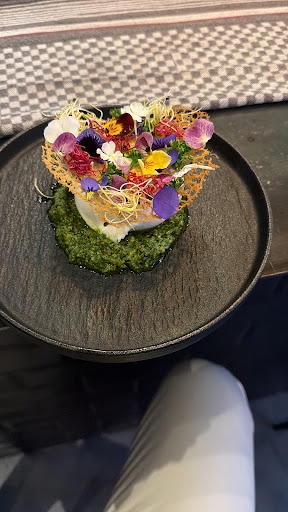
Named after the Dalmatian island, Korčula on Nikole Tesle street sits within Zagreb's compact fine-dining corridor, drawing on Croatia's coastal culinary tradition in a landlocked capital setting. The mood shifts noticeably between lunch and evening service, making it worth considering which version of the restaurant you want. For context on how it fits Zagreb's broader dining scene, see our full restaurant coverage.
Pearl is the En Primeur Club membership app — saves, bookings, and concierge access live there. Same editors, same standards.
- Address
- ul. Nikole Tesle 17, 10000, Zagreb, Croatia
- Phone
- +38514811331
- Website
- restoran-korcula.hr
- Directions
- Get directions
 Saves & bookings on Pearl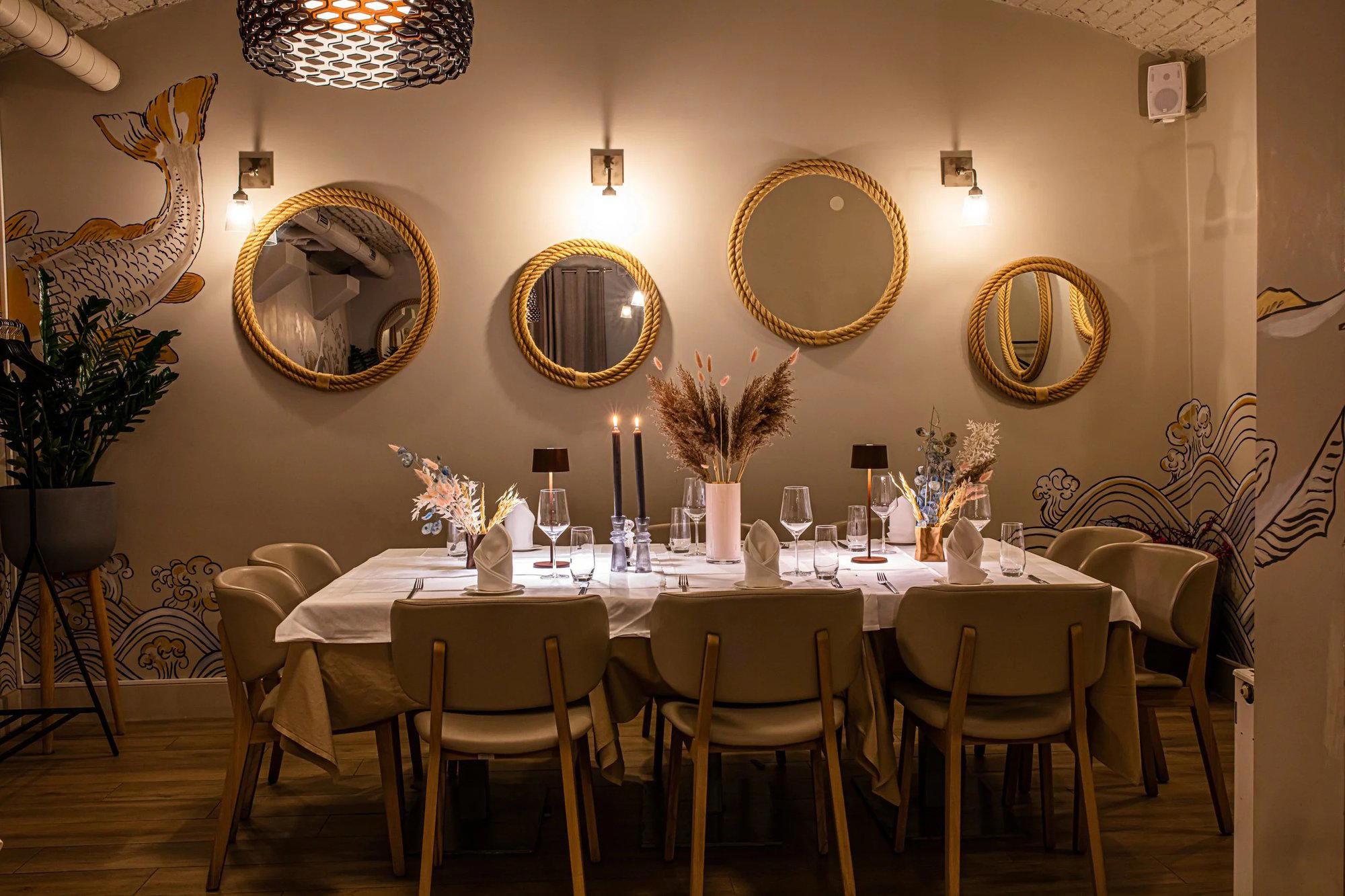
A Coastal Name in a Continental City
Zagreb's relationship with Dalmatian cooking is complicated. The capital sits well inland, yet the pull of the coast, its olive oils, its grilled fish, its particular lightness, has long shaped what the city considers aspirational dining. Restaurants named after Adriatic landmarks are not novelties here; they carry an implicit promise about provenance and register. Korčula, at ul. Nikole Tesle 17, is a restaurant serving modern Dalmatian seafood in Zagreb.
That geographic reference matters more than mere branding. In Zagreb, Dalmatian-inflected restaurants occupy a distinct tier: they tend to position against Croatian-produce-focused contemporaries like Dubravkin Put (Mediterranean Cuisine) rather than the modernist tasting-menu houses such as Noel (Modern Cuisine) at the summit of the price range. That positioning tells you something about expected register, serious about ingredients, less concerned with theatrical plating, and generally more comfortable for guests who want food that reads as Croatian rather than international.
The Lunch and Dinner Divide
Evening service, by contrast, slows down and opens space for a longer, more considered meal. This split is not distinctive to Korčula but it is worth understanding before you book, because what you get depends significantly on when you arrive.
For guests visiting Zagreb primarily for its dining, the evening sitting is the more instructive version of what the restaurant is trying to do.
Compare the atmosphere at Izakaya (Japanese Contemporary), where the format enforces a different rhythm entirely, or Al Dente, and the point becomes clearer: time of day is an editorial decision in Zagreb dining, not just a logistical one.
Where Korčula Sits in Zagreb's Dining Order
Zagreb's restaurant scene has been developing with some pace over the past decade, and the competitive set around a venue like Korčula has become more defined. At the upper end, tasting-menu formats and modernist Croatian cooking have carved out their own market. Below that, a broader mid-range tier handles the daily work of feeding a city that cares about its food without always wanting the ceremony of a full tasting menu. Korčula operates somewhere in that productive middle ground, where the cooking is expected to reflect Croatian coastal tradition without necessarily reinventing it.
For reference, the Croatian Adriatic dining scene itself has seen significant investment in recent years. Restaurants like Pelegrini in Sibenik, Restaurant 360 in Dubrovnik, and LD Restaurant in Korčula, the actual island, have raised expectations for what Dalmatian-sourced cooking can achieve at the summit of the register. A Zagreb restaurant invoking that tradition is, whether it intends to or not, entering into a comparison with what visitors may have already experienced on the coast. That is a useful pressure. It pushes the cooking toward specificity rather than generality.
Across the broader Croatian fine-dining circuit, the restaurants drawing greater attention are doing so by anchoring menus to place in a detailed, verifiable way: Agli Amici Rovinj in Rovinj, Boskinac in Novalja, and Nebo by Deni Srdoč in Rijeka each work within a defined regional frame. Zagreb restaurants that aspire to coastal cooking face the structural challenge of distance from source, and the degree to which a kitchen solves that problem is usually one interesting thing about it.
The Nikole Tesle Address
The street itself is worth accounting for. Nikole Tesle runs through a part of central Zagreb that is neither the tourist-facing Lower Town nor the quieter residential zones further out. It sits in the working centre of the city, close enough to Zrinjevac park that the neighbourhood has some of Zagreb's better ambient street character without tipping into the Gornji Grad tourism concentration. Restaurants here draw a mixed clientele: locals who know the area, visitors staying in central accommodation, business diners who want somewhere presentable but not precious.
That neighbourhood context shapes what a restaurant on this street can be. The format does not typically support long, elaborate multi-course meals as a default mode, the clientele skews toward people who want a good meal rather than an event. That is not a limitation so much as a calibration. Some of Zagreb's most consistent cooking happens in exactly this register, where the kitchen is not performing for a tasting-menu audience but cooking with continuity and confidence for regulars. Amfora operates in a comparable neighbourhood logic, as does Korak in Jastrebarsko just outside the city.
Planning Your Visit
Given the address on Nikole Tesle, the restaurant is walkable from most central Zagreb accommodation and from the main tram network. For evening visits, arriving without a reservation on busier nights carries some risk in a city where the better-regarded addresses fill through word of mouth and repeat custom rather than heavy online visibility. Checking availability in advance is advisable.
For a broader orientation to where Korčula fits within the city's dining options, our full Zagreb restaurants guide maps the scene across price tiers and cuisine types. If you are building a trip around Croatia's restaurant circuit more widely, the contrast between Zagreb's continental dining culture and the coastal restaurants at Krug in Split or Alfred Keller in Mali Lošinj gives a useful sense of how different the two worlds are, and how seriously Croatian cooking, in both registers, has developed.
Cuisine Lens
Comparable venues nearby, for context on price, style, and recognition.
| Venue | Cuisine | Price | Notes |
|---|---|---|---|
| KorčulaThis venue — the venue you are viewing | Modern Dalmatian Seafood | $$$ | Not listed |
| Zlatna Školjka | Croatian Seafood | $$ | Martićeva |
| Bota Šare | Dalmatian Seafood & Sushi | $$$ | Zagreb Central |
| BioMania bistro POP | Organic Plant-Based Bistro | $$$ | Gornji Grad – Medveščak |
| Barbieri's | Modern Italian-Croatian Bistro | $$$ | Tkalciceva |
| Amfora | Fresh Seafood Bistro | $ | Dolac |
Continue exploring
More in Zagreb
Restaurants in Zagreb
Browse all →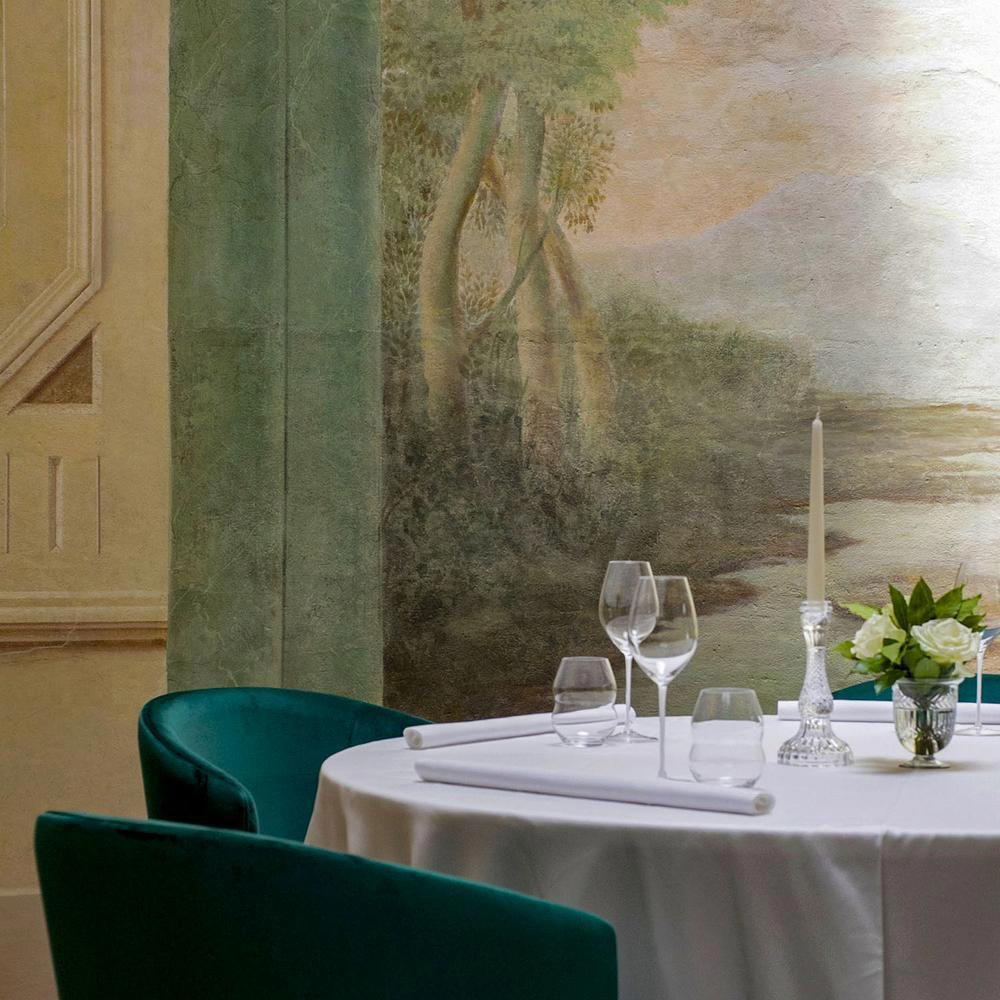
Bars in Zagreb
Browse all →
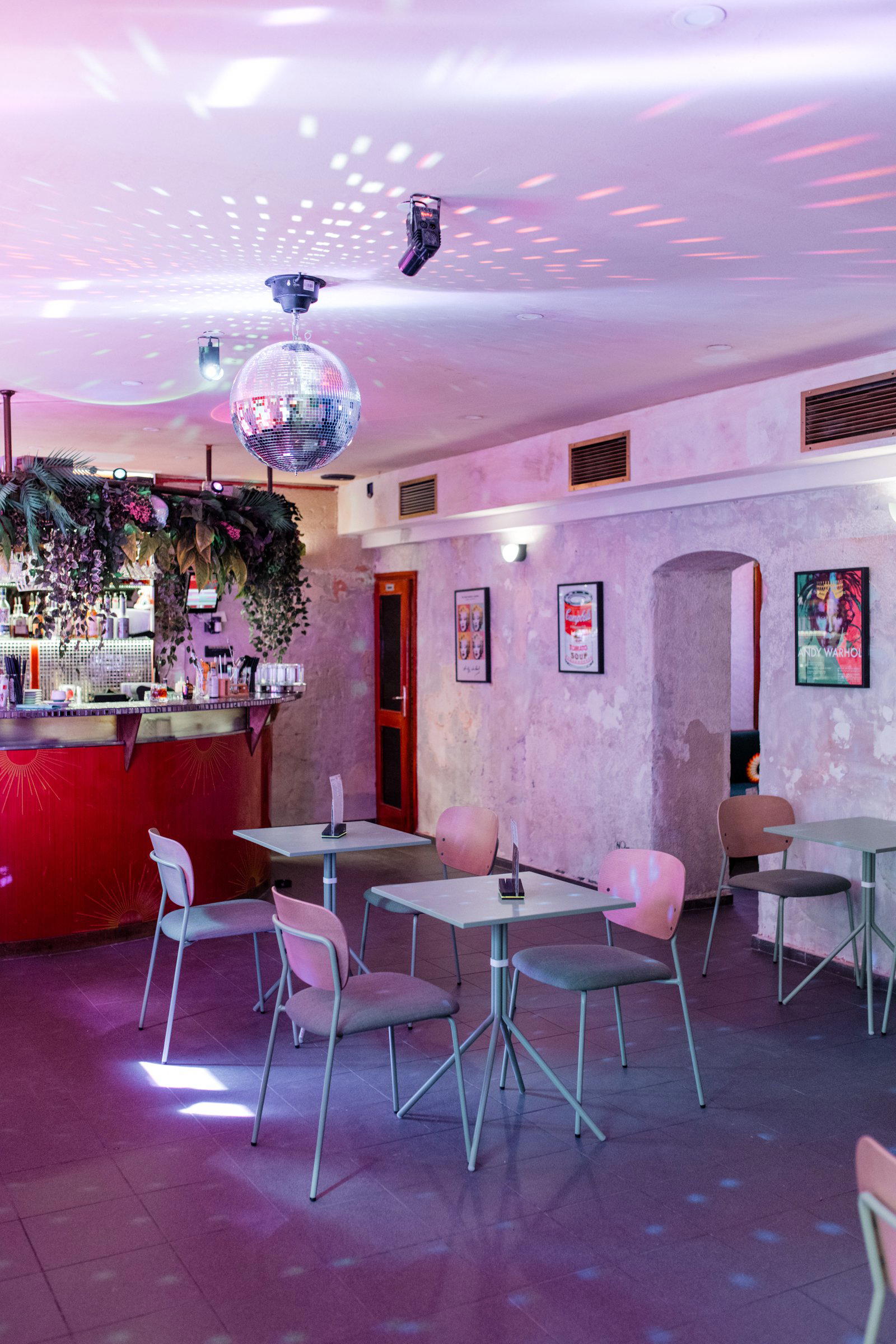
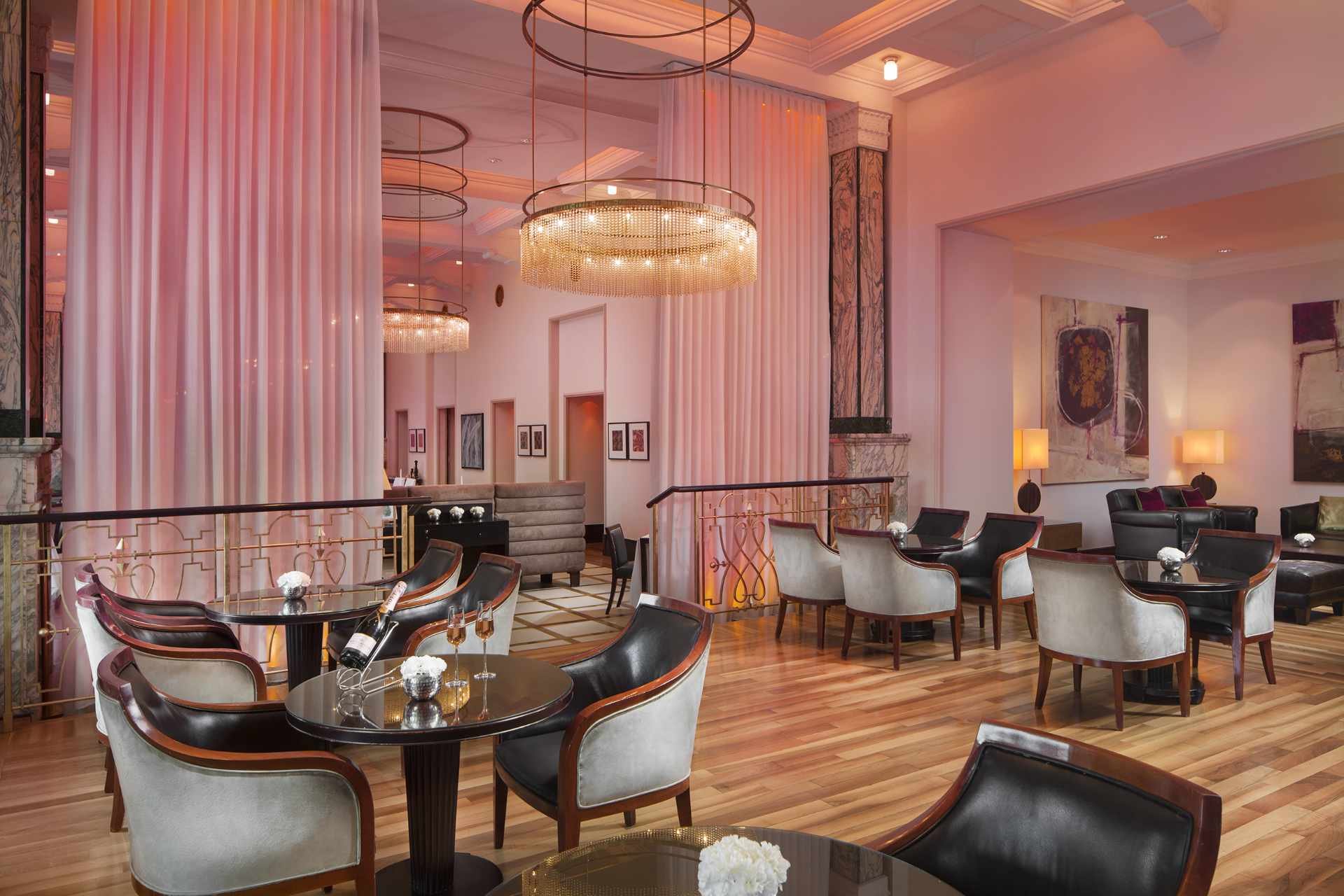
Hotels in Zagreb
Browse all →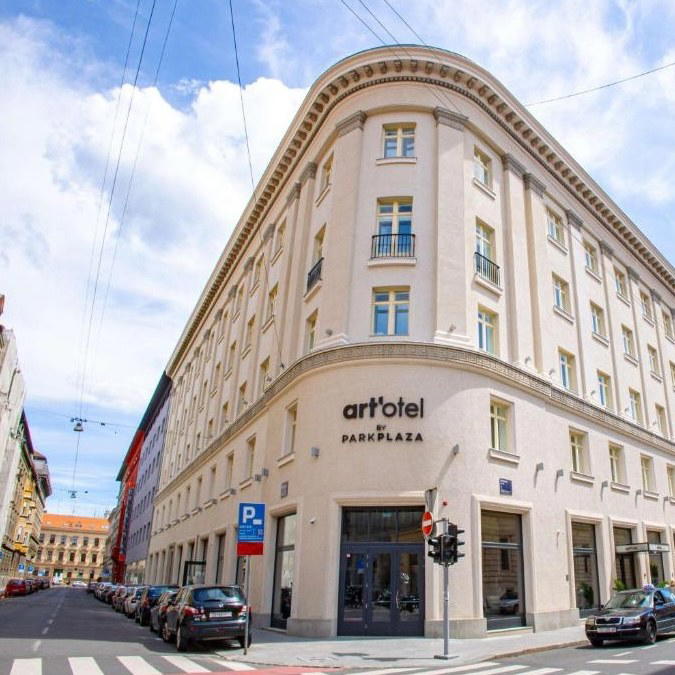

At a Glance
- Classic
- Rustic
- Special Occasion
- Group Dining
- Historic Building
- Extensive Wine List
- Local Sourcing
Current opening hours
- Monday
- 12 PM–12 AM
- Tuesday
- 12 PM–12 AM
- Wednesday
- 12 PM–12 AM
- Thursday
- 12 PM–12 AM
- Friday
- 12 PM–12 AM
- Saturday
- 12 PM–12 AM
- Sunday
- 12–5 PM
Hours can change for holidays and private events. Last verified .
Traditionally decorated with Dalmatian and Korčula island details like fishing nets, offering a classic seafood house atmosphere.