On Ul. kralja Zvonimira in Zagreb's Maksimir district, Bota Šare occupies a quieter tier of the city's dining scene, away from the old-town cluster where most visitors begin their search. The address alone signals something local in orientation, and the restaurant sits within a broader Zagreb tradition of neighbourhood-anchored dining that rewards the extra tram stop.
Pearl is the En Primeur Club membership app — saves, bookings, and concierge access live there. Same editors, same standards.
- Address
- Ul. kralja Zvonimira 124, 10000, Zagreb, Croatia
- Phone
- +38512316745
- Website
- bota-sare.hr
- Directions
- Get directions
 Saves & bookings on Pearl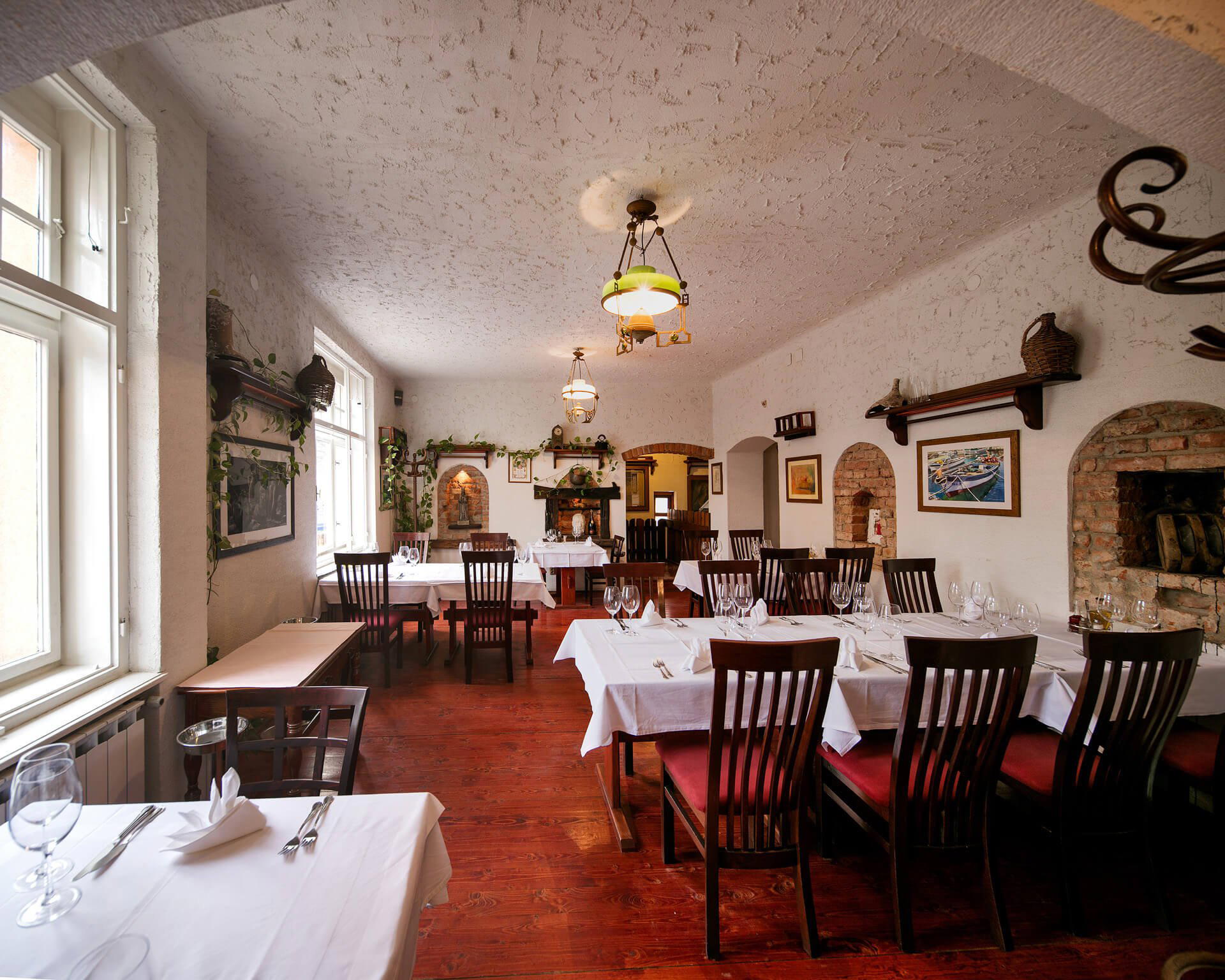
Beyond the Upper Town: Zagreb's Neighbourhood Dining Tier
Zagreb's restaurant geography has a clear centre of gravity: the historic Upper Town and the streets radiating from Tkalčićeva draw the majority of first-time visitors and, by extension, the majority of tourist-facing restaurants. The city's more locally oriented dining, however, has always found its footing in the residential neighbourhoods further east and south. Ul. kralja Zvonimira, where Bota Šare sits at number 124, runs through the Maksimir corridor, a stretch that connects the city's famous park with the quieter rhythms of a residential Zagreb that most short-stay visitors never reach. This is where the logic of a meal shifts: fewer menus with English translations on the door, fewer tables reserved for walk-in tourists, and a guest list that skews toward Zagrebers who return on a weekly rather than seasonal basis.
That neighbourhood orientation matters editorially because it places Bota Šare in a different competitive set from the well-documented upper tier. Properties like Noel (Modern Cuisine) operate at the €€€€ level with tasting-menu formality and the kind of international press attention that moves reservation windows to months in advance. Dubravkin Put (Mediterranean Cuisine) anchors the €€€ bracket with a garden setting that functions almost as a destination in itself. Bota Šare occupies a tier defined less by formal architecture or prestige signalling and more by the kind of sustained local trust that accumulates without press cycles.
The Architecture of a Meal Here
Zagreb's mid-tier neighbourhood restaurants have developed a particular meal structure over the past two decades: a broad cold-starter selection that functions almost as a spread, followed by a protein course where grilled and braised preparations share the menu in roughly equal proportion, and a dessert register that leans toward regional pastry traditions rather than hotel-kitchen plating. This format, unhurried, portion-generous, and structured around conversation rather than kitchen theatre, defines the experience at addresses like this one more reliably than any individual dish.
The progression matters because it sets expectations for pacing. The model is closer to what you find at comparable neighbourhood anchors across the Croatian interior, a deliberate arc from lighter to richer, with wine arriving in carafes or by the glass at a pace that suits the table rather than a sommelier's rotation schedule. For context on how Croatian regional cooking handles this format further along the coast, Pelegrini in Sibenik and LD Restaurant in Korčula both demonstrate how the same unhurried arc can be refined toward fine-dining ambition without losing its regional grounding.
What Zagreb's Neighbourhood Restaurants Do Well
The city's residential dining culture has one consistent advantage over its central-tourist tier: ingredient sourcing that follows local market rhythms rather than menu-consistency pressure. Zagreb's Dolac market, operating since 1930, supplies a network of neighbourhood restaurants with seasonal produce on a cadence that shifts week by week through autumn and spring. A restaurant at this address, drawing from that supply geography, would naturally track through pumpkin and walnut preparations in October, move toward game and cured-meat accompaniments through winter, and return to lighter vegetable-forward courses as the Sava valley suppliers come back online in April.
This seasonal tracking is what separates the more interesting neighbourhood addresses from their centre-city counterparts, where kitchen economics favour menu stability over market flexibility. It is also what makes the mid-course selection at restaurants in this tier worth paying attention to: not the headliner dishes designed for photography, but the daily specials that reflect what arrived that morning. Comparable seasonal discipline at the fine-dining end of the Croatian spectrum is visible at Korak in Jastrebarsko and Boskinac in Novalja, both of which have built reputations on exactly this kind of producer-proximity approach.
Placing the Room in Its Context
Neighbourhood restaurants in Zagreb's eastern residential corridors tend toward interiors that prioritise capacity and comfort over design statements. The vernacular is warm: wood surfaces, practical lighting, a bar area that serves as a genuine social anchor rather than a cocktail-program showcase. This contrasts with the more designed end of the city's offer, the format that Izakaya (Japanese Contemporary) represents at the single-price-point end, or that the newer creative-format restaurants in the Gornji Grad orbit have pursued. At an address on Zvonimira, the room is likely to feel settled rather than styled: the kind of space where a table of four can talk at normal volume without acoustic competition from the kitchen or a curated playlist.
For international visitors calibrating expectations against comparable neighbourhood formats elsewhere, the closest reference points are not the grand-hotel dining rooms that dominate travel-magazine coverage of the region. They sit closer to what Agli Amici Rovinj in Rovinj or San Rocco in Brtonigla represent in Istria: restaurants where the cooking carries real seriousness but the setting makes no architectural argument for attention.
Planning a Visit
The Maksimir end of Zvonimira is accessible by tram from the city centre, with the number 11 and 12 lines covering the corridor. For visitors staying near the main square, the journey runs around fifteen minutes by tram and places you well east of the tourist-density zone.
Accolades, Compared
Comparable venues nearby, for context on price, style, and recognition.
| Venue | Cuisine | Price | Notes |
|---|---|---|---|
| Bota ŠareThis venue — the venue you are viewing | Dalmatian Seafood & Sushi | $$$ | Not listed |
| Korčula | Modern Dalmatian Seafood | $$$ | Lower Town |
| Nico's Bistro | Modern Croatian Bistro | $$$ | Ban Center |
| Al Dente | Modern Italian with Neapolitan Pizza | $$$ | Zagreb City Center |
| Ribice i tri točkice | Traditional Croatian Seafood | $$ | Lower Town |
| Stari Fijaker | Traditional Croatian Zagreb-Zagorje | $$ | Lower Town |
Continue exploring
More in Zagreb
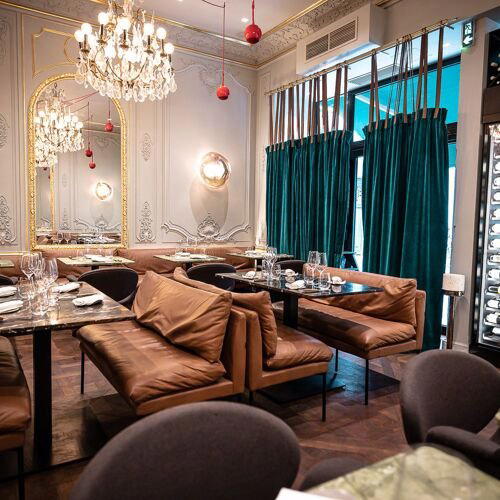
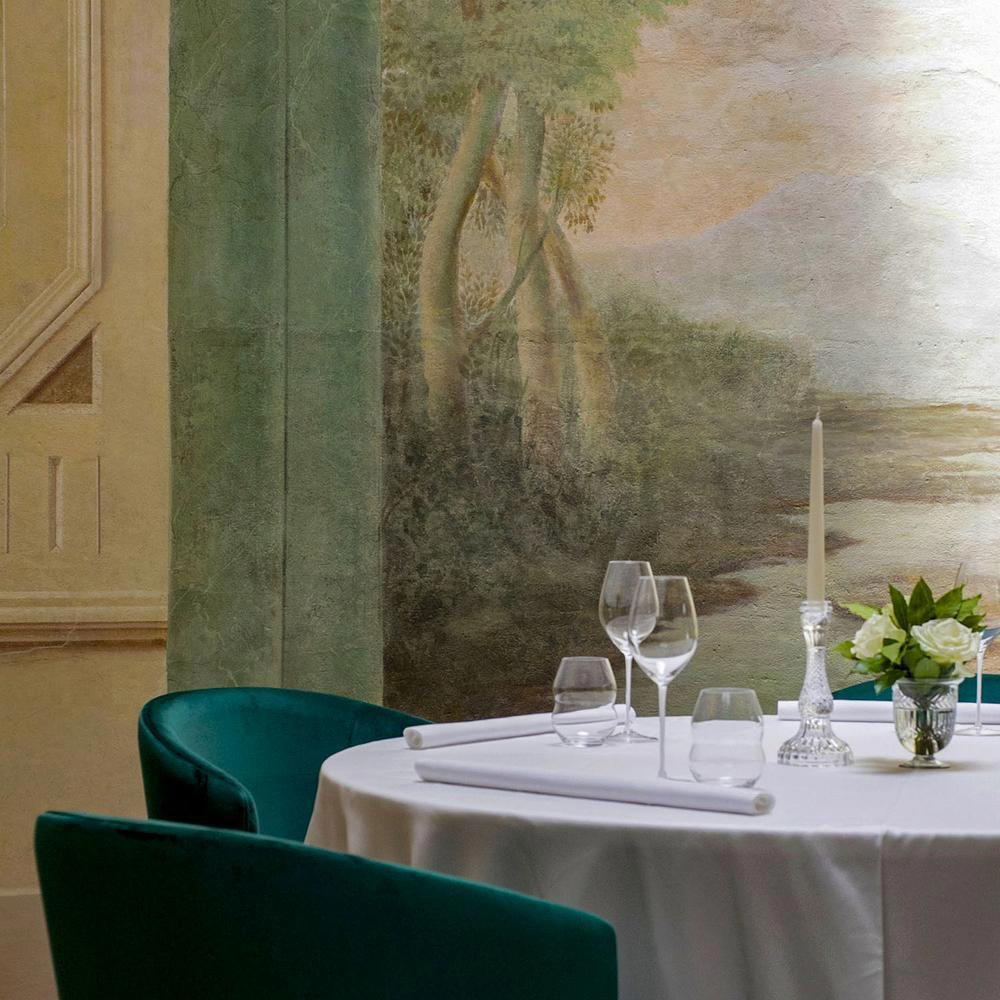
Restaurants in Zagreb
Browse all →
Bars in Zagreb
Browse all →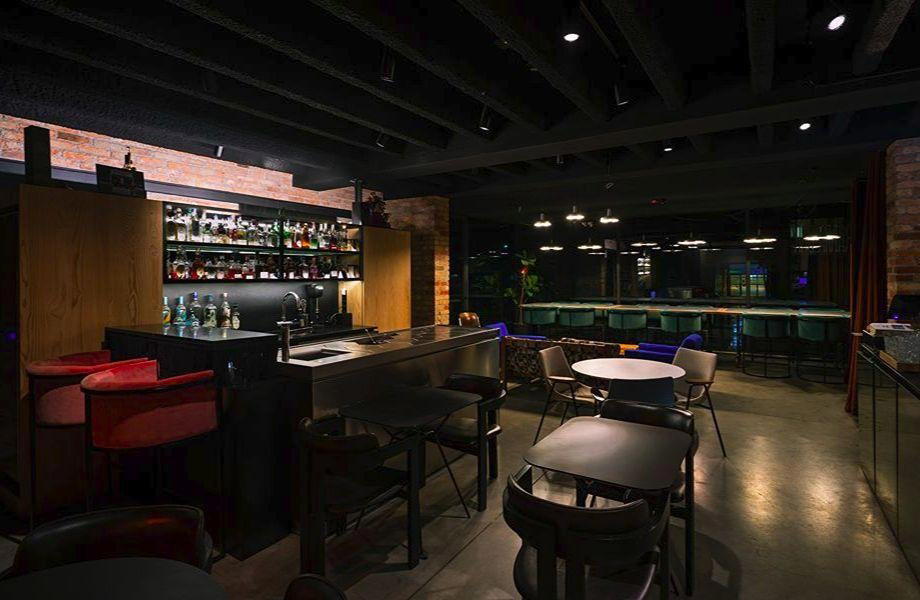
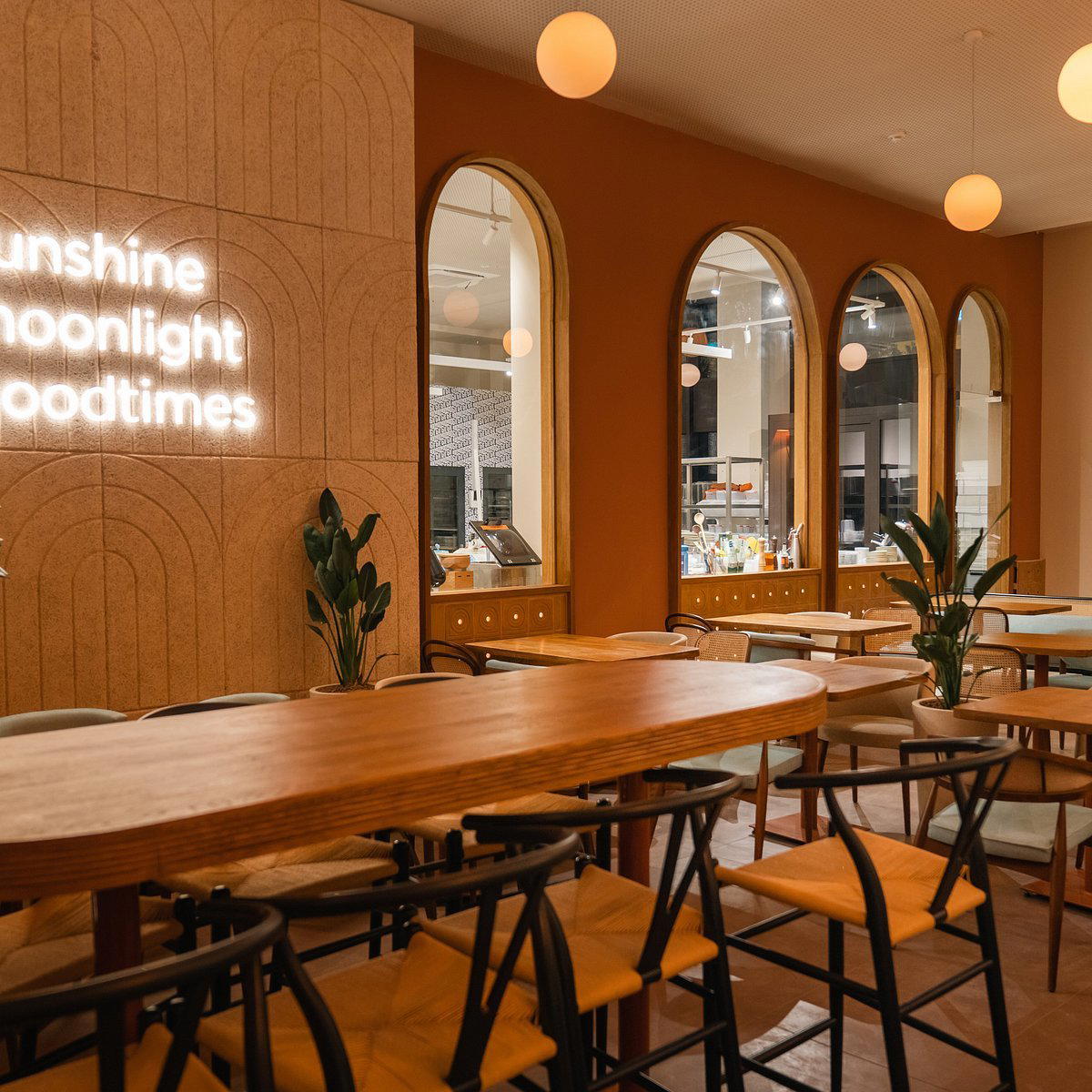
Hotels in Zagreb
Browse all →

At a Glance
- Cozy
- Elegant
- Date Night
- Special Occasion
- Terrace
- Local Sourcing
Current opening hours
- Monday
- 11 AM–11 PM
- Tuesday
- 11 AM–11 PM
- Wednesday
- 11 AM–11 PM
- Thursday
- 11 AM–11 PM
- Friday
- 11 AM–11 PM
- Saturday
- 11 AM–11 PM
- Sunday
- 11 AM–5 PM
Hours can change for holidays and private events. Last verified .
Cozy atmosphere with terrace seating and focus on fresh seafood.