Zlatna Školjka sits on Martićeva, one of Zagreb's quieter residential streets east of the centre, and occupies a distinct position in a city where serious Croatian cooking is increasingly hard to separate from tourist-facing imitation. The address alone signals intent: this is a place built for locals first. Expect a mood that shifts considerably between a composed lunch service and a fuller, more convivial dinner.
Pearl is the En Primeur Club membership app — saves, bookings, and concierge access live there. Same editors, same standards.
- Address
- Martićeva ul. 51, 10000, Zagreb, Croatia
- Phone
- +38514641400
- Website
- zlatnaskoljka.hr
- Directions
- Get directions
 Saves & bookings on Pearl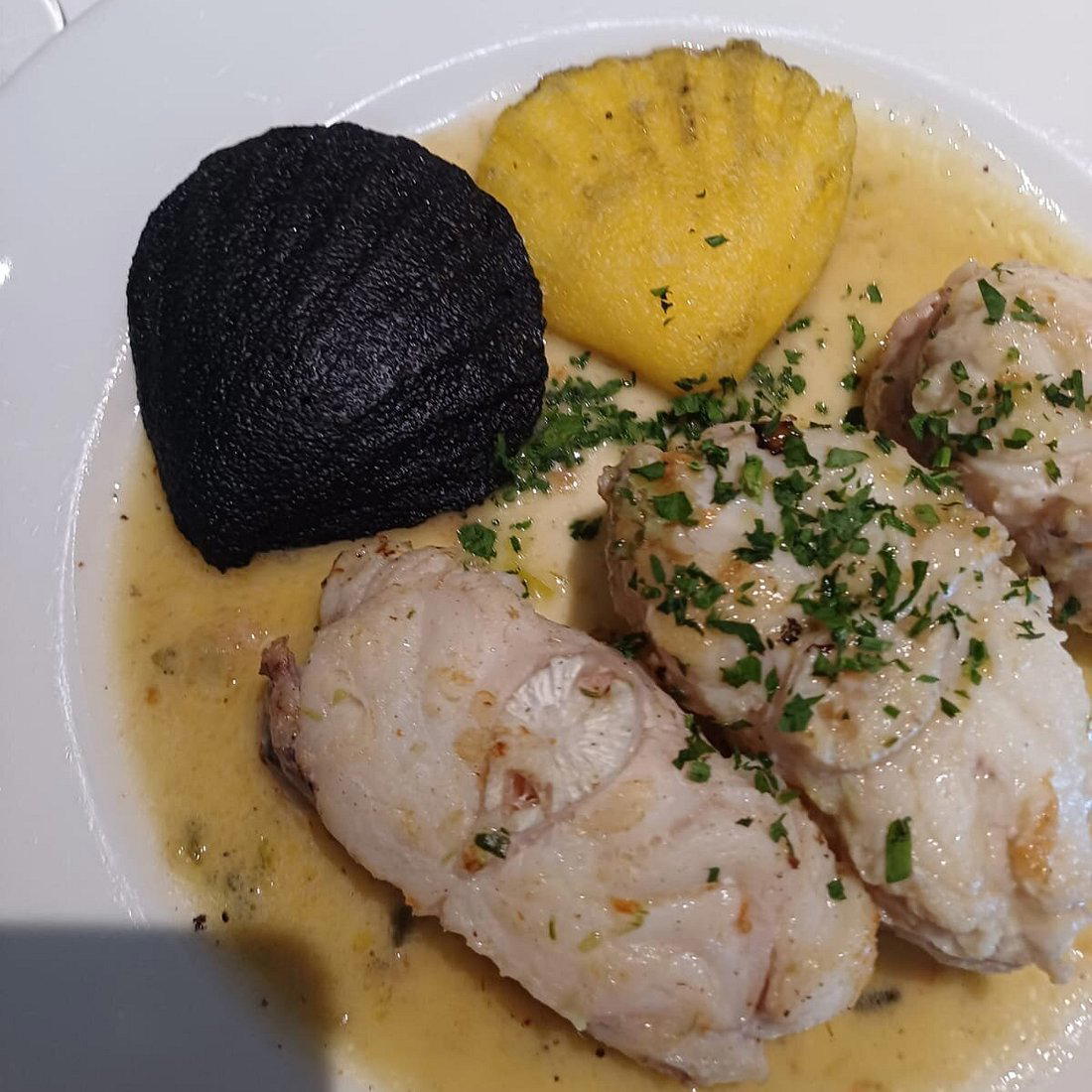
Martićeva and the Logic of the Neighbourhood Table
Zagreb's serious restaurant scene has always had a split personality. The Upper Town and Gornji Grad pull visitors toward terrace views and approachable menus; the streets east of the centre, particularly along Martićeva and its surrounding blocks, tend toward a quieter, more residential dining logic. Zlatna Školjka is a Croatian seafood restaurant at Martićeva ul. 51 in Zagreb.
At one end, places like Noel (Modern Cuisine) operate at the summit of the price tier with tasting-menu formats aimed at the city's most occasion-driven diners. At the other, accessible neighbourhood spots absorb the daily lunch traffic. Zlatna Školjka occupies a position somewhere between those poles, readable as a neighbourhood anchor with enough culinary seriousness to draw visitors prepared to leave the centre.
Lunch and Dinner: Two Different Propositions
The lunch-versus-dinner divide is where the venue's character becomes most legible. In Zagreb, as across much of Central Europe, midday service carries a different social weight than the evening. Lunch is transactional and convivial at once: shorter dwell times, lighter price expectations, a clientele drawn from nearby offices and residential blocks. Dinner shifts the dynamic toward occasion, toward longer tables, and toward the kind of deliberate ordering that justifies a full bottle rather than a glass.
For a venue on Martićeva, that split is likely accentuated by the street's neighbourhood character. Daytime here functions as a local institution: the kind of place where the same regulars occupy the same tables on the same days, where the kitchen knows what the table by the window will order before they sit. Evening service draws from a wider catchment, including visitors who have done their homework and locals treating the address as a destination rather than a default. The practical implication for visitors is direct: lunch is the session to book. Dinner is the call, and a reservation made in advance is the sensible move.
This pattern is not unusual in Zagreb's mid-tier. Dubravkin Put (Mediterranean Cuisine), operating at the €€€ bracket in a park-adjacent setting on the city's western edge, shows a similar dynamic: a relaxed daytime register giving way to a more formally paced evening. Al Dente and Amfora both demonstrate how Zagreb's mid-range addresses use the lunch hour to cement local loyalty while using dinner service to build the kind of reputation that travels beyond the immediate neighbourhood.
Croatian Dining in Context: What This Address Implies
Croatian restaurant culture has undergone significant development over the past fifteen years, and that development has been uneven across geography. The coast has absorbed the bulk of international attention: Pelegrini in Sibenik and Restaurant 360 in Dubrovnik operate at the upper end of Adriatic fine dining, while Agli Amici Rovinj in Rovinj and LD Restaurant in Korčula have built credible international profiles anchored in their respective regional traditions. Inland, the conversation has been slower to develop, but Zagreb has increasingly made itself a serious argument for Croatian urban dining.
The capital's leading addresses now draw on a broader set of influences than coastal seafood traditions alone. Izakaya (Japanese Contemporary) demonstrates Zagreb's appetite for international formats at accessible price points. The more expensive end of the market, represented by venues like Noel and the creative tier occupied by Nav, signals that the city has a diner base willing to pay for ambition. Zlatna Školjka, by its address and positioning, sits closer to the traditional end of that spectrum: a place where Croatian hospitality logic, the instinct to feed well rather than to perform, remains the operative value.
This address rewards a diner who values consistency and locality.
Planning Your Visit
The restaurant is located at Martićeva ul. 51, 10000 Zagreb, placing it east of Glavni kolodvor (the main railway station) and within walking distance of several tram lines that connect the address to the city centre. The neighbourhood is residential and quiet, which means arrival on foot is perfectly manageable from the Ban Jelačić Square area in under twenty minutes, or a short tram ride away.
Price and Recognition
Comparable venues nearby, for context on price, style, and recognition.
| Venue | Cuisine | Price | Notes |
|---|---|---|---|
| Zlatna ŠkoljkaThis venue — the venue you are viewing | Martićeva, Croatian Seafood | $$ | Not listed |
| Boteko Latin Street Food | Not listed | $$ | Zagreb city center, Brazilian Street Food |
| Stari Fijaker | Not listed | $$ | Lower Town, Traditional Croatian Zagreb-Zagorje |
| Korčula | Lower Town, Modern Dalmatian Seafood | $$$ | Not listed |
| Zrno bio bistro | Not listed | $$ | city center, Certified Organic Vegan Bistro |
| Byblos | Zagreb, Authentic Lebanese | $$ | Not listed |
Continue exploring
More in Zagreb
Restaurants in Zagreb
Browse all →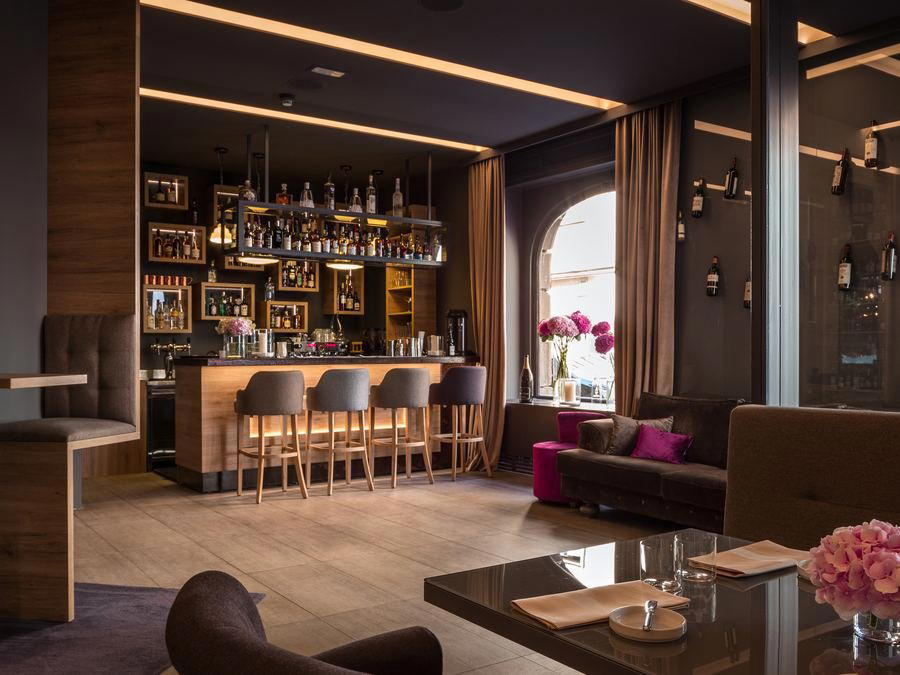
Bars in Zagreb
Browse all →
Hotels in Zagreb
Browse all →

At a Glance
- Classic
- Cozy
- Family
- Casual Hangout
- Date Night
- Terrace
- Extensive Wine List
- Local Sourcing
Current opening hours
- Monday
- 10 AM–11 PM
- Tuesday
- 10 AM–11 PM
- Wednesday
- 10 AM–11 PM
- Thursday
- 10 AM–11 PM
- Friday
- 10 AM–11 PM
- Saturday
- 10 AM–11 PM
- Sunday
- 11 AM–5 PM
Hours can change for holidays and private events. Last verified .
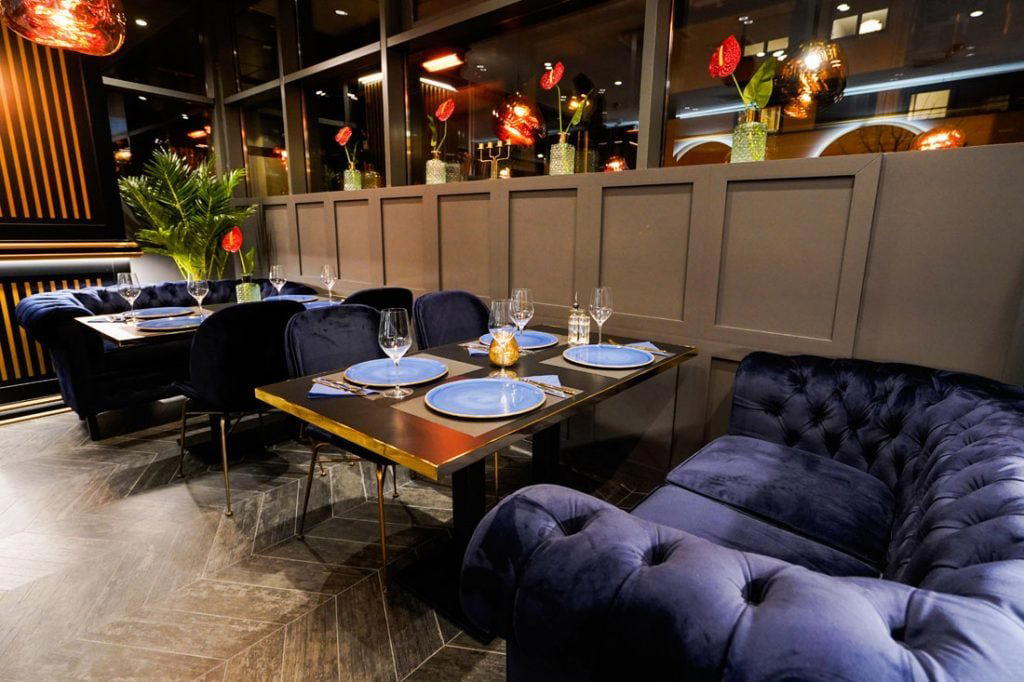
Unpretentious and charming with cozy interior and lovely terrace for al fresco dining.