Our verdict
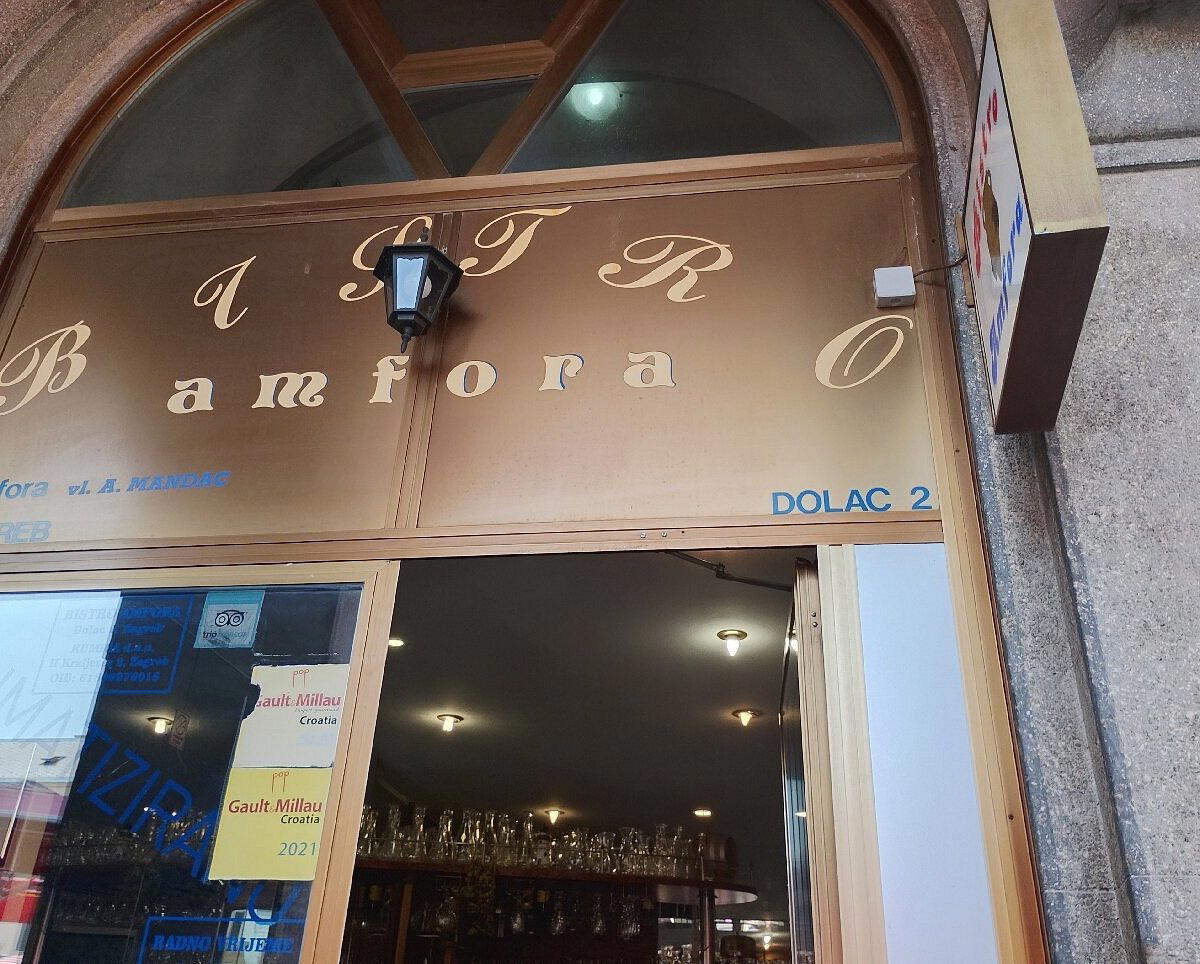
Positioned steps from Zagreb's Dolac market at address Dolac 2, Amfora occupies one of the city's most charged dining locations, where the rhythms of the daily market set the context for what arrives at the table. The address places it squarely within the old city core, where Zagreb's culinary identity is most legible — traditional in its bones, increasingly confident in its ambitions.

Pearl is the En Primeur Club membership app — saves, bookings, and concierge access live there. Same editors, same standards.
- Address
- Dolac 2, 10000, Zagreb, Croatia
- Phone
- +38514816455
- Hours
- Daily 8 AM–4 PM
- Website
- amfora-dolac.com
- Directions
- Get directions
The menu
What to order
- Fried sardines
- Grilled sea bass
- Fried squid
- Red mullet
Where the Market Ends and the Table Begins
Dolac market has shaped Zagreb's eating habits for the better part of a century. The vendors arrive before dawn, the city filters through by mid-morning, and by early afternoon the square quiets. Restaurants that sit directly on or adjacent to Dolac occupy a particular position in Zagreb's dining geography: they inherit the market's authority, its proximity to produce, and the foot traffic of residents and visitors who have just spent time among tomatoes, cheese, and cut flowers. Amfora, at Dolac 2, is one of those addresses. Its location is not incidental — it is the first and most durable thing the restaurant communicates.
Zagreb's old city dining has shifted considerably over the past decade. The neighbourhood immediately around Dolac and Tkalčićeva street has moved from tourist-facing konoba formats toward something more considered, where local regulars and informed visitors share the same dining room. That shift has pushed some venues toward creative territory explored by places like Noel (Modern Cuisine) at the higher end, or the Japanese-inflected minimalism of Izakaya (Japanese Contemporary). Amfora operates within this context without necessarily competing in the same register as either.
The Atmosphere of the Address
The sensory logic of eating near Dolac is specific. Sound arrives from the square in the earlier hours — the hum of vendors and carts, the particular acoustics of an open stone plaza. By evening, that noise retreats, and the old city takes on the quieter, more deliberate pace that Zagreb's upper town is known for. A meal at this address in the late afternoon or evening sits inside that transition: the energy of the market day has passed, but its material presence, in the sourcing choices any kitchen in this area would make, remains.
Stone and plaster dominate the visual register of buildings along Dolac. The approach from the lower city via the funicular or the steps from Ilica puts you through layers of the city's topography before you arrive. This is not a dining district that reveals itself quickly. Zagreb's upper town rewards the effort of ascent, and restaurants that benefit from that context tend to draw guests who have already committed time and intention to being there.
For visitors arriving from outside Croatia, a useful frame of reference: the old city hill in Zagreb functions somewhat like the heights of similar Central European capitals, where the density of history above the commercial plain creates a distinct dining character. The contrast with the newer, more international-facing restaurants around Martićeva or the design-led openings in Gornji Grad sharpens what this part of the city offers. It is a denser, older atmosphere, and venues here wear it differently depending on how seriously they engage with it.
Zagreb's Dining Tier and Where This Address Sits
Zagreb has developed a recognisable premium dining tier over the past several years, anchored by a small number of venues with documented critical recognition. Dubravkin Put (Mediterranean Cuisine) occupies a position in the Mediterranean-influenced bracket at the €€€ price point, while Noel operates at €€€€ with a modern cuisine approach that positions it against regional peers in Slovenia and beyond. The city also has an active mid-market with strong local character, represented by places like Al Dente and Amélie.
Amfora's position within that hierarchy is shaped by its Dolac address more than any documented award credential. In Zagreb, location near the market functions as a soft trust signal: the assumption, earned or not, is that proximity to the city's primary fresh produce source influences what ends up on the plate. Whether a kitchen actually draws from that proximity or treats it as backdrop is the critical question, and it is one that the available record for Amfora does not fully resolve. What the address does confer is a certain legibility: guests know where they are in the city's physical and culinary map.
For context on what the broader Croatian dining scene looks like at the recognised tier, a short list of benchmarks: Pelegrini in Sibenik and Agli Amici Rovinj in Rovinj operate with Michelin recognition, while LD Restaurant in Korčula, Boskinac in Novalja, and Nebo by Deni Srdoč in Rijeka each represent different regional approaches to Croatian produce and technique. Korak in Jastrebarsko, Alfred Keller in Mali Lošinj, San Rocco in Brtonigla, Krug in Split, and Restaurant 360 in Dubrovnik round out the picture of where Croatia's documented dining ambition currently sits. Zagreb operates within that national conversation, but with a continental rather than coastal character, a distinction that shapes ingredient logic and seasonal rhythm differently.
Seasonality and the Right Time to Visit
The Dolac market follows Croatia's agricultural calendar with reasonable fidelity, which means the spring and early summer months, April through June, bring the most varied produce display. Late summer and early autumn, through September and October, offer a second peak as the harvest comes in. Dining in this part of Zagreb in winter is a different proposition: the outdoor components of the market contract, the upper town takes on a greyer, more enclosed quality, and restaurants draw on preserved, dried, and root-based ingredients. That is not a deficiency, winter in Zagreb's old city has its own atmospheric logic, but the seasonal contrast is worth factoring into when a visit makes most sense.
For a broader survey of where Zagreb's dining scene sits across formats and price points, the full Zagreb restaurants guide maps the city's current options with more granularity. For international comparison points at the far end of the technical spectrum, Le Bernardin in New York City and Lazy Bear in San Francisco represent what sustained critical recognition looks like in markets with deeper documentation infrastructure, a useful frame when calibrating expectations across very different dining environments.
Planning a Visit
Amfora sits at Dolac 2, directly adjacent to Zagreb's central market in the upper old city. The address is walkable from the main square, Trg bana Jelačića, in under five minutes, either via the short funicular from Ilica or on foot up the market stairs.
Frequently asked questions
Where exactly is Amfora?
Amfora is located at Dolac 2, 10000, Zagreb, Croatia, Zagreb.
Is Amfora a good option for a meal directly in Zagreb's Dolac market area?
At Dolac 2, Amfora is positioned as close to Zagreb's central market as any seated restaurant in the upper old city, with the market square itself a matter of steps from the entrance. The address is walkable from Trg bana Jelačića, making it a practical choice for visitors already in the historic core. Few restaurants in Zagreb combine this level of market adjacency with a conventional dining setup.
What's the best thing to order at Amfora?
Amfora sits directly beside Dolac market, Zagreb's primary source of seasonal Croatian produce, which means the kitchen's strongest offerings tend to follow whatever the market is moving that week. Spring and early summer bring the most varied selection, with April through June representing the peak of Croatia's agricultural calendar.
How hard is it to get a table at Amfora?
No reservation platform data is publicly documented for Amfora, so demand pressure is difficult to quantify precisely. The Dolac 2 address is one of the most trafficked locations in Zagreb's upper old city, particularly during market hours and the spring-to-summer tourist season. Arriving early or visiting on a weekday outside peak market hours is the lower-friction approach.
What has Amfora built its reputation on?
Amfora's positioning is tied closely to its address at Dolac 2, placing it at the physical edge of Zagreb's century-old central market. In a city where premium dining has coalesced around a small number of venues with documented critical recognition, proximity to Dolac carries its own culinary logic — the sourcing chain from vendor to kitchen is as short as it gets in Zagreb. Documented awards or named chef credentials are not part of the current public record.
Peers You’d Cross-Shop
Comparable venues nearby, for context on price, style, and recognition.
| Venue | Cuisine | Price | Notes |
|---|---|---|---|
| AmforaThis venue — the venue you are viewing | Fresh Seafood Bistro | $10–20 | Not listed |
| Byblos | Authentic Lebanese | Not listed | Zagreb |
| CHEFlja | Italian Mediterranean | $20–30 | western Zagreb |
| R&B Food | American BBQ & Croatian Grilled Meats | $10–20 | Puljska Ulica |
| Trilogija Fino&Vino | Contemporary Croatian with Mediterranean Influences | $30–50 | Kaptol |
| Market street food & drinks | Modern Croatian Bistro | $10–20 | City Centre |
Continue exploring
More in Zagreb
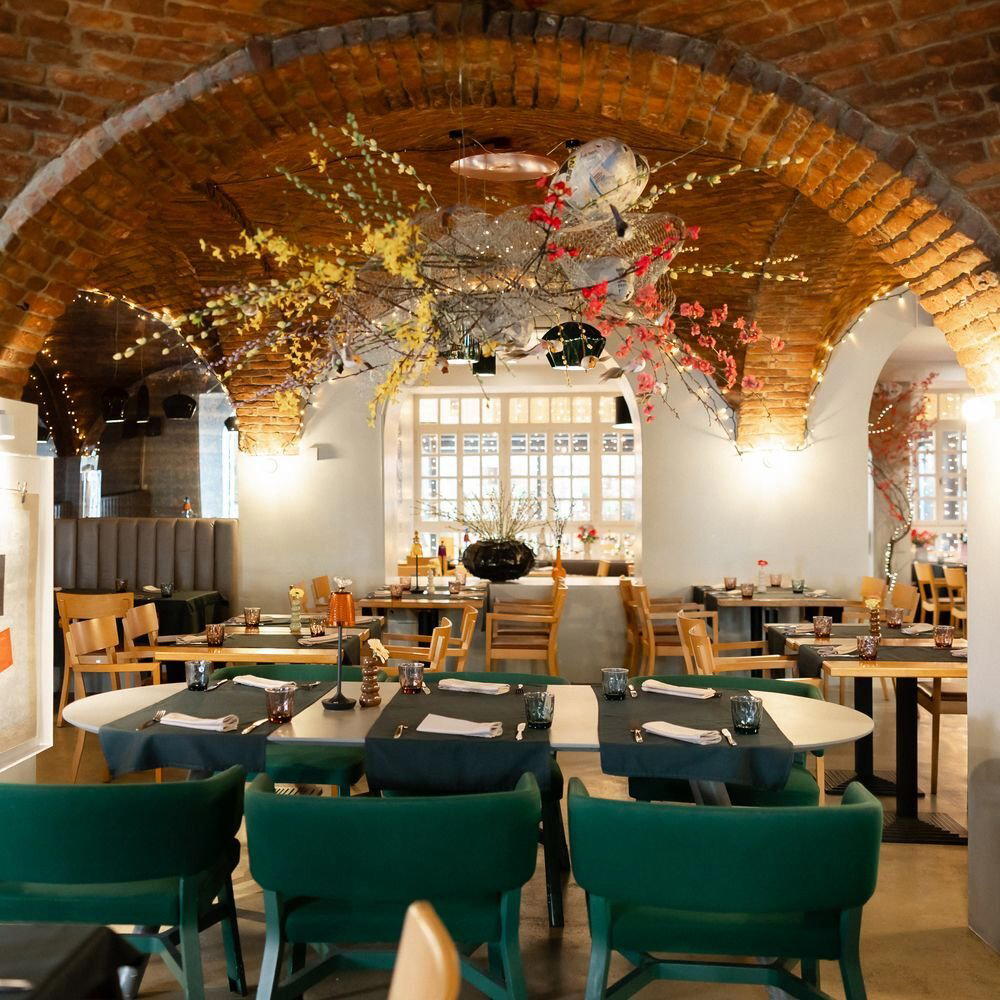
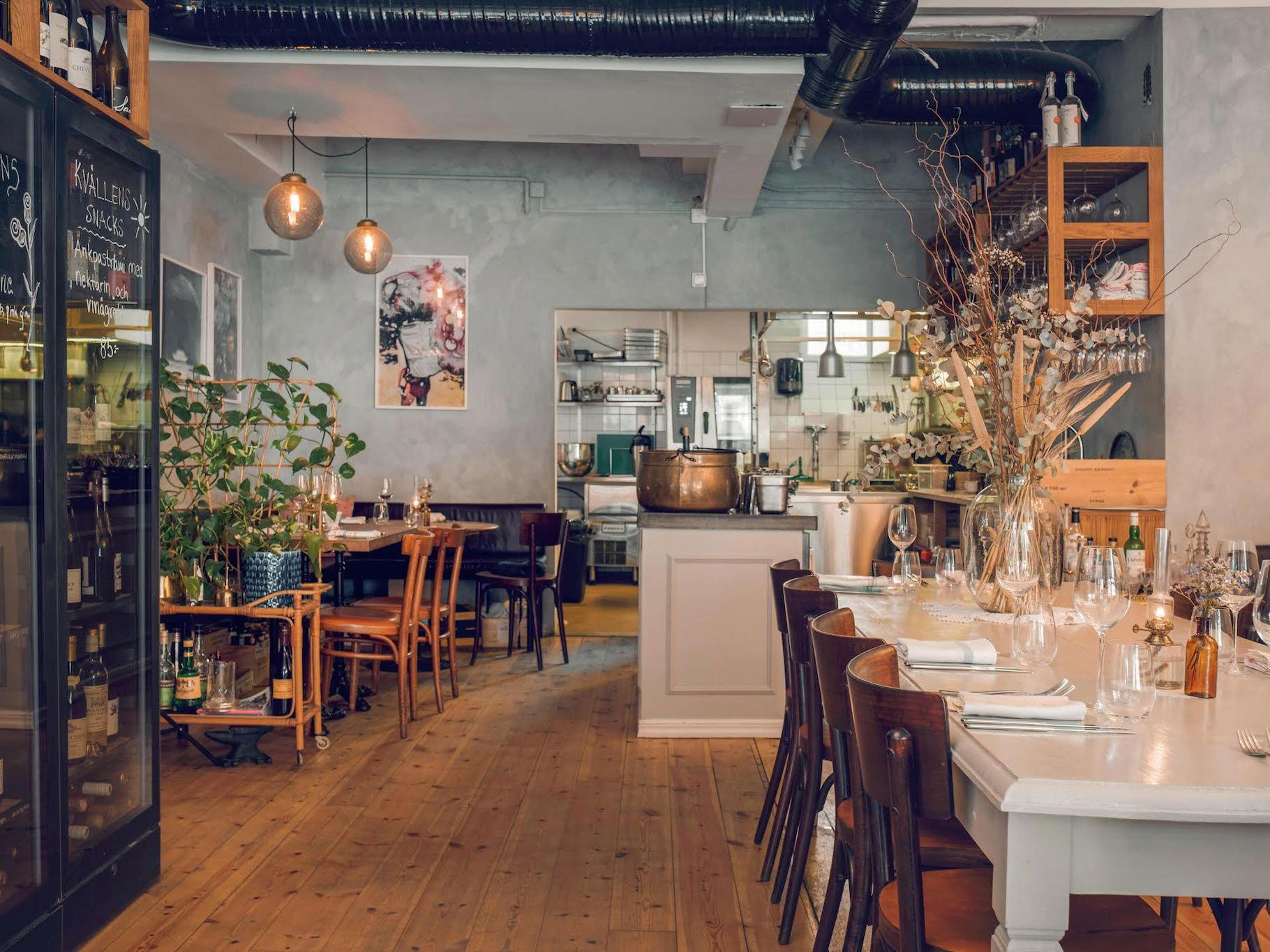
Restaurants in Zagreb
Browse all →
Bars in Zagreb
Browse all →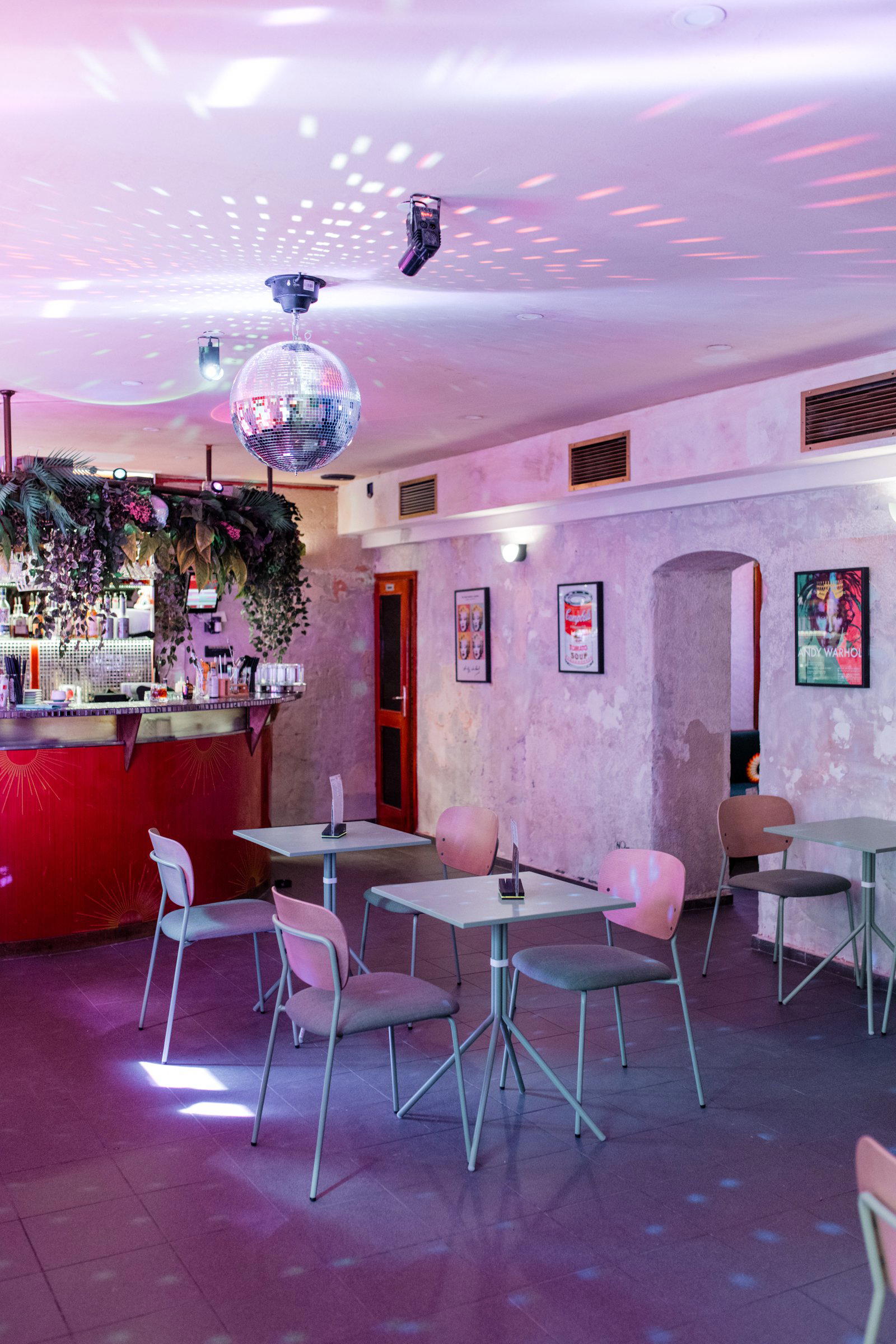
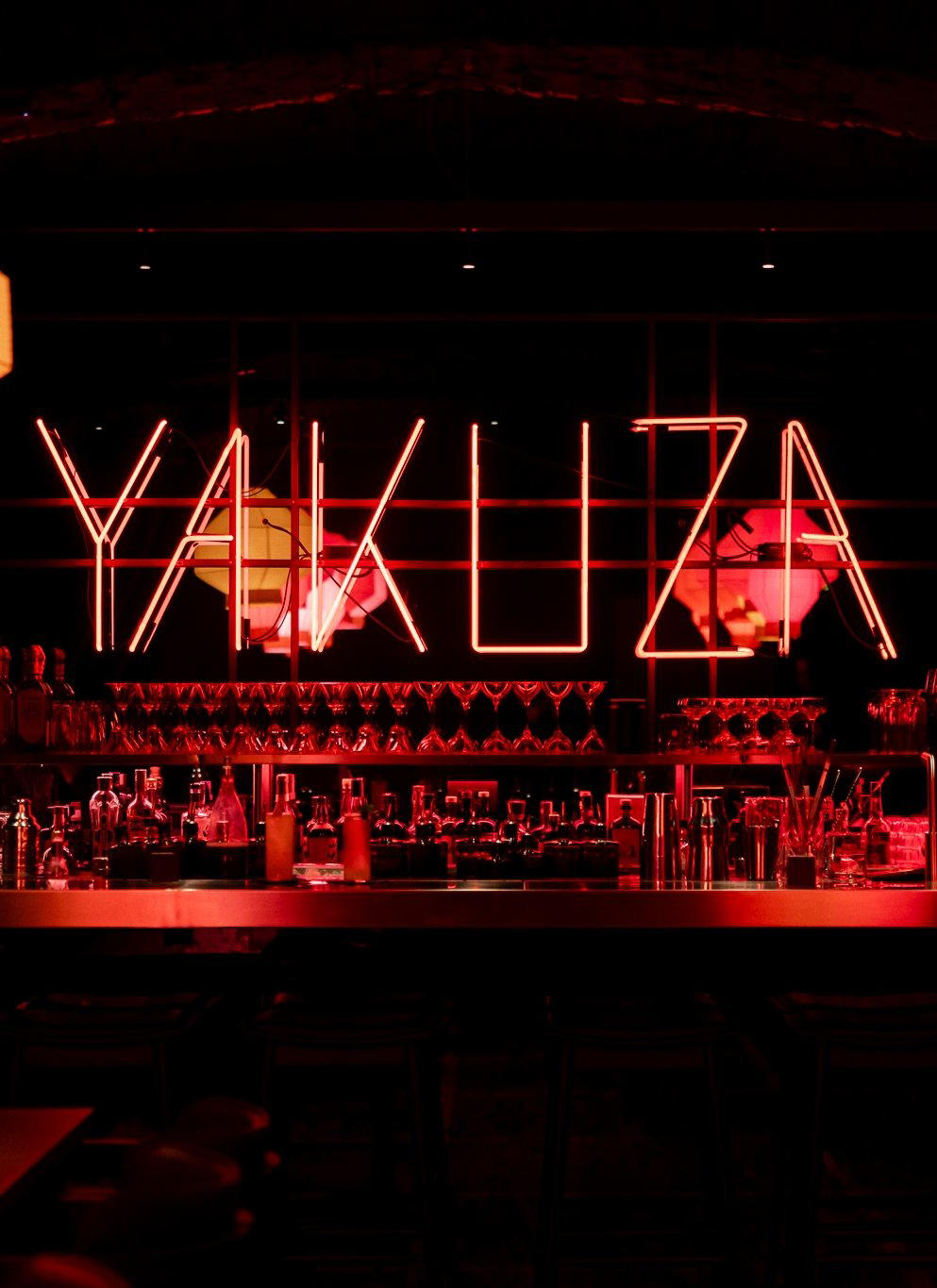
Hotels in Zagreb
Browse all →

Details
- Cozy
- Lively
- Casual Hangout
- Terrace
- Local Sourcing
- Street Scene
- A La Carte
Current opening hours
- Monday
- 8 AM–4 PM
- Tuesday
- 8 AM–4 PM
- Wednesday
- 8 AM–4 PM
- Thursday
- 8 AM–4 PM
- Friday
- 8 AM–4 PM
- Saturday
- 8 AM–4 PM
- Sunday
- 8 AM–4 PM
Hours can change for holidays and private events. Last verified .
Warm and relaxed atmosphere with a bustling market energy.