Konsai sits on Avenida Zarco in São Martinho, positioning itself within Funchal's growing conversation around Asian-influenced dining. The address places it outside the historic centre's tourist circuit, suggesting a local-leaning clientele. Visitors to Funchal with an appetite for the city's non-Atlantic culinary registers should note it alongside the island's broader contemporary dining scene.
Pearl is the En Primeur Club membership app — saves, bookings, and concierge access live there. Same editors, same standards.
- Address
- Av. Zarco, São Martinho, 9000-069 Funchal, Portugal
- Phone
- +351 291 649 497
- Website
- konsaisushi.com
- Directions
- Get directions
 Saves & bookings on Pearl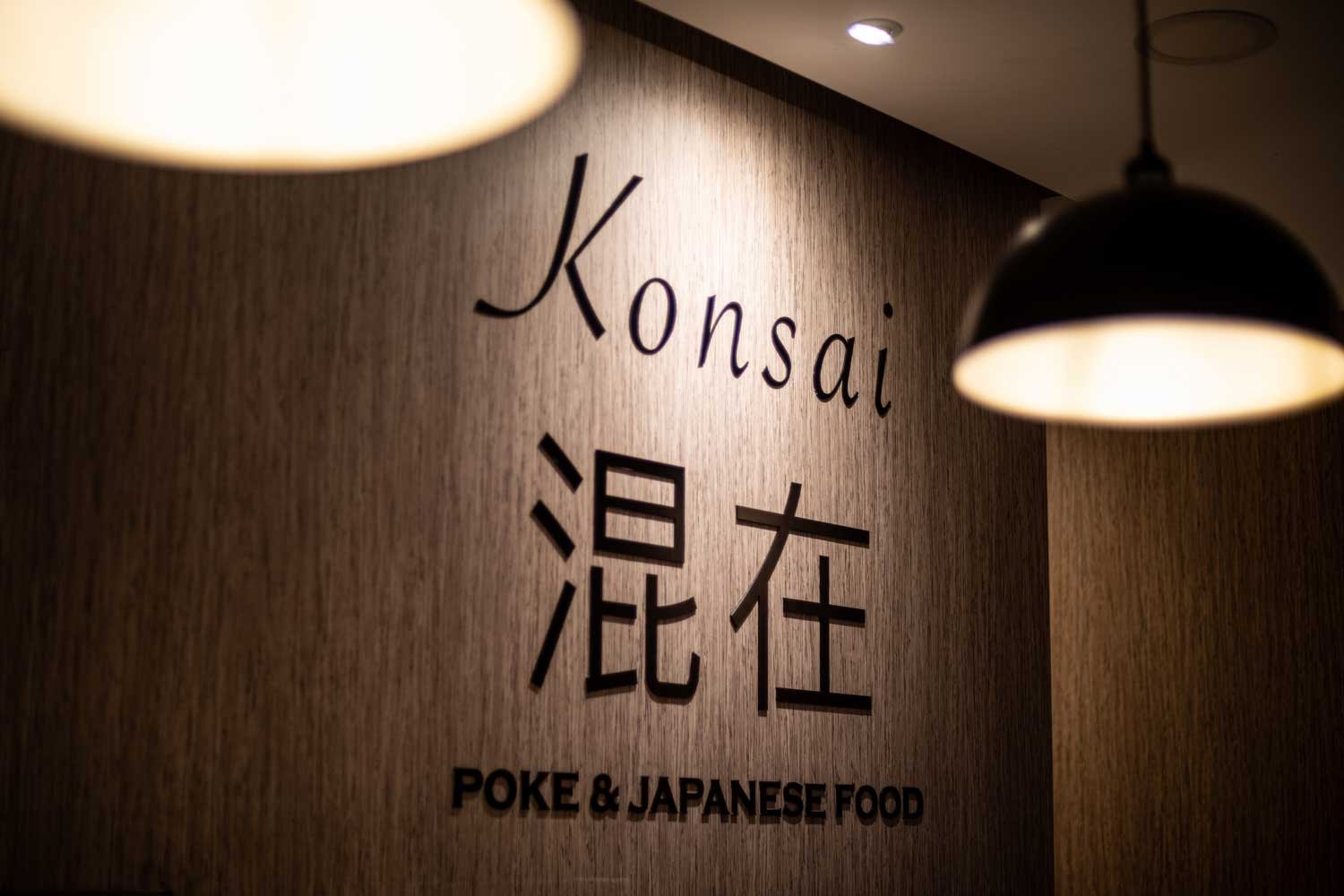
Asian Dining in Funchal: Where Konsai Fits the Conversation
Funchal's restaurant scene has spent the better part of the last decade consolidating around two poles: the Atlantic-Mediterranean fine dining tier, anchored by properties like Il Gallo d'Oro and Audax, and a quieter, less documented stratum of neighbourhood restaurants serving residents rather than resort guests. Konsai is a restaurant in Funchal serving California-Style Fusion Sushi. Its location outside the historic Zona Velha and the main hotel corridor signals a deliberate positioning away from the tourism-first dining circuit that defines much of central Funchal.
That positioning matters more than it might initially seem. In cities where fine dining clusters around hotel lobbies and viewpoints, restaurants that anchor themselves in residential suburbs tend to build their reputations differently: through repeat local custom, word-of-mouth within the city's professional class, and a format calibrated to weekly use rather than once-a-trip occasion. São Martinho, the parish that holds Konsai's address, is one of Funchal's more populous and commercially active districts, removed from the postcard seafront but close enough to the city's working life to sustain a genuine local following.
The Cultural Register: Asian Cuisine on an Atlantic Island
Asia-inflected dining on Madeira carries a context that mainland Portugal's larger cities share only partially. Funchal's historical role as a mid-Atlantic transit point, and Madeira's own diaspora networks across Venezuela, South Africa, and the UK, have shaped a population more accustomed to culinary cross-reference than the island's size might suggest. The result is that restaurants drawing on Asian culinary frameworks, whether Japanese, pan-Asian, or fusion, tend to find an audience that reads them not as novelty imports but as part of a broader cosmopolitan habit.
This contrasts with the experience at addresses like Avista Ásia, which approaches Asian-inflected cooking from within a luxury hotel framework and prices accordingly. Konsai's São Martinho address suggests a different commercial logic: less reliant on hotel referrals, more dependent on the kind of sustained neighbourhood loyalty that comes when a restaurant earns its place in the weekly rotation rather than the special-occasion shortlist.
Across Portugal's wider dining geography, Asian culinary traditions have found serious expression in the country's two largest cities. In Lisbon, Belcanto and its peers have pushed fine dining into internationally recognised territory, while Porto's Antiqvvm and the Douro Valley's broader hospitality maturity have given the country a pluralistic fine dining map. Funchal's contribution to that map is still forming, and restaurants operating at the neighbourhood level, below the awards radar, are often where that formation begins.
Funchal's Mid-Tier Dining: The Bracket Konsai Inhabits
Funchal's restaurant market has a visible structural gap. At the leading, properties with formal tasting menu formats and Michelin recognition, including Il Gallo d'Oro and Desarma, serve a clientele that often arrives by hotel concierge recommendation. At the other end, casual seafood restaurants and traditional Madeiran tabernas handle high volumes of tourist traffic. The middle tier, restaurants with some culinary ambition but a more accessible price point and a format that works for both locals and informed visitors, is less crowded and more interesting to seek out.
Avista operates in the Mediterranean-facing version of that mid-tier. Konsai, based on its location and the general market context of Asian dining in Funchal, appears to work a parallel track oriented toward Asian culinary traditions rather than Atlantic or Mediterranean ones. That differentiation alone gives it a distinct position in a city where the dominant fine dining grammar is still overwhelmingly European.
For comparison, the Algarve's mid-tier has produced formally recognised addresses like Bon Bon in Lagoa and Al Sud in Lagos, while the broader Portuguese south has developed a diversity of register that Madeira is only beginning to reflect. The island's relative isolation has historically concentrated culinary investment in a narrower band of formats, which means that restaurants stepping outside the Atlantic-European frame carry more novelty value, and more risk, than equivalent addresses in Lisbon or Porto.
Planning a Visit: What the Address Tells You
Avenida Zarco in São Martinho is accessible from central Funchal by a short drive or taxi, and the parish is well-served by the city's bus network. The address sits outside the main pedestrian zone, so arriving by foot from the cable car or old town area is less convenient than from the hotel districts to the west. Visitors staying in the Lido area or the hotel strip along the coast road will find São Martinho a more natural extension of their geography than those based in the historic centre.
Because Konsai is recommended for reservations and typically serves lunch and dinner Monday through Saturday, prospective diners should plan ahead. In a city where some neighbourhood restaurants operate reduced hours outside peak season, and where smaller Asian dining addresses sometimes shift formats or ownership more fluidly than larger hotel-backed properties, checking ahead is practical rather than precautionary.
For a fuller picture of how Madeira's fine dining tier compares with stronger examples from mainland Portugal, the Algarve's Ocean in Porches, the Douro's The Yeatman in Vila Nova de Gaia, and the northern Portugal standout A Cozinha in Guimaraes all offer useful reference points for the country's range. Internationally, the precision-focused Asian dining tradition has its own premium benchmarks: Atomix in New York City represents one model of how Asian culinary frameworks operate at the highest critical register, while Le Bernardin shows what sustained excellence over decades looks like in a city with far deeper dining competition than Funchal. Funchal is not New York, but its food scene is moving faster than its island status might imply, and restaurants like Konsai are part of that movement.
Cost Snapshot
Comparable venues nearby, for context on price, style, and recognition.
| Venue | Cuisine | Price | Notes |
|---|---|---|---|
| KonsaiThis venue — the venue you are viewing | Not listed | $$ | Not listed |
| O. Giro | Sé, Portuguese Churros & Paninis | $$ | Not listed |
| Window to Asia | São Martinho, Asian Fusion | $$ | Not listed |
| Pizzaria Lume | São Martinho, Neapolitan Pizza | $$ | Not listed |
| Sakura Sushi | Funchal, Japanese Sushi | $$ | Not listed |
| KIRITA Japanese noodle laboratory | Not listed | $$ | São Martinho, Japanese Ramen & Udon Noodle Bar |
Continue exploring
More in Funchal
Restaurants in Funchal
Browse all →
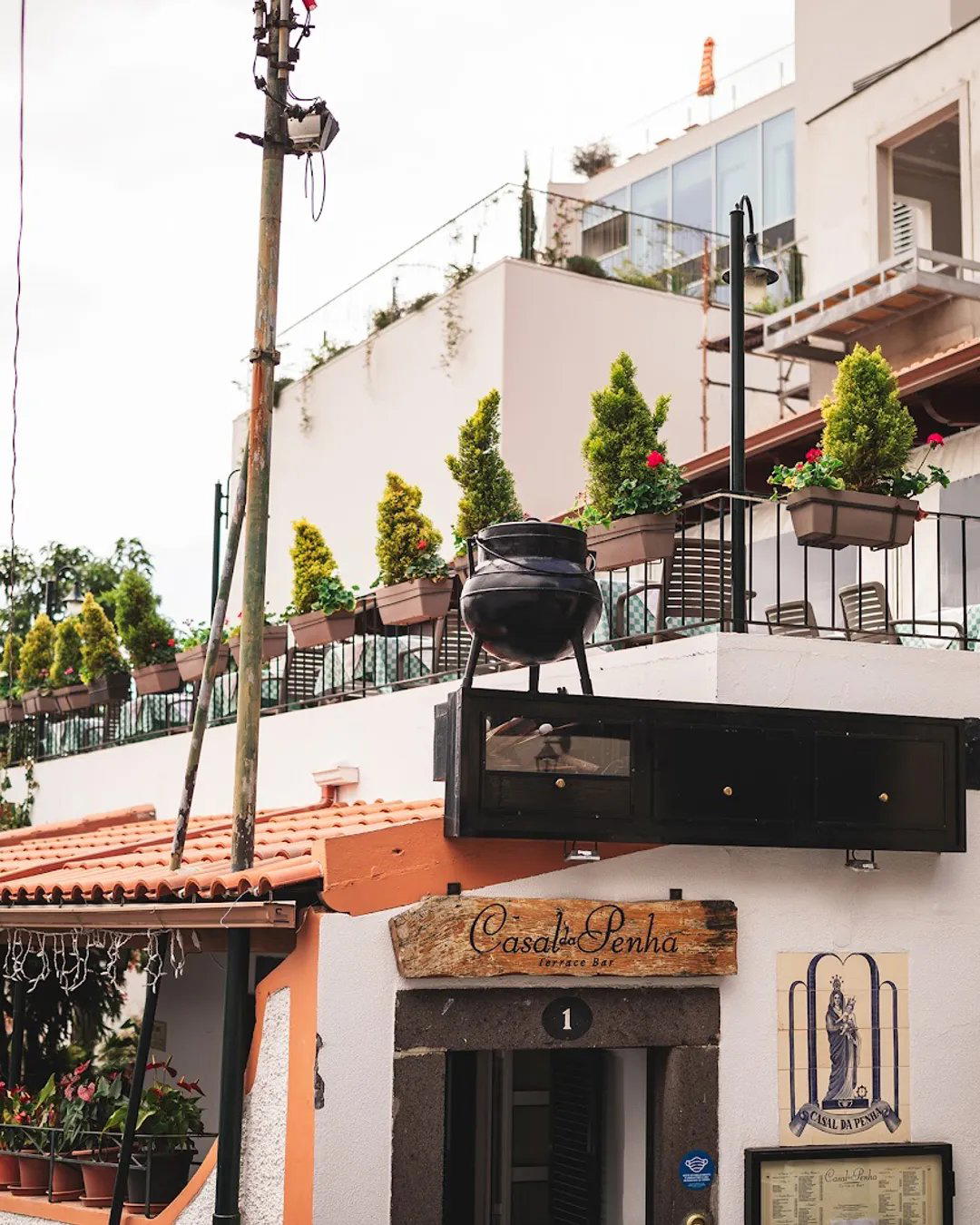
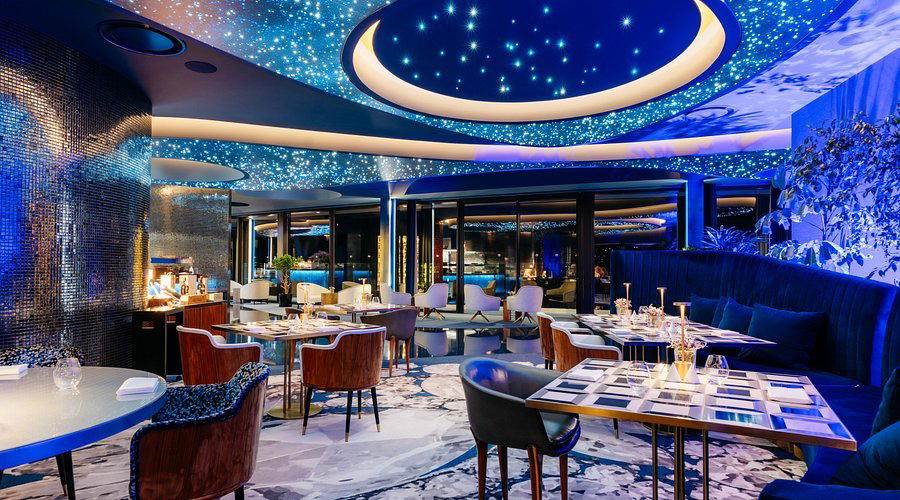
Bars in Funchal
Browse all →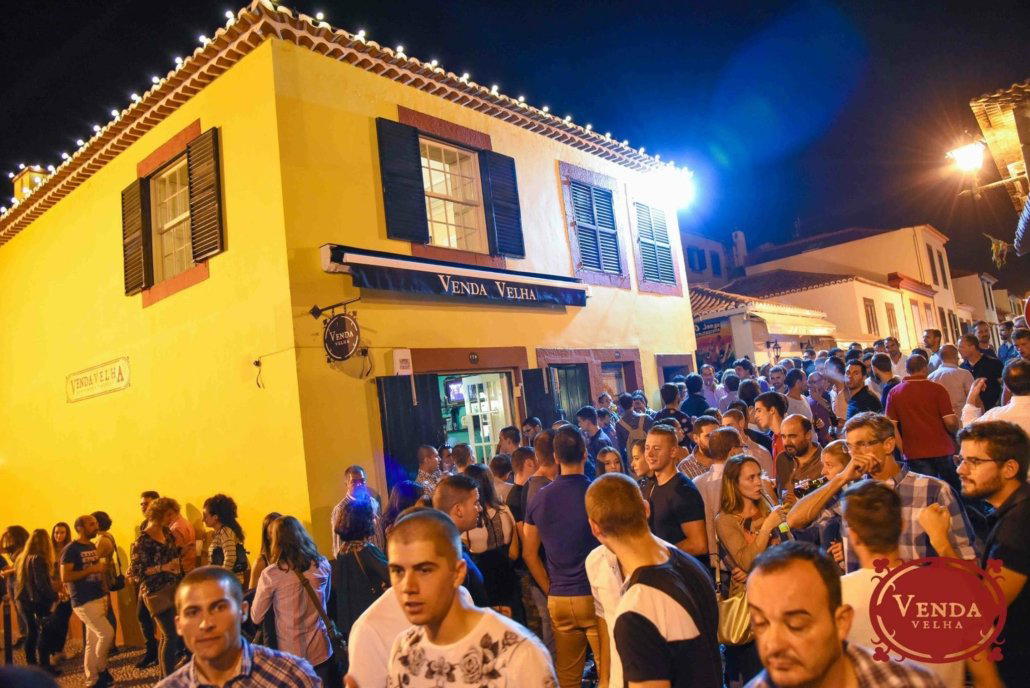


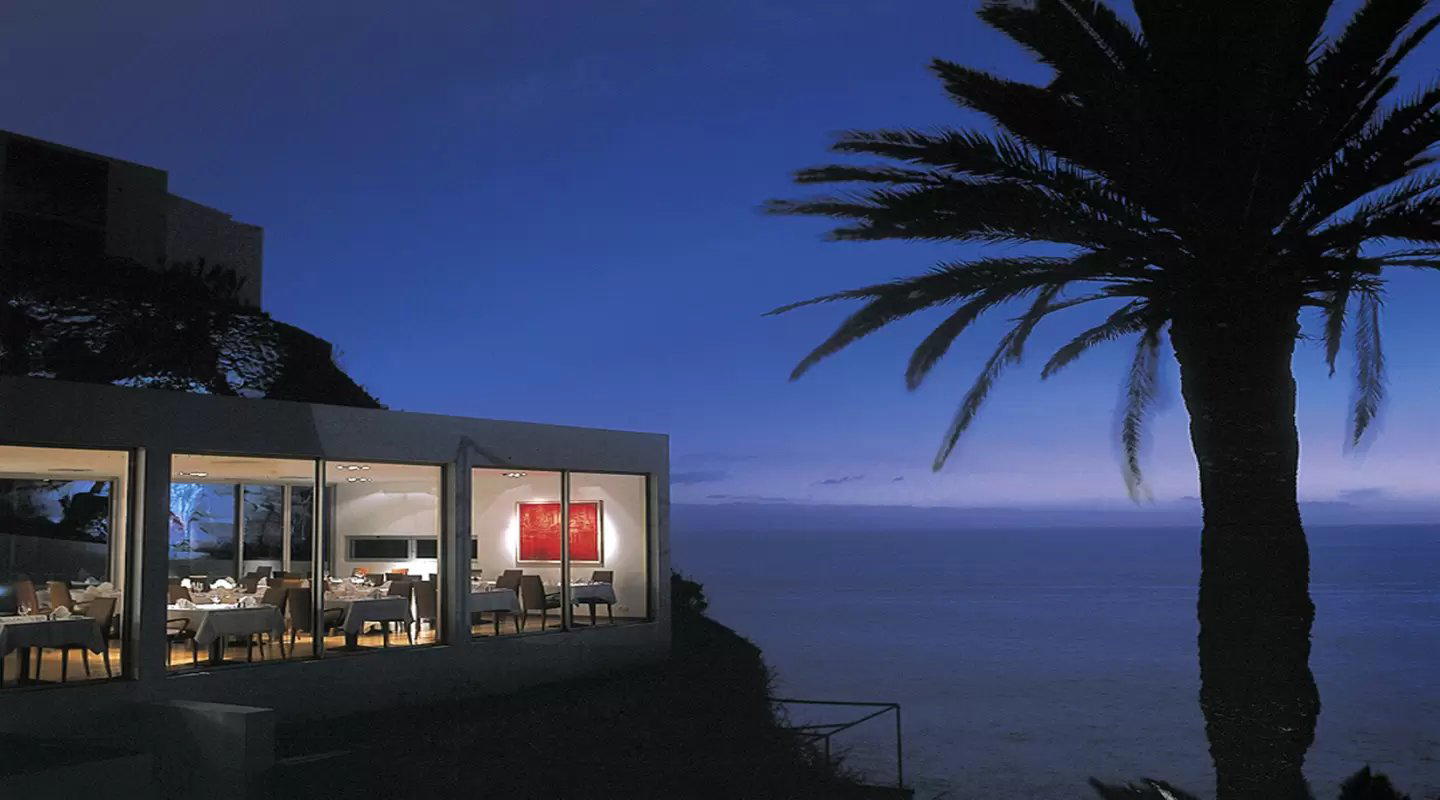
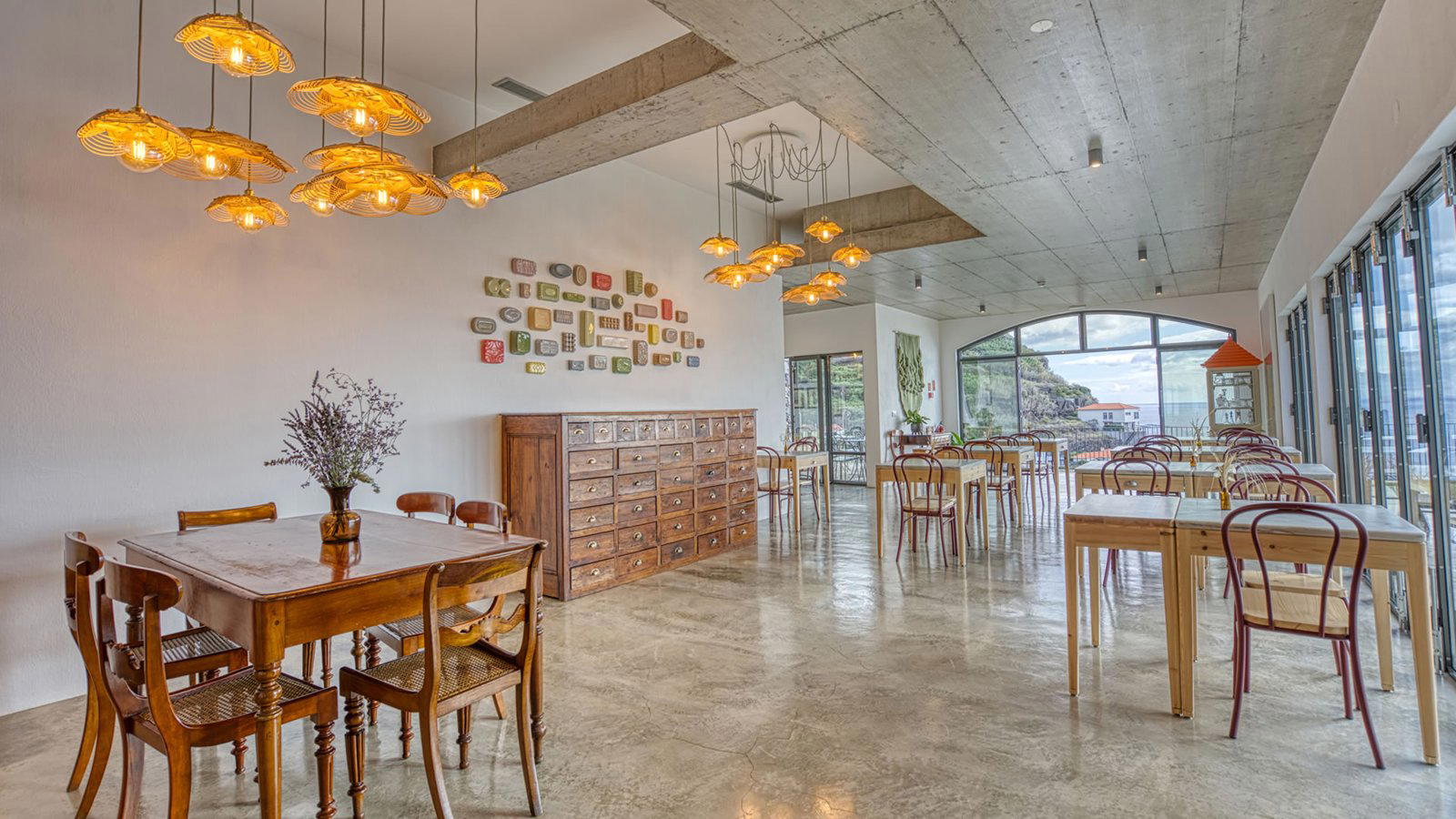
Hotels in Funchal
Browse all →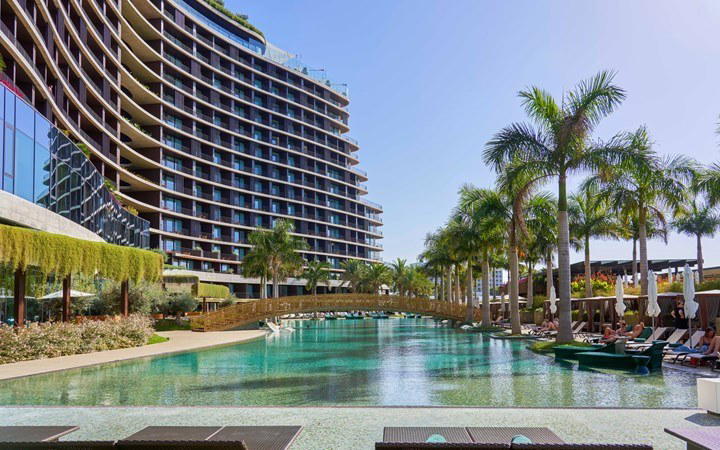
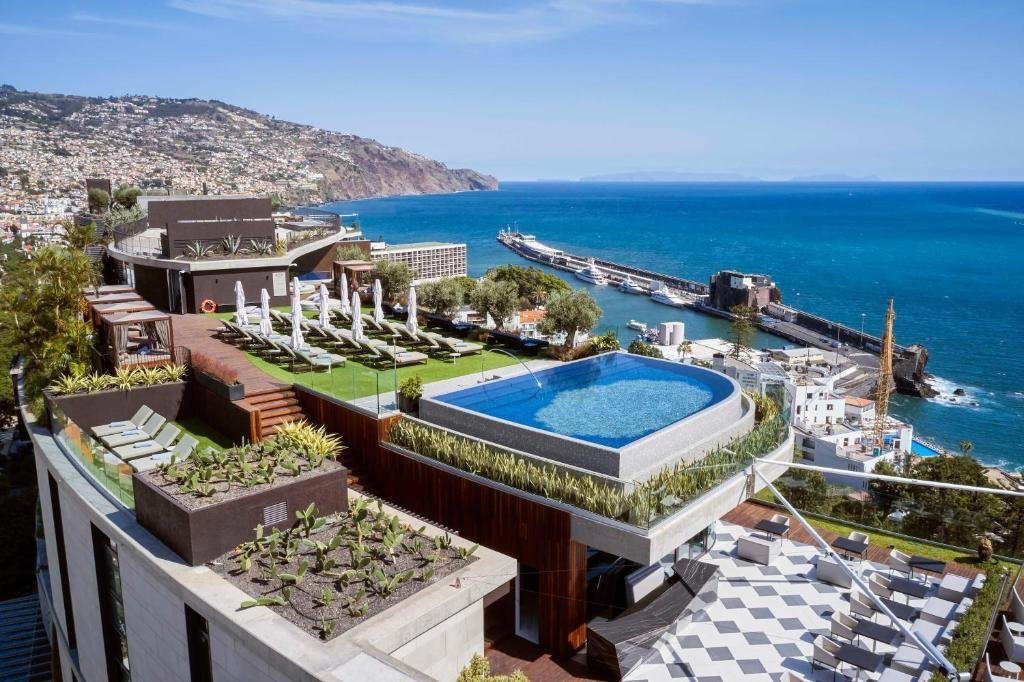
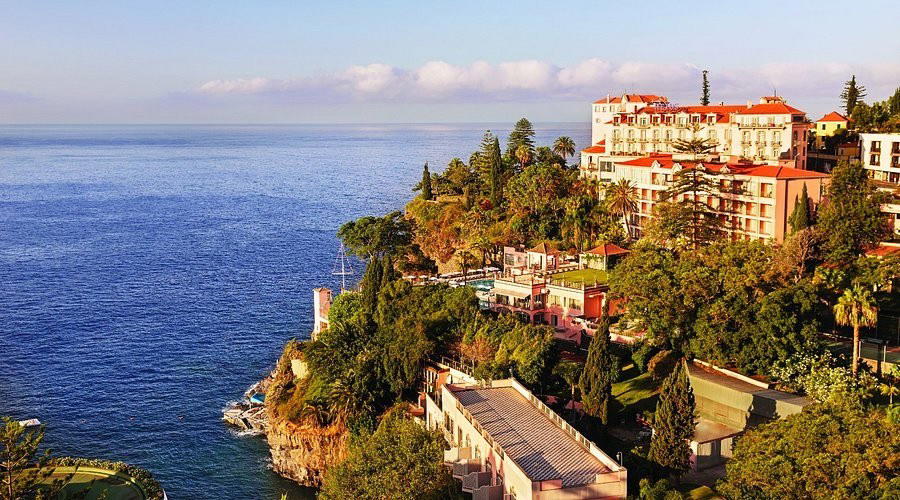
At a Glance
- Cozy
- Modern
- Date Night
- Casual Hangout
- Open Kitchen
- Waterfront
Current opening hours
- Monday
- 12–3 PM, 6–9:45 PM
- Tuesday
- 12–3 PM, 6–9:45 PM
- Wednesday
- 12–3 PM, 6–9:45 PM
- Thursday
- 12–3 PM, 6–9:45 PM
- Friday
- 12–3 PM, 6–9:45 PM
- Saturday
- 12–3 PM, 6–9:45 PM
- Sunday
- Closed
Hours can change for holidays and private events. Last verified .
Cozy atmosphere with friendly service and a view of the port.