Casa Velha do Palheiro

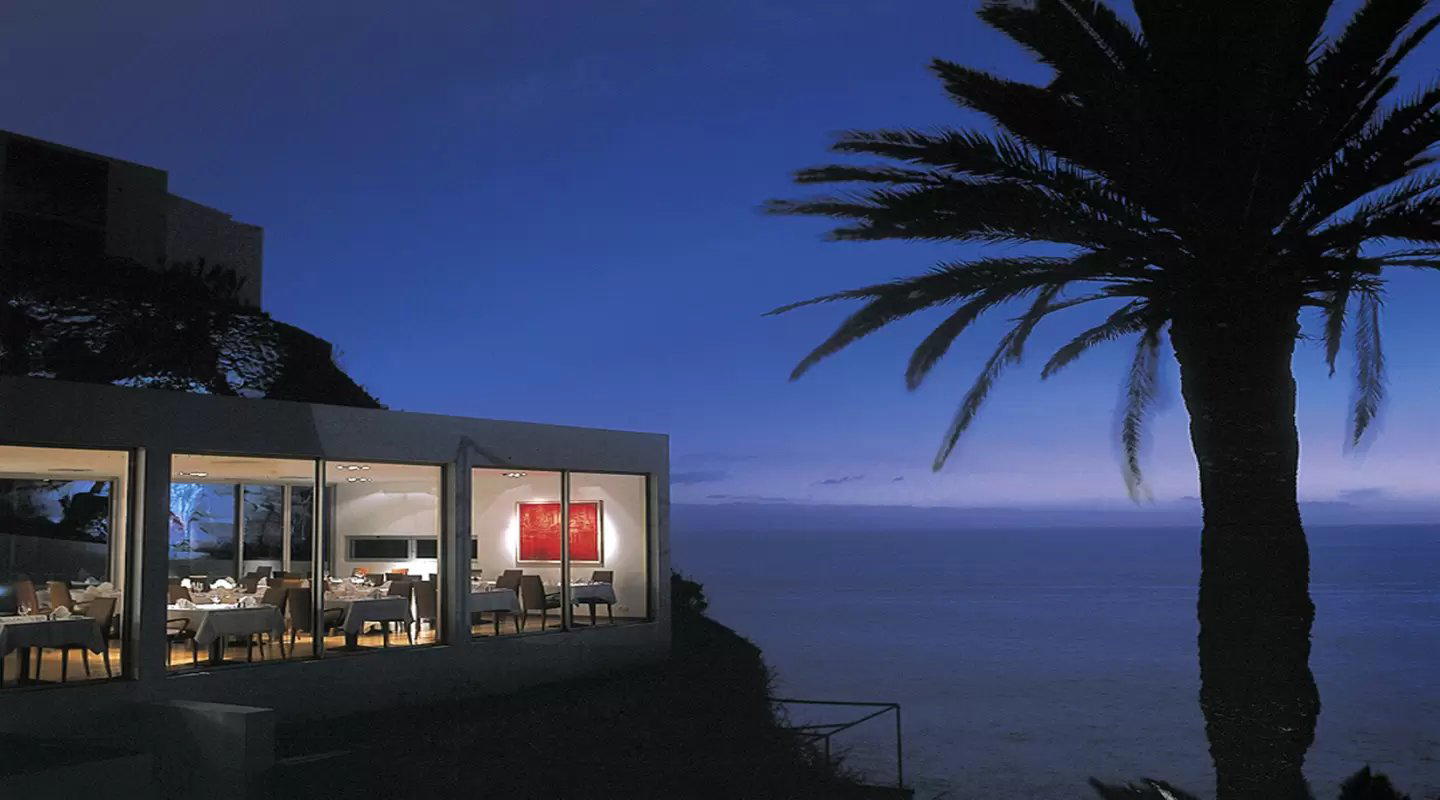
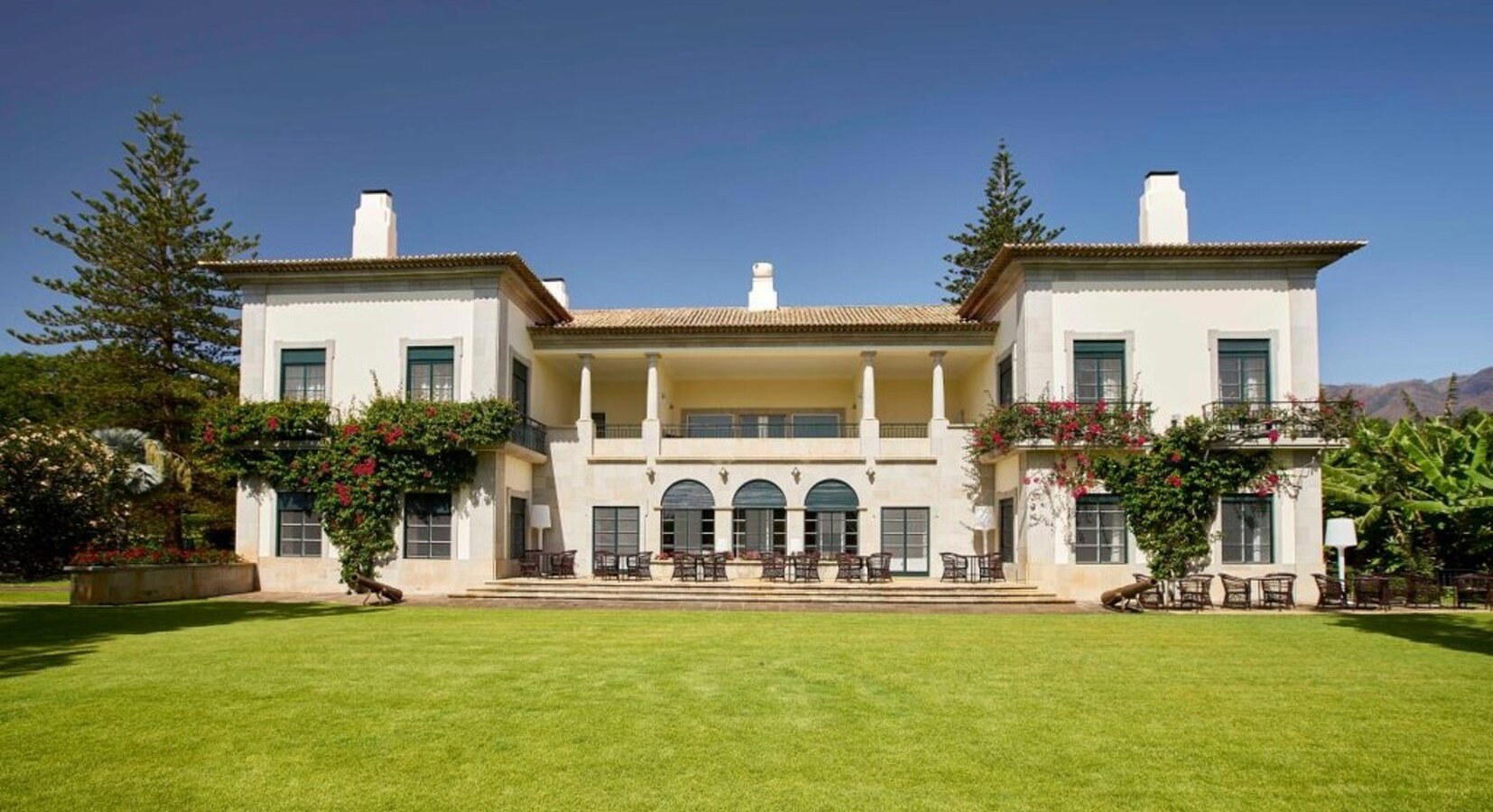
Casa Velha do Palheiro occupies a converted hunting lodge on Madeira's Palheiro Estate, sitting above Funchal at an elevation that brings cooler air and sweeping Atlantic views. Under chef Nico Ball, the kitchen works within the Portuguese island tradition, drawing on Madeiran produce and the estate's own grounds.
Pearl is the En Primeur Club membership app — saves, bookings, and concierge access live there. Same editors, same standards.
- Address
- R. Imperatriz Dona Amelia 69, São Martinho, 9000-018 Funchal, Portugal
- Phone
- +351 291 205 600
- Website
- casavelharestaurant.com
- Directions
- Get directions
 Saves & bookings on Pearl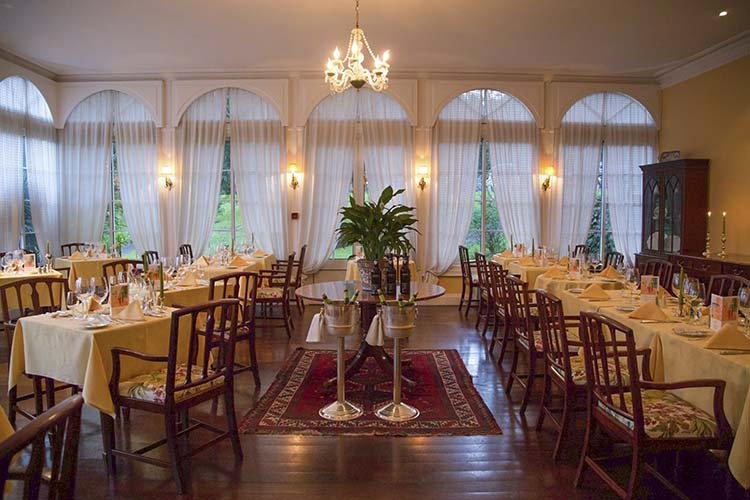
Above the City: Dining on the Palheiro Estate
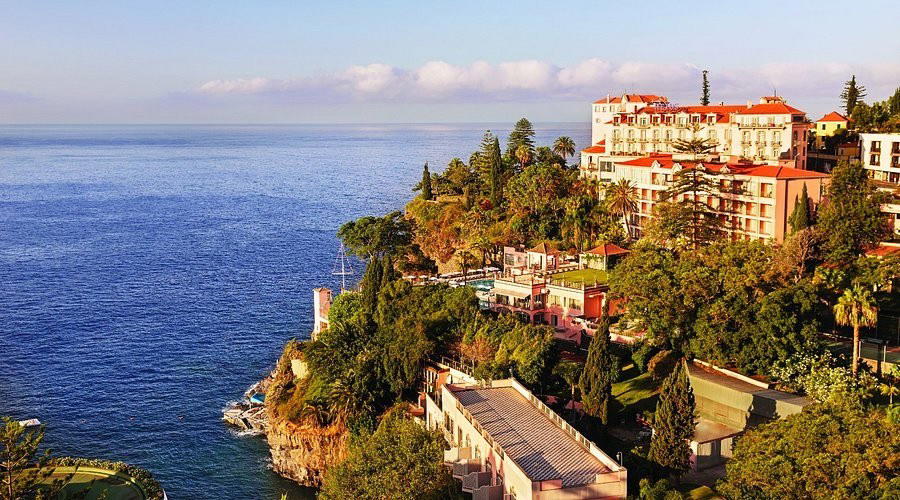
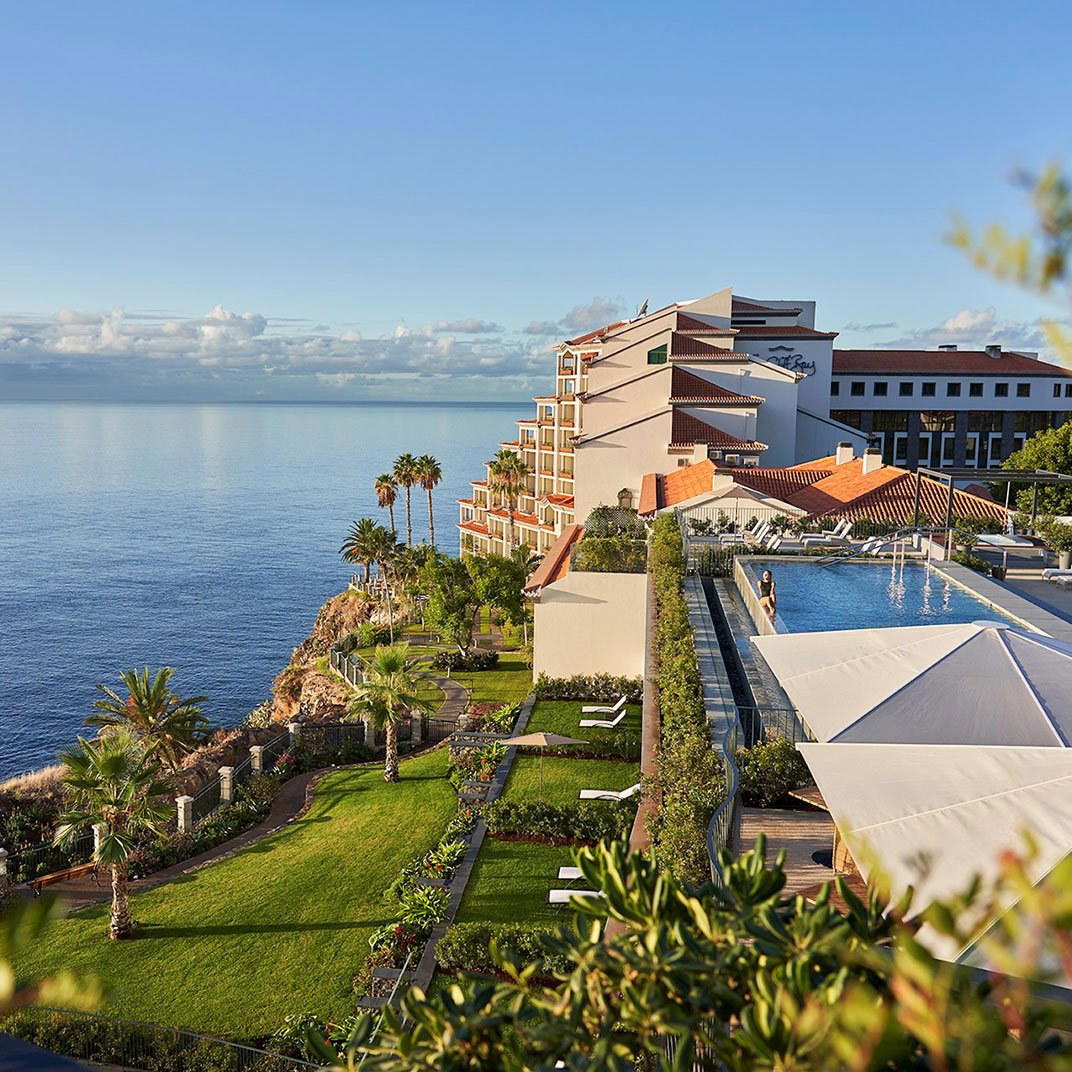
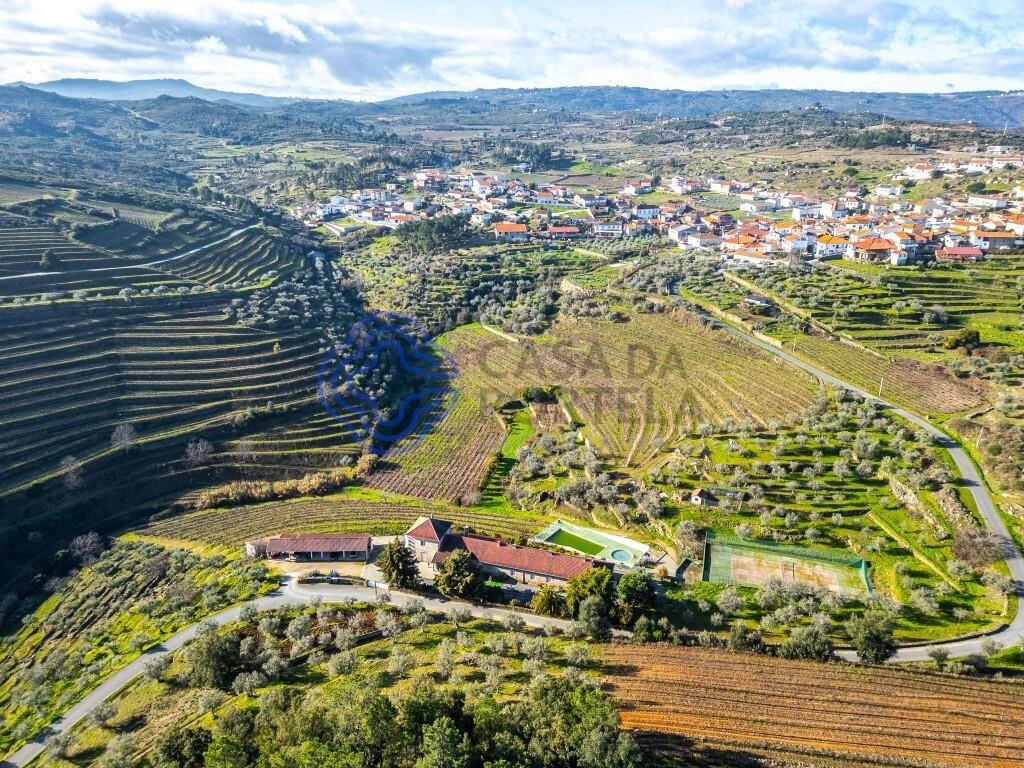
The approach to Casa Velha do Palheiro tells you something important before you reach the door. From the motorway exit at Funchal's Boa Nova junction, the road climbs steadily through the Palheiro Ferreiro district, winding up through laurisilva-adjacent forest before the estate gates come into view. By the time you arrive, Funchal is somewhere below, its harbour reduced to a geometry of light. The property itself is a former hunting lodge, and that history registers in the architecture: low, dense, and anchored to the hillside in a way that feels deliberate rather than decorative. This is what dining above a city looks like when the setting has been allowed to accumulate its own character over decades rather than being designed from scratch.
That context matters in Madeira more than it might elsewhere. The island's premium dining scene has historically concentrated in Funchal proper, where Il Gallo d'Oro in Funchal has long set the benchmark for fine dining at this latitude. Casa Velha occupies a different position: it is the estate restaurant of a golf property, but it operates at a level that places it in a serious conversation about Madeiran cooking, not simply as a convenience for guests on the fairway.
The Chef and the Kitchen's Register
The editorial angle assigned to Portuguese island cuisine tends to foreground technique imported from the mainland or abroad, then applied to local ingredients. Chef Nico Ball's kitchen at Casa Velha fits that broader pattern in Madeira's dining progression, where chefs trained outside the island have brought formality and structure to a cuisine that is inherently product-driven. Madeiran cooking at its core relies on what the island produces: espada (black scabbardfish), lapas (limpets grilled with garlic and butter), regional cheeses, and bolo do caco bread. The skill of a kitchen working in this tradition lies in deciding how much intervention those products can absorb before the cooking stops being Madeiran and becomes something else entirely.
That tension is characteristic of the broader Portuguese fine dining moment. Across the country, from Belcanto in Lisbon to Antiqvvm in Porto, the question has been how to use classical or contemporary technique without erasing the regional identity that gives Portuguese cuisine its authority. On the Algarve, properties like Ocean in Porches and Bon Bon in Lagoa have resolved it toward the creative and technical. On Madeira, the island's geographic isolation has preserved a stronger pull toward the traditional, and the leading cooking here tends to honor that gravity.
Estate Format and What It Signals
Estate-format dining has specific qualities that distinguish it from a freestanding city restaurant. The guest arrives having already committed: to the drive, to the location, to the surroundings. That commitment changes the pace of a meal. There is less pressure on the room to manufacture atmosphere because the atmosphere has been building for the last fifteen minutes on a winding road through eucalyptus and hydrangea. Casa Velha's classification as a former hunting lodge, combined with a spa and golf course on the same grounds, places it in a category where the dining experience is one component of a longer stay rather than the sole purpose of the visit.
This is not a disadvantage. Some of Portugal's most compelling dining addresses operate on exactly this model. Casa de Chá da Boa Nova in Leça da Palmeira, set inside a Siza Vieira building on the Atlantic coast, is inseparable from its physical context. Vila Joya in Albufeira operates within a boutique hotel and has held two Michelin stars in that format for years. The setting is not a compromise; it is part of what the kitchen is working with.
Casa Velha holds, a signal that the experience holds up consistently across a broad cross-section of guests rather than only for those predisposed to give charity to scenic properties.
Funchal's Dining Orbit and Where This Fits
Funchal's restaurant scene concentrates most of its serious cooking in the city's central and hotel districts. Visitors who stay in the Old Town or along the waterfront and eat exclusively in Funchal will find strong options, but they will miss what the island's hillside properties offer: altitude, quiet, and a version of Madeiran hospitality that has not been shaped by high-turnover visitor traffic. Casa Velha sits approximately 21 kilometres from Madeira International Airport, accessed via the Funchal motorway, and the journey up from the city takes long enough to feel like a genuine transition.
For those constructing a broader picture of Portuguese cooking across different regions and registers, the comparison set is instructive. The Yeatman in Vila Nova de Gaia, A Cozinha in Guimaraes, and A Ver Tavira in Tavira each demonstrate how regional Portuguese cooking operates at a high level when it is grounded in a specific geography. Madeira, as an autonomous island region, has its own version of that specificity. Casa Velha is one of the more coherent expressions of it at the estate-dining tier.
For reference points outside Portugal, the model of serious cooking within a resort or estate format has strong international precedents. Properties comparable in structure, if not in cuisine, include the dining rooms at Le Bernardin in New York City and Atomix in New York City, which demonstrate that format discipline and setting can coexist with technical rigor. The parallel is structural rather than culinary, but it illustrates why estate dining should not be reflexively discounted.
Planning Your Visit
For those staying elsewhere in Funchal, the drive is the entry price for what the setting delivers, and it is worth treating accordingly.
In Context: Similar Options
Comparable venues nearby, for context on price, style, and recognition.
| Venue | Cuisine | Price | Awards | Notes |
|---|---|---|---|---|
| Casa Velha do Palheiro | Gourmet Fine Dining with Local Madeira Ingredients | $$$$ | Not listed | São Gonçalo |
| Beefbar | Modern luxury steakhouse with refined street food | $$$$ | Not listed | Sublime Comporta / Muda |
| 1638 Restaurant & Wine Bar | Iberian Fine Dining | $$$$ | Not listed | Vila Nova de Gaia |
| TUPUQ Restaurant & Bar | Modern Portuguese with Ocean Views | $$$ | Not listed | Olhos de Agua |
| Audax | Progressive Madeiran Cuisine | $$$ | Michelin Plate | Funchal |
| Avista | Modern Mediterranean & Asian Fine Dining | $$$$ | Michelin Plate | Estrada Monumental |
Recognition history
Dated appearances from independent guides and award organizations, with the underlying list record or original source where available.
Relais Chateaux Award
Relais Chateaux
Continue exploring
More in São Gonçalo
Restaurants in São Gonçalo
Browse all →
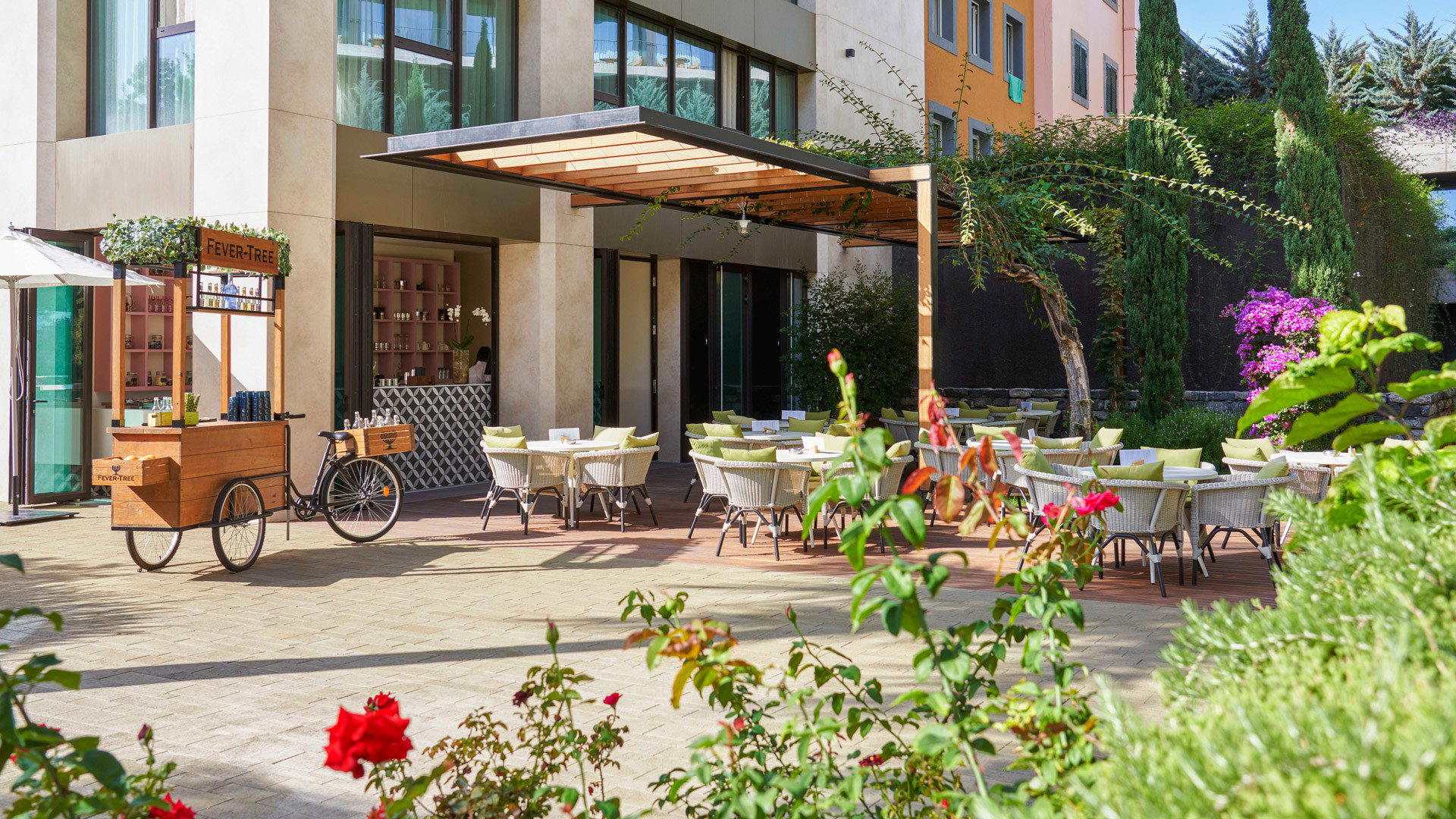
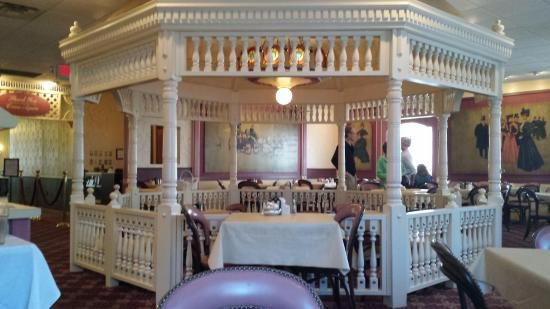
Bars in São Gonçalo
Browse all →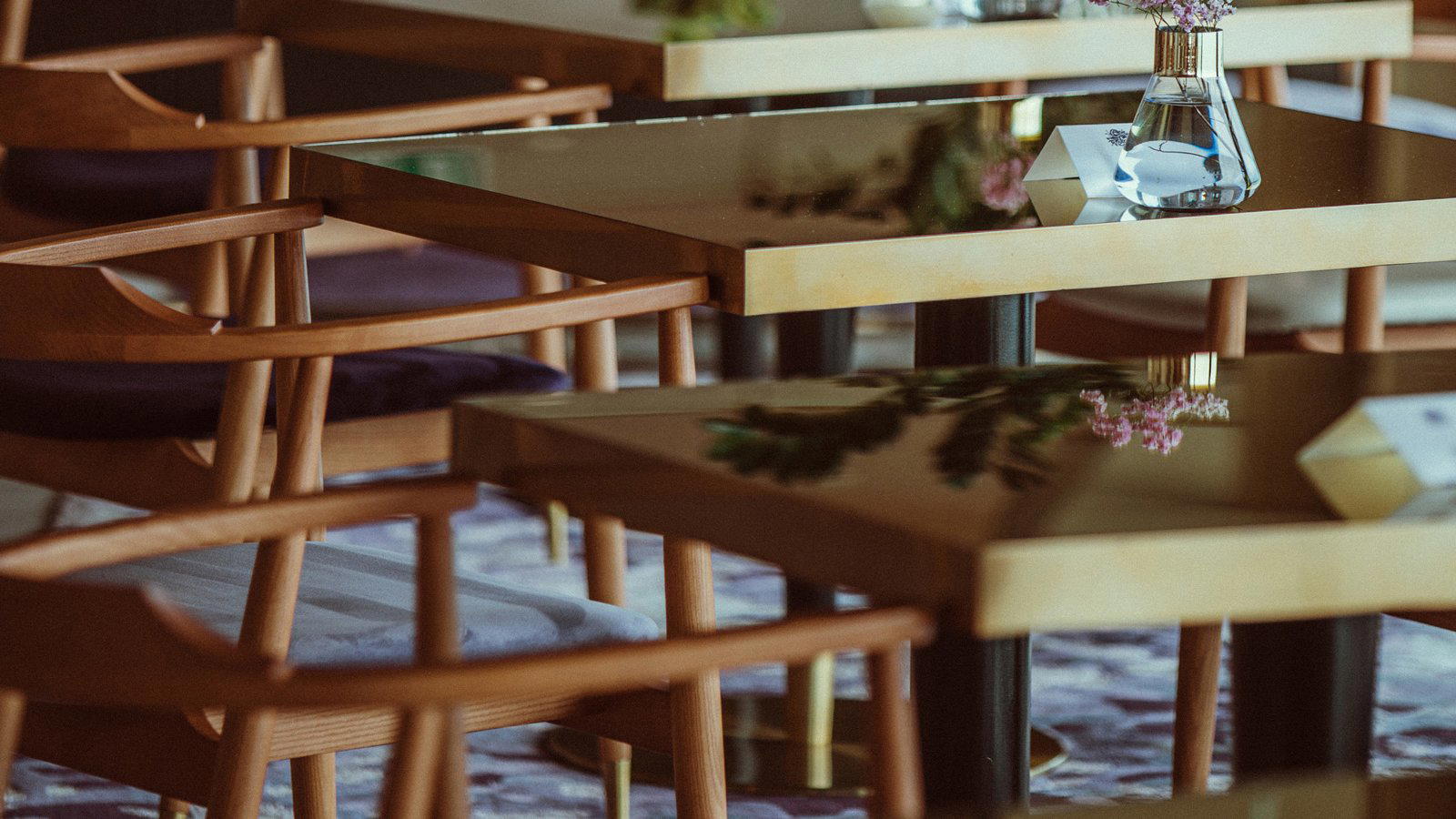

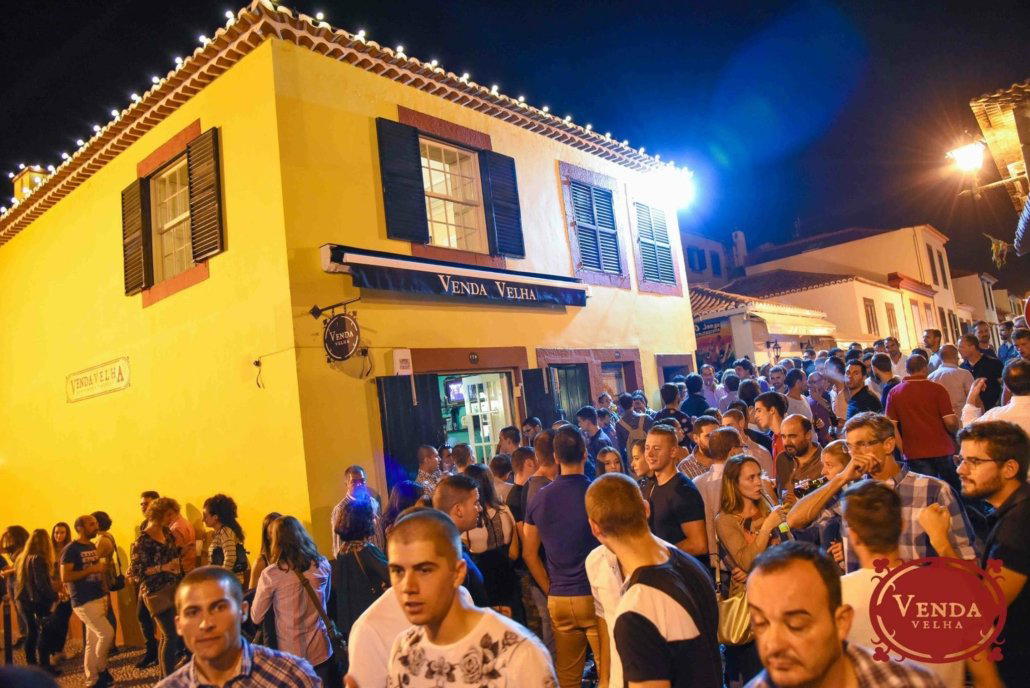
Hotels in São Gonçalo
Browse all →
At a Glance
- Elegant
- Classic
- Scenic
- Sophisticated
- Cozy
- Special Occasion
- Date Night
- Celebration
- Garden
- Historic Building
- Hotel Restaurant
- Local Sourcing
- Farm To Table
- Garden
Current opening hours
- Monday
- 12–3 PM, 6–11 PM
- Tuesday
- 12–3 PM, 6–11 PM
- Wednesday
- 12–3 PM, 6–11 PM
- Thursday
- 12–3 PM, 6–11 PM
- Friday
- 12–3 PM, 6–11 PM
- Saturday
- 12–3 PM, 6–11 PM
- Sunday
- 12–3 PM, 6–11 PM
Hours can change for holidays and private events. Last verified .
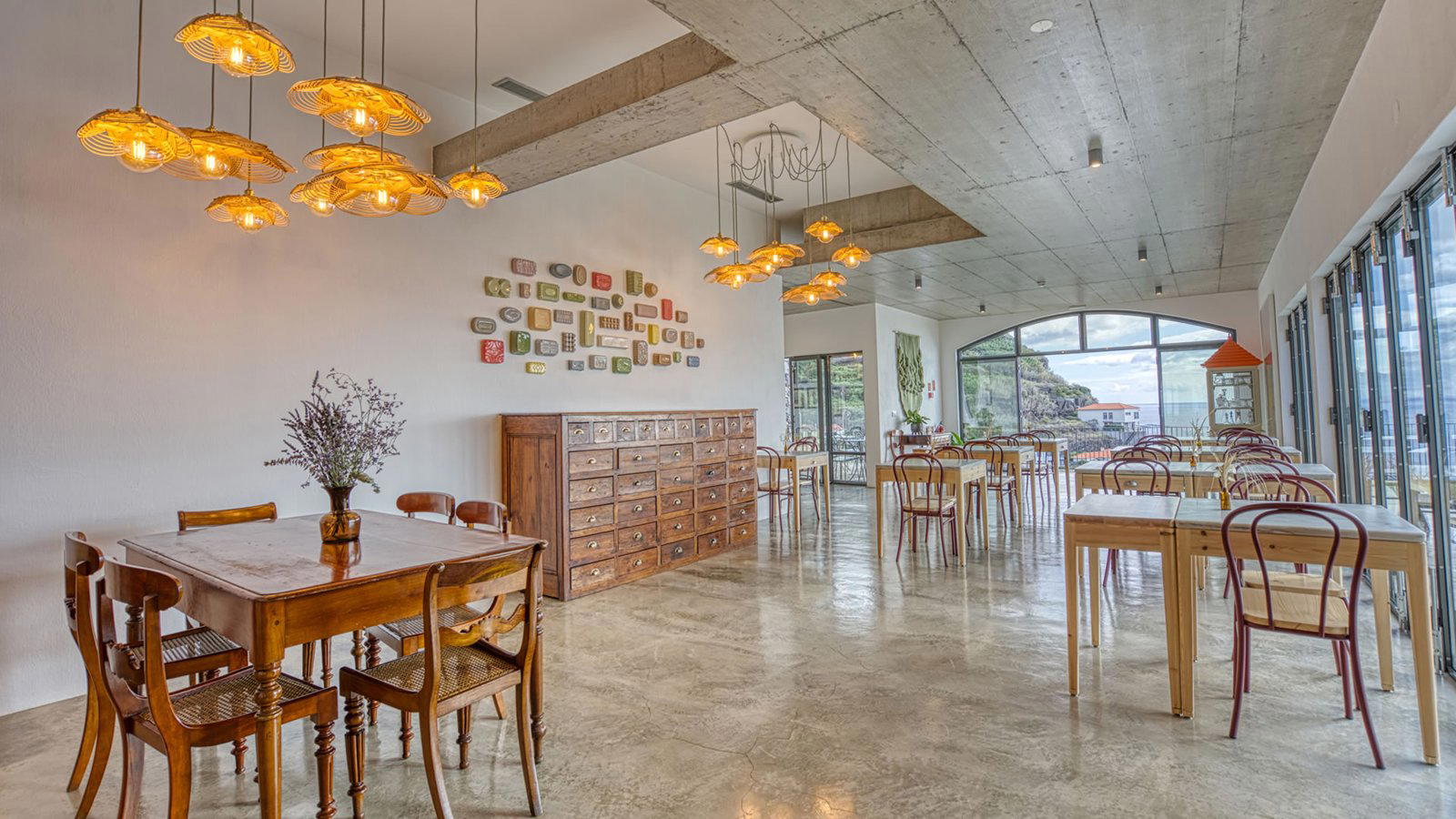
Classical decor with elegant, peaceful atmosphere, open kitchen views, and warm, attentive service in a historic setting.