Kominka Noodle Kuroageha Morizumi

A rural Chiba ramen counter with serious recognition, Kominka Noodle Kuroageha Morizumi places Oamishirasato inside the broader conversation about destination ramen beyond Tokyo. Its Tabelog Ramen EAST 100 selection for 2025, compact 19-seat format, and old-house setting make it a focused stop for diners tracking how regional noodle shops now compete on sourcing, restraint, and place rather than urban spectacle.
Pearl is the En Primeur Club membership app — saves, bookings, and concierge access live there. Same editors, same standards.
- Address
- 千葉県大網白里市北横川175-1
- Phone
- +818066521996
- Website
- tabelog.com
 Saves & bookings on Pearl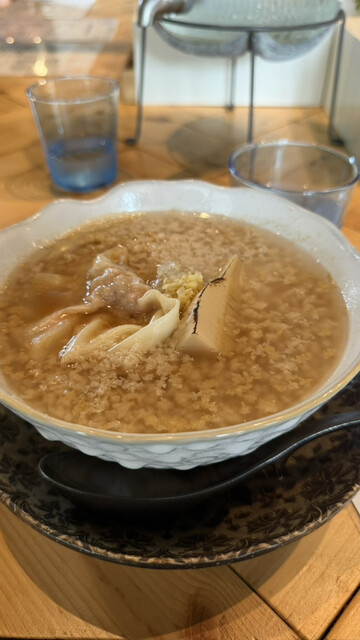
The approach is rural Chiba rather than Tokyo backstreet theatre: low buildings, open roads, and a lunch rhythm shaped by Oamishirasato, not a metropolitan queue economy. That matters for ramen. In Japan, the category has moved far beyond quick fuel, yet its strongest regional shops often stay grounded: a short service window, a small room, and a bowl that must justify the trip without luxury-dining machinery.
Kominka Noodle Kuroageha Morizumi sits in that regional tier. Its selection for Tabelog Ramen EAST 100 in 2025 is a clear trust signal, but the more interesting point is what it says about ramen outside the capital. The EAST list is not Tokyo-only; it highlights places where sourcing, broth discipline, noodle texture, and local access shape the experience as much as chef celebrity. Oamishirasato, on Chiba’s Kujukuri side, is exactly where a ramen shop earns destination status through substance rather than footfall.
Regional ramen judged by sourcing, not spectacle
Ramen’s serious tier rewards control: base stock, fat, tare, noodle choice, and their proportions. Without verified dish-level detail, the safer reading is structural rather than descriptive. A 19-seat room, with counter and table seating, keeps the format close to the bowl. That scale suits ramen because it shortens the gap between kitchen timing and eating time, central in a cuisine where noodles keep changing after they leave the pot.
Ingredient sourcing is also where Chiba matters. The prefecture has a deep agricultural and coastal identity, and serious regional ramen shops increasingly use local context as a competitive signal: not always by naming every farm or producer, but by treating the bowl as a compact expression of place. In a city, ramen can be part of a nightlife circuit. In Oamishirasato, the surrounding area encourages a tighter lunch-focused visit, so the food has to carry the day on its own terms.
That is why recognition matters more than room decoration. A Tabelog score of 3.85 and inclusion in the 2025 Ramen EAST 100 put the shop in a serious bracket for its category. Ramen rankings can be volatile because the field is dense and local, but a new shop reaching that list after opening in 2024 signals fast traction among diners who compare bowls closely. The useful comparison is not tasting-menu dining, but regional specialists asking for travel time in exchange for precision at an accessible spend.
An old-house format with counter discipline
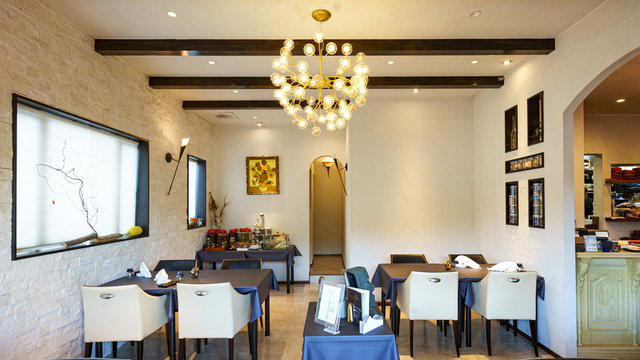
The word kominka carries weight in Japan: an old private house adapted for contemporary use, often with the slower pace and domestic proportions urban restaurant design tries to simulate. In ramen, that setting changes the register. The meal remains quick by fine-dining standards, but the room encourages a more deliberate reading of craft. Seven counter seats preserve the solo-dining logic, while table seating makes the format easier for small groups and families than many urban counters.
That balance matters in Oamishirasato. Destination ramen can become exclusionary when it assumes one adult diner, one seat, one silent bowl. Here, the listed family-friendly status, stroller acceptance, and non-smoking policy point to a broader local function. The shop can be a serious ramen stop without the ritual severity of cult counters, useful for travelers building a Chiba food itinerary rather than chasing one reservation.
The competitive set around Oamishirasato shows how price and format separate categories. Isen sits in a higher casual spend band, Okashi Shi Kadohachi Honten occupies a lower sweets-oriented bracket, and Ao AO moves into a far higher restaurant spend tier. Against that range, a ramen specialist at this level offers limited seating, narrow focus, and recognition in a category where small differences in broth construction and noodle handling determine reputation. For broader planning, Our full Oamishirasato restaurants guide is the natural companion; travelers pairing lunch with lodging can also check Our full Oamishirasato hotels guide, while evening planning belongs in Our full Oamishirasato bars guide. Regional drink and day-trip context sits in Our full Oamishirasato wineries guide and Our full Oamishirasato experiences guide.
How to read it within Japan's small-format dining culture
Japan’s strongest small-format restaurants often resist easy categorisation. Some are commuter-friendly, some are pilgrimage stops, and some sit between local utility and national attention. Kominka Noodle Kuroageha Morizumi belongs to the last group: accessible in price, compact in scale, and now recognised enough to change expectations for a casual ramen lunch.
For travelers comparing regional Japanese dining styles, the useful question is not whether ramen can compete with higher-spend meals. It can, but by different rules. A bowl shop compresses sourcing, timing, and seasoning into a narrow window, with no long arc of courses to recover from imbalance. That makes the category unforgiving, and explains why a small Chiba shop can matter to diners who track counters, izakaya, curry specialists, and modern Japanese formats nationwide.
EP Club’s wider Japan map shows the range: beef-focused dining at -Grilled beef Sukiyaki- KAMAKURA TANUKIAN 鎌倉 たぬき庵 in Kamakura, seafood and charcoal cooking at . 鮪と炭火焼き うお炭 秋葉原店 in Tokyo, café culture at .cafe in Osaka, and regional contemporary formats such as .know in Kumamoto. The same national dining conversation stretches from (Shoku) Vietnam in Kawasaki and [Curry Senmon Ten] Maruyama Kyoju. in Sapporo to [ki:] in Kyoto, #肉といえば松田 奈良本店 in Kashihara, 1/3 HAMBURGER FACTORY in Kanazawa, 1000 in Yokohama, and 1000mヒュッテ 1000m Hut in Kutchan. For readers tracking Japanese comfort formats abroad, Jōdo Saké Bar in Los Angeles and Onigiri Time in Pasadena show how the same appetite for specificity travels.
The editorial read is clear: this is not a luxury detour, and that is the point. It is a concise regional ramen stop where recognition, scale, and setting align. In a country where noodle shops can draw as much scrutiny as formal restaurants, that combination gives Oamishirasato a sharper place on the food map.
Snapshot
Comparable venues by cuisine and price in the same metro.
| Venue | Cuisine | Price | Notes |
|---|---|---|---|
| Kominka Noodle Kuroageha MorizumiThis venue — the venue you are viewing | Modern ramen in a renovated kominka farmhouse | $$ | Not listed |
| 蕎麦処 そばの実 | Togakushi Handmade Soba | $$ | Togakushi |
| やいろ亭 | Kochi-Style Izakaya Specializing in Katsuo no Tataki | $$ | 帯屋町 |
| Standing Sushi Bar Shichiko (立ち喰い寿司 七幸) | Standing Sushi Bar | $$ | 高松市中心部 |
| 立鮨 すし横 | Standing Edomae Sushi | $$ | 八重洲 |
| Date Okina | Japanese Soba | $$ | Date |
Recognition history
Dated appearances from independent guides and award organizations, with the underlying list record or original source where available.
Tabelog 100 #77 · No. 77
Tabelog · Tabelog 100 - Ramen - EAST - 2025
Continue exploring
More in Oamishirasato
Restaurants in Oamishirasato
Browse all →

At a Glance
- Rustic
- Cozy
- Trendy
- Solo
- Family
- Casual Hangout
- Group Dining
- Historic Building
- Design Destination
- Standalone
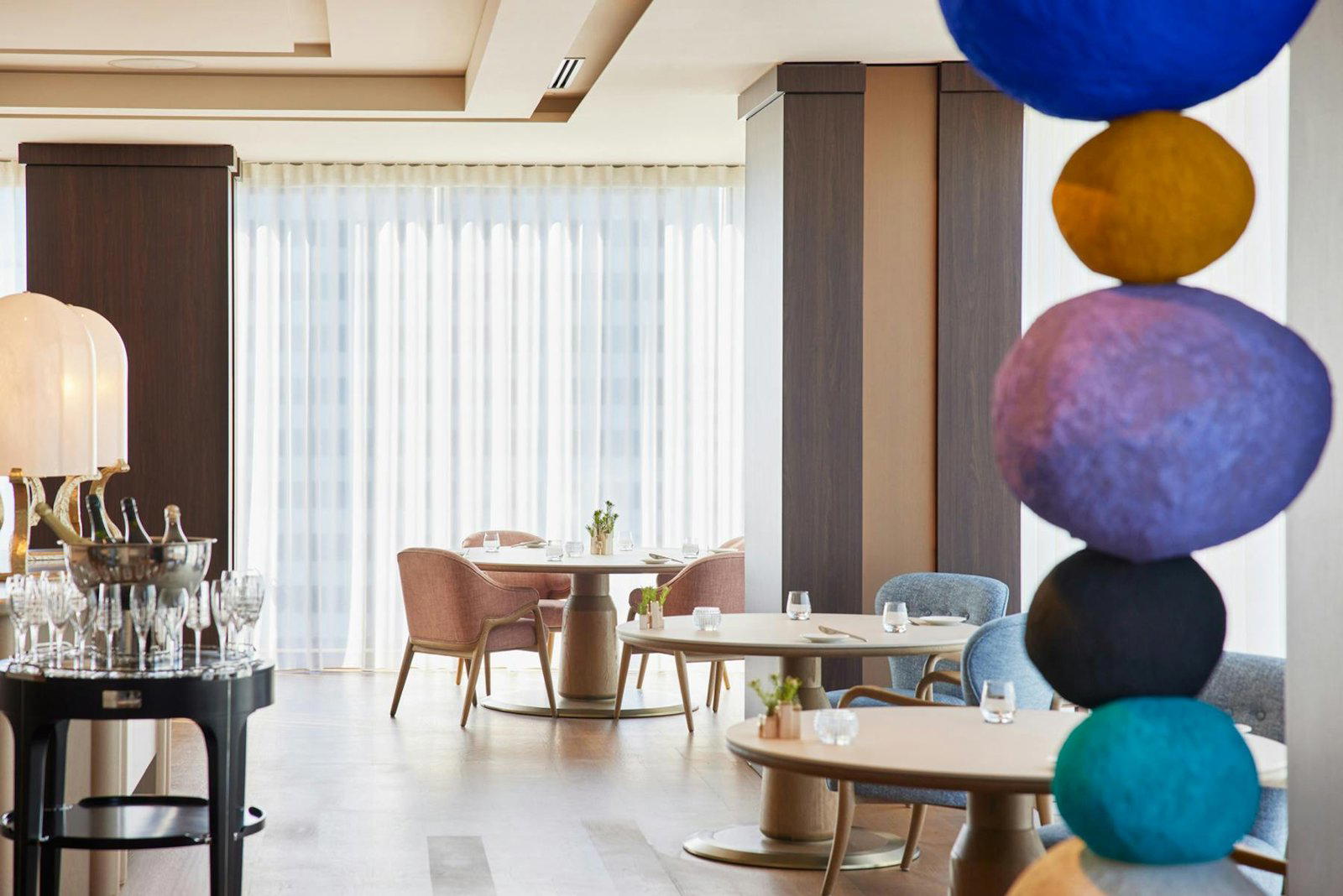
Rustic and stylish, with the feel of a traditional farmhouse hideout that has been lightly modernized; relaxed, spacious seating and a calm, cafe-like atmosphere suitable for both solo diners and families.