Koma


Set inside a glass-fronted pavilion at the La Torre Box Art hotel in Collado Mediano, Koma holds a Michelin Plate for 2024 and 2025 and is run by chef Rubén Amro, a Bocuse d'Or Europe representative for Spain. The kitchen updates traditional Spanish cooking with considered Asian inflections, offering both à la carte and a tasting menu at a mid-range price point that sits well below the Madrid fine-dining tier.
Pearl is the En Primeur Club membership app — saves, bookings, and concierge access live there. Same editors, same standards.
- Address
- P.º de los Rosales, 48, 28450 Collado Mediano, Madrid, Spain
- Phone
- +34 918 55 85 58
- Website
- boxarthotel.com
- Directions
- Get directions
 Saves & bookings on Pearl
A Garden Pavilion in the Sierra de Guadarrama
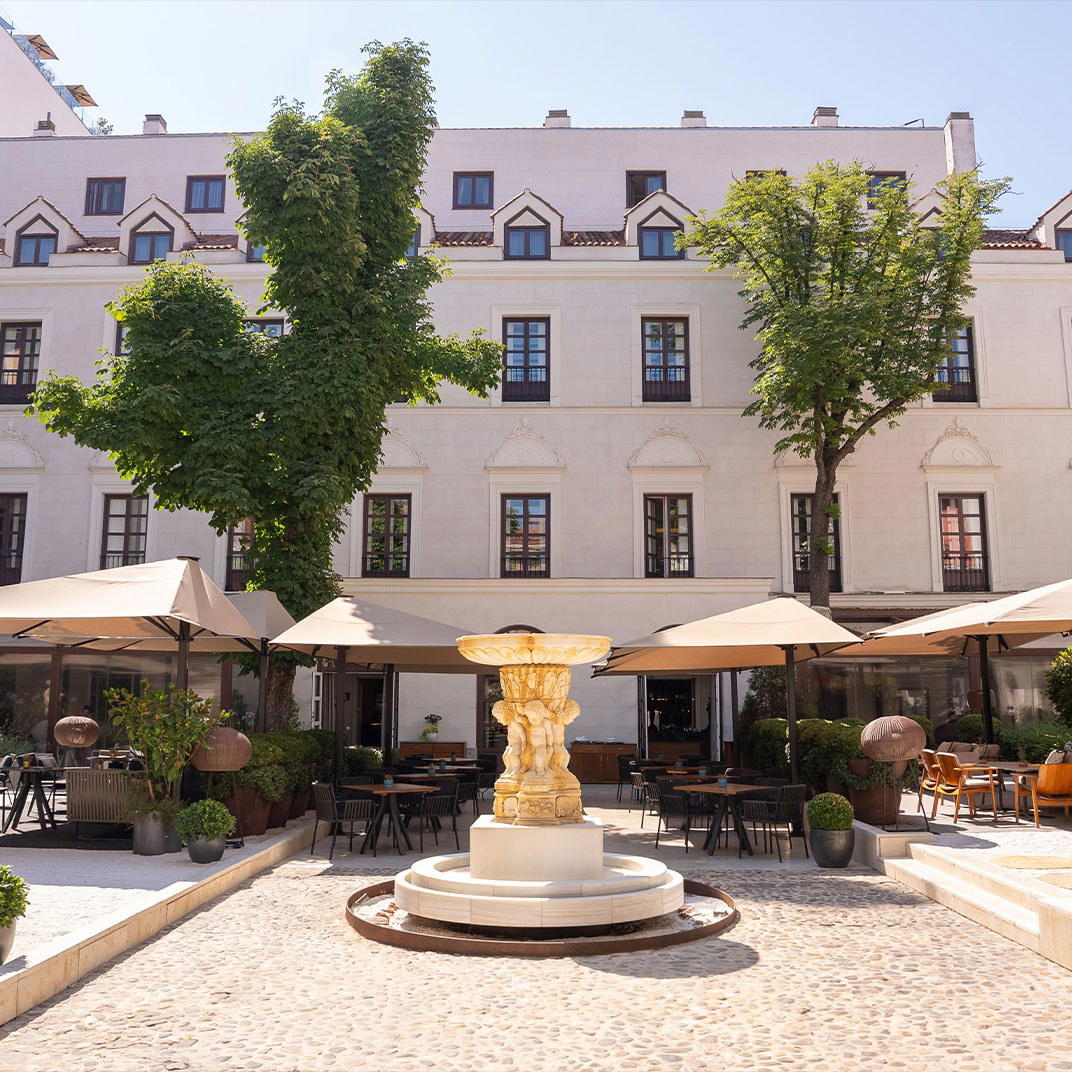
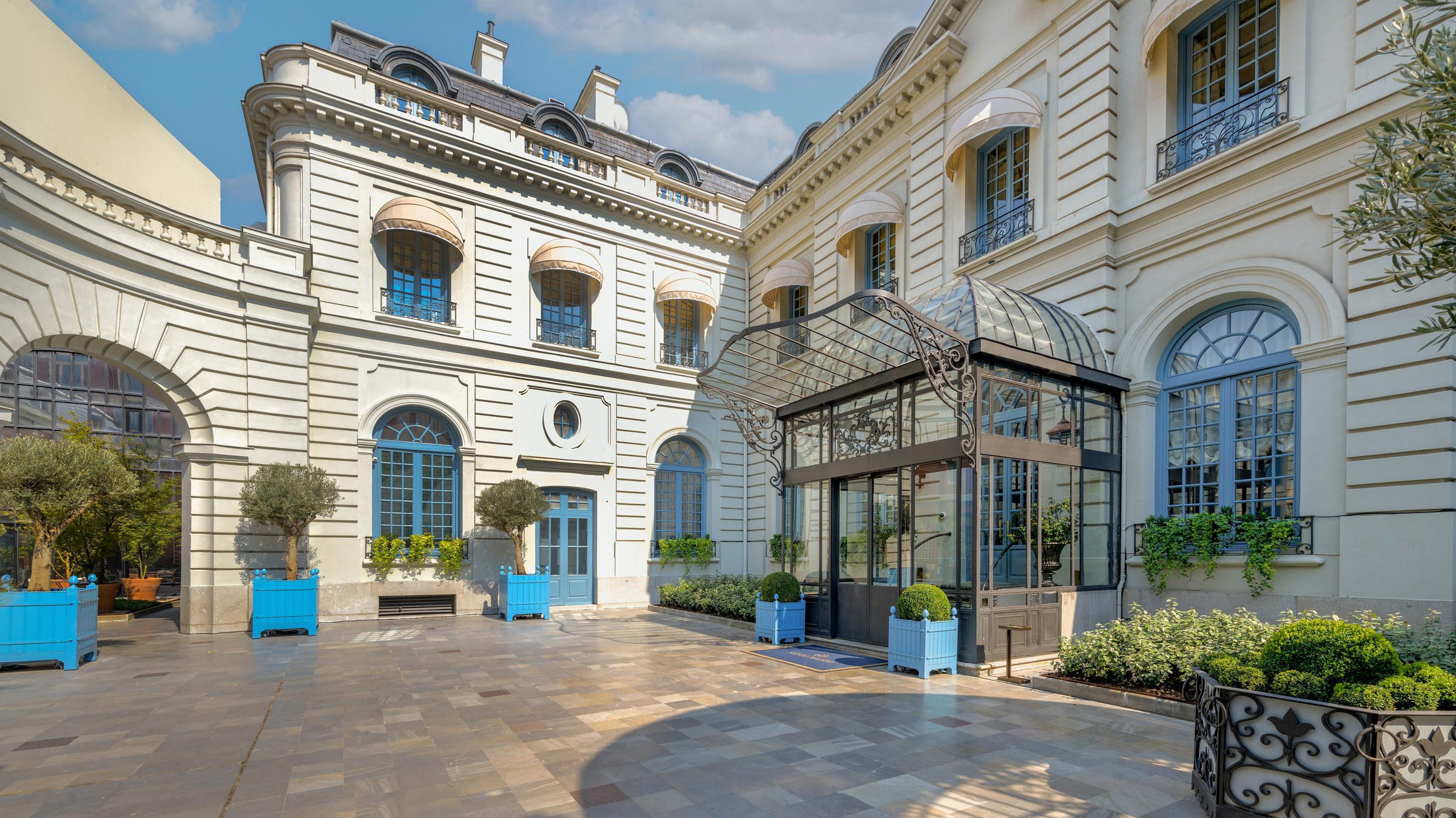
Koma is a restaurant in Collado Mediano, Madrid, serving Modern Spanish Fusion cuisine. The restaurant occupies a glass-fronted pavilion attached to the La Torre Box Art hotel in Collado Mediano, a small town roughly 50 kilometres north-west of Madrid in the foothills of the Sierra de Guadarrama. Entry is through the hotel garden, which means arriving on foot across open ground before the pavilion's glass walls come into full view, a deliberate architectural transition from the surrounding pine-and-granite landscape into a room that reads as composed and deliberate. The transparency of the structure lets the garden work as a living backdrop without becoming a distraction.
Hotel restaurants in Spain's mountain commuter belt have historically punched below their weight, functioning as convenient afterthoughts for overnight guests rather than destinations in their own right. Koma belongs to a smaller subset that treat the hotel context as incidental rather than defining. The restaurant draws visitors from Madrid who make the drive specifically for the food, which places it in a different competitive conversation from most rural hotel dining rooms in the region.
What the Kitchen Is Working With
The Sierra de Guadarrama's elevation and climate produce conditions that differ markedly from the Castilian meseta below. The area sits at roughly 1,000 metres, with cooler summers and harder winters than Madrid, conditions that historically shaped a larder of cured meats, legumes, and game rather than the market-garden abundance of the Mediterranean coast. Understanding that context matters when reading Koma's menu, which draws on those Castilian foundations and then applies technique and influence from further afield.
Spanish cooking's modern evolution has moved in two broad directions: the progressive avant-garde associated with Aponiente in El Puerto de Santa María, Arzak in San Sebastián, Azurmendi in Larrabetzu, Cocina Hermanos Torres in Barcelona, and DiverXO in Madrid, and a quieter current that updates traditional regional cooking with technical refinement rather than conceptual rupture. Koma operates in the second register. The à la carte is described as an updated take on traditional cuisine with Asian inflections, not fusion in the loose sense, but a selective borrowing of technique and seasoning logic applied to ingredients that remain recognisably Castilian in character.
The tasting menu runs alongside the à la carte, giving the kitchen a second format to develop more sequential ideas across a longer sitting. At the €50 per person price point, both options position Koma well below Spain's three-Michelin-star houses.
Chef Credentials and the Bocuse d'Or Benchmark
Competition cooking occupies a specific place in understanding a chef's range. The Bocuse d'Or is structured around precision, presentation under pressure, and the ability to perform complex technique on a fixed timeline in front of an audience of peers. Representing Spain at the European stage of that competition is not a casual credential. Chef Rubén Amro has done so, in addition to collecting several Spanish food awards, and both signals point toward a kitchen that prioritises technical control rather than improvisation. That competitive background is evident less in showmanship and more in the consistency that hotel restaurant dining often lacks.
Spain has a number of kitchens where competition-trained chefs have settled into less conspicuous settings and produced cooking that exceeds its address. El Celler de Can Roca in Girona, Martin Berasategui in Lasarte-Oria, Quique Dacosta in Dénia, Mugaritz in Errenteria, Ricard Camarena in València, and Atrio in Cáceres all established that serious cooking does not require a capital city address. Koma operates at a different price tier from all of those, but the structural logic is the same: chef credentials and consistent execution matter more than postcode.
The Cocido Fritters and Why They Matter
Cocido madrileño is one of Castile's most embedded culinary forms: a slow-cooked chickpea stew with pork, vegetables, and bone broth, typically served in courses. The dish is defined by its broth as much as its solid components, and it carries the kind of cultural weight that makes reinterpretation either interesting or gratuitous. Koma's liquid cocido fritters take the essence of the broth and encase it in a fried shell, a format that forces concentrated flavour into a single contained bite. It is a technically demanding preparation that requires precise gelification and temperature control to execute without collapse. The dish is the sort of preparation that concentrates the kitchen's technique in a single bite.
That approach, taking a familiar Castilian reference point and reframing it through technique rather than replacing it with something unrecognisable, captures what the kitchen does most coherently. The Asian influences elsewhere on the menu likely operate similarly: using seasoning logic or textural contrast as a way of sharpening, rather than obscuring, the underlying Spanish material.
Planning a Visit
Koma is accessed via the La Torre Box Art hotel at Paseo de los Rosales 48, Collado Mediano, roughly 50 kilometres from central Madrid by road. The hotel-restaurant format and the garden-entry pavilion make the space more suited to an unhurried lunch or a relaxed evening than a quick mid-week meal; the setting encourages a slower pace. Guests staying at the hotel have direct access, and the property itself is worth considering as a Madrid-area base for those interested in the Sierra de Guadarrama beyond the meal.
The €€ price point makes Koma accessible without advance financial planning, the tasting menu and à la carte both sit within range of a considered dinner rather than a special-occasion commitment. For a broader view of where modern Spanish cooking sits internationally, Frantzén in Stockholm and FZN by Björn Frantzén in Dubai offer useful comparison points in how European fine dining is travelling beyond its home markets.
Quick Comparison
Comparable venues nearby, for context on price, style, and recognition.
| Venue | Cuisine | Price | Awards | Notes |
|---|---|---|---|---|
| KomaThis venue — the venue you are viewing | Modern Spanish Fusion | $$$ | Michelin Plate | Not listed |
| Villena | Modern Spanish Fine Dining | $$$ | Michelin Plate | old city |
| Marmitón | Modern Spanish Bistro | $$$ | Michelin Plate | La Latina |
| Rocacho Plaza | Spanish Grill & Mediterranean | $$$ | Michelin Plate | Hispanoamerica |
| Ayantar | Traditional Spanish Stews and Classics | $$$ | Michelin Plate | Vallehermoso |
| El Gran Asador Lecanda | Spanish Steakhouse & Grill | $$$ | Michelin Plate | Recoletos |
Recognition history
Dated appearances from independent guides and award organizations, with the underlying list record or original source where available.
Macarfi 7.2 Food Rating
Macarfi
Michelin Plate
Michelin
Michelin Plate
Michelin
Michelin Plate
Michelin
Continue exploring
More in Collado Mediano
Restaurants in Collado Mediano
Browse all →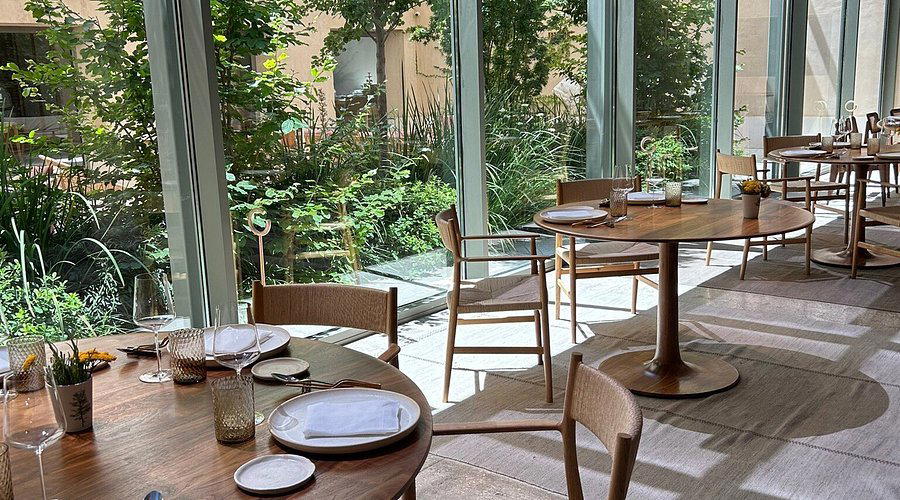
Bars in Collado Mediano
Browse all →
Hotels in Collado Mediano
Browse all →
Wineries in Collado Mediano
Browse all →
At a Glance
- Elegant
- Romantic
- Modern
- Scenic
- Date Night
- Special Occasion
- Garden
- Hotel Restaurant
- Local Sourcing
- Garden
Current opening hours
- Monday
- Closed
- Tuesday
- Closed
- Wednesday
- Closed
- Thursday
- Closed
- Friday
- 1:30–3:30 PM, 8:30–10 PM
- Saturday
- 1:30–3:30 PM, 8:30–10 PM
- Sunday
- 1:30–3:30 PM, 8:30–10 PM
Hours can change for holidays and private events. Last verified .
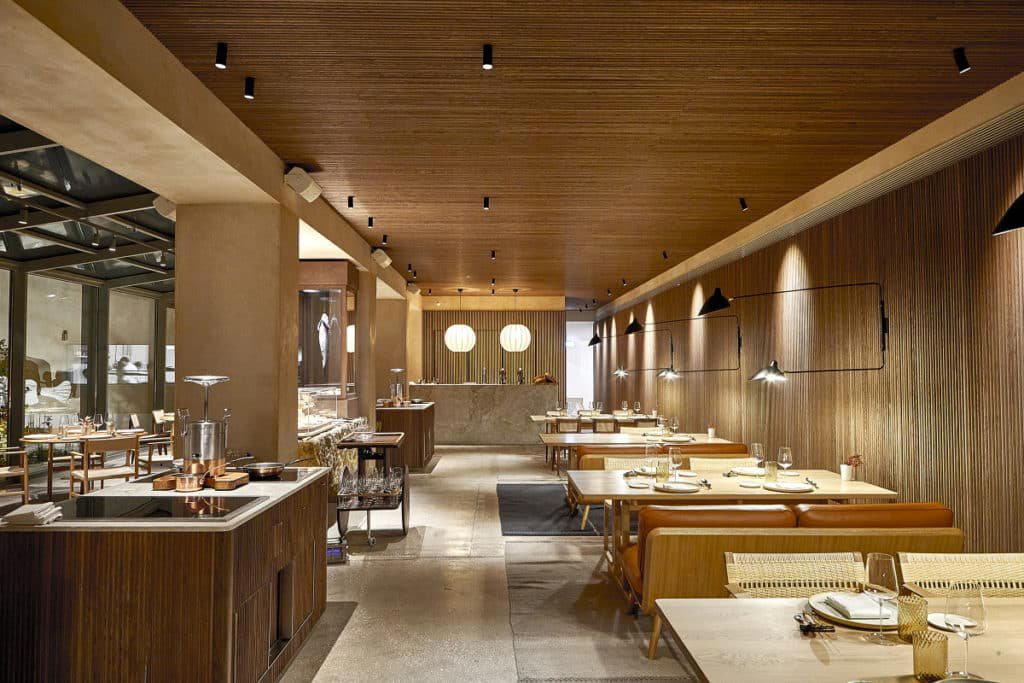
Luminous glass pavilion surrounded by manicured gardens, offering an elegant and romantic atmosphere with beautiful presentation.