



Michelin Plate · Guía Repsol 1 Sol · Macarfi 7.8 Food Rating
Our verdict
A Basque-rooted asador in Madrid's Salamanca district, El Gran Asador Lecanda holds consecutive Michelin Plate recognition (2024 and 2025) for a menu built around open-fire cooking and premium seasonal ingredients, Cantabrian turbot, Galician lobster, Balearic spiny lobster, and mature ox ribeye share the à la carte with hearty northern stews and house-baked bread served with stories of its own. Priced at €€€, it sits below Madrid's tasting-menu tier but well above casual grill territory.

Pearl is the En Primeur Club membership app, where members save venues, book tables and use the concierge.
The menu
What to order
- Sea bream
- Frisian cow steak
- Cheesecake
- Croquettes
The Fire Beneath Salamanca
Walk down Calle de Lagasca in Madrid's Salamanca district and the signals are familiar: polished shopfronts, measured foot traffic, a neighbourhood that runs on discretion rather than spectacle. El Gran Asador Lecanda fits that register on the outside, but the kitchen operates on an older logic. Here the organising principle is fire, charcoal, smoke, radiant heat, and the menu is structured entirely around what that approach can and cannot do to a given ingredient. That is, at its core, the Basque asador tradition, transplanted into one of Madrid's most composed residential-commercial quarters.
Basque cooking has always positioned the grill as a preparation method serious enough to stand without elaboration. At the highest-profile txokos and asadors of the Basque Country, a properly sourced turbot or a thick cut of mature beef is considered complete once it has passed over the right fire at the right temperature. The logic runs counter to the tasting-menu format that dominates Madrid's upper tier, where venues such as DiverXO, Coque, Deessa, DSTAgE, and Paco Roncero turn kitchen technique into the primary narrative. El Gran Asador Lecanda belongs to a different competitive set entirely.
What Fire Does to Ingredient Quality
The Michelin Plate recognition El Gran Asador Lecanda has held across both 2024 and 2025 signals a kitchen meeting a consistent technical standard without the transformative ambition that earns stars. That is not a diminishment. The Plate designation in the Michelin framework specifically marks good cooking, and for an asador, the relevant technical question is always whether the sourcing and fire management are up to the ingredient. At Lecanda, the sourcing reaches across Spain's northern coastline and beyond.
Turbot comes from the Cantabrian Sea, one of the most referenced sources for prime flatfish in Iberian cooking, where cold Atlantic water and rocky bottom habitat produce flesh with density and fat content that responds to high, direct heat without collapsing. Galician clawed lobster and grilled wild spiny lobster from the Balearics represent two distinct texture profiles, the former muscular and sweet, the latter firmer, with a briny edge that smoke amplifies rather than masks. Barents Sea king crab, sourced from the restaurant's own nurseries according to the menu record, operates at the heavier end of the shellfish range, requiring controlled heat to prevent the flesh from seizing.
The beef programme follows the logic of maturation rather than breed alone. Mature beef and ox ribeye appear on the à la carte, and in Basque grill tradition, the extended aging of large cuts, sometimes well beyond what standard steakhouse practice allows, is what makes the open flame appropriate rather than excessive. The Maillard reaction on properly aged beef fat under charcoal heat produces a crust chemistry that younger, less developed cuts cannot replicate. That distinction is what separates an asador operating at this level from a direct grill restaurant.
This kind of fire-first sourcing logic is not exclusive to Spain. Humo in London and A de Totó in Trasmonte work within similar frameworks, where the cooking method dictates ingredient selection rather than the reverse. But the Basque lineage at Lecanda gives the approach a regional specificity that those comparisons don't fully share.
The Stew Programme and What It Tells You
An asador menu that runs only to grilled proteins is half a Basque menu. The stew section at El Gran Asador Lecanda reinforces the northern Spain register and sets the kitchen apart from grill-format restaurants that treat fire as their only register. The Marmitako Lecanda takes its name from the Basque fisherman's stew traditionally built around tuna and potato, a dish with a fixed regional identity, here given the house treatment. The Fabada Fina de Asturias, made with fresh fava beans rather than dried, suggests a lighter interpretation of the Asturian bean stew canon, which typically runs dense and cured-meat-heavy. Fighting bull oxtail closes the stew section with a cut that demands long, slow cooking, the opposite of the grill, and which signals that the kitchen is comfortable working at both temperature extremes.
This range matters because it maps the menu onto the full breadth of northern Spanish peasant-to-premium cooking, from the fisherman's pot to the finest coastal shellfish. The same arc runs through the reference kitchens of the Basque Country and Asturias: Arzak in San Sebastián, Azurmendi in Larrabetzu, and Martin Berasategui in Lasarte-Oria all draw on a regional tradition that treats both the rustic and the refined as legitimate expressions of the same ingredient geography. El Gran Asador Lecanda is not in that awards tier, but it draws from the same cultural source material.
A Detail Worth Noting: The Bread
Among the operational details that distinguish Lecanda from a standard asador, the house bread service stands out. In a city where bread service is often an afterthought, positioning it as a structured moment of hospitality reflects a deliberate choice about what the meal is supposed to feel like. The sharing framing aligns with the Basque txoko culture, where the meal is a collective act rather than a series of individual transactions. Whether that framing lands depends on how the room executes it, but as a signal of intent, it places the kitchen's priorities in context.
Where Lecanda Sits in Madrid's Dining Map
Madrid's restaurant market has stratified clearly over the past decade. The top tier runs to multi-Michelin-starred tasting menus at €€€€ price points, with advance booking windows of several months. The casual tier has expanded significantly, driven by neighbourhood tabernas and wine-bar formats. The middle ground, where à la carte restaurants offer serious cooking at €€€ without the theatrical commitment of an omakase-style menu, is smaller and harder to identify. El Gran Asador Lecanda occupies that middle ground with a distinct identity: Basque fire cooking, northern Spanish ingredients, and a room that reads as a dinner destination rather than a quick-service proposition.
For visitors building a broader picture of Spanish cooking, the Salamanca address is practical. The district is walkable from much of central Madrid, well-served by metro, and neighbours a concentration of serious independent restaurants. Our full Madrid restaurants guide maps the wider scene, and our Madrid hotels guide, bars guide, wineries guide, and experiences guide cover the surrounding context. Beyond Madrid, the northern Spanish cooking tradition that underpins Lecanda's menu reads differently in its home geography: El Celler de Can Roca in Girona, Cocina Hermanos Torres in Barcelona, and Aponiente in El Puerto de Santa María each represent different expressions of what Spanish regional cooking looks like when it reaches the highest formal tier.
The address is Calle de Lagasca, 46, in the Salamanca district, Madrid 28001. The price range sits at €€€, well below the capital's starred tasting-menu tier.
What Do People Recommend at El Gran Asador Lecanda?
Based on the menu record, the dishes that anchor the kitchen's reputation are the grilled seafood and the mature beef programme. The Cantabrian turbot, Galician clawed lobster, and Balearic spiny lobster represent the fire-over-premium-seafood axis that defines Basque asador cooking at its most serious. The ox ribeye, treated according to extended maturation logic, is the beef equivalent. Among the stews, the Fabada Fina de Asturias made with fresh fava beans and the fighting bull oxtail draw on northern Spanish regional tradition and offer a counterpoint to the grill-heavy main programme. The house bread, served with contextual stories about sharing, functions as more than an opener, it frames the meal's register from the first moment.
Price and Recognition
| Venue | Cuisine | Price | Awards | Notes |
|---|---|---|---|---|
| El Gran Asador LecandaThis venue (the venue you are viewing) | Spanish Steakhouse & Grill | $50–100 | Michelin Plate · Guía Repsol 1 Sol | Not listed |
| DiverXO | Avant-Garde Spanish Tasting Menu | $300–500 | 3 Michelin Stars · World's 50 Best #4 | Progressive - Asian, Creative |
| Deessa | Modern Valencian Fine Dining | $150–200 | 2 Michelin Stars · La Liste Top Restaurants | Modern Spanish, Creative |
| Smoked Room | Modern Japanese Fire Omakase | $200–300 | 2 Michelin Stars · La Liste Top Restaurants | Progressive Asador, Contemporary |
| Coque | Modern Spanish Fine Dining | $300–500 | 2 Michelin Stars · La Liste Top Restaurants | Spanish, Creative |
| Paco Roncero | Avant-Garde Spanish Fine Dining | $150–200 | 2 Michelin Stars · La Liste Top Restaurants | Creative |
Recognition history
Dated appearances from independent guides and award organizations, with the underlying list record or original source where available.
Michelin Plate
Michelin
Guía Repsol 1 Sol
Guía Repsol
Macarfi 7.8 Food Rating
Macarfi
Opinionated About Dining Newly Added European Restaurants
Opinionated About Dining
Full recognition history (7 entries)
Opinionated About Dining Casual in Europe Recommended
Opinionated About Dining
Michelin Plate
Michelin
Michelin Plate
Michelin
Continue exploring
More in Madrid
Restaurants in Madrid
All restaurants in Madrid →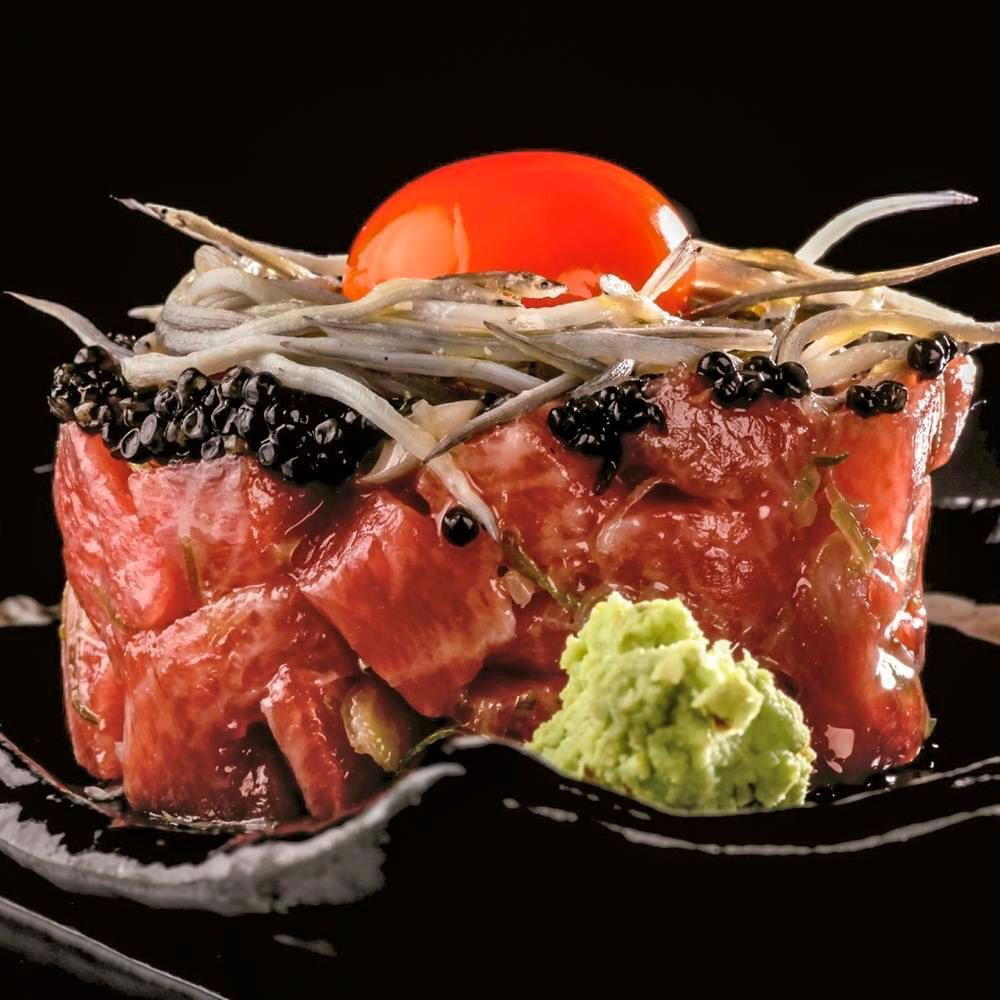
Bars in Madrid
All bars in Madrid →



El Gran Asador Lecanda
The wine
- Wine program
- Deep wine list
- Extensive wine list
Details
- Elegant
- Sophisticated
- Cozy
- Business Dinner
- Special Occasion
- Family
- Celebration
- Open Kitchen
- Extensive Wine List
- A La Carte
Current opening hours
- Monday
- 1 PM–12 AM
- Tuesday
- 1 PM–12 AM
- Wednesday
- 1 PM–12 AM
- Thursday
- 1 PM–12 AM
- Friday
- 1 PM–12 AM
- Saturday
- 1 PM–12 AM
- Sunday
- 1 PM–12 AM
Hours can change for holidays and private events. Hours as of .
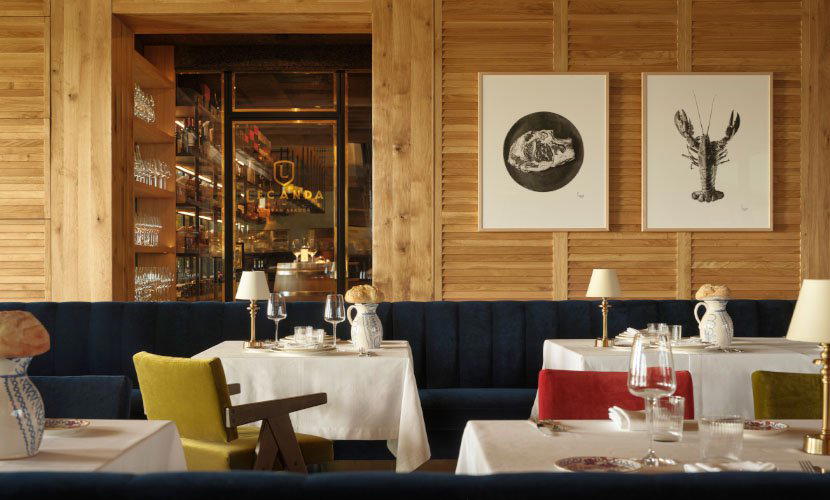
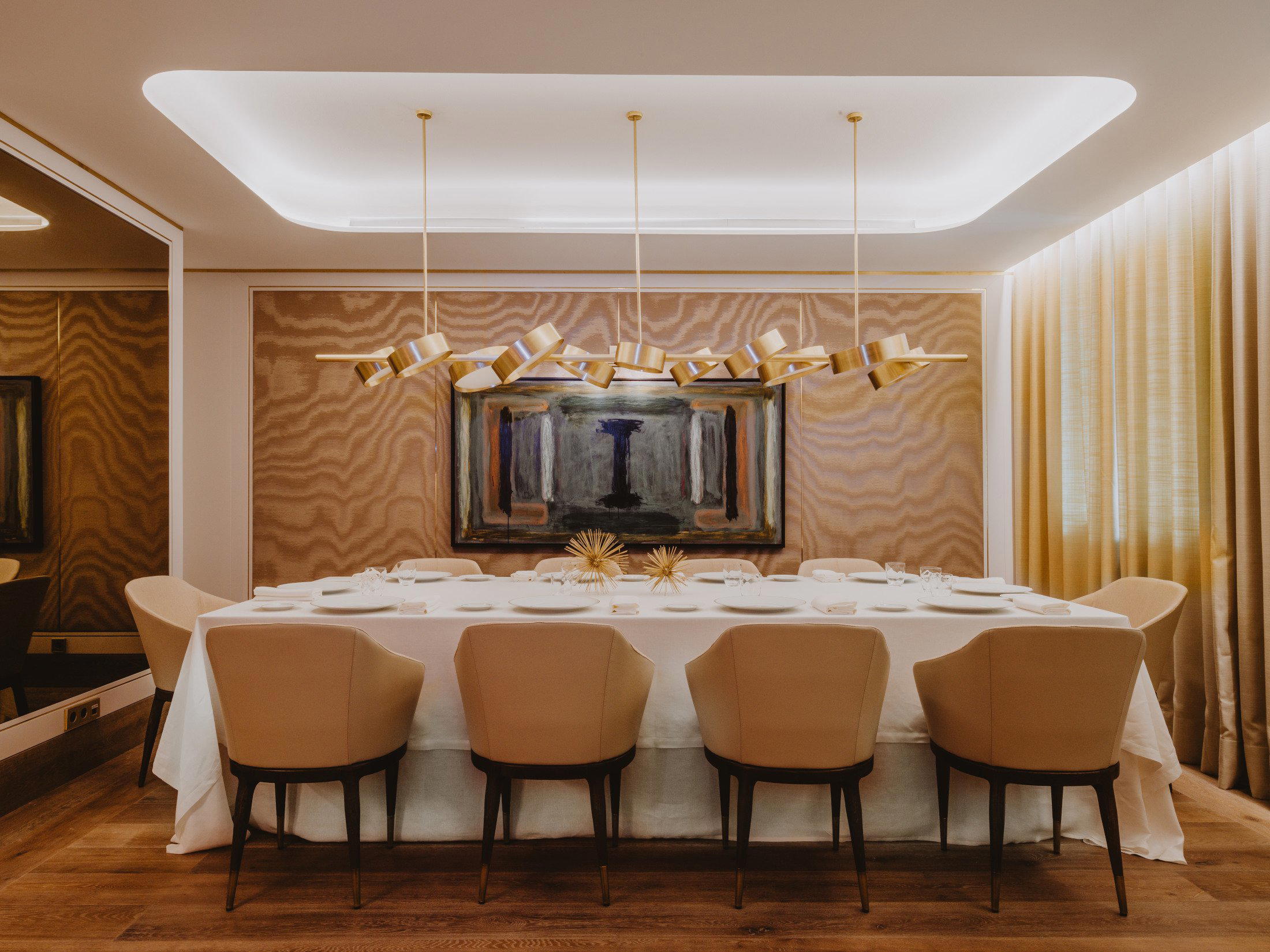
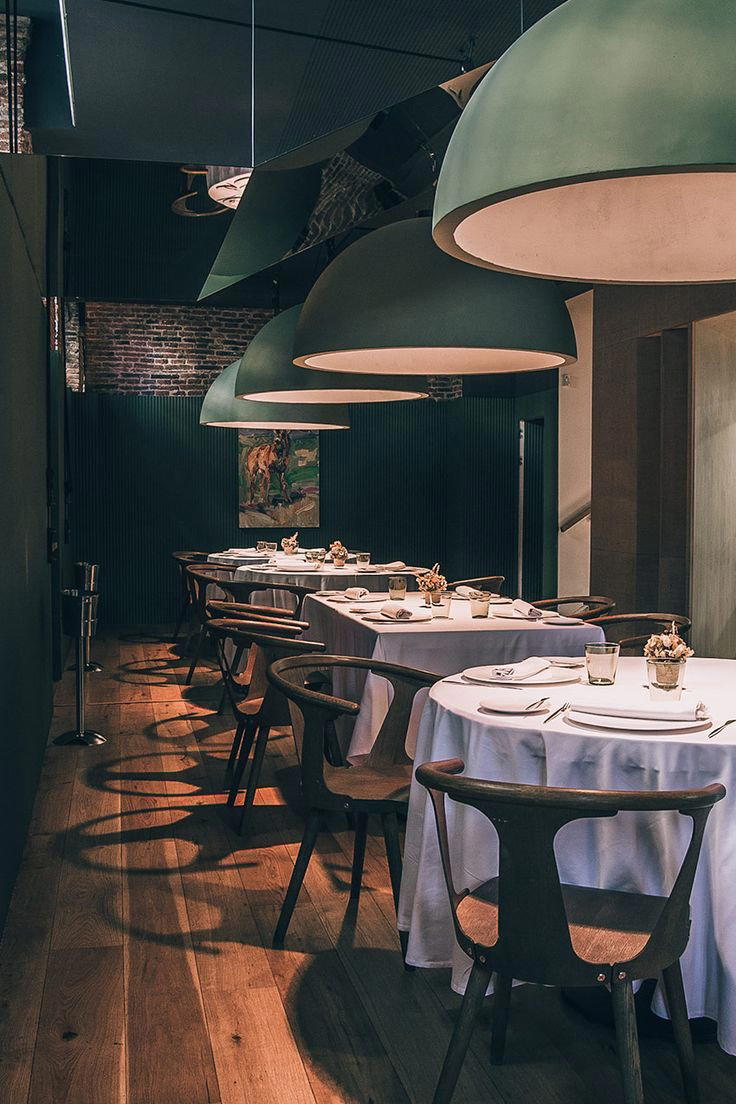
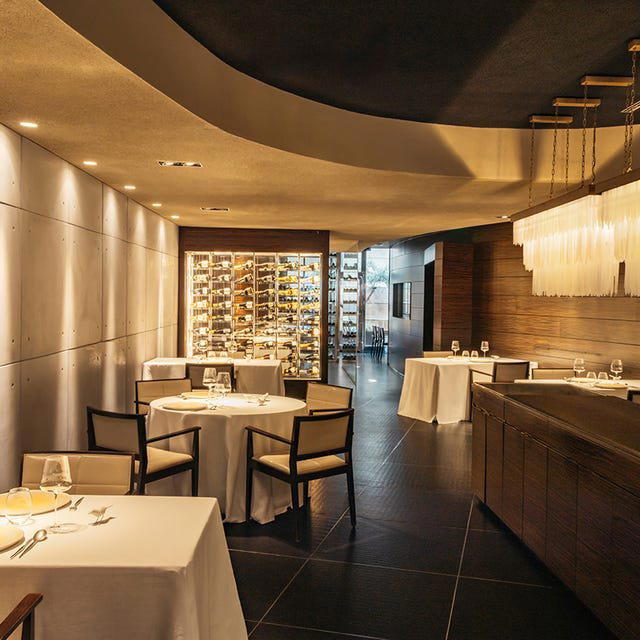
Elegant dining room with wood decor, multiple environments, comfortable spacing between large tables, and a sophisticated yet warm atmosphere.