Metropol

On Fraumünsterstrasse in Zurich's old town, Metropol occupies a position in the city's mid-to-upper dining tier, drawing a crowd that expects substance alongside setting. The address alone places it within walking distance of the Fraumünster church and the Limmat, a neighbourhood where Zurich's financial and cultural weight converges. For visitors mapping the city's restaurant scene, it sits among venues worth scheduling rather than stumbling upon.
Pearl is the En Primeur Club membership app — saves, bookings, and concierge access live there. Same editors, same standards.
- Address
- Fraumünsterstrasse 12, 8001 Zürich, Switzerland
- Phone
- +41442005900
- Website
- metropol-restaurant.ch
- Directions
- Get directions
 Saves & bookings on Pearl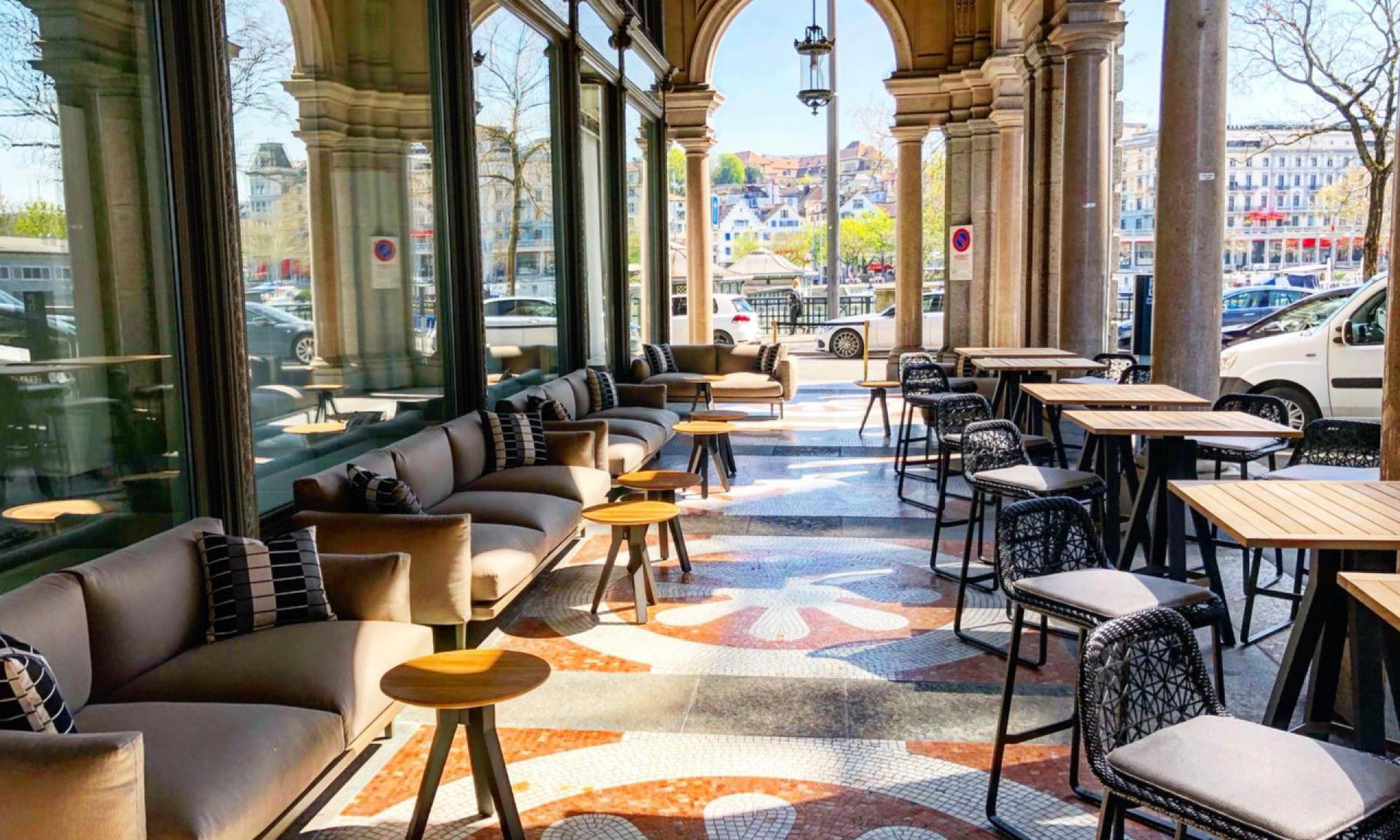
Fraumünsterstrasse and the Weight of Location
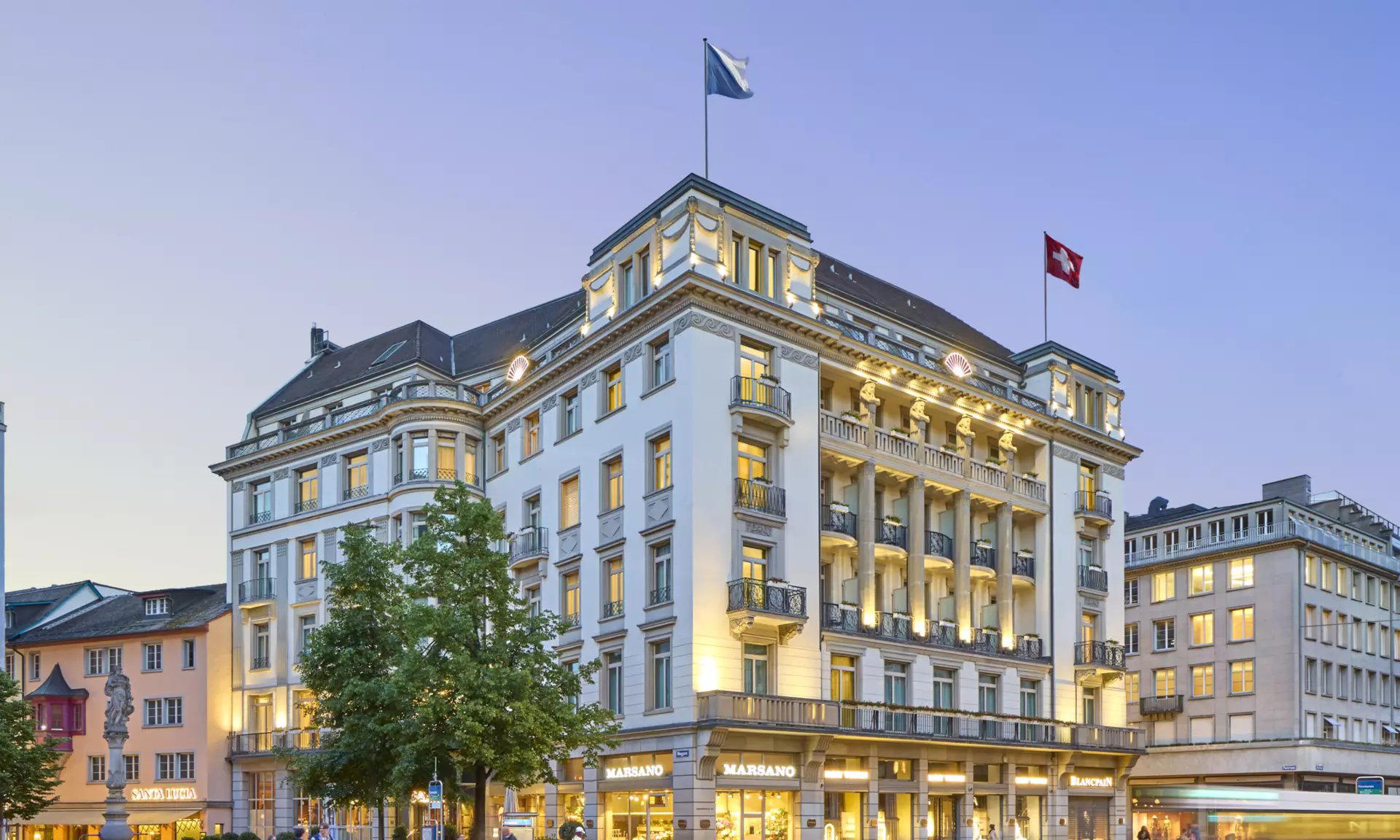
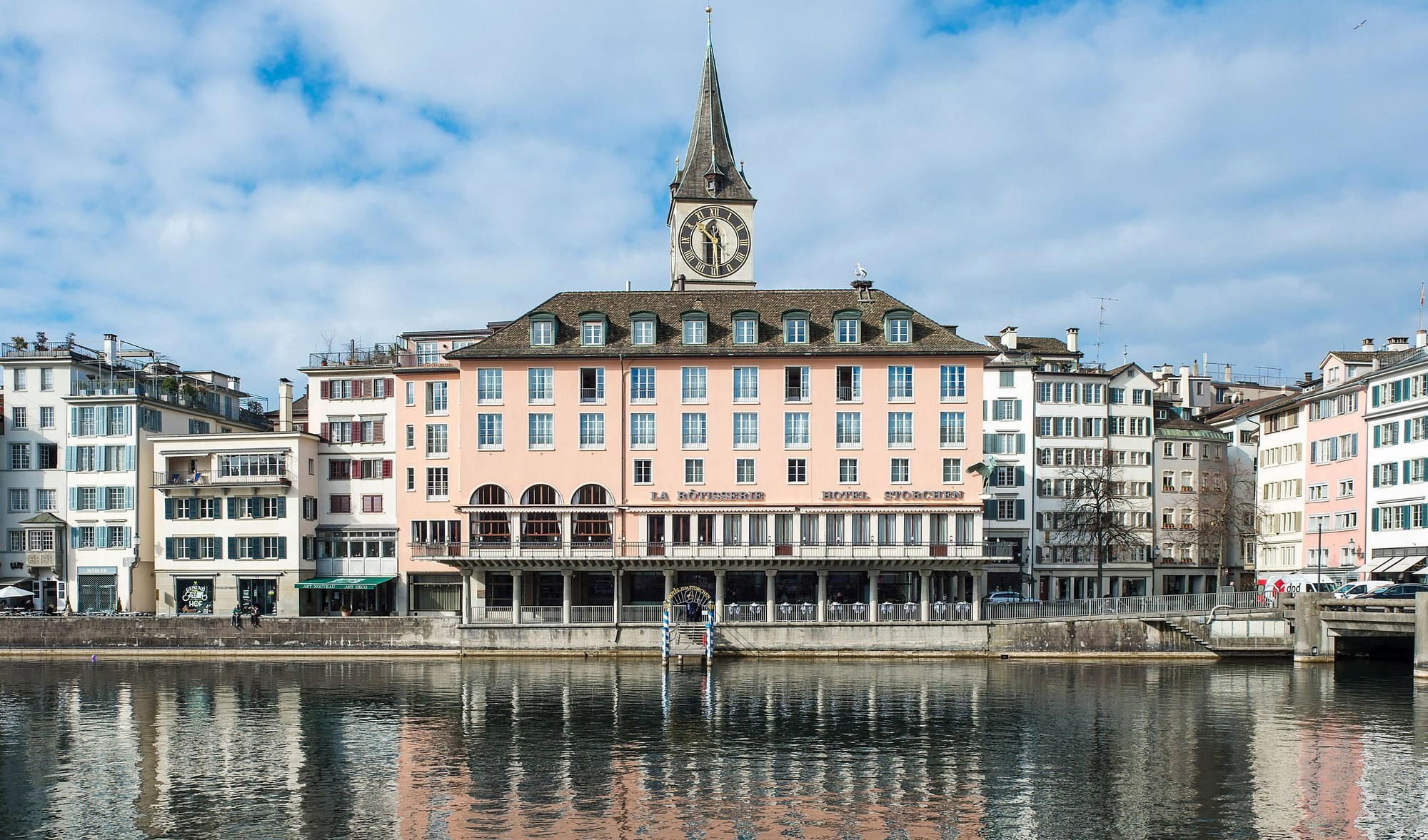
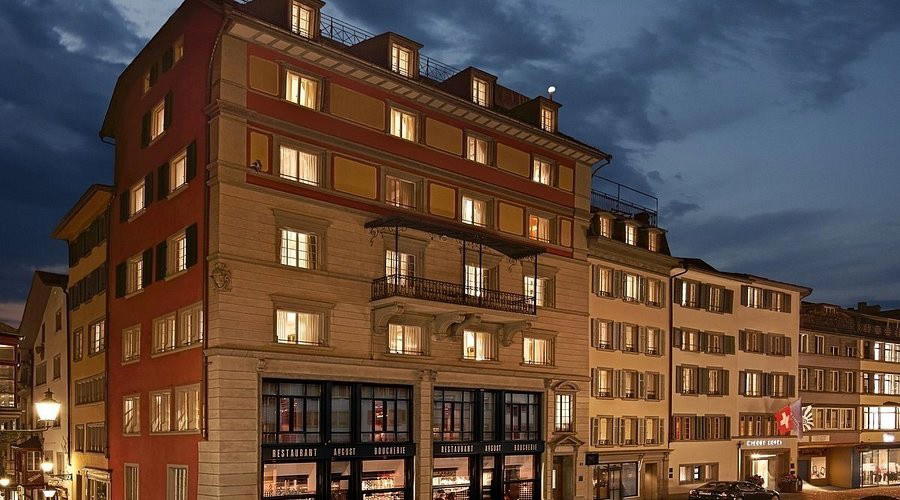
A certain kind of Zurich restaurant earns its reputation not through a single spectacular dish or a headline chef, but through the accumulated credibility of place. Fraumünsterstrasse 12 sits in the city's historic core, steps from the Fraumünster church, close to the Limmat riverbank, and surrounded by the kind of civic architecture that reminds you Zurich was already a serious European city long before it became a financial centre. Restaurants in this corridor operate under particular pressure: the address attracts both residents who know the city well and visitors with high expectations, and neither group is easily impressed by surface polish alone.
Metropol is a restaurant serving Modern Japanese Izakaya cuisine at Fraumünsterstrasse 12 in Zürich's 8001 district. Approaching along Fraumünsterstrasse, the building sits within a streetscape that has been layered with purpose over centuries. There is none of the self-conscious design theatre that characterises newer openings in Zürich West or the Langstrasse corridor. What you encounter is more grounded: a room that belongs to its neighbourhood rather than announcing itself against it.
Where Metropol Sits in Zurich's Dining Structure
Zurich's restaurant scene has become more segmented in recent years. At the leading, a cluster of internationally recognised addresses competes for the same small pool of destination diners: The Restaurant (Creative) and The Counter (Creative) operate in the high-investment, high-concept bracket, while IGNIV Zürich by Andreas Caminada has built a distinct identity around sharing formats at the premium end. Below that, a broader mid-tier absorbs the majority of the city's dining traffic, where kitchens compete on consistency, value relative to price, and the quality of the overall experience rather than the currency of a famous name.
Metropol sits in this competitive field with the specific advantage of its old town address. For context, Zurich's old town restaurants must work harder for repeat custom than venues in trendier districts, the tourist foot traffic is higher, which means kitchen teams that last are kitchen teams that can satisfy regulars alongside first-time visitors. That is a more demanding brief than it sounds. Compare that to a venue like Widder (Swiss), which operates from an established hotel context, or Eden Kitchen & Bar (Italian), which draws on a more defined cuisine identity. Metropol's positioning, at least by address, is broadly Swiss European, pitched at a clientele that wants professional service and well-sourced food in a room with civic weight.
The Case for Team-Led Dining
Across Zurich's serious restaurant tier, the venues that sustain reputations over time tend to be those where the dining room operates as a coherent system rather than a showcase for a single individual. The relationship between kitchen, cellar, and floor matters more at this level than in casual settings, a well-chosen wine list without a floor team able to explain it is wasted capital, and a technically accomplished kitchen loses ground quickly if service reads as indifferent.
This dynamic is visible across Switzerland's most durable fine dining addresses. At Schloss Schauenstein in Fürstenau, the integration of kitchen ambition and hospitality depth has sustained recognition across multiple seasons. Hotel de Ville Crissier operates on a similar principle: the room's coherence is as considered as the plate. In a different register, Cheval Blanc by Peter Knogl in Basel and Memories in Bad Ragaz represent how Swiss fine dining has learned to marry kitchen precision with service intelligence at the highest level.
The lesson for any restaurant operating in Zurich's old town is that this team dynamic cannot be faked at volume. A kitchen running forty covers might sustain individual brilliance; a kitchen running a full house across multiple service styles needs a functional front-of-house and wine programme working in tandem. That systemic coherence is what separates venues with longevity from those that spike and recede.
Zurich in Context: Switzerland's Wider Restaurant Geography
Understanding any Zurich restaurant requires some sense of where it sits within Switzerland's broader fine dining geography. The country punches well above its size in Michelin terms, with addresses like 7132 Silver in Vals, focus ATELIER in Vitznau, and Colonnade in Lucerne pulling destination diners outside the major cities. Further afield, Da Vittorio in St. Moritz and Einstein Gourmet in Sankt Gallen demonstrate that Swiss fine dining ambition is distributed, not concentrated. Even looking internationally, Swiss-trained sensibility appears in addresses like L'Atelier Robuchon in Geneva, where technical rigour meets a global frame of reference.
Within that wider map, Zurich's old town addresses occupy a specific role: they are the city's most legible restaurants for international visitors, the ones most likely to appear in itineraries alongside the Kunsthaus or the Bahnhofstrasse. That visibility is both an asset and a pressure point. The leading old town restaurants respond by running tighter, more considered operations than their foot traffic might suggest they need to.
Planning a Visit
Metropol's address at Fraumünsterstrasse 12 places it in the 8001 postal district, the heart of Zurich's old town, accessible on foot from the main rail station in under fifteen minutes or directly from Paradeplatz by tram. The Fraumünster stop serves the immediate area. For visitors building a Zurich itinerary around serious dining, the old town corridor makes geographic sense: multiple worthwhile addresses are within walking distance, and the neighbourhood rewards exploration before or after a meal. As with most Zurich restaurants operating at this address tier, advance planning is advisable particularly for weekend evenings or the summer months when the city draws significant visitor numbers.
For reference on the range of ambition available within a day's travel, both Le Bernardin in New York City and Atomix in New York City illustrate how team-led dining operates at the upper reaches of the international tier, useful calibration points for understanding where Zurich's scene sits relative to the global conversation.
Same-City Peers
Comparable venues nearby, for context on price, style, and recognition.
| Venue | Cuisine | Price | Notes |
|---|---|---|---|
| MetropolThis venue — the venue you are viewing | Modern Japanese Izakaya | $$$ | Not listed |
| Samurai VII Altstetten | Authentic Japanese Sushi & Bento | $$$ | Altstetten |
| Bimi | Authentic Japanese Sushi and Specialties | $$$ | Hottingen |
| Ikoo | Authentic Japanese Ramen | $$ | Aussersihl |
| Sando | Japanese-Inspired Smashburgers | $$ | Oberstrass |
| Totò | Traditional Italian Mediterranean | $$$ | Riesbach |
Recognition history
Dated appearances from independent guides and award organizations, with the underlying list record or original source where available.
Falstaff Restaurant - 88 Falstaff Points
Falstaff
At a Glance
- Elegant
- Sophisticated
- Modern
- Classic
- Business Dinner
- Date Night
- Brunch
- Open Kitchen
- Terrace
- Historic Building
- Craft Cocktails
- Street Scene
Current opening hours
- Monday
- 7 AM–11 PM
- Tuesday
- 7 AM–11 PM
- Wednesday
- 7 AM–12 AM
- Thursday
- 7 AM–12 AM
- Friday
- 7 AM–12 AM
- Saturday
- 8 AM–12 AM
- Sunday
- 10 AM–6 PM
Hours can change for holidays and private events. Last verified .
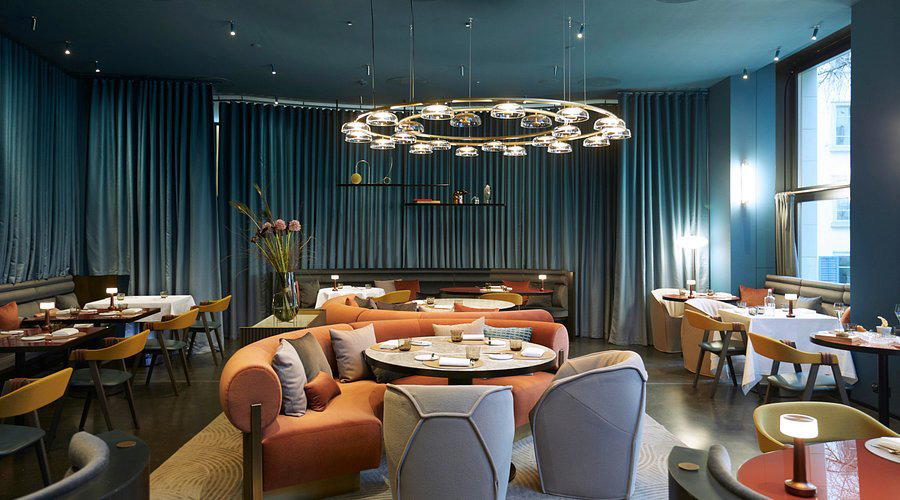
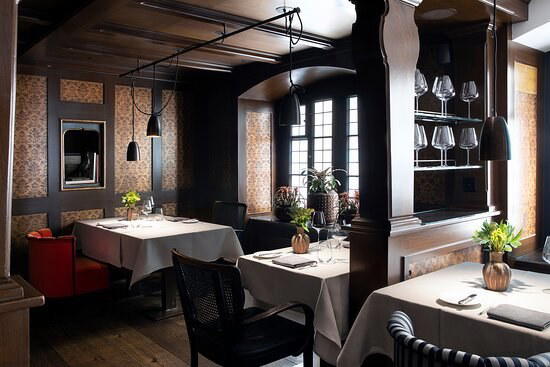
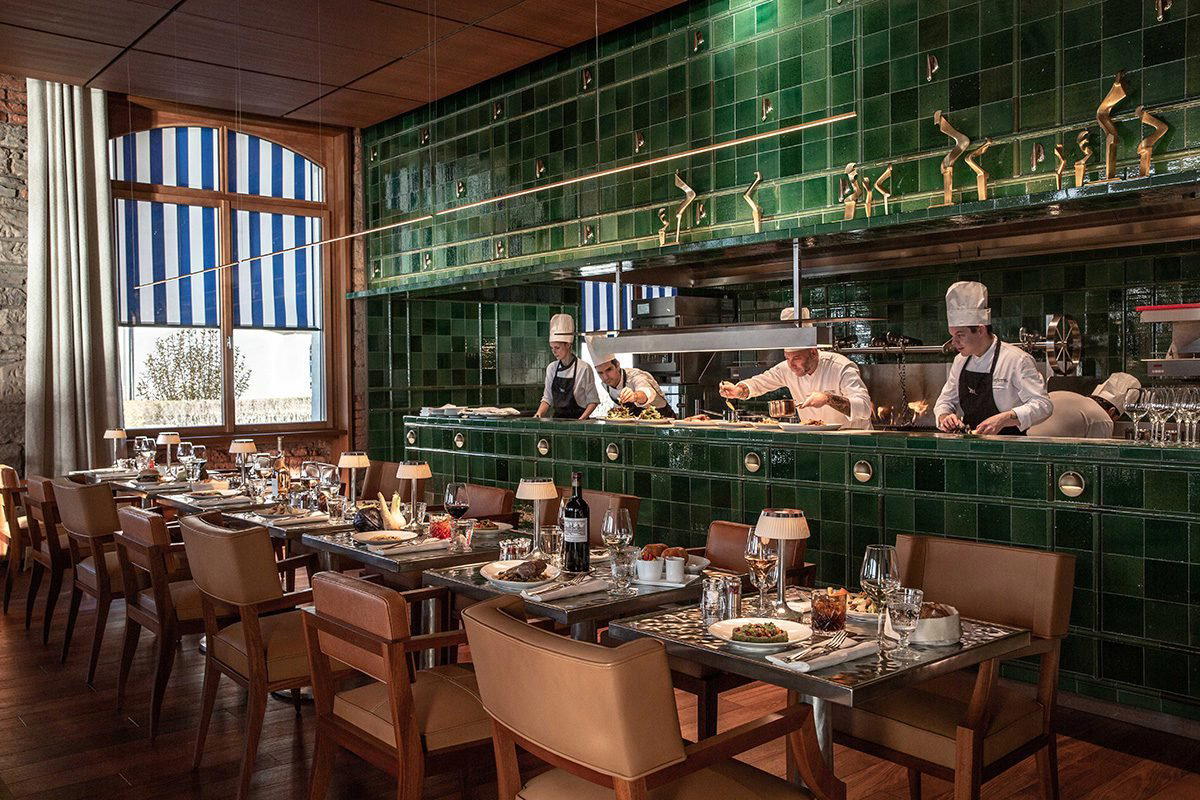
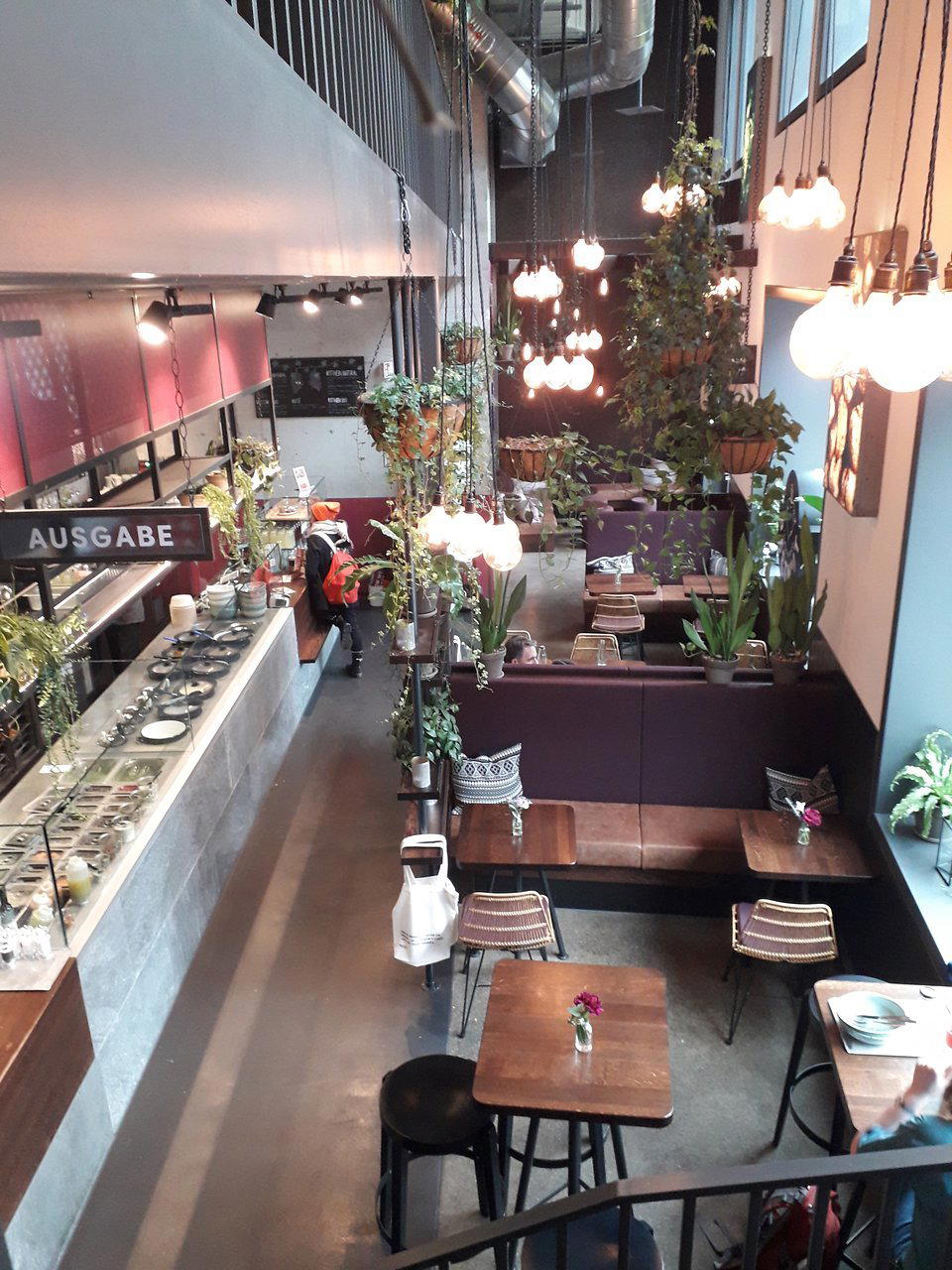
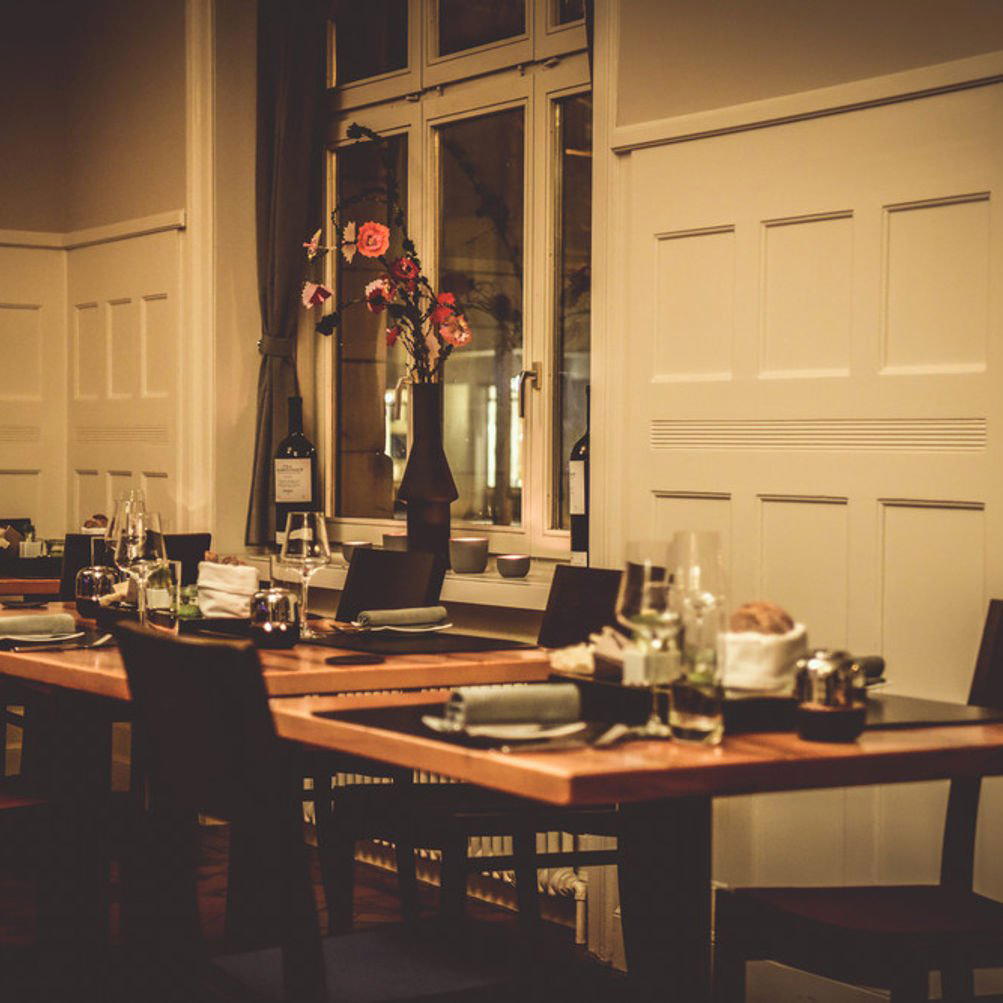
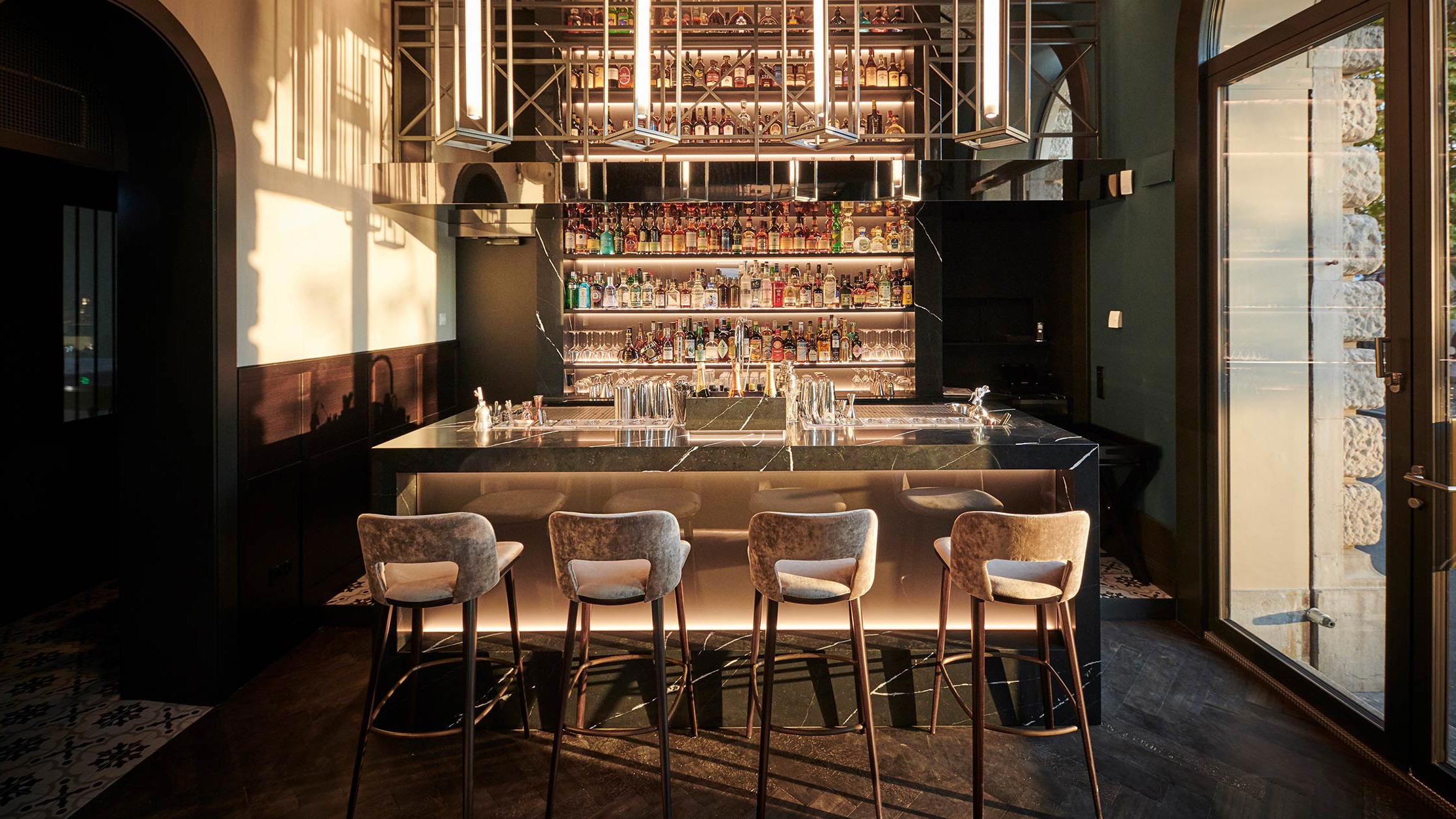
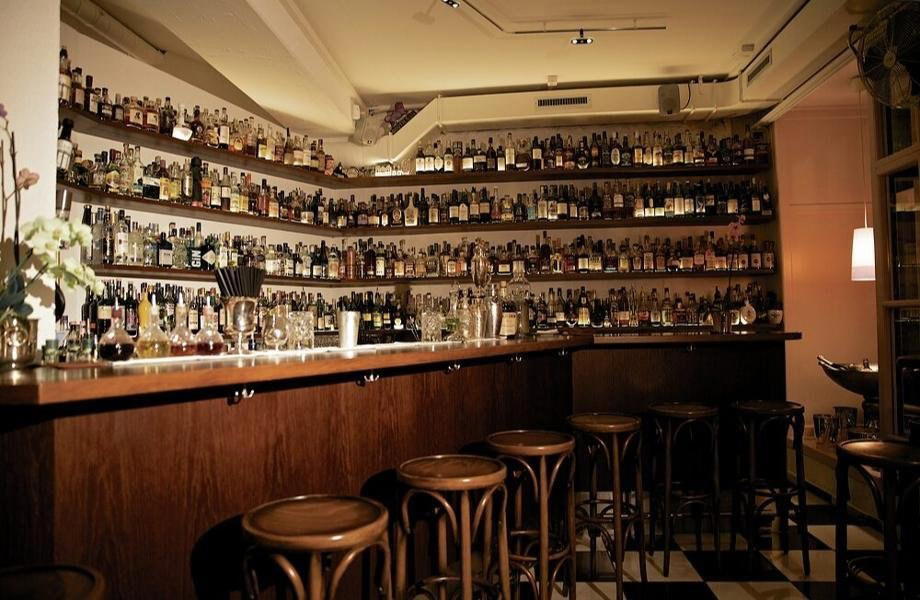
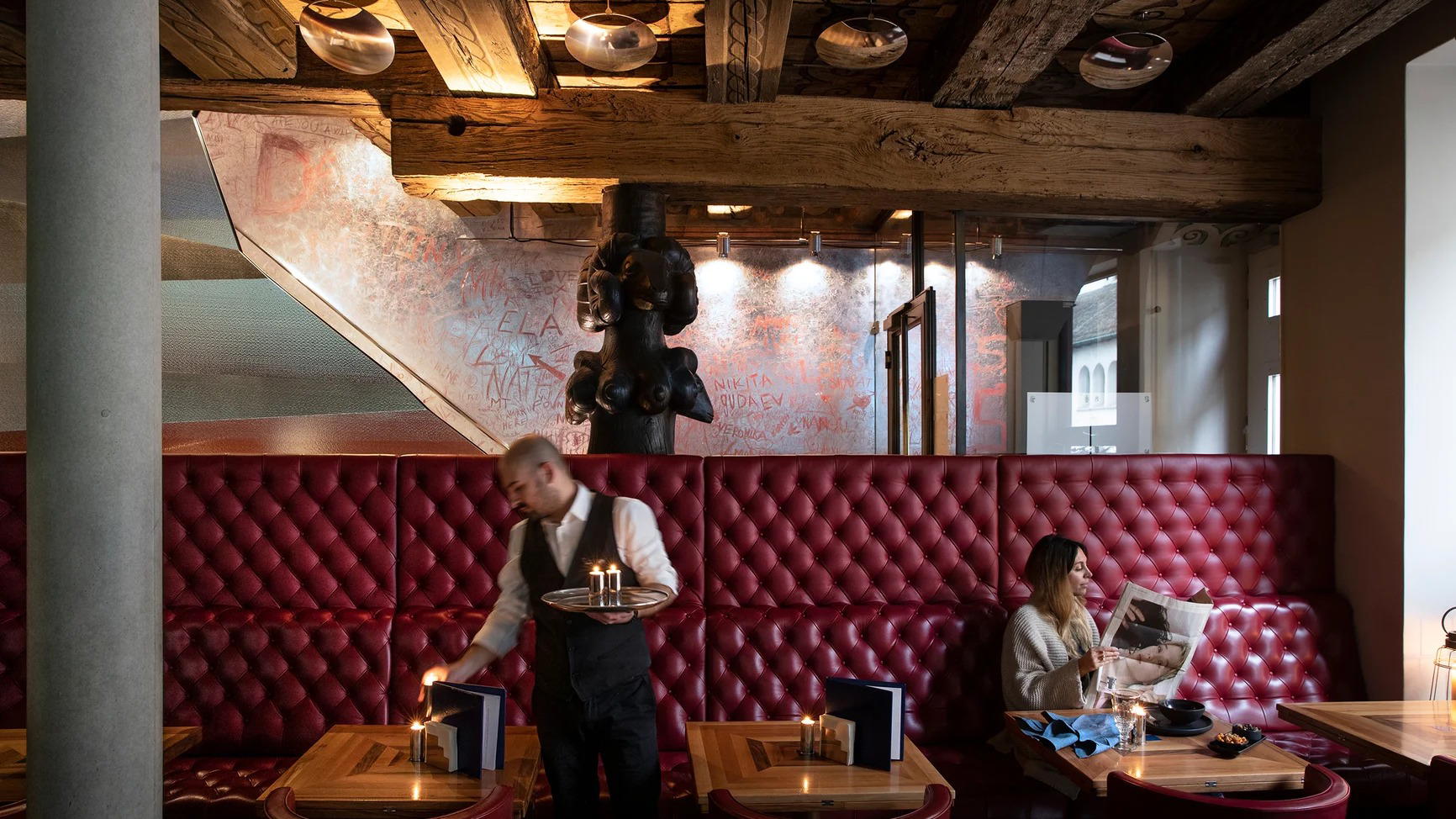
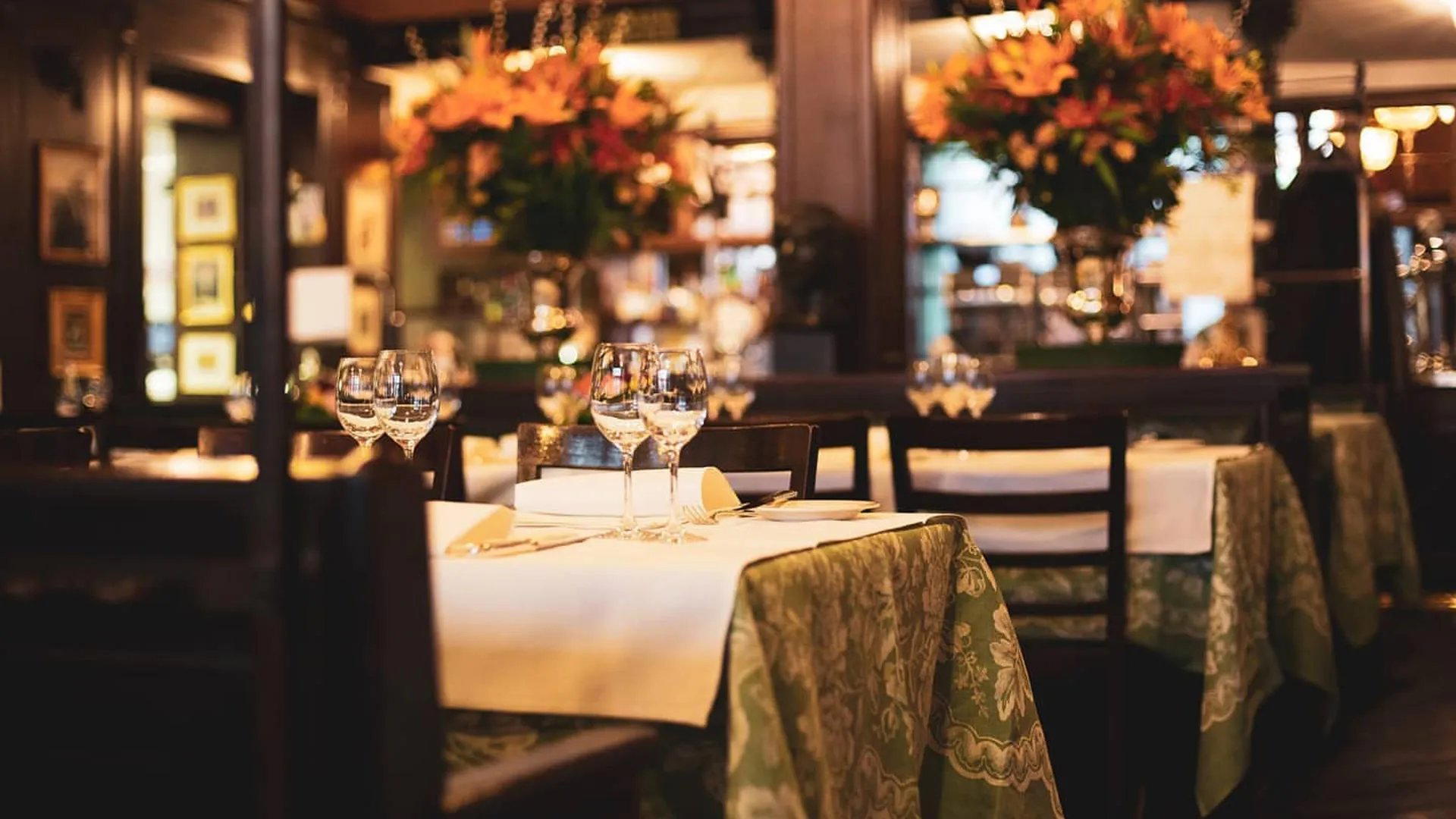
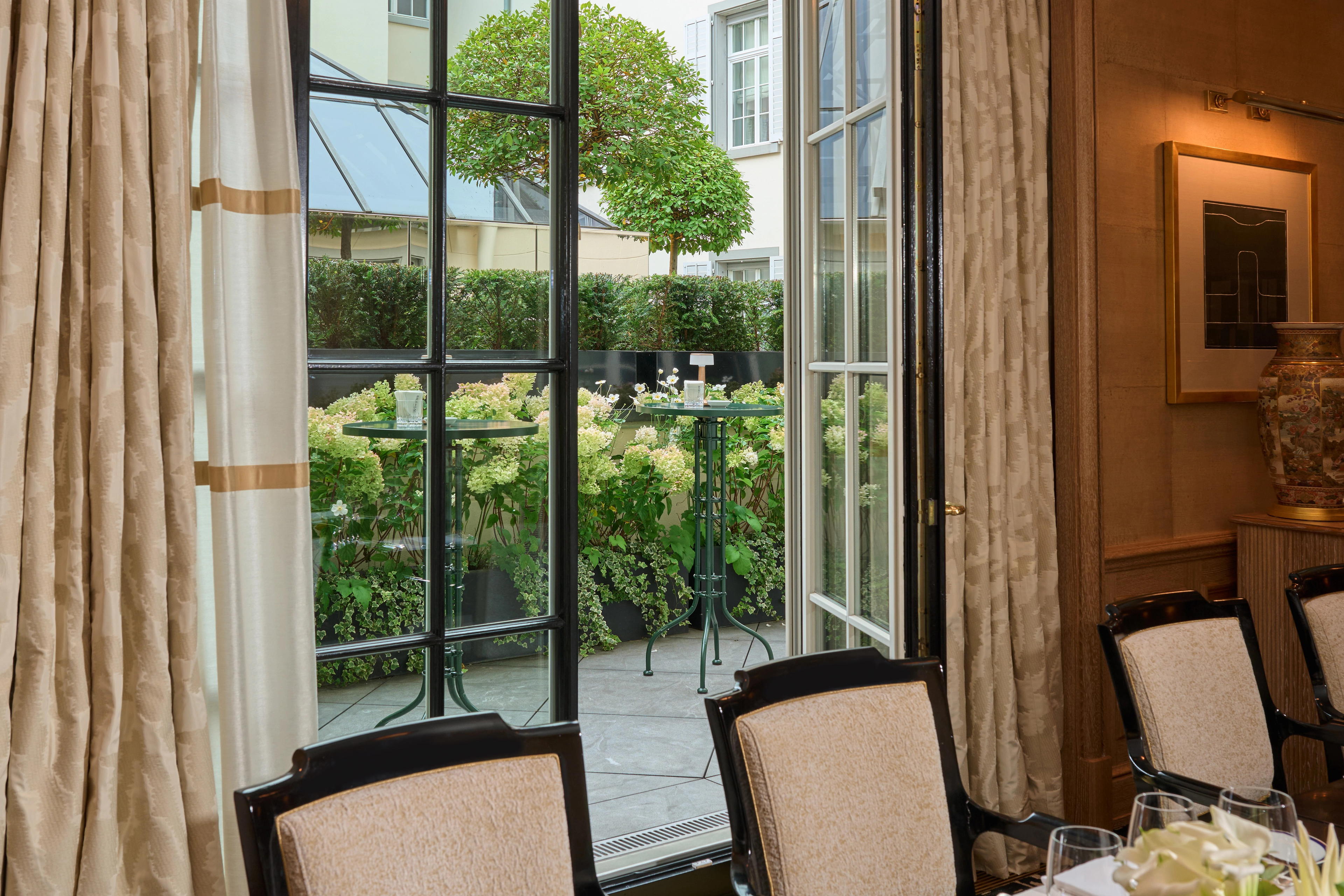
Stylish and elegant with warm copper lighting in earthy red tones, historic high ceilings, and a relaxed yet sophisticated atmosphere under beautiful arcades.