On the Rue de la Gaité in Paris's 14th arrondissement, Kokodak sits within a neighbourhood that has historically operated at a remove from the Grand Boulevard dining circuit. The address places it among independent operators who trade on repeat local custom rather than tourist volume, making it a reference point for understanding how the 14th's dining culture functions outside the city's more conspicuous culinary zones.
Pearl is the En Primeur Club membership app — saves, bookings, and concierge access live there. Same editors, same standards.
- Address
- 39 Rue de la Gaité, 75014 Paris, France
- Phone
- +33142799434
- Website
- restaurants-kokodak.com
- Directions
- Get directions
 Saves & bookings on Pearl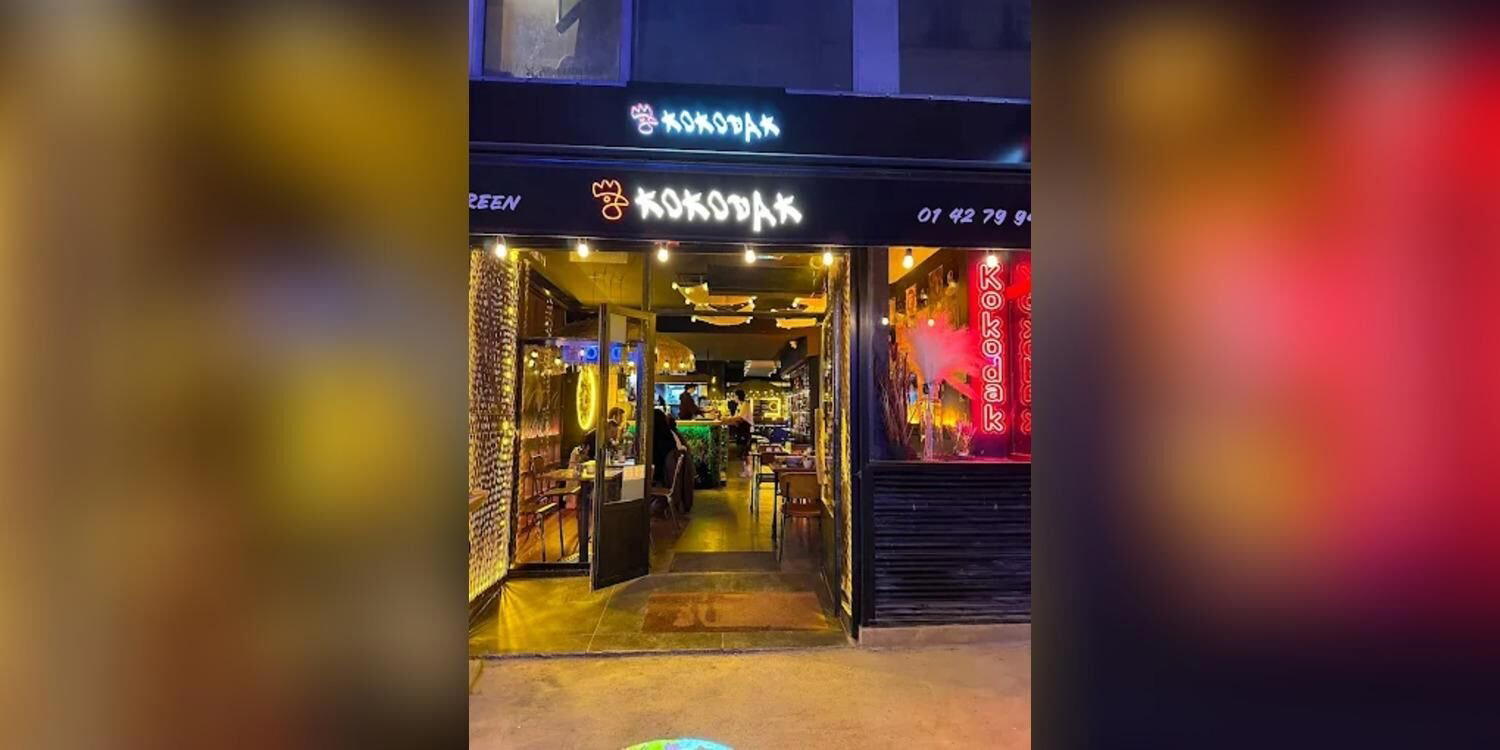
Rue de la Gaité and the 14th's Independent Dining Culture
Paris's 14th arrondissement has never been the city's most photographed dining district, and that is precisely what defines its character. The neighbourhood around Montparnasse and the Rue de la Gaité operates on a different logic from the 8th's palace-hotel restaurants or the fashionable natural-wine pockets of the 11th. Here, the dominant pattern is independent operators with deep roots in the community, restaurants that price for regulars rather than for occasion dining, and a general resistance to the kind of branding apparatus that drives reservation queues elsewhere in the city.
The Rue de la Gaité itself carries its own history. Originally a street of theatres and cabarets dating to the 19th century, it retains a slightly theatrical, lived-in quality that distinguishes it from the more curated dining corridors further north. Restaurants here tend to draw from a local catchment first, with the broader city as a secondary audience. That is a different competitive posture than the one occupied by, say, Alléno Paris au Pavillon Ledoyen or Le Cinq at the Four Seasons Hôtel George V, where international visitors constitute a significant share of covers and the price bracket reflects that.
Where Kokodak Sits in the Paris Dining Picture
Paris's restaurant scene currently stratifies into at least three legible tiers. At one end, the €€€€ addresses, including Kei and L'Ambroisie, where tasting menus and formal service structures carry the weight of the experience. At the other, the neighbourhood bistro and brasserie format, which still constitutes the backbone of how most Parisians eat out. Kokodak occupies a position that warrants attention precisely because the 14th does not produce many venues that attract city-wide conversation, making each one that does a useful data point about what is actually happening in the arrondissement rather than what the dining press decides to spotlight.
For context on what French fine dining can look like outside Paris, the contrast with properties like Mirazur in Menton or Flocons de Sel in Megève is instructive. Those addresses anchor their identity in landscape and provenance in ways that are structurally unavailable to a Paris 14th address. What an urban neighbourhood restaurant can offer instead is density of cultural reference, proximity to a particular kind of Parisian daily life, and a wine program that punches beyond what the room's appearance might suggest.
The Wine Dimension: What Cellar Depth Signals in a Neighbourhood Address
In Paris, a restaurant's wine list is often one reliable indicator of its real ambitions. Grand addresses like Arpège or Le Cinq maintain cellars that function as institutional statements, with depth across Burgundy and Bordeaux vintages that take decades to assemble. Neighbourhood restaurants operate under different constraints: tighter storage, narrower margins, and a customer base that may not support high-ticket bottle sales on a nightly basis. The wine decisions a smaller Paris address makes, therefore, tend to be more revealing than those of a fully resourced grand maison. Curation under pressure requires a clearer point of view.
At the neighbourhood level, particularly interesting cellars in Paris currently tend to cluster around one of two poles: a natural-wine commitment that leans into the low-intervention producers of the Loire, Jura, and Rhône; or a classical French positioning that prioritises reliable regional producers over headline appellations. Both represent genuine curatorial stances rather than default options. French regional wine culture runs deep enough that even modest lists can reflect sophisticated thinking when the buyer knows what they are doing. For comparison, the wine programs at properties like Assiette Champenoise in Reims or Au Crocodile in Strasbourg demonstrate how regional positioning can refine a list beyond its price bracket.
The broader French fine dining tradition, running from Paul Bocuse's Auberge du Pont de Collonges through to Bras in Laguiole and Auberge de l'Ill in Illhaeusern, has always placed wine service at the centre of the hospitality architecture, not as an add-on. That expectation filters down the price ladder. A Paris neighbourhood restaurant that takes wine seriously is participating in a long-established cultural norm, not performing sophistication it hasn't earned.
International Reference Points
For visitors arriving from New York, the contrast between Paris neighbourhood dining and the kind of precision-driven format at Atomix or the seafood rigour at Le Bernardin is instructive in the opposite direction. American fine dining has increasingly moved toward theatrical architecture, both culinary and physical, as its primary differentiation tool. Paris neighbourhood addresses, by contrast, tend to resist that vocabulary. The dining room is rarely the statement. The food and the glass in front of you are. That orientation is still a defining feature of how the 14th's independent operators position themselves, and it is part of what makes addresses like Kokodak worth tracking even when the broader data profile is thin.
For visitors building a Paris itinerary that reaches beyond the predictable arrondissements, the full context is available in our Paris restaurants guide. Regional France comparisons, including Auberge du Vieux Puits in Fontjoncouse and AM par Alexandre Mazzia in Marseille, also provide useful benchmarks for understanding how Paris's neighbourhood tier compares with the ambition currently operating outside the capital. And for another French-influenced international frame, Troisgros in Ouches remains the clearest demonstration of how a multigenerational French kitchen evolves without abandoning its structural commitments.
Planning Your Visit
Address: 39 Rue de la Gaité, 75014 Paris, France. Arrondissement: 14th, within walking distance of Montparnasse. Reservations: Recommended. Dress: The Rue de la Gaité neighbourhood skews casual-to-smart; formal dress is unlikely to be required at a street-level address in the 14th. Budget: About $28 per person. Timing: Mon 12 to 3 PM and 7 to 10:45 PM; Tue to Sun 12 to 2:45 PM and 7 to 10:45 PM.
Cuisine Context
Comparable venues nearby, for context on price, style, and recognition.
| Venue | Cuisine | Price | Notes |
|---|---|---|---|
| Kokodak Paris 14This venue — the venue you are viewing | Korean Fusion | $$ | Not listed |
| JOAYO Montparnasse | Authentic Korean BBQ & Karaoke | $$ | Montparnasse |
| OPPA CANTINE | Authentic Korean Canteen | $$ | 15th arrondissement (Dupleix) |
| Go Oun | Korean Fusion | $$ | Louvre / Palais-Royal |
| Ga Jeong Jip | Traditional Korean Bistro | $$ | 1er Arrondissement |
| Odori Restaurant | Authentic Korean Barbecue | $$ | Motte-Picquet, 15th Arrondissement |
Continue exploring
More in Paris
Restaurants in Paris
Browse all →
Bars in Paris
Browse all →
Hotels in Paris
Browse all →
Wineries in Paris
Browse all →
At a Glance
- Modern
- Cozy
- Trendy
- Group Dining
- Casual Hangout
- Terrace
Current opening hours
- Monday
- 12–3 PM, 7–10:45 PM
- Tuesday
- 12–2:45 PM, 7–10:45 PM
- Wednesday
- 12–2:45 PM, 7–10:45 PM
- Thursday
- 12–2:45 PM, 7–10:45 PM
- Friday
- 12–2:45 PM, 7–10:45 PM
- Saturday
- 12–2:45 PM, 7–10:45 PM
- Sunday
- 12–2:45 PM, 7–10:45 PM
Hours can change for holidays and private events. Last verified .
Chaleureuse, moderne, and cosy with beautifully soft lighting.