Our verdict
Koko occupies the ground floor of Trade World in Kamala Mills Compound, Lower Parel, placing it squarely inside Mumbai's most concentrated dining corridor. The venue draws from Asian culinary traditions in a neighbourhood that has reshaped premium casual dining in the city over the past decade. Visit for the energy, the crowd, and a kitchen that operates at the busier end of Mumbai's mid-to-upper tier.

Pearl is the En Primeur Club membership app — saves, bookings, and concierge access live there. Same editors, same standards.
- Address
- C Wing, Trade World, Kamala Mills Compound, Ground Floor, Lower Parel, Mumbai, Maharashtra 400013, India
- Phone
- +917715963030
- Hours
- Daily 12–4 PM, 7 PM–1:30 AM
- Website
- kokorestaurants.com
- Directions
- Get directions
- Booking
- Book on the venue's website
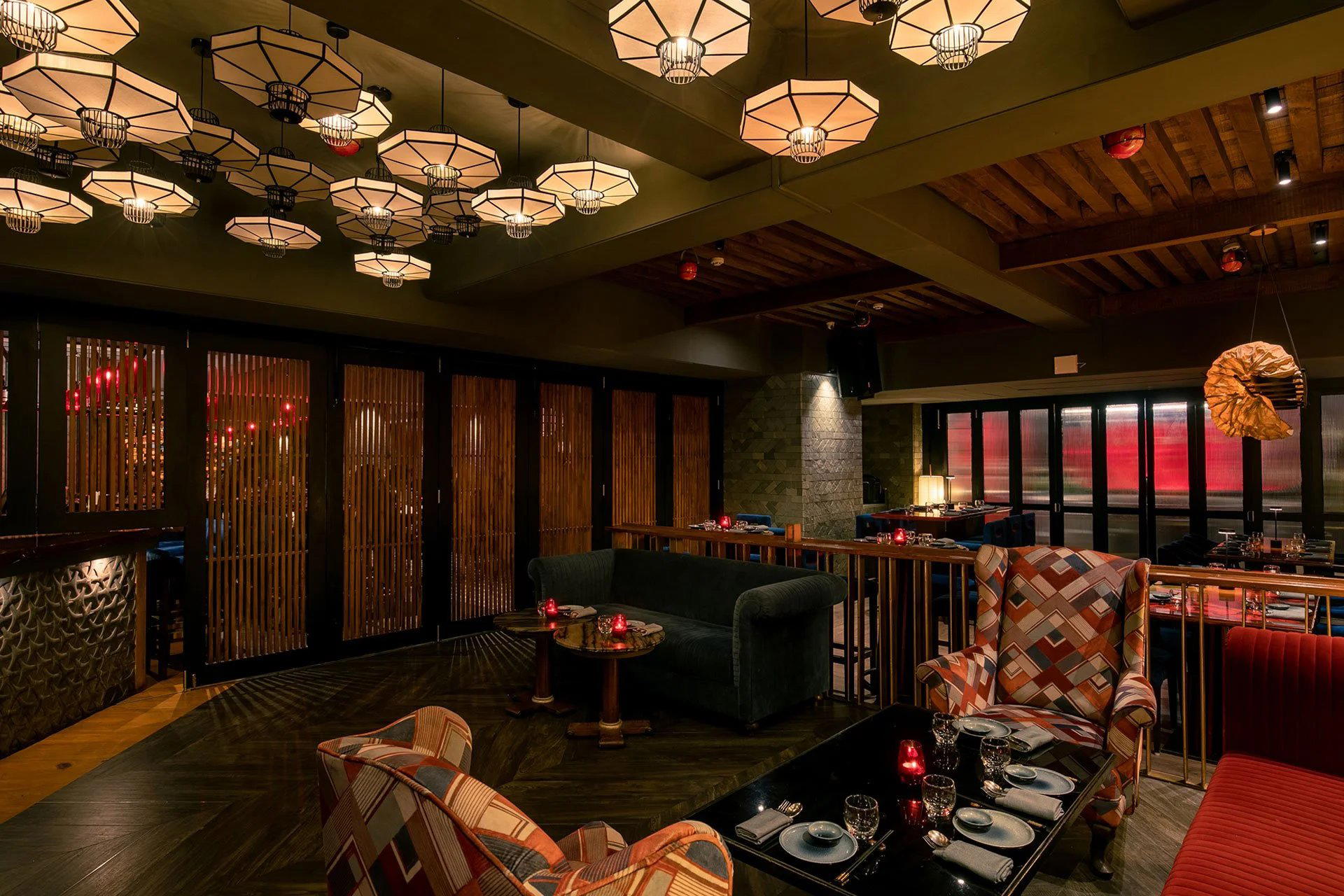
The menu
What to order
- Prawn Sushi
- Dimsum Basket
- Sushi Rolls
- Hazelnut Crunch Cake
Lower Parel and the Kamala Mills Dining Circuit
A decade ago, Kamala Mills Compound was a cluster of converted textile mill spaces in Lower Parel with a handful of restaurants and a reputation built largely on square footage and rooftop access. Today, it functions as one of the densest concentrations of ambitious dining in any Indian city. The compound runs several venues in parallel, each calibrated to a different point on the quality-and-energy spectrum, and the competition between them has raised the floor on what passes for a credible evening out in this part of Mumbai. Koko sits within that compound on the ground floor of C Wing, Trade World, positioned in the middle of a scene that rewards knowing where you are in relation to everything else around it.
Lower Parel itself carries a specific social weight in Mumbai. It replaced the textile industry's physical footprint with offices, malls, and eventually restaurants, which means its dining circuit draws primarily from after-work crowds and weekend visitors coming from across the city rather than a residential catchment. That shapes the energy of every venue here: louder, faster, more attuned to the rhythms of a long working week than to the contemplative pace you find in, say, Bandra or Colaba. Koko operates within that context, not against it.
Asian Reference Points in a City Built on Fusion
Mumbai has always absorbed culinary influence from outside the subcontinent, but the current wave of pan-Asian cooking in the city is structurally different from earlier iterations. Where earlier restaurants treated Asian food as a monolith, the better operations now draw from specific regional traditions. Cantonese technique, Japanese precision, Southeast Asian acidity — these are no longer interchangeable shorthand. The city's more attentive diners have grown alongside that shift, and venues in the Kamala Mills corridor benefit from a clientele that eats frequently and tracks the quality curve closely.
Koko sits in the pan-Asian category that has become one of Lower Parel's dominant modes. In the broader Mumbai context, that places it in conversation with venues operating at different tiers of the same tradition. Masque approaches India's ingredients from a contemporary fine-dining framework. The Bombay Canteen works explicitly from domestic culinary heritage. The Table imports European bistro discipline into a Mumbai context. Koko draws instead from the Asian reference points that have found sustained traction in Indian cities: bold saucing, wok-driven technique, and formats that support table-sharing rather than individual plating. That distinction matters for setting expectations correctly before arrival.
For a broader read on how these venues map against each other across the city, the EP Club Mumbai restaurants guide covers the full field. Those looking at Asian and fusion-adjacent options elsewhere in the country will find relevant comparisons at Americano and Avatara within the city, or further afield at Farmlore in Bangalore and Naar in Kasauli.
The Compound Format and What It Does to a Meal
Eating at Kamala Mills is a different experience from eating in a standalone restaurant on a quieter street. The compound's density means there is ambient energy before you reach the door: other restaurants operating simultaneously, groups moving between venues, the particular noise signature of a functioning hospitality cluster. Ground-floor locations within Trade World specifically tend to absorb foot traffic and walk-in energy that upper-floor venues avoid. This is not necessarily a negative. It produces a lively room and a pace of service calibrated to volume, which suits the pan-Asian format well. Sharing plates and cocktail programs work leading in rooms where the energy is already present rather than manufactured.
The compound format also creates an implicit comparison set for every visitor. Guests at Koko are almost always aware of what else is operating nearby, which means the kitchen and floor team are working in a transparent competitive environment on every service. That accountability has historically kept quality levels higher than they might be in a monopoly location. Mumbai's dining press covers Kamala Mills closely, and word moves fast through the professional and social networks that make up the venue's primary audience.
Cultural Roots of the Pan-Asian Format
The pan-Asian restaurant as a category carries a complicated cultural history. In its weakest form, it flattens the distance between Sichuan, Vietnamese, Japanese, and Korean cooking into a single undifferentiated menu. In its more serious expressions, it uses the shared structural logics of East and Southeast Asian cuisine — umami depth, acid balance, the primacy of fresh aromatics, to build a coherent plate of food that doesn't require loyalty to a single national tradition. Indian cities have been productive ground for the more serious version of this format because the domestic palate already calibrates to bold flavour profiles and because the urban professional class eating at venues like Koko has enough international travel experience to recognise the difference.
India's wider restaurant conversation around Asian cooking has international reference points that are worth holding in mind. At the technically rigorous end of pan-Asian execution globally, venues like Atomix in New York demonstrate what Korean culinary tradition looks like when treated with the same seriousness as French technique. On the seafood-focused side, Le Bernardin shows the ceiling for European-influenced precision. These are not direct comparisons to Koko, they operate in different tiers entirely, but they illustrate the spectrum within which any Asian-influenced kitchen positions itself. Understanding where Koko sits relative to the full range sharpens the assessment.
Within India, the regional diversity of serious cooking is substantial. Bukhara in New Delhi anchors the North Indian tradition. Esphahan in Agra draws from Mughal culinary lineage. Leela Kerala Terrace in Trivandrum and Beera Chicken House in Amritsar represent the depth of regional cooking outside the metro centres. 5868 Restaurant in Gandhinagar, Harvest Kitchen Somnath in Veraval, and La Fountain Blu in Navsari fill out the Gujarat picture. WelcomCafe Oceanic Restaurant in Visakhapatnam anchors coastal Andhra. Taken together, they map the breadth of what Indian dining looks like outside the loudest cities.
Planning Your Visit
Koko is located at C Wing, Trade World, Kamala Mills Compound, Ground Floor, Lower Parel, Mumbai 400013. Lower Parel is accessible from both the Western and Central railway lines, with Elphinstone Road station the nearest stop; the compound is a short auto-rickshaw or cab ride from there. Given the compound's popularity and the general volume of Lower Parel's evening trade, arriving without a booking on weekends is a gamble. The venue's position in a high-traffic cluster means walk-in tables are available during off-peak hours, but weekend dinner service runs at capacity regularly. Dress is aligned with Mumbai's premium casual standard for this corridor: put-together without being formal.
Frequently asked questions
Is Koko good for families?
Koko at Kamala Mills Compound is calibrated to adult social dining rather than family formats. The compound's noise levels and energy skew toward groups in their twenties and thirties, and the sharing-plate structure suits that rhythm. Families with young children will find the environment less accommodating than a quieter, standalone restaurant elsewhere in Mumbai.
How would you describe the vibe at Koko?
Koko sits in the louder, higher-energy tier of Kamala Mills Compound, consistent with what the Lower Parel corridor delivers across its venues. Think animated group dinners, cocktails moving alongside food, and a crowd that is there as much for the evening out as for the meal itself. It is not a setting that rewards quiet conversation.
Is Koko connected to other well-known Mumbai restaurants?
Koko is part of the Hunger Inc. hospitality group, the same operator behind The Bombay Canteen and O Pedro, two of the more critically regarded addresses in Mumbai's contemporary dining scene. That shared ownership means Koko benefits from an operator with a documented track record in the city. The three venues differ in format and cuisine, but the group's presence across Lower Parel and Bandra reflects a deliberate positioning across Mumbai's key dining corridors.
What do regulars order at Koko?
The pan-Asian format centres on sharing plates built around wok technique and bold saucing, in formats that work alongside cocktails. Regulars tend to build the table around multiple dishes ordered in rounds rather than a structured starter-to-main progression. The approach suits groups of four or more.
What's the address for Koko?
Koko is located at C Wing, Trade World, Kamala Mills Compound, Ground Floor, Lower Parel, Mumbai, Maharashtra 400013, India, Mumbai.
Is Koko reservation-only?
Walk-in tables are possible during quieter service windows, particularly on weekday evenings, but weekend dinner at Kamala Mills venues reliably fills. Booking ahead is the practical approach for Friday and Saturday nights, when the compound operates at full capacity and wait times for walk-ins extend significantly.
What's the standout thing about Koko?
Koko's position within Kamala Mills Compound gives it access to one of Mumbai's most engaged dining crowds, and the pan-Asian format it operates sits in a category the city has absorbed with more seriousness over the last decade. It is also part of the Hunger Inc. group, the operator behind The Bombay Canteen and O Pedro, which gives the kitchen a credible hospitality infrastructure behind it.
Pricing, Compared
Comparable venues nearby, for context on price, style, and recognition.
| Venue | Cuisine | Price | Awards | Notes |
|---|---|---|---|---|
| KokoThis venue — the venue you are viewing | Luxury Pan-Asian Fine Dining | Not listed | Not listed | Not listed |
| Botticino | Contemporary Italian Fine Dining | $50–100 | Not listed | Kolekalyan, Contemporary Italian Fine Dining |
| Wasabi By Morimoto - The Taj Mahal Palace Hotel | Contemporary Japanese Fine Dining | $50–100 | La Liste Top Restaurants | Bombay Colaba, Contemporary Japanese Fine Dining |
| Gaylord | Classic Indian, Continental and Bakery Cafe | Not listed | Not listed | Churchgate, Indian |
| Trishna Mumbai | Mangalorean Seafood | Not listed | Not listed | Oshiwara, Mangalorean Seafood |
| Gypsy CORNER | Authentic Maharashtrian | Not listed | Not listed | Mahikavati, Authentic Maharashtrian |
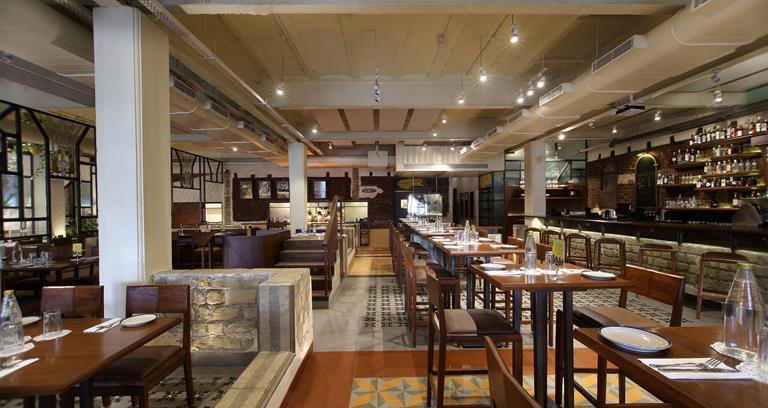
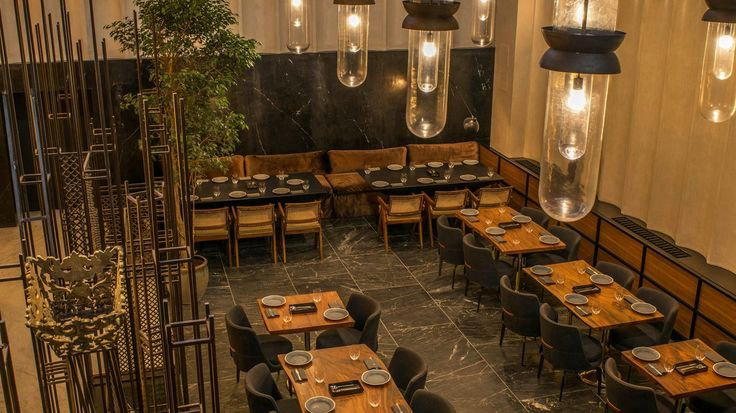
Details
- Lively
- Trendy
- Sophisticated
- Ornate
- Energetic
- Date Night
- Celebration
- Group Dining
- Business Dinner
- Late Night
- Design Destination
- Standalone
- Craft Cocktails
- A La Carte
- Cocktails
- Tom Yum Cup
- Vegetarian Friendly
- Pescatarian Friendly
Current opening hours
- Monday
- 12–4 PM, 7 PM–1:30 AM
- Tuesday
- 12–4 PM, 7 PM–1:30 AM
- Wednesday
- 12–4 PM, 7 PM–1:30 AM
- Thursday
- 12–4 PM, 7 PM–1:30 AM
- Friday
- 12–4 PM, 7 PM–1:30 AM
- Saturday
- 12–4 PM, 7 PM–1:30 AM
- Sunday
- 12–4 PM, 7 PM–1:30 AM
Hours can change for holidays and private events. Last verified .
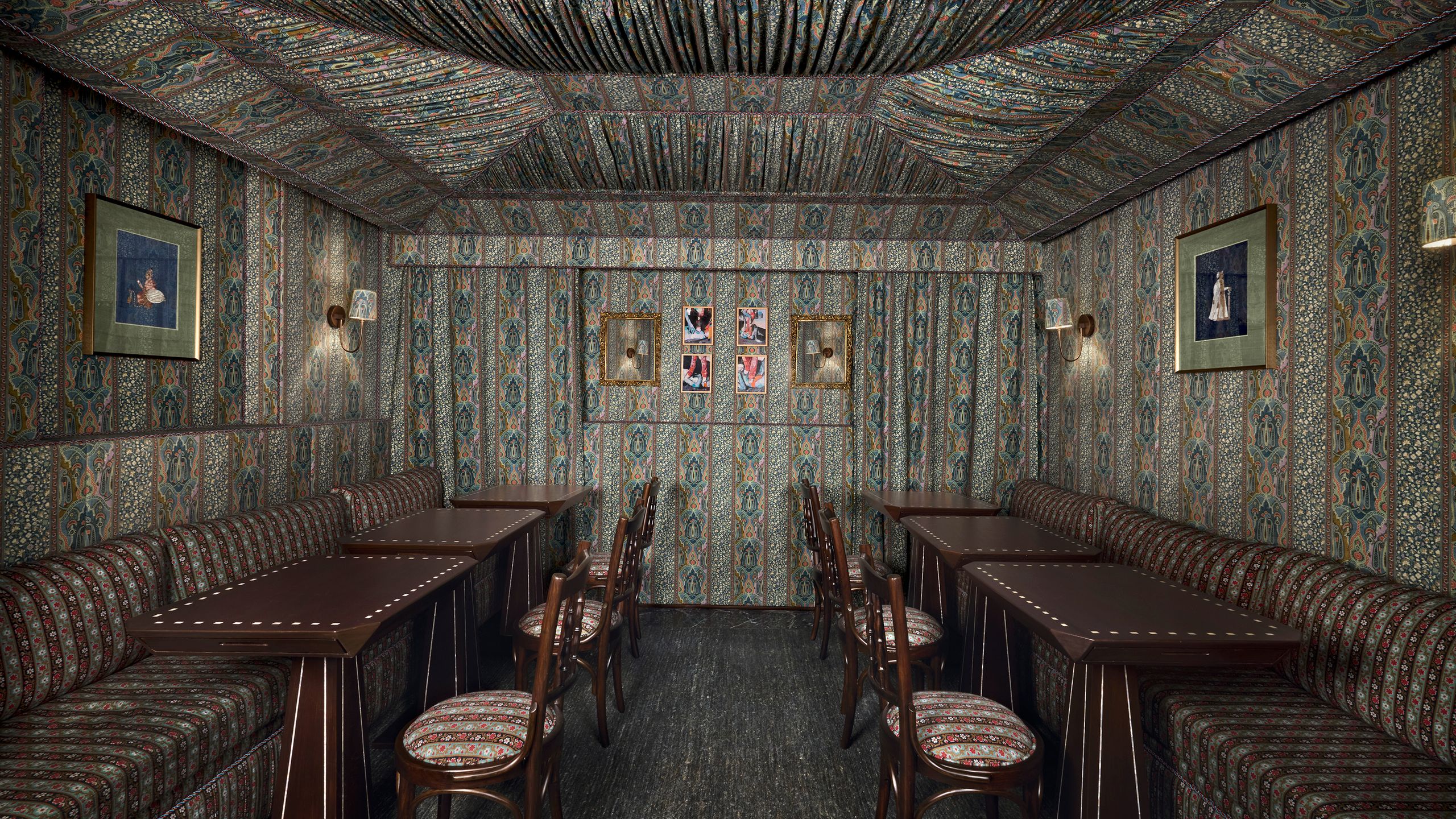
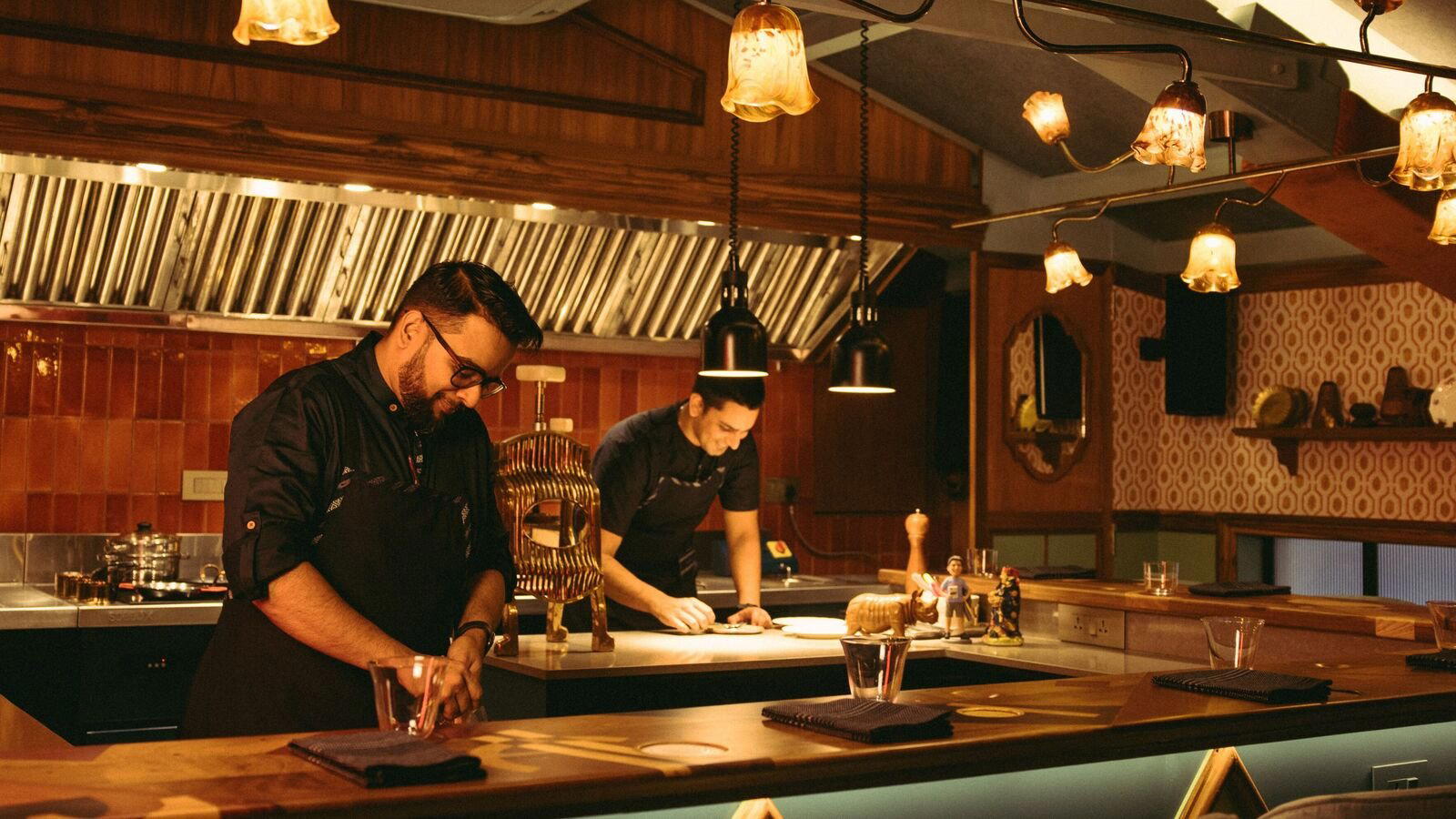
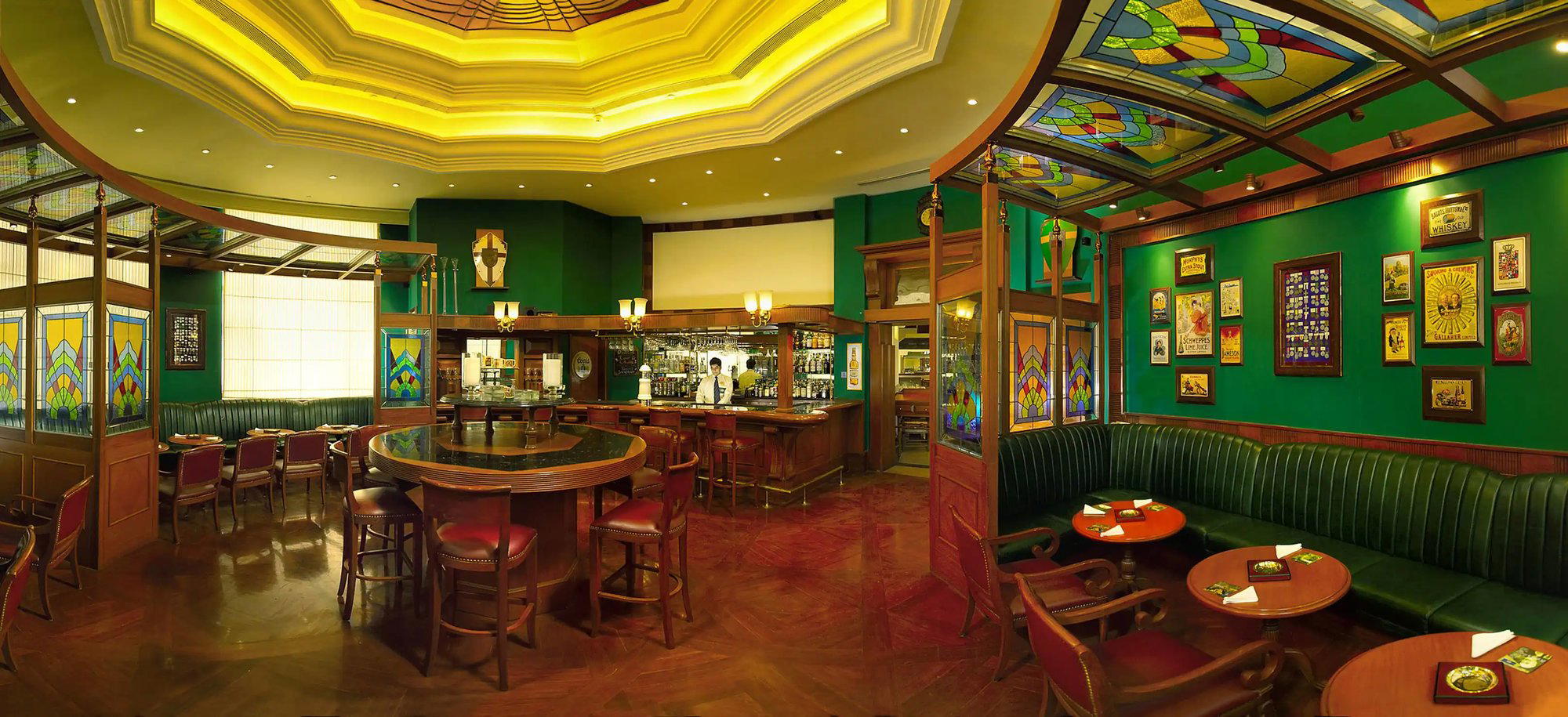
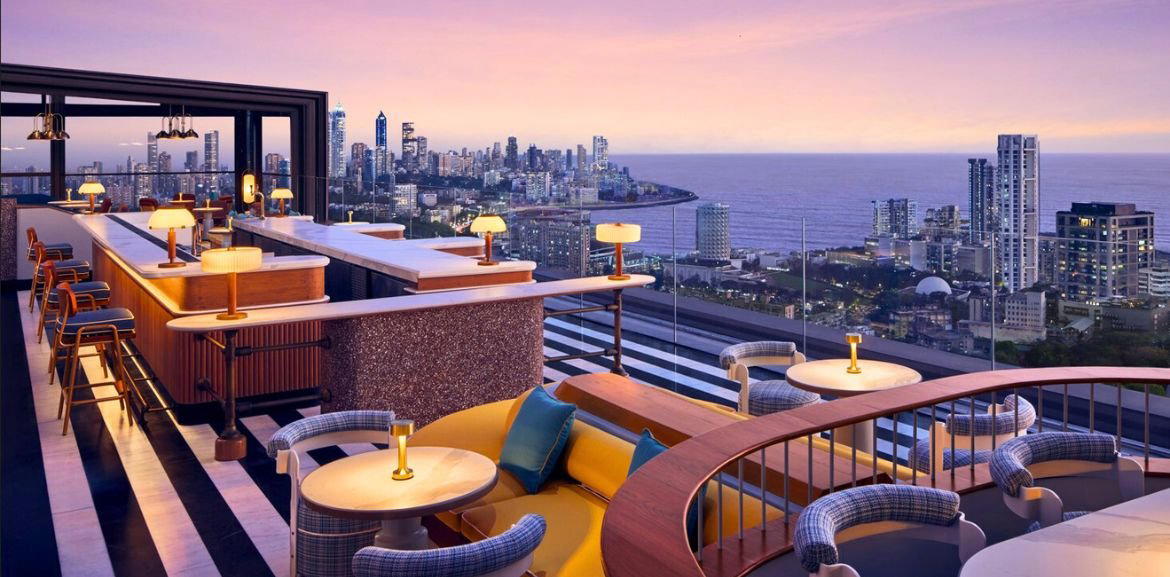
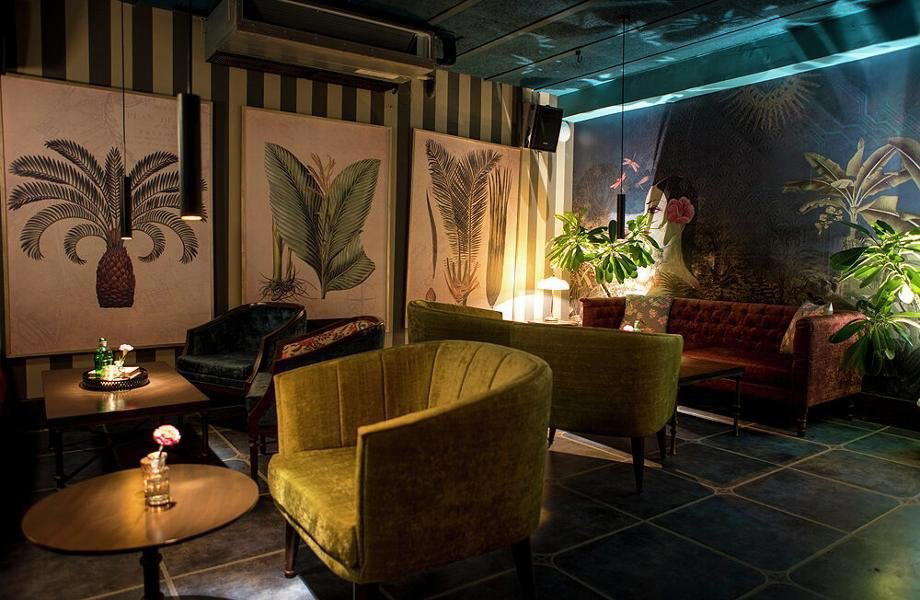
Sophisticated, high-energy and glamorous, with a dress-up, nightlife-leaning atmosphere suited to dinner and cocktails.