Kogo Slavic House
Our verdict
On Na Příkopě, Prague's central commercial corridor, Kogo Slavic House occupies a position that places it at the intersection of the city's cosmopolitan foot traffic and its ongoing conversation about Slavic culinary identity. The address alone signals ambition: this stretch draws both residents and visitors who move between serious shopping and serious eating, and Kogo Slavic House reads as a deliberate answer to both audiences.

Pearl is the En Primeur Club membership app — saves, bookings, and concierge access live there. Same editors, same standards.
- Address
- Na Příkopě 859/22, 110 00 Nové Město, Czechia
- Phone
- +420221451259
- Website
- kogo.cz
- Directions
- Get directions
- Booking
- Book on the venue's website
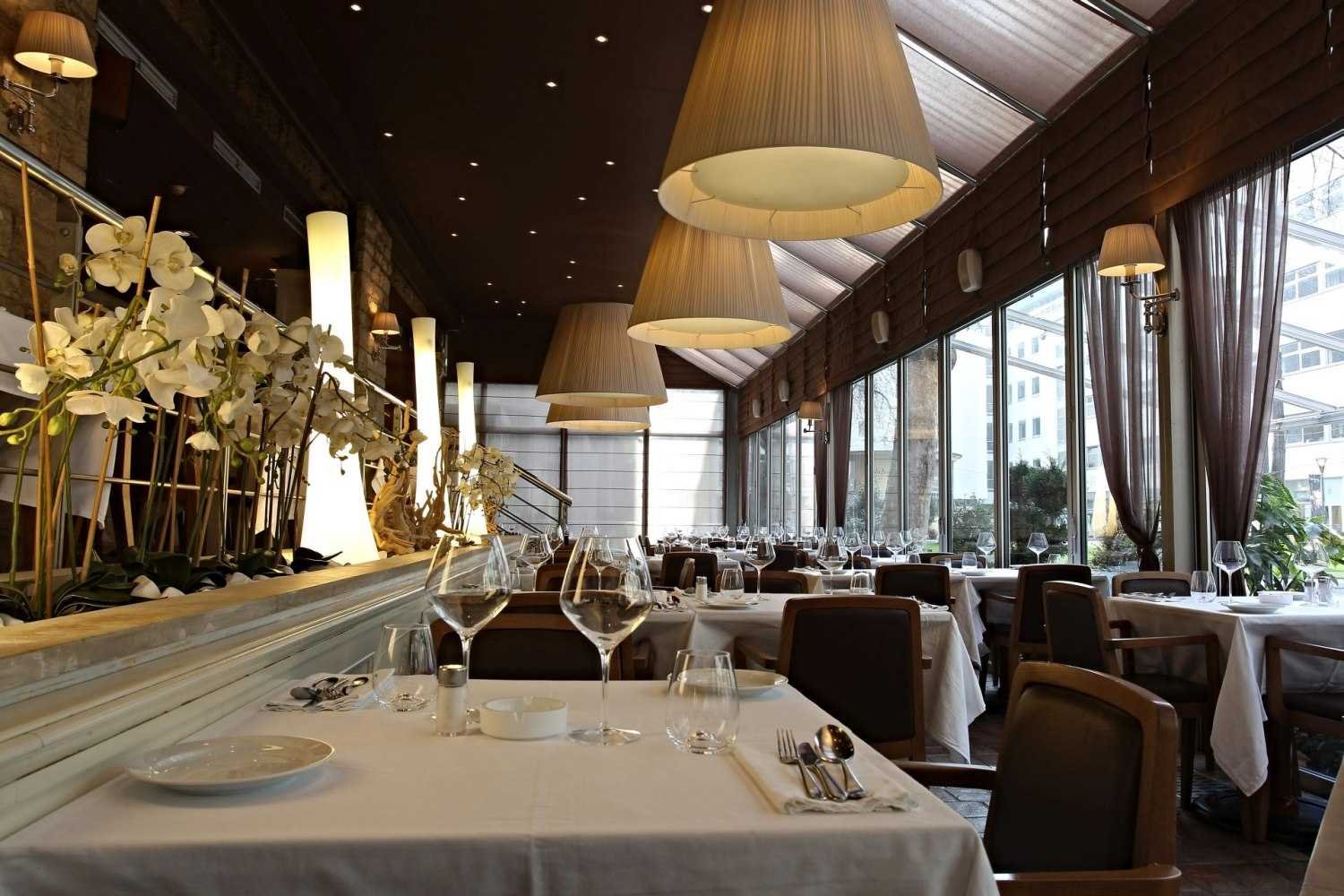
Na Příkopě and the Question of Slavic Cooking in Central Prague
Na Příkopě is one of Prague's most walked streets, a wide pedestrian corridor that connects Wenceslas Square to náměstí Republiky and funnels a cross-section of the city past its windows every hour of the day. Restaurants on this stretch have historically skewed toward international chains and tourist-oriented Czech staples, which makes the arrival of a venue explicitly anchored in Slavic culinary identity worth paying attention to. Kogo Slavic House, at Na Příkopě 859/22 in Nové Město, positions itself against that backdrop as something more deliberate: a space that takes the breadth of Slavic food traditions seriously rather than reducing them to a single national shorthand.
Prague has spent the last decade building a dining scene that can credibly compete with other Central European capitals. Venues like La Degustation Bohême Bourgeoise have demonstrated that Czech-rooted fine dining can hold its own against the French-inflected benchmark. Alcron has anchored the modern European conversation in the city for years. What has been less thoroughly mapped is the broader Slavic register, the question of what happens when you treat Polish, Slovak, Ukrainian, Russian, and South Slavic traditions as a coherent family of cuisines rather than discrete national exports. That is the proposition Kogo Slavic House is making from one of the city's most visible addresses.
How the Menu Speaks: Structure as Argument
Menu architecture at a venue like this carries an implicit editorial position. The decision of what to include, what to refine to a section header, and what to treat as a footnote tells you more about a kitchen's thinking than any single dish. A menu that groups Slavic dishes by geography makes a different argument than one that groups them by ingredient logic or by season. A menu that foregrounds fermented and preserved preparations signals a kitchen interested in the pantry traditions that defined Slavic cooking through centuries of cold winters and limited import access. One that leads with grilled meats makes a different bet.
Without access to the current menu, it is worth noting what the broader category demands of any serious Slavic kitchen in 2024. The Slavic food traditions that have gained the most critical traction internationally tend to share a few structural features: a serious relationship with fermentation (think kvass, kefir, pickled vegetables, soured dairy), a willingness to use offal and secondary cuts that fell out of fashion in Western European fine dining, and a layered approach to fat and acidity that can feel unfamiliar to palates trained on Mediterranean cooking. Venues that treat these as embarrassments to be minimized produce menus that feel like apologies. Venues that treat them as the actual subject produce menus with a point of view.
The name Slavic House implies the latter ambition. It positions the menu as a house, a unified space where different traditions under the Slavic umbrella share a roof rather than compete for territory. That framing, if it holds in execution, puts Kogo in a small peer group: restaurants in Prague and beyond that are actively constructing a pan-regional Slavic identity rather than defaulting to the Bohemian canon. For comparison, consider what Atomix in New York City has done for Korean fine dining, taking a national tradition and reframing it through rigorous structure and cross-cultural dialogue. The ambition at Kogo Slavic House reads as analogous, even if the scale is different.
The Address in Context
Nové Město's dining options span a wide range. The area around Na Příkopě pulls from both the tourist flow coming off Old Town and the business and residential population further south toward the New Town grid. Within walking distance, Emperor Square in Prague 1 addresses a similar mixed audience from a different culinary angle, while Amano and Alma represent the city's contemporary European registers. 420 Restaurant stakes out its own position in the local conversation. The competitive set on Na Příkopě itself skews toward volume, which means a venue with a genuine culinary program occupies relatively clear space rather than fighting for distinction in a crowded tier.
Across the Czech Republic, the dining conversation is more geographically distributed than Prague's dominance suggests. BRATRS in Brno and Bylo, nebylo in Liberec indicate that serious cooking is consolidating outside the capital, and venues like La Chica in Plzen and U Lípy in Hrensko show the range of approaches finding audiences in secondary cities. Even further afield, Gokana Japanese restaurant in Ostrava, Restaurace Dr. Grill in Havirov, and ARRIGŌ in Děčín point to the dispersion of serious hospitality across Czech territory. Within that national picture, a Prague venue with an explicitly Slavic identity has the capital's visibility and connectivity to draw from all of those regional conversations. For a full picture of where Kogo fits in the city's dining grid, the full Prague restaurants guide offers the broadest overview.
Internationally, the conversation about Central and Eastern European cooking has been moving. Le Bernardin in New York City represents the kind of sustained institutional authority that takes decades to build; what younger venues in cities like Prague are working out is whether a regional identity can carry the same gravitational weight as a French or Japanese culinary tradition. The evidence from the last few years suggests it can, provided the kitchen commits fully to the premise rather than hedging toward the familiar. Hello Vietnam in Karlovy Vary and Vinařství Gurdau in Kurdejov illustrate how strongly-defined identity can carry conviction even in unexpected settings.
Planning a Visit
Kogo Slavic House sits at Na Příkopě 859/22 in Nové Město, directly on the main pedestrian corridor and accessible from both Můstek metro station (lines A and B) and náměstí Republiky (line B), putting it within a short walk of the historic centre and most of Prague's central accommodation. The address is practical: there is no navigation challenge, no obscure courtyard to find. The venue's position on one of the city's most walked streets means passing foot traffic is substantial, which historically favors walk-in availability for lunch more than dinner. For an evening visit, particularly on weekends when Na Příkopě draws heavy pedestrian volume, checking availability ahead of time is the sensible approach. Current hours, pricing, and booking options are best confirmed directly with the venue, as operational details are subject to change.
Frequently asked questions
What part of town is Kogo Slavic House in?
Kogo Slavic House is located at Na Příkopě 859/22, 110 00 Nové Město, Czechia, Prague.
Is Kogo Slavic House a good option for visitors looking for non-Czech Slavic food in Prague?
Prague's dining scene on and around Na Příkopě skews heavily toward international formats and generic Central European menus, which makes a venue organised explicitly around Slavic culinary identity relatively uncommon in that corridor. Kogo Slavic House at Na Příkopě 859/22 in Nové Město appears to address that gap, though the precise breadth of the Slavic repertoire on offer is best confirmed with the venue. If the kitchen draws from the wider Slavic region beyond Czech staples, it fills a specific gap in the immediate neighbourhood.
What should I eat at Kogo Slavic House?
Kogo Slavic House positions itself around Slavic cooking traditions, which in Central European context typically means dishes rooted in Czech, Slovak, Polish, and broader regional heritage. The menu architecture, based at Na Příkopě 859/22 in Nové Město, appears to use that regional framing as an editorial argument rather than a surface theme. Without a published menu currently available, the safest approach is to ask staff about the kitchen's current focus when you arrive or check the venue's official channels.
Do I need a reservation for Kogo Slavic House?
Kogo Slavic House sits directly on Na Příkopě, one of Prague's busiest pedestrian corridors, which means foot traffic into the venue can be substantial, particularly during peak tourist hours. The address at Na Příkopě 859/22 places it between Můstek and náměstí Republiky metro stops, drawing both business lunch trade and evening visitors. Booking ahead is advisable, especially for dinner; contact details are best confirmed via the venue directly as no phone or website is currently listed in public records.
Accolades, Compared
| Venue | Cuisine | Price | Awards | Notes |
|---|---|---|---|---|
| Kogo Slavic HouseThis venue — the venue you are viewing | Italian Seafood | $50–100 | Not listed | Not listed |
| La Degustation Bohême Bourgeoise | Modern Czech Fine Dining | $100–150 | 1 Michelin Star · La Liste Top Restaurants | French-Czech |
| Alcron | Modern Central European with Plant-Forward Focus | $50–100 | Star Wine List | Modern European |
| Benjamin | Modern Czech Tasting Menu | $50–100 | Michelin Plate · Wine Spectator Award of Excellence | Modern Cuisine |
| Café Imperial | Classic Czech Brasserie | $30–50 | Michelin Plate | Traditional Cuisine |
| Dejvická 34 by Tomáš Černý | Modern Italian & Mediterranean | $30–50 | Michelin Bib Gourmand · Falstaff Restaurant - 93 Falstaff Points | Italian |
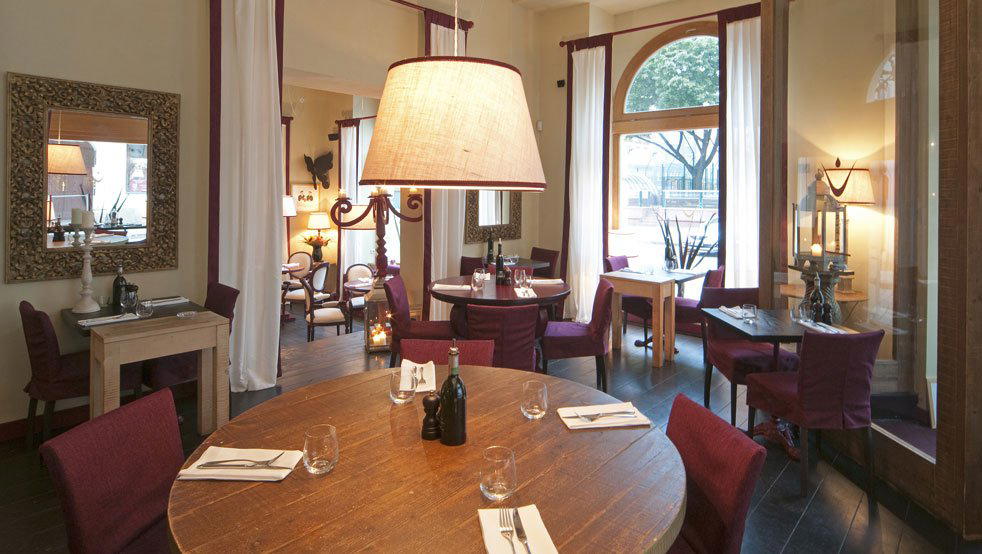
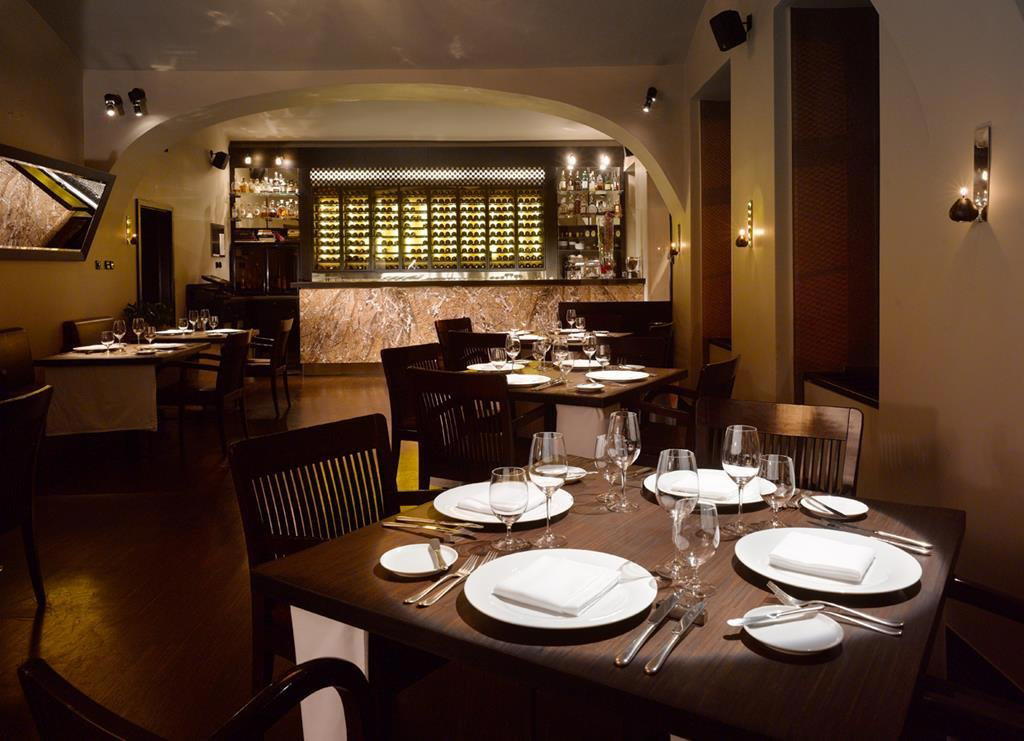
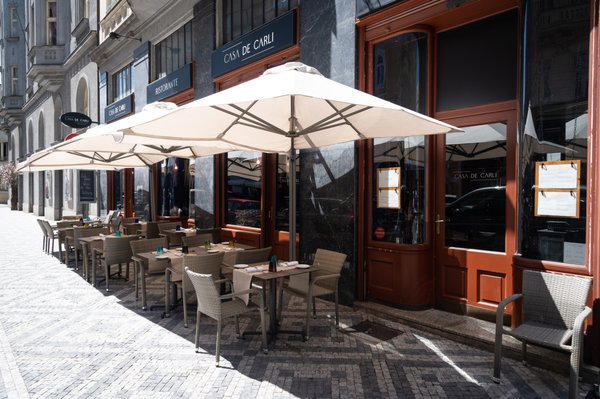
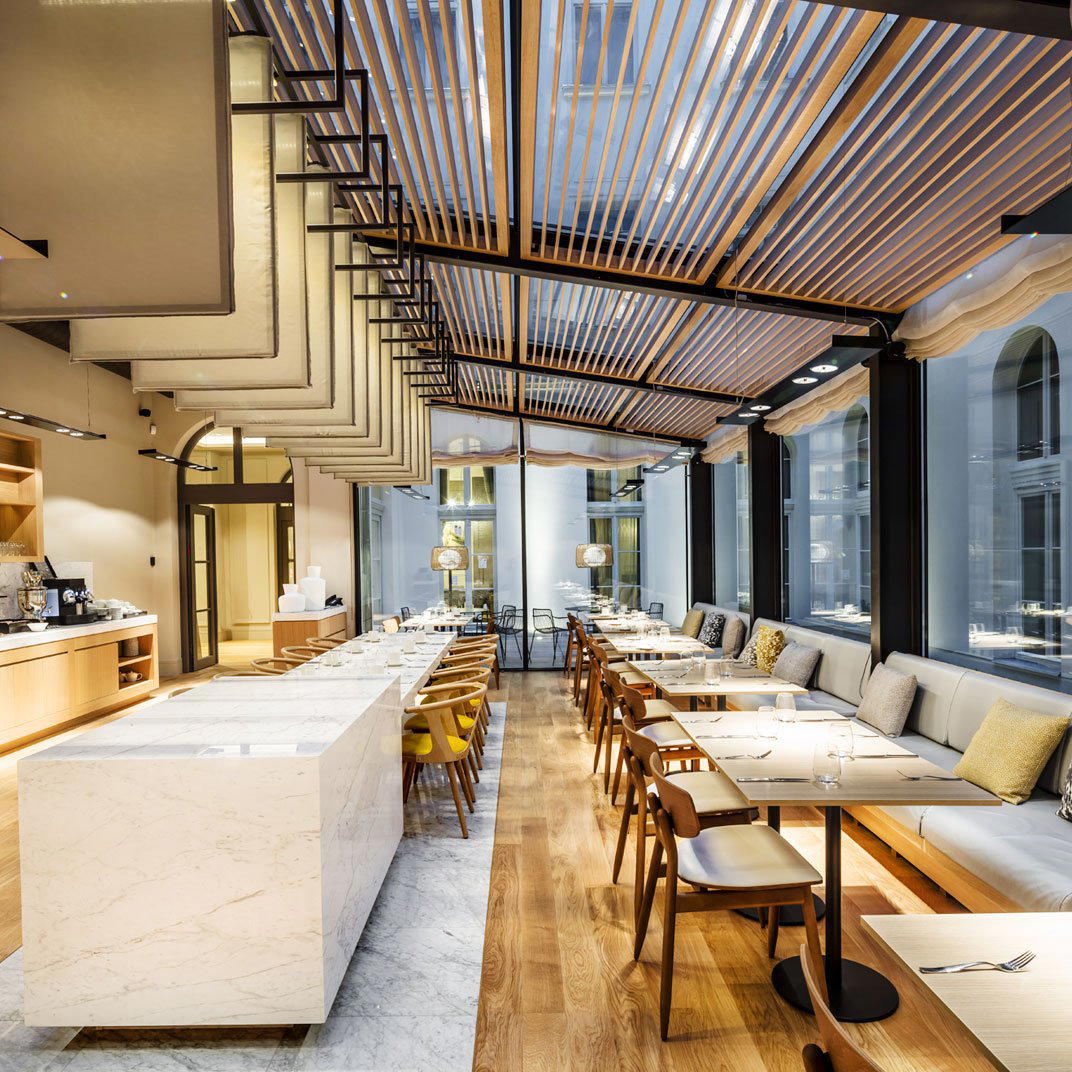
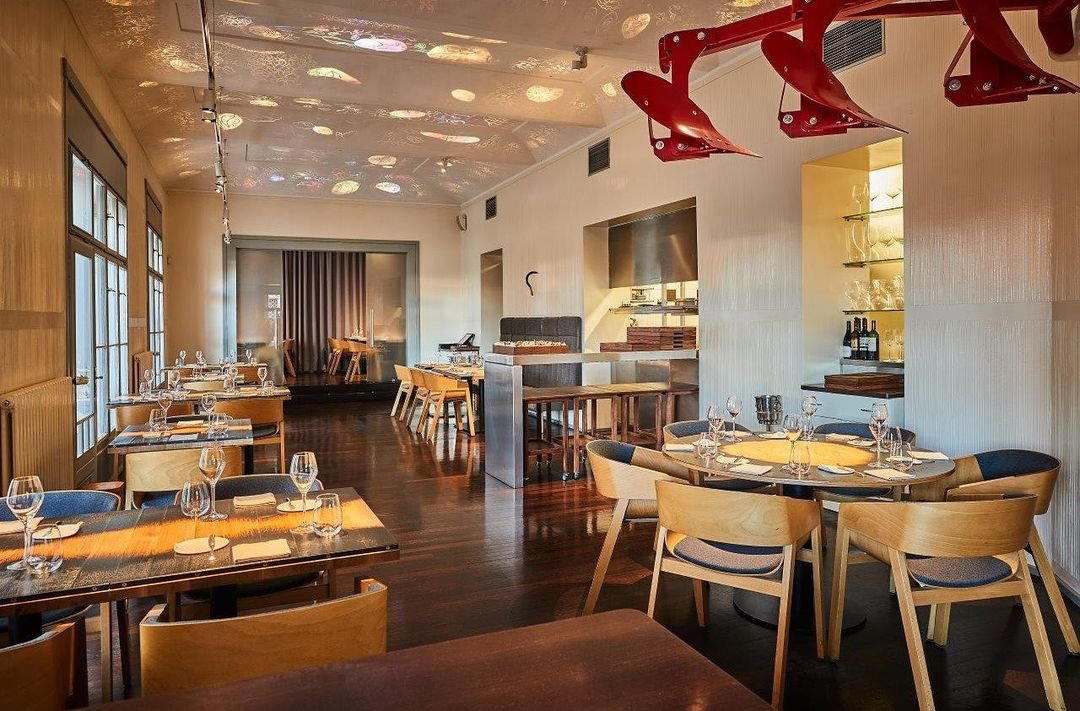
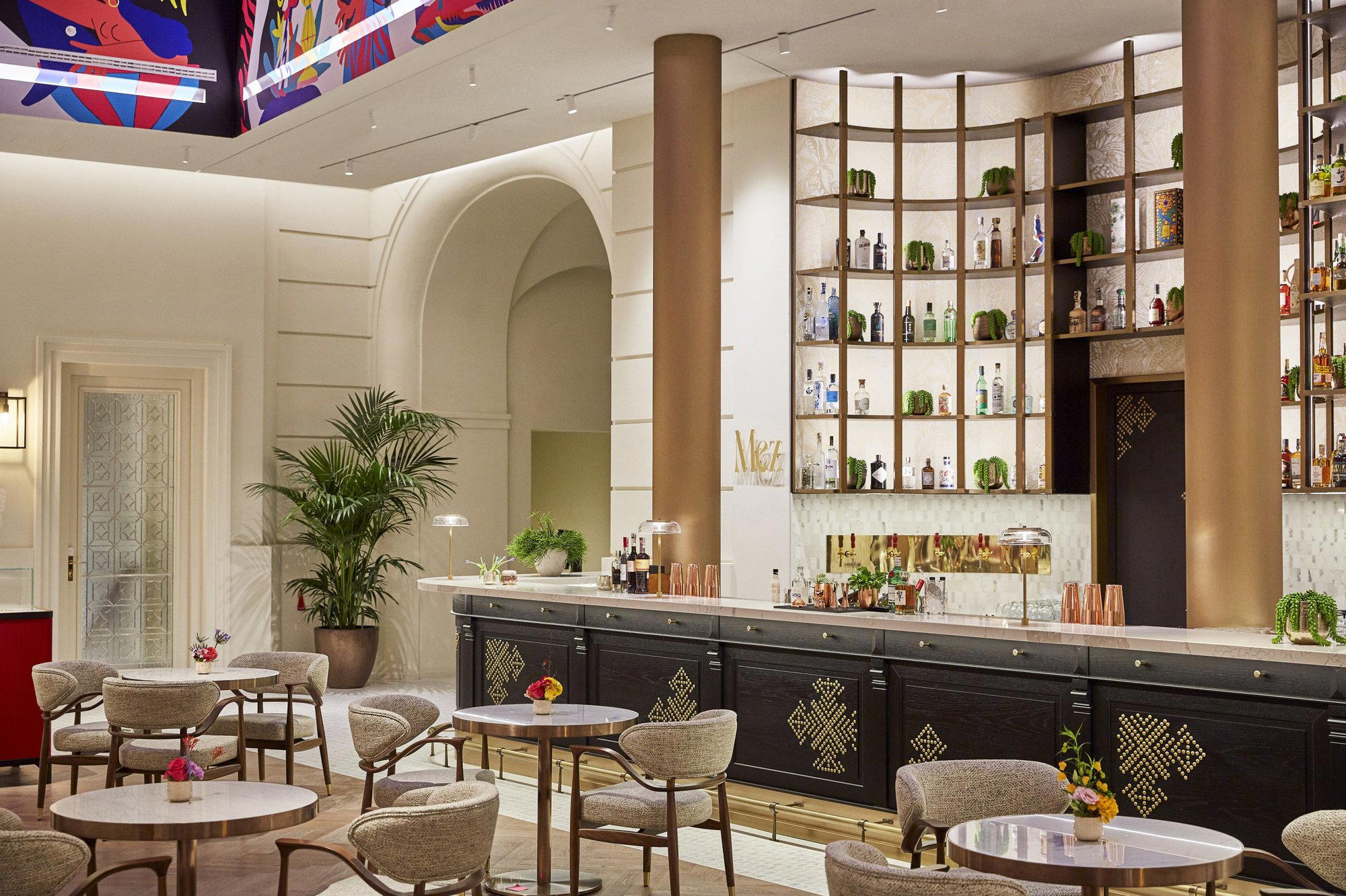
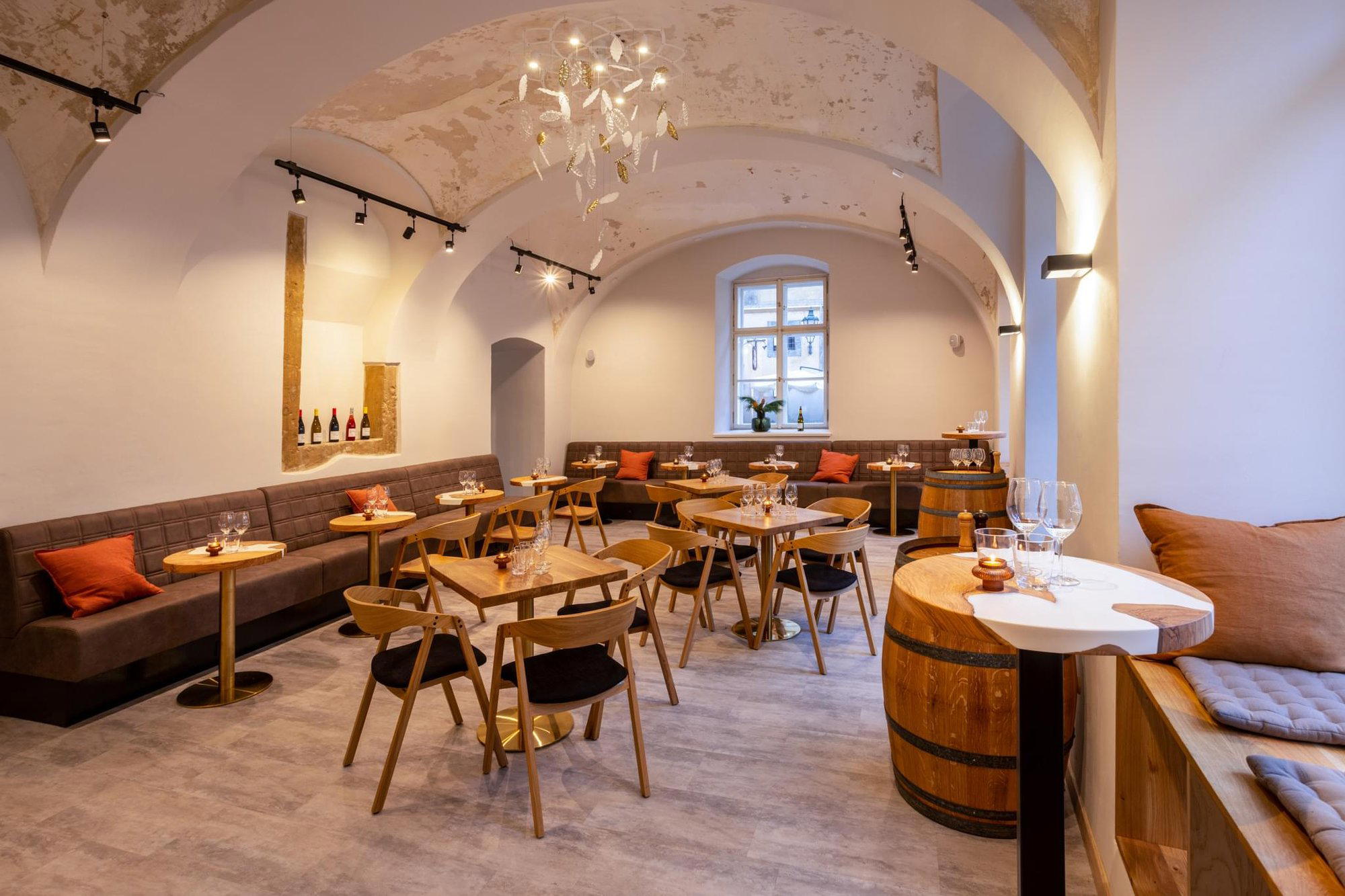
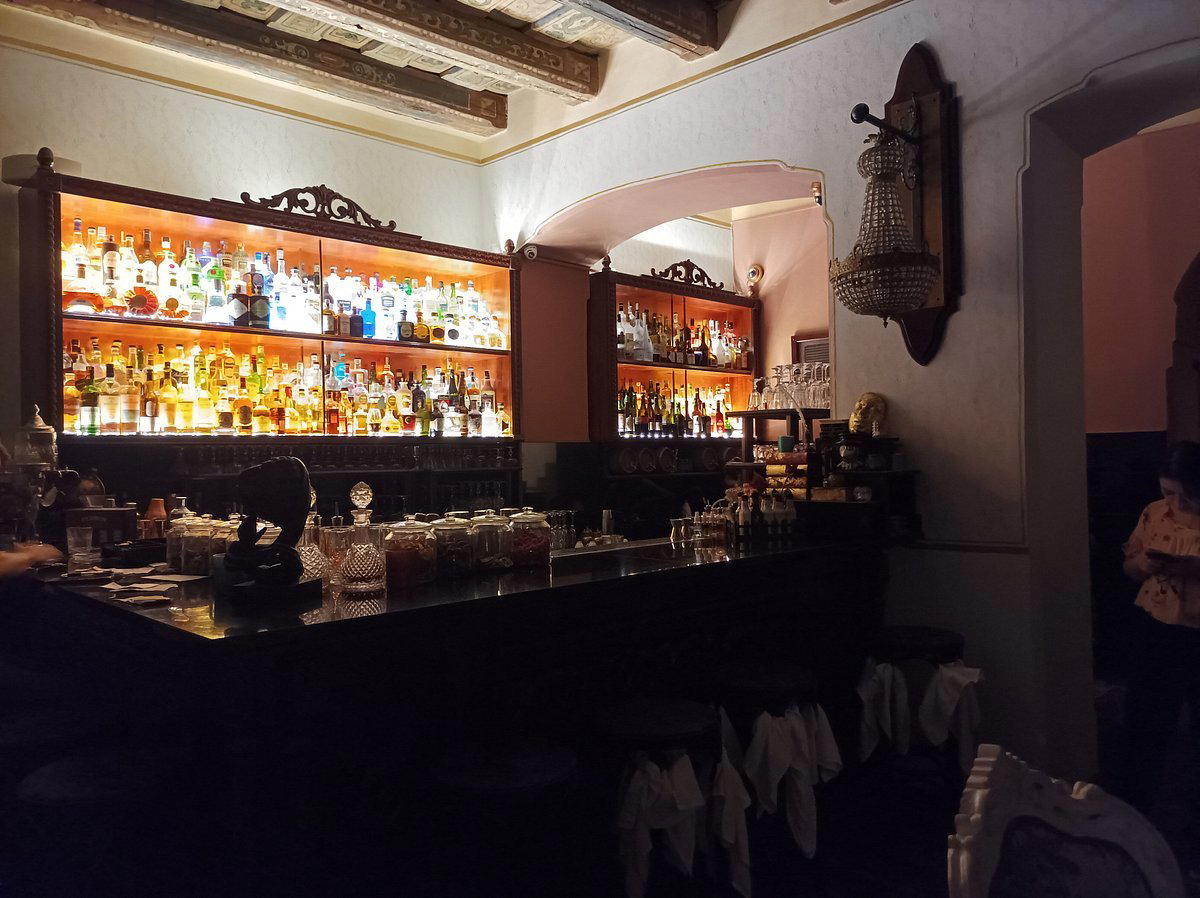
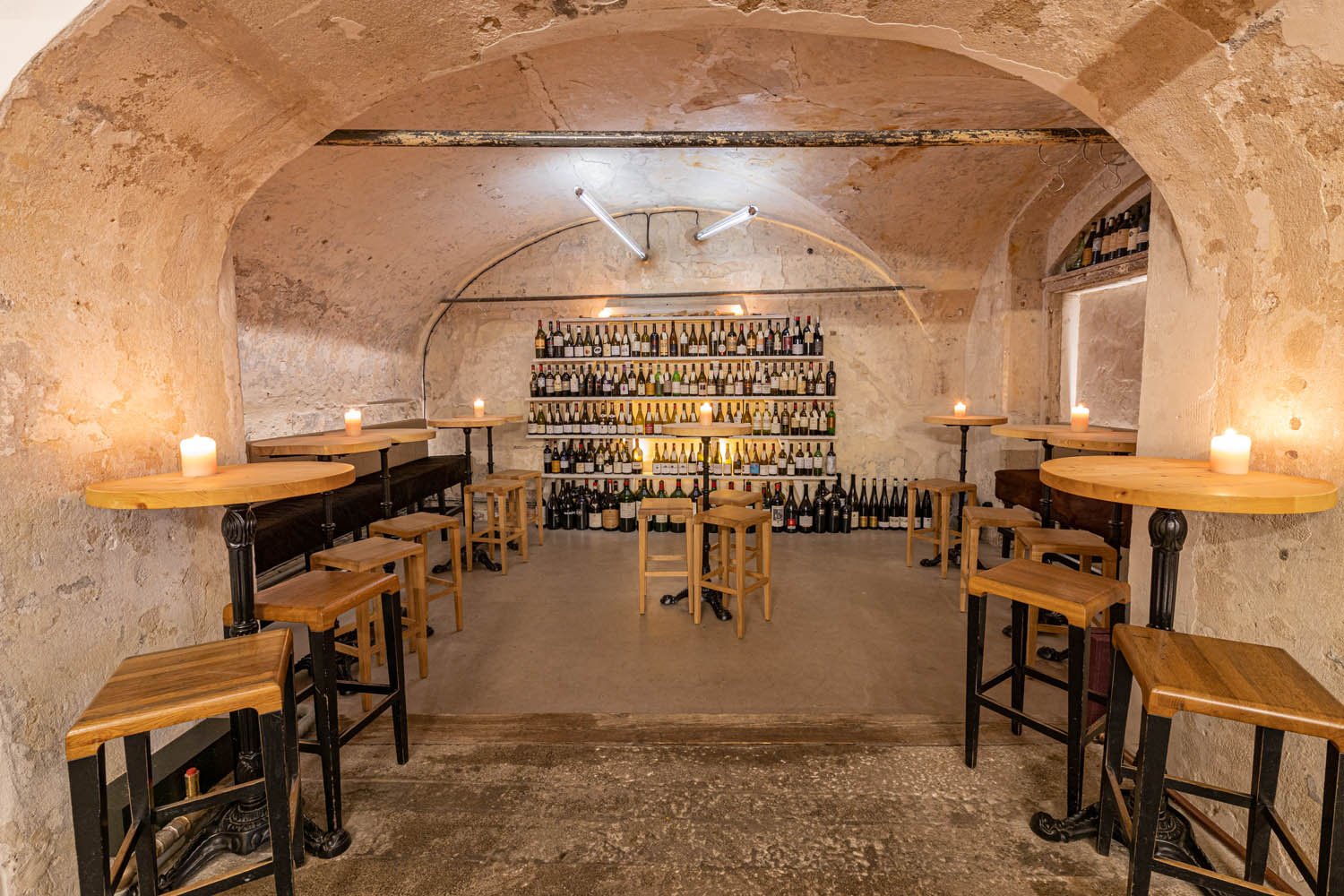
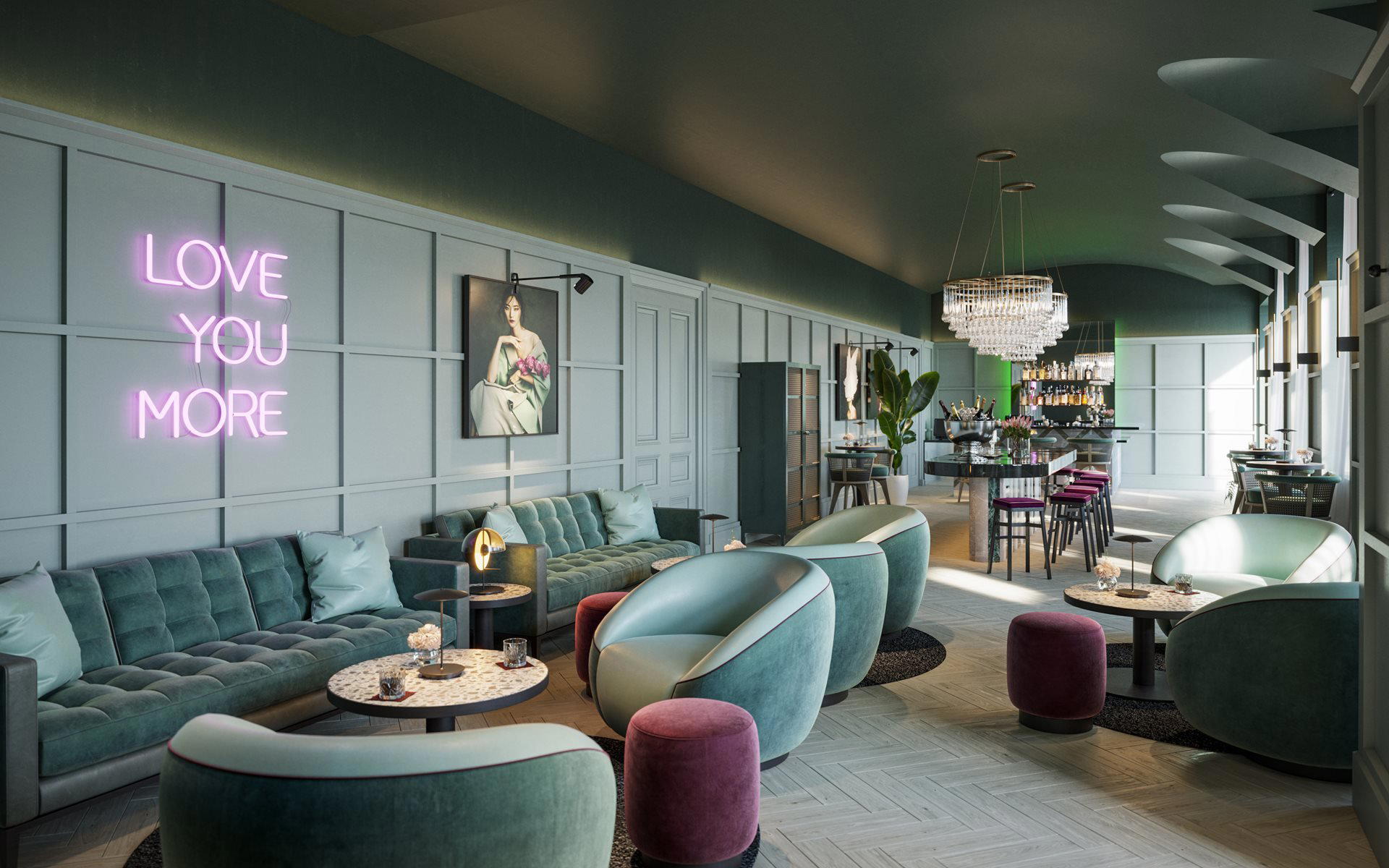

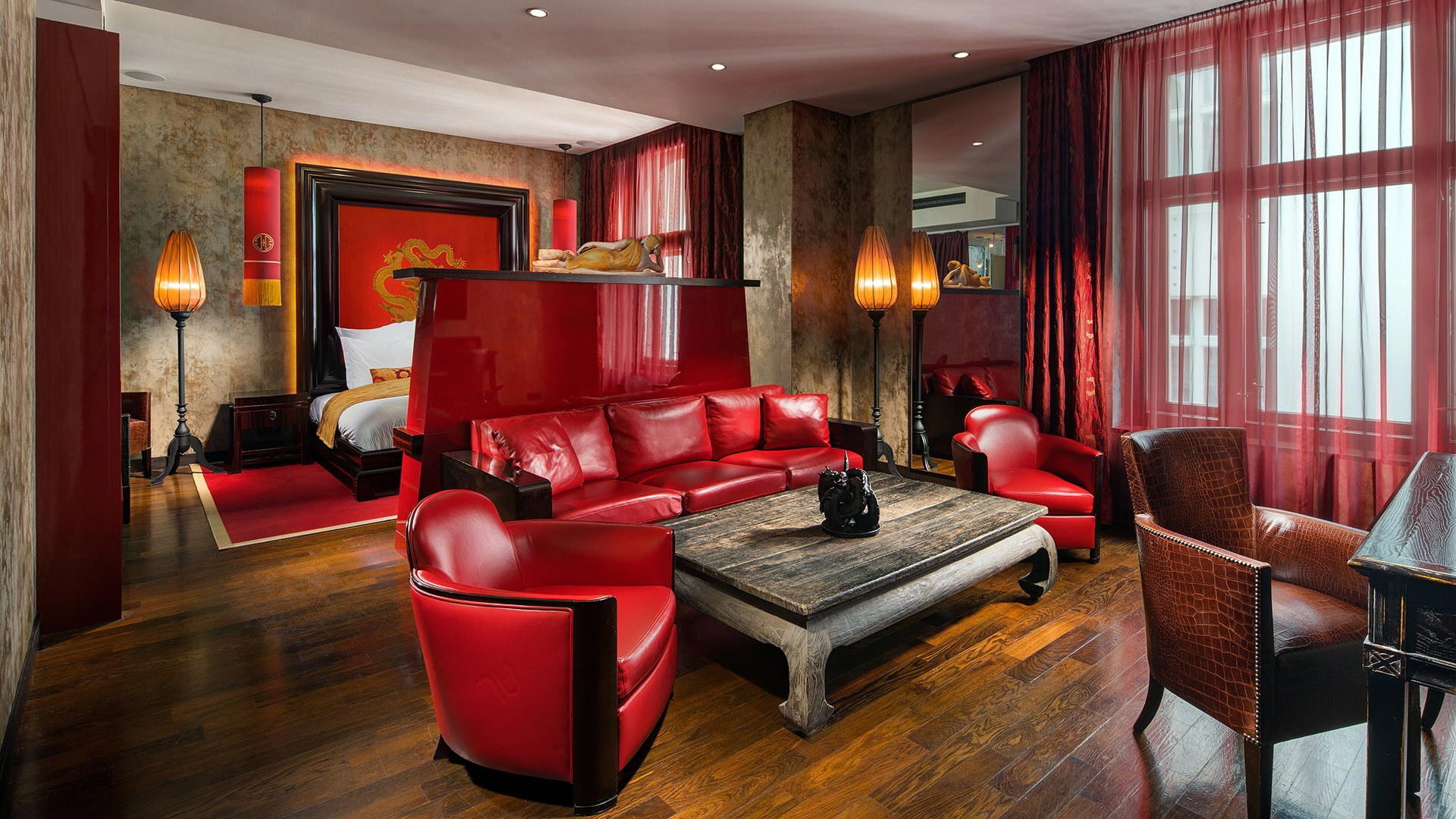

Kogo Slavic House
The wine
- Wine program
- Exceptional wine program
- Extensive wine list
Details
- Elegant
- Classic
- Business Dinner
- Group Dining
- Date Night
- Private Event
- Terrace
- Standalone
- Extensive Wine List
- Local Sourcing
- Garden
- A La Carte
- Italian Wine
- Vegetarian Friendly
- Vegan Options
- Gluten Free Options
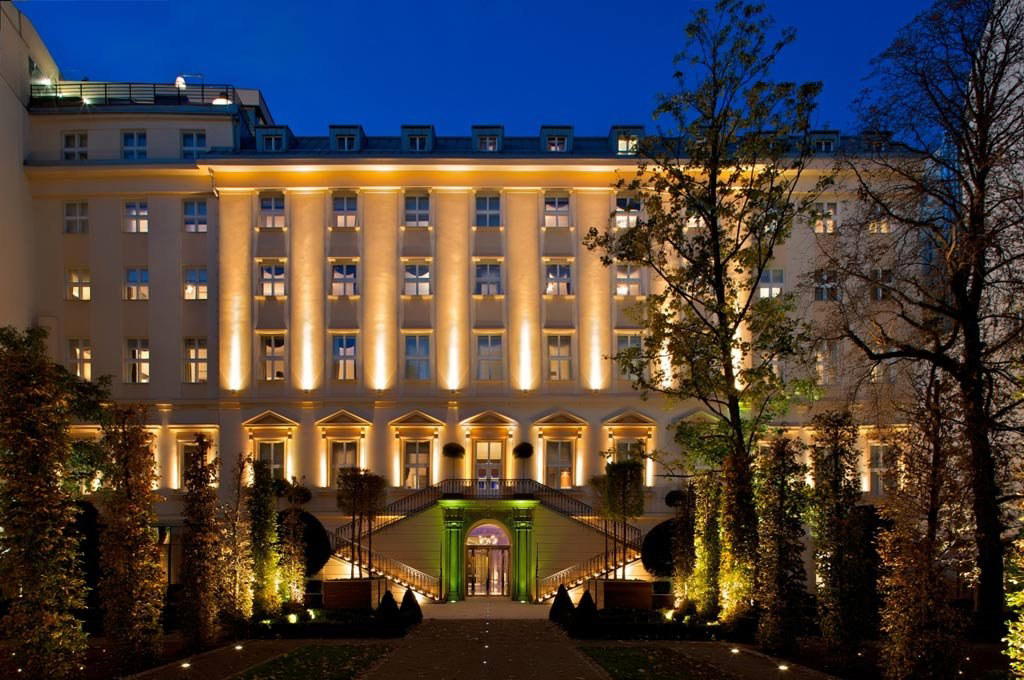
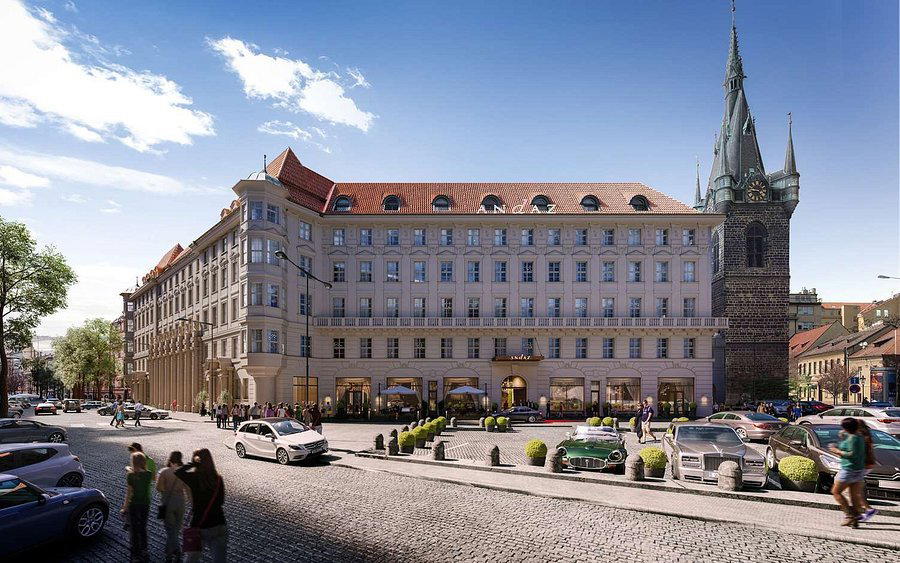
Fresh and elegant, with an inviting restaurant atmosphere and terrace seating in the central Slavic House setting.