Aleb
Our verdict
Aleb gives Prague a Levantine reference point in a city better known to visitors for Central European kitchens, tasting menus, and beer-led dining. The appeal is less about spectacle than sourcing logic: grains, pulses, herbs, sesame, olive oil, citrus, and smoke used to build a table meant for sharing rather than a sequence of plated statements.

Pearl is the En Primeur Club membership app — saves, bookings, and concierge access live there. Same editors, same standards.
- Address
- Prague, Czech Republic
- Website
- alebprague.com
- Directions
- Get directions
- Booking
- Book on the venue's website
The menu
What to order
- Lamb with raisins, pistachios and nuts with spiced rice
- Middle Eastern mezze plates
Approach a Levantine table in Prague and the first signal is usually not luxury but rhythm: bread, dips, herbs, char, acidity, and the slow accumulation of small plates that turn dinner into negotiation. Aleb belongs to that grammar. In a city where many visitors still arrive expecting schnitzel, dumplings, lager halls, and polished Central European dining rooms, a Levantine restaurant and natural wine bar changes the tempo. The meal is built around reach and return, not a single main course placed in front of each guest.
That matters because Prague’s dining culture has widened in two directions at once. One track runs toward ambitious restaurant formats and hotel dining rooms; another has made space for cuisines that depend on shared plates, pantry depth, and casual precision. For a broader map of that spread, our full Prague restaurants guide gives useful context, while our full Prague bars guide, our full Prague hotels guide, our full Prague wineries guide, and our full Prague experiences guide show how the city’s hospitality scene now extends well beyond the old postcard version.
Levantine cooking in Prague depends on pantry discipline
Levantine food travels badly when it is reduced to generic mezze. The difference sits in the sourcing chain and the pantry: tahini with enough bitterness to hold lemon, chickpeas cooked for texture rather than convenience, herbs used as structure rather than garnish, and olive oil treated as a seasoning. Prague is not the eastern Mediterranean, so the question is not whether every ingredient is local. The sharper question is whether the kitchen understands which ingredients can be adapted and which ones carry the cuisine’s identity.
Aleb’s relevance comes from that tension. Levantine cooking is unusually exposed because many dishes have few hiding places: a creamy muhammara shows the quality of the pulse and fat; grilled elements reveal heat control; vibrant salads depend on freshness, acidity, and knife work. In this category, sourcing is not a background virtue. It is the architecture of the meal. A kitchen can import a spice blend, but it cannot fake the balance between smoke, salt, citrus, and oil once the plates start landing together.
For Prague diners, the format also alters value. Central European restaurant habits often place emphasis on the individual plate, while Levantine meals reward breadth. A table that orders narrowly will miss the point. The more intelligent approach is to think in contrasts: creamy against sharp, hot against room-temperature, grain or bread against grilled protein, herbs against spice. That is where this cuisine earns its place in the city, not by mimicking fine-dining ceremony but by making sourcing and sequencing visible through the table itself.
The city context: beyond Old Town dining clichés
Prague’s restaurant conversation has matured past the simple split between tourist-zone cooking and serious local rooms. The current interest is in specificity: kitchens with a point of origin, a defined pantry, and enough confidence not to flatten themselves for international visitors. Levantine food fits that shift because it is both accessible and demanding. It welcomes groups, yet exposes weak purchasing and lazy preparation faster than many heavier cuisines.
That is why Aleb is better understood as part of Prague’s broader move toward more precise international dining rather than as a novelty. The useful comparison is not with a single peer venue but with the city’s range of restaurant modes: polished modern rooms, hotel-adjacent dining, neighbourhood-led restaurants, and more shareable formats. Those categories do not make them culinary equivalents; they show the range a Prague itinerary now has to account for. Aleb’s particular place in that spread comes from its Levantine focus and its connection to the owners’ Palestinian and Lebanese roots.
The same pattern appears beyond any single dining room. Czech dining is no longer only about one narrow version of Prague cuisine, and other dining in Prague now sits alongside regional cooking, contemporary restaurants, wine-led addresses, and casual bistros across the country. For cuisine-specific context beyond the Czech Republic, the same regional vocabulary can read differently depending on market, audience, and access to ingredients. Aleb’s Prague version is notable for Middle Eastern hospitality, a natural-wine setting, and details such as Levantine-inspired ice cream.
How to read the meal
The right lens for Aleb is not formality; it is coherence. Levantine restaurants succeed when the table has movement: spreads, bread, vegetables, grilled elements, pickles, herbs, and sauces working in sequence. That makes the restaurant a stronger choice for diners who like to share and compare than for anyone seeking a quiet procession of individual plates. It also makes the sourcing question visible. When the meal is spread across the table, weak ingredients cannot hide behind plating.
In Prague, that gives Aleb a clear role: a Levantine counterpoint to the city’s Central European comfort food and its more formal contemporary restaurants. The editorial case is strongest for groups, repeat visitors to Prague, and diners who want the city’s restaurant map to include the eastern Mediterranean pantry. The point is not that Levantine cooking is new to Europe. The point is that in Prague, a well-framed Levantine meal can reset the evening away from monument-driven tourism and toward a table built on grain, oil, acid, herbs, and fire.
Frequently asked questions
Does Aleb work for a family meal?
Yes. Aleb's Levantine format in Prague suits shared plates, which tends to work well for family dining. The cuisine type also gives the table enough range to keep different ages interested without forcing a fixed tasting-menu rhythm.
Is Aleb formal or casual?
It reads as casual rather than formal. Aleb is a Levantine restaurant and natural wine bar in Prague, so the service style is better suited to a relaxed meal than a white-tablecloth occasion.
Is Aleb focused on a specific cuisine style?
Aleb serves Levantine cuisine.
How far ahead should I plan for Aleb?
Check availability ahead if you want a preferred dinner time in Prague. The shared-plate format makes Aleb especially appealing for groups and relaxed evening meals.
What's the standout thing about Aleb?
The draw is Levantine cooking shaped by the owners' Palestinian and Lebanese roots, with details such as creamy muhammara, vibrant salads, Levantine-inspired ice cream, natural wine, and Middle Eastern hospitality.
What if I have allergies at Aleb?
Flag allergies before ordering. Aleb's Levantine format in Prague is built around shared dishes, so clear communication matters from the start.
Reputation & Price
Comparable venues nearby, for context on price, style, and recognition.
| Venue | Cuisine | Price | Awards | Notes |
|---|---|---|---|---|
| AlebThis venue — the venue you are viewing | Levantine / Middle Eastern kitchen & natural wine bar | $30–50 | Not listed | Not listed |
| U Fleků | Traditional Czech Brewery | $20–30 | Not listed | Nove Mesto, Traditional Czech Brewery |
| Sandwich Rodeo | American Sandwiches | $10–20 | Not listed | Pelc Tyrolka, American Sandwiches |
| Kantýna | Czech Butcher-Shop Restaurant | $20–30 | Not listed | Praha 2, Traditional Czech Grillhouse |
| Pizzeria Da Pietro | Neapolitan Pizza | $20–30 | Falstaff Restaurant - 96 Falstaff Points | Praha 2, Neapolitan Pizza |
| BIG SMOKERS | American BBQ | $20–30 | Not listed | Holesovice, American BBQ |


Aleb
The wine
- Wine program
- Curated wine list
- Natural wine
- Craft cocktails
Details
- Cozy
- Intimate
- Bohemian
- Date Night
- Casual Hangout
- After Work
- Group Dining
- Celebration
- Solo
- Standalone
- Design Destination
- Natural Wine
- Craft Cocktails
- Local Sourcing
- Street Scene
- A La Carte
- Small Plates
- Natural Wine
- Cocktails
- Vegetarian Friendly
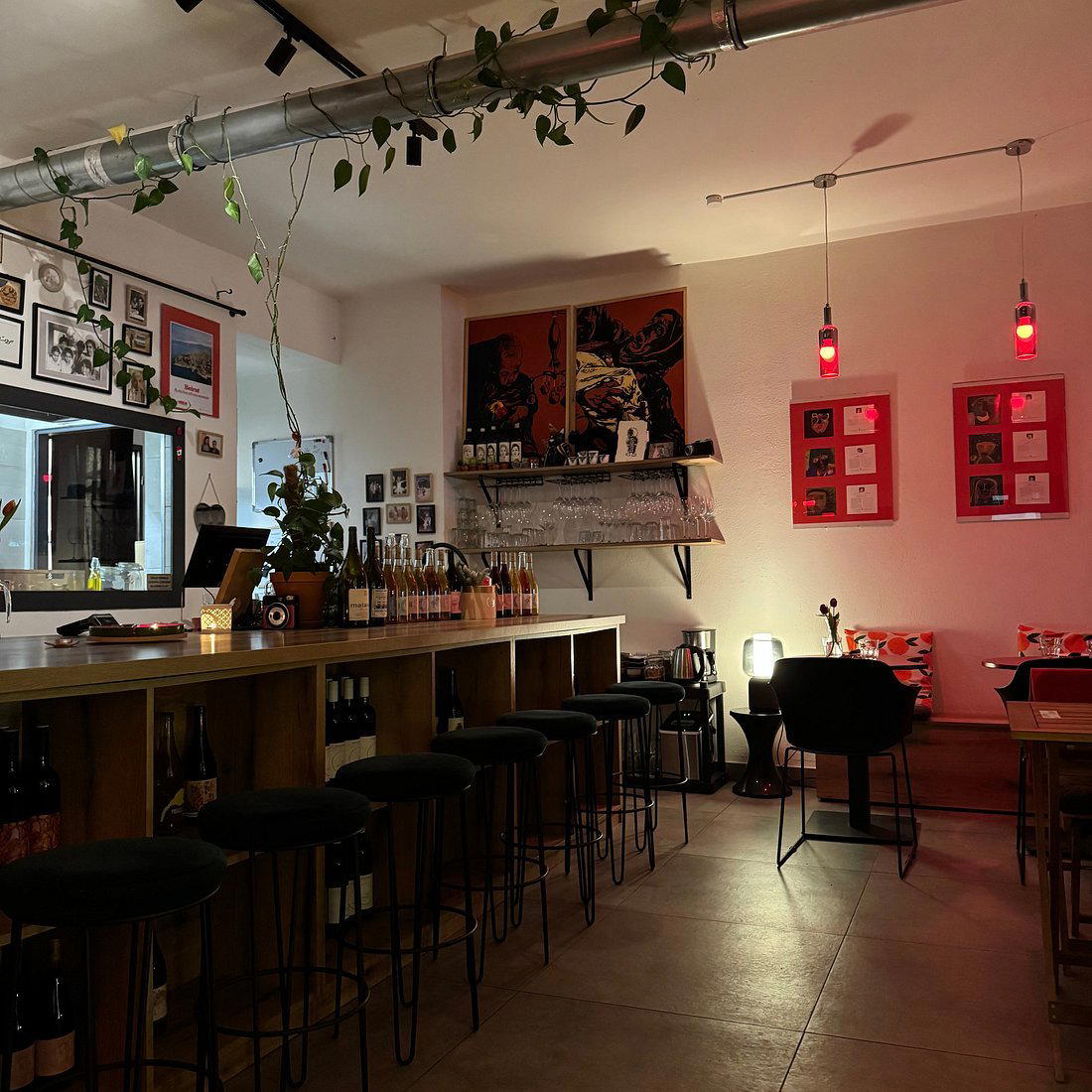
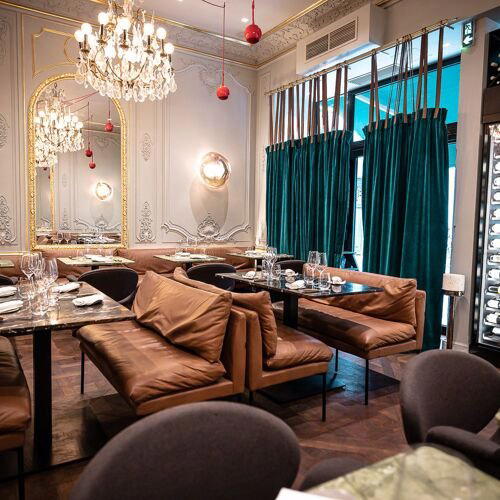
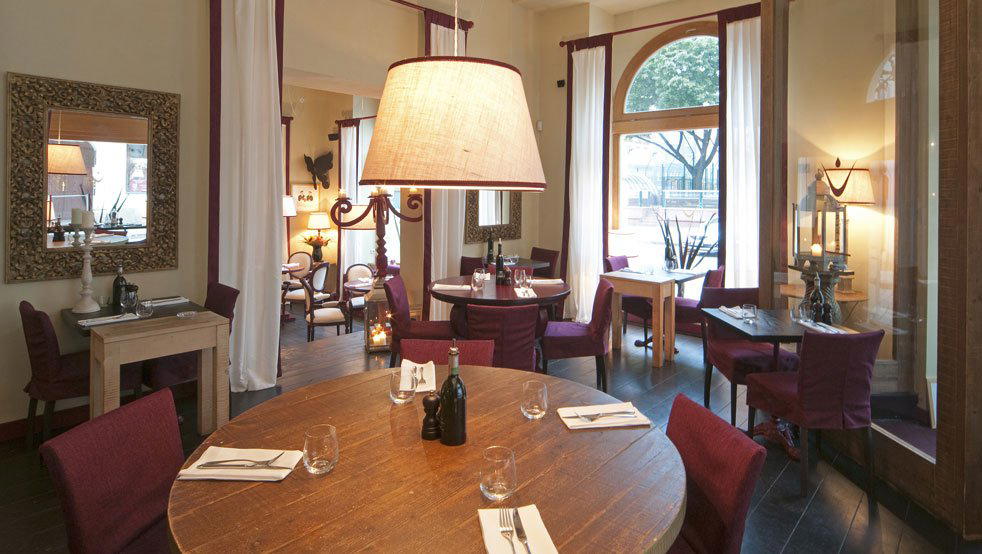
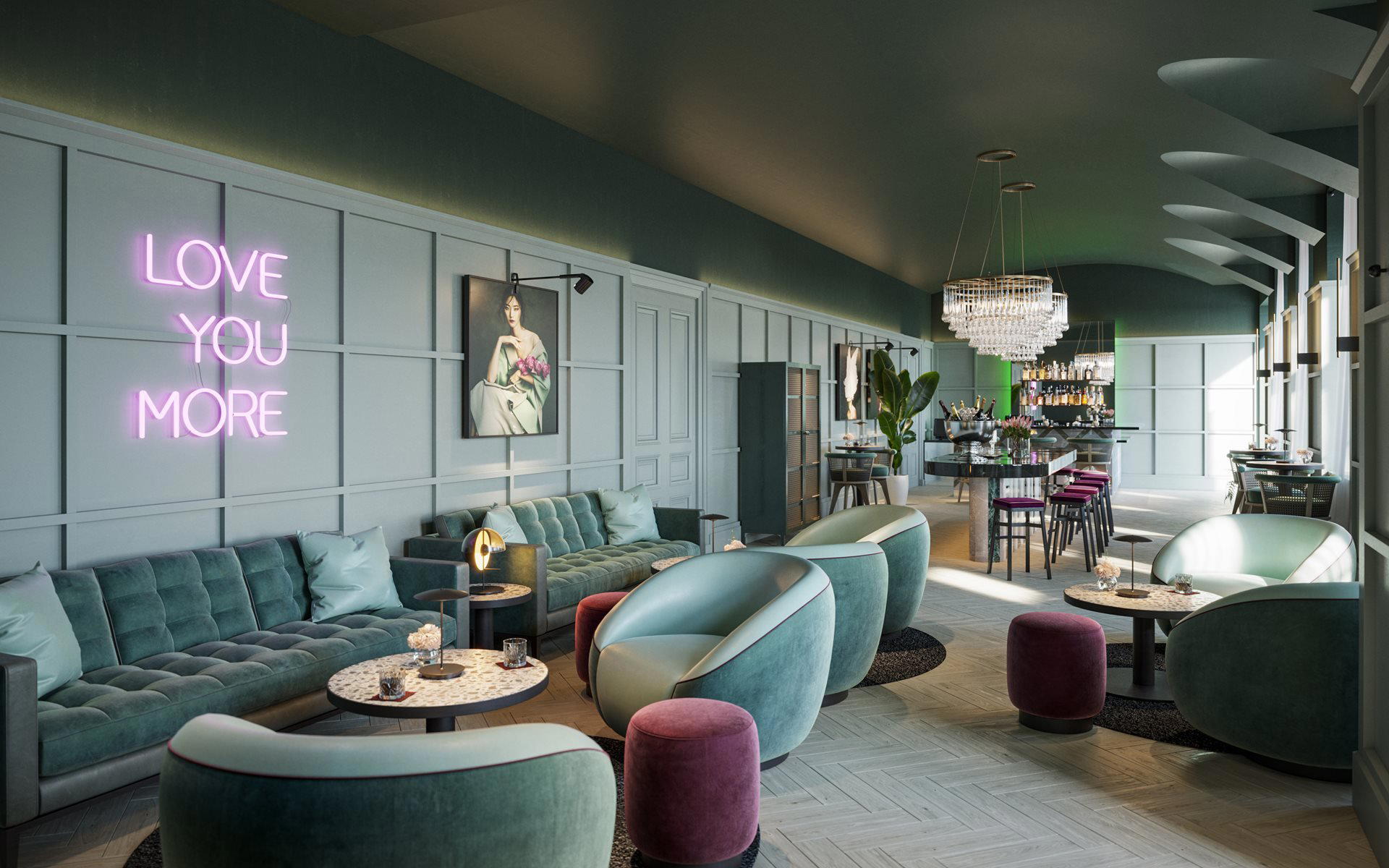
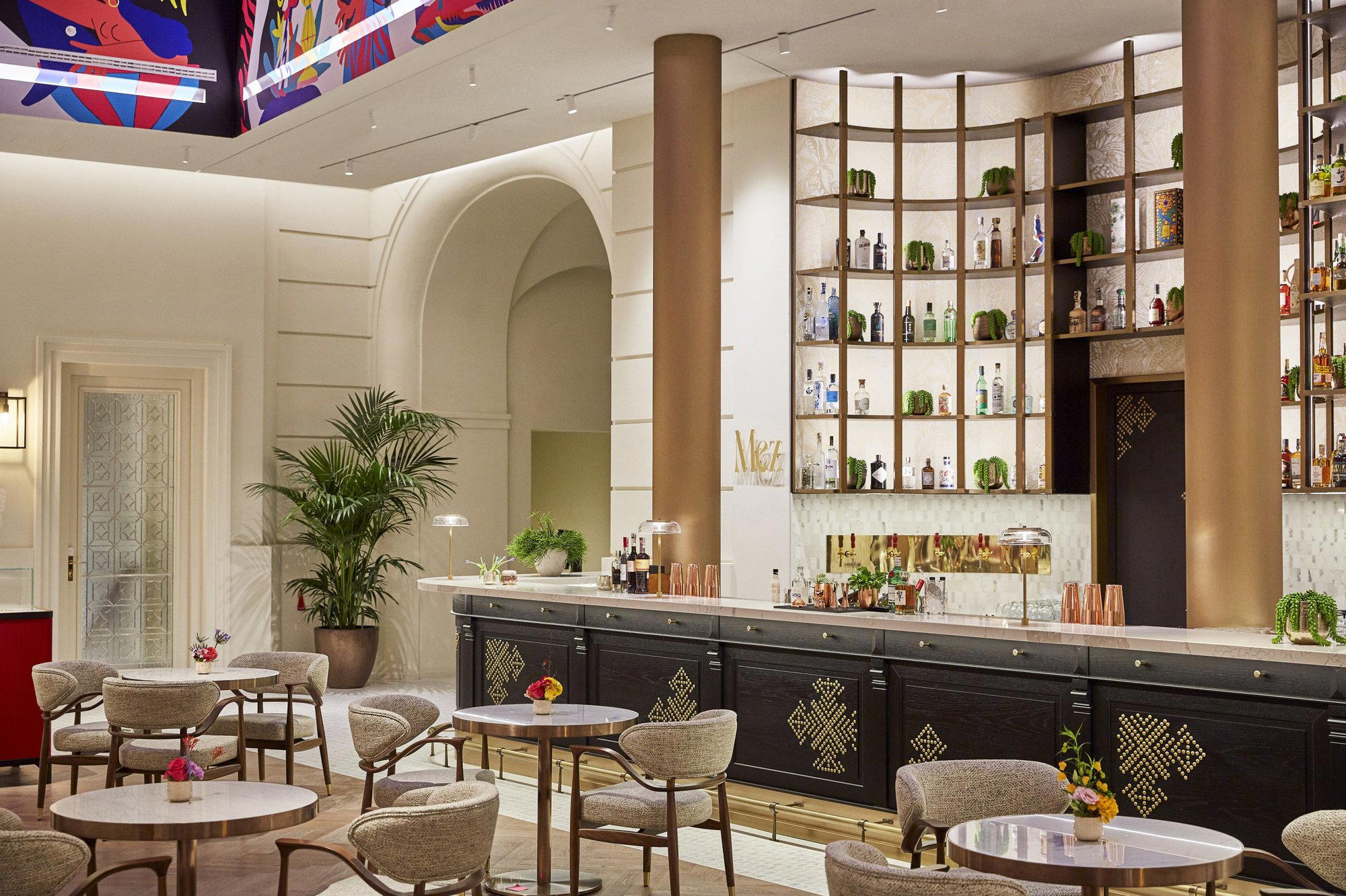
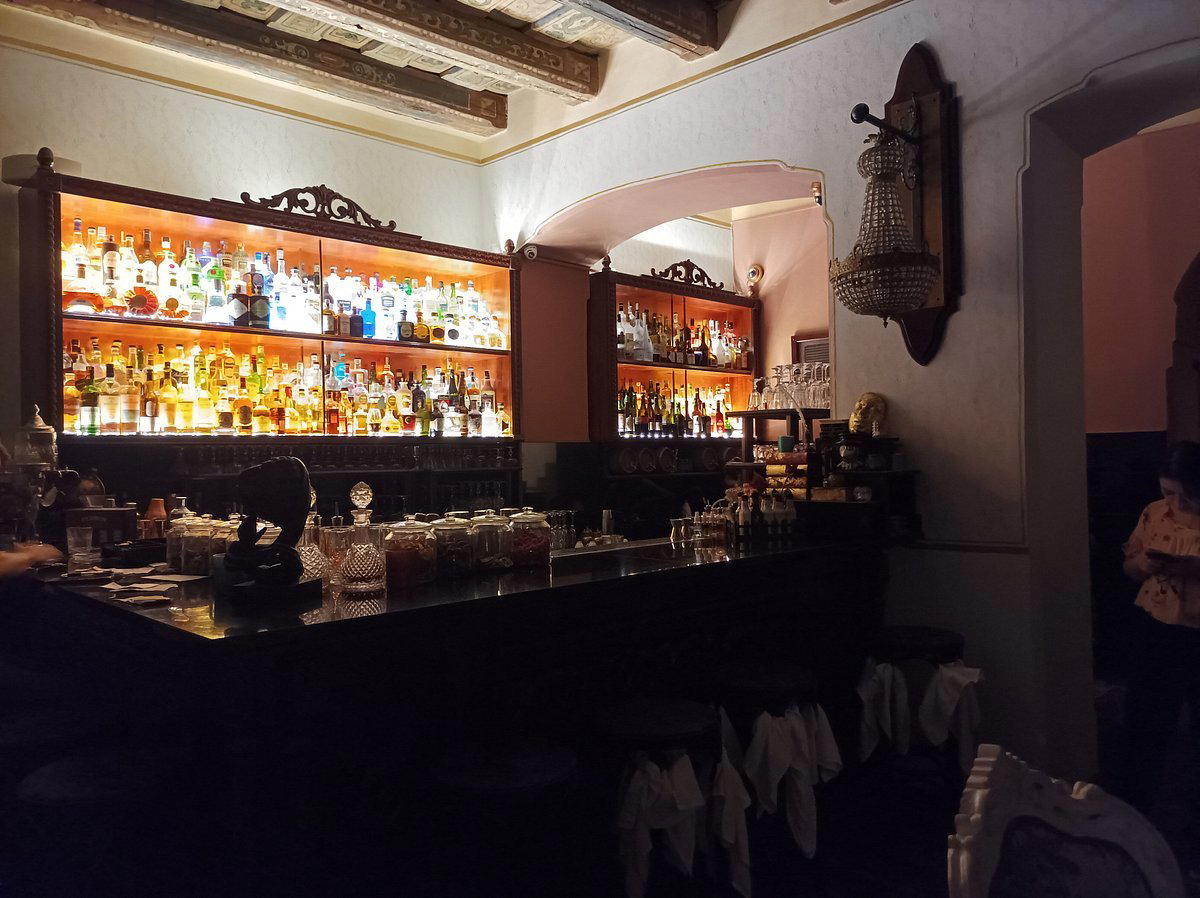
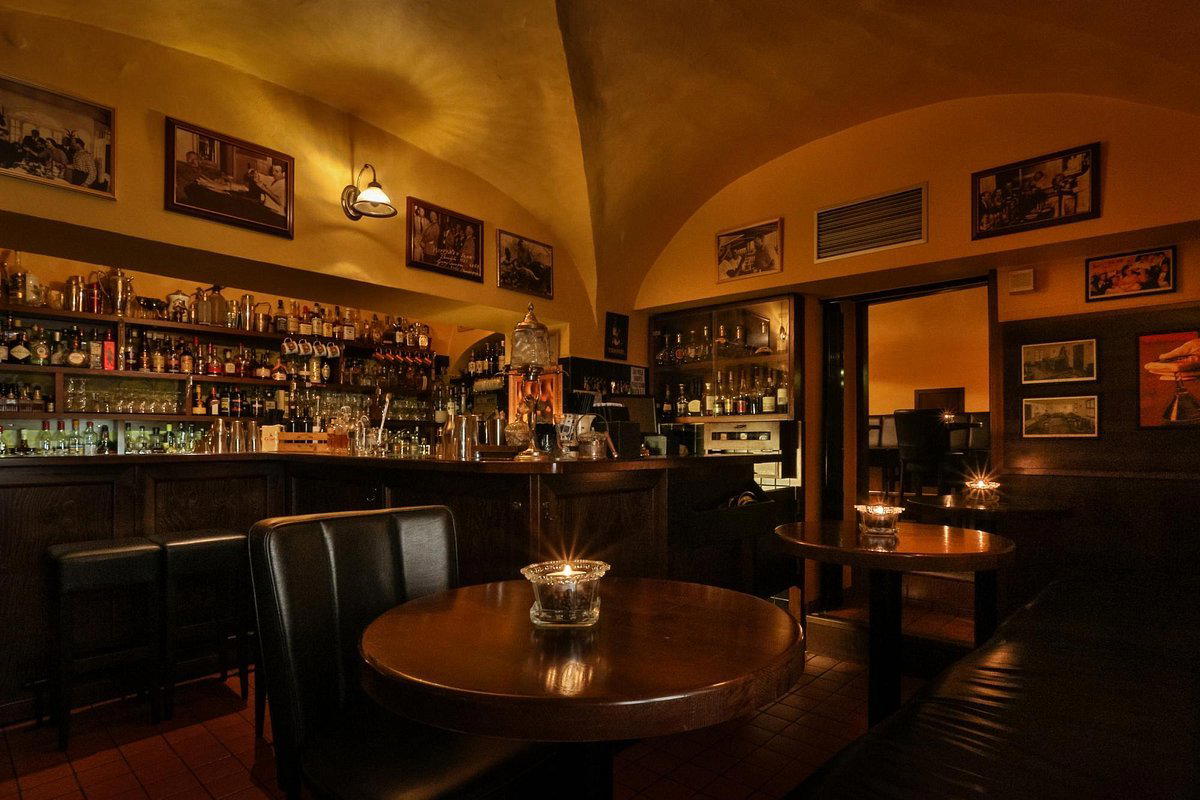
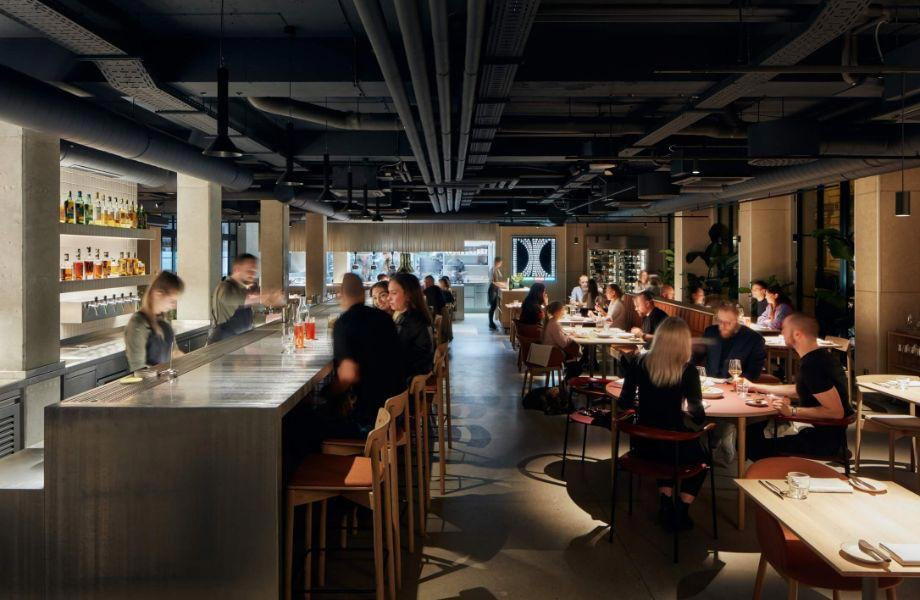
An intimate, cozy neighborhood spot with a warm, homely feel, friendly and attentive service, and the relaxed buzz of a small natural-wine bar and Levantine kitchen.