Köfteci İsmail Usta serves Traditional Turkish Akçaabat Köfte and piyaz at Orta, Dr. Ayhan Kanoğlu Cd. No in Akcaabat, with casual, conversational service.
Pearl is the En Primeur Club membership app — saves, bookings, and concierge access live there. Same editors, same standards.
- Address
- Orta, Dr. Ayhan Kanoğlu Cd. No
- Phone
- +904622270000
- Directions
- Get directions
 Saves & bookings on Pearl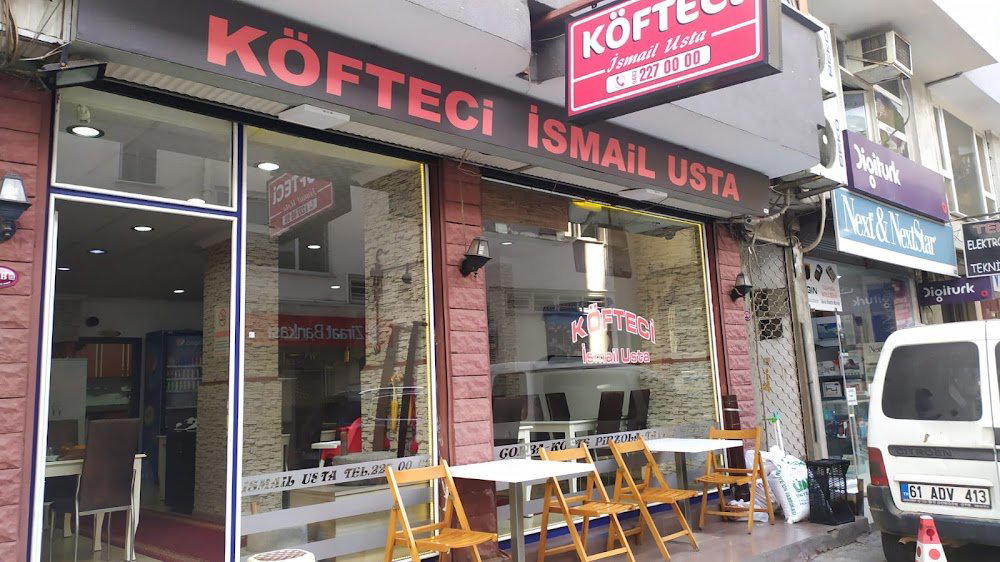
Where Akcaabat Köfte Begins
Akcaabat sits on the Black Sea coast west of Trabzon, and if you arrive by the coastal road, the town announces itself through smoke before signage. The smell of charcoal-grilled meat drifts across the waterfront district long before you reach the grill houses that have defined this town's culinary identity for generations. Among them, on Dr. Ayhan Kanoğlu Caddesi, Köfteci İsmail Usta occupies a position that locals use as a reference point rather than a discovery. You don't stumble on it; you are directed to it.
Akcaabat köfte is a distinct regional category within Turkish grilled meat culture, and understanding why requires some context. Unlike the spiced, herb-forward köfte found in Adana or the dense meat patties common in Istanbul snack counters, Akcaabat köfte is deliberately minimal: beef, salt, and the quality of the grind. There is no onion, no egg, no parsley. The logic is that a single quality ingredient, handled correctly, needs no supplementation. This is not simplicity for its own sake; it reflects a longstanding regional philosophy that the meat itself, sourced from cattle raised on Black Sea highland pastures, carries enough character to anchor a dish without augmentation. For a comparative sense of how single-ingredient confidence works at the opposite end of Turkey's price spectrum, the tasting menus at Turk Fatih Tutak in Istanbul apply similar restraint logic to premium ingredients, though the register and price point are entirely different.
The Sourcing Logic Behind Akcaabat Köfte
The credibility of Akcaabat köfte as a regional product rests almost entirely on the meat supply chain. The Black Sea hinterland, including the Pontic highlands above Trabzon and Akcaabat, produces cattle that graze on high-altitude meadow grass through the warmer months. This grazing profile produces beef with a fat composition and flavour depth that lower-altitude, grain-finished cattle do not replicate. Regional köfte producers in Akcaabat have historically sourced from these upland herds, and the connection between local pasture and plate is what gives the product its geographic claim.
This matters because Akcaabat köfte has a protected status in Turkish culinary discourse: it is listed among Turkey's geographically specific food products, which means the name itself carries a regional guarantee. In that sense, the sourcing question is built into the product's identity rather than being an optional marketing layer. Venues like Kartepe Organic Foods in Kartepe and Hiç Lokanta in Urla represent a different expression of sourcing-led hospitality on the Aegean and Marmara coasts, but the Black Sea model here is older and less consciously branded; it predates the current Turkish farm-to-table conversation by decades.
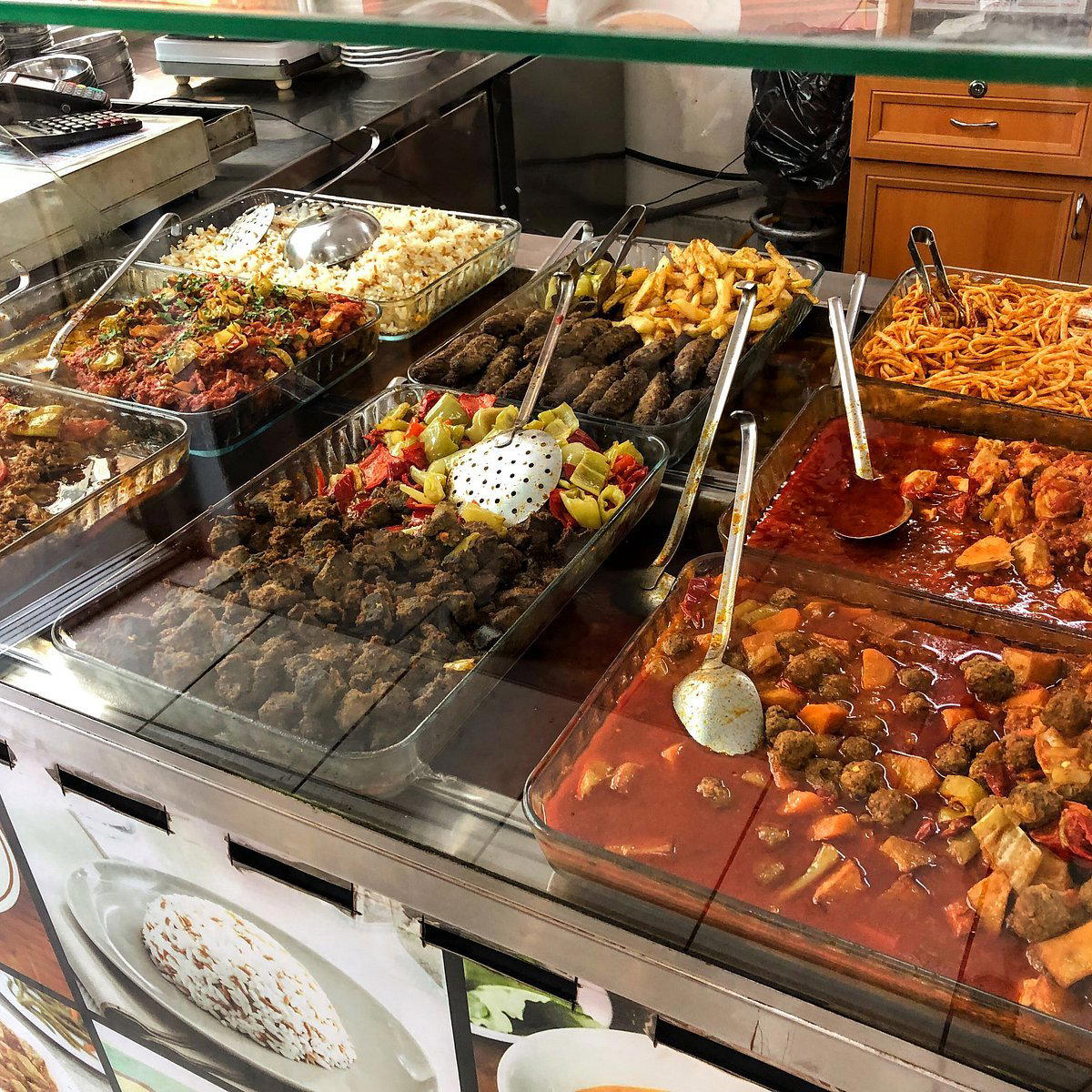
At Köfteci İsmail Usta, the köfte are formed by hand, grilled over charcoal, and served without elaborate accompaniment. The standard plate arrives with bread and a small salad or pepper. The absence of embellishment is intentional: adding garnishes would signal that the kitchen doubts the meat. In a town where köfte houses are judged against one another on the quality of the char and the texture of the grind, restraint is a competitive statement.
Akcaabat in the Broader Map of Turkish Regional Cooking
Turkey's regional food culture is deep enough that a single coastal town can sustain a culinary identity entirely distinct from what is happening in Istanbul's fine dining rooms or the kebap houses of the southeast. The ₺₺₺₺ modern Turkish restaurants that have drawn international attention, places like Maçakızı in Bodrum and Narımor in Izmir, operate in a register of reinterpretation: they take regional ingredients and reformulate them for a cosmopolitan audience. Akcaabat köfte houses do the opposite. They preserve rather than reinterpret, and their legitimacy comes from continuity rather than innovation.
For anyone building an itinerary across Turkey's food regions, this distinction matters. Asitane in Fatih reconstructs Ottoman palace cuisine from archival sources; Dürümzade in Beyoglu holds a position in Istanbul street food comparable to what Köfteci İsmail Usta holds in Akcaabat: a specialist format that locals treat as definitive. Regional parallels exist further afield, too: Kısmet Etliekmek ve Lahmacun Salonu in Karaman and Ciğerci Mahmut in Adana occupy similar roles in their respective cities, functioning as primary references for a local format rather than aspirational dining destinations.
The Black Sea coast as a food region is underrepresented in English-language coverage relative to its depth. Akcaabat köfte sits alongside anchovy preparations, cornmeal dishes, and highland dairy products as part of a coherent regional table that has evolved in relative isolation from Aegean and Mediterranean influence.
Planning a Visit
Akcaabat is accessible from Trabzon, roughly 18 kilometres to the east, making it a feasible half-day stop for anyone using Trabzon as a Black Sea base. The venue address places it on Dr. Ayhan Kanoğlu Caddesi in the Orta neighbourhood, the commercial centre of Akcaabat, within walking distance of the town's main square. Lunch hours tend to draw the highest traffic from local regulars, and the format is fast by nature: köfte is grilled to order but the process is quick, and tables turn without pressure. Pricing at Akcaabat köfte houses generally sits at the accessible end of the Turkish restaurant market, reflecting the format's identity as a working lunch staple rather than a special-occasion destination. For comparison, a full tasting menu at the high-end Istanbul venues referenced above might run to several hundred lira per head; an Akcaabat köfte plate is a fraction of that by any measure. Those looking to extend a Black Sea coastal itinerary toward the Trabzon waterfront can consider Tirvana Balık Restaurant in Akcaabat for a contrasting seafood-focused meal that reflects the other pillar of the region's table.
A Quick Peer Check
Comparable venues nearby, for context on price, style, and recognition.
| Venue | Cuisine | Price | Notes |
|---|---|---|---|
| Köfteci İsmail UstaThis venue — the venue you are viewing | Traditional Turkish Akçaabat Köfte | $$ | Not listed |
| Tirvana Balık Restaurant | Turkish Seafood by the Black Sea | $$ | Söğütlü Mah. |
| Metanet Katmer | Traditional Gaziantep Katmer | $$ | Suyabatmaz |
| Karakoy Gulluoglu | Traditional Turkish Baklava | $$ | Karakoy |
| Metanet Lokantasi | Traditional Gaziantep Turkish | $$ | Kozluca |
| Kuyum Pide Salonu | Traditional Turkish Pide | $$ | Konak |
Continue exploring
More in Akcaabat
Restaurants in Akcaabat
Browse all →
At a Glance
- Rustic
- Cozy
- Family
- Casual Hangout
- Standalone
Current opening hours
- Monday
- 8 AM–8:30 PM
- Tuesday
- 8 AM–8:30 PM
- Wednesday
- 8 AM–8:30 PM
- Thursday
- 8 AM–8:30 PM
- Friday
- 8 AM–8:30 PM
- Saturday
- 8:30 AM–8:30 PM
- Sunday
- 10 AM–8:30 PM
Hours can change for holidays and private events. Last verified .
Clean, well-designed space with friendly and attentive service creating a welcoming family atmosphere.