Our verdict
Can Pide serves Turkish pide on Çarşı, Goloğlu Sk. No in Ortahisar, with kıymalı pide and a casual quick-bite setup for lunch or dinner.

Pearl is the En Primeur Club membership app — saves, bookings, and concierge access live there. Same editors, same standards.
- Address
- Çarşı, Goloğlu Sk. No
- Phone
- +904623214595
- Hours
- Mon–Sat 9 AM–6:30 PMSun 9 AM–4:30 PM
- Website
- instagram.com
- Directions
- Get directions
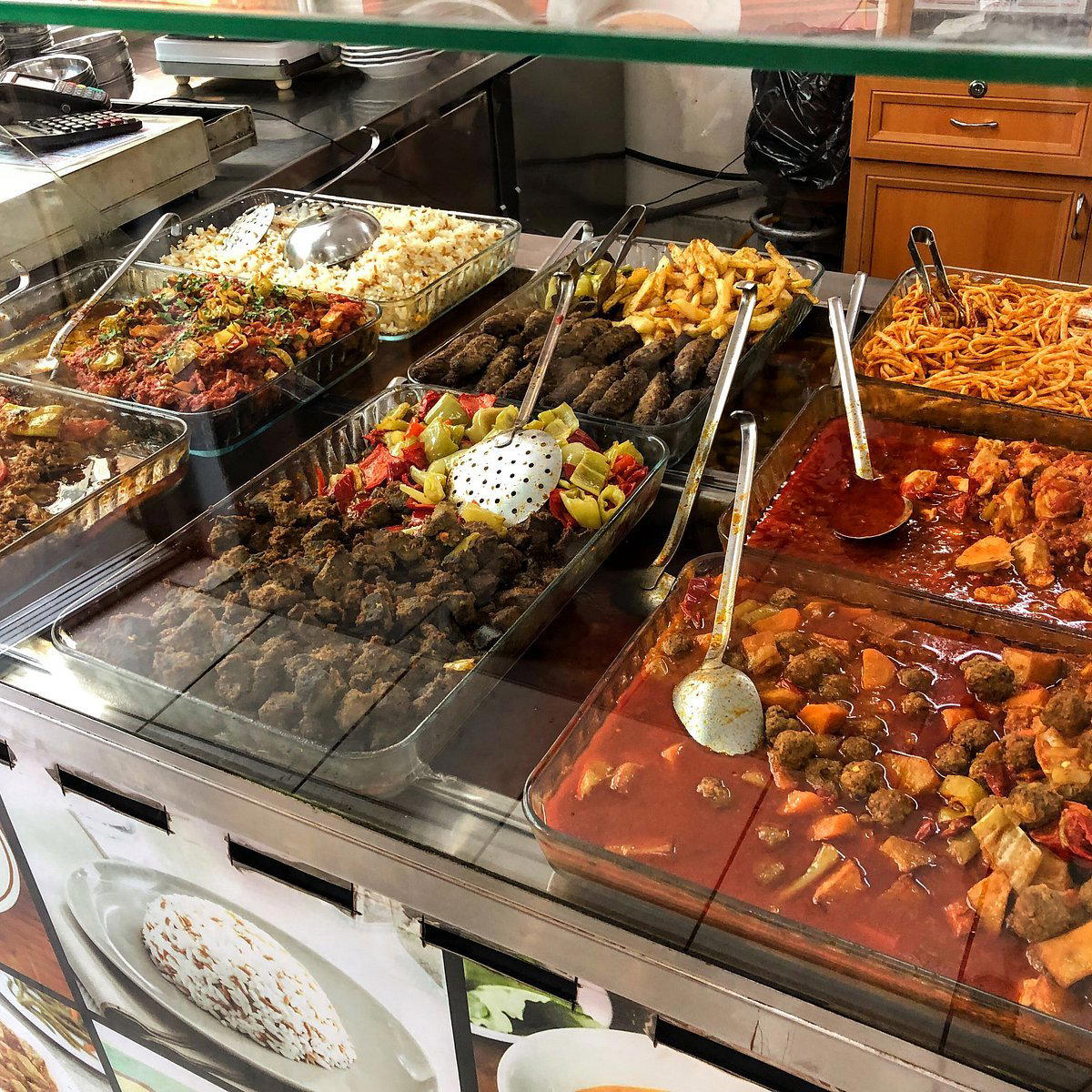
Pide in the Old Quarter: What Cappadocia's Flatbread Culture Looks Like at Ground Level
Ortahisar sits a few kilometres east of Göreme, quieter than its more photographed neighbour and built around a single dramatic rock fortress that rises above the village centre. The market streets below it run narrow, and the smell of wood-fired dough reaches you before most signs do. Can Pide occupies a spot on Goloğlu Sokak, inside the old bazaar district, where the surrounding architecture is carved tuff rather than poured concrete. It is the kind of address that reads as incidental to visitors moving between cave hotels and hot air balloon queues, but functions as something closer to a daily institution for the people who live here.
Pide as a format predates most of the restaurant categories that now compete for attention in Turkey's food coverage. The boat-shaped flatbread, fired in a stone or clay oven, is among the oldest prepared foods in Anatolian cooking, and in Central Anatolia specifically, it holds a different weight than in coastal cities where it tends to appear as a casual supplement to a broader menu. In this region, pide is frequently the whole point. The topping combinations, the hydration of the dough, the temperature of the oven, and the quality of the local kaşar or white cheese are the variables on which reputations are built.
The Sourcing Logic Behind Central Anatolian Pide
The editorial angle that matters most at a place like Can Pide is not the chef's biography or the room's design, but where the ingredients come from and what that means for the product. Central Anatolia's agricultural output is not glamorous in the way that Aegean olive oil or Aegean fish tend to be, but it is substantial and specific. The region produces significant quantities of wheat, which means flour provenance matters in a way that it rarely does when the same ingredient travels further. Dairy in Cappadocia draws on a local pastoral economy that has not been industrialised at the scale you find in the western provinces. When a pide comes out of an oven in Ortahisar, the kaşar on leading has a shorter and more direct supply chain than its equivalent in Istanbul or Izmir.
This matters because the gap between a pide made with regional dairy and one assembled from commodity inputs is audible in texture and detectable in fat content. Local kaşar tends to melt differently, holding more structure and delivering a saltier, more assertive finish than the blended alternatives that appear in high-volume operations. Restaurants in Turkey's major cities that have built strong reputations around ingredient sourcing, such as Turk Fatih Tutak in Istanbul, operate under a very different sourcing logic at a very different price point. What Can Pide represents is the other end of that spectrum: proximity-by-default rather than proximity-by-intention, where local sourcing is an outcome of geography rather than a menu philosophy.
The Regional Pide Context
Cappadocia's dining scene has developed unevenly over the past decade. The tourist economy centred on Göreme and Ürgüp has produced a tier of restaurants that orient around international visitors, offering broader menus and set-meal formats. Nahita Cappadocia in Nevsehir and Aravan Evi in Ürgüp sit within that more considered, experience-oriented tier. Pide specialists like Can Pide occupy a different position entirely: they are not competing with those restaurants but are instead answering a different question about what people in this region eat on an ordinary Tuesday.
That distinction shapes everything from the physical format of the dining room to the pace of service. A pide house in a Central Anatolian market district does not sequence courses or pace beverages. It fires bread, it brings bread, and it keeps the table moving. For travellers accustomed to the more deliberate tempo of restaurants like Lazy Bear in San Francisco or Le Bernardin in New York City, the experience is a reset rather than a step down. Speed here is a function of the oven, not a failure of hospitality.
Turkey's coastal dining scene, as represented by places like Maçakızı in Bodrum or Mezegi in Fethiye, operates with entirely different ingredient priorities: fish, olive oil, herbs from the Aegean hillsides. Inland Anatolia is wheat, lamb, dairy, and the occasional seasonal vegetable. These are not lesser ingredients; they are different ones, and they produce different results. The pide that comes out of a Central Anatolian oven reflects that agricultural reality without apology.
How to Approach a Visit
Ortahisar is reachable from Göreme in under ten minutes by car and from Ürgüp in a similar window. The village receives a fraction of the foot traffic of either, which means Can Pide's Goloğlu Sokak address operates in a quieter register. Visiting at midday, when the oven is at temperature and the lunch crowd from surrounding businesses fills the street-level seats, puts you in the room at its most functional. The bazaar district itself rewards a short walk before or after eating; the rock fortress above offers a view over the valley that contextualises the landscape the restaurant's ingredients come from. For context on the broader Ortahisar dining picture, our full Ortahisar restaurants guide maps the options across different formats and price tiers.
Travellers building a longer itinerary through the region might cross-reference the scene in Happena in Nevşehir or move further afield to Narımor in Izmir for the contrast between interior Anatolian cooking and the Aegean register. Further south, Ahãma in Göcek and Divia by Maksut Aşkar in Marmaris show how differently Turkish cooking expresses itself when the sea is the primary sourcing context. For something closer in format but farther afield, Kardeşler Restoran in Aksaray and Sofram Restaurant in Niğde offer a useful read on how the same Central Anatolian cooking tradition plays out in adjacent provinces. And for a different kind of specialist, Kokorecci Asim Usta in Bornova shows what deep focus on a single product looks like in western Turkey. The seafood end of the Turkish regional spectrum is represented by Poyraz Sahil Balık Restaurant in Beykoz and Agora Pansiyon in Milas, while Yakamengen III in Datça offers one more coastal reference point for the contrast.
Frequently asked questions
Is Can Pide suitable for children?
Pide is one of the more child-friendly formats in Turkish cuisine: flatbread with straightforward toppings, no complex sauces, and portions that are easy to share. Can Pide sits in the old quarter of Ortahisar, a low-traffic village setting that tends toward informal neighbourhood dining rather than the more scene-driven restaurants in Göreme. Nothing in the venue's profile suggests restrictions or a format that would discourage families.
Is Can Pide formal or casual?
Can Pide is a casual neighbourhood spot in the Çarşı district of Ortahisar. The address on Goloğlu Sokak places it in the working commercial centre of the village, not in a hotel courtyard or tourist-facing dining room. Dress accordingly: this is not a place where attire will be scrutinised.
How does Can Pide in Ortahisar differ from pide restaurants in Göreme?
Ortahisar sits a few kilometres east of Göreme and operates largely outside the tourist economy that shapes pricing and kitchen priorities in the more photographed town. Can Pide, located on Goloğlu Sokak in the Çarşı district, is embedded in the village's daily commercial life rather than positioned along a hotel strip. That distinction matters for Central Anatolian pide: the dishes tend to reflect local demand rather than adapted international expectations.
What do regulars order at Can Pide?
At a Central Anatolian pide house, the standard anchors are meat-topped flatbreads, typically kaşarlı (with aged cheese), kıymalı (minced meat), or kuşbaşılı (diced lamb), pulled from a long wood or gas-fired oven. The venue's location in Ortahisar, close to agricultural producing areas of Cappadocia, supports the inference that locally sourced fillings are part of the offering, though specific menu items are not published.
What part of town is Can Pide in?
Can Pide is located at Çarşı, Goloğlu Sk. No, Ortahisar.
How hard is it to get a table at Can Pide?
Ortahisar draws a fraction of the foot traffic that passes through Göreme, which means Can Pide operates outside the bottleneck that affects tourist-heavy restaurants in the region. Walk-ins are the norm at village pide houses of this type. Arriving at peak lunch hours — typically noon to 1:30pm — is the only practical consideration.
What's Can Pide best at?
Can Pide's clearest claim is geographic: it sits in Ortahisar rather than in the Göreme corridor, which means the room skews toward locals rather than visitors. That context tends to support more consistent, less tourist-adjusted versions of Central Anatolian pide. The format itself, flatbread from a high-heat oven with regional fillings, is the entire point of the operation.
Comparable Spots, Quickly
Comparable venues nearby, for context on price, style, and recognition.
| Venue | Cuisine | Price | Notes |
|---|---|---|---|
| Can PideThis venue — the venue you are viewing | Turkish Pide | $1–10 | Not listed |
| Karadeniz Doner Ve Pide | Turkish Döner and Pide | $1–10 | Beşiktaş |
| Tarihi Sultanahmet Köftecisi | Traditional Turkish Köfte | Not listed | Sultanahmet |
| Metanet Katmer | Traditional Gaziantep Katmer | $1–10 | Suyabatmaz |
| Dürümzade | Traditional Turkish Adana Kebab Wraps | Not listed | Beyoglu |
| Bayramoğlu Döner | Traditional Turkish Döner | $10–20 | Kavacık |
Continue exploring
More in Ortahisar
Restaurants in Ortahisar
Browse all →
Details
- Rustic
- Cozy
- Casual Hangout
- Family
- A La Carte
Current opening hours
- Monday
- 9 AM–6:30 PM
- Tuesday
- 9 AM–6:30 PM
- Wednesday
- 9 AM–6:30 PM
- Thursday
- 9 AM–6:30 PM
- Friday
- 9 AM–6:30 PM
- Saturday
- 9 AM–6:30 PM
- Sunday
- 9 AM–4:30 PM
Hours can change for holidays and private events. Last verified .
Casual and welcoming with friendly attentive service.