Our verdict
A kohvik (Estonian café) on Viljandi's historic Pikk street, Kohvik sits within a small-town dining scene that draws more from local producers and seasonal rhythms than from imported culinary trends. The address places it among a modest cluster of independently run spots that together define what eating in provincial Estonia actually looks like in practice.

Pearl is the En Primeur Club membership app, where members save venues, book tables and use the concierge.
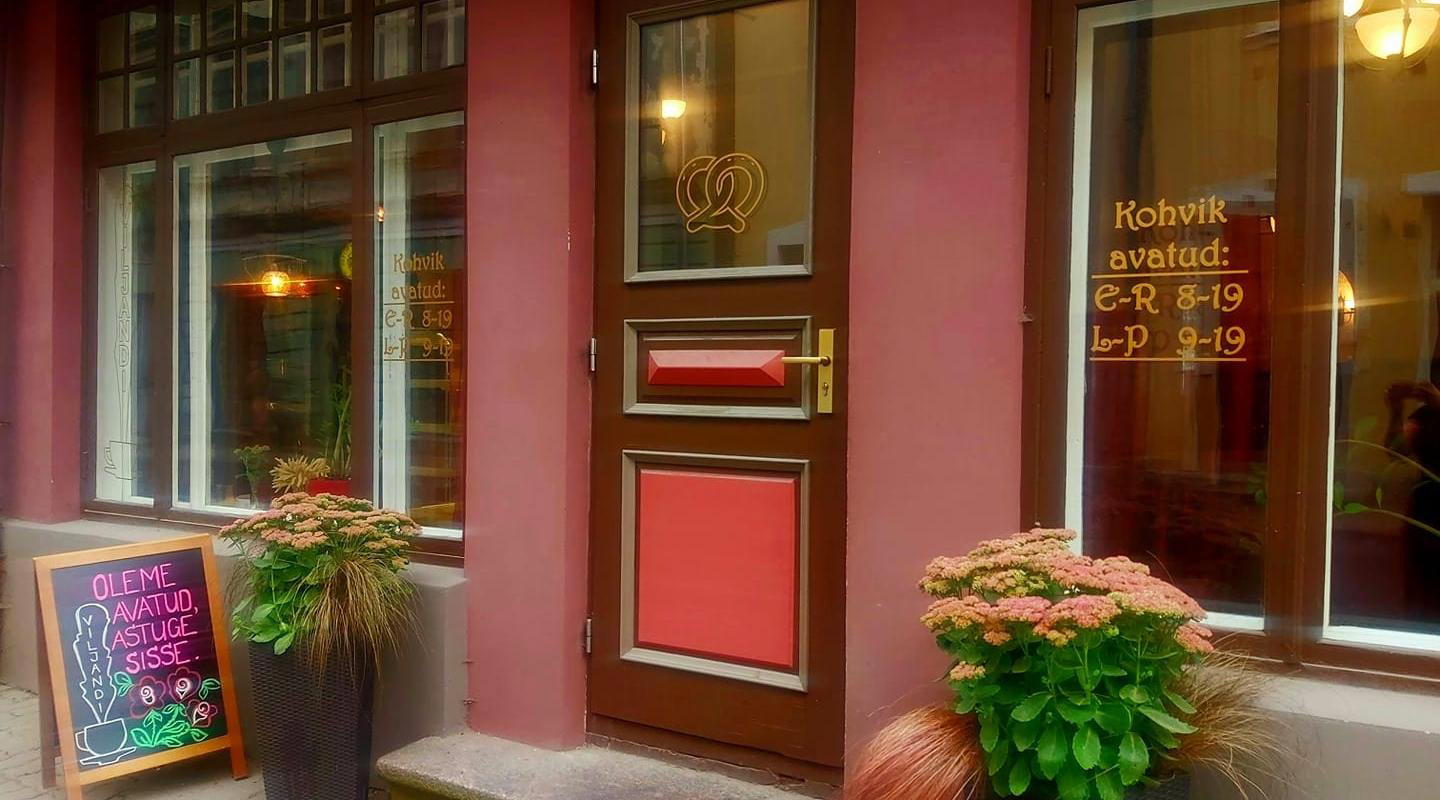
A Street, a Word, and What It Means to Eat in Small-Town Estonia
The Estonian word kohvik translates simply as café, but in practice it describes something more specific: a room where locals gather for coffee, a plate of something seasonal, and the particular unhurried quality of small-town life. Viljandi, a historic lakeside town in south-central Estonia with a population under 18,000, has always had a café culture shaped more by agricultural proximity than by culinary ambition. The farms of Viljandimaa county sit close enough that sourcing locally is less an ethical statement than a practical default. What arrives on the table in a place like this tends to reflect the land around it, not a supply chain that routes through Tallinn.
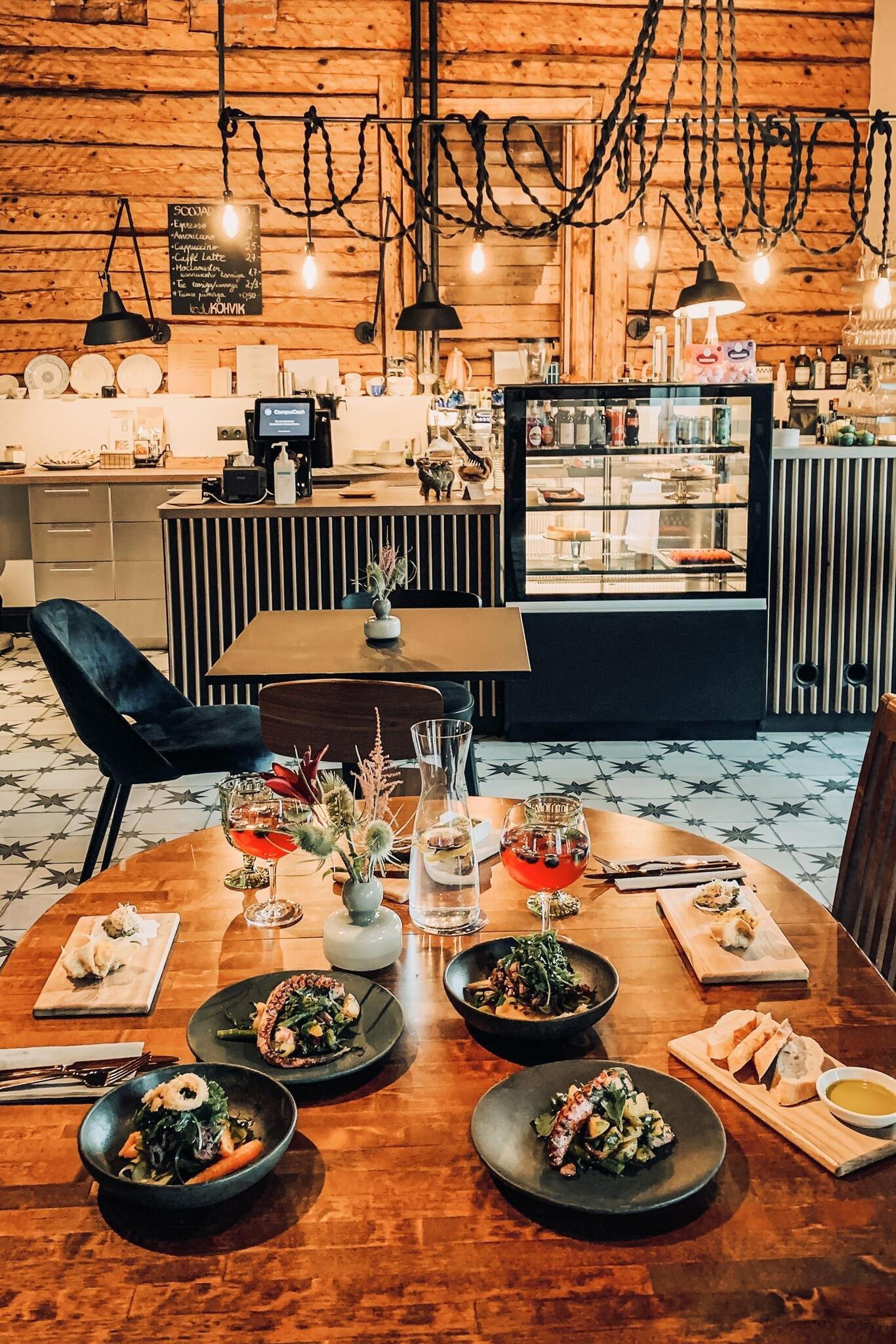
Kohvik at Pikk tn 4 occupies a spot on one of Viljandi's oldest streets. Pikk, which means simply "long" in Estonian, runs through the older part of the town centre and carries the kind of low-key pedestrian character common to Baltic market towns that survived Soviet-era planning with their street grids more or less intact. Approaching the address, the scale is immediately domestic: two-storey buildings, a quiet pace, none of the visual noise associated with destination-dining districts in larger cities. That restraint is the context in which the café operates.
Where Estonian Café Culture Meets the Agricultural Interior
Understanding what a Viljandi kohvik offers requires some orientation within Estonian food culture more broadly. The country's cooking tradition is built on rye bread, dairy, preserved fish, root vegetables, and pork, with a seasonality dictated by a climate that compresses the growing period into a few intense summer months. In cities like Tallinn, restaurants such as 180° by Matthias Diether or Atomix in New York City represent the high-intervention, technique-driven end of ingredient sourcing. Provincial cafés operate at the opposite pole: fewer layers of transformation, shorter distances from field to plate, and menus that shift with what is available rather than what is on-trend.
Viljandimaa's agricultural output, which includes dairy, grain, and seasonal produce, gives the town's independent eating spots a consistent material to work with. The sourcing logic in a place like Kohvik is embedded in geography rather than curated as a brand position. That distinction matters: it produces a different kind of eating experience from the farm-to-table framing common in destination restaurants, one where locality is assumed rather than announced.
The Viljandi Independent Dining Scene
Viljandi's restaurant and café scene is small but genuinely independent. The town draws visitors during the Viljandi Folk Music Festival each summer, one of the largest folk music events in Northern Europe, which creates a seasonal surge in demand that local establishments navigate without the infrastructure of a larger tourist economy. The rest of the year, the audience is primarily local, and the menus reflect that.
Within this context, Kohvik sits alongside a small group of independently operated spots that together map the range of what Viljandi dining offers. Fellin operates at the traditional cuisine end of the spectrum at an accessible price point, providing a useful reference for understanding where the town's dining registers. koduKOHVIK and Restaurant Ormisson occupy different positions within the same compact ecosystem, while Restoran Schloss extends the offering toward something slightly more formal. None of these operate at the scale or with the public-facing data that would make granular comparison direct, which itself signals something about the nature of provincial dining in Estonia: the infrastructure of reservation platforms, press coverage, and awards recognition that surrounds urban restaurants is largely absent here. See our full Viljandi restaurants guide for a broader orientation across the town's eating options.
This pattern repeats across smaller Estonian towns. Kolm. Restoran in Võru and Kohvik Kaar in Narva both operate within similarly low-profile local dining ecosystems, where the lack of public data is a feature of the context rather than a gap in the record. Franzia in Narva-Jõesuu and Kuur in Vihtra illustrate how Estonia's coastal and rural dining spots similarly operate outside the metrics that define urban restaurant coverage.
Ingredient Logic in Provincial Estonia
The editorial angle most relevant to a café at this address is sourcing, and in Viljandimaa that means engaging with a food system still oriented around local production. Rye bread, often baked to regional recipes, forms a near-universal base. Dairy from the surrounding county, preserved and pickled vegetables through the colder months, and fresh produce during the abbreviated summer all define the material of provincial Estonian cooking. This is not a cuisine built on imported luxury ingredients or technical elaboration; its value lies in directness and seasonal honesty.
Contrast this with coastal Estonian dining, where fish and seafood sourcing drives the menu logic. Spots like Wana Kala Kõrts in Neeme and KABE Beach in Kaberneeme operate within a very different ingredient framework, shaped by proximity to the Gulf of Finland rather than to inland agricultural land. Valgeranna Veinitall in Audru sits at another remove, adding a wine-cellar dimension that has no direct equivalent in Viljandi's current dining offer. The inland-coastal split in Estonian dining is one of the more interesting structural features of the country's food culture, and Kohvik's address places it firmly in the inland tradition.
Planning a Visit
Viljandi is reachable by direct train from Tallinn in roughly two and a half hours, making it a realistic day trip or overnight destination. The town is compact enough to cover on foot, and Pikk street is within easy walking distance of the main square and the hillside castle ruins that form the town's primary landmark. Visitors attending the folk festival in late July should book accommodation well in advance, as capacity in the town is limited and fills quickly during that period. For a casual café visit outside festival season, Viljandi moves at a pace that rewards spontaneity more than meticulous scheduling. Kohvik's address on Pikk is findable without difficulty for anyone already in the town centre. Those planning a wider Estonian loop might cross-reference the café against dining options in Pärnu, Tartu, or Rakvere to build a more complete picture of eating across provincial Estonia.
Frequently asked questions
Does Kohvik work for a family meal?
The kohvik format in Estonia is inherently communal and low-pressure, making it a practical choice for families across age groups. Pikk tn 4 sits on one of Viljandi's central streets, so the location is easy to reach on foot from the town centre.
What's the overall feel of Kohvik?
Kohvik translates directly as café in Estonian, and the format at this address reflects that: a room oriented around coffee, conversation, and straightforward food rather than theatrical dining. Viljandi itself is a small, historically layered town in south-central Estonia, and its café culture runs accordingly, local, unassuming, and grounded in everyday habit rather than tourism. Expect a quieter register than Tallinn's Old Town café scene.
Is Kohvik in Viljandi a good stop when visiting the Viljandi Folk Music Festival?
Viljandi draws its largest visitor numbers during the Folk Music Festival each summer, and the town's small independent café scene absorbs much of that demand. Kohvik sits at Pikk tn 4, a central address within walking distance of the festival grounds and the historic town core. Given the limited number of independent venues in Viljandi, arriving early in the day during festival weekends is advisable.
What should I order at Kohvik?
Estonian café kitchens in Viljandimaa typically build around dairy, rye bread, and seasonal produce from the surrounding agricultural region, so expect that logic to apply. For confirmed dishes and current offerings, visiting in person or checking local listings closer to your travel date is the reliable route.
Quick Comparison
Comparable venues nearby, for context on price, style, and recognition.
| Venue | Cuisine | Price | Awards | Notes |
|---|---|---|---|---|
| Villa Maria ViljandiThis venue (the venue you are viewing) | European Bistro with Local Estonian Flavors | Not listed | Not listed | Not listed |
| Restaurant Ormisson | Modern European with Estonian influences | Not listed | Not listed | Viljandi center |
| koduKOHVIK | Estonian Café with Local Flavors | Not listed | Not listed | Viljandi city centre |
| Restoran Schloss | Modern Estonian Fine Dining | $30–50 | Not listed | Viljandi linn |
| Fellin | European Café-Bistro | Not listed | Michelin Bib Gourmand · White Guide Baltic Restaurants - Fine Level | Viljandi Old Town |
| Ott & Matilda | Homestyle European Café | Not listed | Not listed | Laulasmaa |
Continue exploring
More in Viljandi
Details
- Cozy
- Bohemian
- Casual Hangout
- Family
- Historic Building
- Extensive Wine List
- Local Sourcing
- A La Carte
- Vegetarian Friendly
- Vegan Options
- Gluten Free Options
Current opening hours
- Monday
- Closed
- Tuesday
- Closed
- Wednesday
- Closed
- Thursday
- 4–10 PM
- Friday
- 4 PM–12 AM
- Saturday
- 12 PM–12 AM
- Sunday
- 12–7 PM
Hours can change for holidays and private events. Hours as of .
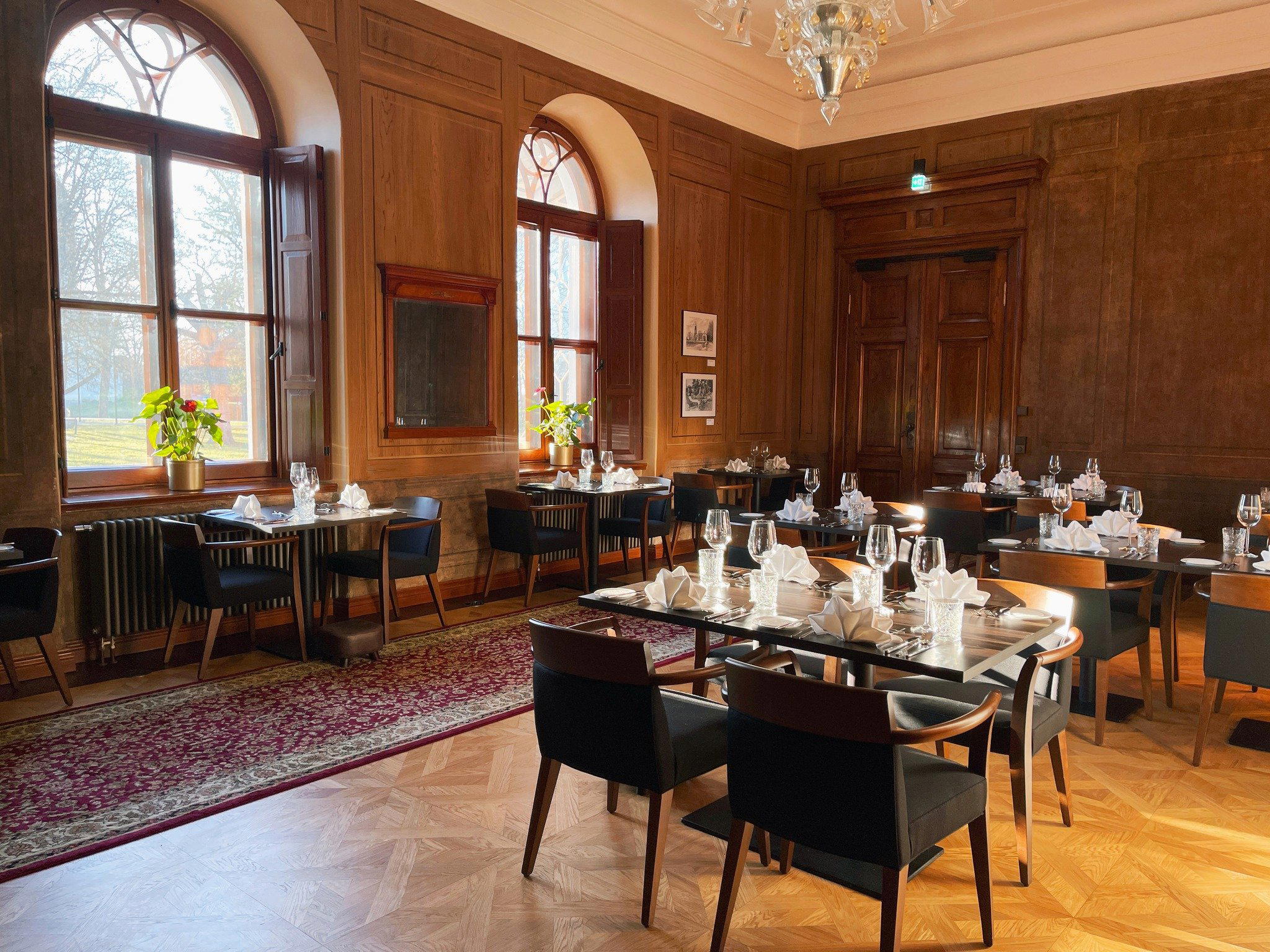
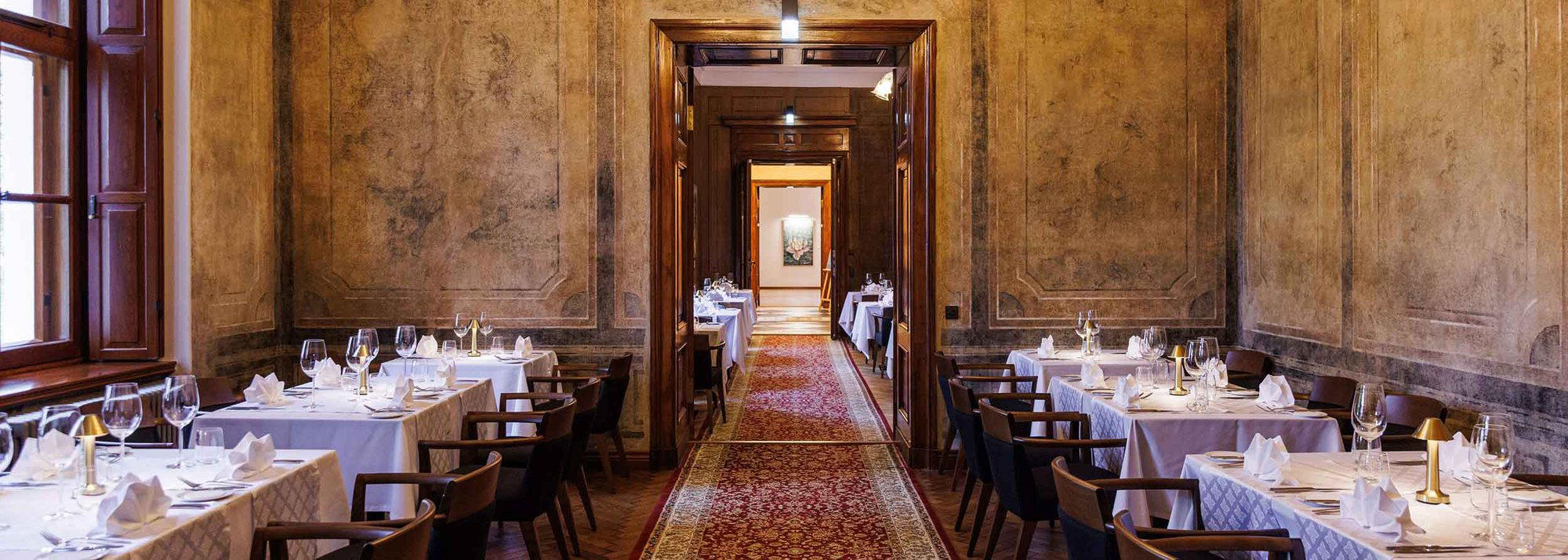
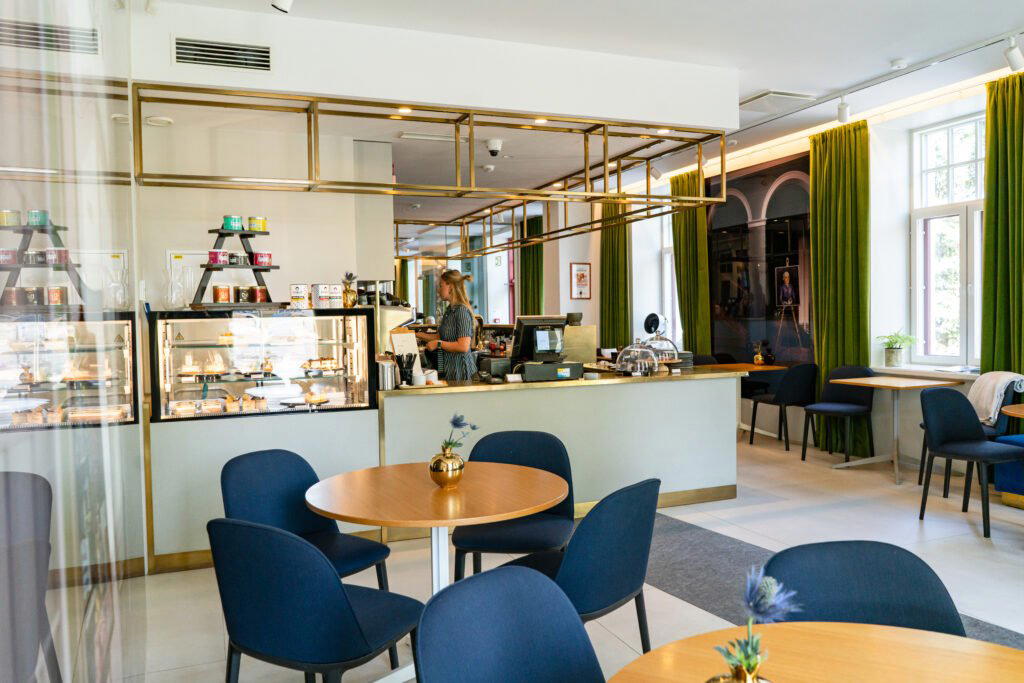
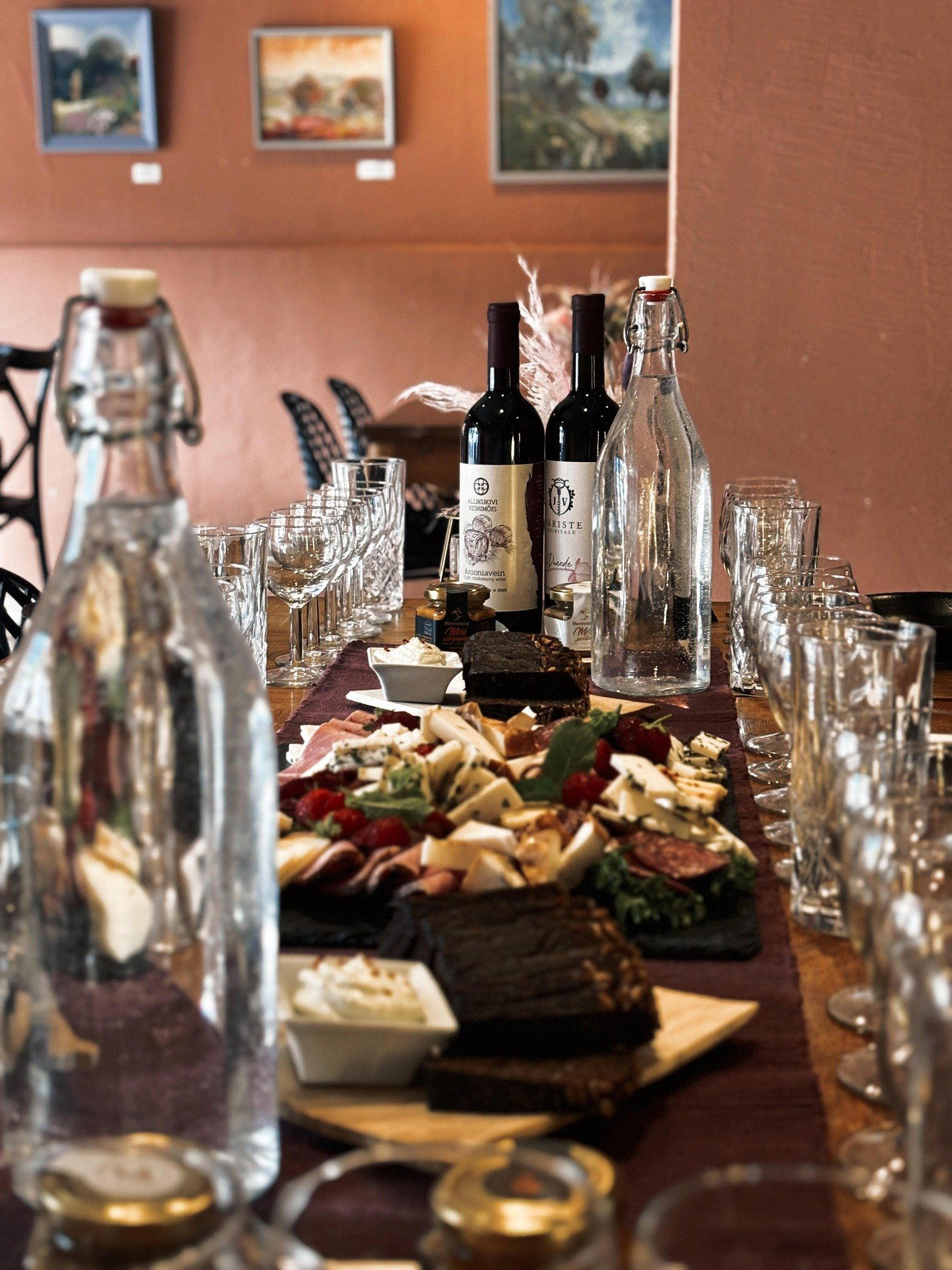
Brightly decorated with eclectic artwork, tiled bar, laid-back bohemian vibe, cosy simplicity and festive atmosphere.