Kobé Japanese Steakhouse - West 192
Our verdict
Along the W Irlo Bronson Memorial Highway corridor, Kobé Japanese Steakhouse handles the teppanyaki format that Orlando-area visitors have come to expect from the chain: theatrical tableside cooking, shared seating, and a menu built around beef, seafood, and rice. The West 192 location serves the high-traffic Kissimmee stretch where theme-park crowds and local families converge.

Pearl is the En Primeur Club membership app — saves, bookings, and concierge access live there. Same editors, same standards.
- Address
- 7725 W Irlo Bronson Memorial Hwy, Kissimmee, FL 34747
- Phone
- (407) 573-7290
- Hours
- Daily 12–10 PM
- Website
- kobesteakhouse.com
- Directions
- Get directions
- Booking
- Book on OpenTable
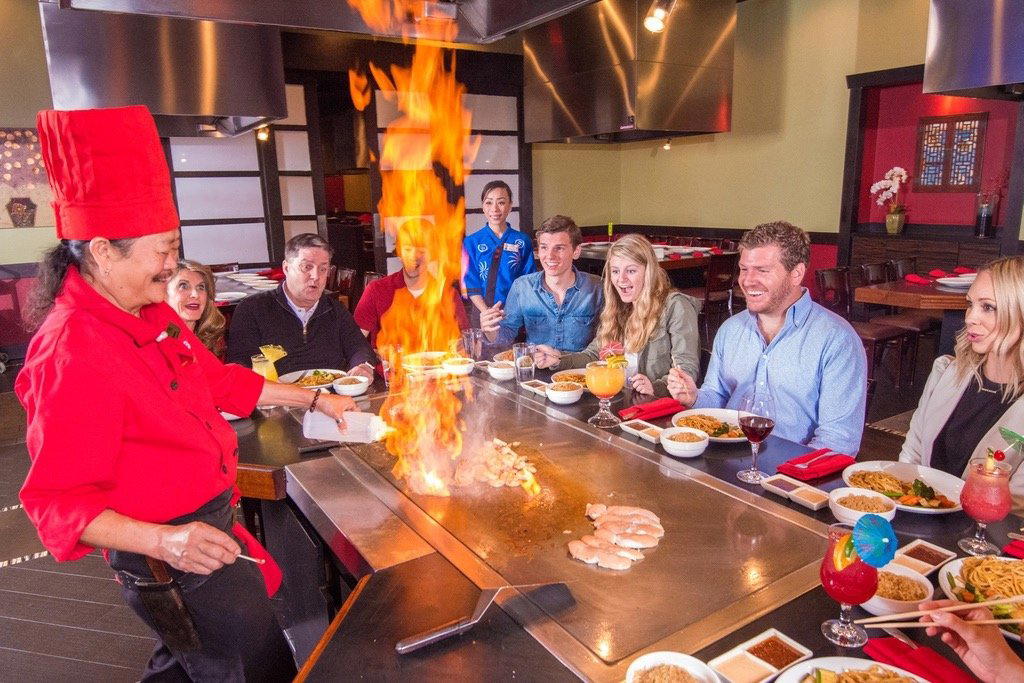
The Teppanyaki Table in Tourist Country
The stretch of W Irlo Bronson Memorial Highway running through Kissimmee is one of the most commercially dense dining corridors in Central Florida. Chains sit beside independents, Brazilian churrascarias compete with burger concepts, and the sheer volume of tourist traffic means turnover is fast and expectations are calibrated accordingly. Inside this environment, Kobé Japanese Steakhouse at West 192 operates in a format that has proved consistently durable: the teppanyaki table, where cooking is performance and the shared communal grill is both the kitchen and the theatre.
Teppanyaki dining — the format where protein and vegetables are cooked at high heat on a flat iron griddle in front of seated guests — has a specific place in the American casual-dining hierarchy. It sits above the standard grill house in theatrical terms, while remaining accessible in format. The genre built its American footprint through the Benihana model, and regional chains across Florida have maintained that template largely intact. The choreography of onion volcanoes, flying shrimp, and rapid knife work persists because it functions as entertainment for mixed groups across age ranges, which makes it structurally well-suited to the Orlando market and its constant influx of families.
What the Format Asks of Its Ingredients
The teppanyaki format is unusually transparent about sourcing in one specific sense: because the cooking happens in plain sight at very high heat, the quality of the raw protein is exposed in a way that a covered kitchen conceals. There is no reduction sauce or braise to compensate for a substandard cut. A steak cooked on a teppan griddle in front of a guest delivers its quality or its shortcomings directly. This is one reason the format, when executed well, rewards attention to ingredient selection more than visitors sometimes expect from a theatrical-style restaurant.
Japanese steakhouse menus in this category typically span Angus beef cuts, chicken, shrimp, lobster, and scallops, with fried rice and vegetable accompaniments cooked on the same surface. The rice, often prepared with egg and soy in the standard hibachi style, functions as the connective element across the meal. Dipping sauces, typically a ginger-based variant and a mustard-cream version, are the seasoning framework. These are not elaborate preparations, but their consistency matters more than their complexity in a high-volume setting.
Where This Location Sits in the Kissimmee Scene
Kissimmee's dining scene along the 192 corridor operates in a different register from the more chef-driven pockets of greater Orlando. The comparison venues in this geography include BR 77 Brazilian Steakhouse, which handles premium beef in the rodízio format, and Adega Gaucha Kissimmee, another Brazilian churrascaria operating in the meat-forward, high-volume bracket. Cow Steakhouse sits at a different point on the steakhouse spectrum, while Bayridge Sushi covers the Japanese cuisine category from a different angle. Estefan Kitchen Orlando diversifies the mix toward Cuban-American cooking.
That positional clarity is part of what sustains the concept. Visitors who have decided they want the tableside grill experience are not choosing between many competing versions of it at this address.
For context on what ingredient-focused Japanese cooking looks like at the upper end of the American spectrum, properties like Atomix in New York City or the sourcing discipline that underpins farm-to-table tasting menus at Blue Hill at Stone Barns in Tarrytown or Single Thread Farm in Healdsburg represent a different tier entirely. Closer to the steakhouse tradition, places like The French Laundry in Napa, Alinea in Chicago, Le Bernardin in New York City, Providence in Los Angeles, Addison in San Diego, The Inn at Little Washington in Washington, Lazy Bear in San Francisco, Emeril's in New Orleans, and 8 1/2 Otto e Mezzo Bombana in Hong Kong illustrate what the top tier of destination dining looks like globally. Kobé West 192 is not playing in that league, nor is it trying to.
Planning a Visit
The West 192 address places this location at 7725 W Irlo Bronson Memorial Hwy, Kissimmee, FL 34747, directly on the main tourist corridor with direct road access from the surrounding resort areas. The teppanyaki format inherently involves communal seating, meaning solo diners or small parties are typically seated alongside other guests at a shared grill table, a format detail worth factoring in for those seeking a private dining experience. For current hours, pricing, and reservation options, checking the venue directly is advisable given the absence of confirmed booking details in public records. Families and groups tend to find the format most rewarding, given the interactive cooking element. Our full Kissimmee restaurants guide covers the broader dining options along this corridor.
Frequently asked questions
How do I find Kobé Japanese Steakhouse - West 192?
Kobé Japanese Steakhouse - West 192 is located at 7725 W Irlo Bronson Memorial Hwy, Kissimmee, FL 34747, Kissimmee.
Is Kobé Japanese Steakhouse on W Irlo Bronson suitable for large group dinners near Disney World?
The teppanyaki format at Kobé's Kissimmee location is structurally well-suited to group dining: communal tables built around a central griddle typically seat eight or more guests per station, making shared celebrations a practical fit. The West 192 address at 7725 W Irlo Bronson Memorial Hwy places the restaurant within the main tourist corridor closest to the Walt Disney World resort area, reducing travel time for groups staying in that accommodation zone.
What do regulars order at Kobé Japanese Steakhouse - West 192?
At a teppanyaki format like the one Kobé operates on W Irlo Bronson Memorial Hwy, the anchor orders tend to be protein-forward: steak, chicken, shrimp, or combination platters cooked on the iron griddle in front of diners. The communal table setup means most guests build meals around the chef's tableside performance rather than à la carte selections, so combination entrées that incorporate fried rice and vegetables alongside the main protein are the typical approach.
What's the best way to book Kobé Japanese Steakhouse - West 192?
The West 192 location at 7725 W Irlo Bronson Memorial Hwy sits in one of Kissimmee's highest-traffic tourist zones, particularly during peak Orlando theme park seasons, so booking ahead rather than walking in is advisable for groups.
What has Kobé Japanese Steakhouse - West 192 built its reputation on?
Kobé's position on the 192 corridor is built on the teppanyaki format itself: a cooking-as-entertainment model where the griddle performance is as much the draw as the food. Along a stretch of highway dominated by casual chains and buffets, a hibachi concept with tableside preparation occupies a distinct niche for families and groups looking for a structured dinner experience rather than a passive one.
Can Kobé Japanese Steakhouse - West 192 handle vegetarian requests?
Teppanyaki kitchens are structurally adaptable for vegetarian orders since the griddle can cook vegetables and tofu independently of meat, though shared cooking surfaces mean strict dietary separation is not guaranteed.
Is Kobé Japanese Steakhouse - West 192 good value for money?
On the 192 corridor in Kissimmee, teppanyaki typically commands a moderate premium over standard casual dining because the format bundles performance, a multicourse structure, and tableside cooking into a single ticket.
A Quick Peer Check
Comparable venues nearby, for context on price, style, and recognition.
| Venue | Cuisine | Price | Awards | Notes |
|---|---|---|---|---|
| Kobé Japanese Steakhouse - West 192This venue — the venue you are viewing | Teppanyaki Japanese Steakhouse | $30–50 | Not listed | Not listed |
| Pie Fection | Italian-Brazilian Pizza Fusion | $20–30 | Not listed | Kissimmee |
| Old Hickory Steakhouse | Premium American Steakhouse | $50–100 | Wine Spectator Best of Award of Excellence | Kissimmee |
| Kamayan Grill | Authentic Filipino | $20–30 | Not listed | Four Corners |
| BR 77 Brazilian Steakhouse | Brazilian Rodizio Steakhouse | $50–100 | Not listed | Sunset Walk |
| Mr. & Mrs. Crab - Kissimmee | Seafood Boil | $20–30 | Not listed | Kissimmee |
Continue exploring
More in Kissimmee
Restaurants in Kissimmee
Browse all →
Bars in Kissimmee
Browse all →
Details
- Lively
- Energetic
- Family
- Group Dining
- Celebration
- Open Kitchen
- Sake Program
- A La Carte
- Counter Dining
- Vegetarian Friendly
- Vegan Options
- Gluten Free Options
Current opening hours
- Monday
- 12–10 PM
- Tuesday
- 12–10 PM
- Wednesday
- 12–10 PM
- Thursday
- 12–10 PM
- Friday
- 12–10 PM
- Saturday
- 12–10 PM
- Sunday
- 12–10 PM
Hours can change for holidays and private events. Last verified .
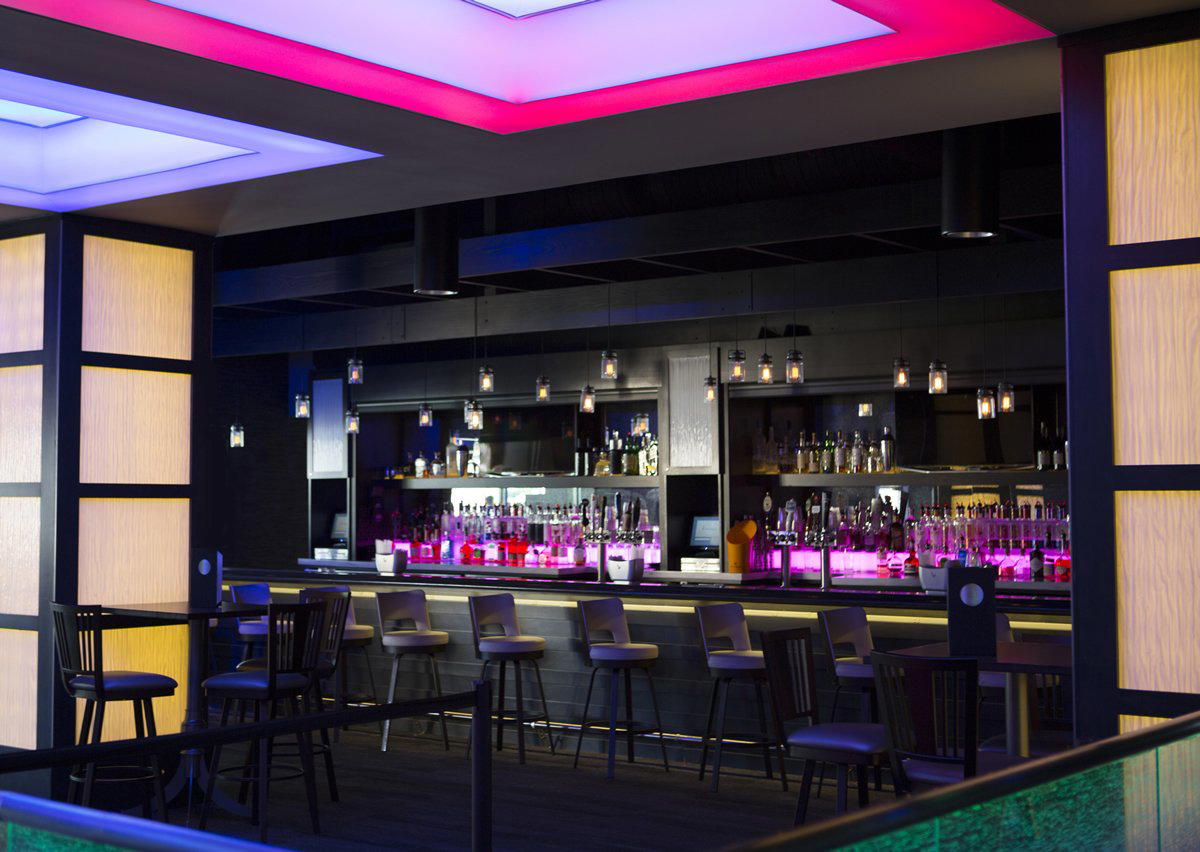
Lively and exciting atmosphere centered around lively grill performances with moderate noise levels.