Kobé Japanese Steakhouse - Kissimmee
Kobé Japanese Steakhouse on Kissimmee's Parkway Boulevard brings the teppanyaki format to one of Central Florida's busiest tourist corridors. The theatrical tableside cooking style, where chefs prepare beef, seafood, and vegetables on iron griddles in full view of guests, makes it a practical choice for groups and families working through the area's theme park calendar.
 Discover on Pearl
Pearl is the En Primeur Club membership app — saves, bookings, and concierge access live there. Same editors, same standards.
- Address
- 2901 Parkway Blvd, Kissimmee, FL 34747
- Phone
- +14073968088
- Website
- kobesteakhouse.com
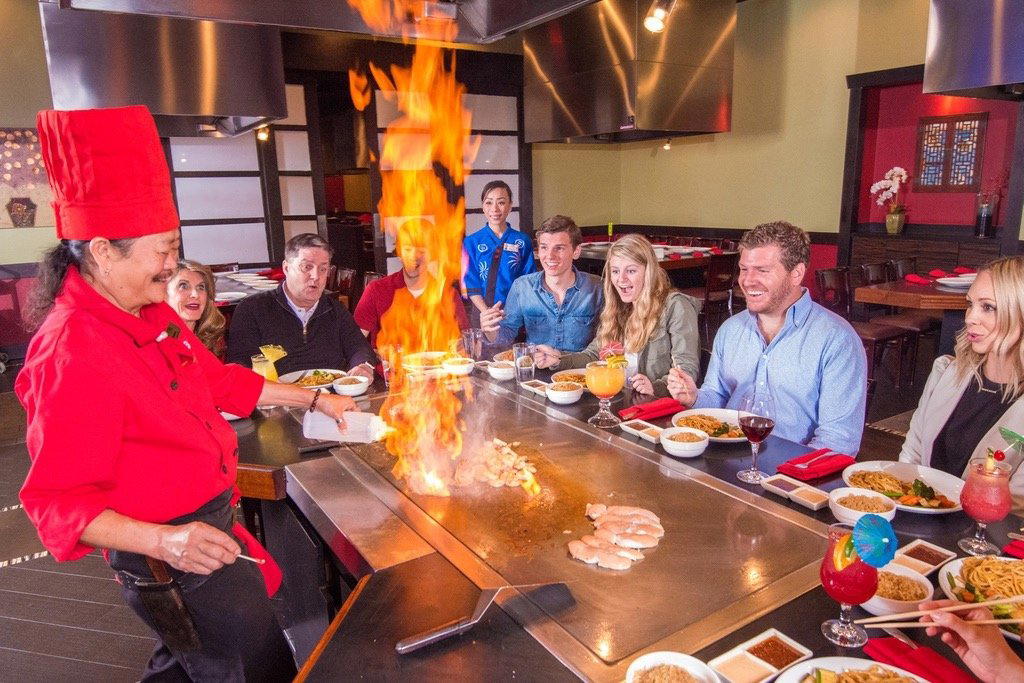
Teppanyaki in Tourist Country: The Format and What It Means
The teppanyaki format has a particular logic in high-traffic destinations. Cooking happens in full view at an iron griddle built into the communal table, the meal takes a predictable shape, and the performance element removes the interpretive pressure that more restrained dining rooms place on guests. On Kissimmee's Parkway Boulevard, a corridor that runs alongside some of the most visited theme park infrastructure in the country, that logic plays out in practical terms. Kobé Japanese Steakhouse operates here as a known quantity: recognizable format, communal seating, and a theatrical cooking style that suits groups navigating packed schedules and varying appetites.
The Cultural Architecture of the Teppanyaki Table
Teppanyaki as a format has roots that diverge from much of what Westerners associate with Japanese cuisine. The iron griddle style gained its tourist-facing identity largely through Benihana's American expansion in the 1960s, which reframed a utilitarian cooking method as dinner theatre. The underlying technique, high-heat searing on a flat iron surface, is genuinely embedded in Japanese culinary practice, but the communal table configuration and chef-as-performer structure is largely an American development. That distinction matters when placing Kobé in context.
That format has proven durable in destinations like Kissimmee precisely because it resolves a common logistical problem. Groups that include children, adults with different dietary preferences, and guests who may not be familiar with Japanese cuisine can all be accommodated at the same table without negotiating an unfamiliar menu structure. The meal unfolds at the griddle in a sequence that is easy to follow, and the cooking process itself provides a shared focal point. This is a different register from the focused precision of an omakase counter or the quiet discipline of a kaiseki room, venues in those traditions such as Atomix in New York City operate on entirely different assumptions about what a meal is for. Teppanyaki in a tourist corridor is solving a different problem, and it does so with a format that has held for decades.
Kissimmee's Dining Corridor and Where Kobé Sits Within It
The Parkway Boulevard stretch where Kobé operates is one of the most restaurant-dense corridors in Central Florida, calibrated almost entirely around visitor traffic rather than residential dining patterns. The competitive set here is broad: Brazilian churrascarias like BR 77 Brazilian Steakhouse and Adega Gaucha Kissimmee offer their own version of theatrical, protein-forward dining, while venues like Estefan Kitchen Orlando bring celebrity-branded hospitality to the same audience. Cow Steakhouse positions itself in the premium beef category without the theatrical cooking element, while Bayridge Sushi occupies the Japanese category at a different format and price register.
Within that competitive field, Kobé's teppanyaki format occupies a specific lane. It offers a structured group dining experience with a built-in entertainment component, which differentiates it from both casual sushi options and from steakhouses that deliver beef without theatrical cooking. This is the format's comparative advantage in a market where groups are often the primary booking unit.
At the other end of the spectrum, Le Bernardin in New York City and Alinea in Chicago represent the kind of precision-led, single-focus dining that exists in a separate category entirely. At the fine-dining end of American restaurant culture, venues like The French Laundry in Napa, Providence in Los Angeles, Lazy Bear in San Francisco, Single Thread Farm in Healdsburg, Blue Hill at Stone Barns in Tarrytown, Addison in San Diego, The Inn at Little Washington, and Emeril's in New Orleans set the benchmark for what tasting-menu and chef-driven formats can achieve. 8 1/2 Otto e Mezzo Bombana in Hong Kong illustrates how the same ambition translates internationally. Kobé operates in none of those registers and does not claim to. Its format is built around group access, not chef expression.
Planning a Visit: What to Know Before You Go
Kobé Japanese Steakhouse at 2901 Parkway Blvd, Kissimmee, FL 34747 sits on a section of road that sees heavy theme park-adjacent traffic, particularly during peak season periods when Central Florida's visitor numbers run high. Groups visiting during summer months or around major holidays should factor in higher demand along the entire Parkway corridor. The teppanyaki format requires communal seating, so smaller parties should expect to share a table with other guests, which is standard practice across teppanyaki restaurants and part of what gives the format its social character.
Pricing, Compared
Comparable venues nearby, for context on price, style, and recognition.
| Venue | Cuisine | Price | Awards | Notes |
|---|---|---|---|---|
| Kobé Japanese Steakhouse - KissimmeeThis venue — the venue you are viewing | $$$ | , | ||
| H&H Brazilian Steakhouse | $$$ | , | Rolling Oaks, Brazilian Churrasco Steakhouse | |
| Istanbul Grill | Celebration, Authentic Turkish Grill | $$ | , | |
| Kobé Japanese Steakhouse - West 192 | $$$ | , | West 192, Teppanyaki Japanese Steakhouse | |
| Sajoma Latin Fusion | Central Florida, Latin Fusion | $$$ | , | |
| BR 77 Brazilian Steakhouse | $$$ | , | Sunset Walk, Brazilian Rodizio Steakhouse |
Continue exploring
More in Kissimmee
Restaurants in Kissimmee
Browse all →
Bars in Kissimmee
Browse all →
At a Glance
- Lively
- Energetic
- Group Dining
- Family
- Celebration
- Open Kitchen
- Sake Program
Vibrant and exciting atmosphere with lively teppanyaki grill performances and moderate noise levels.