Adega Gaucha Kissimmee
Adega Gaucha brings the Brazilian churrascaria tradition to Kissimmee's tourist corridor on W Irlo Bronson Memorial Hwy, where the rodizio format and fire-roasted meats draw both visiting families and local regulars. The experience centers on tableside service and the continuous rotation of skewered cuts, placing it squarely in the Brazilian steakhouse category that has taken firm root across Central Florida.
 Discover on Pearl
Pearl is the En Primeur Club membership app — saves, bookings, and concierge access live there. Same editors, same standards.
- Address
- 7804 W Irlo Bronson Memorial Hwy, Kissimmee, FL 34747
- Phone
- +13212455555
- Website
- adegagaucha.com
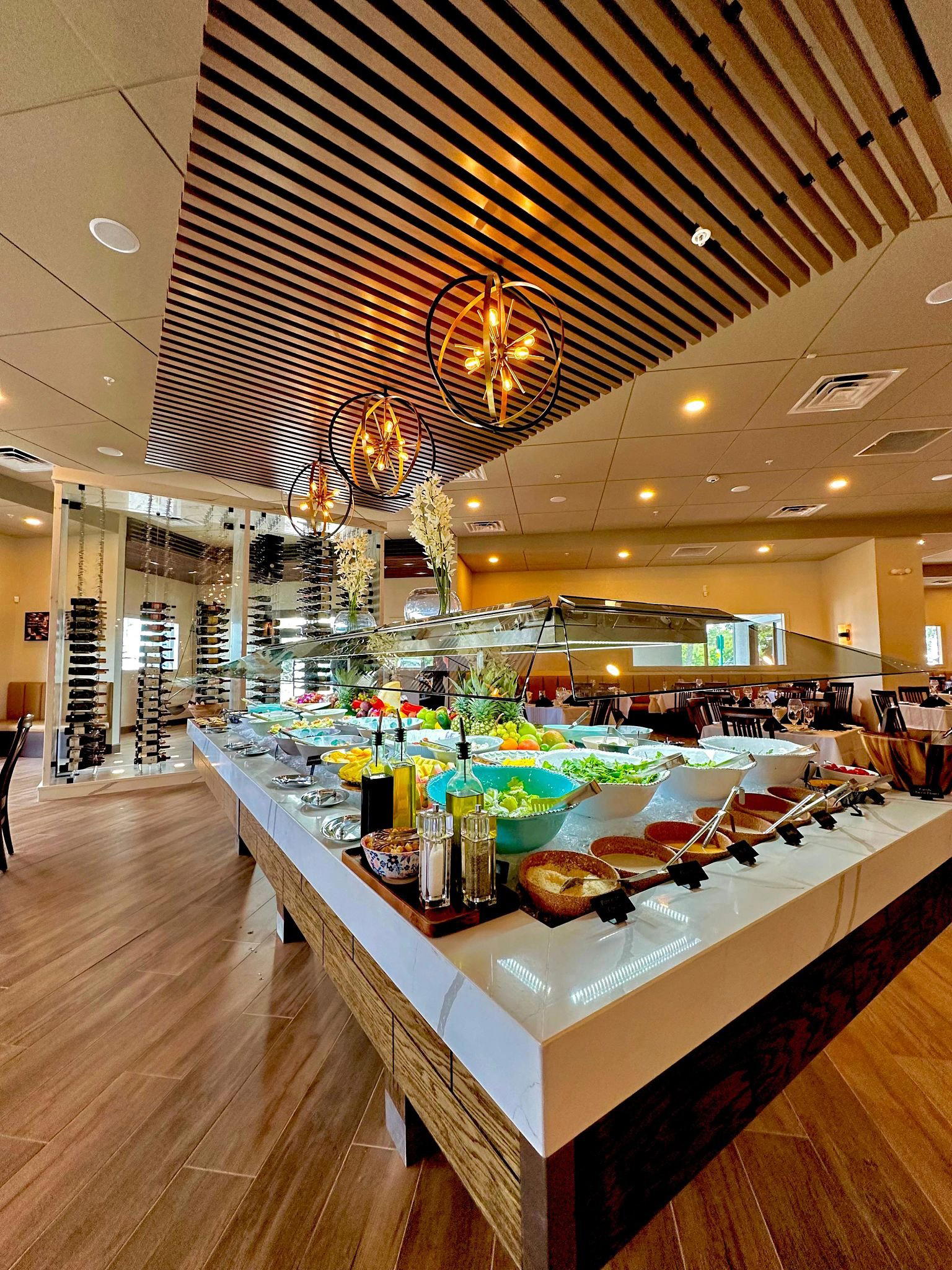
Fire, Rotation, and the Brazilian Steakhouse Tradition in Central Florida
The churrascaria format arrived in the United States through Brazilian immigrant communities in the 1980s and has since spread into one of the most recognizable dining formats in tourist markets across the country. The model is direct in concept but demanding in execution: whole cuts of meat, beef ribs, picanha, chicken hearts, lamb, linguica, are skewered on long swords, cooked over open fire or a churrasqueira grill, and carried tableside by passadores who slice directly onto the guest's plate. The continuous-service rodizio structure means the kitchen never stops moving. At Adega Gaucha Kissimmee, located at 7804 W Irlo Bronson Memorial Hwy in Kissimmee, FL 34747, that format operates in a market shaped by Orlando's theme-park economy, a context that rewards volume and reliability in equal measure.
For context on what a well-resourced Brazilian steakhouse looks like at the national tier, consider venues like BR 77 Brazilian Steakhouse, also in Kissimmee, which operates in the same competitive set. The Brazilian steakhouse segment in Central Florida is competitive, meaning any individual entry needs to earn its place through the sourcing of its cuts, the training of its passadores, and the temperature control of its fire.
Where the Meat Comes From, and Why Sourcing Defines the Format
The churrascaria tradition is, at its core, an argument about beef. In Rio Grande do Sul, the southernmost Brazilian state and the cultural home of the gaucho, the cut selection and the relationship to cattle ranching are inseparable from the cooking. Picanha, the cap of rump, is the defining cut: well-marbled, cooked with the fat cap on, and served at a specific internal temperature that balances crust and give. In Brazil, the sourcing conversation centers on Nelore cattle, a zebu-derived breed adapted to tropical conditions with lean, firm muscle. In the United States, the equivalent conversation involves grass-fed versus grain-finished beef, domestic versus imported supply chains, and whether the kitchen maintains the fat cap or trims it for a leaner American preference.
The sourcing decisions made by a churrascaria translate directly into what arrives at the table. A picanha sliced from a well-sourced, properly aged cut will hold its structure under the passador's knife and release fat on the plate rather than on the skewer. A lower-cost supply chain produces a different result. This distinction is not academic: it is the primary quality variable in the format, and it is worth asking about when you arrive. The salad and hot bar that accompanies most rodizio programs, typically including farofa, vinagrete, pão de queijo, and feijoada, offers a secondary signal about kitchen priorities. Houses that source carefully tend to give the same attention to the sides.
For a sense of how sourcing-led thinking shapes dining at the highest levels of American gastronomy, the comparison set runs wide: Blue Hill at Stone Barns in Tarrytown and Single Thread Farm in Healdsburg represent the farm-driven end of that spectrum. Closer to the churrascaria's protein-forward register, The French Laundry in Napa and Smyth in Chicago approach ingredient provenance as a structural commitment rather than a marketing point. The Brazilian steakhouse format doesn't operate at that price tier, but the underlying logic, that sourcing is a decision that shows up on the plate, applies across every level.
The Kissimmee Corridor Context
W Irlo Bronson Memorial Hwy functions as Kissimmee's primary dining artery, running parallel to US-192 and funneling traffic from Disney World, Universal, and the surrounding resort clusters. The strip supports a wide range of formats: themed chains, independent Latin restaurants, and seafood houses that serve families on multi-day park itineraries. In that environment, a Brazilian churrascaria occupies a specific niche, it offers a format that reads as special-occasion without the price point or dress code of a fine-dining room, and it delivers volume that works for groups. Estefan Kitchen Orlando and Ford's Garage operate in adjacent casual segments on the same corridor, while Cow Steakhouse represents the steakhouse category with a different format approach.
The rodizio model is particularly well-suited to the Kissimmee tourist market because the all-you-can-eat structure removes the decision fatigue that comes with large groups navigating an unfamiliar menu. The red-and-green card system, green side up means keep the meat coming, red side up means pause, gives guests direct control over pacing, which matters when dining with children or with guests who eat at different speeds. For a broader picture of what Kissimmee's dining scene offers across categories, the full Kissimmee restaurants guide covers the range from sushi at Bayridge Sushi to the wider steakhouse tier.
Planning Your Visit
Adega Gaucha Kissimmee sits on the western stretch of Irlo Bronson Memorial Hwy, accessible by car from the main resort clusters without requiring highway ramp navigation. The format suits groups and families with different appetites. Pricing and current hours are best confirmed directly. Arriving earlier in the dinner window typically means a shorter wait and a fuller rotation of cuts early in service, before the kitchen begins cycling through the heavier end of the skewer selection. The salad and sides bar is usually self-serve, so it pays to visit it before the passadores begin their first round.
The churrascaria operates in a different register, but the underlying question remains the same wherever you sit down to eat: does the kitchen know where its ingredients came from, and does that knowledge reach the plate?
Quick Comparison
Comparable venues nearby, for context on price, style, and recognition.
| Venue | Cuisine | Price | Awards | Notes |
|---|---|---|---|---|
| Adega Gaucha KissimmeeThis venue — the venue you are viewing | Brazilian Churrasco Steakhouse | $$$ | , | |
| BR 77 Brazilian Steakhouse | Brazilian Rodizio Steakhouse | $$$ | , | Sunset Walk |
| Kamayan Grill | Authentic Filipino | $$ | , | Four Corners |
| H&H Brazilian Steakhouse | Brazilian Churrasco Steakhouse | $$$ | , | Rolling Oaks |
| Bayridge Sushi | Creative Japanese Sushi | $$$ | , | Kissimmee |
| Salt & the Cellar by Akira Back | Asian-Mediterranean Fusion | $$$ | , | Kissimmee |
Continue exploring
More in Kissimmee
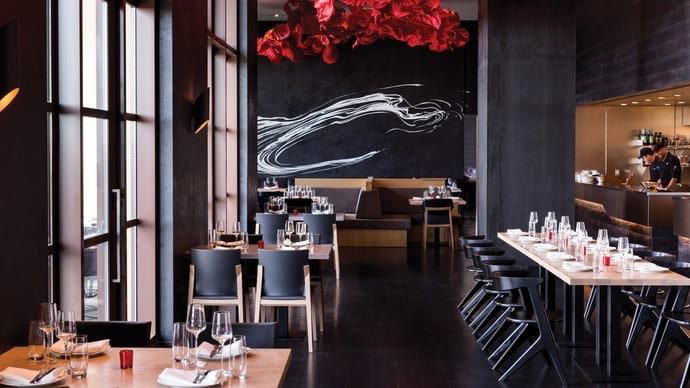
Restaurants in Kissimmee
Browse all →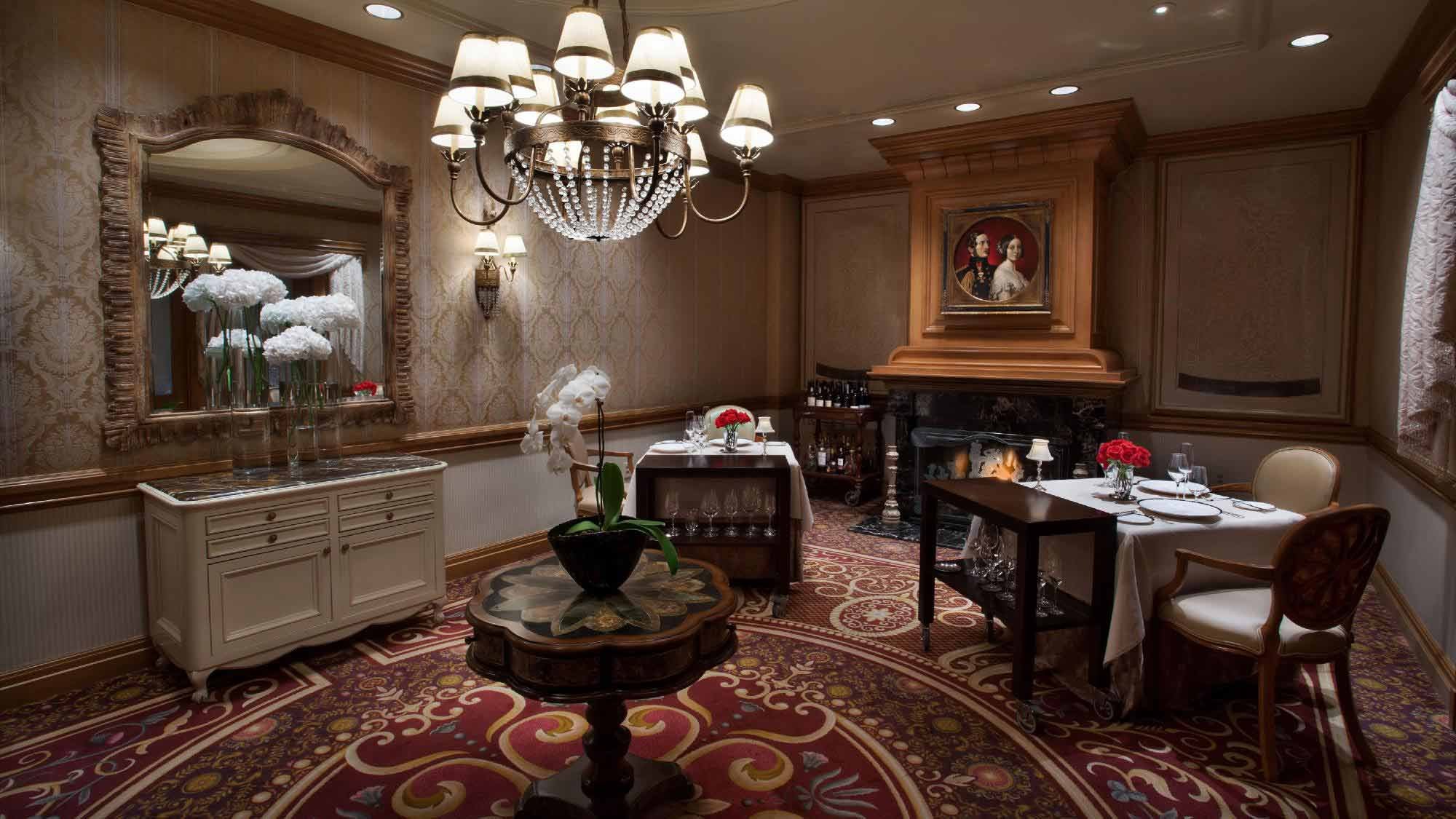
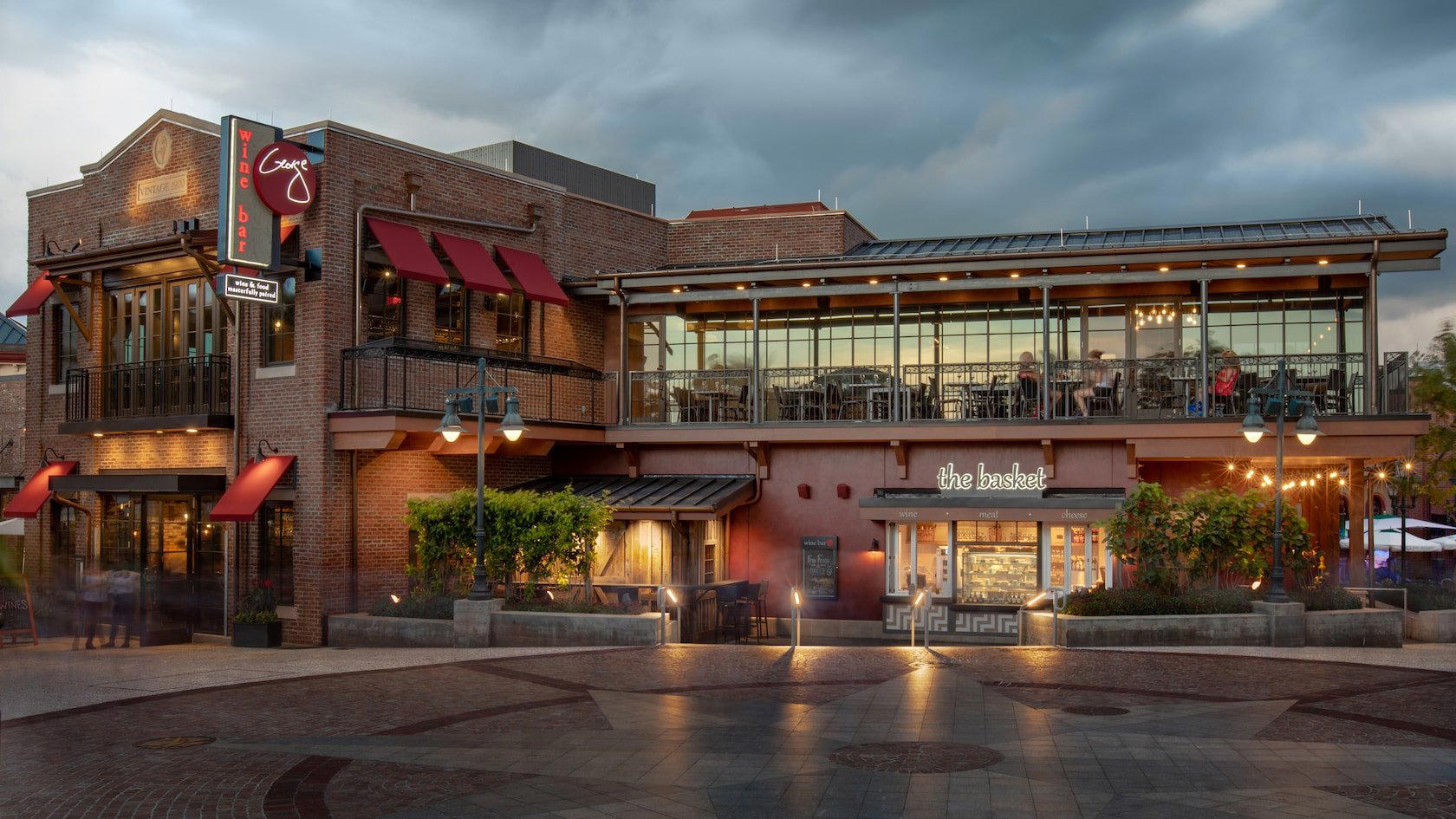
Bars in Kissimmee
Browse all →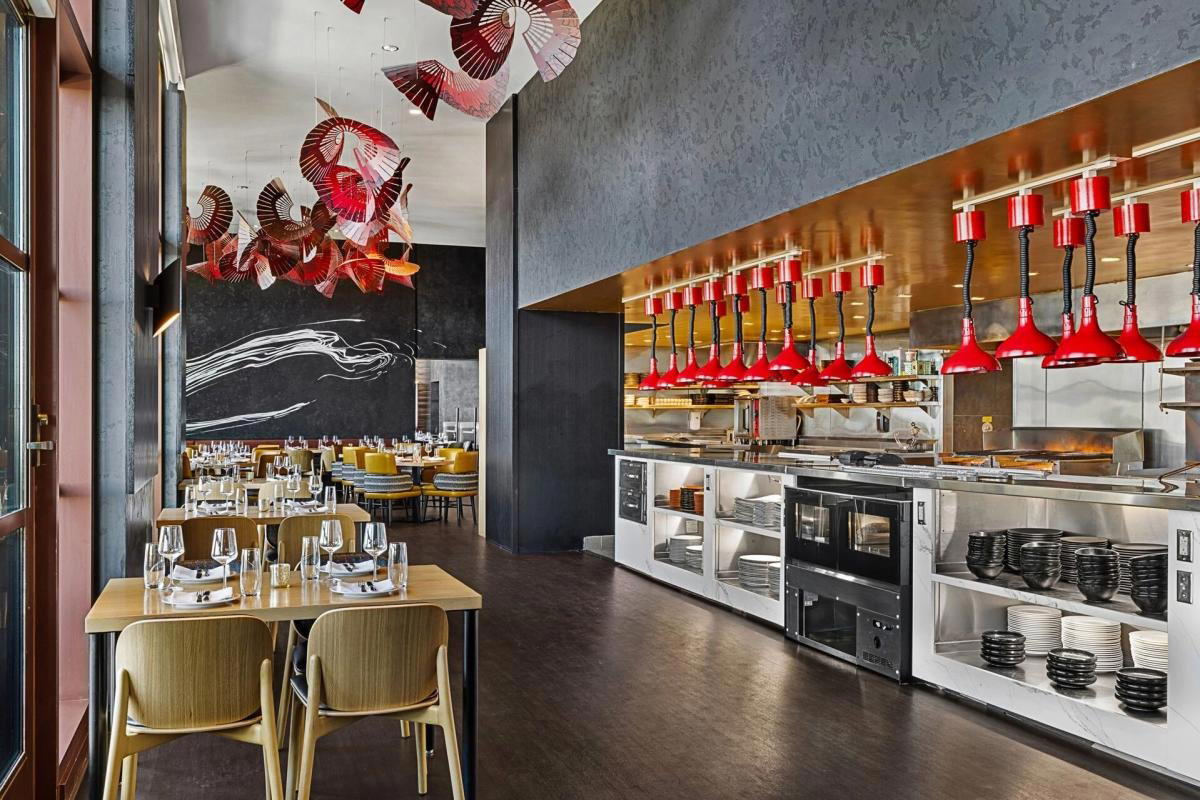

At a Glance
- Elegant
- Lively
- Sophisticated
- Group Dining
- Family
- Celebration
- Special Occasion
- Open Kitchen
- Craft Cocktails
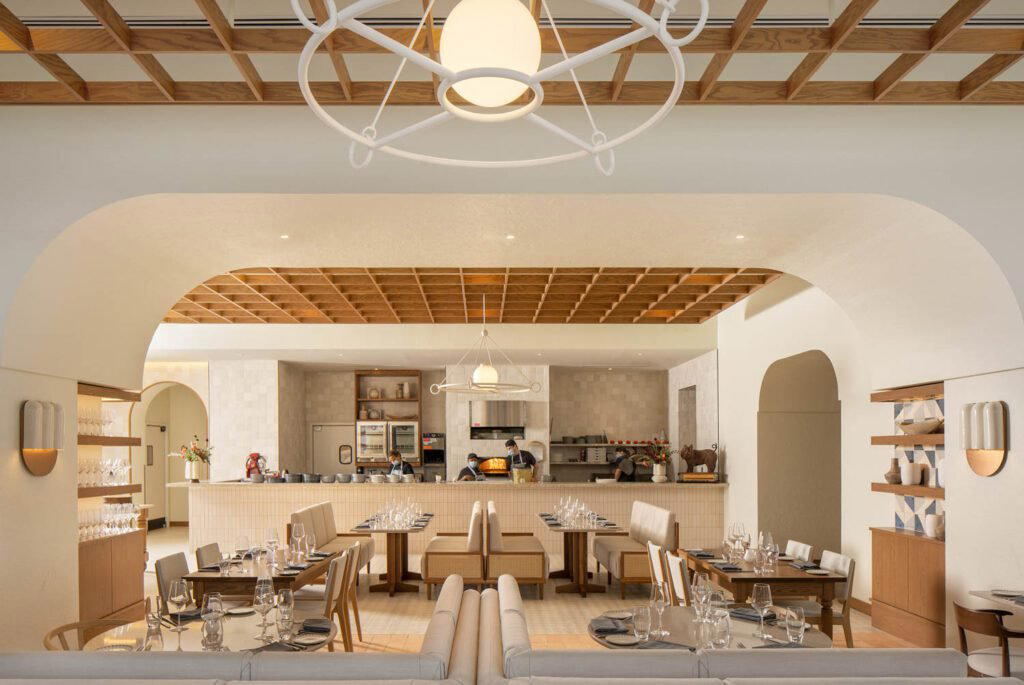
Warm and hospitable atmosphere celebrating Southern Brazilian culture with modern steakhouse sophistication.