On Androutsou street in central Larissa, Kobáltio occupies a position in one of mainland Greece's most overlooked mid-sized cities. The kitchen draws on the agricultural depth of the Thessalian plain, connecting the table to a region that supplies a significant share of Greece's wheat, cotton, and livestock. For travellers pausing between Athens and the north, this is a reference point worth seeking out.
Pearl is the En Primeur Club membership app — saves, bookings, and concierge access live there. Same editors, same standards.
- Address
- Androutsou 6, Larisa 412 22, Greece
- Phone
- +302410255906
- Directions
- Get directions
 Saves & bookings on Pearl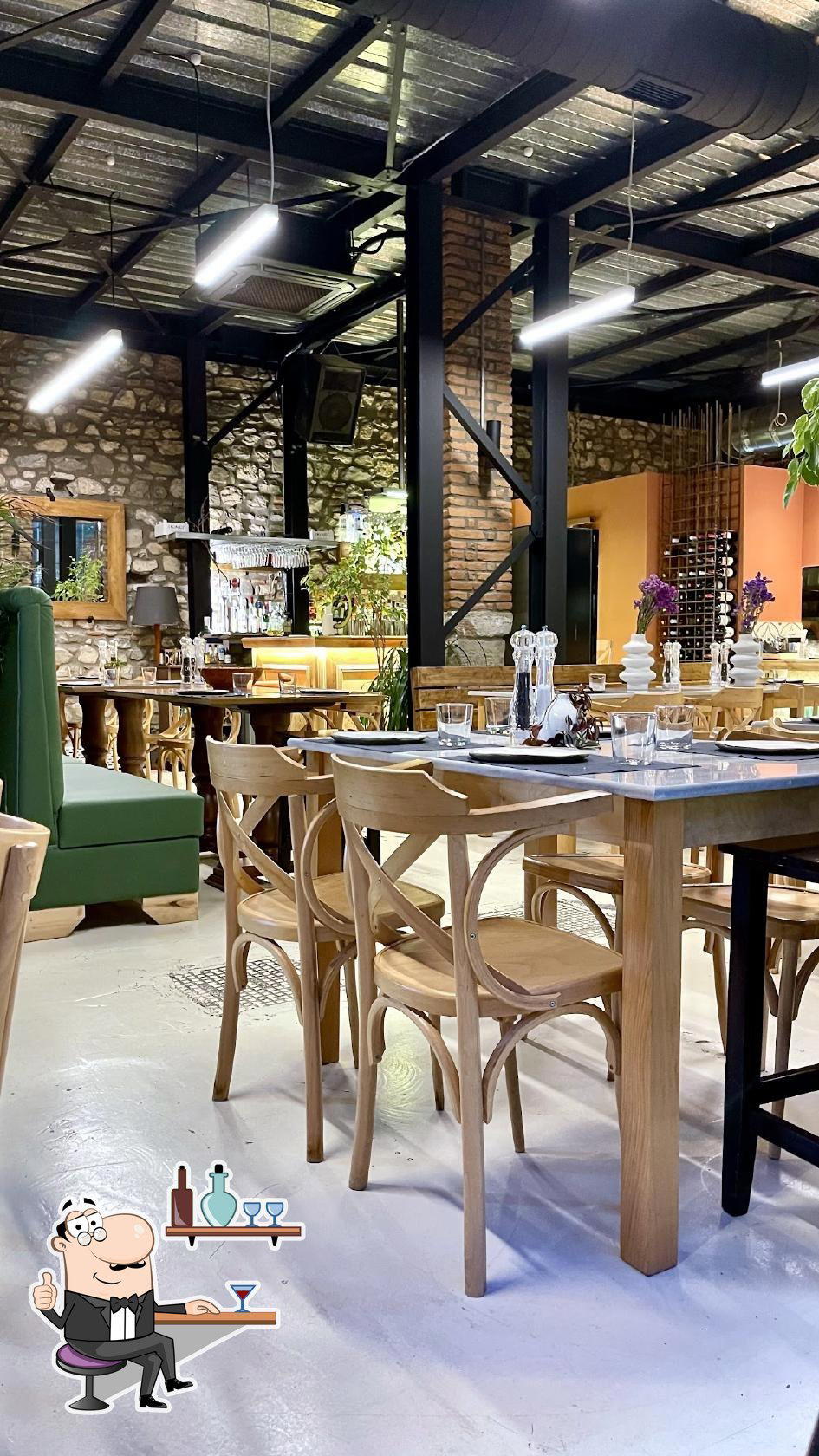
Larissa at the Table: What the Thessalian Plain Puts on a Plate
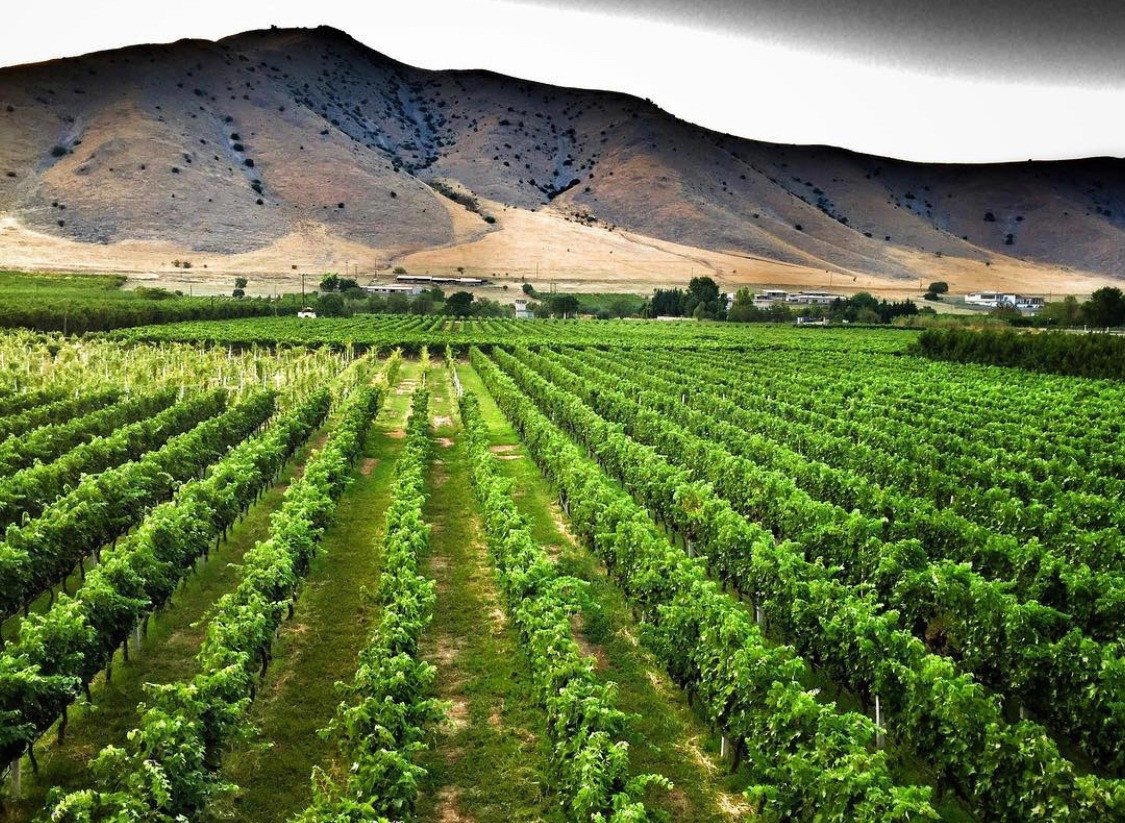
Athens draws the critics; Santorini draws the photographers. Yet Larissa sits at the centre of the Thessalian plain, among the more productive agricultural zones in the country, and any kitchen serious about ingredient provenance here has access to a supply chain that coastal venues have to import. That geographic fact shapes what eating in this city can mean at its most intentional level.
Kobáltio operates on Androutsou 6, a street in the urban core that puts it within the everyday rhythm of the city rather than on a tourist circuit. That address matters: venues in positions like this tend to serve a local clientele with genuine expectations. The pressure to perform on the ingredient side, rather than on spectacle, tends to be sharper as a result.
The Thessalian Supply Chain and Why It Changes the Calculus
Greece as a whole is not short of excellent raw material. The Aegean brings fish; the islands bring olive oil; the mountains bring herbs and game. But Thessaly operates on a different agricultural scale. The plain produces significant volumes of cereals, legumes, dairy, and lamb, and the proximity of Larissa to that output means a kitchen here can, in principle, source with a specificity that restaurants in Athens, dependent on distribution networks and market intermediaries, cannot easily replicate.
This is the editorial logic behind the EA-GN-02 angle: ingredient sourcing at this latitude is not a branding exercise. It is a structural advantage. When comparison venues like Delta in Athens or Hytra build their contemporary Greek menus, they are often working backward from what the distribution chain delivers. A kitchen in Larissa can theoretically work forward from the field. Whether Kobáltio exploits that advantage fully is a question that a visit resolves.
Thessalian lamb, for instance, has a regional specificity that parallels the way sourcing-conscious diners talk about Herdwick in the UK or Sisteron in France. The grazing conditions on the plain, combined with altitude variation from the surrounding mountains, produce a product with a character traceable to place. That kind of provenance argument is increasingly the currency of serious dining across Europe, from venues as concentrated as Le Bernardin in New York City to chef-driven counters in secondary European cities finding their footing on local-sourcing credentials.
Larissa's Dining Position in the Greek Hierarchy
Greece's awarded dining tier remains heavily Athens-weighted. Spondi and Tudor Hall anchor the contemporary end of the capital's market at the €€€€ price point; Aleria and Hytra operate at the €€€ tier with modern Greek formats that have found critical traction. Outside Athens and the Cyclades, the infrastructure for that level of recognition, Michelin coverage, international press visits, consistent foreign footfall, is thin.
That creates a bifurcated situation for cities like Larissa. The absence of awards data for Kobáltio does not signal a weak kitchen. Venues doing serious work in provincial Greek cities exist in a comparable set that is locally competitive but internationally invisible. For the informed traveller, that gap between quality and recognition is often where interesting dining occurs. Compare the dynamic with how coastal Cretan venues such as Kastella Seafood Restaurant in Heraklion have built reputations on local sourcing before formal recognition caught up, or how Beauvoir in Katakolo operates in a similarly overlooked port context.
The Thessalian dining scene is not generating the volume of editorial attention that Santorini venues such as Lure Restaurant in Oia, Aktaion in Firostefani, or Bony Fish Santorini in Imerovigli receive. But a city of Larissa's agricultural depth and population size, roughly 165,000 in the municipality, sustains a dining culture with its own standards. For reference on how the broader Greek regional scene is developing, see.
Approaching a Visit: Practical Orientation
Larissa is on the main Athens-Thessaloniki rail corridor, which makes it genuinely accessible from both cities without requiring a flight or a long road journey. Androutsou is a central street, walkable from the main commercial area of the city. Kobáltio is recommended for reservations and follows a casual dress code. That opacity is not unusual for locally oriented restaurants in mid-sized Greek cities, where walk-in culture often coexists with informal reservations.
Cash in Kifisia and Alykes in Palaio Faliro, both of which operate in suburban Athens contexts with established reservation habits. The dynamic in provincial cities tends to be less formalized, which can work in the visitor's favour outside peak local dining hours.
Travellers moving between the Meteora monasteries at Kalambaka, a half-hour drive west of Larissa, and destinations further south will find the city a natural pause point. Valia Calda in Καλαμπάκας serves the northern Pindus corridor; Larissa fits a different part of the same regional circuit. The city lacks Kalambaka's dramatic topography but compensates with a functioning urban food culture less inflected by tourism economics.
What the Address Tells You
A venue at Androutsou 6 is operating inside a city, not performing for visitors passing through. That distinction sets the expectations correctly. The dining references that matter here are local: what Larissans regard as the standard for a serious dinner, what the supply chain from the Thessalian plain can deliver at its leading, and where a kitchen in this position sits relative to other options in the city. For Greek regional dining beyond the island circuit, and beyond Athens, Larissa represents a genuinely underexplored part of the country's food geography. Venues like Knossos Greek Taverna Gouves in Gouves, Jimy's Fish in Piraeus, and Lake Vouliagmeni in Vouliagmeni each anchor their respective local contexts; Kobáltio occupies the equivalent position here, with the particular advantage of that Thessalian agricultural backdrop behind it.
Comparable Spots, Quickly
Comparable venues nearby, for context on price, style, and recognition.
| Venue | Cuisine | Price | Notes |
|---|---|---|---|
| KobáltioThis venue — the venue you are viewing | Traditional and Contemporary Greek | $$ | Not listed |
| Valia Calda | Modern Greek Vlach Cuisine | $$ | Kalambaka |
| Άργ(η)ισσα | Traditional Greek Taverna | $$ | Dendra Tyrnavou |
| 12 Piata | Modern Greek gastro‑tavern (12 meze plates) | $$ | Koukaki |
| Sakis | Traditional Greek Souvlaki & Gyros | $ | Mykonos Town |
| Σκουμπρί | Traditional Greek Seafood Taverna | $$ | Κουκάκι |
Continue exploring
More in Larissa
Restaurants in Larissa
Browse all →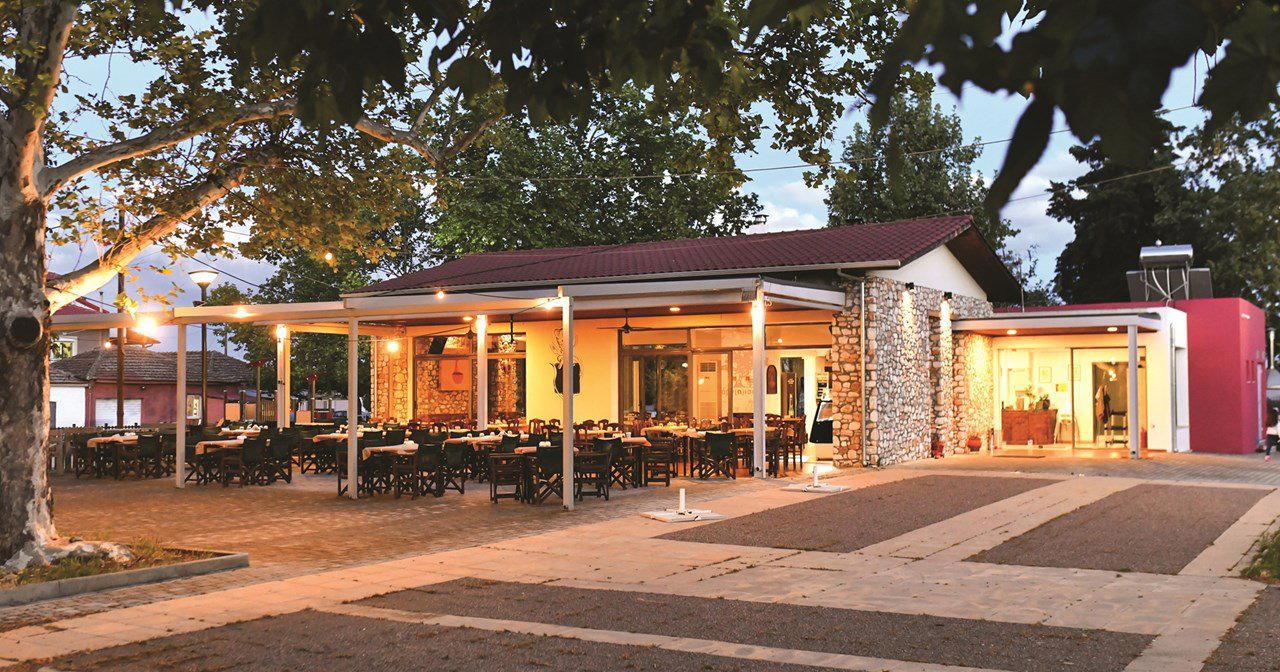

At a Glance
- Cozy
- Classic
- Casual Hangout
- Family
- Local Sourcing
Current opening hours
- Monday
- 1–11 PM
- Tuesday
- 1–11 PM
- Wednesday
- 1–11 PM
- Thursday
- 1–11 PM
- Friday
- 1–11 PM
- Saturday
- 1–11 PM
- Sunday
- 12–8 PM
Hours can change for holidays and private events. Last verified .
Warm and inviting with polished service.