.png)
Ko Seng has been cooking Southern Thai seafood in Ko Samui for over 50 years, earning a reputation that outlasts tourist trends. The air-conditioned, no-frills room is the backdrop for dishes like black pepper crab, stir-fried prawns, and a Southern yellow curry of giant sea catfish roes with taro stems — generous portions at prices that match the honest, unfussy setting.
 Discover on Pearl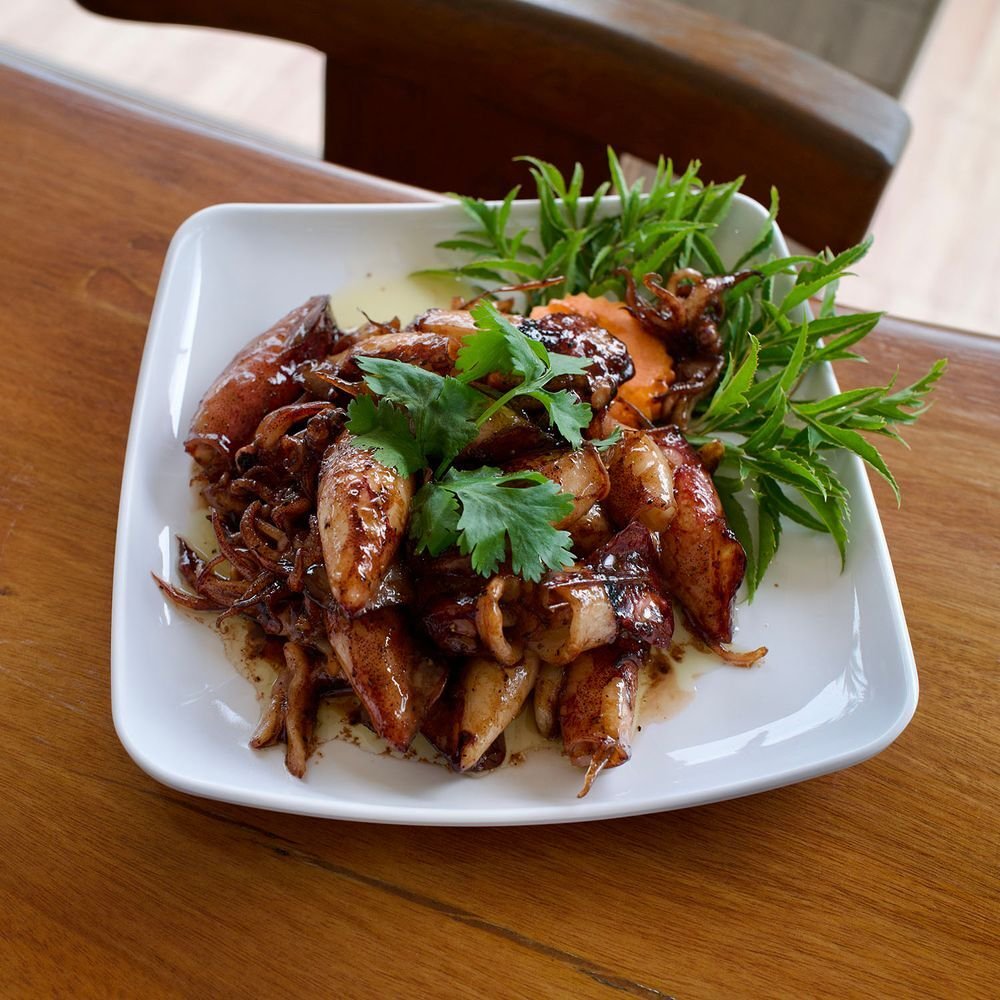
Fifty Years of Southern Thai Seafood, Without the Performance
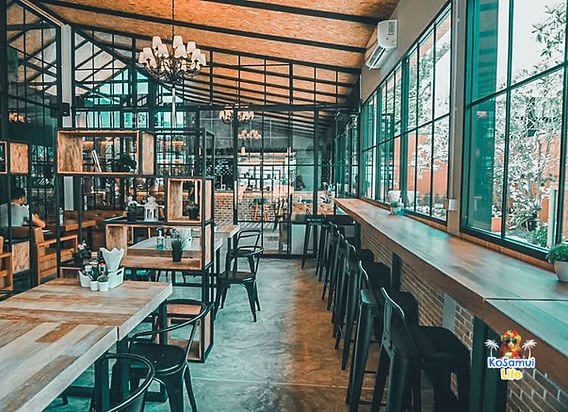
Ko Samui's seafood dining has always split between two registers: the beachside deck built for sunsets and Instagram framing, and the workhorse local table that has been feeding the same neighbourhood for decades. Ko Seng belongs firmly to the second category. The room is air-conditioned and plainly fitted — no mood lighting, no design statement, no carefully curated playlist. What arrives on the table is the point, and that table has been drawing locals and in-the-know visitors for more than 50 years.
That longevity is its own form of critical recognition. In a resort town where restaurants open and close with the tourist calendar, a half-century of continuous operation signals something that awards panels and review aggregators rarely capture as cleanly: sustained community trust. Across Southern Thailand, the restaurants that have held their ground longest tend to be the ones anchored to local ingredient networks, cooking to the preferences of a local clientele rather than dialing flavour back for foreign palates. Ko Seng fits that pattern precisely.
The Southern Thai Seafood Tradition Ko Seng Works Within
Southern Thai cooking occupies a distinct register within the broader Thai canon. Where central Thai cuisine favours the interplay of sweet, sour, and salty, the southern provinces push harder on heat, fermented shrimp paste, and spice blends that arrive with real conviction. Turmeric appears more frequently. Curries carry a different weight. Seafood, pulled from the Gulf of Thailand and the Andaman Sea, is treated with directness: cooked to order, seasoned to amplify the catch rather than reframe it.
Ko Samui sits squarely in this culinary zone, and Ko Seng expresses it without compromise. The approach here is less about refinement and more about accuracy — getting the heat right on the wok, timing the steamed fish to the minute, building a curry paste that tastes like it was made for the specific ingredients going into the pot that day. For comparison, Kapi Sator works the same Southern Thai tradition on the island, while venues like Sorn in Bangkok have taken that same regional cuisine into Michelin-starred territory. Ko Seng is doing something different: it is the source material, not the interpretation.
What Gets Ordered Here
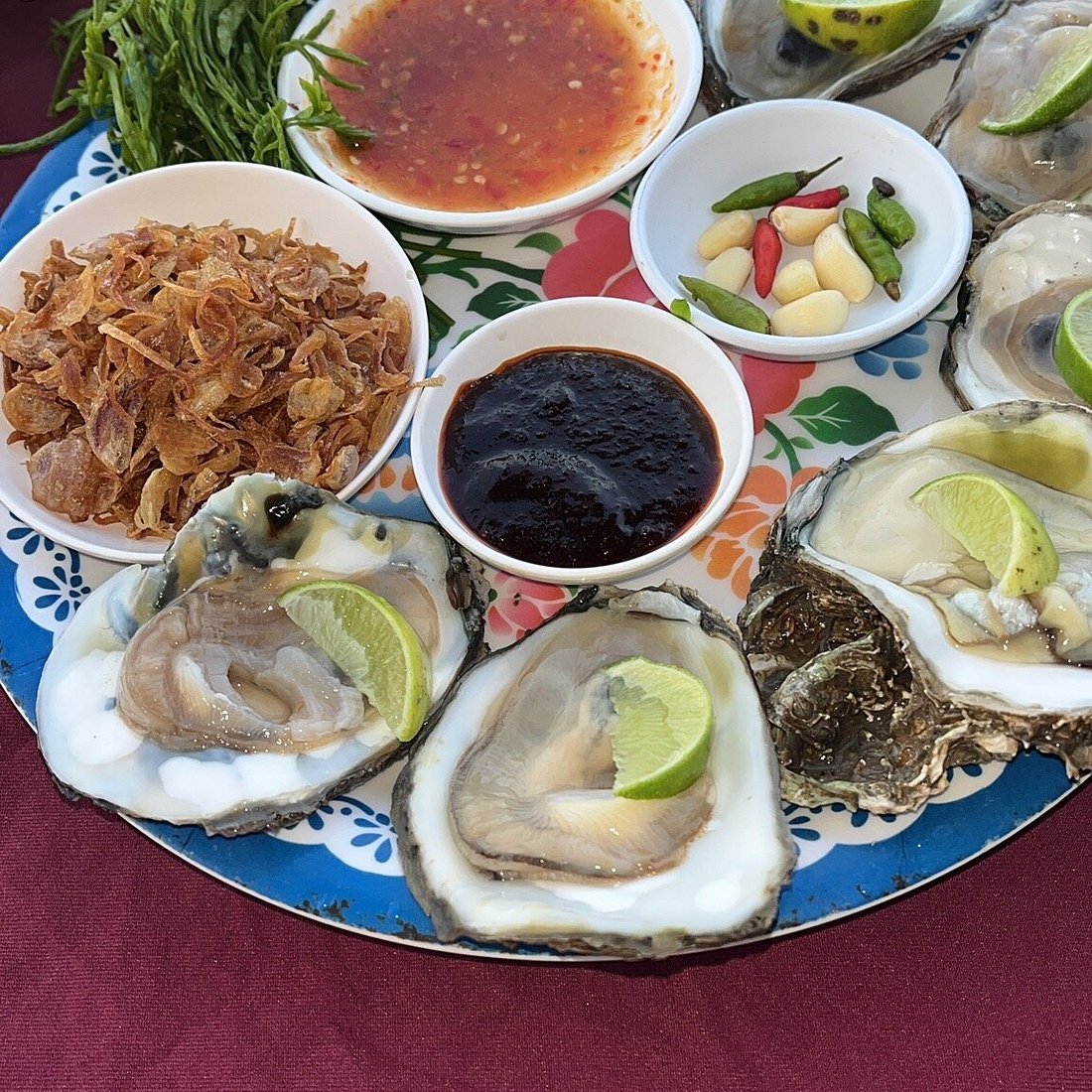
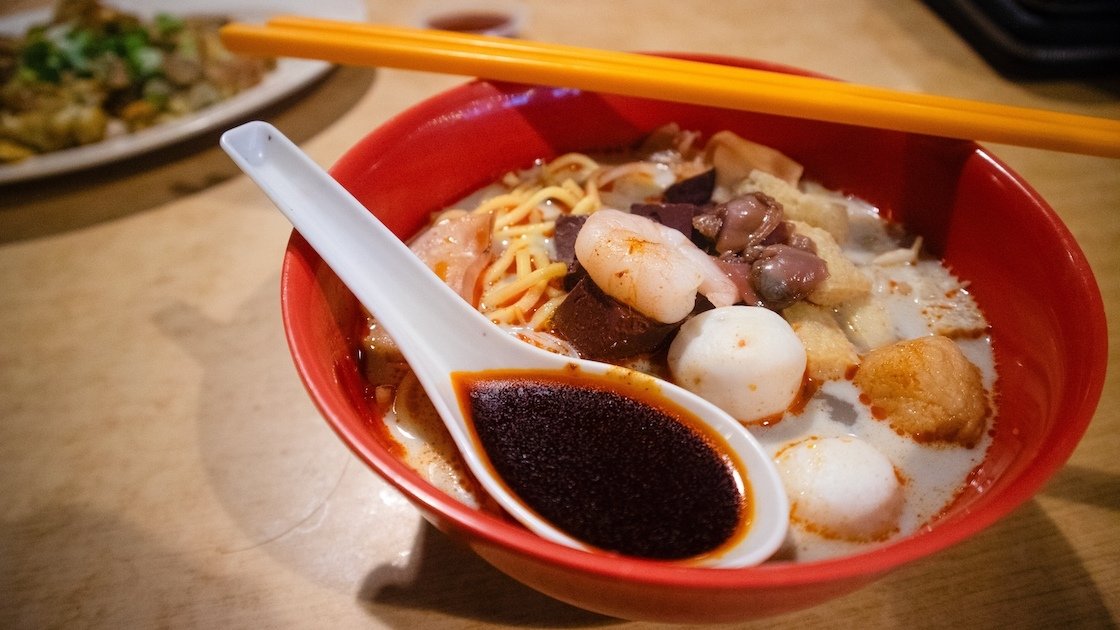
The kitchen's reputation centres on a handful of dishes that appear consistently across accounts of the place. Black pepper crab is among the most cited: a preparation that relies on the quality of the crab and the restraint of the seasoning, where too much sauce tips the dish into muddy territory and too little leaves the pepper nowhere to work. Stir-fried prawns and traditional steamed fish form the backbone of the ordering logic for those eating here for the first time.
The dish that draws the most specific attention is the Southern yellow curry of giant sea catfish roes with taro stems. This is not a preparation that appears frequently outside the southern provinces. Giant sea catfish roe has a distinctive texture and a richness that requires the curry to be calibrated carefully; the taro stems absorb the sauce and provide a contrasting note that keeps the dish from becoming heavy. It is exactly the kind of hyper-regional speciality that restaurants chasing broader appeal tend to remove from menus. Ko Seng has kept it.
Portions are generous and priced to match the setting rather than the tourist-facing end of the island's restaurant market. For context within Ko Samui's seafood scene, venues like Baan Suan Lung Khai and Bang Por Seafood Takho occupy the same general price tier, while FishHouse and Jun Hom sit at higher price points with formats oriented more toward the resort-visitor market. Ko Seng's value proposition is built on volume and consistency, not on ceremony.
Where Ko Seng Sits in the Wider Thai Seafood Conversation
The critical conversation around Thai regional cuisine has intensified considerably over the past decade. Southern Thai cooking specifically has received more international attention since Sorn in Bangkok became the first Southern Thai restaurant to earn two Michelin stars, and operations like AKKEE in Pak Kret have further established that regional Thai traditions can hold their own at the highest critical levels. In Phuket, PRU represents the farm-to-table interpretation of Thai produce in a fine dining frame.
Ko Seng operates outside that refined register entirely, but it is not unrelated to the conversation. The restaurants drawing critical attention to Southern Thai cuisine are working with the same ingredient logic and flavour architecture that venues like Ko Seng have maintained at the neighbourhood level for generations. The catfish roe curry at Ko Seng is the same tradition that a Michelin-starred kitchen in Bangkok might reframe for a tasting menu. The difference is presentation, price, and audience , not culinary philosophy.
For those whose reference points for ambitious Thai cooking include places like Aeeen in Chiang Mai or the seafood precision at Le Bernardin in New York City, Ko Seng is the opposite end of the formality spectrum while sharing a fundamental commitment to ingredient quality and culinary accuracy.
Planning a Visit
Ko Seng is located at 226/9 Moo 1, Soi Mae Nam 5, Ko Samui District, Surat Thani. The address places it in the Mae Nam area of the island's north coast, away from the main tourist concentrations around Chaweng and Lamai. Getting there almost always means a taxi, songthaew, or rented motorbike; the area is not accessible on foot from the resort zones. No website or phone number is listed in publicly available records, which means walk-in is the primary mode of arrival. Given that the restaurant has operated for over 50 years at this volume and price point, it draws a consistent local crowd, and timing visits for earlier lunch or dinner service generally avoids the longest waits.
The interior is air-conditioned and no-frills, which is a practical consideration in Ko Samui's heat. Dress code expectations are informal; this is not a venue where presentation is part of the exchange. Those planning a broader Ko Samui visit can find the full picture of the island's dining, drinking, and accommodation through our full Ko Samui restaurants guide, our hotels guide, our bars guide, our wineries guide, and our experiences guide.
Fast Comparison
A quick peer list to put this venue’s basics in context.
| Venue | Cuisine | Price | Awards | Notes |
|---|---|---|---|---|
| Ko Seng | Prioritising flavour over fuss, this modest spot has championed Thai and Souther… | This venue | ||
| Baan Suan Lung Khai | Seafood | ฿฿ | Seafood, ฿฿ | |
| FishHouse | European | ฿฿฿ | European, ฿฿฿ | |
| Kapi Sator | Southern Thai | ฿฿ | Southern Thai, ฿฿ | |
| Phensiri | Thai | ฿฿ | Thai, ฿฿ | |
| The Ranch | Steakhouse | ฿฿฿฿ | Steakhouse, ฿฿฿฿ |
Continue exploring