
Michelin Plate
Our verdict
A Michelin Plate recipient for 2024 and 2025, Klai Lib on Bangsaenlang Road in Saen Suk has built a following among younger Chon Buri diners on the strength of fresh, affordable Thai seafood. Portions run generous, seasonings lean sweet, and the deep-fried mackerel with fish sauce draws repeat visits for its contrast of crispy skin and yielding flesh.

Pearl is the En Primeur Club membership app — saves, bookings, and concierge access live there. Same editors, same standards.
- Address
- Bangsaenlang Rd 14/3, Saen Suk, Chon Buri District, Chon Buri 20130, Thailand
- Phone
- +66 87 740 9111
- Hours
- Mon 8 AM–7:30 PMTue ClosedWed–Sun 8 AM–7:30 PM
- Website
- wongnai.com
- Directions
- Get directions
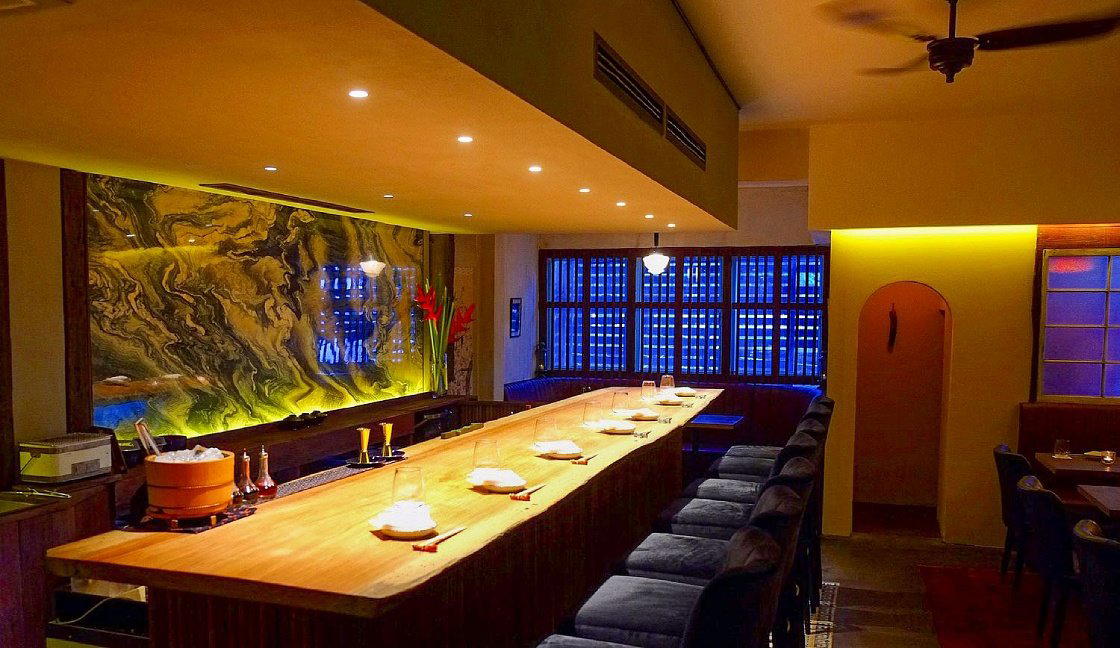
Where the Gulf Coast Meets Everyday Thai
Along the Saen Suk stretch of Chon Buri's coast, the dining vernacular is built on the same logic that shapes seafood towns across the Gulf of Thailand: proximity to water, minimal fuss, and the assumption that freshness is its own seasoning. Klai Lib sits inside that tradition at Bangsaenlang Road 14/3, occupying the budget end of a market where even the mid-range — places like Chom Tawan at ฿฿ — price themselves modestly by national standards. Here, the single-฿ positioning is not a concession but a commitment: the cooking is meant to be eaten daily, not reserved for occasions.
That kind of accessibility has historically been the domain of neighbourhood Thai tables that never sought outside recognition, operating purely on local loyalty. Klai Lib breaks from that pattern in one specific way: it carries consecutive Michelin Plate distinctions for 2024 and 2025, a signal that the quality reads beyond the immediate postcode.
The Flavour Register and What It Owes to Thai Coastal Cooking
The editorial angle that connects Klai Lib to Thailand's broader flavour map runs through sweetness, which might seem counterintuitive for a discussion usually anchored in the fire and funk of Isaan cooking. Yet sweet seasoning in Thai coastal food is not a dilution of complexity, it is a different expression of it. Where Isaan's larb and som tum deploy fermented fish, lime acid, and chilli heat as their primary instruments, Gulf Coast kitchens more often reach for palm sugar and the natural sweetness of ultra-fresh shellfish and fish as the foundation of a dish. The two registers share an insistence on intensity; they simply approach it from opposite ends of the flavour spectrum.
At Klai Lib, the documented preference for sweet seasonings places the cooking squarely in coastal rather than northeastern tradition, and the generous portion philosophy aligns with a table-sharing culture common to both. The deep-fried mackerel with fish sauce, the one dish specifically cited in Michelin's notes, illustrates the technique that this coastal register prizes: the fish sauce provides the salted, fermented counterweight that keeps sweetness from reading as flat, while the deep-frying produces the textural contrast (crispy skin, tender meat) that Thai cooks treat as a structural requirement rather than a bonus.
For readers who want to trace this flavour logic further into Thailand's regional kitchens, Sorn in Bangkok operates at the high-investment end of Southern Thai cooking, while Nahm in Bangkok and Samrub Samrub Thai in Bangkok offer reference points for the archival depth of the broader Thai canon. Aeeen in Chiang Mai shows how northern Thai cooking handles that same tension between ferment and sweetness. The Isaan angle itself has its own articulate representatives: Agave in Ubon Ratchathani works within the northeastern idiom on home territory.
The Younger-Diner Shift in Thai Casual Dining
That Klai Lib has drawn a younger demographic is consistent with a pattern visible across Thailand's secondary cities. The generation of Thai diners now in their twenties and thirties has grown up with food media, Michelin coverage in Thai cities, and the social visibility of plates. They apply that awareness to affordable local tables as readily as to destination restaurants.
This dynamic is not unique to Chon Buri, but it is particularly legible there. The province sits close enough to Bangkok for weekend traffic while maintaining its own coastal identity distinct from the resort-driven hospitality of further south. Compare the category with what Krua Laew Tae R-Rom, Jay Jew Talew Bin, and Pladids represent in the same city, and Lung Shall Kitchen offers another data point for how the ฿ tier across Chon Buri handles volume and recognition simultaneously.
Ordering Logic and Sharing Format
The generous-portion, sharing-table format at Klai Lib is the correct approach for this style of cooking. Thai coastal seafood at this price tier is built for groups: individual ordering tends to miss the cumulative effect of contrasting dishes arriving simultaneously, the deep-fried against the steamed, the sweet-seasoned against something with chilli lift. The mackerel with fish sauce functions as an anchor, producing the crunch and salt that keeps lighter preparations in balance. Build the table around it rather than treating it as one of several equal choices.
For reference on how Thai seafood cooking at higher investment levels handles similar ingredients and techniques, AKKEE in Pak Kret and PRU in Phuket occupy markedly different positions in the Thai dining spectrum, while The Spa in Lamai Beach shows how island coastal traditions handle similar source ingredients under different hospitality conditions.
Planning a Visit
Klai Lib is at Bangsaenlang Road 14/3 in Saen Suk, Chon Buri District. The ฿ price range means a table for two eating generously remains accessible by any measure. No booking method is listed in available data, which for a casual Thai seafood table of this profile typically points toward walk-in. Arriving early or outside peak weekend lunch hours is the practical hedge against waiting. For anyone building a longer stay around Chon Buri's dining and hospitality, our full Chon Buri restaurants guide maps the broader scene, while the Chon Buri hotels guide, bars guide, wineries guide, and experiences guide cover the full province.
Frequently asked questions
What's the pricing like at Klai Lib?
Pricing at Klai Lib is listed as ฿.
What's Klai Lib known for in terms of accolades?
Klai Lib has received recognition including: Attracting younger diners, this eatery has a reputation for fresh, affordable Thai seafood of uncompromising quality. The generous portions with sweet seasonings are good for sharing; the deep-fried mackerel with fish sauce is a must for it….
What's the signature dish at Klai Lib?
The deep-fried mackerel with fish sauce is the dish Michelin cited in both its 2024 and 2025 Plate recognitions of Klai Lib. The preparation delivers crispy skin alongside tender flesh, with fish sauce providing the saline counterpoint characteristic of Gulf coast seasoning. It's the order to anchor a shared table.
Accolades, Compared
| Venue | Cuisine | Price | Awards |
|---|---|---|---|
| Klai LibThis venue — the venue you are viewing | Modern Thai Seafood | $10–20 | Michelin Plate |
| Krua Laew Tae R-Rom | Traditional Thai Seafood | $10–20 | Michelin Bib Gourmand |
| La Voi | Thai Beef Noodle Soup | Not listed | Michelin Bib Gourmand |
| Chom Tawan | Modern Coastal Thai Seafood | Not listed | Michelin Plate |
| Khao Lam Mae Khai Toon Klao | Thai Street Food Dessert | Not listed | Michelin Bib Gourmand |
| Noodles Soi 12 (Ban Suan) | Thai Noodle Shop | $1–10 | Michelin Plate |
Recognition history
Dated appearances from independent guides and award organizations, with the underlying list record or original source where available.
Michelin Plate
Michelin
Full recognition history (3 entries)
Michelin Plate
Michelin
Michelin Plate
Michelin
Continue exploring
More in Chon Buri
Restaurants in Chon Buri
Browse all →
Bars in Chon Buri
Browse all →
Details
- Lively
- Modern
- Trendy
- Elegant
- Group Dining
- Casual Hangout
- Open Kitchen
- A La Carte
- Small Plates
Current opening hours
- Monday
- 8 AM–7:30 PM
- Tuesday
- Closed
- Wednesday
- 8 AM–7:30 PM
- Thursday
- 8 AM–7:30 PM
- Friday
- 8 AM–7:30 PM
- Saturday
- 8 AM–7:30 PM
- Sunday
- 8 AM–7:30 PM
Hours can change for holidays and private events. Last verified .
Sleek finishes, warm lighting, youthful energy with attentive unintrusive service.