KKINI
KKINI occupies a low-key address on Fortess Road in Kentish Town, NW5, a part of north London where the dining scene tends toward neighbourhood intimacy rather than destination spectacle. The menu architecture here positions it squarely within the city's growing tier of restaurants where what ends up on the plate is the argument, not the room or the résumé surrounding it.
Pearl is the En Primeur Club membership app — saves, bookings, and concierge access live there. Same editors, same standards.
- Address
- 131 Fortess Rd, London NW5 2HR, United Kingdom
- Phone
- +442074850369
- Website
- ikejudy00.wixsite.com
- Directions
- Get directions
 Saves & bookings on Pearl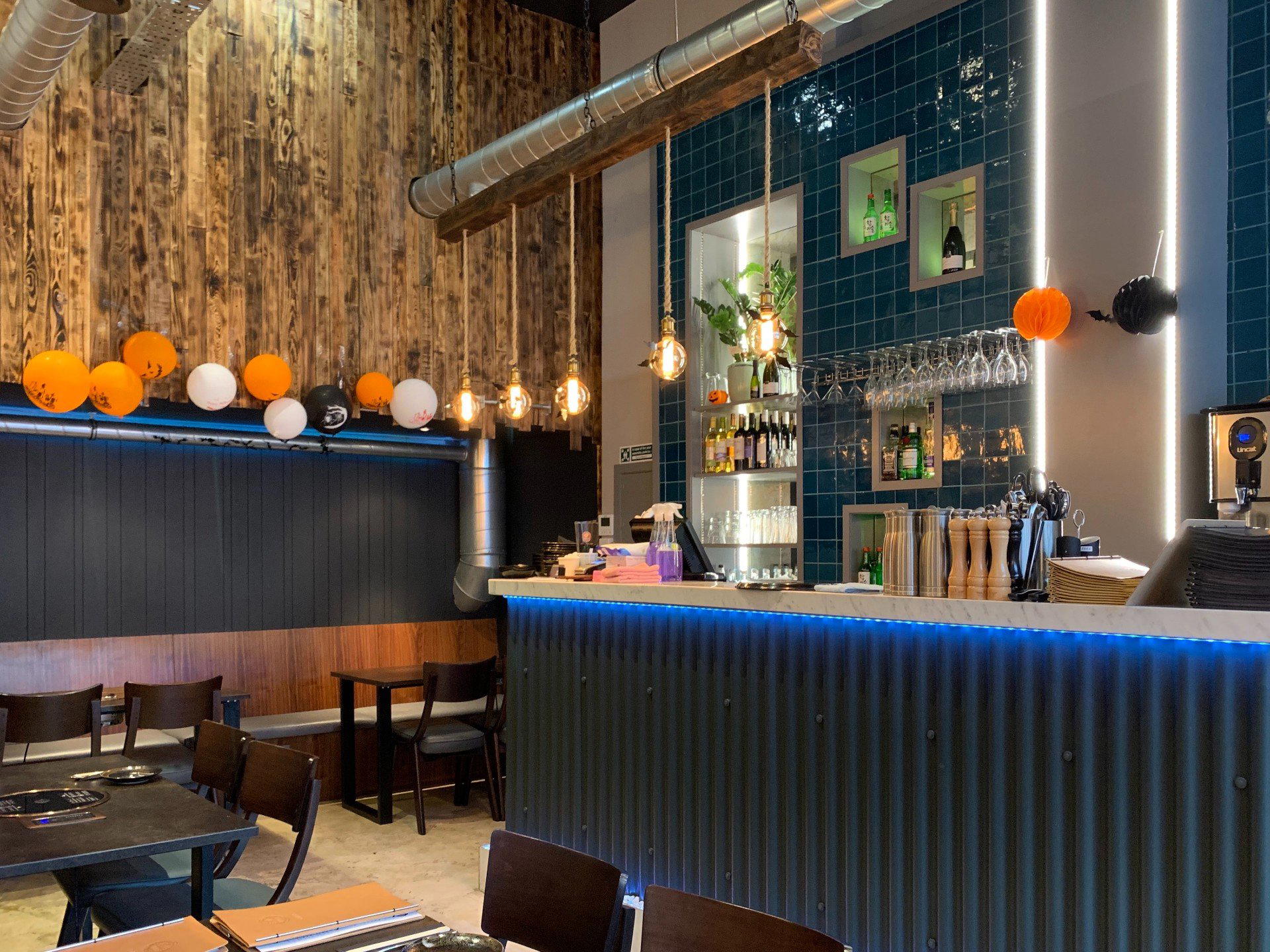
Fortess Road and the North London Dining Tier
Kentish Town sits in an interesting position within London's restaurant geography. It is close enough to the better-mapped dining corridors of Highgate and Primrose Hill to draw comparison, but distinct enough in character to operate outside the usual critical spotlight. Fortess Road in particular attracts restaurants that rely on neighbourhood loyalty and word-of-mouth momentum rather than zone-one foot traffic, which shapes the kind of cooking that tends to settle there. The expectation from a regular at this postcode is different from the one walking into CORE by Clare Smyth or Sketch, The Lecture Room and Library: less ceremony, more directness, an implicit understanding that the food is the proposition.
KKINI, at 131 Fortess Road, operates within that framework. The address alone signals something about the register: NW5 is not a postcode that trades on prestige, and a restaurant choosing it is making an argument about where its priorities sit. In a city where so much of the conversation around serious dining gravitates toward Mayfair, Chelsea, and the City, there is an identifiable strand of restaurants that have deliberately stayed north of that current. KKINI belongs to that strand.
Reading the Menu as a Document
One useful way to understand a restaurant at this level is to treat the menu not as a list but as a position statement. How many courses? How wide is the range? Does the kitchen concentrate or scatter? In London's current competitive environment, the answer to those questions places a restaurant on a spectrum running from broad brasserie to tight tasting-menu counter. The city's most discussed venues at the summit of the market, from The Ledbury to Dinner by Heston Blumenthal, make strong structural choices that communicate their intent immediately. KKINI operates at a different scale, but the same logic applies: the shape of what is offered tells you what the kitchen believes in.
The venue's decision to trade from a neighbourhood north London address, rather than chase a higher-profile location, is itself a structural statement. Restaurants that succeed on Fortess Road do so because the cooking justifies repeat visits from locals who have options. That dynamic rewards specificity and consistency over novelty cycles. It is a harder test in some ways than the destination model, where a single visit from a well-travelled diner might carry more weight than the returning regular.
Where KKINI Sits in the London Picture
London's restaurant scene has fractured along several lines over the past decade. At one end, the £££££-tier tasting-menu counters compete for award recognition and international bookings, a cohort that includes venues like Restaurant Gordon Ramsay and the addresses that draw comparison to the UK's wider fine-dining circuit, from Waterside Inn in Bray to L'Enclume in Cartmel. At the other end, a dense casual tier runs across most London postcodes. Between those poles sits a middle band of restaurants with genuine cooking ambition operating at neighbourhood scale, and that is the band KKINI appears to occupy.
That middle band is where London's most interesting dining development is happening right now. The neighbourhood-tier restaurant that builds a consistent following over time without significant PR support is rarer and, in some ways, more instructive about what a city's eating culture actually looks like day to day. Comparisons beyond London are useful here too: the kind of quiet, serious restaurant that earns its place through repeated quality rather than announcement is a type well understood in cities like New York, where venues such as Atomix built recognition methodically. The geography differs, but the logic translates.
The Kentish Town Context
NW5 and its immediate surroundings have a dining character worth understanding on its own terms. The area draws a population with genuine interest in eating well but limited appetite for theatre or formality. That shapes the restaurants that survive there. A room that works on Fortess Road tends to be approachable in atmosphere without being careless in execution, the kind of place where the host knows returning faces and the kitchen does not change the menu entirely every few weeks on a novelty schedule.
This stands in contrast to the competitive logic operating further south and west, where restaurants like Midsummer House in Cambridge or Opheem in Birmingham have built destination followings by combining serious technique with award-facing ambition. KKINI's context is more local in orientation. That is not a criticism; it describes a different competitive logic, one where the floor counts are set by neighbourhood demand rather than booking queues driven by media coverage.
Planning a Visit
Fortess Road is accessible via Kentish Town station on the Northern line, placing it within direct reach of central London. Given its recommended reservation policy, booking ahead is sensible, particularly for groups or dietary requirements. For broader context on where KKINI sits within the city's wider dining picture, Fortess Road offers a local dining option in north London.
Le Manoir aux Quat'Saisons in Oxford, Moor Hall in Aughton, Gidleigh Park in Chagford, Hand and Flowers in Marlow, hide and fox in Saltwood, and Restaurant Andrew Fairlie in Auchterarder. KKINI, at its NW5 address, sits within that broader story as a neighbourhood-anchored point in a city that is still producing interesting cooking in places that do not make the obvious lists. Le Bernardin in New York City demonstrates what sustained neighbourhood-to-institution trajectories can look like when a kitchen earns its reputation over time rather than through a single opening moment. It is a different scale and context, but the underlying principle, that restaurants which survive by consistent quality tend to tell more durable stories than those built on launch-period momentum, applies across cities.
Reputation First
Comparable venues nearby, for context on price, style, and recognition.
| Venue | Cuisine | Price | Notes |
|---|---|---|---|
| KKINIThis venue — the venue you are viewing | Korean BBQ | $$ | Not listed |
| Caponata | Sicilian Italian | $$ | Camden Town |
| Bao Fitzrovia | Modern Taiwanese Bao Buns | $$ | Fitzrovia |
| Honest Burgers Oxford Circus | British Gourmet Burgers | $$ | Fitzrovia |
| Co&Ko | Modern Korean Tapas | $$ | Soho |
| Grand Bazaar | Authentic Turkish Meze and Grill | $$ | Marylebone |
Continue exploring
More in London
Restaurants in London
Browse all →
Bars in London
Browse all →
Hotels in London
Browse all →

At a Glance
- Cozy
- Trendy
- Lively
- Family
- Group Dining
- Casual Hangout
- Open Kitchen
Current opening hours
- Monday
- 12–3 PM, 6–10:30 PM
- Tuesday
- Closed
- Wednesday
- 12–3 PM, 6–10:30 PM
- Thursday
- 12–3 PM, 6–10:30 PM
- Friday
- 12–3 PM, 6–10:30 PM
- Saturday
- 12–3:30 PM, 6–10:30 PM
- Sunday
- 12–3:30 PM, 6–10:30 PM
Hours can change for holidays and private events. Last verified .
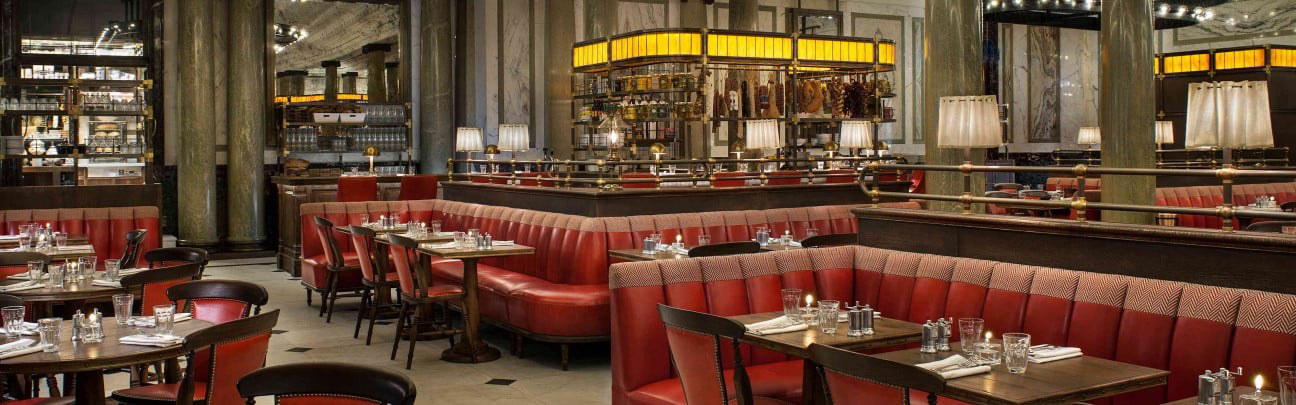
Moody industrial space with simple stylish decor cozy atmosphere and table grills creating a lively busy vibe.