
Kita Mura places Osaka’s sukiyaki tradition in the dense dining grid of Higashishinsaibashi, where evening-only specialist restaurants sit close to the city’s retail and nightlife axis. Its Tabelog 100 Hot Pot 2024 selection and private-room format position it in a focused category: Japanese sweet-soy hot pot treated as a destination dinner rather than a casual shared pot.
Pearl is the En Primeur Club membership app — saves, bookings, and concierge access live there. Same editors, same standards.
- Address
- 1 Chome-16-27 Higashishinsaibashi, Chuo Ward, Osaka, 542-0083, Japan
- Phone
- +81 6-6245-4129
- Website
- shimizu.or.jp
 Saves & bookings on Pearl
After dark, Higashishinsaibashi changes quickly: shopping streets become tighter lanes, small signs, and reservation-led dining rooms. Here, sukiyaki sits apart from the louder, faster Osaka food image. The ritual is slower, enclosed, and formally paced. Kita Mura belongs to this side of the neighbourhood, where hot pot is not an add-on to a night out but the reason to cross town.
Osaka’s food reputation is often reduced to speed and immediacy, from takoyaki counters to department-store basements, but the city also has a serious tradition of single-discipline restaurants. Sukiyaki fits that tradition because the format depends on control: heat, sweetness, fat, soy, egg, and timing must stay balanced. Selection for Tabelog 100 Hot Pot 2024 matters because the restaurant is judged within a narrow field, not a broad Japanese-dining category. It signals relevance among specialists, not general popularity.
Shinsaibashi sukiyaki, away from the snack-route version of Osaka
The location matters because Shinsaibashi is not a quiet culinary enclave. It is Osaka’s retail and entertainment corridor, with visitors moving between Dotonbori, Nagahoribashi, and the wider Chuo Ward dining circuit. In that setting, a private-room sukiyaki restaurant creates a different tempo from the streets: not spectacle, but a shift from public bustle to a contained table around one shared pot.
Sukiyaki in Japan has long carried occasion because it turns beef into a communal sequence rather than an individual plate. Kansai-style sukiyaki is often associated with direct seasoning in the pan; Kanto-style versions lean more on warishita, the prepared sauce base. Osaka diners value the immediacy of the cooking process, and a Higashishinsaibashi specialist must satisfy guests who know the difference between generic hot pot and a properly managed sweet-soy beef dinner.
Kita Mura’s public category is precise: sukiyaki, Japanese sweet soy hot pot. That specificity helps travellers choose between Osaka dinner formats. This is not the same decision as casual pork buns at 551 Horai (551蓬莱), bakery stops such as 52CHO-ME BAKERY, or contemporary Italian at a canto (Italian). It belongs to a more deliberate evening category, closer to the city’s reservation-led Japanese dining than its walk-up eating culture.
What the hot-pot recognition actually tells you
Tabelog’s Hyakumeiten lists are useful because they split restaurants by category. A Hot Pot 2024 selection places Kita Mura inside a competitive sukiyaki and shabu-shabu field rather than beside sushi counters, kappo rooms, or ramen shops. For visitors, the distinction is practical: Osaka has many places to eat well, but far fewer where the full dinner is built around Japanese beef hot pot as the central form.
The price band puts the meal above casual hot pot but below the city’s highest ceremony-driven counters. That middle-premium position is often where sukiyaki is strongest: generous, social, and old-fashioned without the silence and choreography of omakase. Meiji Ken occupies a far lower everyday bracket in Osaka, while Grill Baranoki sits in a different casual-dinner range; those comparisons show the restaurant is not competing for the same night. Sui Okazaki, another Japanese option in the city, points to the broader reservation-led side of Osaka dining, where format and pacing matter as much as cuisine label.
The absence of a named chef narrative is not a weakness. Sukiyaki is tradition-led, and credibility rests less on authorial cooking than on sourcing discipline, room format, heat management, and consistency. Private rooms reinforce that older dining grammar: the table becomes the unit of experience, and the restaurant keeps the sequence controlled rather than theatrical.
For travellers mapping Osaka beyond one dinner, this address benefits from contrast. Pair a sukiyaki evening with a separate day of bakeries, coffee, or casual street-adjacent eating for a clearer read on the city than chasing one style. Nearby and broader Osaka planning can sit alongside .cafe, 99 Pizza Napoletana Gourmet, and Our full Osaka restaurants guide. For a fuller itinerary, the city also rewards attention to Our full Osaka hotels guide, Our full Osaka bars guide, Our full Osaka wineries guide, and Our full Osaka experiences guide.
Who should choose this over another Osaka dinner
The restaurant makes clearest sense for diners who want one focused Japanese form rather than a survey of small plates. The decision is less about novelty than committing to sukiyaki as the evening’s structure. It suits travellers who have already covered Osaka’s faster food rituals and want more privacy, less street energy, and a stronger sense of old urban dining custom.
It also corrects the idea that Osaka dining is only informal. The city’s appetite for everyday food is real, but its specialist rooms tell another story: precise formats, narrow categories, and long-established expectations for how a meal unfolds. The restaurant is not an outlier. It is part of a quieter Osaka lineage, rewarding diners who understand that the city’s depth is found as much behind closed room doors as under neon.
Travellers building a Japan-wide food route can use the comparison more broadly. Sukiyaki in Kamakura at -Grilled beef Sukiyaki- KAMAKURA TANUKIAN 鎌倉 たぬき庵 in Kamakura frames the dish through another regional setting, while places such as. 鮪と炭火焼き うお炭 秋葉原店 in Tokyo.know in Kumamoto, (Shoku) Vietnam in Kawasaki, [Curry Senmon Ten] Maruyama Kyoju. in Sapporo, and [ki:] in Kyoto show how tightly specific formats can define a meal across Japan. Even outside Japan, focused Japanese drinking and casual formats, from Jōdo Saké Bar in Los Angeles to Onigiri Time in Pasadena, prove the same point: narrow categories often travel better than broad restaurant labels.
The editorial verdict is simple. Choose the restaurant when the night calls for Osaka sukiyaki with recognition in its own specialist field, a Shinsaibashi location that contrasts sharply with the street outside, and a meal that treats hot pot as a formal dinner rather than a shared add-on. For a city too often described through speed, it offers a slower and more revealing read.
Credentials Lens
Comparable venues in the metro at similar price points.
| Venue | Cuisine | Price | Notes |
|---|---|---|---|
| Kita MuraThis venue — the venue you are viewing | Traditional Kansai-style Sukiyaki | $$$$ | Not listed |
| Pegopa | High-end Yakiniku & Horumon | $$$$ | Nishi |
| Niku Kappou Yamaguchi | Meat Kappo | $$$$ | Kita |
| Tori Ichi | Traditional Osaka Yakitori & Chicken Dishes | $$$ | Chūō |
| Nikushou Nakata Honten | High-End Wagyu Yakiniku & Steak | $$$$ | Chūō |
| Kitashinchi Yamagata Ya | Japanese Yakiniku | $$$ | Kita |
Recognition history
Dated appearances from independent guides and award organizations, with the underlying list record or original source where available.
Tabelog 100 #76 · No. 76
Tabelog · Tabelog 100 - Hot Pot - 2024
Continue exploring
More in Osaka
Restaurants in Osaka
Browse all →




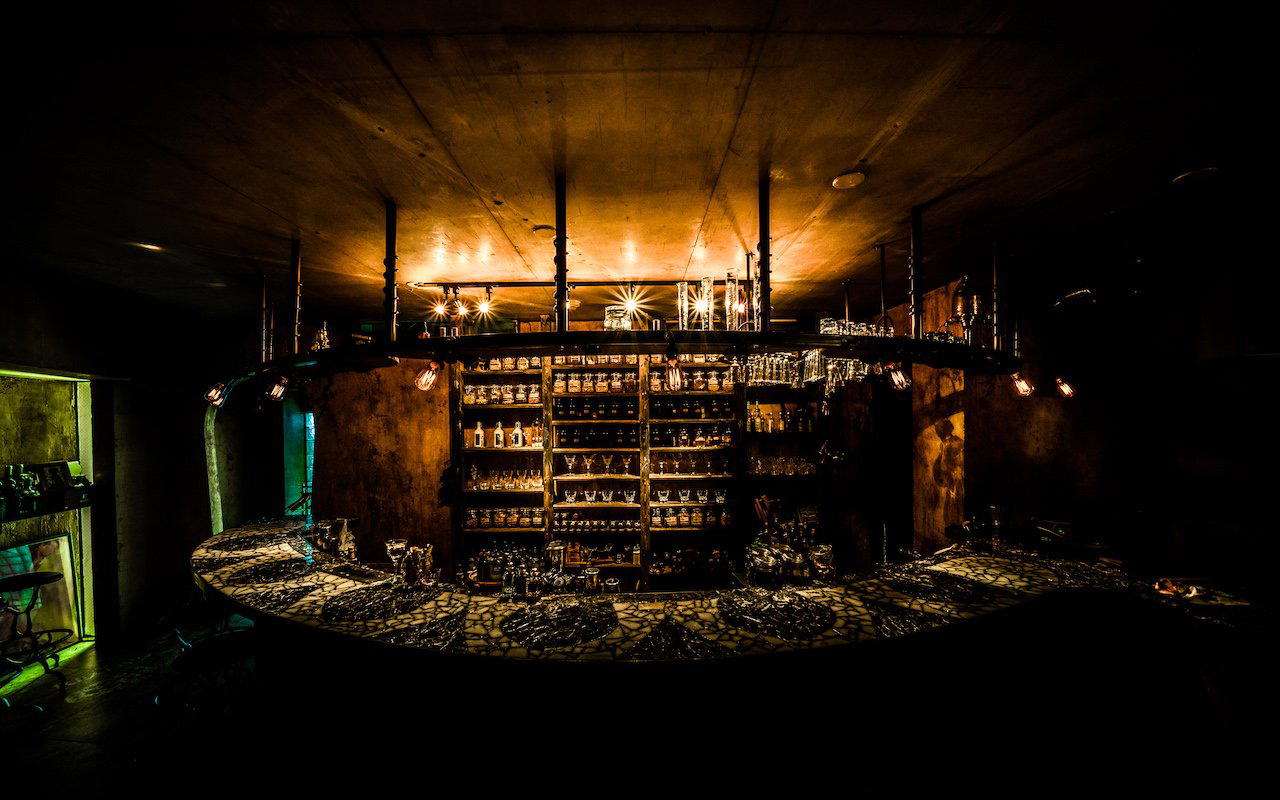
Bars in Osaka
Browse all →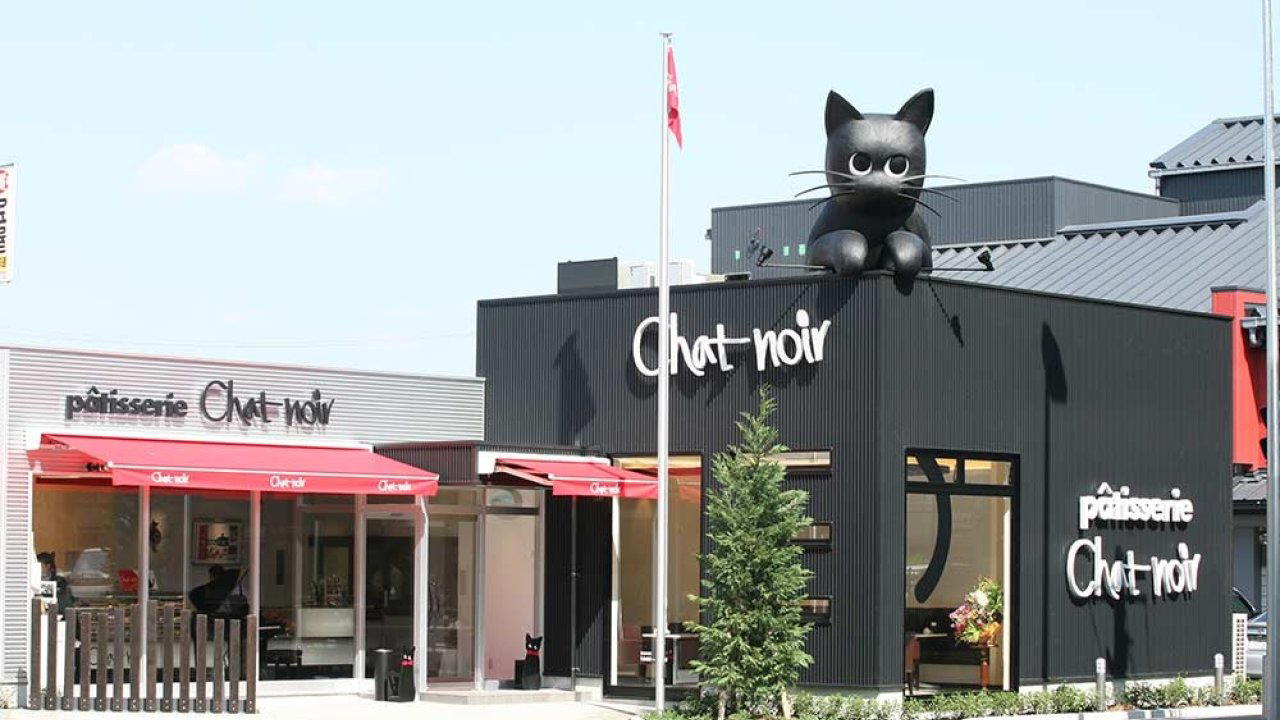

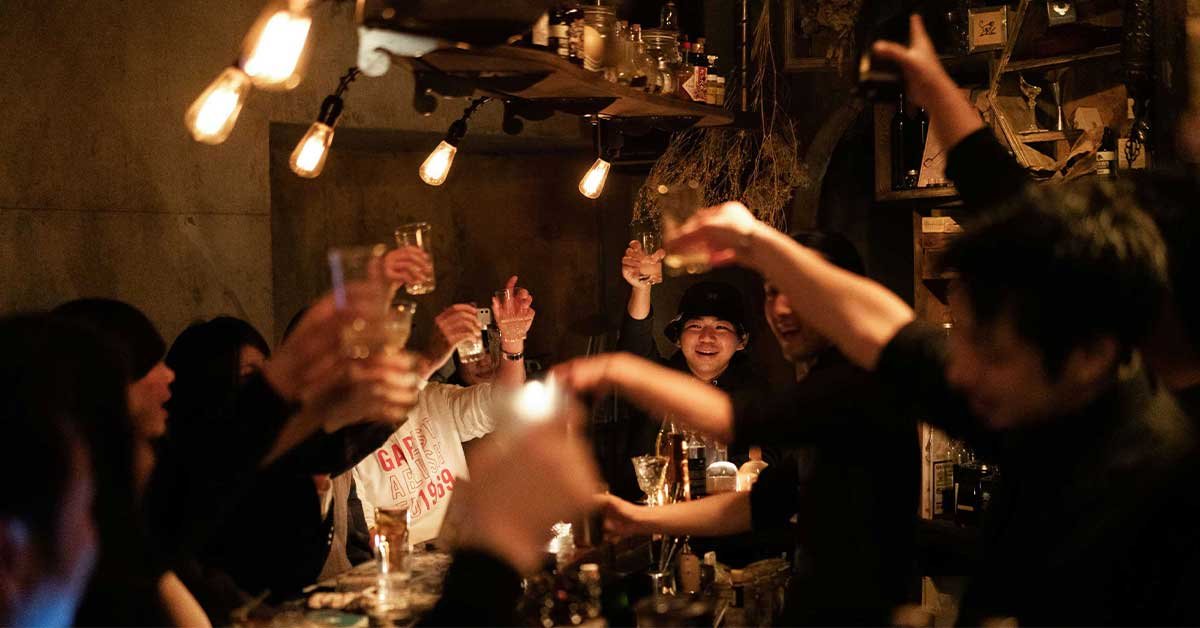
Hotels in Osaka
Browse all →
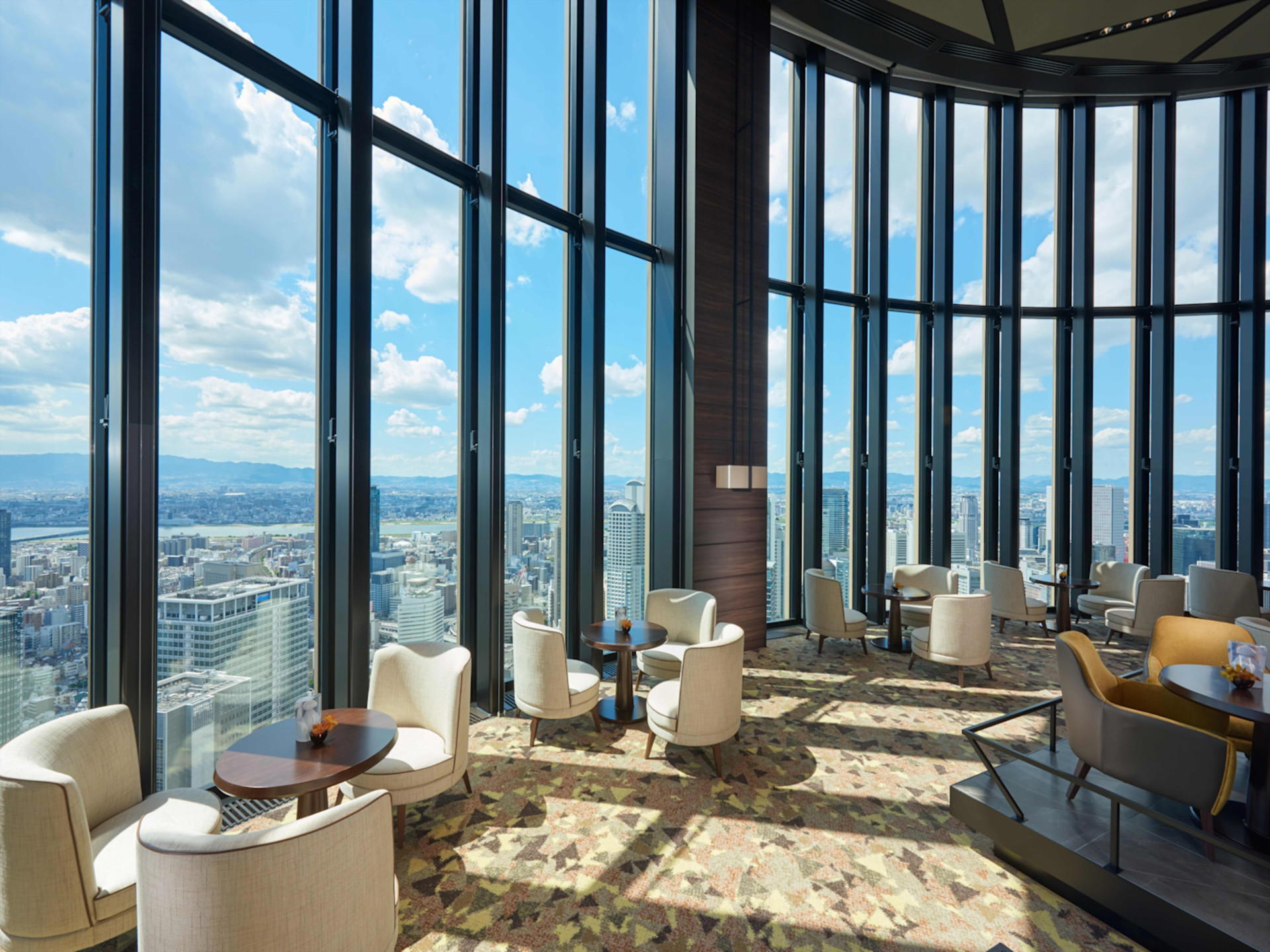



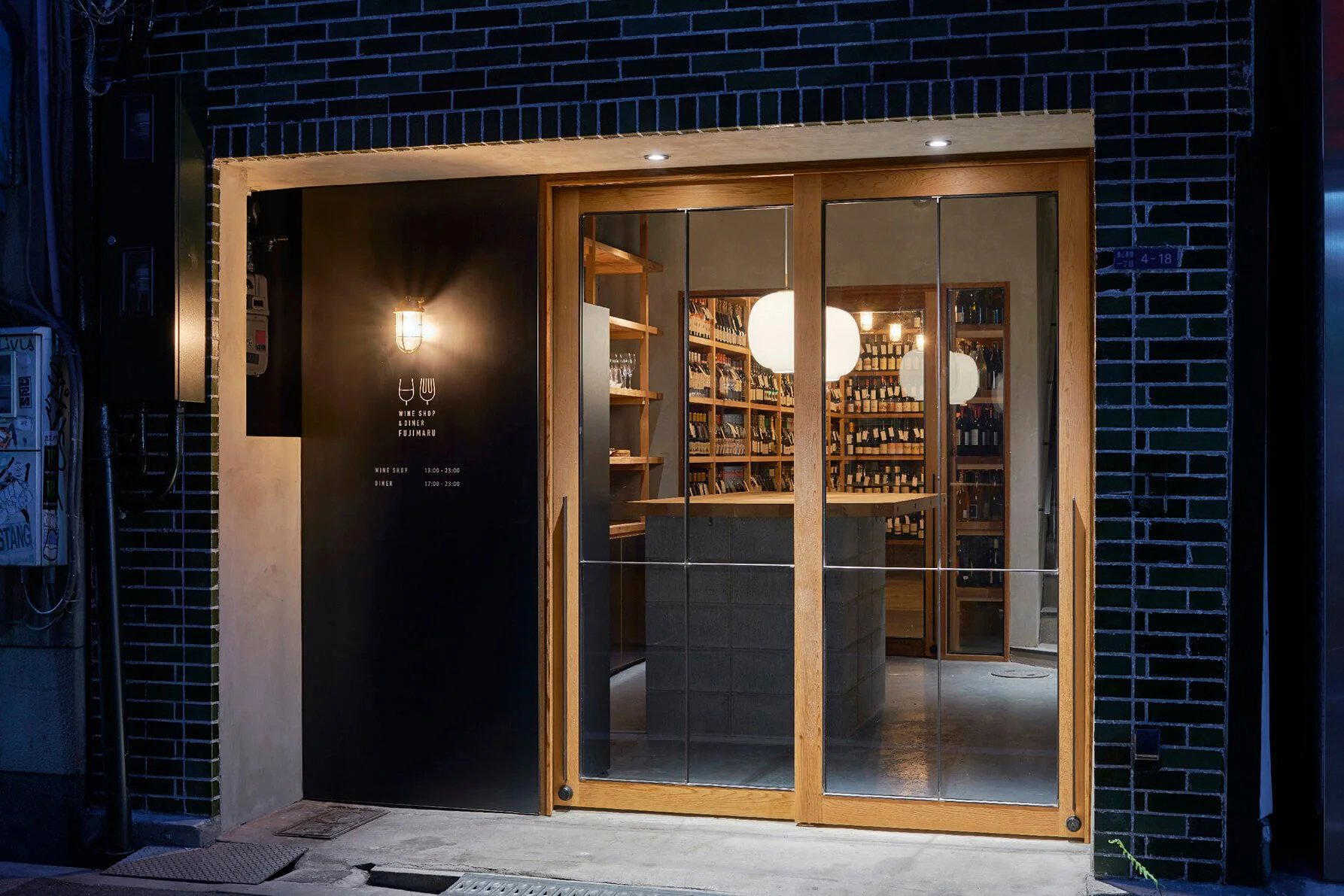
Wineries in Osaka
Browse all →
At a Glance
- Classic
- Elegant
- Intimate
- Well Known
- Cozy
- Sophisticated
- Business Dinner
- Group Dining
- Special Occasion
- Celebration
- Date Night
- Private Event
- Private Dining
- Historic Building
- Design Destination
- Standalone
- Sake Program
- Local Sourcing
Current opening hours
- Monday
- 4:30–9:50 PM
- Tuesday
- 4:30–9:50 PM
- Wednesday
- 4:30–9:50 PM
- Thursday
- 4:30–9:50 PM
- Friday
- 4:30–9:50 PM
- Saturday
- 4:30–9:50 PM
- Sunday
- Closed
Hours can change for holidays and private events. Last verified .
Refined and quietly elegant, with sukiya-style and tatami rooms that feel like a classic ryotei; lighting is warm and subdued, creating an intimate, old-Osaka atmosphere suited to calm, unhurried meals and business entertainment.