
Pegopa is a six-seat counter in Kitahorie that places Osaka yakiniku in a higher-spend, reservation-only frame. Its Tabelog 100 - Yakiniku - WEST - 2025 selection and compact format point to a dinner built around concentration rather than scale, with tripe listed alongside Japanese barbecue as part of the house’s identity.
Pearl is the En Primeur Club membership app — saves, bookings, and concierge access live there. Same editors, same standards.
- Address
- Japan, 〒550-0014 Osaka, Nishi Ward, Kitahorie, 1 Chome−2−16 おおきにサイタ サイタビルヂング 102
- Website
- tabelog.com
 Saves & bookings on Pearl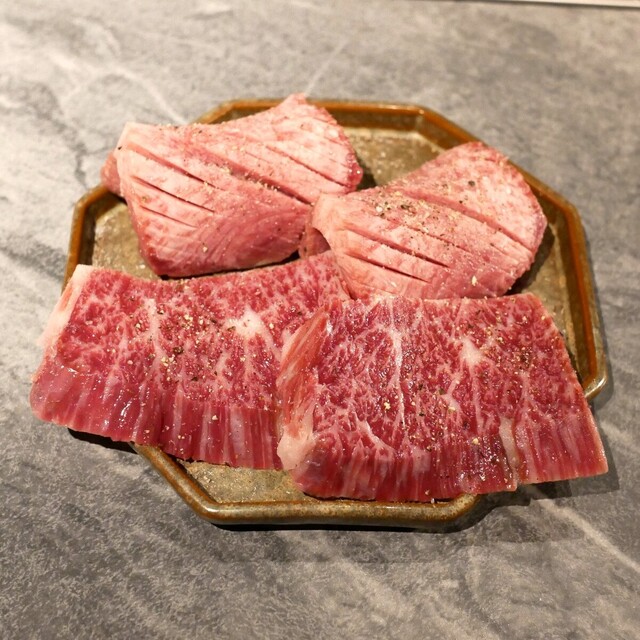
After dark, Kitahorie shifts fast: fashion stores thin, side streets quieten, and dinner crowds divide between casual Americana, curry, coffee, and small counters requiring advance planning. Pegopa sits in that last lane. Its six counter seats turn yakiniku from a table-party meal into a chef-facing tasting rhythm, without sushi or kappo ceremony.
That matters in Osaka, where beef spans price and ambition within blocks. Yotsubashi and Amerikamura can be inexpensive and quick, as at Chaos Spice Diner Yotsubashi amerikamura ten or GUFO, or suited to everyday lunch and late-afternoon grazing, as with MONDIAL KAFFEE 328 and CRITTERS BURGER. Pegopa is smaller, tighter, and more deliberately rationed. The question is not whether it is cheap, but whether control, pacing, and product focus justify choosing a six-seat yakiniku counter over a larger grill room.
Six seats turn yakiniku into a controlled counter meal
Yakiniku is often judged by abundance: cuts in waves, smoke over the table, sauces and sides sharing the work. At a counter this small, the grammar changes. The kitchen cannot hide behind volume, and guests cannot disappear into a large dining room. Each seat becomes service architecture, so the six-seat figure is not trivia; it defines the value proposition.
The category listing, Japanese BBQ and tripe, places Pegopa in a meat-specialist lane rather than a general Osaka dining slot. Offal has serious standing in western Japan’s grilling culture, especially in Kansai, where horumon has long carried economic and culinary weight. In a premium counter setting, that tradition shifts from quantity to selection, sequence, and heat management. Pegopa’s 2025 selection for Tabelog 100 - Yakiniku - WEST gives the format external recognition in a dense regional category with unusually fluent local diners.
Osaka’s higher-spend dining tends to reward either extreme intimacy or extreme clarity. Sushi counters make that obvious, but yakiniku counters have their own logic: guests pay for a narrower room, fewer seats, and less tolerance for inconsistency. Ryobo, listed in a lower dinner band among nearby comparison venues, shows the neighborhood can support serious meals without the same pricing tier. Pegopa asks for more commitment, argued through concentration: six seats, reservation-only access, no private rooms, and a no-smoking environment that keeps attention on the grill.
The Kitahorie context: Osaka value is not only about low prices
Osaka is often reduced to takoyaki, okonomiyaki, and street appetite, but better dining decisions here are about calibration. A traveler can eat brilliantly for little, then spend heavily on a meal less about variety than editing. That range appears across the city, from 551 Horai (551蓬莱) on the local comfort-food circuit to a canto (Italian) and 99 Pizza Napoletana Gourmet, non-Japanese formats competing on craft rather than novelty.
Pegopa is not an all-purpose recommendation. It suits diners who understand yakiniku as more than beef on a grill, and who value counter discipline over the social looseness of a group barbecue table. No private rooms reinforces the point: not a sprawling corporate dinner, but a compact, meat-focused reservation where the seat is part of the purchase.
Its November 2024 opening makes the 2025 Tabelog 100 selection especially useful. New Japanese restaurants can draw early attention, but category recognition in a specialist field is a stronger cue than novelty. The 3.75 Tabelog score adds a public marker, though the structural facts tell more: six seats, reservation-only operation, and a category including tripe rather than generic barbecue. Those separate it from places where beef is only one option.
For a broader Osaka plan, place the decision beside the itinerary. A high-focus counter dinner pairs badly with an overloaded food crawl, but works after a lighter day around Nishi Ward, Shinsaibashi, or Namba. Start with Our full Osaka restaurants guide; for the trip beyond dinner, use Our full Osaka hotels guide, Our full Osaka bars guide, Our full Osaka wineries guide, and Our full Osaka experiences guide.
How to read the spend before committing
At this level, value is fit. Diners wanting a loud, flexible yakiniku night with multiple rounds and a broad group may find six seats too narrow. Diners wanting a controlled Osaka meat dinner, with offal in the conversation and recognition from Tabelog’s 2025 western Japan yakiniku list, have a clearer case. Plan cash: cards, electronic money, and QR payments are not accepted.
The better comparison is not a bargain restaurant but a specialist seat. Across Japan, small counters teach diners to pay for scarcity, pacing, and proximity to the work. The logic extends beyond beef: a tiny bakery such as 52CHO-ME BAKERY, a compact cafe such as.cafe, or a focused counter in another city can command attention beyond its footprint. The question is whether the format matches the appetite.
Readers comparing Japan dining styles across cities can look outward: -Grilled beef Sukiyaki- KAMAKURA TANUKIAN 鎌倉 たぬき庵 in Kamakura frames beef through sukiyaki. 鮪と炭火焼き うお炭 秋葉原店 in Tokyo pushes toward tuna and charcoal.know in Kumamoto and (Shoku) Vietnam in Kawasaki show how regional cities carry specialist formats, and [Curry Senmon Ten] Maruyama Kyoju. in Sapporo points to another Japanese obsession built around focus. Kyoto’s [ki:] in Kyoto, Los Angeles’ Jōdo Saké Bar in Los Angeles, and Pasadena’s Onigiri Time in Pasadena extend the lesson: compact concepts travel well when disciplined.
Pegopa’s appeal is precise, not broad: a small Osaka yakiniku counter with recognized 2025 western Japan standing, narrow seat count, and spend demanding intention. Choose it for a focused meat dinner, not casual grazing across the city.
Awards and Standing
Comparable venues at a glance for context.
| Venue | Cuisine | Price | Notes |
|---|---|---|---|
| PegopaThis venue — the venue you are viewing | High-end Yakiniku & Horumon | $$$$ | Not listed |
| Tempura Ando | Contemporary Tempura Omakase | $$$$ | Chūō |
| Pome | Modern Yakiniku Omakase | $$$$ | Chūō |
| Torisho Ishii Hina | Modern Yakitori Omakase | $$$ | Minami-Azabu |
| Noguchi Jiro | Members-only Osaka Izakaya with Polished Chicken Wings | $$$$ | Kita |
| Yama Hashiru | Yakitori Omakase | $$$ | Kita |
Recognition history
Dated appearances from independent guides and award organizations, with the underlying list record or original source where available.
Tabelog 100 #61 · No. 61
Tabelog · Tabelog 100 - Yakiniku - WEST - 2025
Continue exploring
More in Osaka
Restaurants in Osaka
Browse all →




Bars in Osaka
Browse all →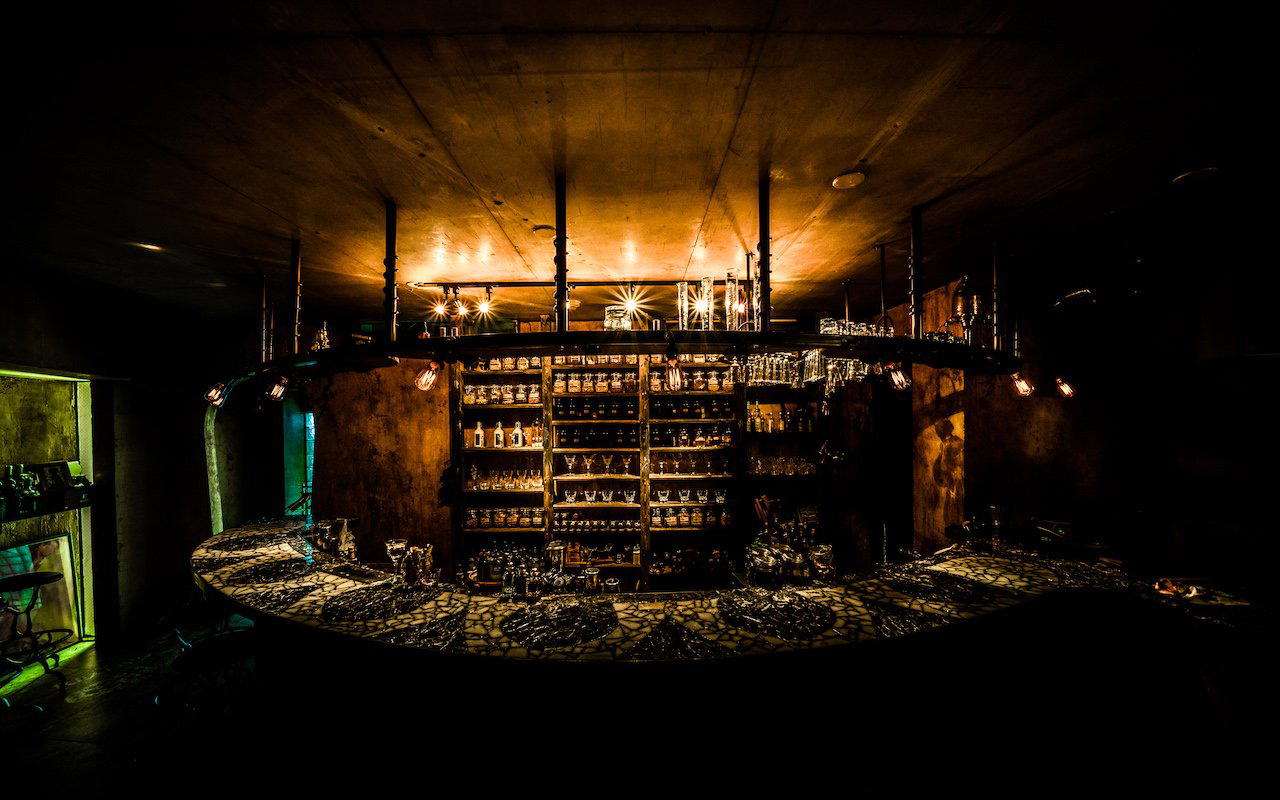


Hotels in Osaka
Browse all →



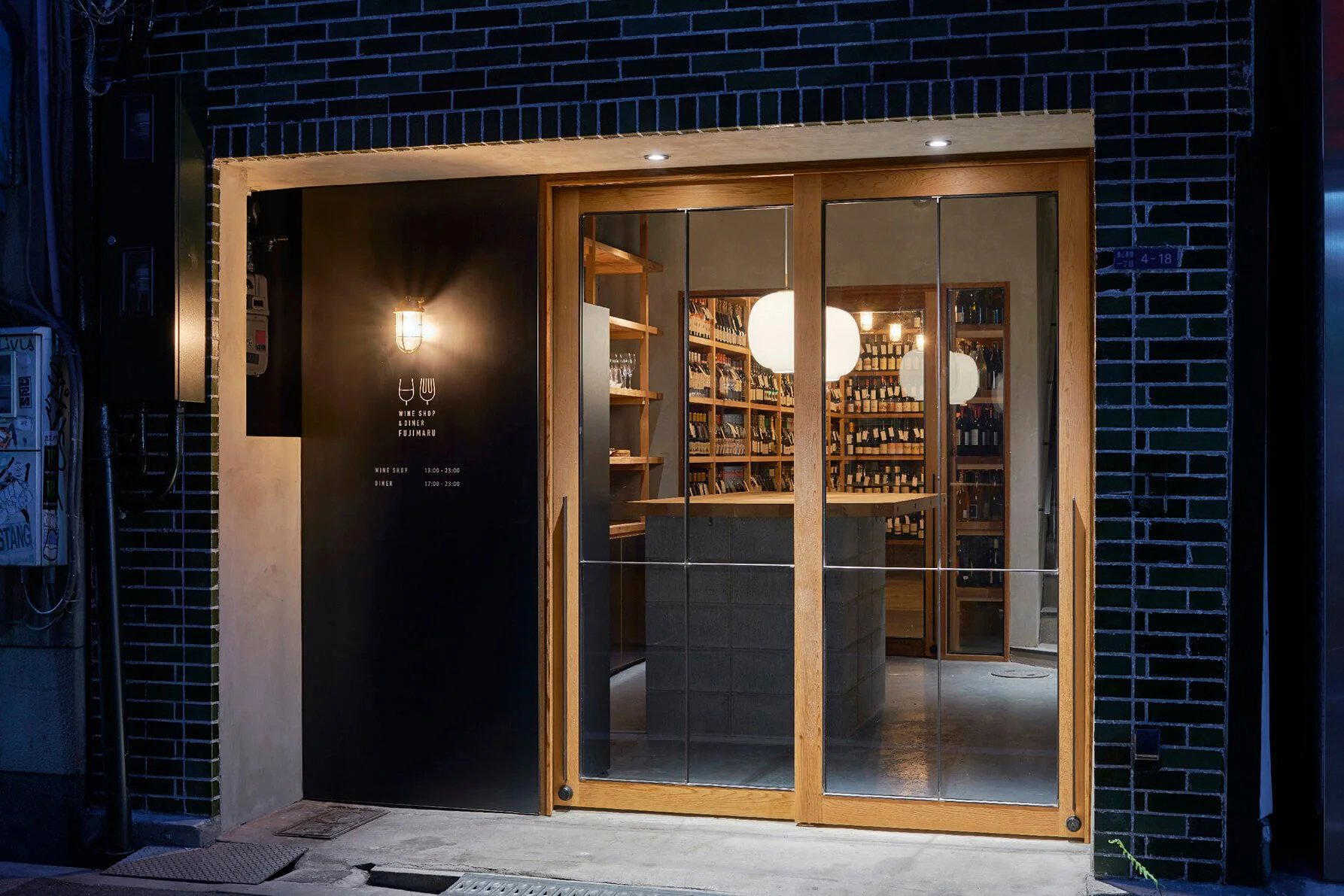
Wineries in Osaka
Browse all →
At a Glance
- Lively
- Cozy
- Trendy
- Intimate
- Date Night
- Business Dinner
- Group Dining
- Celebration
- Late Night
- Special Occasion
- Standalone
Current opening hours
- Monday
- 6–11 PM
- Tuesday
- 6–11 PM
- Wednesday
- 6–11 PM
- Thursday
- 6–11 PM
- Friday
- 6–11 PM
- Saturday
- 6–11 PM
- Sunday
- 6–11 PM
Hours can change for holidays and private events. Last verified .
Compact, counter-focused yakiniku with a warm, cozy feel and an energetic, late-night atmosphere typical of popular Osaka grill spots; lighting appears moderately dim with the grill as a focal point rather than design-heavy decor.