.png)
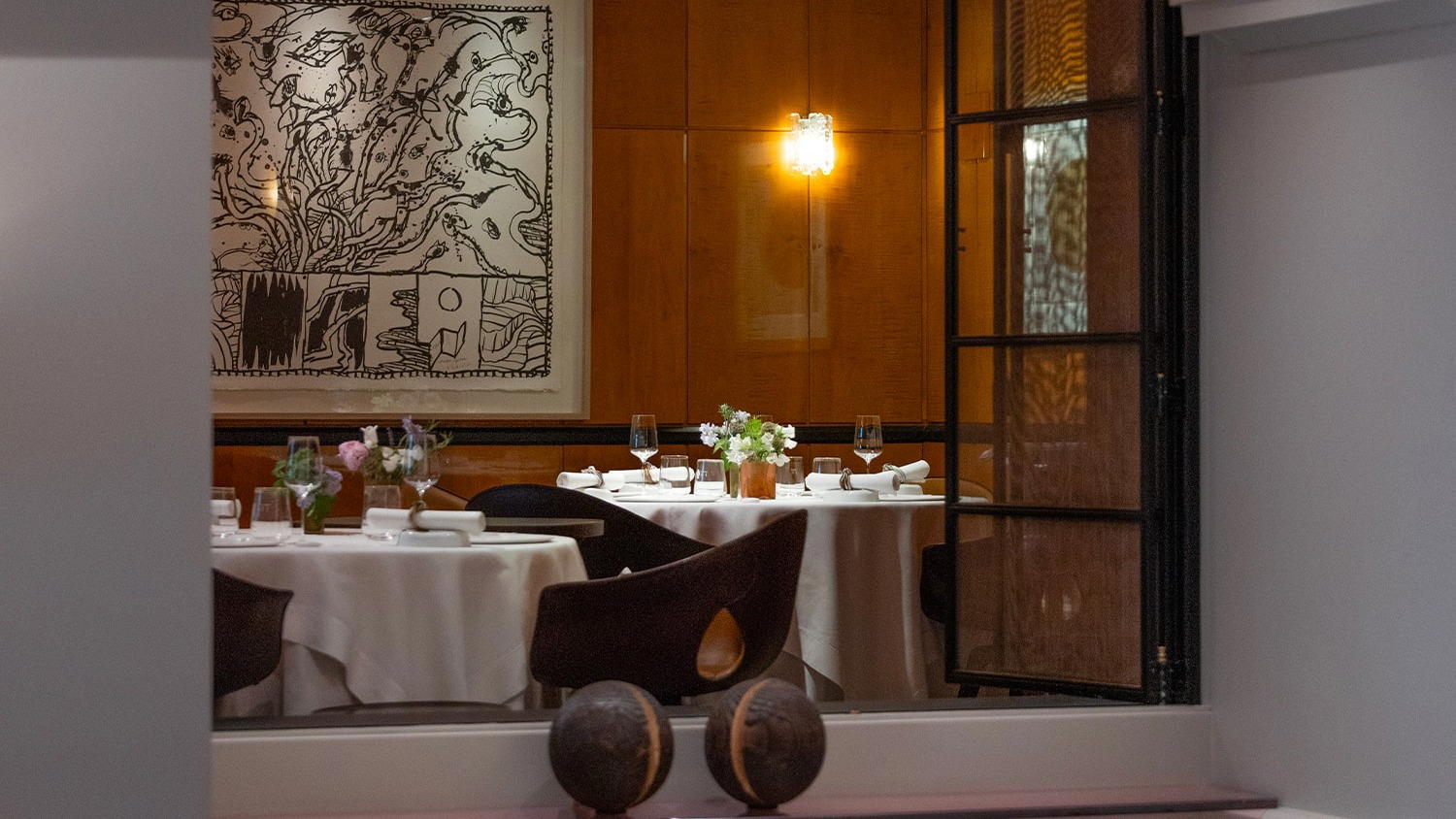
Kisin occupies a quiet address in the 8th arrondissement where kaiseki principles meet the realities of a Paris neighbourhood bistro budget. Back-to-back Michelin Bib Gourmand recognition in 2024 and 2025 confirms what regulars already know: Japanese seasonal cooking at this price tier is rare in the capital, and this address is one of the few places doing it with rigour.

A Side Street in the 8th, and What It Says About Paris Japanese Dining
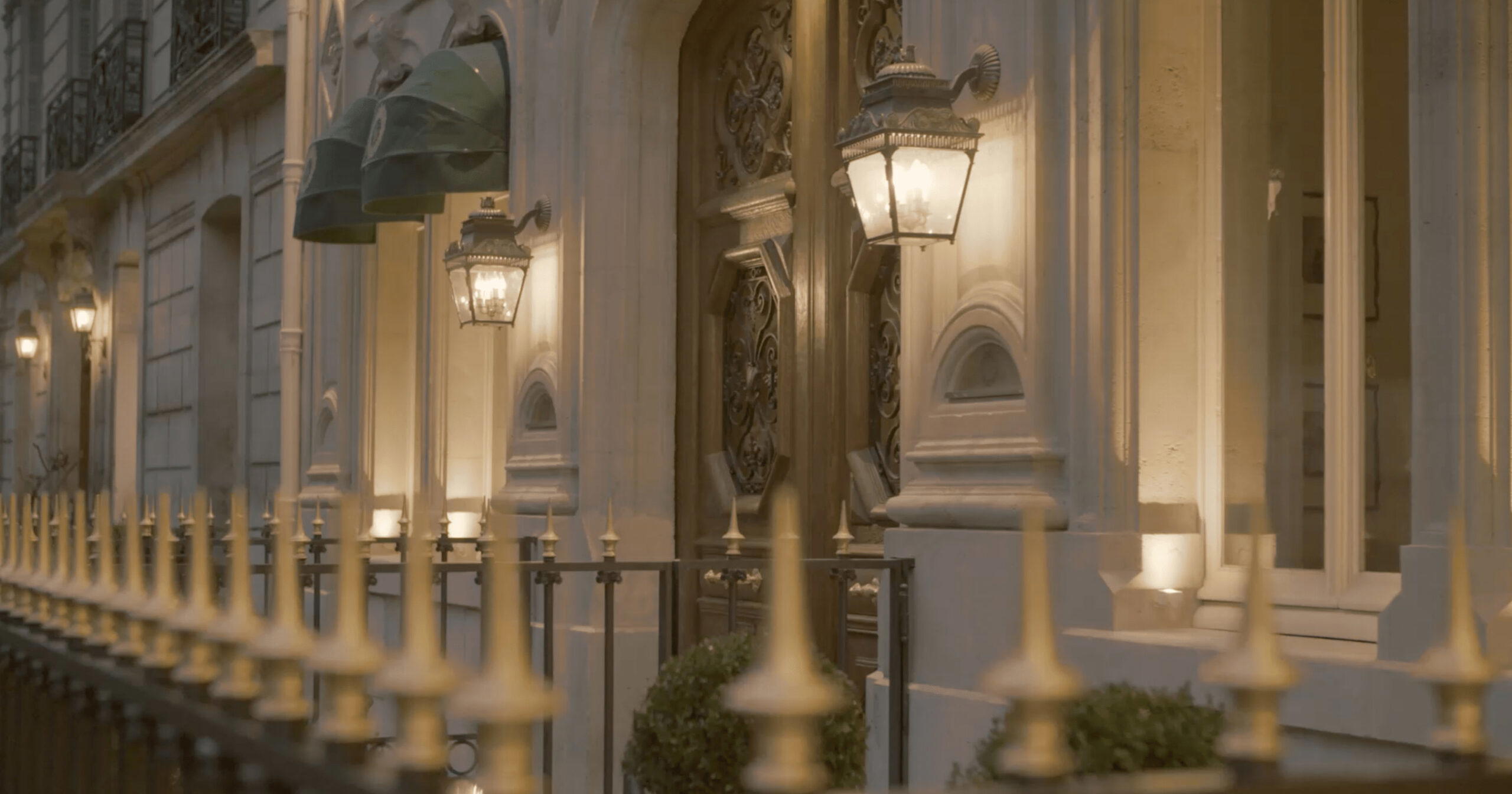
The 8th arrondissement is not where you expect to find careful, low-intervention Japanese cooking at middle-market prices. The neighbourhood's culinary identity runs toward grand brasseries, multi-starred hotel dining rooms, and the kind of formal French cooking that draws expense accounts rather than curious regulars. Kisin, on Rue de la Renaissance, sits at a deliberate remove from that register. The address is quiet, the format restrained, and the price point — €€ in a postcode that otherwise skews €€€€ — signals something worth paying attention to.
Paris has developed a substantial Japanese dining scene over the past two decades, but it remains sharply tiered. At one end sit the high-commitment omakase counters: L'Abysse au Pavillon Ledoyen and Sushi Yoshinaga occupy that upper bracket, where a single sitting can match the cost of a full weekend elsewhere. Further down the scale, fast-casual Japanese has expanded aggressively. The middle tier , precise, seasonal, multi-course Japanese cooking at prices a regular diner can absorb , remains thin. That is the gap Kisin fills, and why its two consecutive Bib Gourmands carry more weight than the award alone suggests.
Kaiseki Principles at a Neighbourhood Scale
Kaiseki, in its formal Tokyo and Kyoto incarnations, is among the most codified dining traditions in the world. The sequencing of courses, the calibration of portion scale, the insistence that each dish reflects the current season rather than a fixed menu logic: these are not decorative gestures but structural commitments that shape everything from sourcing to plating to timing. In Japan's most serious kaiseki rooms , Myojaku in Tokyo and Azabu Kadowaki among them , that framework operates within purpose-built spaces, with dedicated ceramics collections and ingredient networks built over decades.
Transposing kaiseki philosophy to a Paris side street in the 8th requires a different kind of discipline. The tradition's principles , restraint, seasonality, the idea that the cook's role is to clarify rather than transform , travel well conceptually. What does not travel automatically is the infrastructure: access to Japanese seasonal produce, the right ceramic and lacquerware, the kitchen rhythm that makes a sequence of small courses feel inevitable rather than effortful. What makes Kisin notable in the Paris context is that these problems appear to have been solved at a price point where most operators would not attempt the format at all.
Chef Kareem El-Ghayesh runs the kitchen, and his presence at this address is itself a piece of context worth noting. The growth of Japanese cooking technique as a grammar available to chefs from outside Japan is one of the more consequential developments in European cooking over the past two decades. Chakaiseki Akiyoshi and Hakuba represent other expressions of Japanese tradition finding form in Paris, each with a different balance between fidelity and adaptation. Kisin's positioning, under a chef whose biography is not defined by apprenticeship in Japan, places it in a growing category: kitchens where Japanese aesthetic principles have been absorbed and reapplied with genuine rigour rather than superficial reference.
What the Bib Gourmand Recognition Actually Means Here
Michelin's Bib Gourmand designation, awarded in both 2024 and 2025, identifies restaurants offering quality cooking at prices below the starred tier. In Paris, where the cost of mid-range dining has risen sharply, a Bib Gourmand at a Japanese address in the 8th carries specific implications. It means the inspectors found the cooking consistent enough, and the value proposition clear enough, to return and confirm. Two consecutive years removes the possibility that the first recognition was a catch-up award or a one-season anomaly.
The 4.6 rating across 648 Google reviews reinforces the picture: this is not a place with a niche following and polarised opinions, but one with a broad, settled base of satisfied regulars. In a city where Japanese restaurants at this price range often trade on novelty or a single draw, that consistency is the more meaningful signal.
For reference, the starred Japanese addresses in Paris operate in a different financial register entirely. Kei, which holds three Michelin stars, sits at €€€€ and represents a decades-long project of French-Japanese synthesis by a Japanese chef with deep French kitchen credentials. Kisin does not compete with that tier. It addresses a separate question: whether serious, seasonally-driven Japanese cooking is available in Paris for less than the cost of a starred meal. On current evidence, it is.
The 8th in Context: Where Kisin Sits on the Map
The 8th arrondissement's dining ecosystem rewards patience. Beyond the landmark addresses , the three-starred rooms at Le Cinq and the Alléno operation at Pavillon Ledoyen , the neighbourhood contains a quieter layer of mid-scale restaurants that serve a residential and professional population rather than a tourist circuit. Kisin belongs to that quieter layer. Rue de la Renaissance is not a destination street; it is the kind of address you look up specifically because someone told you to, or because you followed the award trail.
For visitors building a Paris itinerary around food at multiple price points, the 8th offers a useful range. The grand French dining tradition is documented at addresses like Bras in Laguiole, Mirazur in Menton, Troisgros in Ouches, Auberge de l'Ill in Illhaeusern, Flocons de Sel in Megève, and Paul Bocuse at Collonges-au-Mont-d'Or outside the capital. Within Paris, Abri Soba represents another axis of accessible Japanese precision, focused on buckwheat rather than kaiseki sequencing. Kisin occupies its own distinct position in that map: seasonal, multi-course, and priced to be repeated rather than saved for occasions.
For broader planning, see our full Paris restaurants guide, our Paris hotels guide, our Paris bars guide, our Paris wineries guide, and our Paris experiences guide.
Planning a Visit
| Venue | Cuisine / Style | Price Tier | Michelin Recognition | Booking Notes |
|---|---|---|---|---|
| Kisin | Japanese / Kaiseki-influenced | €€ | Bib Gourmand (2024, 2025) | Address: 6 Rue de la Renaissance, 75008 |
| Abri Soba | Japanese / Soba-focused | €€ | Bib Gourmand | Walk-in friendly; queue expected at peak |
| Sushi Yoshinaga | Japanese / Omakase | €€€ | Michelin recognised | Advance booking required |
| L'Abysse au Pavillon Ledoyen | Japanese / High omakase | €€€€ | Michelin starred | Book several weeks ahead |
What Should I Order at Kisin?
Kisin operates within a kaiseki-influenced format, which means the kitchen's sequencing logic should guide the meal rather than individual dish selection. The Bib Gourmand recognition across two years points to consistency in the set menu rather than a standout single plate. Given the €€ price range, the most direct approach is to trust the full menu structure: the seasonal framing of kaiseki means the courses reflect what the kitchen has sourced for the current period, not a fixed repertoire. If the kitchen offers a choice between a shorter and longer menu, the longer format is where the sequencing rationale becomes clear. Dish-level specifics are not published in advance, which is consistent with the kaiseki principle that the menu is the chef's statement about the season, presented on arrival rather than selected in advance.
Comparison Snapshot
A compact peer set to orient you in the local landscape.
| Venue | Cuisine | Price | Awards | Notes |
|---|---|---|---|---|
| Kisin | Japanese | €€ | Bib Gourmand | This venue |
| Alléno Paris au Pavillon Ledoyen | Creative | €€€€ | Michelin 3 Star | Creative, €€€€ |
| Kei | Contemporary French, Modern Cuisine | €€€€ | Michelin 3 Star | Contemporary French, Modern Cuisine, €€€€ |
| L'Ambroisie | French, Classic Cuisine | €€€€ | Michelin 3 Star | French, Classic Cuisine, €€€€ |
| Le Cinq - Four Seasons Hôtel George V | French, Modern Cuisine | €€€€ | Michelin 3 Star | French, Modern Cuisine, €€€€ |
| Plénitude | Contemporary French | €€€€ | Michelin 3 Star | Contemporary French, €€€€ |
Need a table?
Our members enjoy priority alerts and concierge-led booking support for the world's most difficult tables.
Get Exclusive Access