Kingside
Kingside occupies a considered position within Midtown Manhattan's hotel dining circuit, where the pressure to perform for a transient audience often flattens ambition. Located at 124 W 57th St, the restaurant draws on a sustainability-conscious approach to sourcing that aligns it with a broader shift in American fine dining away from spectacle and toward accountability. For the West 57th Street corridor, that orientation carries editorial weight.
Pearl is the En Primeur Club membership app — saves, bookings, and concierge access live there. Same editors, same standards.
- Address
- 124 W 57th St, New York, NY 10019
- Phone
- +12127078000
- Website
- kingside-restaurant.com
- Directions
- Get directions
 Saves & bookings on Pearl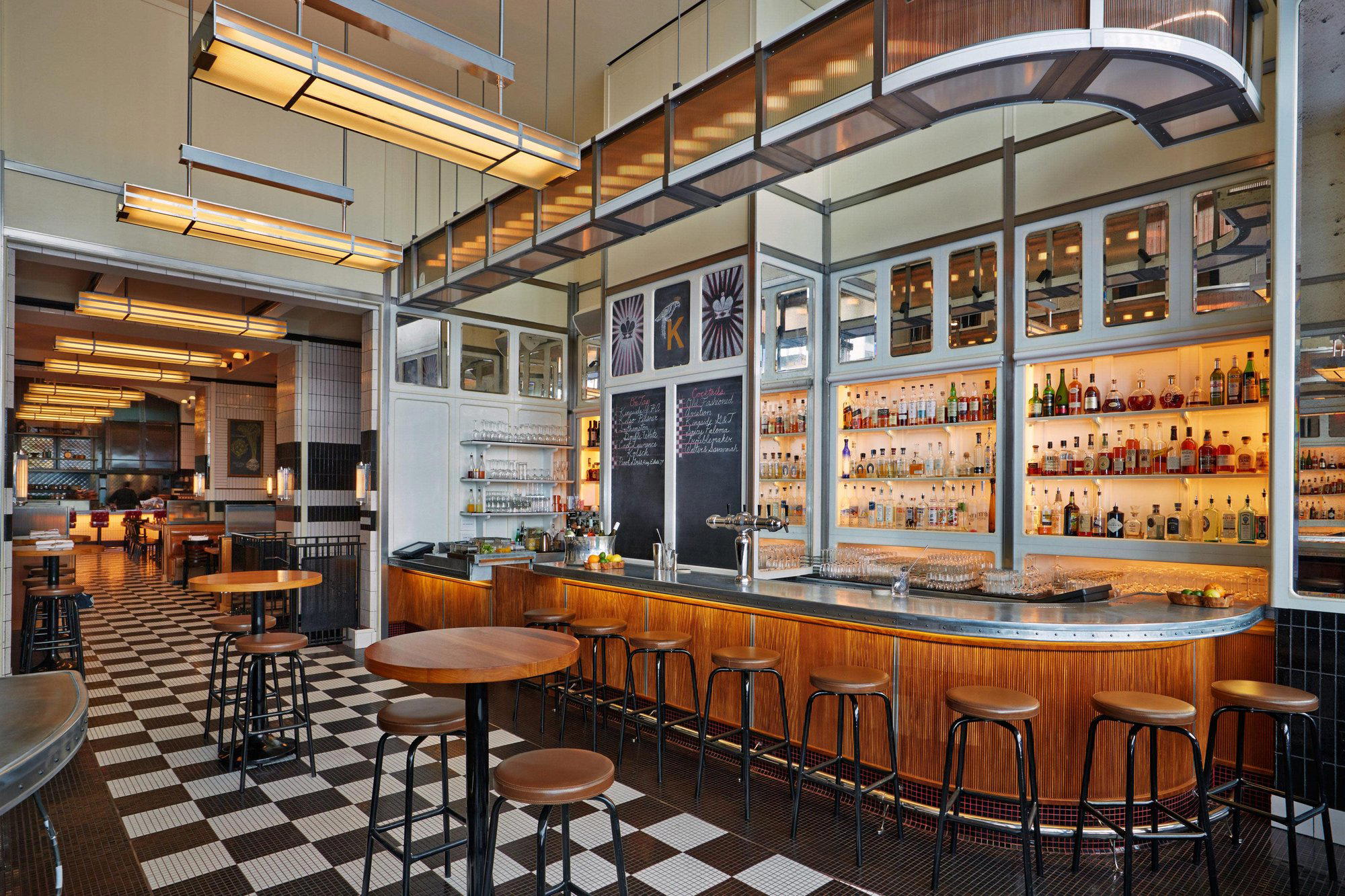
Where Midtown Hotel Dining Meets Ethical Sourcing
West 57th Street sits in a peculiar band of Manhattan geography: close enough to Central Park to attract leisure travelers, dense enough with corporate towers to pull a consistent business crowd, and proximate to Carnegie Hall to generate a steady stream of pre-performance diners. Hotel restaurants in this corridor have historically leaned on location rather than culinary conviction, offering broad menus designed to offend no one. The more interesting operators along this stretch have pushed against that tendency, building programs around sourcing transparency and waste reduction. Kingside is a French-influenced New American Brasserie at 124 W 57th St in New York, priced at the $$$$ tier.
The Room and What It Signals
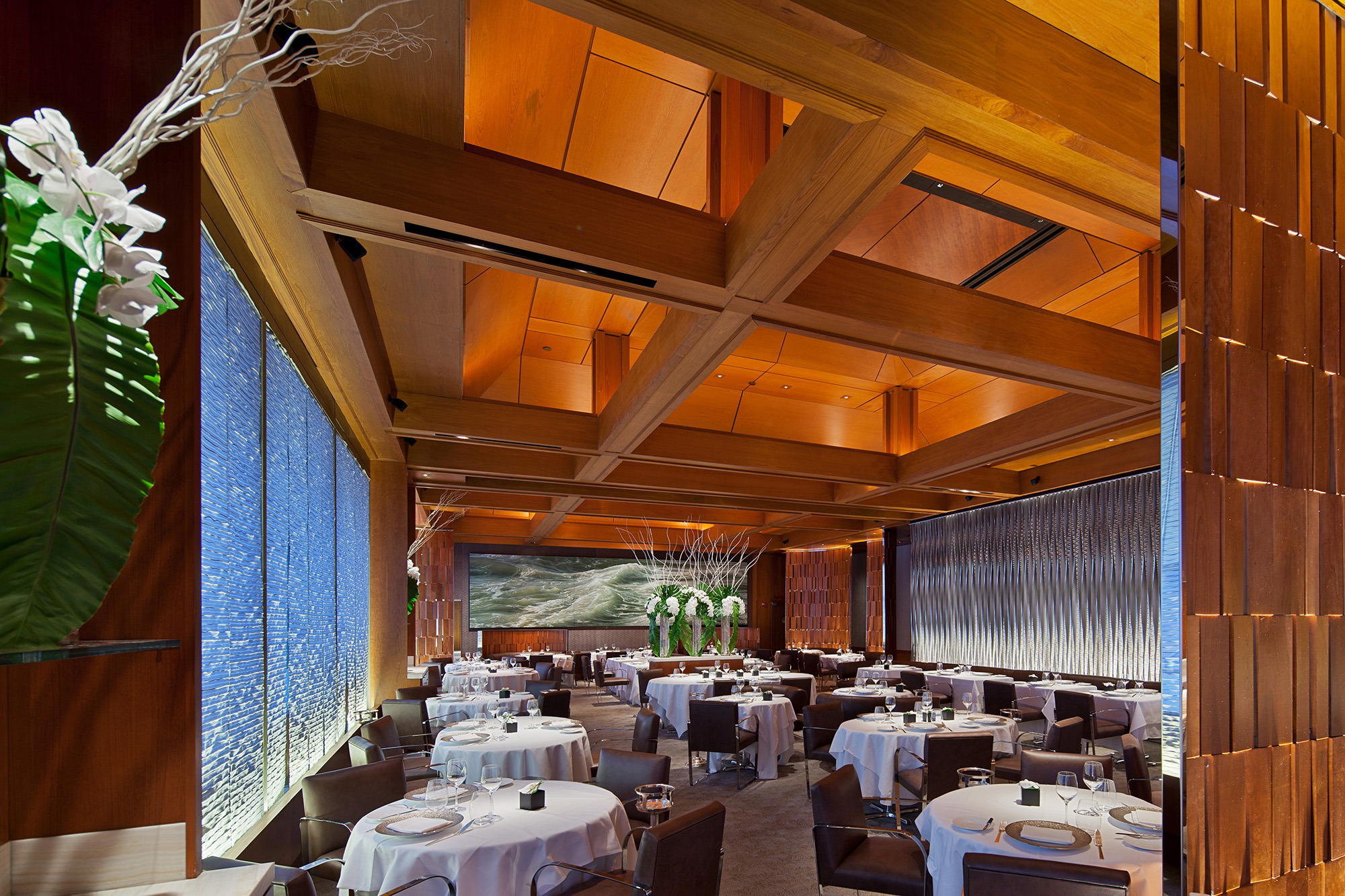
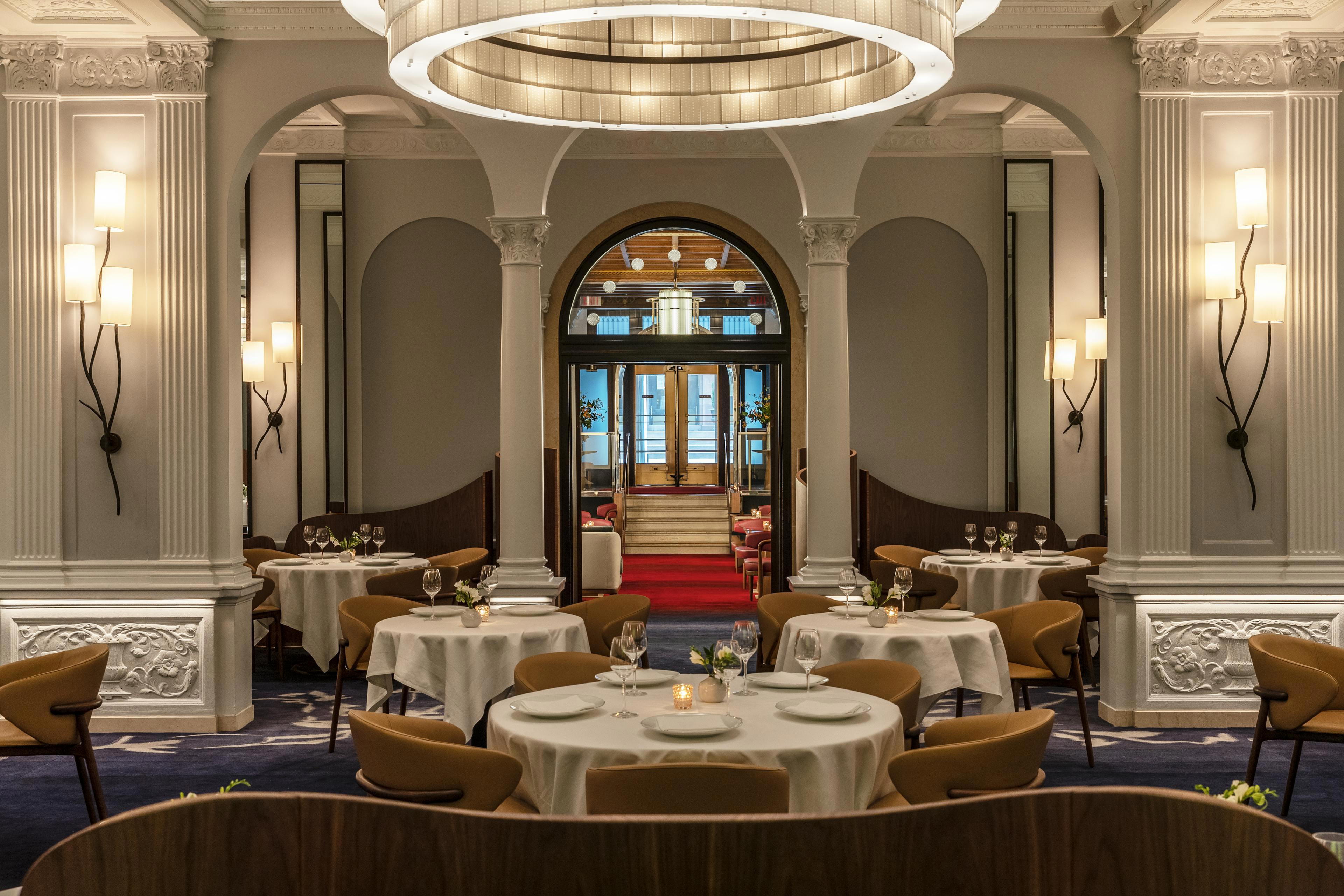
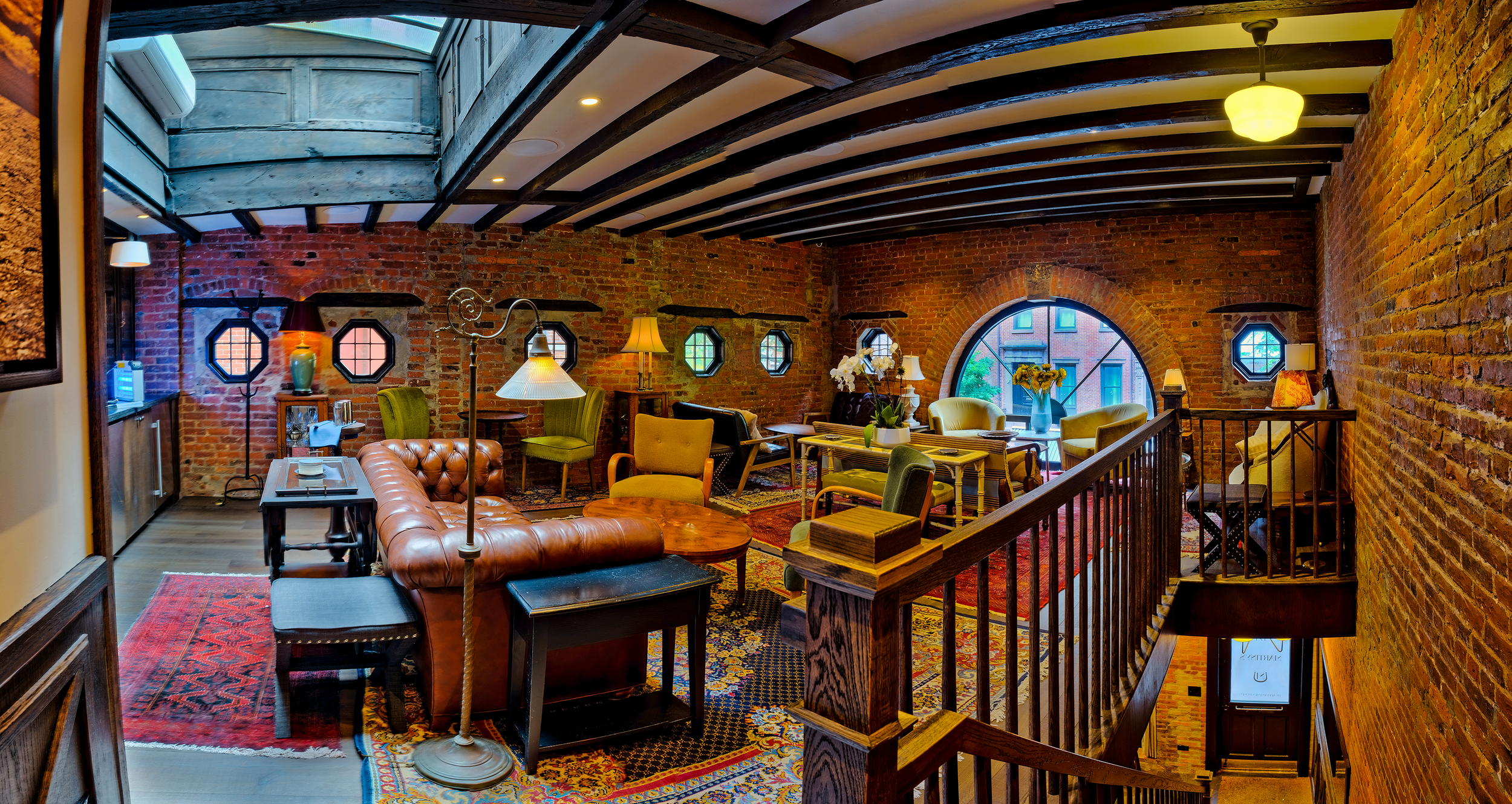
Hotel dining rooms in the $$$$ tier of Midtown often make a wager on grandeur: high ceilings, imported stone, lighting that flatters expense accounts. The rooms that age well, however, tend to be grounded in a specific point of view rather than a decorator's brief. Kingside's address places it within the Viceroy Hotel footprint, a brand that has historically positioned itself as design-forward without tipping into sterile minimalism. Within that context, the room functions as a signal of the hotel's broader editorial stance: approachable but not casual, considered but not precious.
That positioning matters for understanding how Kingside fits into the wider Midtown dining picture. Restaurants like Le Bernardin and Per Se occupy the tier above, where the dining room itself is an argument for a particular kind of formality. Kingside operates in a register that is deliberately less ceremonial, which gives it a different kind of relevance for the neighborhood.
Sustainability as Editorial Stance, Not Marketing Decoration
Across American fine dining, sustainability has split into two distinct modes. The first is performative: sourcing language on menus, gestures toward local farms, language that signals virtue without fundamentally restructuring the kitchen's procurement or waste systems. The second is structural: kitchens that have reorganized around seasonal constraint, reduced-waste prep, and supplier relationships that involve genuine accountability. The distance between the two is considerable, and diners with any depth of experience can usually tell which mode a restaurant operates in within the first course.
The broader movement toward structural sustainability in American restaurants has been driven by a small number of highly visible operations. Blue Hill at Stone Barns in Tarrytown remains one frequently cited reference point for farm-integrated dining in the Northeast, having built its entire program around a working farm on the same property. Single Thread Farm in Healdsburg operates a similar model on the West Coast, with an inn, restaurant, and farm functioning as a single integrated system. These are outlier cases in terms of infrastructure investment, but they have raised the baseline expectation for what sourcing integrity looks like at the premium end of the market.
For a Midtown hotel restaurant, operating within those expectations requires a different kind of discipline. There is no farm on the property, no captive supply chain. What is available is supplier selection, menu design that responds to seasonal availability, and kitchen practices that reduce waste as a matter of operational habit rather than occasional initiative. Restaurants that have built genuine programs around these constraints, including Providence in Los Angeles and Addison in San Diego, demonstrate that the hotel dining context is not incompatible with serious sourcing commitments.
The Midtown Context and Competitive Set
The restaurants that Kingside competes with most directly are not the three-Michelin-star counters of the city's fine dining circuit. The relevant comparable set is the tier of hotel restaurants that have moved beyond the all-day-dining safety net toward something with a more defined culinary identity. Within New York, that tier includes properties across the Flatiron, Hudson Yards, and Upper West Side corridors, where hotel F&B programs have increasingly been handed to operators with independent reputations rather than managed in-house as amenities.
The restaurants on the block above Kingside's register, places like Atomix and Jungsik New York, have built their identities around tightly controlled tasting formats and explicit culinary philosophies. Masa, at the Time Warner Center a few blocks west, operates at a price point that puts it in a category of its own. Kingside's value proposition is different: it offers a serious dining environment without requiring the commitment, in time or expenditure, that those formats demand.
For a broader view of how this fits within the city's dining character, comparable restaurants across neighborhoods and price tiers illustrate the range of options in New York City. Comparable sustainability-forward programs at other American addresses include Lazy Bear in San Francisco, Emeril's in New Orleans, Alinea in Chicago, The French Laundry in Napa, Bacchanalia in Atlanta, and The Inn at Little Washington. Internationally, the conversation around sourcing ethics in hotel dining has been shaped by operations like Alain Ducasse at Louis XV in Monte Carlo and 8 1/2 Otto e Mezzo Bombana in Hong Kong, both of which operate within luxury hotel structures while maintaining clearly defined culinary identities.
Planning Your Visit
At 124 W 57th St in New York, NY 10019, Kingside sits within the Viceroy New York. Reservations are recommended. Dress is smart casual.
Quick Comparison
Comparable venues nearby, for context on price, style, and recognition.
| Venue | Cuisine | Price | Notes |
|---|---|---|---|
| KingsideThis venue — the venue you are viewing | French-influenced New American Brasserie | $$$$ | Not listed |
| Perry St | Modern American with French and Asian Influences | $$$$ | West Village |
| The Mark Restaurant by Jean-Georges | Contemporary American Fine Dining | $$$$ | Upper East Side-Carnegie Hill |
| Atria West 86 | American Deli | $$$$ | Upper West Side (Central) |
| The Regency Bar & Grill | Modern New American Grill | $$$$ | Upper East Side-Carnegie Hill |
| Home | Contemporary American Fine Dining | $$$$ | West Village |
Continue exploring
More in New York City
Restaurants in New York City
Browse all →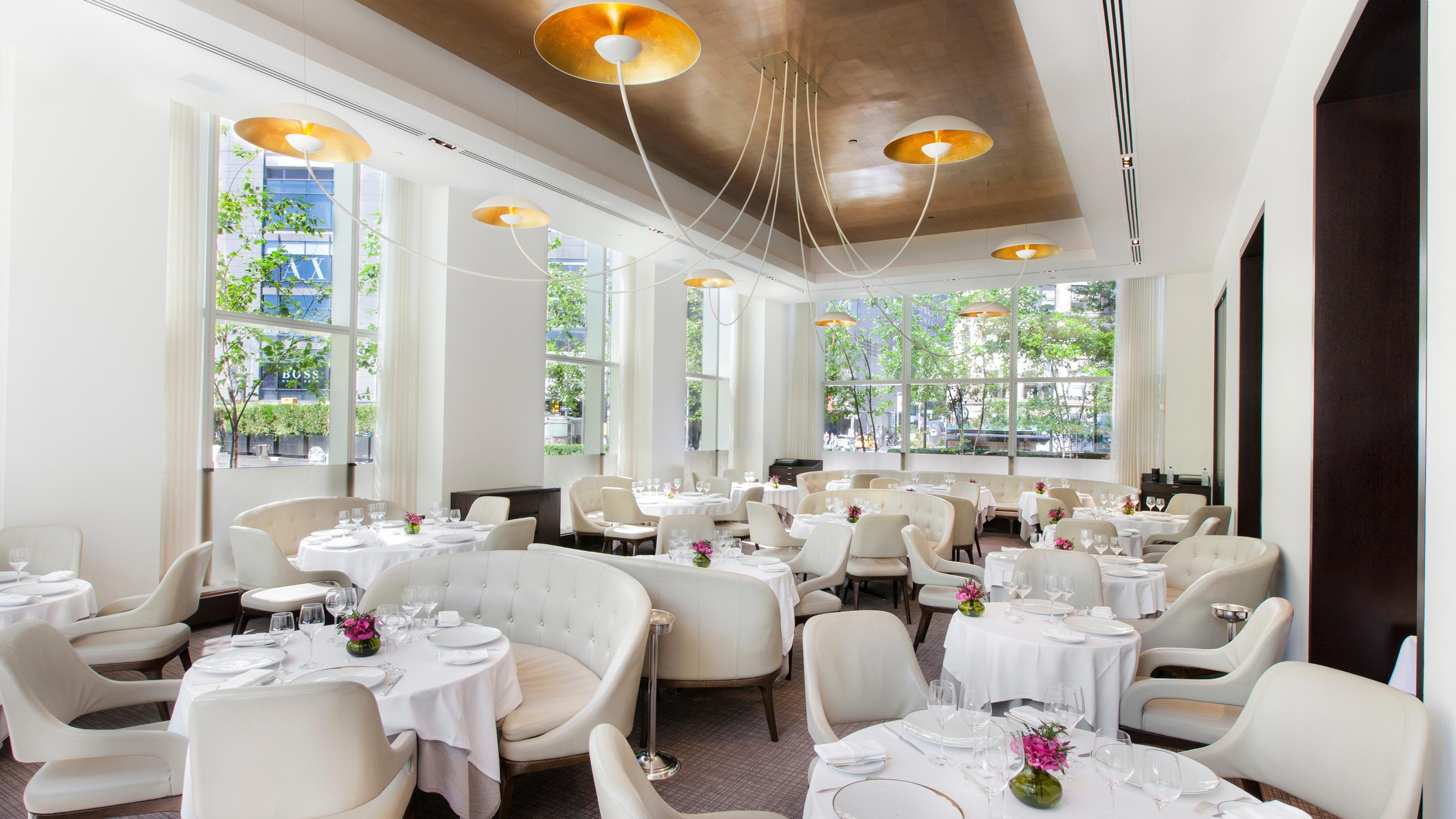
Bars in New York City
Browse all →
Hotels in New York City
Browse all →




At a Glance
- Trendy
- Modern
- Sophisticated
- Lively
- Business Dinner
- Group Dining
- After Work
- Open Kitchen
- Hotel Restaurant
- Craft Cocktails
- Local Sourcing
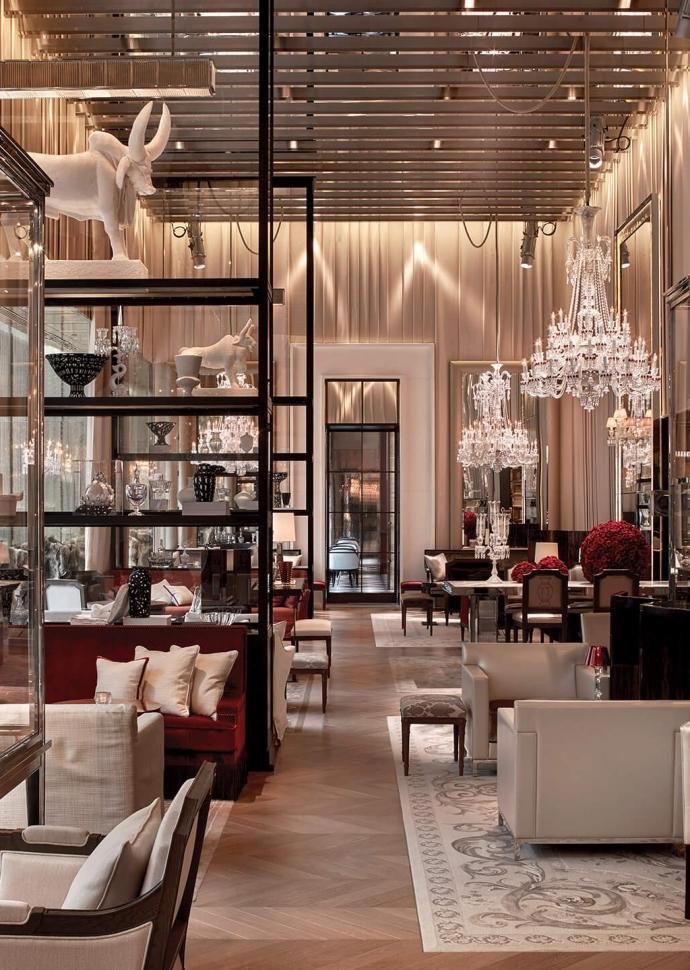
Sophisticated take on a classic diner with brown leather booths, checkered floors, red stools, high ceilings, and graphic design elements around an open kitchen.