
Tabelog 100 #49
Our verdict
Shinshu Soba Murata gives Fukuoka a serious soba address in a city more often framed through ramen, udon, seafood, and yatai culture. Its Tabelog 100 Soba WEST 2025 selection places it within a narrower regional conversation: buckwheat noodles, tempura, Japanese cooking, and a drinks program that treats sake and shochu as part of the meal rather than decoration.

Pearl is the En Primeur Club membership app, where members save venues, book tables and use the concierge.
The menu
What to order
- 100% buckwheat soba (Towari)
- 80/20 soba (Nihachi)
- Rustic inaka soba
- Tempura rice bowl
- Hakata-style soba kaiseki course
Fukuoka moves at a lower register than its loudest food shorthand suggests. Across the city, the appetite is shaped by everyday lunch rhythms, older commercial habits, and the constant pull between quick meals and more deliberate dining. A soba room here has to read differently from a late-night ramen counter or a casual stall: quieter, more measured, and judged on restraint as much as satisfaction.
That distinction matters in Fukuoka. The city is often introduced through tonkotsu ramen, hot-pot meals, gyoza, and drinking food, but its stronger dining map is more varied than the shorthand suggests. Shinshu Soba Murata sits in the soba category with Japanese cuisine and tempura, a combination that places it closer to a composed noodle house than a single-dish stop. Its selection for Tabelog 100 Soba WEST 2025 gives the room a useful external marker, particularly because soba recognition in western Japan separates serious buckwheat specialists from the broader field of casual noodle shops.
Soba in a city better known for pork broth and yatai nights
Fukuoka’s noodle identity usually tilts toward speed, steam, and pork-bone intensity. Soba asks for another kind of attention. Buckwheat noodles are unforgiving: texture, cut, water, dipping broth, and serving temperature carry the meal. In that context, Shinshu Soba Murata’s appeal is not theatrical rarity but category discipline. It gives travelers a way to read Fukuoka beyond ramen without abandoning the city’s preference for direct, accessible dining.
The comparison set explains the position. Karo No Uron represents the cheaper local noodle tradition, Hakata Gion Tetsu Nabe speaks to compact drinking-food energy, and Seimon Barai sits in a higher-spend seafood-and-izakaya lane. Against those choices, soba here occupies the middle ground: more structured than a quick bowl, less formal than a full ceremonial evening, and suited to diners who want craft without turning lunch or dinner into ceremony.
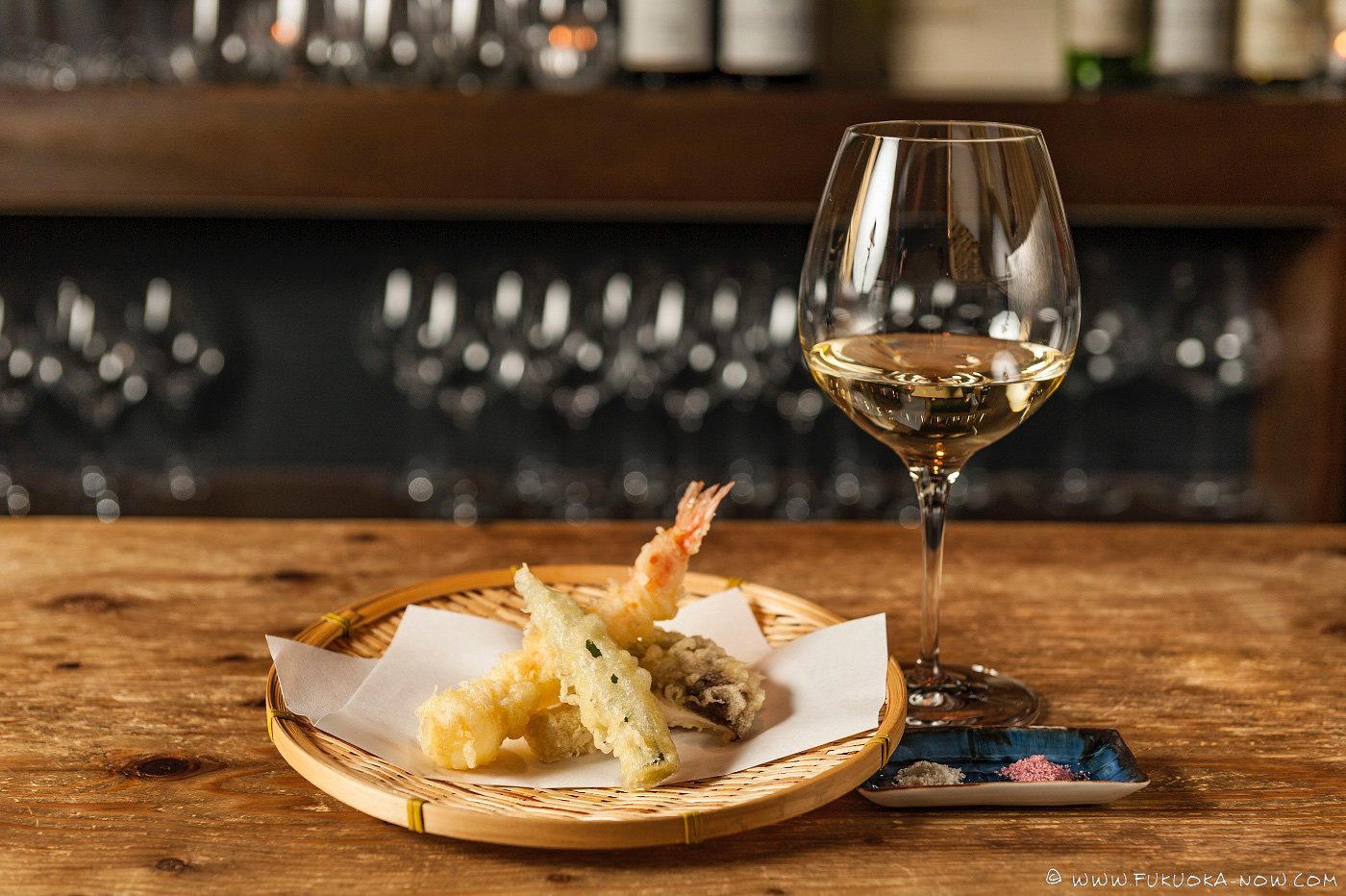
The supporting categories matter. Tempura alongside soba is a classic pairing because it gives contrast without overwhelming the noodles; Japanese cuisine broadens the table for groups that want more than a single bowl. In Fukuoka, where everyday meals can still carry a strong sense of place, that range makes the restaurant feel grounded rather than defined by a single headline dish.
The room favors groups, counter diners, and a slower noodle meal
The format helps explain why this is not just a quick specialist stop. Shinshu Soba Murata can work for diners keeping the focus on noodles, as well as for families and friends stretching the table across tempura and Japanese dishes. The use case moves from a simple bowl to a planned meal without losing the soba-led identity.
This range is useful in Fukuoka, where many restaurant decisions are shaped by party size and timing. A compact counter may give sharper focus, but it rarely solves a mixed group. Here, the category supports a broader dining public while retaining a soba-led identity. That is the useful editorial point: Fukuoka’s serious casual dining often works because it does not force a choice between specialist credibility and everyday usability.
The Tabelog score of 3.65 should be read with local context. On that platform, particularly in Japan’s noodle categories, scores move conservatively and recognition lists often carry more signal than a single number. The 2025 WEST soba selection gives the restaurant an external recognition marker rather than decorative acclaim. For a traveler deciding between regional staples, that matters more than a loose reputation.
Where it fits into a Fukuoka food itinerary
Shinshu Soba Murata works as a reset meal within a Fukuoka itinerary. After pork broth, grilled meat, fried fish, or late drinking, soba changes the tempo without feeling austere. It is also a useful counterpoint to the city’s more forceful flavors: buckwheat, dipping broth, tempura, and Japanese cuisine give structure without the heaviness that can define a Fukuoka weekend.
For trip planning beyond restaurants, use Our full Fukuoka hotels guide, Our full Fukuoka bars guide, Our full Fukuoka wineries guide, and Our full Fukuoka experiences guide.
Japan’s casual dining range also becomes clearer when seen across cities: focused noodle rooms, grill counters, cafe formats, curry specialists, and compact drinking-food venues show how tightly defined formats can shape a meal without formal dining codes. Across wider Japanese dining culture, the same point holds: specificity often matters more than generic luxury language.
Frequently asked questions
Where is Shinshu Soba Murata located?
Fukuoka.
What's the pricing like at Shinshu Soba Murata?
Pricing at Shinshu Soba Murata is listed as Dinner: JPY 2,000 - JPY 2,999; Lunch: JPY 1,000 - JPY 1,999.
Do they take walk-ins at Shinshu Soba Murata?
The public record includes phone details and pricing, and the restaurant is selected for Tabelog 100 Soba WEST 2025. For reservations, walk-ins, and current service details, check the venue's official channels before going.
What's the standout thing about Shinshu Soba Murata?
Its strongest credential is the Tabelog 100 Soba WEST 2025 selection, supported by a Tabelog score of 3.65. The category matters too: soba, Japanese cuisine, and tempura, so it works as both a noodle-focused stop and a broader Japanese meal.
At-a-Glance Comparison
Comparable venues at a glance for context.
| Venue | Cuisine | Price | Awards | Notes |
|---|---|---|---|---|
| Shinshu Soba MurataThis venue (the venue you are viewing) | Traditional Soba & Tempura | $20–30 | Tabelog 100 #49 | Not listed |
| 安春計 | Japanese Izakaya | Not listed | Tabelog 100 #90 | Chūō |
| Soba Ozaki | Traditional Soba Noodle Shop | $20–30 | Tabelog 100 #48 | Chūō |
| Bajo So | Traditional Hakata gyoza & izakaya | $20–30 | Tabelog 100 #92 | Sawara |
| Tsukune Seisakusho | Tsukune-focused Japanese Izakaya | $30–50 | Tabelog 100 #10 | Sawara |
| Hakata Daruma (博多だるま) | Traditional Hakata Tonkotsu Ramen | $10–20 | Not listed | Chuo (Watanabedori) / Hakata |
Recognition history
Dated appearances from independent guides and award organizations, with the underlying list record or original source where available.
Tabelog 100 #49 · No. 49
Tabelog · Tabelog 100 - Soba - WEST - 2025
Continue exploring
More in Fukuoka
Restaurants in Fukuoka
All restaurants in Fukuoka →
Details
- Cozy
- Classic
- Rustic
- Solo
- Group Dining
- After Work
- Casual Hangout
- Business Dinner
- Special Occasion
- Standalone
- Historic Building
- Sake Program
- Beer Program
- Local Sourcing
- A La Carte
- Set Menu
- Tasting Menu
- Sake
- Beer
- Pescatarian Friendly
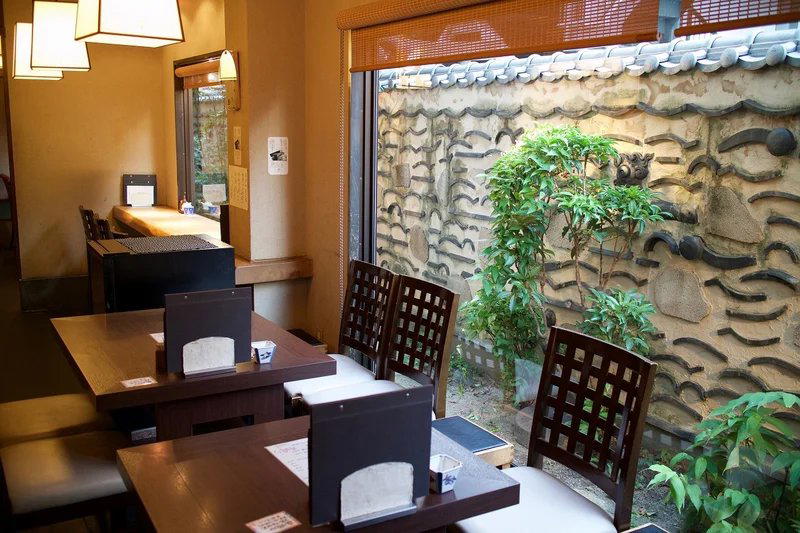
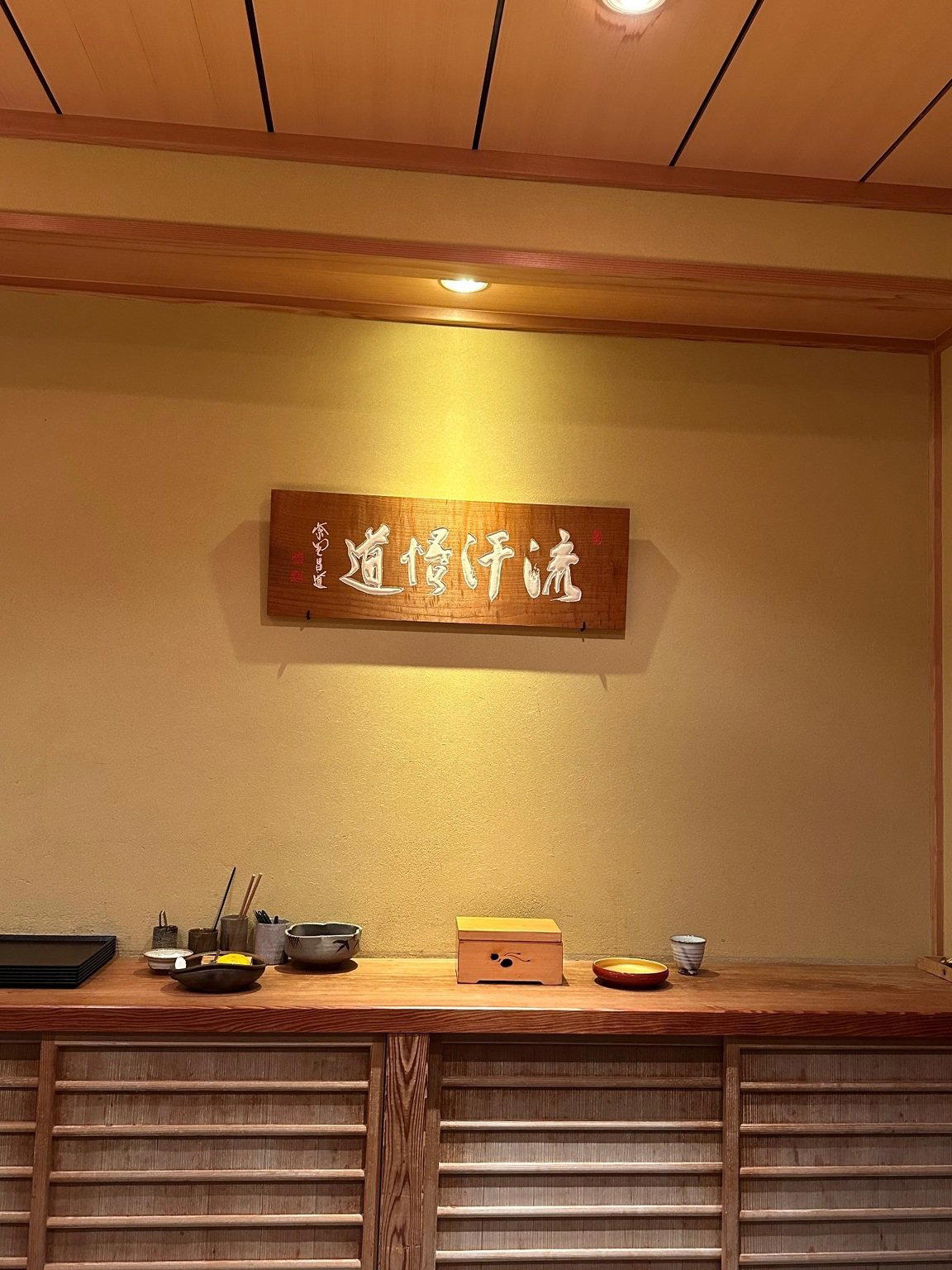
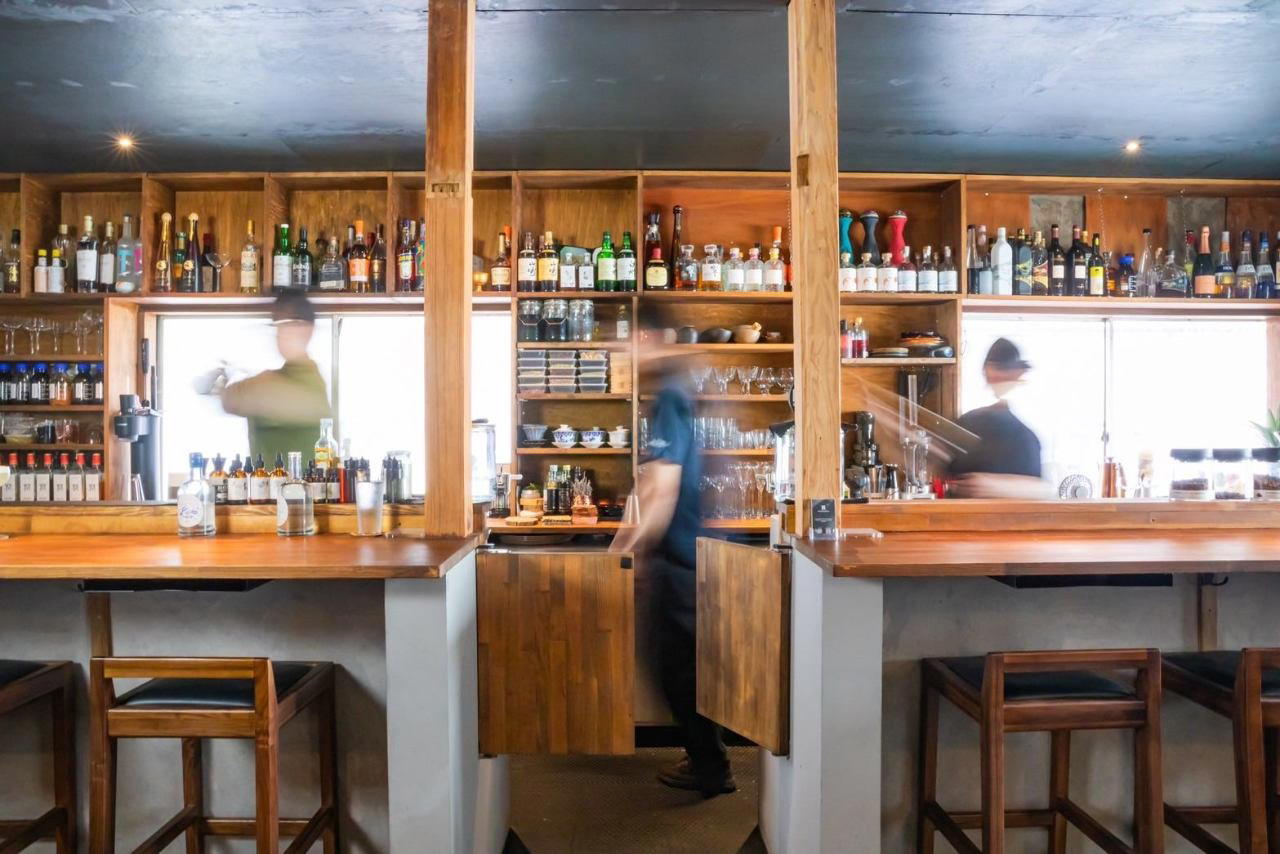
Traditional house-like soba restaurant with tatami rooms, sunken kotatsu, counter and table seating, offering a warm, relaxed atmosphere suited to quietly enjoying soba and sake.