
Tabelog 100 #100
Our verdict
Kibun puts Yoro-gun into Japan’s serious unagi conversation without the ceremony or pricing of urban counters. Its Tabelog 100 Unagi selections in 2022 and 2024, small room, tatami seating, take-out option, and fish-focused identity make it a rural Gifu address to treat as a planned meal rather than a casual fallback.

Pearl is the En Primeur Club membership app, where members save venues, book tables and use the concierge.
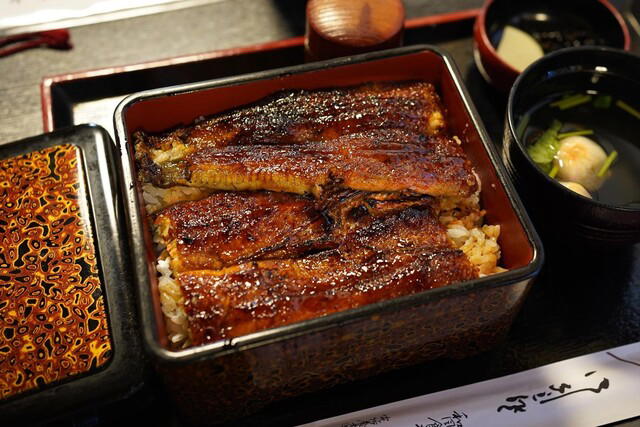
Approaching an unagi restaurant in Yoro-gun is a different proposition from sliding into a polished counter in a major city. The rhythm is lower, the audience more local, and the meal is judged less by theatre than by the handling of fish, rice, heat, and timing. In Yoro-gun, that matters: eel is not a genre that rewards improvisation. It depends on grill discipline, repetition, and a kitchen confident enough to keep the format narrow.
Kibun belongs to that older Japanese category where the house identity is built around a single ingredient rather than a chef’s biography. The public signals are concise: unagi, a Yoro-gun setting, and selection for Tabelog 100 Unagi in 2024. That combination says more than a long manifesto would. In Japan’s eel culture, recognition tends to gather around places that maintain consistency across prep, sauce, and service pace, not restaurants trying to expand the narrative beyond the dish.
Yoro-gun unagi, judged by focus and repetition rather than spectacle
Unagi sits in a demanding lane of Japanese dining because the margin for error is narrow. The fish must arrive in good condition, the kitchen has to manage fat and texture, and the tare should support the eel rather than turn the bowl into sweetness. Regional differences matter, but so does repetition: restaurants that specialise in eel build authority through doing the same task many times a day, across seasons, for regulars who know the form.
That is why ingredient focus is the correct lens here. The restaurant’s own category points directly to unagi, which reads differently from a luxury tasting menu claim. The appeal is not rarity for its own sake; it is the narrower promise that the meal is organised around eel as the main event. Compared with out-of-metro peers in broader Japanese dining, the listed budget places this in a practical regional bracket rather than a celebratory omakase bracket. CUCINA and Sushi Matsuoka can frame a more expansive dining route, while Asahiya and Mochi So suggest other ways to read the area’s local table. Kibun lands as a specialist stop: serious enough to plan around, modest enough to keep the focus on the ingredient.
The Tabelog 100 Unagi selection gives the restaurant a useful external marker without turning the meal into award-chasing. Tabelog’s Hyakumeiten lists are category-based, and eel is a category where craft is usually read in small details: preparation, grill management, rice condition, and the balance of sauce. No chef mythology is needed to understand the point. The recognition places this Yoro-gun restaurant inside a national conversation about specialist eel restaurants, while the scale of the premise keeps the experience grounded.
A focused room keeps the meal close to its purpose
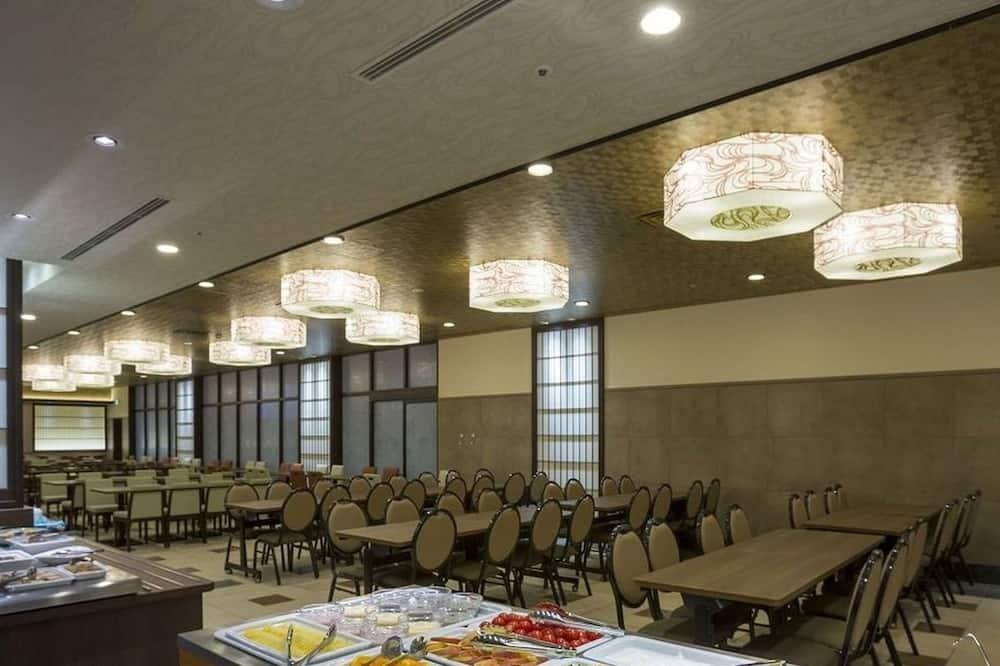
Specialist unagi restaurants often work better when they resist excess. A focused setting creates a room where pacing and turnover are part of the experience. It also signals a familiar Japanese pattern: eel as a meal for family gatherings, older regulars, and small groups, not only destination diners ticking off award lists. The point is not decorative grandeur; it is a setting that keeps attention on the eel.
There is a practical intelligence to the place that suits Yoro-gun. The listed dinner and lunch budget is JPY 3,000–3,999, putting the restaurant in a range where planning matters but the meal remains approachable. Those details matter more here than a long beverage programme or design language. This is not a venue to read primarily through luxury cues; it is a specialist meal where the narrowness of the brief protects the experience. Travellers should confirm current opening details directly before going, especially when moving through the area rather than staying nearby.
For visitors building a wider itinerary, the distinction is useful. Yoro-gun is not a dense dining grid where multiple alternatives sit within a few streets. A meal here rewards travellers who treat it as a fixed point, then build the day around nearby plans. For broader local context, see Our full Yoro-gun restaurants guide, Our full Yoro-gun hotels guide, Our full Yoro-gun bars guide, Our full Yoro-gun wineries guide, and Our full Yoro-gun experiences guide.
How to place it within a Japan dining route
Japan’s specialist restaurants are often misunderstood by travellers who read price as the primary guide to seriousness. Eel complicates that. A modest regional spend can still involve a highly focused kitchen, while a higher bill elsewhere may reflect counter format, seafood procurement, wine depth, or metropolitan rent. Kibun is useful precisely because it separates ingredient seriousness from luxury signalling. The meal belongs to the tradition of single-category Japanese dining, where confidence comes from a narrowed brief.
That makes it a strong counterpoint to other routes through Japan’s restaurant scene, from metropolitan counters and casual cafés to regional specialists and overseas Japanese-format dining rooms. In Yoro-gun, the smarter reading is simpler: come for eel, judge the fish, and let the specialist discipline do the talking.
Frequently asked questions
Would Kibun be comfortable with kids?
Kibun is an unagi restaurant in Yoro-gun. For family comfort, seating details, and current service arrangements, confirm directly with the restaurant before visiting.
How would you describe the vibe at Kibun?
Focused and specialist. Kibun is listed in the unagi category, with a Tabelog 100 Unagi 2024 selection and a Tabelog score of 3.57 signaling a serious local following. The listed budget keeps the emphasis on eel rather than luxury theatre.
Is Kibun more mid-range or high-end?
Pricing at Kibun is listed as JPY 3,000 - JPY 3,999 JPY 3,000 - JPY 3,999.
What are Kibun's hours?
Current hours for Kibun should be confirmed directly with the restaurant before visiting.
Where is Kibun in Yoro-gun?
Yoro-gun.
Fast Comparison
Comparable venues by cuisine and price in the same metro.
| Venue | Cuisine | Price | Awards | Notes |
|---|---|---|---|---|
| KibunThis venue (the venue you are viewing) | Japanese Eel (Unagi) | $20–30 | Tabelog 100 #100 | Not listed |
| RED HOUSE (レッドハウス) | Japanese Slope-Side Casual | Not listed | Not listed | 安比高原 |
| tonkatsu.jp表参道 | Premium Tonkatsu Specialist | $20–30 | Tabelog 100 #86 | Omotesando |
| Boteyan | Okonomiyaki (Japanese Savory Pancake) | $10–20 | Not listed | Toyama Station area |
| Kanemaru Goto Shoten (カネマル後藤商店) | Hokkaido Seafood Izakaya | Not listed | Not listed | Tomamu Resort |
| 函館麺厨房あじさい 本店 | Hakodate shio ramen | $10–20 | Tabelog 100 #11 | 五稜郭 |
Recognition history
Dated appearances from independent guides and award organizations, with the underlying list record or original source where available.
Tabelog 100 #100 · No. 100
Tabelog · Tabelog 100 - Unagi - 2024
Continue exploring
More in Yoro-gun
Restaurants in Yoro-gun
All restaurants in Yoro-gun →
Details
- Classic
- Cozy
- Intimate
- Family
- Group Dining
- Casual Hangout
- Solo
- Standalone
- A La Carte
Current opening hours
- Monday
- 11 AM–3 PM, 5–9 PM
- Tuesday
- 11 AM–3 PM, 5–9 PM
- Wednesday
- 11 AM–3 PM, 5–9 PM
- Thursday
- Closed
- Friday
- 11 AM–3 PM, 5–9 PM
- Saturday
- 11 AM–3 PM, 5–9 PM
- Sunday
- 11 AM–3 PM, 5–9 PM
Hours can change for holidays and private events. Last verified .
A small, relaxed, traditional eel restaurant with a quiet, intimate feel and tatami seating.