
Tabelog 100 #47
Our verdict
Kew places Kyoto’s small-format cafe culture in sharp focus: a reservation-only Ryoanji address built around cafe and doughnut service rather than temple-district volume. Its 2025 Tabelog Cafe WEST “Tabelog 100” selection, one-hour seatings, cash-only policy, and restrained photography rules make it a planned stop, not a casual pause between shrines.

Pearl is the En Primeur Club membership app, where members save venues, book tables and use the concierge.
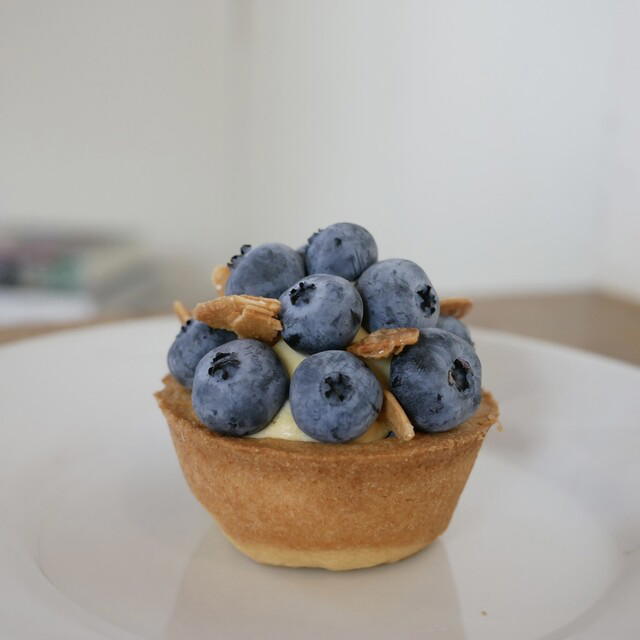
Approaching Kew, Kyoto changes tempo. The city’s busier rhythms give way to a quieter sense of planning: visitors moving with the patience that a focused cafe stop can demand. In that setting, the contemporary Kyoto cafe has become a category of its own, less about caffeine as utility than about controlled pacing, small menus, and a room that invites attention to what is on the table.
Kew belongs to that newer Kyoto pattern. The setting is Kyoto, and the format is unusually disciplined for the category in its public identity: a narrow focus around cafe and doughnut service. That structure matters. Kyoto has plenty of places built for spontaneous tea breaks; this is closer to the dessert-stop model, where the menu’s compactness shapes the experience before anything reaches the table.
A cafe menu built around restraint, timing, and doughnuts
Kyoto’s serious cafe scene often borrows from three traditions at once: kissaten ritual, patisserie precision, and the city’s habit of making small formats feel ceremonial. Kew’s menu architecture sits in that overlap. The listed categories are cafe and doughnut, which sounds simple until placed against Kyoto’s broader dining culture, where specialization is a signal. A narrow menu tells the reader to expect focus rather than breadth, and the cafe’s public recognition reinforces that point. This is not the cafe equivalent of a hotel lounge; it is a focused dessert stop with a defined identity.
The price band, JPY 2,000 to JPY 2,999, places it above a casual coffee break and below Kyoto’s more formal meal formats. That middle tier is where the city has become particularly interesting: places that ask for intention without asking for a full restaurant commitment. In Kyoto, a diner might map that instinct toward compact, highly specific addresses elsewhere in the city. For Kew, the comparison shifts: the decision is less about convenience and more about whether a cafe can hold its own as a planned part of the day.
Recognition helps explain why it does. Kew was selected for Tabelog Cafe WEST 2025, with a Tabelog score of 3.62. For cafes, that kind of placement is useful because it separates specialist dessert and coffee rooms from the mass of pleasant stops around sightseeing districts. The award does not turn the place into a formal restaurant, and it should not be read that way. It confirms that the cafe operates in a competitive field where consistency, format, and user confidence carry weight.
Kyoto changes the way the visit should be read
Location is part of the editorial argument here. Kyoto is not a single dining pattern, and its quieter cafe addresses reward slower scheduling, especially for travelers pairing temples, gardens, and tea rather than stacking meals across town. A cafe in Kyoto has to solve a different problem from a cafe built purely for transit convenience: it must justify its place in the day. Kew’s focused cafe-and-doughnut identity does exactly that, giving the visit a clear purpose rather than letting it dissolve into an open-ended afternoon.
The practical details also signal the mood of the room. The public category is concise, the price band is clear, and the listed phone number gives diners a direct route for current details. That matters in Kyoto, where small-format places can operate with house rules that are best checked before arrival. The safest reading is to treat Kew as a specialist cafe rather than an all-purpose lounge, and to confirm current service details through official channels before building it into a route.
The category also sits neatly beside Kyoto’s older sweets culture. A traveler thinking about tradition, ceremony, and the city’s long relationship with sweets may read Kew as a newer cafe grammar built around modern dessert pacing. Both make more sense than treating Kyoto sweets as an afterthought. For a broader city read, Our full Kyoto restaurants guide gives the dining frame, while Our full Kyoto hotels guide, Our full Kyoto bars guide, Our full Kyoto wineries guide, and Our full Kyoto experiences guide help place it within a wider itinerary.
How it compares with Kyoto's small, specialist rooms
Kyoto’s premium casual dining is not one scene but several overlapping ones. Ajiro, Cainoya, Cricket, Tozentei, and wavie each point to different ways the city handles compact, specialist dining. Against that group, Kew is useful because it clarifies the dessert-cafe lane: lower financial commitment than many full meals, more focus than a general-purpose counter stop, and a clearer house identity than many neighborhood cafes.
The limitation is also the point. Diners looking for a broad savory menu or a flexible all-purpose cafe should choose differently. Those building a Kyoto day around a focused cafe stop will understand the appeal. The format suits travelers who treat dessert as an appointment in its own right rather than simply a reward after lunch.
Kyoto’s wider casual map can pull in many directions, from long-running local sweets traditions to newer independent cafes and compact specialist rooms across the city. Other Japanese cities have their own casual forms, and abroad those forms travel differently again. Kew’s value is more local and more precise: it shows how Kyoto can turn a cafe and doughnut format into a quiet, sharply bounded experience.
Frequently asked questions
Is Kew more mid-range or high-end?
Pricing at Kew is listed as JPY 2,000 - JPY 2,999.
Where is Kew located?
Kyoto.
How far ahead should I plan for Kew?
Kew is listed in the JPY 2,000–JPY 2,999 range, which suits a planned cafe stop in Kyoto. Check the venue's official channels for the latest service details before visiting.
What do critics highlight about Kew?
The main signal is its selection for Tabelog Cafe WEST 2025. That recognition sits alongside a focused Cafe, Donut format in Kyoto and a Tabelog score of 3.62.
How does Kew handle allergies?
Kew does not publish a detailed allergy protocol in the provided record, so the practical move is to raise the issue directly before visiting. The listed phone number is +81-75-406-0763 for inquiry. Check the venue's official channels for the latest details.
Comparable Options
Comparable venues at the same tier for side-by-side context.
| Venue | Cuisine | Price | Awards | Notes |
|---|---|---|---|---|
| KewThis venue (the venue you are viewing) | Dessert Cafe | $10–20 | Tabelog 100 #47 | Not listed |
| CLAMP COFFEE SARASA | Specialty coffee & toast café | $10–20 | Tabelog 100 #57 | Nakagyō |
| Yakitate Pan Manhattan | Japanese neighborhood bakery and sandwich shop | $1–10 | Tabelog 100 #94 | Nakagyō |
| maison de frouge | Strawberry specialty café & patisserie | Not listed | Tabelog 100 #84 | Nakagyō |
| RUFF | Bakery Cafe | $10–20 | Tabelog 100 #1 | Nakagyō |
| Croa | Artisanal Bakery | $1–10 | Tabelog 100 #42 | Kita |
Recognition history
Dated appearances from independent guides and award organizations, with the underlying list record or original source where available.
Tabelog 100 #47 · No. 47
Tabelog · Tabelog 100 - Cafe - WEST - 2025
Continue exploring
More in Kyoto
Restaurants in Kyoto
All restaurants in Kyoto →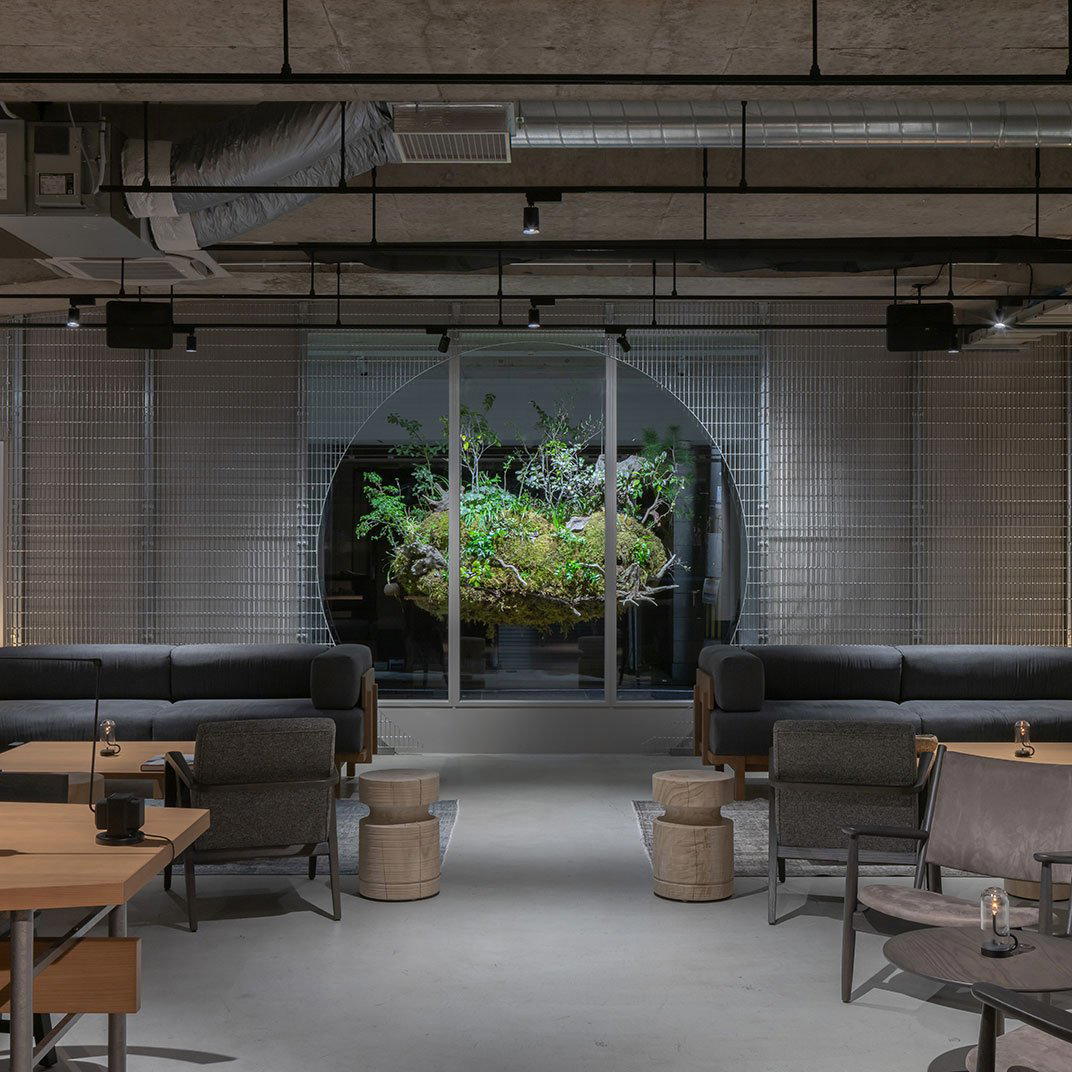
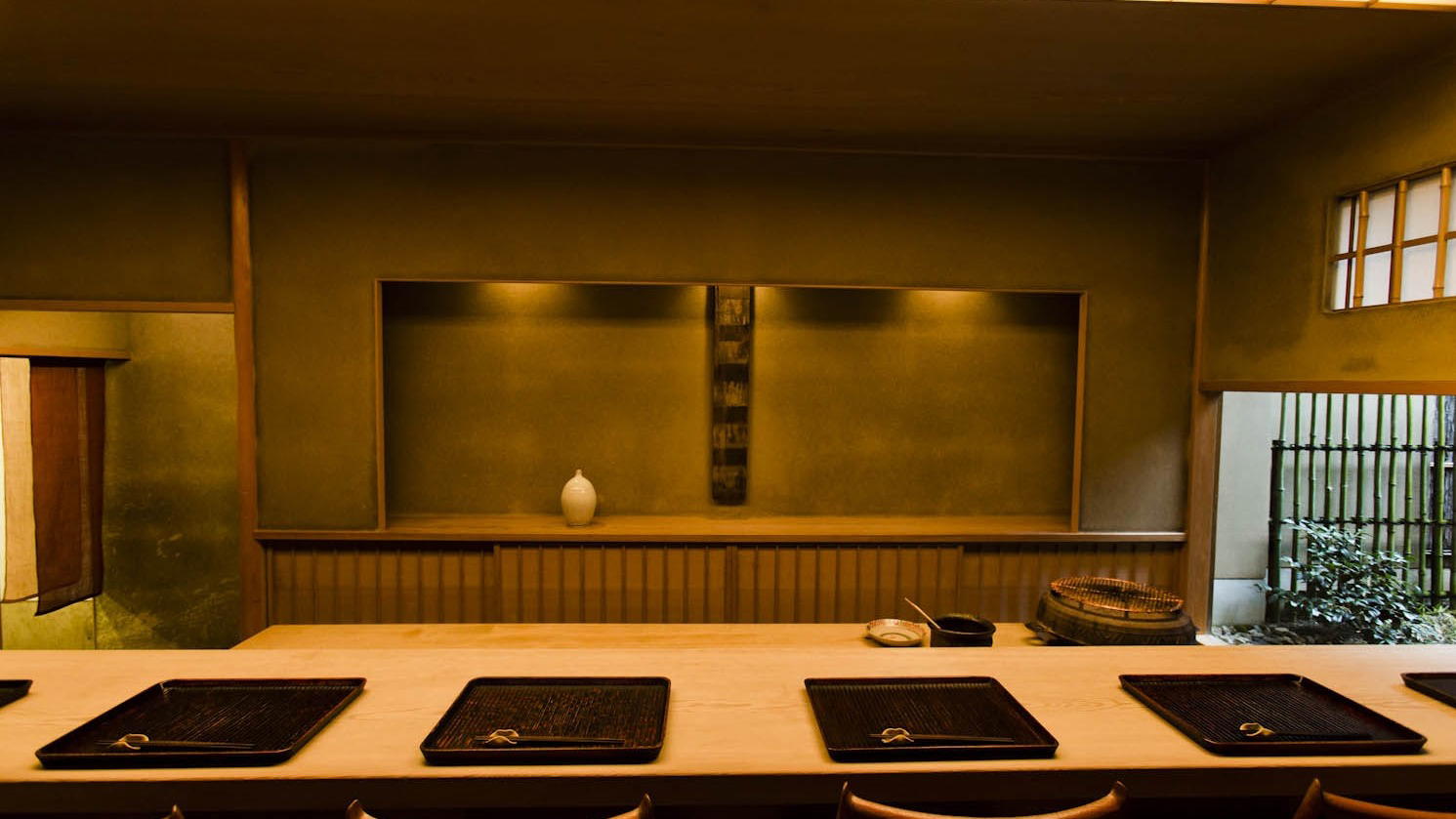
Bars in Kyoto
All bars in Kyoto →
Hotels in Kyoto
All hotels in Kyoto →
Wineries in Kyoto
Browse all →
Details
- Cozy
- Minimalist
- Solo
- Casual Hangout
- Brunch
- Standalone
- A La Carte
Quiet, tucked-away cafe atmosphere centered on desserts, with a simple and intimate feel.