
Michelin Plate
Our verdict
Behind a midnight-blue façade on a quiet residential street in the 16th arrondissement, Ken Yamamoto holds a 2025 Michelin Plate for contemporary cooking that weaves Japanese ingredients into a classical French framework. A single evening set menu and a lunchtime choice keep the format spare. The tableware alone, Japanese crockery, precision meat knives, signals the level of attention the kitchen brings to the plate.

Pearl is the En Primeur Club membership app, where members save venues, book tables and use the concierge.
The menu
What to order
- Foie gras with miso saikyo
- Pollack with yuzu and white wine sauce
- Beef tenderloin with tempura Padrón peppers
The 16th's Quiet Frequency
There is a particular kind of Paris restaurant that earns its following not through spectacle but through repetition, the table that rewards the third visit more than the first. The 16th arrondissement, a neighbourhood of broad avenues and residential calm rather than tourist density, has historically been home to exactly this type of establishment. Rue de la Pompe at number 144 is a street of that character: unhurried, residential, the sort of address you learn from someone who already knows.
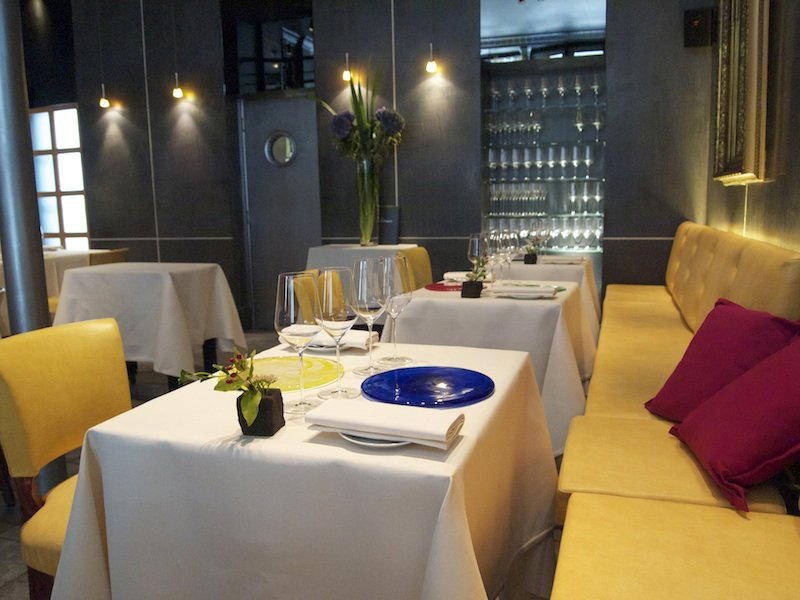
The midnight-blue façade of Ken Yamamoto announces something considered before a guest crosses the threshold. That initial visual restraint is consistent with what follows inside: a room that combines contemporary design with Art Deco references, where the architecture recedes and the table itself becomes the focal point. Regular visitors to this part of Paris will recognise the format, intimate, designed with purpose, populated by a clientele that returns because the kitchen delivers on a clear and consistent promise.
What Keeps the Regulars Coming Back
In the Paris dining scene, loyalty at the €€€ tier tends to concentrate around kitchens that have found a register and hold it. The Franco-Japanese fusion category is well-trodden in the capital, but its quality varies widely: at the lower end it becomes a novelty exercise, Japanese ingredients inserted for visual effect rather than structural reason. At Ken Yamamoto, the integration is more considered. Miso saikyo paired with foie gras is not an invention for the sake of novelty; it is a flavour logic that uses fermented soy to cut the richness that classical French technique tends to build. Yuzu in a white wine sauce alongside pollack applies citrus brightness where a conventionally made beurre blanc might sit heavier. Padrón peppers in tempura beside beef tenderloin connects two distinct frying traditions while managing the balance of char, fat, and heat.
These combinations, delivered consistently, are the foundation of the regulars' return. There is no guesswork about what this kitchen does: it applies Japanese precision and ingredient vocabulary to French structure, and it does so within the discipline of a set menu in the evening. The format removes the decision fatigue that some restaurants impose and allows the kitchen to sequence with intention. Lunchtime offers greater flexibility with options, which makes the midday service a useful entry point for first-time visitors who want to calibrate before committing to the evening format.
The 2025 Michelin Plate recognition, awarded to restaurants that deliver good cooking, places Ken Yamamoto in a tier below the star holders but above the unmarked majority of Paris addresses. It is a meaningful signal: the guide's inspectors found the food consistently well-executed. For context, the three-star tier in Paris includes addresses such as 114, Faubourg, Accents Table Bourse, and the monumentally priced rooms around Kei and L'Ambroisie. Ken Yamamoto occupies a different price bracket and a different social atmosphere, and the Plate reflects a category of cooking that is serious without requiring the financial commitment of the starred tier.
The Detail in the Tableware
Regulars at a restaurant like this often cite the smallest things as evidence of care. The selection of tableware at Ken Yamamoto, Japanese crockery and quality meat knives, is one of those details that communicates intent before a dish arrives. Across the Franco-Japanese dining niche in Paris, the tableware conversation has become meaningful. Kitchens that source Japanese ceramics for service are making an implicit argument about the quality of the produce they plate on them, and about the coherence of their culinary reference points. The knives communicate a commitment to the textures the kitchen wants to deliver, particularly relevant in a menu that moves between delicate fish preparations and beef cuts where the carve matters.
These choices are not decorative. They are functional signals that the same attention operating in the kitchen carries through to the surface of the table. For guests who return regularly, this consistency, from the façade to the room to the ceramic to the plate, is precisely the quality they are paying for in the €€€ range.
Placing Ken Yamamoto in a Broader Current
The Franco-Japanese dining current in Europe has several reference points worth placing on the map. In France itself, the integration of Japanese technique into French classical cooking has produced some of the country's most interesting Michelin-recognised addresses over the past two decades. Beyond Paris, destinations like Flocons de Sel in Megève, Mirazur in Menton, and the institutional weight of Troisgros in Ouches each illustrate how French cuisine accommodates influence without losing structural identity. Further back in the tradition, addresses like Auberge de l'Ill in Illhaeusern, Bras in Laguiole, and Paul Bocuse in Collonges-au-Mont-d'Or established the foundation of serious French regional cooking that younger kitchens now work against or alongside.
Internationally, the modern cuisine category that bridges Nordic and Japanese-influenced precision includes addresses like Frantzén in Stockholm and its regional offshoot FZN by Björn Frantzén in Dubai, which operate at a different price point and scale but share the same instinct to treat French and Japanese culinary frameworks as compatible rather than competing. Ken Yamamoto works in this same intellectual territory, at the intimate end of the format spectrum.
Within Paris, restaurants like Amâlia, Anona, and Auberge de Montfleury represent a broader category of serious Paris cooking outside the three-star circuit, places where the guide's attention signals consistent quality rather than transformative ambition. Ken Yamamoto sits in this company: a reliable, focused address with a clear culinary identity.
Planning the Visit
The evening format at Ken Yamamoto is a single set menu, which removes the need to navigate a long carte but does require a degree of commitment from the guest. Lunch offers options, making it the more flexible entry point for those approaching the kitchen for the first time. The 16th arrondissement location on Rue de la Pompe is accessible by Metro and sits in a neighbourhood where the surrounding streets are quiet enough that the meal extends naturally into the evening without the ambient noise that marks busier Paris arrondissements.
The €€€ price positioning places it below the four-star hotel dining rooms and three-Michelin-star addresses of central Paris, while the Michelin Plate confirms a standard of cooking above the unmarked majority. For guests building a Paris itinerary around serious food, a broader orientation is available through our full Paris restaurants guide. For hotel recommendations in the same city, see our full Paris hotels guide. Bars, wineries, and cultural programming are covered in our Paris bars guide, our Paris wineries guide, and our Paris experiences guide.
Quick reference: 144 Rue de la Pompe, 75116 Paris. Michelin Plate 2025. €€€. Evening set menu; lunch options available.
Frequently asked questions
What awards or recognition does Ken Yamamoto have?
Ken Yamamoto has received recognition including: Michelin Plate (2025); In a quiet residential street, the establishment of Kenichi (Ken) Yamamoto lies behind a midnight-blue façade. The decor of his intimate restaurant combines contemporary design with Art Deco elements. The eye is immed….
What's the signature dish at Ken Yamamoto?
The kitchen does not build its identity around a single showcase preparation. The menu's logic is integrative: Japanese ingredients, miso saikyo with foie gras, yuzu in white wine sauce, Padrón peppers in tempura alongside beef tenderloin, are threaded through a French framework rather than placed on a pedestal. In that sense, the signature is the approach itself. The single evening set menu means every dish is weighted equally within the sequence.
How much does it cost to eat at Ken Yamamoto?
Pricing at Ken Yamamoto is listed as €€€.
Recognition, Side-by-Side
| Venue | Cuisine | Price | Awards | Notes |
|---|---|---|---|---|
| Ken YamamotoThis venue (the venue you are viewing) | Contemporary French with Japanese Influence | $100–150 | Michelin Plate | Not listed |
| Alléno Paris au Pavillon Ledoyen | Modern French Fine Dining | $150–200 | 3 Michelin Stars · World's 50 Best #79 | Creative |
| Kei | Modern French with Japanese Influences | $300–500 | 3 Michelin Stars · World's 50 Best #93 | Contemporary French, Modern Cuisine |
| L'Ambroisie | Classic French Haute Cuisine | $300–500 | 2 Michelin Stars · World's 50 Best #23 | French, Classic Cuisine |
| Le Cinq - Four Seasons Hôtel George V | Modern French Fine Dining | $300–500 | 3 Michelin Stars · World's 50 Best #24 | French, Modern Cuisine |
| Plénitude | Modern French Sauce-Led Fine Dining | $300–500 | 3 Michelin Stars · World's 50 Best #14 | Contemporary French |
Recognition history
Dated appearances from independent guides and award organizations, with the underlying list record or original source where available.
Michelin Plate
Michelin
Full recognition history (3 entries)
Michelin Plate
Michelin
Michelin Plate
Michelin
Continue exploring
More in Paris
Restaurants in Paris
All restaurants in Paris →
Bars in Paris
All bars in Paris →



Details
- Intimate
- Elegant
- Quiet
- Sophisticated
- Modern
- Date Night
- Special Occasion
- Celebration
- Private Dining
- Design Destination
- Standalone
- Sake Program
- Sommelier Led
- Local Sourcing
- Tasting Menu
- Set Menu
- Wine
- Sake
- Allergy Accommodating
Current opening hours
- Monday
- Closed
- Tuesday
- 12–2 PM, 7:30–9:30 PM
- Wednesday
- 12–2 PM, 7:30–9:30 PM
- Thursday
- 12–2 PM, 7:30–9:30 PM
- Friday
- 12–2 PM, 7:30–9:30 PM
- Saturday
- 12–2 PM, 7:30–9:30 PM
- Sunday
- Closed
Hours can change for holidays and private events. Hours as of .
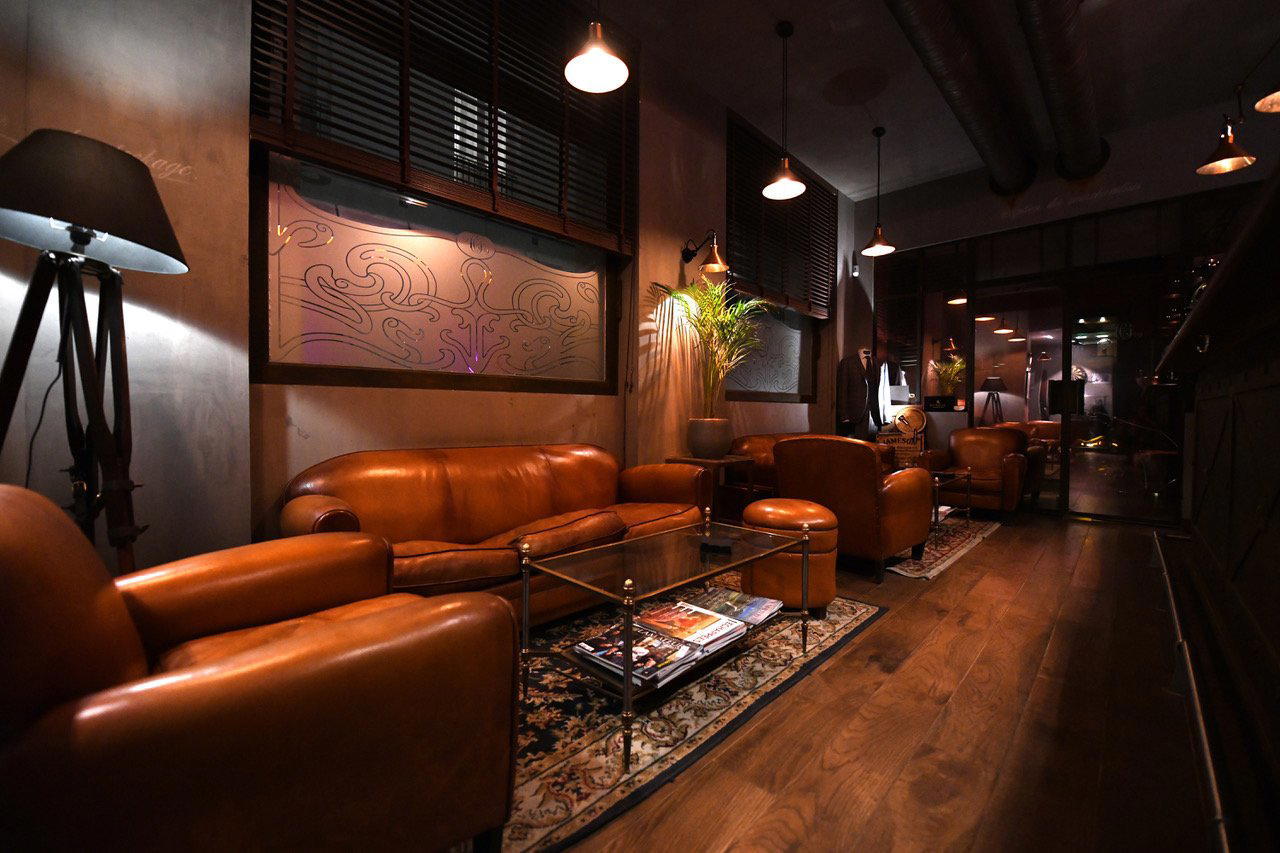
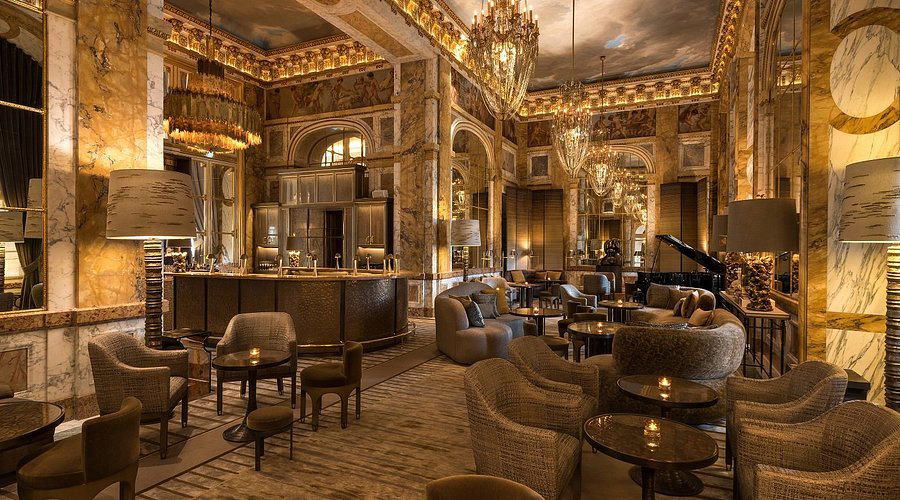
Soft lighting in a compact, composed room with Art Deco elements and contemporary design; tables arranged for privacy with refined, understated elegance and minimal noise.