
Michelin Plate
Our verdict
Disciples occupies a quietly serious position in Paris's 16th arrondissement, holding a Michelin Plate for two consecutive years while cooking in the traditional French register. It sits in the tier of neighbourhood-anchored restaurants that treat classical technique as a living practice rather than a museum piece, specific, sourced, and largely unbothered by trend.

Pearl is the En Primeur Club membership app, where members save venues, book tables and use the concierge.
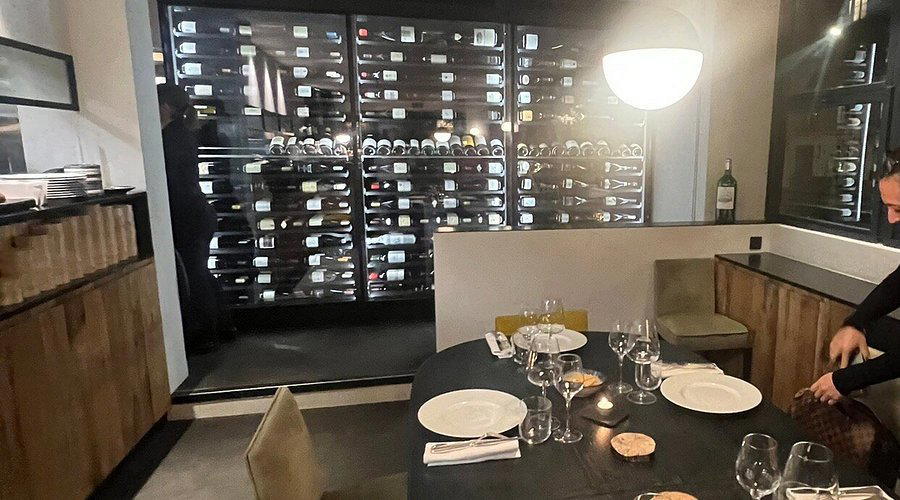
The menu
What to order
- Disciple pâté croûte
- Veal chop
- Hare à la royale
- Lamb shoulder confit
- Œuf parfait
Where the 16th Arrondissement Does Its Serious Eating
Boulevard Murat runs along the southwestern edge of the 16th arrondissement, a wide residential axis that separates the Parc des Princes stadium from the quieter streets of the Auteuil neighbourhood. The dining culture here is not the self-conscious gastronomy of the 8th, nor the fashionable density of the 11th. Restaurants on this stretch serve a local population that has been eating well for generations and requires no performance in return, which is exactly the kind of pressure that produces honest cooking. Disciples, at number 136, fits that character precisely.
Traditional Cuisine as a Supply Chain Argument
The term cuisine traditionnelle is doing real work in the French dining context, and it matters to understand what it signals before sitting down. At its least ambitious, the label covers bistro dependables; at its most committed, it describes a sourcing logic where the menu is determined by what producers have available, not by what a concept demands. France's most celebrated regional tables have always operated on this principle: Bras in Laguiole built an international reputation on the wild flora of the Aubrac plateau, while Auberge de l'Ill in Illhaeusern has kept Alsatian product at the centre of its cooking across more than a century of operation.
Urban traditional restaurants face a structurally different challenge: they cannot point to a hillside outside the back door. What distinguishes the better Paris practitioners is the rigour of their supplier relationships, market stalls, small farms within two hours of the périphérique, and the city's remaining specialist butchers and fishmongers. When a Paris kitchen describes itself as traditional, the question worth asking is not what technique it uses, but where Wednesday's lamb comes from. That sourcing commitment, invisible on the plate but legible in its consistency, is what separates a Michelin-recognised address from a competent one.
Disciples holds a Michelin Plate for 2024 and 2025, a signal of sustained quality rather than a single good season. In Michelin's own language, the Plate marks a kitchen that cooks well, not a temporary impression, but a standard that has been reviewed, confirmed, and renewed. For a traditionally-framed restaurant in a residential arrondissement with no obvious marketing profile, two consecutive Plates is a meaningful credential.
The 16th in Context: A Neighbourhood That Expects Results
Paris's arrondissements do not all eat the same way, and the 16th is a particular case. The district's restaurant culture has historically split between grand addresses around the Trocadéro and quieter neighbourhood tables in Auteuil and Passy that serve a clientele with high expectations and low patience for noise. The latter category, small rooms, set menus, sourced produce, no theatre, is where French traditional cooking has always found its most demanding audience.
This contrasts sharply with the high-modernist end of Paris dining, where restaurants like Le Violon d'Ingres and the three-Michelin-star tier, Alléno Paris au Pavillon Ledoyen, L'Ambroisie, Pierre Gagnaire, operate with four-figure tasting menus and international reservation lists. Disciples, at the €€€ price range, occupies a different register entirely: serious enough to earn Michelin recognition twice over, accessible enough to function as a genuine neighbourhood table. That positioning is harder to maintain than it sounds. The economics of sourcing well push against the economics of keeping prices moderate, and the restaurants that manage both tend to be the ones worth returning to.
At that volume, a 4.7 average is not a statistical anomaly, it reflects a consistent experience across a range of diners over time, which tracks with the profile of a kitchen that has found its register and holds it.
Paris Traditional Cuisine: Where Disciples Sits Among Its Peers
Understanding Disciples means placing it correctly within Paris's broader traditional cuisine tier. Allard in Saint-Germain is the reference-point Parisian bistro, carrying decades of institutional reputation alongside its cooking. Anecdote represents a more contemporary expression of the same instinct, with a tighter format. 19.20 by Norbert Tarayre applies a chef-driven personality to the traditional frame. 20 Eiffel operates in the tourist-adjacent tier near the 7th.
Disciples does none of these things. It is a 16th arrondissement address, two years into a Michelin Plate streak, cooking traditional French food for people who live nearby and return regularly. That is a specific proposition, and it should be read as such.
France's tradition of terroir-rooted cooking extends well beyond Paris. Flocons de Sel in Megève, Mirazur in Menton, and Troisgros, Le Bois sans Feuilles in Ouches each anchor their menus to immediate regional geography in ways a Paris restaurant structurally cannot. Paul Bocuse, L'Auberge du Pont de Collonges in Collonges-au-Mont-d'Or remains the canonical reference for what French classical cooking looks like when applied without apology. The better Paris traditional tables respond to this by sourcing across regions rather than defaulting to proximity, which produces a different kind of menu, more varied by season, less tied to a single landscape, more dependent on supplier relationships than geography alone.
For comparable traditional-format cooking at a regional level, Auberge Grand'Maison in Mûr-de-Bretagne and Auga in Gijón offer points of comparison for how the same commitment to sourced, classically-framed cooking plays out in different regional contexts.
Planning Your Visit
Disciples is at 136 Boulevard Murat in the 16th arrondissement, reachable from Michel-Ange Molitor or Exelmans on Métro line 9. The €€€ pricing places it in the mid-to-upper neighbourhood tier, expect a three-course experience rather than a quick lunch.
| Venue | Cuisine | Price | Michelin | Format |
|---|---|---|---|---|
| Disciples | Traditional French | €€€ | Plate ×2 | Neighbourhood restaurant |
| Allard | Traditional French | €€€ | Plate | Classic bistro |
| L'Ambroisie | Classic French | €€€€ | 3 Stars | Grand dining room |
| Alléno Paris au Pavillon Ledoyen | Creative | €€€€ | 3 Stars | Pavilion / tasting menu |
For broader context on dining, accommodation, bars, and experiences in the city, see our full Paris restaurants guide, our full Paris hotels guide, our full Paris bars guide, our full Paris wineries guide, and our full Paris experiences guide.
Frequently asked questions
Is Disciples formal or casual?
Disciples occupies the middle ground that defines much of the 16th arrondissement's neighbourhood dining. The Michelin Plate recognition and €€€ pricing signal a room that takes its cooking seriously, but the address, a residential boulevard rather than a grand avenue, points toward a composed, non-theatrical atmosphere. Paris traditional restaurants at this level typically expect considered dress without requiring it; the social contract is attentiveness to the food, not adherence to a dress code. Think of it as the register where a jacket fits naturally but is not a precondition of entry.
What dish is Disciples famous for?
No specific signature dishes are documented in the public record for Disciples, and given the traditional French format, that is likely deliberate. Kitchens operating in this register typically rotate menus with the market and the season rather than anchoring identity to fixed dishes. The Michelin Plate, held consecutively in 2024 and 2025, suggests consistent execution across whatever the kitchen is cooking at a given moment, which in traditional cuisine is usually a more reliable indicator of quality than any single celebrated plate.
Can I walk in to Disciples?
Walk-ins are possible at many Paris neighbourhood restaurants, but a venue holding two consecutive Michelin Plates at the €€€ level in the 16th arrondissement is likely running at meaningful capacity on most evenings. If your timing is flexible and you arrive at an off-peak hour, the chance of a table improves; if you have a specific date in mind, a reservation is the more dependable approach.
Cuisine Lens
| Venue | Cuisine | Price | Awards | Notes |
|---|---|---|---|---|
| DisciplesThis venue (the venue you are viewing) | Contemporary French Bistro | $100–150 | Michelin Plate | Not listed |
| Alléno Paris au Pavillon Ledoyen | Modern French Fine Dining | $150–200 | 3 Michelin Stars · World's 50 Best #79 | Creative |
| Kei | Modern French with Japanese Influences | $300–500 | 3 Michelin Stars · World's 50 Best #93 | Contemporary French, Modern Cuisine |
| L'Ambroisie | Classic French Haute Cuisine | $300–500 | 2 Michelin Stars · World's 50 Best #23 | French, Classic Cuisine |
| Le Cinq - Four Seasons Hôtel George V | Modern French Fine Dining | $300–500 | 3 Michelin Stars · World's 50 Best #24 | French, Modern Cuisine |
| Plénitude | Modern French Sauce-Led Fine Dining | $300–500 | 3 Michelin Stars · World's 50 Best #10 | Contemporary French |
Recognition history
Dated appearances from independent guides and award organizations, with the underlying list record or original source where available.
Michelin Plate
Michelin
Full recognition history (3 entries)
Michelin Plate
Michelin
Michelin Plate
Michelin
Continue exploring
More in Paris
Restaurants in Paris
All restaurants in Paris →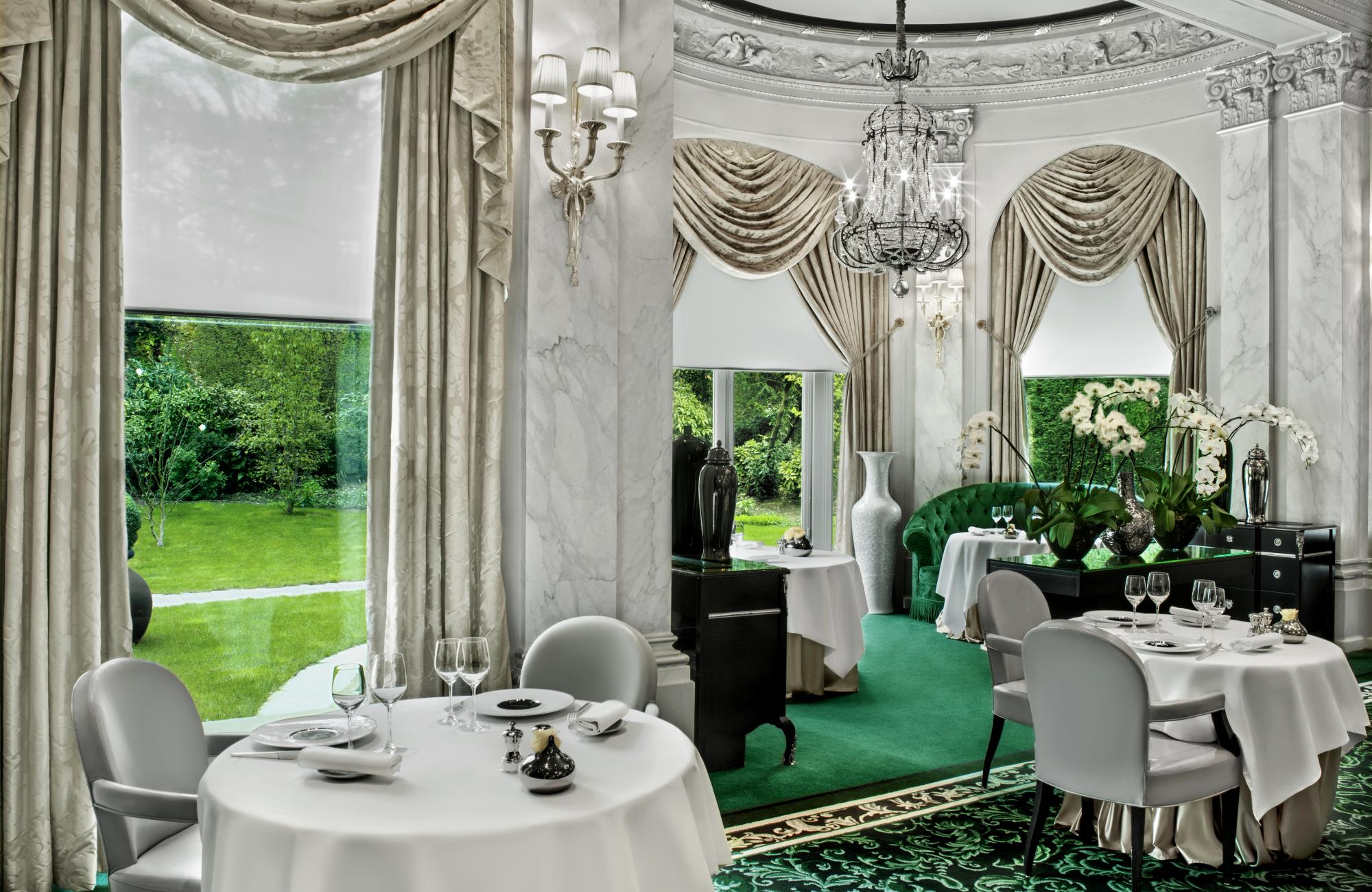
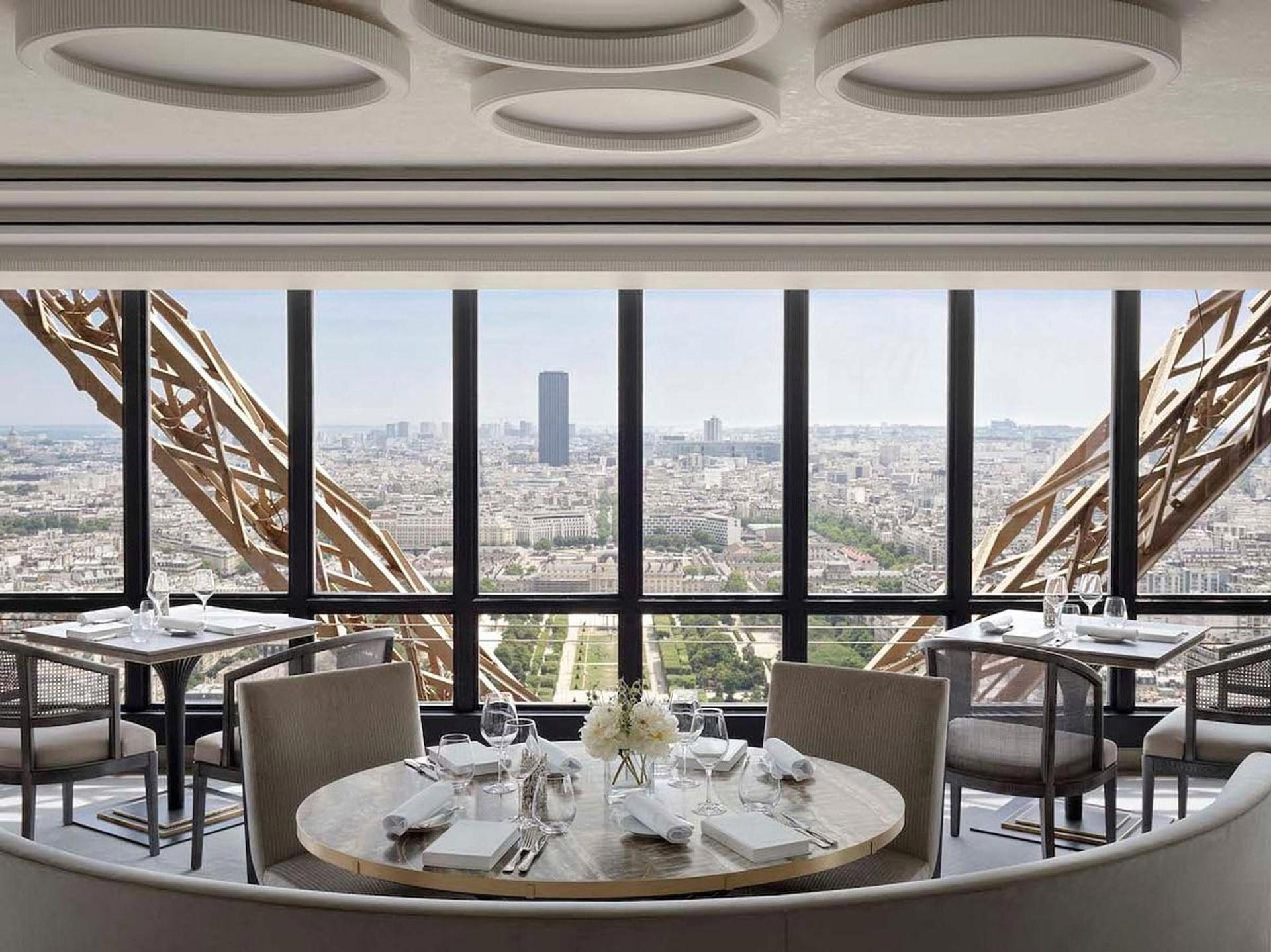
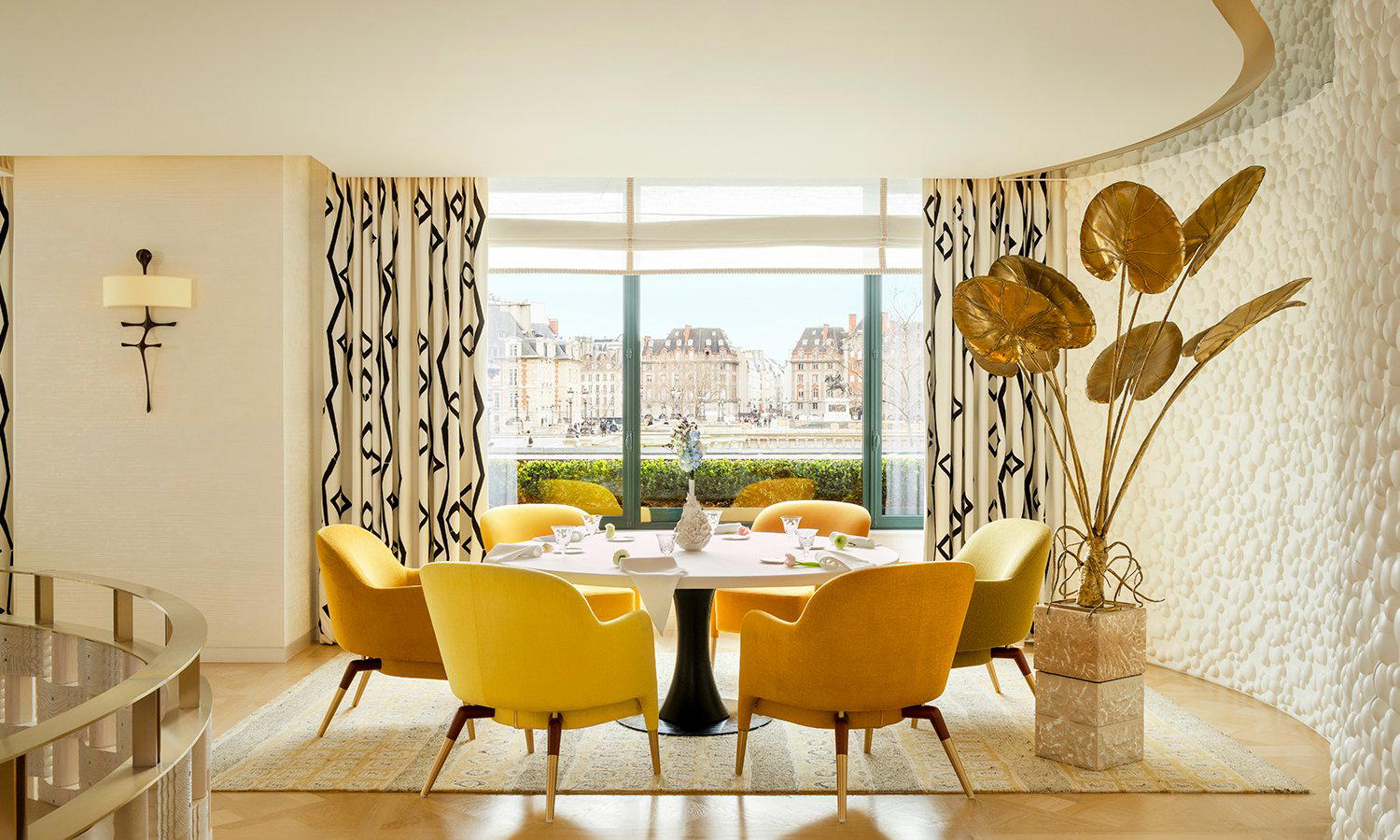
Bars in Paris
All bars in Paris →



Details
- Elegant
- Sophisticated
- Classic
- Modern
- Business Dinner
- Date Night
- Special Occasion
- Standalone
- Extensive Wine List
- Local Sourcing
- A La Carte
- Prix Fixe
- Wine
Current opening hours
- Monday
- 12–2 PM, 7:30–10 PM
- Tuesday
- 12–2 PM, 7:30–10 PM
- Wednesday
- 12–2 PM, 7:30–10 PM
- Thursday
- 12–2 PM, 7:30–10 PM
- Friday
- 12–2 PM, 7:30–10 PM
- Saturday
- Closed
- Sunday
- Closed
Hours can change for holidays and private events. Hours as of .
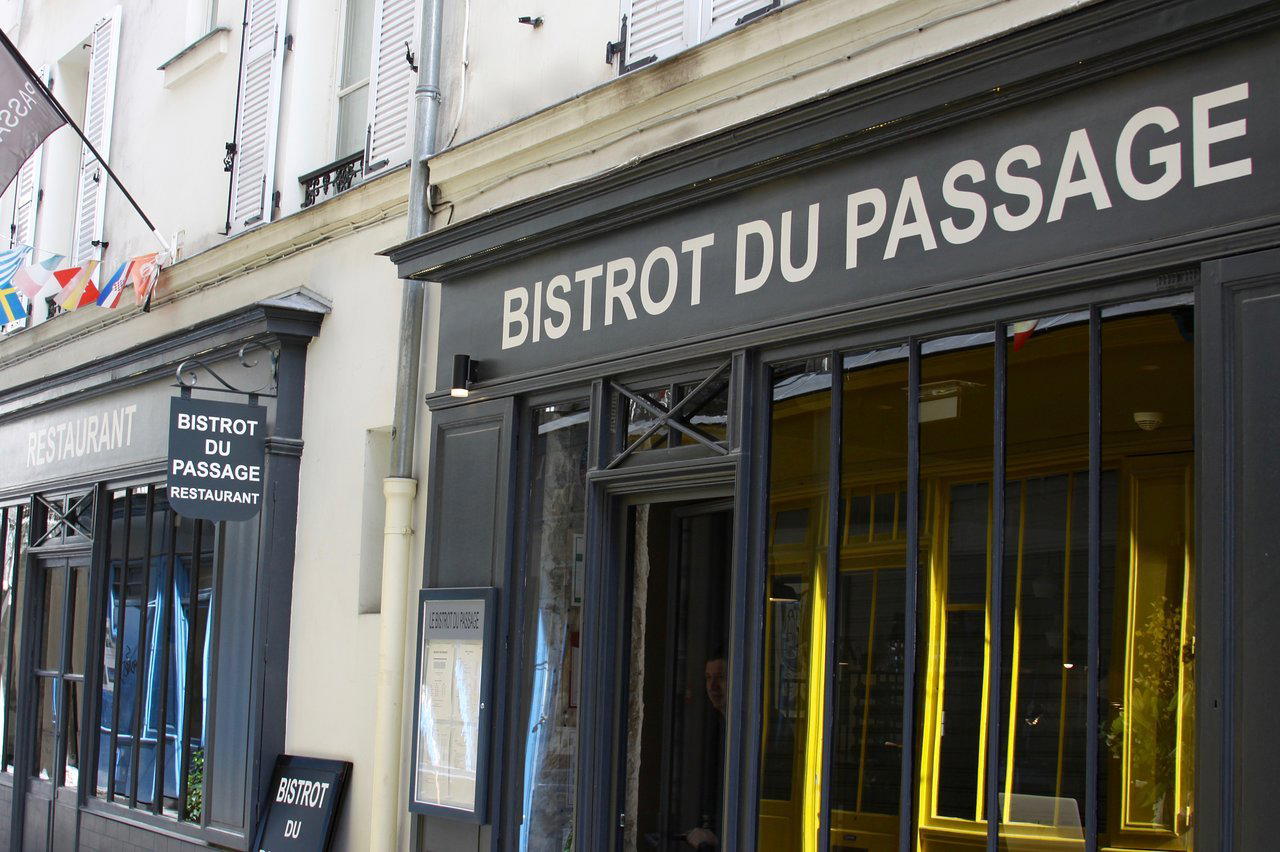
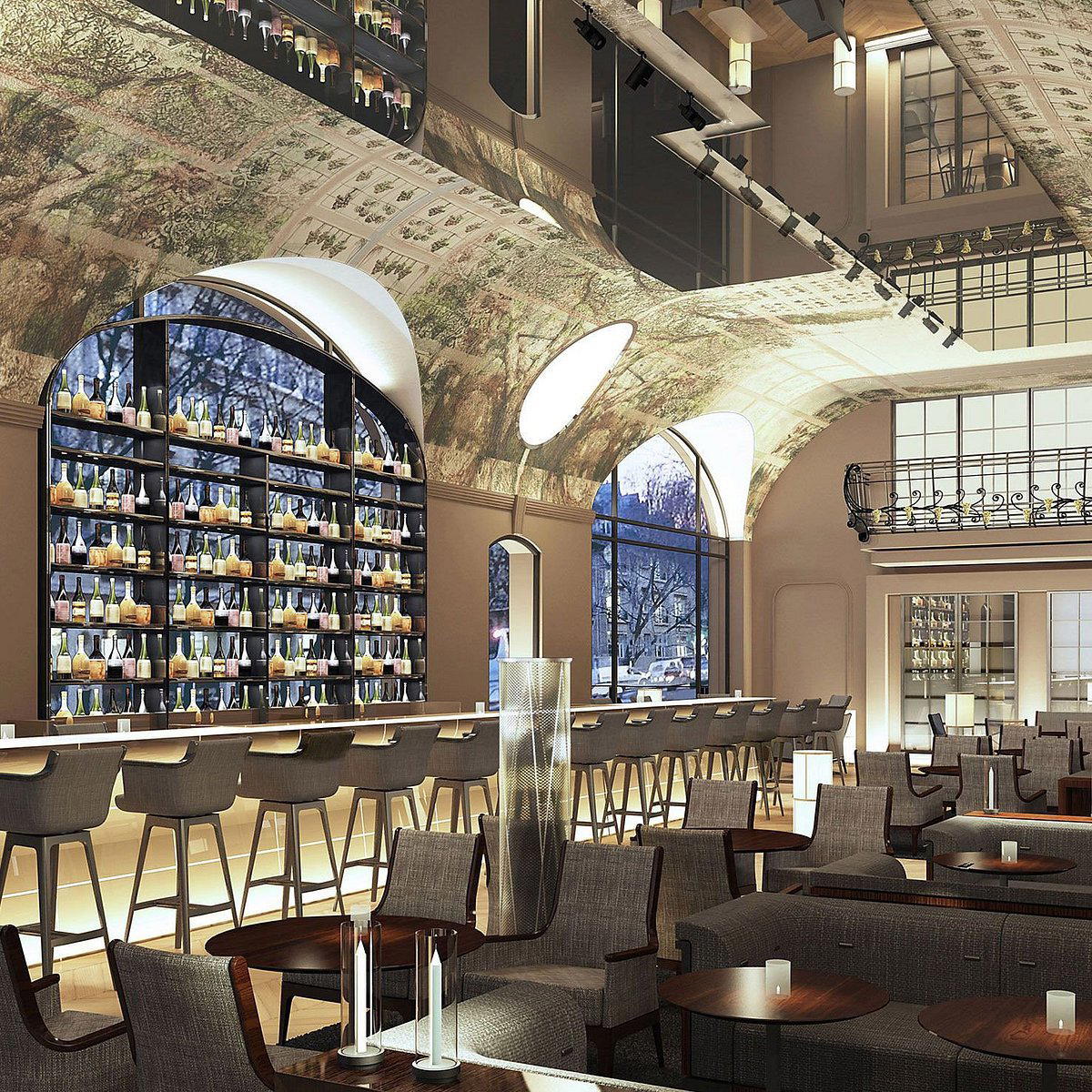
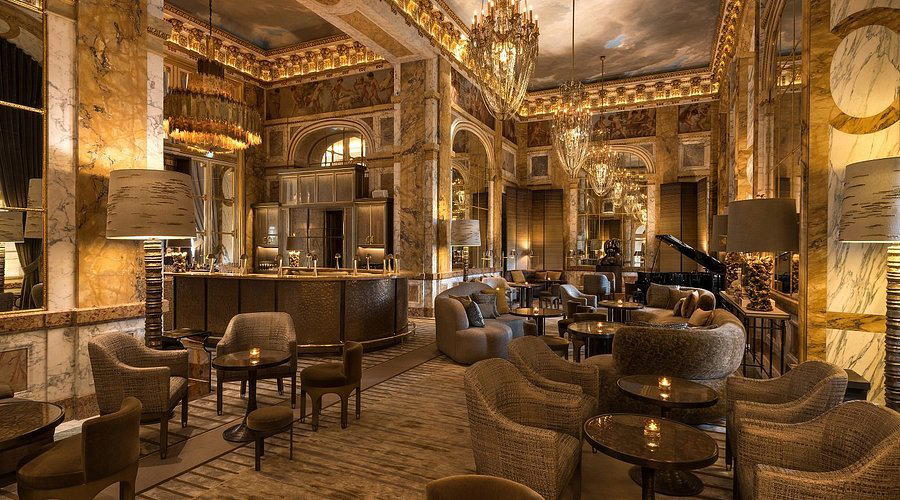
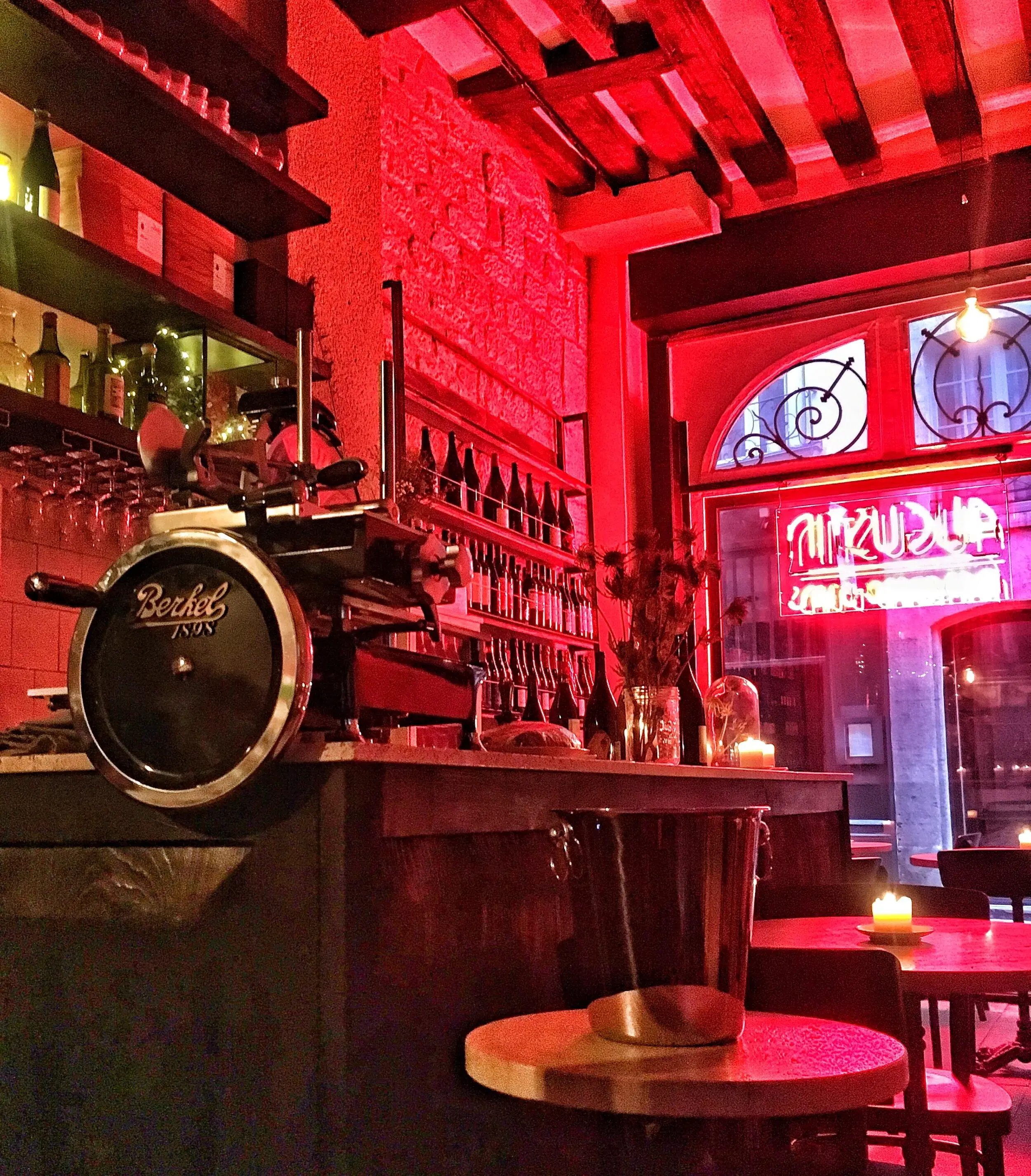
Bright, contemporary dining space with chic, upscale neighborhood aesthetic; frequented by politicians, lawyers, and decision-makers; refined and reassuring atmosphere.