
Michelin Plate
Our verdict
A Michelin Plate-recognised address in the 9th arrondissement, ASPIC sits within Paris's mid-to-upper modern cuisine tier, where precise menus and a focused format carry more weight than scale or spectacle. Located at 24 Rue Louise-Émilie de la Tour d'Auvergne, it rewards visitors who book ahead.

Pearl is the En Primeur Club membership app, where members save venues, book tables and use the concierge.
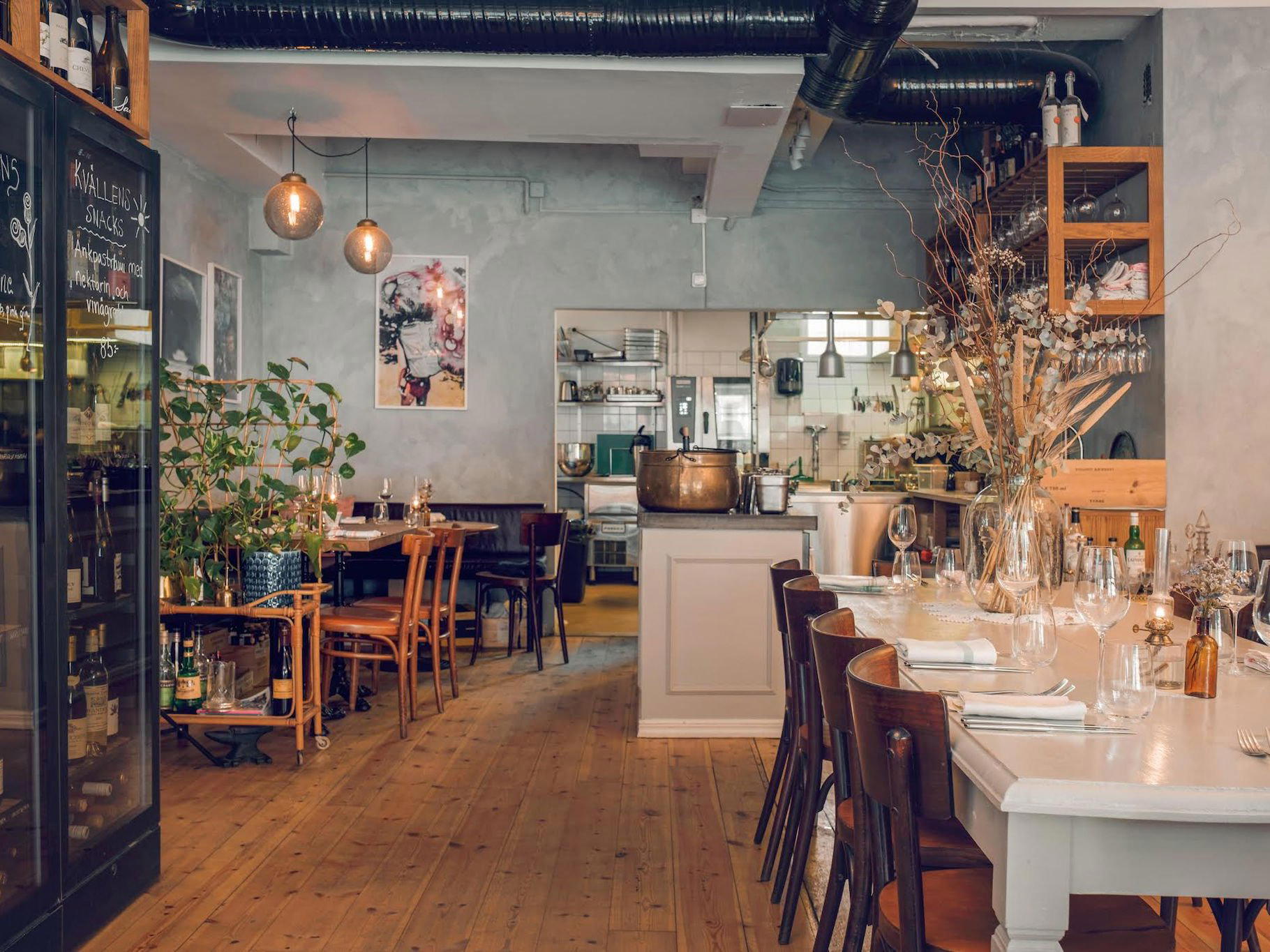
A Street in the 9th, and What the Menu Tells You
The 9th arrondissement has spent the past decade quietly repositioning itself within Paris's dining geography. Where the 6th and 8th still trade heavily on prestige addresses and grand-room theatrics, the 9th has accumulated a cluster of serious, format-led restaurants that prioritise what arrives on the plate over how the room is dressed. ASPIC, at 24 Rue Louise-Émilie de la Tour d'Auvergne, sits inside that pattern. The address is residential and unhurried, and the approach to modern cuisine here is shaped by that same restraint.
Paris's €€€€ tier covers a wide range of ambitions. At one end, you have three-star institutions Paul Bocuse - L'Auberge du Pont de Collonges and Auberge de l'Ill represent the historical weight of French haute cuisine at that tier; in Paris itself, addresses like 114, Faubourg anchor the same price band with hotel-backed scale. The Plate designation, awarded for good cooking, not just a credentialled address, is an early signal from the Guide, and its two consecutive appearances confirm consistency rather than a one-off performance.
How the Menu Is Built, and What That Architecture Signals
In the modern cuisine category, menu architecture has become one of the more reliable ways to read a restaurant's actual intent. The contrast is most visible when you compare Paris's largest tasting-menu operations, where ten or twelve courses function as a showcase of technical range, against smaller, tighter formats where each course has to carry weight. The latter requires more editorial discipline from the kitchen: fewer courses means fewer places to hide, and the sequence itself has to argue a coherent position.
ASPIC works within that compressed, disciplined model. The menu format at this tier in Paris tends to use a short fixed sequence or a constrained à la carte with clear tasting options, placing the emphasis on ingredient selection and progression over volume. This is the model that has defined some of France's most closely watched regional kitchens, Bras in Laguiole and Flocons de Sel in Megève both operate on versions of this philosophy, and it has migrated steadily into Paris's mid-upper tier over the past decade. At ASPIC, the menu architecture reflects that same priority: precision over accumulation.
The modern cuisine label itself is worth parsing here. In Paris, it does not mean fusion or an explicit break from French tradition. It means a kitchen that works within French technique while making contemporary decisions about produce sourcing, presentation language, and how dishes relate to one another within a sequence. At the €€€€ level, that approach places ASPIC in a competitive set that includes Accents Table Bourse and Anona, restaurants in a similar bracket where the argument is made course by course rather than through room scale or brand history.
The 9th Arrondissement Context
Understanding where ASPIC sits physically matters for understanding its audience. The 9th sits north of the Opéra, east of the 8th's luxury axis, and adjacent to Pigalle's bar-forward southern edge. It is not a neighbourhood where people drift in after a museum visit or a hotel stay on the Right Bank's grand boulevards. Diners here tend to have made a deliberate choice, which means the room skews toward Parisians and informed visitors rather than the broader tourist flow that fills the grand addresses in the 8th and 6th.
That self-selecting dynamic shapes the energy. Paris's neighbourhood-positioned fine dining rooms, and the 9th has several, alongside addresses like Amâlia, tend to feel less performative than their counterparts on the luxury circuit. The service contract is different: the expectation is that guests have come for the food, not for the occasion. Internationally, the closest analogy might be the format-driven modern kitchens in Stockholm, Frantzén operates at the extreme of that register, where the format discipline is itself the statement.
The comparison venues at the Paris €€€€ ceiling, Alléno Pavillon Ledoyen, L'Ambroisie, Le Cinq at the Four Seasons George V, Pierre Gagnaire, are three-star addresses where the accumulated weight of recognition is part of the product. ASPIC is not competing in that bracket; its two Michelin Plates position it in the tier below, where restaurants are making a credibility argument to the Guide rather than resting on one already awarded. That is a meaningfully different proposition for the reader: you are booking a restaurant in the process of establishing its register, not one that has already been institutionalised.
For comparison, many large-capacity Paris restaurants with stronger brand recognition carry lower aggregate scores simply because the audience is broader and less self-selected. For the reader, the implication is a kitchen that has found its audience and is cooking to hold it.
French modern cuisine at this tier has international reference points beyond Paris. Mirazur in Menton and Troisgros in Ouches each represent a version of the format-driven, produce-led modern French kitchen at higher recognition levels. FZN by Björn Frantzén in Dubai and Auberge de Montfleury ASPIC's position within all of this is Paris-specific and neighbourhood-specific: a serious kitchen in a quiet street, with two consecutive Michelin signals confirming the trajectory.
Planning Your Visit
ASPIC is at 24 Rue Louise-Émilie de la Tour d'Auvergne in the 9th arrondissement, walkable from the Cadet or Poissonnière metro stations. The €€€€ price point places it among Paris's serious-occasion dining addresses, and given the Michelin recognition and the audience it draws, booking ahead is advisable. The venue does not appear to publish hours or booking methods through standard channels, so confirming availability directly or through a concierge service before travel is the practical approach. For broader planning, see our full Paris restaurants guide, our full Paris hotels guide, our full Paris bars guide, our full Paris wineries guide, and our full Paris experiences guide.
Frequently asked questions
What is the overall feel of ASPIC?
Is ASPIC child-friendly?
What do people recommend at ASPIC?
Price and Recognition
| Venue | Cuisine | Price | Awards | Notes |
|---|---|---|---|---|
| ASPICThis venue (the venue you are viewing) | Modern Creative French | $150–200 | Michelin Plate | Not listed |
| Alléno Paris au Pavillon Ledoyen | Modern French Fine Dining | $150–200 | 3 Michelin Stars · World's 50 Best #79 | Creative |
| Kei | Modern French with Japanese Influences | $300–500 | 3 Michelin Stars · World's 50 Best #93 | Contemporary French, Modern Cuisine |
| L'Ambroisie | Classic French Haute Cuisine | $300–500 | 2 Michelin Stars · World's 50 Best #23 | French, Classic Cuisine |
| Le Cinq - Four Seasons Hôtel George V | Modern French Fine Dining | $300–500 | 3 Michelin Stars · World's 50 Best #24 | French, Modern Cuisine |
| Plénitude | Modern French Sauce-Led Fine Dining | $300–500 | 3 Michelin Stars · World's 50 Best #14 | Contemporary French |
Recognition history
Dated appearances from independent guides and award organizations, with the underlying list record or original source where available.
Michelin Plate
Michelin
Full recognition history (3 entries)
Michelin Plate
Michelin
Michelin Plate
Michelin
Continue exploring
More in Paris
Restaurants in Paris
All restaurants in Paris →
Bars in Paris
All bars in Paris →



Details
- Intimate
- Cozy
- Elegant
- Date Night
- Special Occasion
- Open Kitchen
- Extensive Wine List
- Local Sourcing
- Tasting Menu
Current opening hours
- Monday
- 7:30–11:30 PM
- Tuesday
- 7:30–11:30 PM
- Wednesday
- 7:30–11:30 PM
- Thursday
- 7:30–11:30 PM
- Friday
- 7:30–11:30 PM
- Saturday
- Closed
- Sunday
- Closed
Hours can change for holidays and private events. Hours as of .
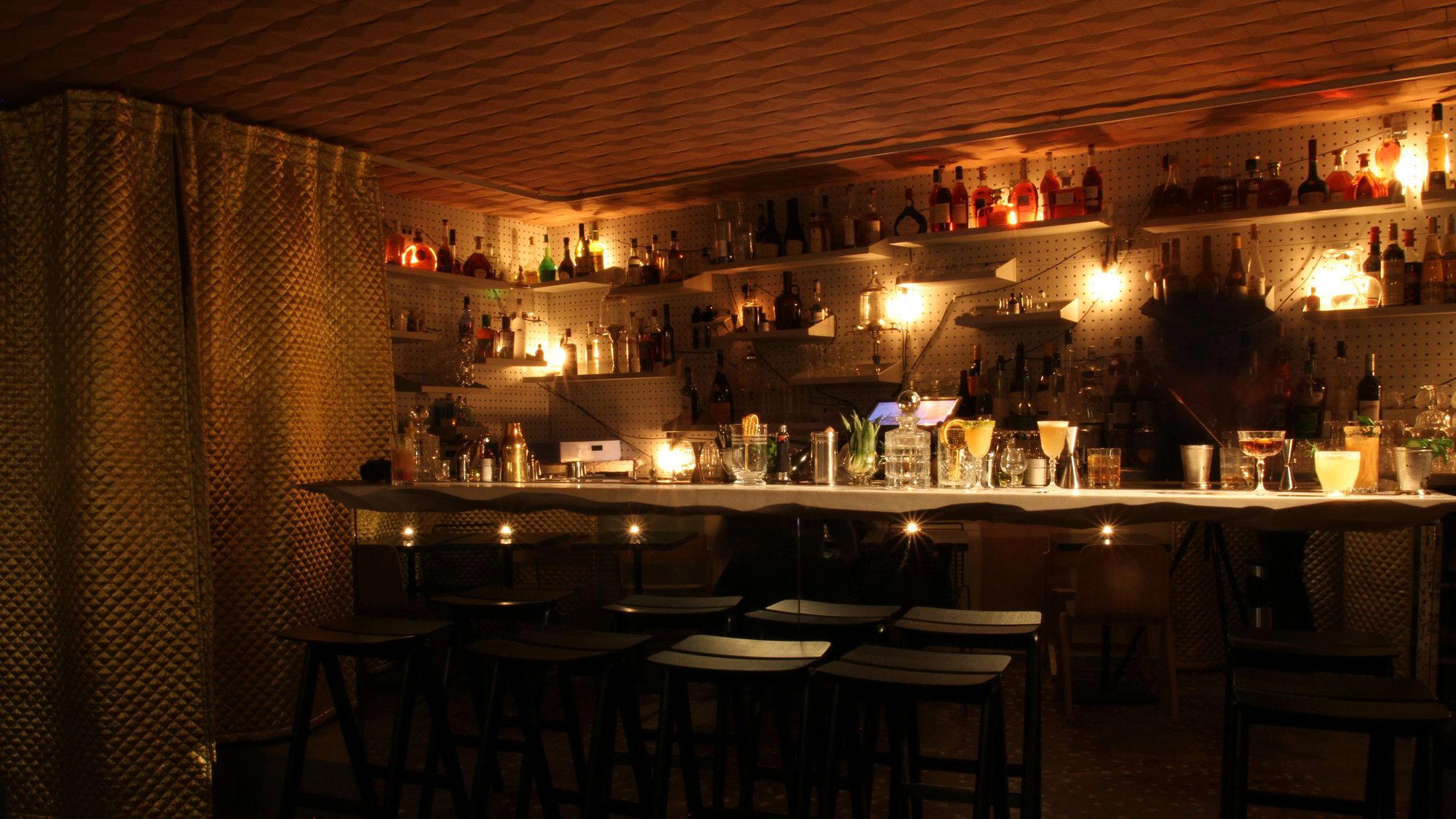
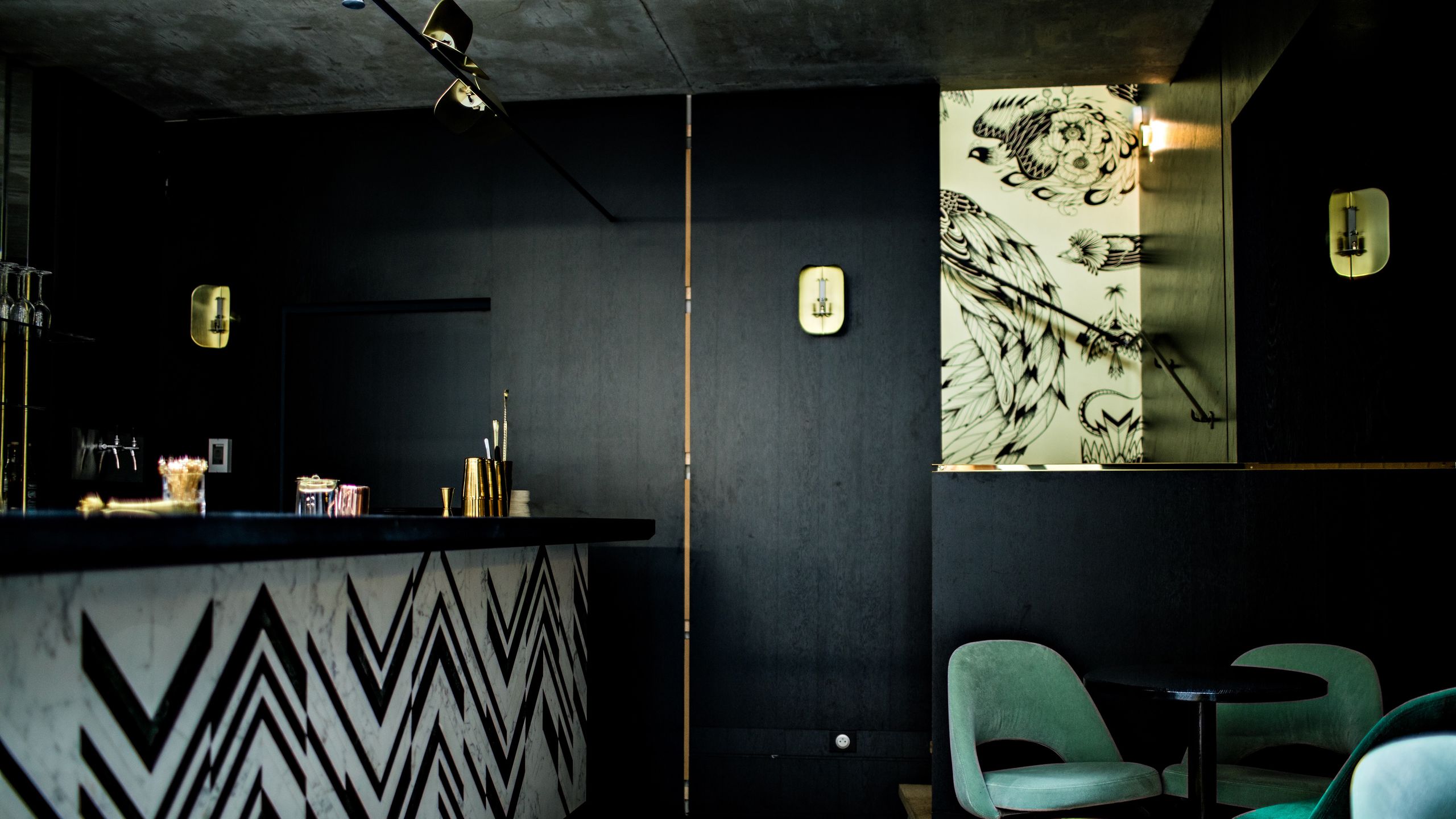
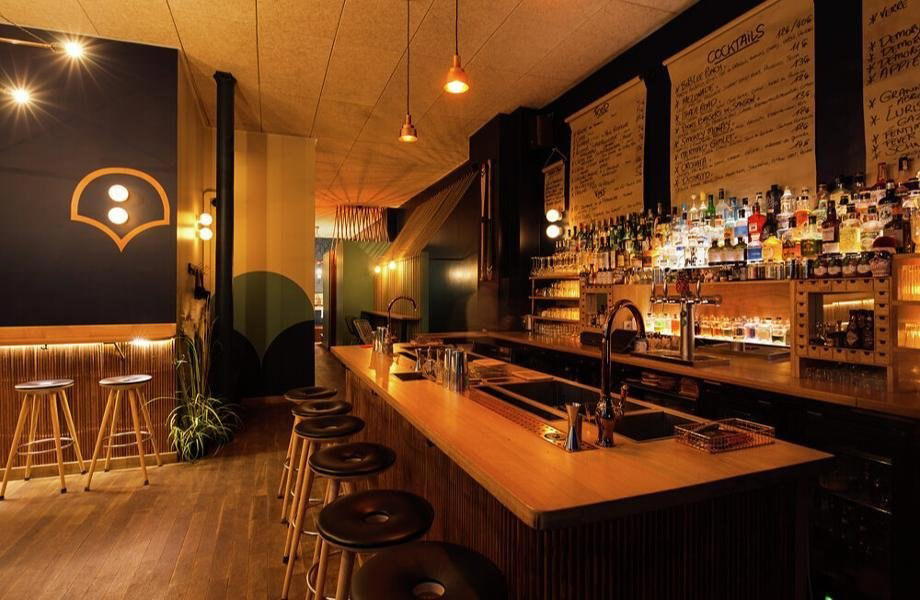
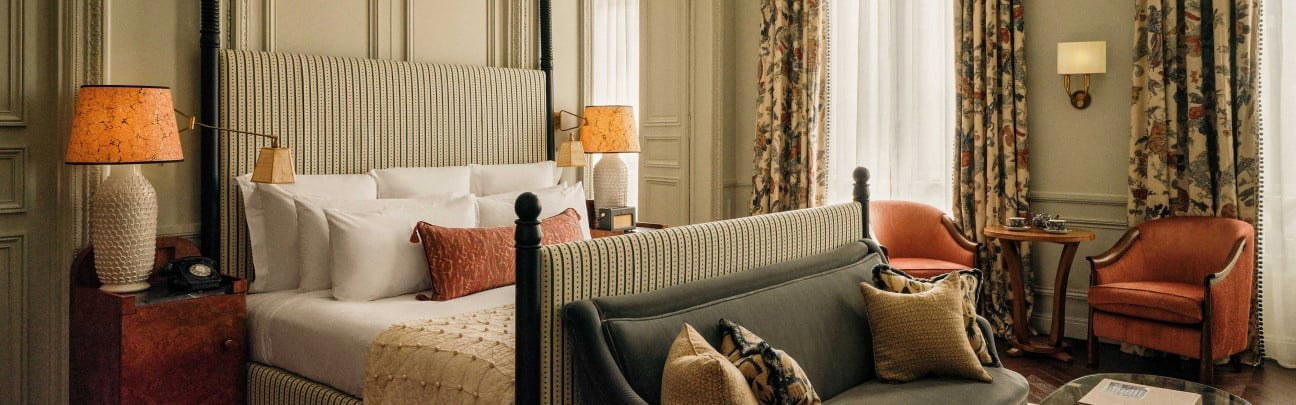
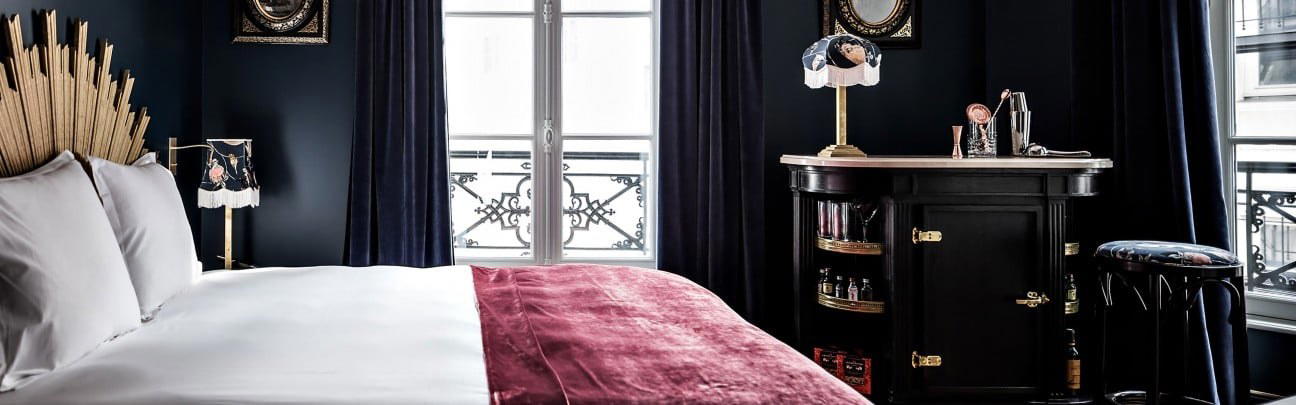
Cozy and warm with soft lighting, simple decor, and a vintage vibe that feels like home.