Michelin Bib Gourmand
Our verdict
On a quiet street in the 9th arrondissement, Le Coucou operates under a collective model that shapes everything from kitchen authority to menu structure. Chef Pauline Labrousse leads the cooking with a pronounced bias toward herbs, vegetables, and spice, while the format itself invites diners to build their plate from the side dish up rather than the other way around. It sits in a tier of Paris bistros where the cooking is the proposition, not the address.

Pearl is the En Primeur Club membership app, where members save venues, book tables and use the concierge.
The menu
What to order
- Quenelle de brochet, sauce américaine
- Filet de bœuf
- Canelé de brochet
A Bistro That Starts With the Vegetables
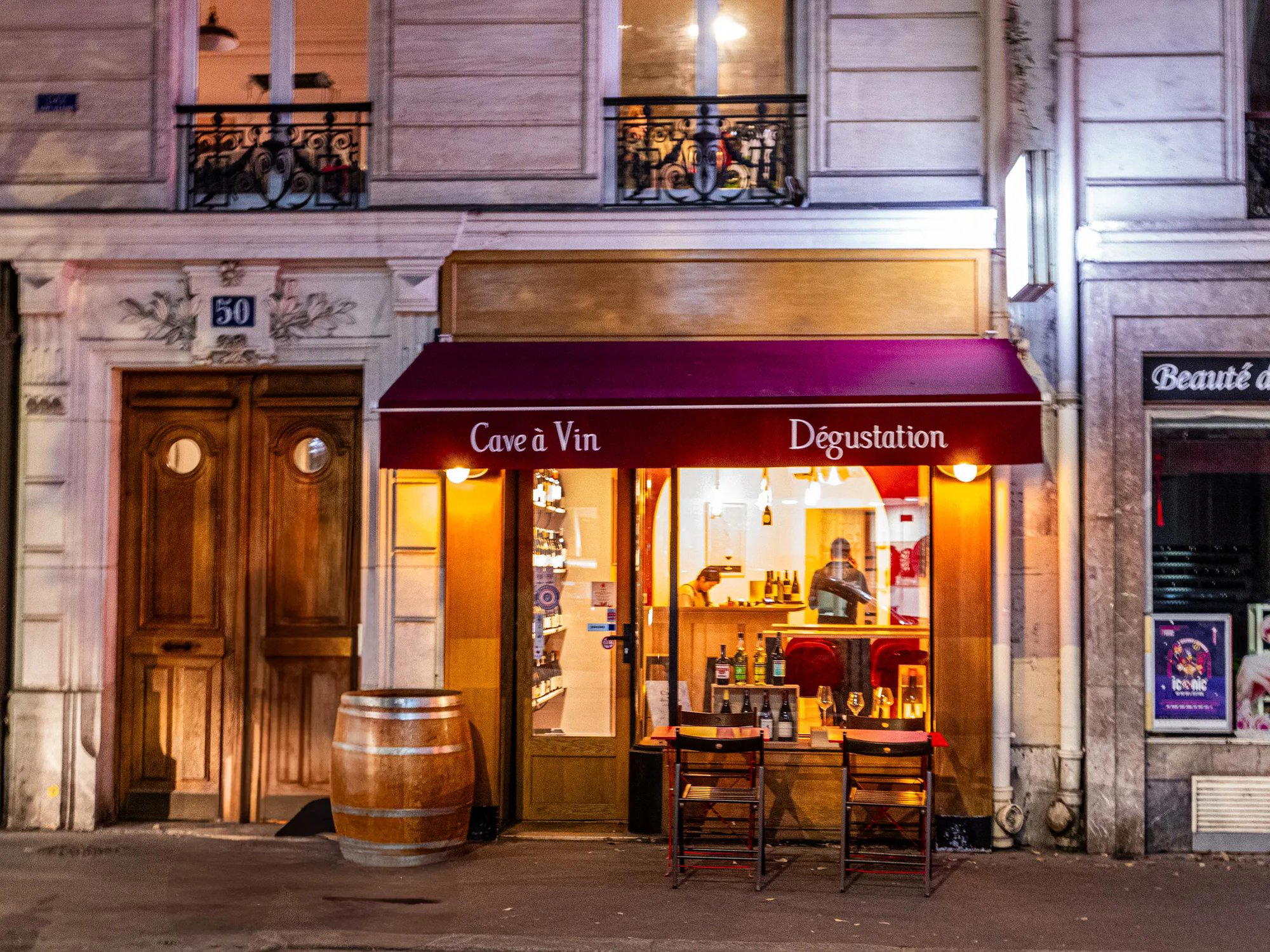
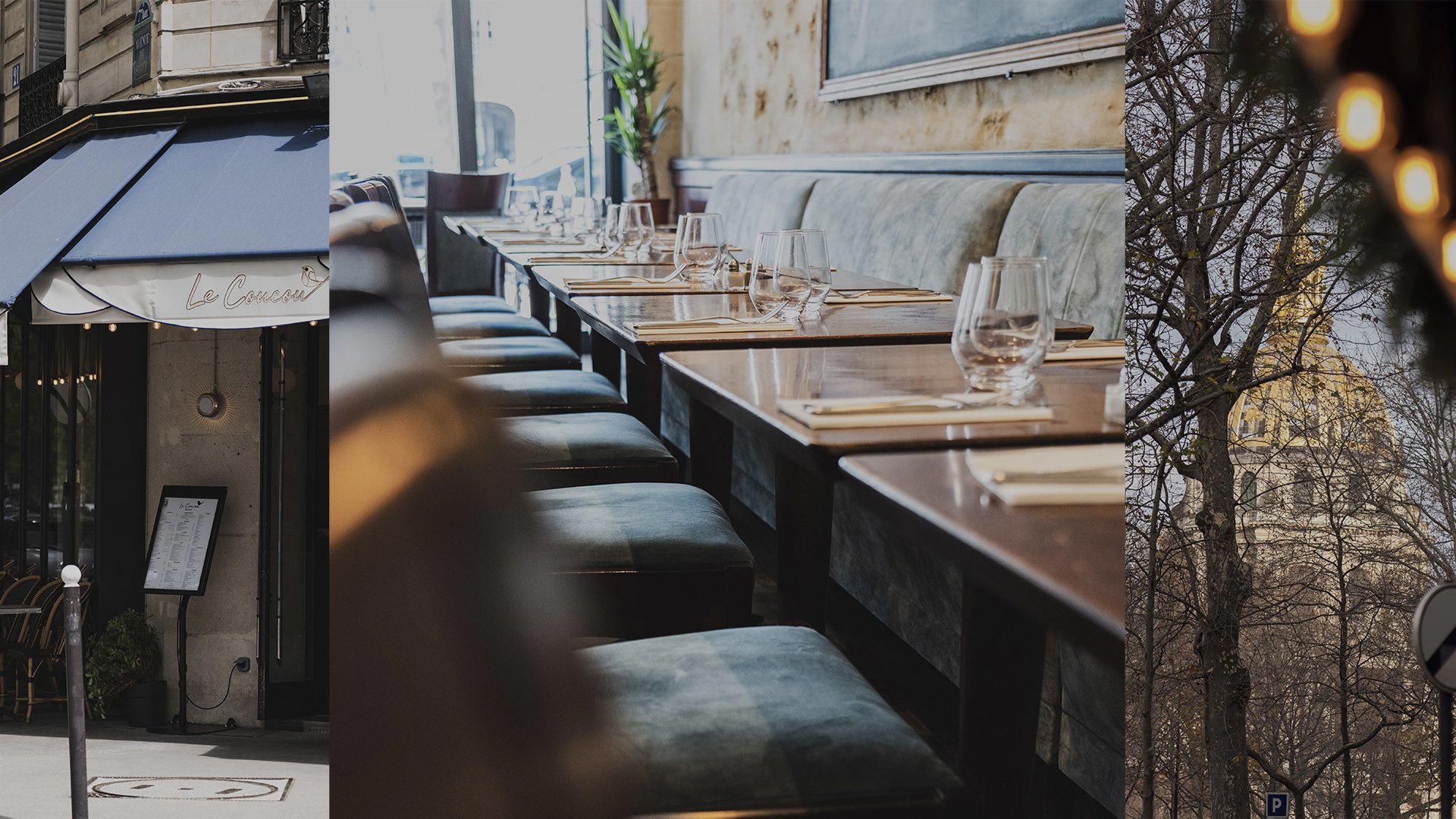
The 9th arrondissement has long occupied a particular register in Parisian dining: not the grand institutional addresses of the 8th, where Le Cinq at the Four Seasons George V operates at the formal end of French modern cuisine, nor the self-consciously destination-driven rooms that define places like Alléno Paris au Pavillon Ledoyen. The 9th is quieter, more residential, and its better restaurants tend to earn their following through cooking rather than location. Rue Bochart-de-Saron fits that pattern. Le Coucou sits on this street without marquee signage or the kind of foot-traffic positioning that shortcuts the need to be good. The physical approach already signals something: this is a room you come to because you sought it out.
The Room and What It Does to the Meal
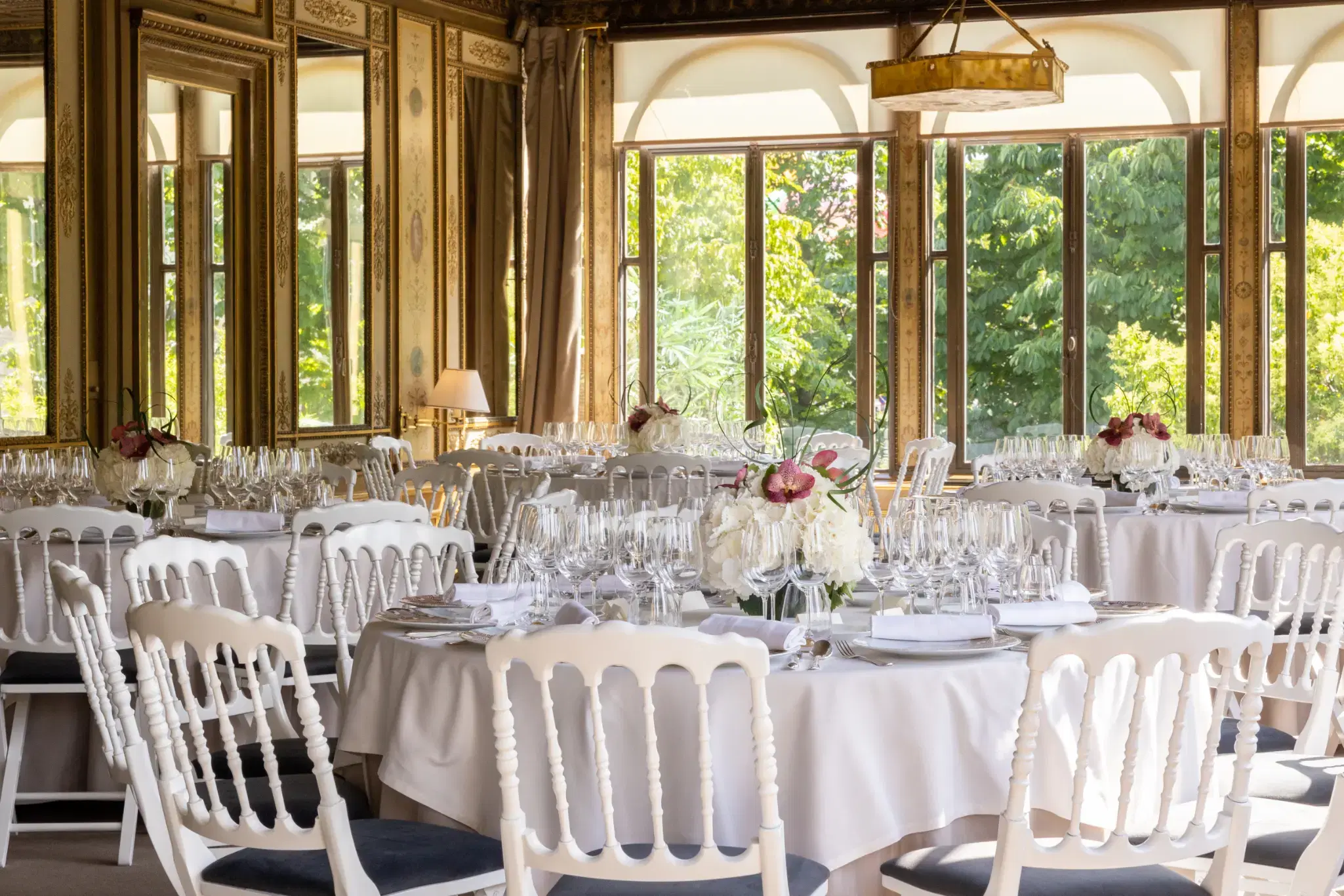
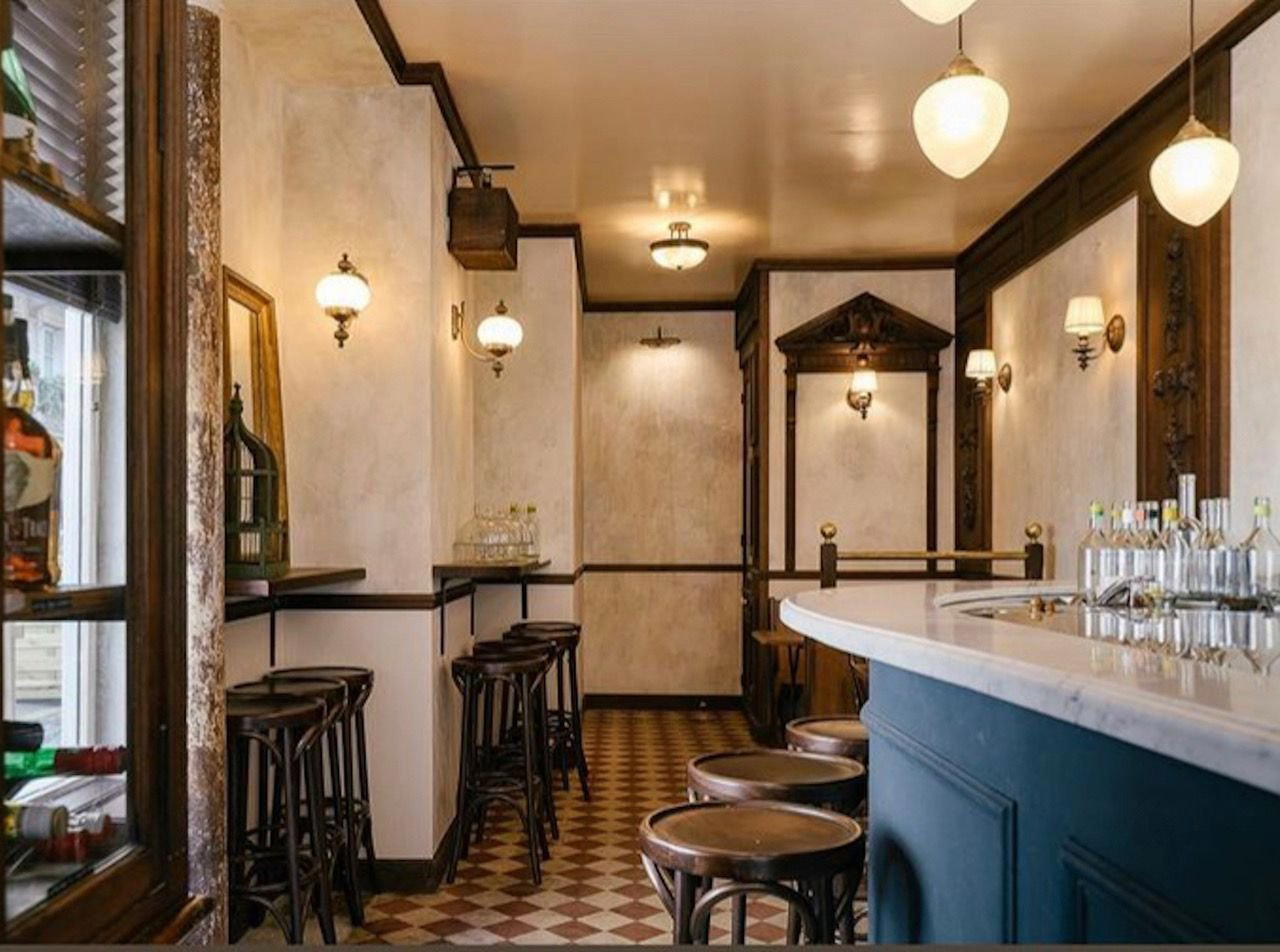
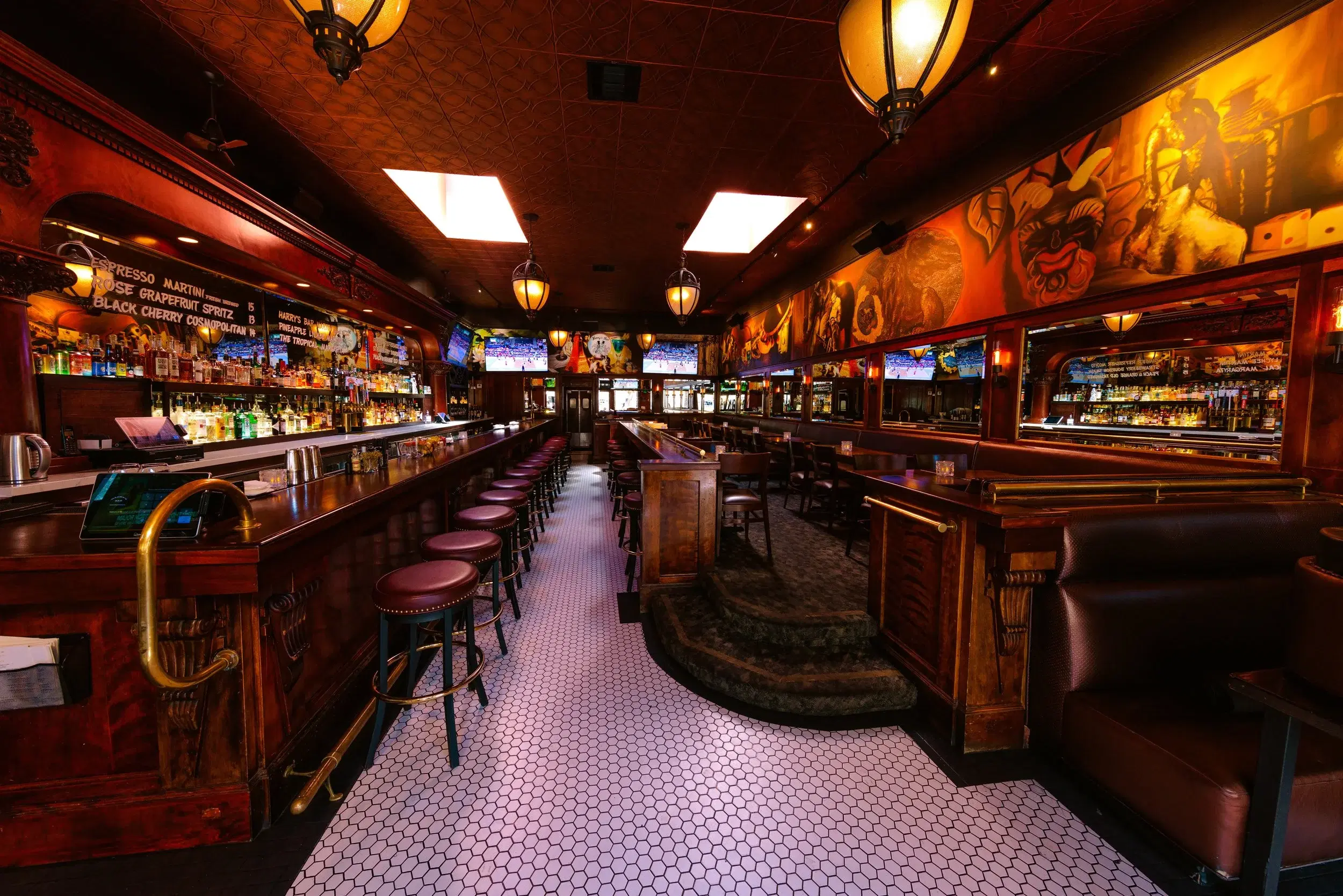
The interior reads as a working bistro rather than a designed one, and that distinction matters more than it might seem. Paris has accumulated a generation of rooms that perform bistro character through salvaged tile, Edison bulbs, and banquettes specced to look worn-in from day one. Le Coucou operates differently. The space is modest, proportioned for the neighbourhood rather than for a dining public coming from across the city, and the seating arrangement reflects a collective sensibility rather than a chef-as-celebrity model. Tables are close enough to generate warmth without forcing intimacy, and the room's scale means service moves at a pace that tracks the actual meal rather than a choreographed sequence. This is the physical container that the collective model of La Pantruchoise produces: functional, untheatrical, built for cooking that doesn't require a stage set to land.
That collective, led by chef Franck Baranger, is the structural fact behind what Le Coucou has become. The collective model is not common in Paris, where kitchens tend to be organised around a single named figure whose culinary lineage can be traced like a family tree. At this address, authority is distributed, and the consequences show up in how the room feels: there is less of the tension that comes from a restaurant built to express one person's vision, and more of the ease that comes when the cooking has been arrived at collaboratively. The result is a room that feels inhabited rather than installed.
The Format: Side Dish First
The menu structure at Le Coucou inverts the conventional bistro hierarchy. Diners choose a side dish first, then the main protein. For those eating without meat or fish, two side dishes constitute the full plate. This is not a gimmick: it reflects a genuine editorial position about where the cooking's interest lies. Chef Pauline Labrousse works with herbs, vegetables, and spice in a way that makes the vegetable component the more demanding creative act. Roasted carrots with ginger and apricot sauce, stuffed Swiss chard, sticky rice, hummus, and cucumber carpaccio are the kinds of preparations that require the cook to know what they are doing with acidity, sweetness, and texture at the same time. Placing these at the front of the ordering sequence shifts the diner's attention to the cooking that might otherwise be treated as background.
This format also positions Le Coucou in a specific tier of contemporary Parisian bistros: those where vegetable-forward cooking is a genuine commitment rather than a concession to dietary trend. The comparison set is not the grand classic houses like L'Ambroisie or the high-technique modernist rooms such as Arpège (which famously reorganised its entire identity around produce from its own garden). Le Coucou operates at a different scale and price register, but the underlying logic, that vegetables are serious cooking material rather than accompaniment, is shared. Where Arpège works at the level of world-recognised provenance and formal precision, Le Coucou applies similar thinking inside a neighbourhood bistro format where the cooking has to work across a broader range of occasions.
Labrousse's Cooking and What the Herbs Signal
Pauline Labrousse's background is documented as that of an editor turned chef, and the editorial eye shows in the restraint of the spicing and the clarity with which individual ingredients are handled. Herb-forward cooking at the bistro level can easily become an identity marker rather than a functional choice, the sprig of thyme that sits on a plate because the kitchen knows it should. At Le Coucou, the herbs, vegetables, and spices in Labrousse's dishes carry structural weight: they are doing the work of acidity, contrast, and aromatic depth that wine or heavy sauce might provide elsewhere. This is cooking from the pantry of a cook who thinks in flavour rather than in formula.
For a sense of how the broader French tradition handles this balance at different scales, the regional houses offer useful reference points: Bras in Laguiole has spent decades making plant-based thinking central to its identity, while Flocons de Sel in Megève and Mirazur in Menton have each developed distinct regional vocabularies that place local produce at the centre of the plate. Le Coucou operates without those institutions' resources or reputations, but the cooking direction tracks the same broadening of what French cooking counts as serious material.
Where It Fits in Paris
The most useful way to place Le Coucou in the Paris context is by exclusion. It does not belong to the category of technically ambitious modernist kitchens, of which Kei is a clear example at the formal end. It is not a grand brasserie, nor a destination tasting-menu address. It sits instead in the tier of neighbourhood bistros where the collective or partnership model is becoming more common as younger Paris kitchens organise around shared authority rather than sole proprietorship. The address on rue Bochart-de-Saron, without obvious tourist proximity, reinforces this: the clientele is predominantly composed of people who made a specific decision to be here, which tends to produce a room that feels purposeful without being self-congratulatory.
For anyone building a Paris itinerary across price points, Le Coucou makes sense as the counter-programme to a higher-spend room. The grand houses, from Troisgros to the Paris institutions like Paul Bocuse and Auberge de l'Ill, carry the weight of French culinary history; Le Coucou carries none of that, and the cooking is freer for it. For further Paris dining context across categories, see our full Paris restaurants guide, and for accommodation and bar options nearby, the Paris hotels guide and Paris bars guide are useful companions. Those planning broader French travel can also check Paris experiences and Paris wineries for context.
Planning Your Visit
Le Coucou is located at 14 rue Bochart-de-Saron in the 9th arrondissement, walkable from the major metro lines serving the area. The format, a single decision point at ordering rather than a multi-course tasting sequence, keeps meals at a pace that works for a midweek dinner or a relaxed weekend lunch. The room's scale means the number of covers is limited, so booking ahead is advisable rather than optional, particularly for weekend service. The side-dish-first format also makes the kitchen more accommodating for vegetarians than a conventional menu structure would suggest, since two side choices constitute a full plate by design rather than by retrofit.
Frequently asked questions
Would Le Coucou be comfortable with kids?
The bistro format at 14 rue Bochart-de-Saron is low-key and informal, which typically suits families better than tasting-menu restaurants. The side-dish-first structure also gives younger diners real flexibility to compose a plate around vegetables or a single protein, without the rigidity of a set menu.
What is the atmosphere like at Le Coucou?
Le Coucou reads as a working neighbourhood bistro rather than a concept restaurant: the kind of room that prioritises the food and the table over the backdrop. It is run by La Pantruchoise, the collective led by chef Franck Baranger, which gives it a distinctly local, collaborative character rather than the polish of a chef-brand address.
Is Le Coucou award-winning?
Le Coucou has received recognition including: An editor turned chef, Pauline Labrousse displays her taste for herbs, vegetables and spices, all of which permeate her fragrant and inventive dishes. The concept is simple: diners start by choosing a side dish (roasted carrots with ginger ….
What do people recommend at Le Coucou?
The documented standouts from the kitchen reflect Pauline Labrousse's editorial approach to spicing: roasted carrots with ginger and apricot sauce, stuffed Swiss chard, and a combination plate of sticky rice, hummus and cucumber carpaccio are the side dishes the format is built around. From there, the daily fish or meat anchors the meal, though vegetarians can build a full plate from two side choices.
Recognition Snapshot
Comparable venues nearby, for context on price, style, and recognition.
| Venue | Cuisine | Price | Awards | Notes |
|---|---|---|---|---|
| Le CoucouThis venue (the venue you are viewing) | Classic French Bistro | $100–150 | Michelin Bib Gourmand | Not listed |
| Maison Ruggieri Palais Royal | Creative French Fine Dining | $200–300 | 1 Michelin Star | Palais Royal |
| Tracé | Modern French Fine Dining | $100–150 | Michelin Plate | 1st arrondissement |
| Restaurant Le Dalí | Modern French Bistro | $100–150 | Michelin Plate | Louvre / Palais-Royal |
| Cédric Grolet Opéra | Contemporary French Pâtisserie | Not listed | Not listed | Opéra |
| Nonos par Paul Pairet | Modern French Brasserie | $100–150 | Michelin Plate | Place de la Concorde |
Recognition history
Dated appearances from independent guides and award organizations, with the underlying list record or original source where available.
Michelin Bib Gourmand
Michelin
Full recognition history (2 entries)
Michelin Plate
Michelin · 2026 Michelin Plate