Kebab aur Sharab

On the Upper West Side, Kebab aur Sharab occupies a mid-price tier that few Indian restaurants in Manhattan manage with this level of kitchen discipline. It sits a register below the city's high-concept Indian dining, but the cooking asks to be taken seriously.
Pearl is the En Primeur Club membership app — saves, bookings, and concierge access live there. Same editors, same standards.
- Address
- 247 W 72nd St, New York, NY 10023
- Phone
- (212) 540-5247
- Website
- kebabaursharab.com
- Directions
- Get directions
 Saves & bookings on Pearl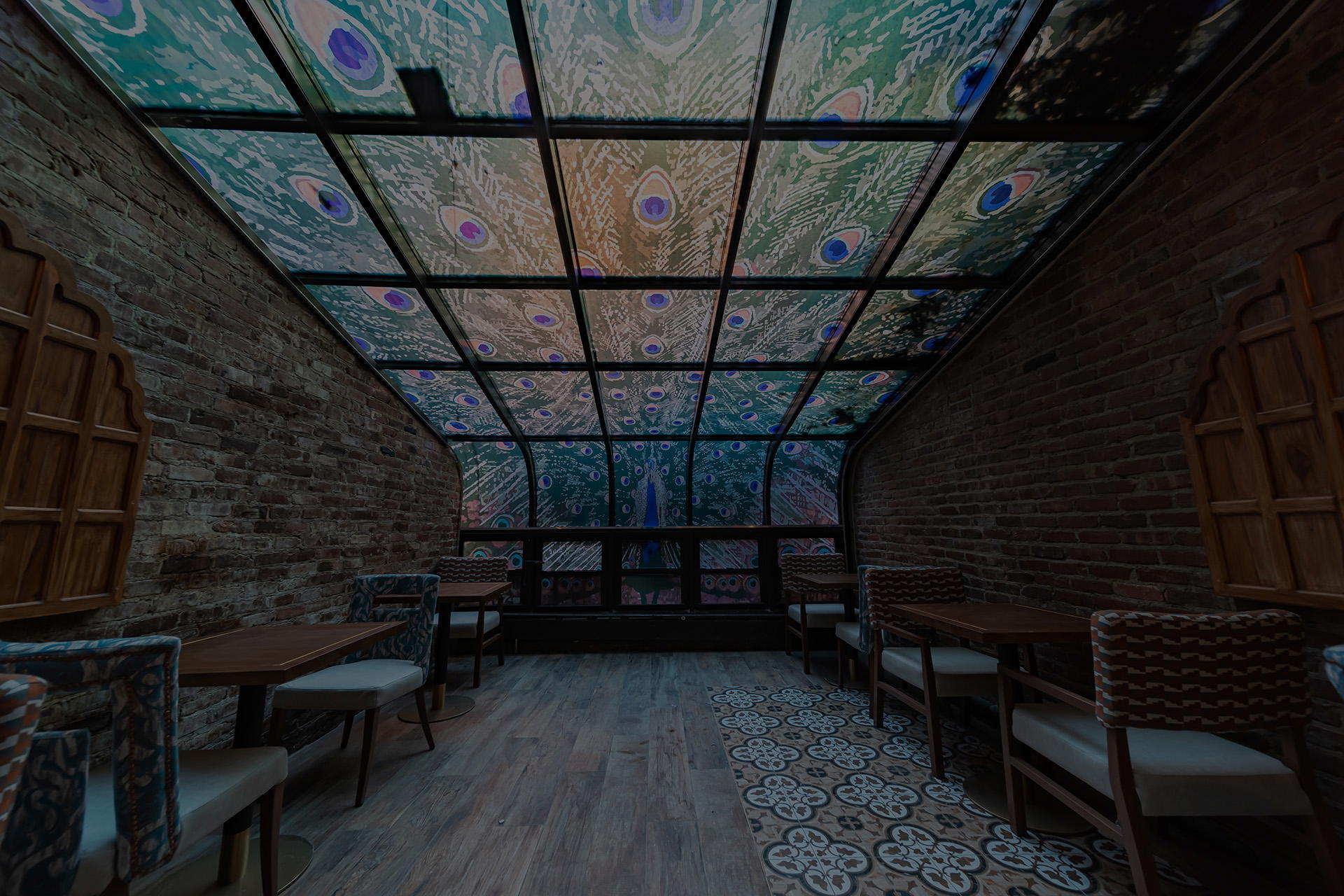
Upper West Side Indian, Read Through Its Grill Smoke
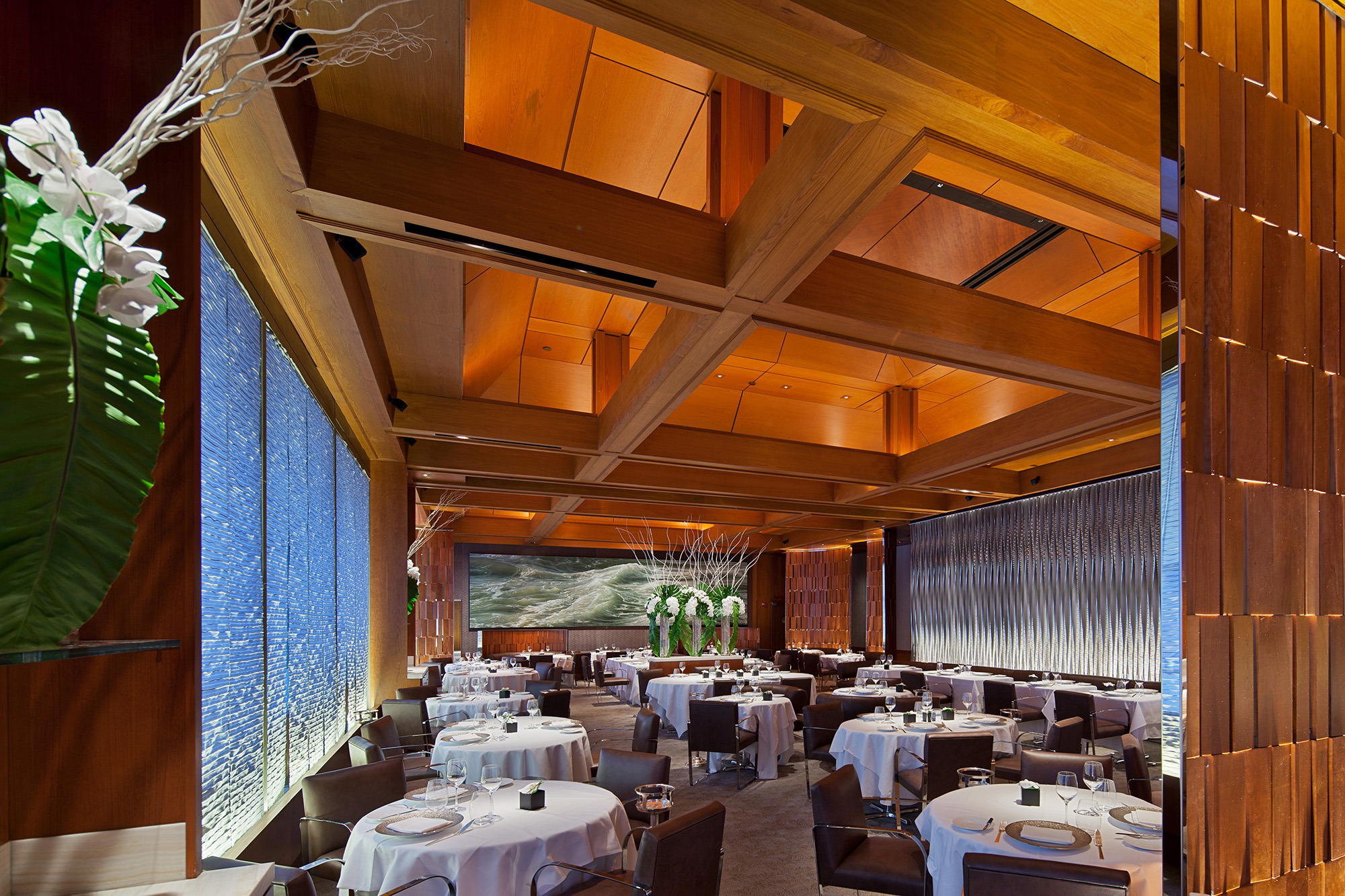
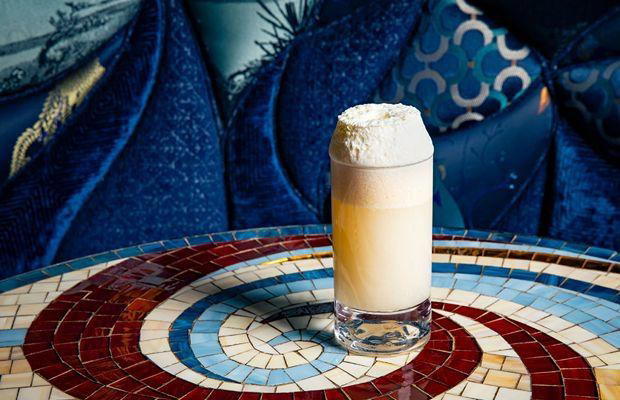
The physical room at 247 W 72nd St announces its intentions before you order anything. Deep, rich colors anchor the walls; a sea-blue tiled surface catches the light; intricate woodwork runs through the joinery; and wicker seating softens a space that could otherwise read as formal. The effect is transporting in the specific way that Indian restaurant interiors rarely achieve in New York, not because the design borrows from a single regional reference, but because it holds several simultaneously without collapsing into theme-park territory.
The Upper West Side has historically been underserved by serious Indian cooking. The neighborhood's Indian dining options have tended toward delivery-optimized curry houses and large-format buffet rooms, leaving a gap for a kitchen that takes grilled and tandoor work seriously at a mid-price point. Kebab aur Sharab occupies that gap, and its 4.3-star rating across 915 Google reviews suggests the neighborhood has noticed.
Where This Kitchen Sits in New York's Indian Scene
New York's Indian restaurant category has split into two increasingly distinct tiers. At the leading end, high-concept tasting-menu formats have emerged as the city's answer to what Trèsind Studio in Dubai or Opheem in Birmingham represent in their respective markets: Indian fine dining that competes on the same terms as any other Michelin-chasing kitchen. Below that sits a larger and less coherent mid-range, where the quality gap between restaurants is wide and the signaling unreliable.
Kebab aur Sharab prices at $$$, a register below the city's tasting-menu Indian rooms and well below the $$$$ tier occupied by kitchens like Alinea in Chicago or Le Bernardin in a broader fine-dining comparison. Its comparable set in the New York Indian mid-market includes aRoqa, Bungalow, Cardamom, Chola, and Hyderabadi Zaiqa, kitchens operating across a range of regional Indian traditions. What distinguishes Kebab aur Sharab within that set is a format built around the grill and tandoor as primary instruments rather than supporting acts.
The Ingredient Logic Behind the Menu Format
The name is a program statement: kebab and drink. That directness matters. A menu organized around grilled preparations carries specific ingredient demands. Kebab cookery at its most disciplined is a form of sourcing argument: the quality of the meat, the freshness of the aromatics, and the precision of the spice blend all read clearly in the finished dish because the cooking technique does not mask or transform, it concentrates.
The baby goat kebab at the center of the menu is the clearest expression of this logic. Finely minced goat is formed around a skewer and held in place by thread, which is then unspooled tableside before eating. The result is juicy meat with a restrained spice profile and a low, persistent smokiness. That restraint is the point: it indicates either a confident spice hand or a decision to let the goat itself carry the dish. Both readings suggest kitchen discipline. Goat as a protein is also a meaningful choice in New York's mid-market Indian context, where lamb tends to substitute for it in restaurants that prioritize supply-chain convenience over fidelity to the original preparation.
Tandoori curry patta prawns tell a related story. Finishing with mango chutney and crispy fried curry leaves is a technique decision with ingredient implications: fresh curry leaves, correctly fried, add a dry, aromatic crunch that dried or poorly handled leaves cannot replicate. The mango chutney adds acidity and fruit against the char of the tandoor. Together, the garnishes function as a finishing layer of sourced flavor rather than decoration.
Format, Pacing, and How to Order
Menu is structured for sharing across snacks, small plates, and main courses. This format is now common enough in the New York Indian mid-market that it requires no explanation, but the execution varies considerably between kitchens. Here, the structure works because the grilled and tandoor dishes are designed to be eaten warm and in sequence, not held while the table waits for everyone's plates. Ordering across all three tiers and timing the arrival of snacks before the larger preparations is the approach that suits the menu's internal logic.
For a table of two, anchoring the order around two to three small plates and one main alongside the kebab program gives sufficient range without overcrowding the table. The format rewards restraint in ordering, not because the portions are large, but because the flavors are specific enough that contrast between dishes matters more than volume.
How This Kitchen Compares Outside Its City
The broader American fine-dining context is useful for calibrating what the restaurant is and is not. Kitchens like The French Laundry in Napa, Single Thread Farm in Healdsburg, Lazy Bear in San Francisco, Providence in Los Angeles, and Emeril's in New Orleans define what ingredient-sourcing obsession looks like at the high end of American restaurant culture. The restaurant is not operating in that register. What it does share with those kitchens is the underlying principle that sourcing decisions are legible on the plate, that the raw material quality of a dish communicates directly to a paying diner.
At the $$$ price point, that principle is harder to execute consistently than at $$$$ because the margin for sourcing upgrades is narrower. The kitchen has built its menu around preparations where ingredient quality is most exposed, grilled and tandoor work, rather than around heavily sauced dishes that absorb sourcing variance.
Planning Your Visit
The restaurant is located at 247 W 72nd St on the Upper West Side, within walking distance of the 72nd Street subway stations on the 1, 2, and 3 lines. The $$$ price range positions it as a mid-investment dinner with a focus on shared plates rather than individual courses.
A Tight Comparison
Comparable venues nearby, for context on price, style, and recognition.
| Venue | Cuisine | Price | Notes |
|---|---|---|---|
| Kebab aur SharabThis venue — the venue you are viewing | Indian | $$$ | Not listed |
| Chola | Not listed | $$$ | East Midtown-Turtle Bay, Coastal Indian Fine Dining |
| Masalawala & Sons | Park Slope, Bengali Indian | $$$ | Not listed |
| Hyderabadi Zaiqa | Not listed | $$ | Hell's Kitchen, Hyderabadi Indian Biryani |
| INDN Small Plates & Cocktails | Not listed | $$$ | Midtown South-Flatiron-Union Square, Modern North Indian Small Plates & Cocktails |
| Hortus NYC | Not listed | $$$ | Midtown South-Flatiron-Union Square, Modern Asian Fusion with Korean Influences |
Recognition history
Dated appearances from independent guides and award organizations, with the underlying list record or original source where available.
Michelin Plate
Michelin
Continue exploring
More in New York City
Restaurants in New York City
Browse all →
Bars in New York City
Browse all →
Hotels in New York City
Browse all →





At a Glance
- Lively
- Elegant
- Warm
- Energetic
- Date Night
- Group Dining
- Celebration
- Special Occasion
- Casual Hangout
- Open Kitchen
- Private Dining
- Standalone
- Craft Cocktails
Current opening hours
- Monday
- 5–10:30 PM
- Tuesday
- 5–10:30 PM
- Wednesday
- 5–10:30 PM
- Thursday
- 5–10:30 PM
- Friday
- 5–11:30 PM
- Saturday
- 5–11:30 PM
- Sunday
- 5–10:30 PM
Hours can change for holidays and private events. Last verified .
Warm and lively with deep rich colors, sea-blue tiled walls, intricate woodwork, and wicker seating creating a transporting atmosphere reminiscent of a traditional Indian haveli; lively bar area with elegant Indian pub aesthetic.