Hyderabadi Zaiqa


A compact Theater District counter serving Hyderabadi-focused Indian cooking at budget-friendly prices. Mohammad Tarique Khan and Jayesh Naik run a tight operation: fast, attentive service and a menu anchored by goat fry biryani and flaky samosas.
Pearl is the En Primeur Club membership app — saves, bookings, and concierge access live there. Same editors, same standards.
- Address
- 366 W 52nd St, New York, NY 10019
- Phone
- (646) 952-0066
- Website
- hyderabadizaiqa.com
- Directions
- Get directions
 Saves & bookings on Pearl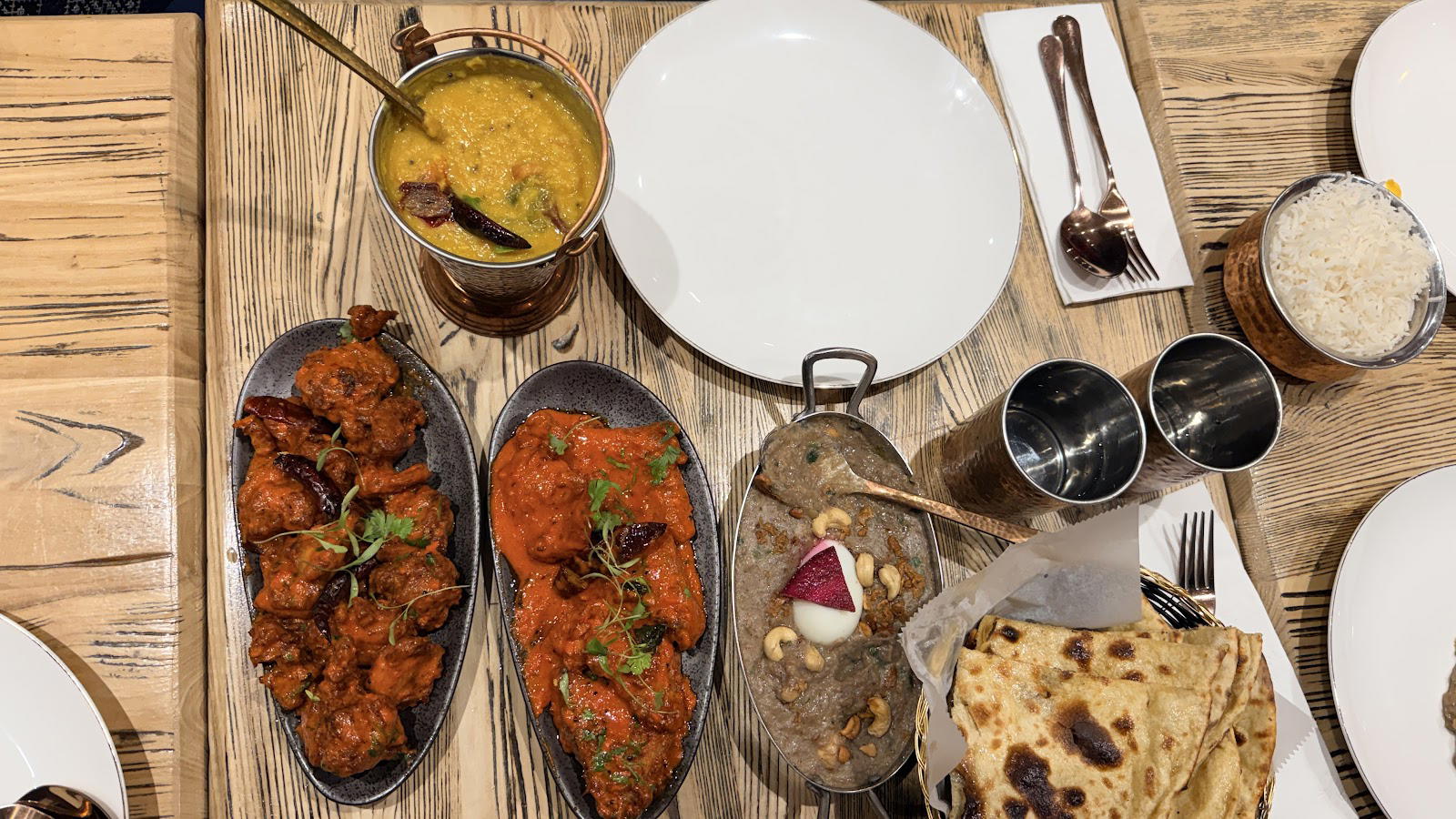
Small Room, Specific Purpose
West 52nd Street in the Theater District is not the first address that comes to mind for regional Indian cooking. The block sits closer to Broadway stage doors than to the Jackson Heights corridor that long defined New York's South Asian dining geography. But the compressed, counter-heavy format of Hyderabadi Zaiqa fits a distinct pattern that has been gaining ground in American cities: specialist regional kitchens operating at low overhead in locations where rent pressure forces brevity of scale and precision of focus. A handful of tables, a few counter seats, and a menu that does not try to be everything, this is the format.
Approaching the room, the physical scale is immediate. There is no lobby buffer, no lounge zone. You are either at the counter or at a table, and the kitchen's output arrives quickly enough that the distinction barely matters. The setting is functional rather than designed, which places all the interpretive weight on the food itself, a trade-off that works when the cooking justifies it, and here it does.
The Hyderabadi Frame
Hyderabad occupies a specific position in Indian culinary history. The city's cooking tradition developed under the Nizams, a dynasty that governed from the eighteenth century through Indian independence, and whose court produced particularly technically sophisticated food in the subcontinent. The biryani that emerged from that tradition is distinct from its Lucknowi or Kolkata counterparts: rice and meat cooked together in a sealed vessel (dum), producing a unified dish rather than a plated assembly. The goat variant, in particular, retains bone-in cuts that require slow braising to reach tenderness, and the collagen released during that process saturates the surrounding rice.
At Hyderabadi Zaiqa, that logic is present in the goat fry biryani, bone-in goat meat, stewed to the point where the meat pulls cleanly, served on an oval silver tray alongside raita to cut the richness. The raita is not decorative; it does structural work, providing an acidic and cooling counterpoint to a dish that carries significant spice depth. This is the kind of pairing that Indian cooking treats as axiomatic but that often gets stripped from abbreviated menus in export contexts. Here it holds.
The menu does not restrict itself entirely to Hyderabad. Regional favorites from northern and southern India appear alongside the Hyderabadi anchors, a decision that acknowledges the practical reality of running a neighborhood counter: breadth serves the repeat customer base that any small room depends on for survival. The Hyderabadi identity remains the organizing principle, however, with the biryani functioning as the dish around which the rest of the menu orbits.
The Ritual of the Small Counter
The dining ritual at a place like this differs materially from what plays out at New York's larger Indian restaurants. At Chola on East 58th Street or at the more formal registers occupied by aRoqa and Bungalow, the meal is paced across courses with deliberate spacing. The small counter format compresses that sequence. Dishes arrive in rapid succession, service described by those who have eaten there as both attentive and efficient, a combination that is harder to achieve than it sounds in a room with limited staff and a kitchen turning tables at pace.
That efficiency changes how the meal feels. There is less negotiation over timing, less of the ambient delay that can define a longer tasting format. At Hyderabadi Zaiqa, the sequence is cleaner: the samosa arrives first, serving as both starter and palate signal. The crust is flaky, the filling built around potato, peas, and spice. It is a dish that functions as a test of kitchen fundamentals across every Indian restaurant regardless of tier, executed carelessly, it reads as filler; executed with attention, it sets the register for what follows. Here it functions as the latter.
The progression from samosa to biryani is direct but logical. The samosa establishes spice tolerance and textural expectation; the biryani delivers on both at greater scale and depth. Eating through that sequence at the counter, with the kitchen visible and the pace brisk, produces a meal that feels more like an informed transaction than a theatrical event, and in a city where Indian cooking increasingly appears in formats borrowing from high-concept Western tasting menus (compare the approach at Trèsind Studio in Dubai or Opheem in Birmingham), the directness of this format carries its own editorial argument.
Price Tier and Peer Context
At the dollar-sign price point, the restaurant operates in a category that Midtown Manhattan has largely ceded to fast-casual chains. The combination of dollar-sign pricing, sustained over time, indicates consistent execution rather than a single-visit spike. It does not place the restaurant in the comparable set of New York's most ambitious Indian kitchens, Cardamom and Ishq operate at different price registers and with different ambitions, but it does mark it as a reliable address for a specific kind of cooking delivered without compromise on fundamentals.
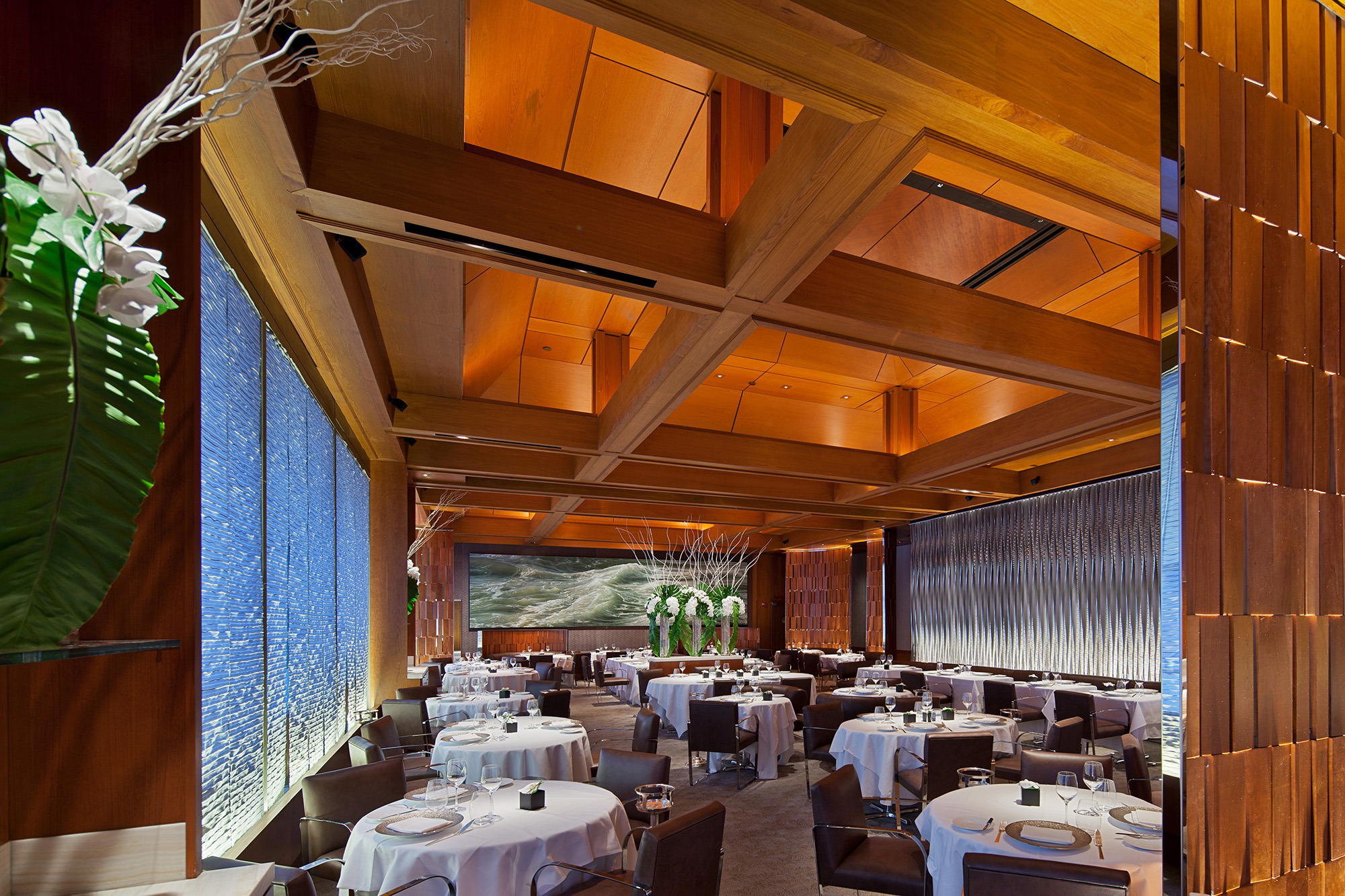
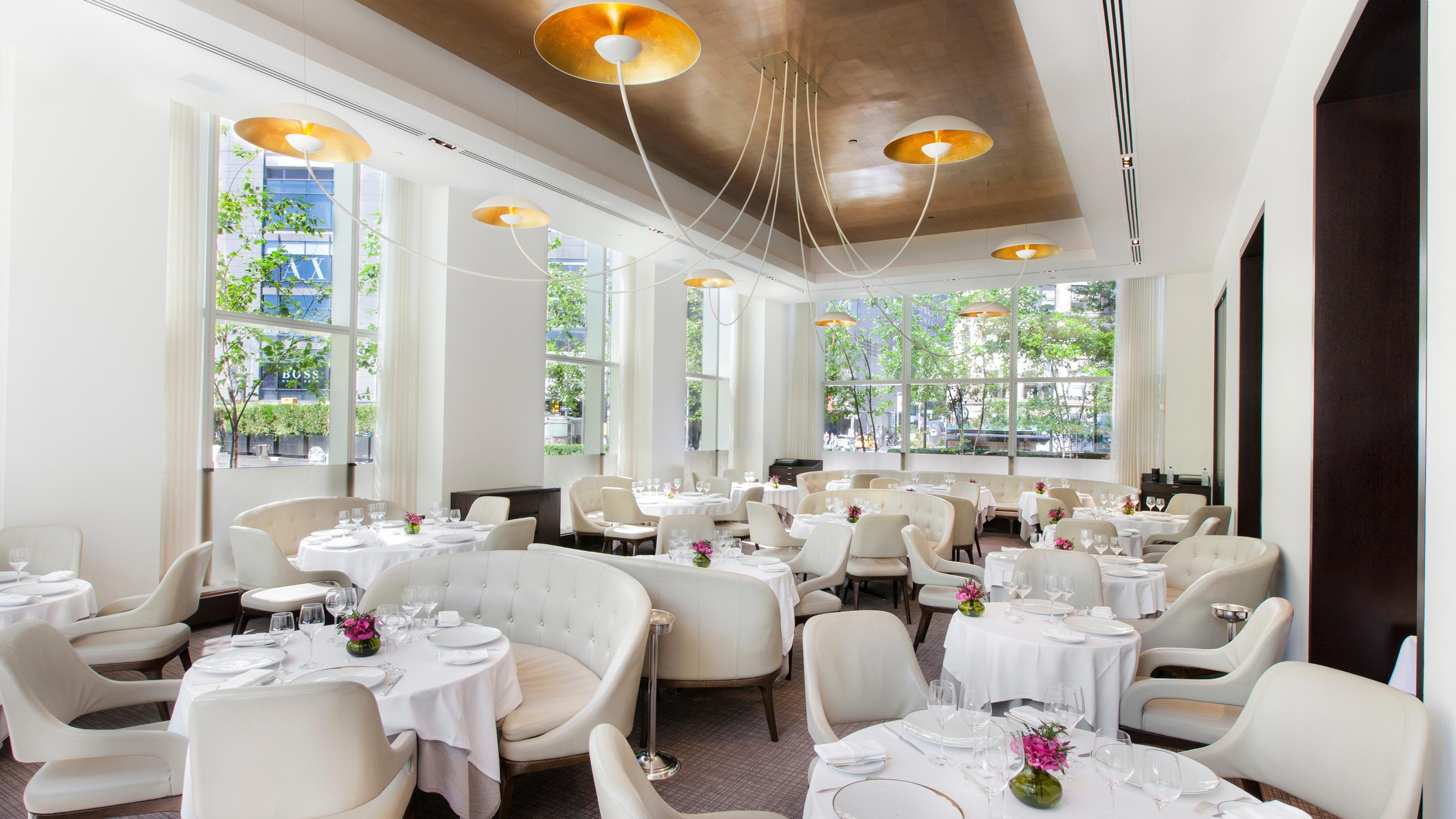
For comparison, the restaurants that occupy the top end of New York's dining pyramid, places like Eleven Madison Park, Per Se, Masa, and Le Bernardin, charge anywhere from $250 to $1,000 per person before wine. The argument for a counter like Hyderabadi Zaiqa is not that it belongs in that conversation, but that the cooking discipline it applies to a much smaller budget deserves the same critical attention. Regional specificity, consistent execution, and a coherent ritual sequence are not exclusively the properties of expensive restaurants. The Theater District address, meanwhile, gives the restaurant a pre-theater function that its pace and price point support directly.
Across American cities, the restaurants that tend to define regional Indian cooking for the longer term are rarely the splashy openings. They are the counters and the small rooms that build a neighborhood following on consistent fundamentals, similar to what Emeril's in New Orleans represents for Louisiana cooking or what Lazy Bear in San Francisco demonstrated about what a modest format can achieve with focused intent.
Budget Reality Check
Comparable venues nearby, for context on price, style, and recognition.
| Venue | Cuisine | Price | Awards | Notes |
|---|---|---|---|---|
| Hyderabadi ZaiqaThis venue — the venue you are viewing | Indian | $$ | Michelin Plate | Not listed |
| Veerays | Not listed | $$$ | Michelin Plate | East Midtown-Turtle Bay, Modern Indian Speakeasy |
| ADDA | East Village, Authentic Indian Canteen | $$ | Michelin Plate | Not listed |
| Chola | Not listed | $$$ | Michelin Plate | East Midtown-Turtle Bay, Coastal Indian Fine Dining |
| Mughlai Indian Cuisine | Gramercy, Authentic Mughlai Indian | $$ | Not listed | Not listed |
| Karahi Indian Cuisine | Hell's Kitchen, Indian Curry House | $$ | Not listed | Not listed |
Recognition history
Dated appearances from independent guides and award organizations, with the underlying list record or original source where available.
Eater 38 #12
Eater
Michelin Plate
Michelin
Continue exploring
More in New York City
Restaurants in New York City
Browse all →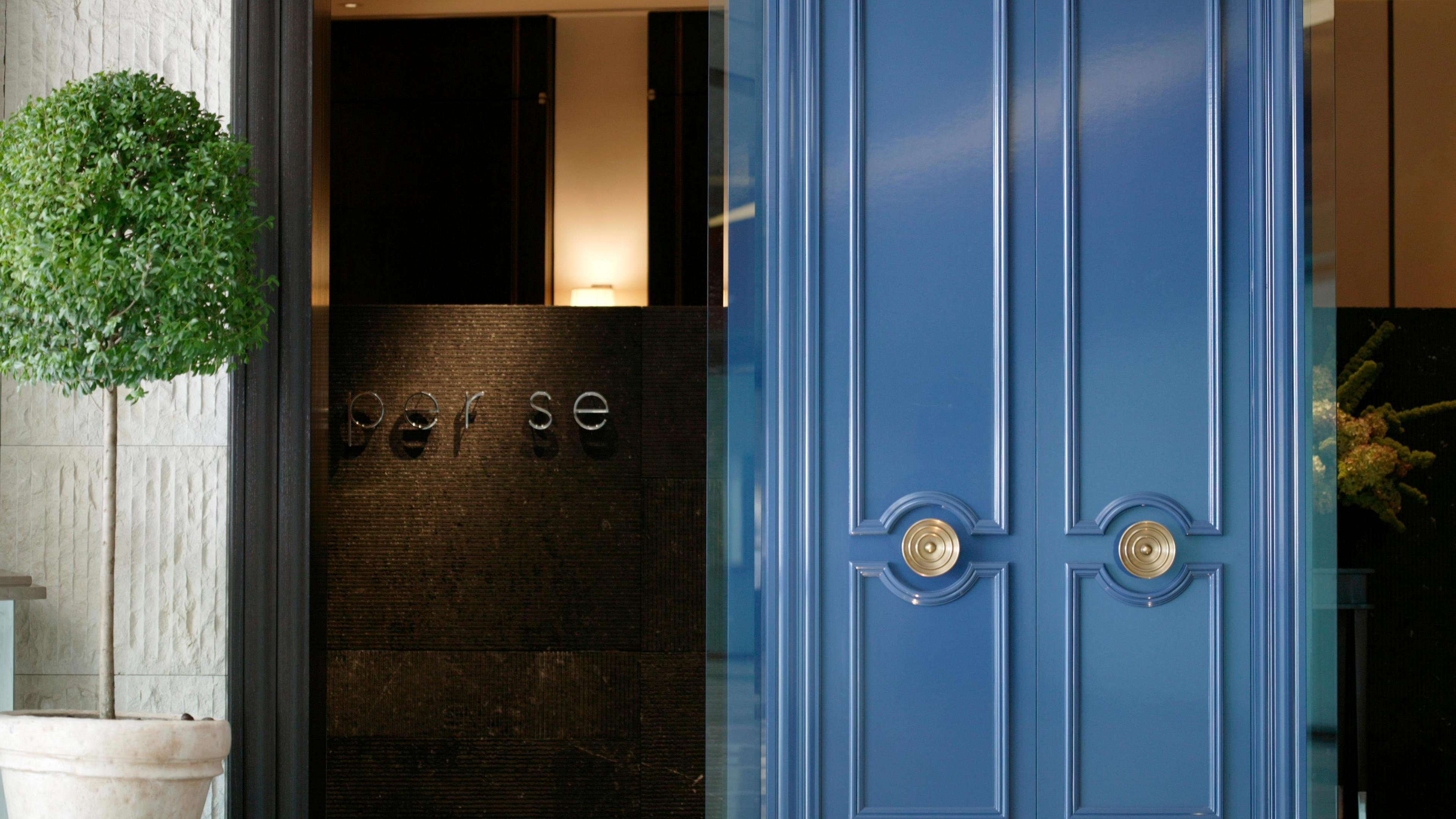
Bars in New York City
Browse all →

Hotels in New York City
Browse all →







At a Glance
- Intimate
- Cozy
- Casual Hangout
- Open Kitchen
Current opening hours
- Monday
- 11:30 AM–10 PM
- Tuesday
- 11:30 AM–10 PM
- Wednesday
- 11:30 AM–10 PM
- Thursday
- 11:30 AM–10 PM
- Friday
- 11:30 AM–10 PM
- Saturday
- 11:30 AM–10 PM
- Sunday
- 11:30 AM–10 PM
Hours can change for holidays and private events. Last verified .
Casual, efficient basement dining with simple decor, low tables, metal stools, and a focus on quick, flavorful food amid takeout bustle.