Kazan

A Michelin Plate-recognised Japanese restaurant on La Cienega Boulevard in Beverly Hills, Kazan operates in the mid-tier of Los Angeles's broader Japanese dining scene, accessible in price where many comparable kitchens push into omakase territory. It holds consistent approval from a cross-section of the city's dining public without requiring the planning lead times of the neighbourhood's more exclusive counters.
Pearl is the En Primeur Club membership app — saves, bookings, and concierge access live there. Same editors, same standards.
- Address
- 111 N La Cienega Blvd, Beverly Hills, CA 90211
- Phone
- (424) 512-9101
- Website
- kazanbeverlyhills.com
- Directions
- Get directions
 Saves & bookings on Pearl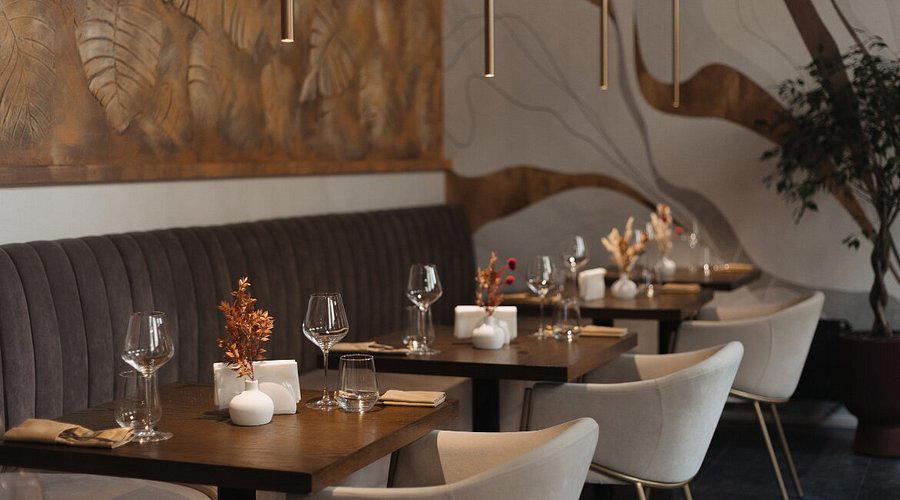
La Cienega's Japanese Tier: Where Kazan Sits
Beverly Hills' restaurant corridor on La Cienega Boulevard has long functioned as a useful barometer for how Los Angeles prices and positions its dining, a strip where French bistros, steakhouses, and Japanese kitchens occupy adjacent storefronts and compete against each other on value, not just cuisine. Japanese cooking in this stretch tends to bifurcate sharply: either it climbs toward the multi-course, counter-only omakase format that defines places like Hayato and n/naka, or it settles into a more accessible register where the same technical foundations support a broader menu and a wider audience.
That positioning is not a concession. In a city where the leading omakase counters can run $300 or more per person before drinks, a recognisably serious Japanese kitchen operating at mid-market prices fills a gap that the Michelin Guide has at least acknowledged with Plate recognition, the designation it uses for restaurants where cooking quality merits attention without ascending to star level. Kazan shares this tier with a number of Los Angeles Japanese restaurants that emphasise quality-to-price ratio over exclusivity of format.
The Arc of a Meal: How the Progression Reads
Japanese dining in the mid-range tier tends to allow more reader agency than the fixed omakase format, dishes arrive not as a pre-ordained sequence dictated by the chef, but in response to what the table orders. This creates a different kind of progression: one where the diner sequences the meal rather than receives it. The craft in this format lies in the kitchen's ability to maintain consistency and coherence across a broader selection, rather than the tight narrative arc that a fifteen-course counter experience demands.
The progression at a restaurant like Kazan typically rewards a deliberate approach. Starting with raw preparations, if available, as is common in Japanese kitchens of this register, allows the palate to read the kitchen's sourcing and knife discipline before heat enters the picture. Cooked courses, whether grilled, simmered, or fried, then layer in texture and depth. The meal earns its arc not from a chef's script but from how the diner assembles the sequence, which is itself a form of participation that the omakase format removes.
The Michelin Plate signal is useful here as calibration: the Guide's inspectors apply it to kitchens where the cooking itself registers as competent and considered, regardless of format or price. At Kazan's price point, that signal carries more proportional weight than it would at a starred restaurant where the investment already implies ambition.
Los Angeles Japanese Dining in Context
Los Angeles has developed among the more layered Japanese dining ecosystems outside Japan, shaped by decades of Japanese-American community presence, a consistent pipeline of Japan-trained chefs, and a local appetite that now extends well beyond sushi and ramen. Stronger examples from that ecosystem is represented by counters with Michelin recognition, Hayato at two stars and n/naka at two stars being particularly visible examples, where kaiseki or kappo formats command prices and lead times that place them in a different planning category entirely.
Below that tier, the city supports a dense middle layer of Japanese restaurants where quality is maintained without the overhead of the counter-omakase model. This is the tier that matters most for a regular dining practice, restaurants you return to on a monthly rather than annual basis, where the cooking is careful enough to reward attention but the format doesn't require weeks of advance planning. Kazan's Michelin Plate and mid-market pricing place it here, alongside a number of other Beverly Hills and West Hollywood addresses that serve similar functions for their regulars.
For Japanese cooking at different price and format points across the city, Bar Sawa and Hinoki & The Bird occupy adjacent creative territory, while 715 offers another point of comparison in the mid-range. For the committed omakase format, Hayato remains the reference point in Los Angeles for Japanese technique at its most demanding and most expensive.
If you're exploring Japanese dining traditions across geographies, Myojaku in Tokyo and Azabu Kadowaki in Tokyo provide useful calibration for what the source tradition looks like at the highest level, both operating within Tokyo's extraordinarily dense Michelin-starred ecosystem.
Beverly Hills Placement and the La Cienega Dynamic
Beverly Hills as a dining address carries specific expectations around service register and room presentation, expectations that mid-range restaurants on La Cienega manage differently from their fine-dining neighbours. The strip's mix of cuisines and price points means that Kazan operates in a competitive environment where proximity to higher-end alternatives sharpens the value calculation. A diner who can walk two blocks to a Michelin-starred address is making a considered choice when they choose a Plate-level restaurant instead, and that choice usually comes down to a combination of price, spontaneity, and the desire for a certain kind of meal rather than an occasion dinner.
| Venue | Cuisine | Price Tier | Recognition | Format |
|---|---|---|---|---|
| Kazan | Japanese | $$ | Michelin Plate 2024 | À la carte / menu |
| Hayato | Japanese | $$$$ | Michelin 2 Stars | Omakase counter |
| n/naka | Japanese | $$$$ | Michelin 2 Stars | Kaiseki tasting |
| Bar Sawa | Japanese | $$$ | , | Bar / à la carte |
| Hinoki & The Bird | Japanese-influenced | $$$ | , | À la carte |
Cuisine and Credentials
Comparable venues nearby, for context on price, style, and recognition.
| Venue | Cuisine | Price | Awards | Notes |
|---|---|---|---|---|
| KazanThis venue — the venue you are viewing | Modern Japanese Ramen & Soba | $$$ | Michelin Plate | Not listed |
| Totoraku | Japanese Yakiniku | $$$$ | Not listed | Preuss |
| RYLA | Modern Japanese Fusion | $$$ | Michelin Plate | Hermosa Beach |
| Kusano | Omakase Sushi | $$$ | Michelin Plate | Culver City |
| Miyabi Uni | Uni-Specialty Japanese Izakaya | $$$ | Not listed | Torrance |
| Sushi Zo | Traditional Japanese Omakase | $$$$ | Not listed | Mid-City |
Recognition history
Dated appearances from independent guides and award organizations, with the underlying list record or original source where available.
Michelin Plate
Michelin
Continue exploring
More in Los Angeles
Restaurants in Los Angeles
Browse all →
Bars in Los Angeles
Browse all →
Hotels in Los Angeles
Browse all →
Wineries in Los Angeles
Browse all →
At a Glance
- Modern
- Elegant
- Minimalist
- Intimate
- Sophisticated
- Date Night
- Special Occasion
- Open Kitchen
- Sake Program
Current opening hours
- Monday
- 12–10 PM
- Tuesday
- 12–10 PM
- Wednesday
- 12–10 PM
- Thursday
- 12–10 PM
- Friday
- 12–11 PM
- Saturday
- 12–11 PM
- Sunday
- 12–10 PM
Hours can change for holidays and private events. Last verified .
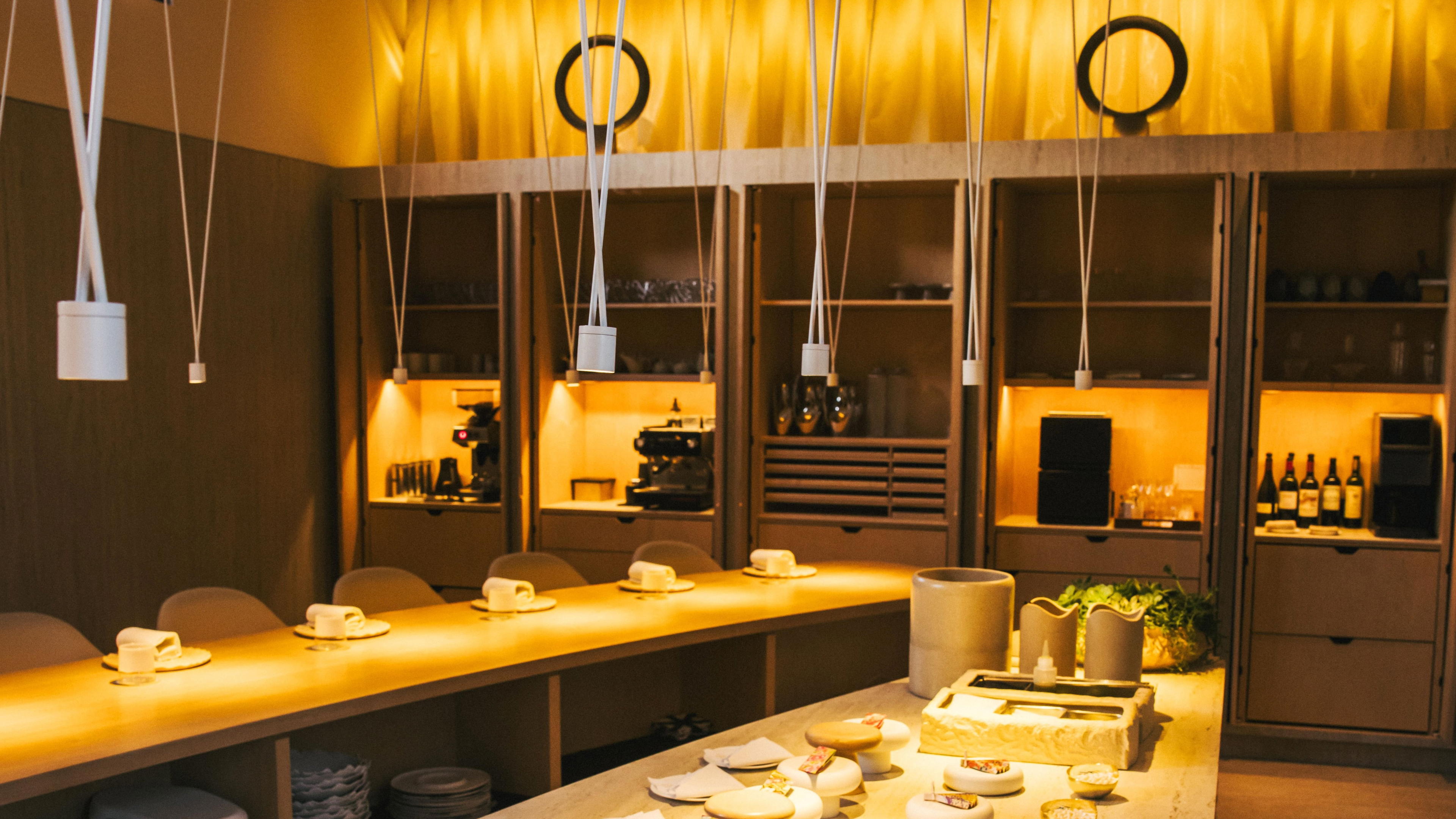
Minimalist décor with warm woods, soft lighting, and an open kitchen showcasing noodle-making, creating an atmosphere of understated elegance.