Our verdict
On Oude Koornmarkt in Antwerp's historic core, Roji occupies a position within the city's maturing fine-dining scene where Japanese sensibility and European technique tend to converge. The address places it among a cluster of serious restaurants in the old town, drawing comparisons to Antwerp's broader shift toward quieter, more considered dining formats. Reservations are advised for evening service.

Pearl is the En Primeur Club membership app, where members save venues, book tables and use the concierge.
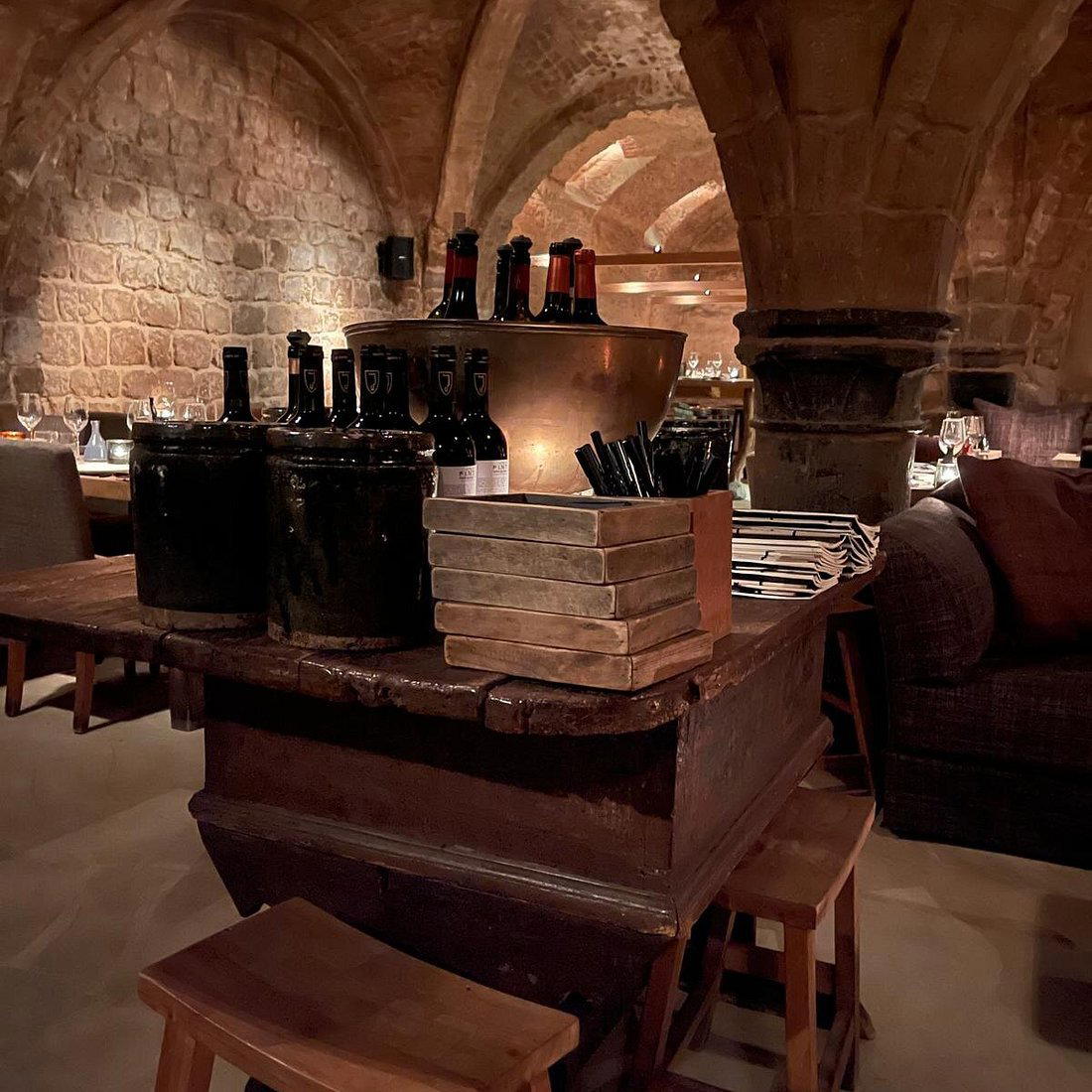
A Street That Sets the Tone
Oude Koornmarkt is one of those Antwerp addresses that rewards attention. The street runs through the medieval core of the city, a short walk from the Grote Markt, and the building stock along it tells the story of a port city that accumulated wealth and then, later, learned to spend it carefully. Restaurants on this stretch tend to attract a crowd that knows the difference between a place that has thought hard about what it is doing and one that is simply filling seats. Roji, at number 26, sits inside that context.
Antwerp's fine-dining scene has undergone a quiet consolidation over the past decade. The city once felt like a secondary market for serious eating in Belgium, overshadowed by Brussels to the south and by the cluster of destination restaurants across West Flanders, places like Boury in Roeselare and Bartholomeus in Heist. That has changed. The city now supports a range of ambitious tables, from the technically elaborate creativity of Zilte near the MAS museum to the deep Flemish classicism of 't Fornuis. Roji occupies a distinct register within this set.
The Collaborative Architecture of a Small Room
In European cities where Japanese-inflected dining has taken root, the format tends to reward tight coordination between the kitchen, the floor, and whoever is managing the drinks. The reason is structural: omakase-adjacent or counter-style service depends on timing in a way that a carte-driven room does not. When a dish arrives matters as much as what it contains. This places an unusual premium on the relationship between the team members, and the leading rooms of this type operate less like a conventional restaurant hierarchy and more like a small ensemble where every role has equal weight.
Antwerp has a handful of venues that have absorbed this lesson. DIM Dining, which operates in the Japanese-Asian register at the higher price tier, demonstrates how a coordinated team approach can sustain a demanding format at the €€€€ level. The comparison is instructive: what separates the rooms that work from those that feel mechanical is not the menu alone but whether the front-of-house and the kitchen are reading the same table at the same time.
Roji's address on Oude Koornmarkt positions it within walking distance of the main concentration of serious Antwerp restaurants, which means it competes for the same evening with tables like Hertog Jan at Botanic and Bistrot du Nord. In a city with this density of options, restaurants that build a reputation through team coherence rather than a single named chef tend to develop a different kind of loyalty, one that is less dependent on any individual's continued presence and more rooted in what the room itself produces.
Antwerp in a Broader Belgian Frame
Belgium's restaurant culture has always been geographically dispersed in a way that rewards travel. The country's most decorated addresses are rarely in its largest cities: Hof van Cleve in Kruishoutem, Willem Hiele in Oudenburg, De Jonkman in Sint-Kruis, and L'air du temps in Liernu all sit outside the major urban centres. Brussels holds a different kind of weight, with places like Bozar Restaurant anchoring a capital-city dining identity that leans toward art-world adjacency and international clientele. Antwerp occupies a middle position: commercially serious, internationally connected through its port and diamond trade history, and increasingly willing to support restaurants that ask something of their guests.
For comparison, the Belgian fine-dining tier that has drawn international attention also includes addresses such as Castor in Beveren, La Durée in Izegem, and d'Eugénie à Emilie in Baudour, all of which demonstrate how seriously the country takes cooking that falls outside the headline cities. Roji sits within this national context as an Antwerp entry point into a conversation that extends well beyond the city limits.
Internationally, the fusion of Japanese technical discipline with European product and service traditions has produced some of the most discussed rooms of the past decade. Atomix in New York City is the most cited example of how Korean-Japanese precision can translate into a Western fine-dining format without losing its logic. At the other end of the product-driven spectrum, Le Bernardin in New York City demonstrates what decades of sustained team culture can produce in a room where the food is the whole argument. Neither is a direct peer of Roji, but both illustrate the broader movement that gives restaurants like it their context.
Planning a Visit
Roji sits at Oude Koornmarkt 26 in the 2000 postal district, which places it in the centre of Antwerp's old town and within easy reach of Central Station by tram or on foot. The street is compact and the building numbers run logically, so locating it presents no difficulty. For Antwerp's serious dining tier, advance booking is the norm regardless of format: the city's most attended rooms fill midweek as well as on weekends, and the smaller the room, the longer the lead time required. Visitors combining Roji with other Antwerp tables should consult our full Antwerp restaurants guide for a current view of the city's options across price tiers and styles.
Autumn and winter are the seasons when Antwerp's restaurant culture tends to operate at full intensity. The city's weather encourages indoor dining from October onward, and the local calendar, built around trade fairs, the art market, and the fashion cycle, concentrates significant visiting populations during those months. Spring bookings, particularly around the Easter period, fill early at the more sought-after addresses. For first visits, a midweek evening in the colder months gives a better read of how a room performs when the local crowd, rather than the tourist traffic, is setting the pace.
Frequently asked questions
What should I order at Roji?
Do I need a reservation for Roji?
How does Roji fit into Antwerp's Japanese-influenced dining scene?
Similar Picks
Comparable venues nearby, for context on price, style, and recognition.
| Venue | Cuisine | Price | Awards | Notes |
|---|---|---|---|---|
| RojiThis venue (the venue you are viewing) | French-Japanese Fusion | $50–100 | Not listed | Not listed |
| Nakazu | Franco-Japanese Fusion | Not listed | Star Wine List | Zuid |
| Zaowang | Japanese Sushi & Seafood | $20–30 | Not listed | Zuid |
| B23 | Modern French Bistro | $50–100 | Not listed | Eilandje |
| A'sur | Belgian-South American Fusion | Not listed | Not listed | 't Zuid |
| Fidèle | Modern French Gastrobar | Not listed | Not listed | Zuid |
Continue exploring
More in Antwerp
Restaurants in Antwerp
All restaurants in Antwerp →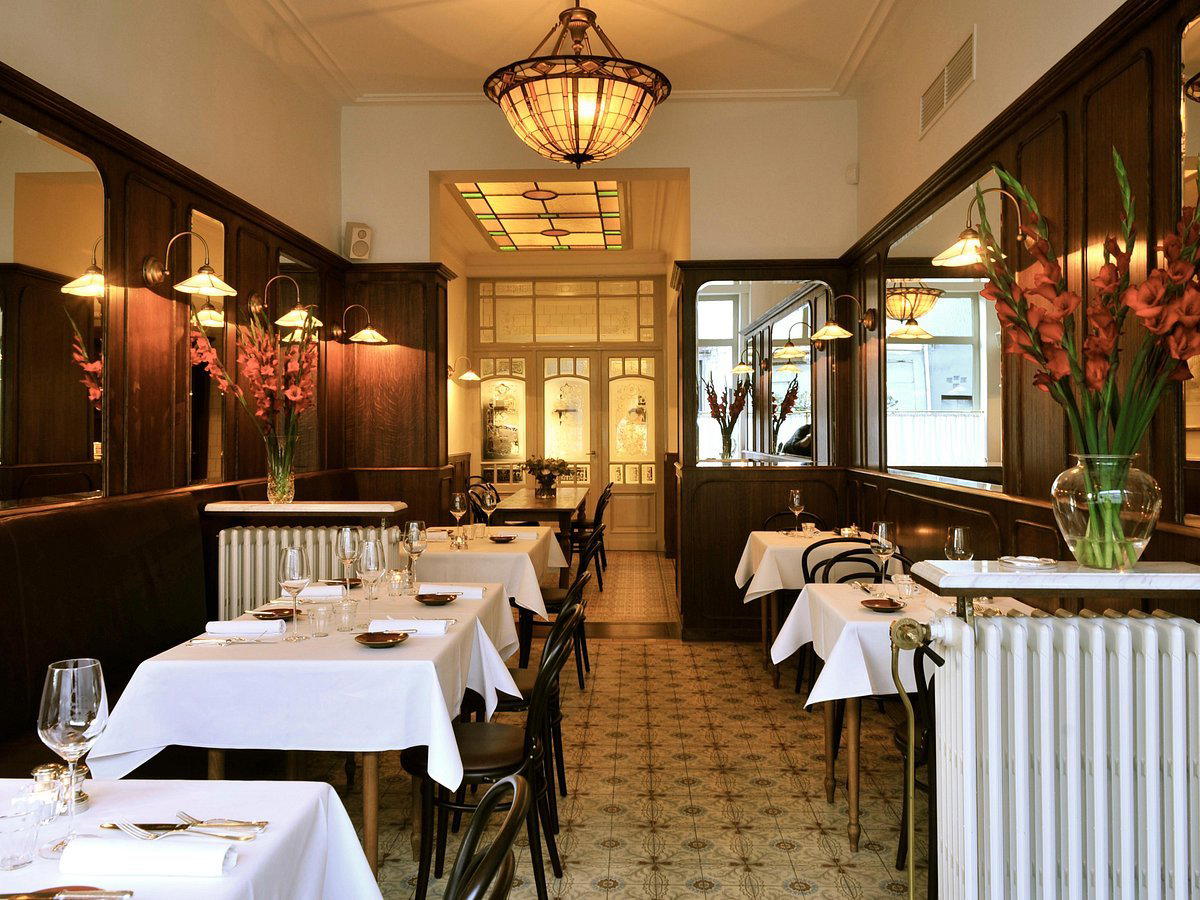
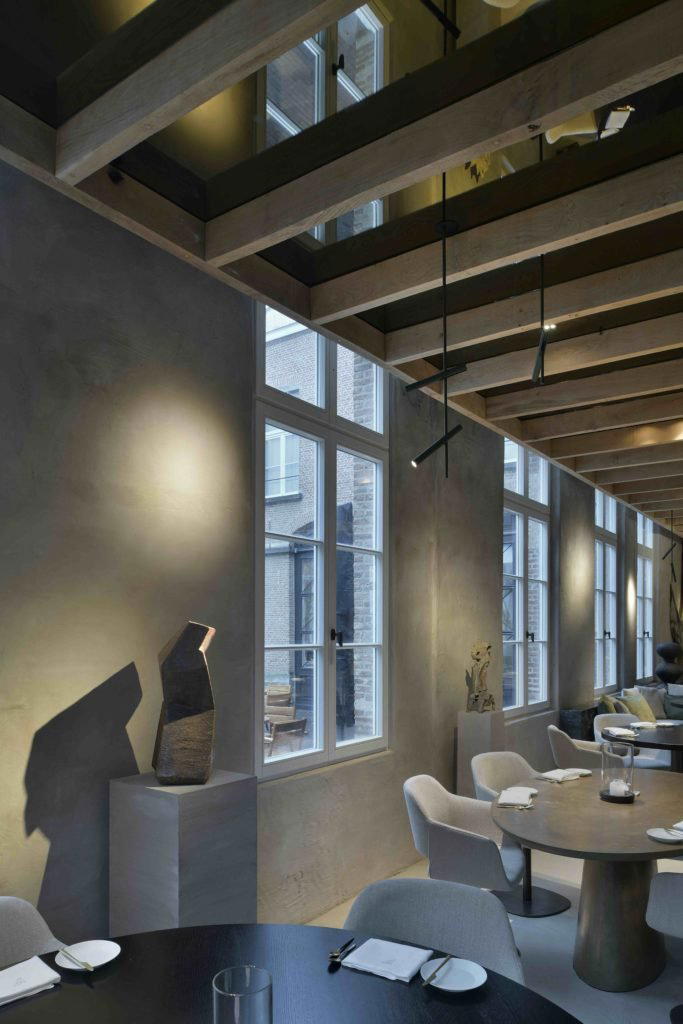
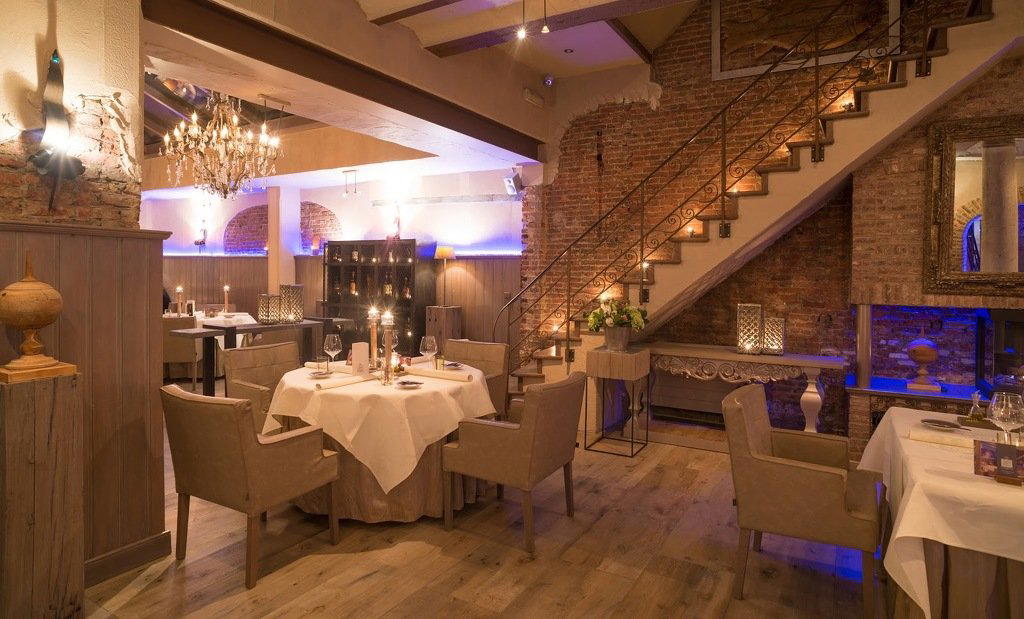
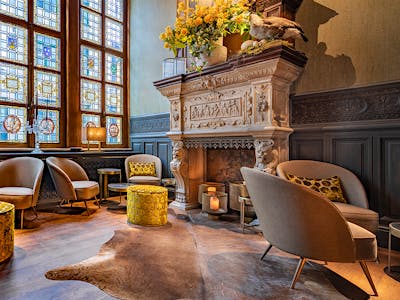
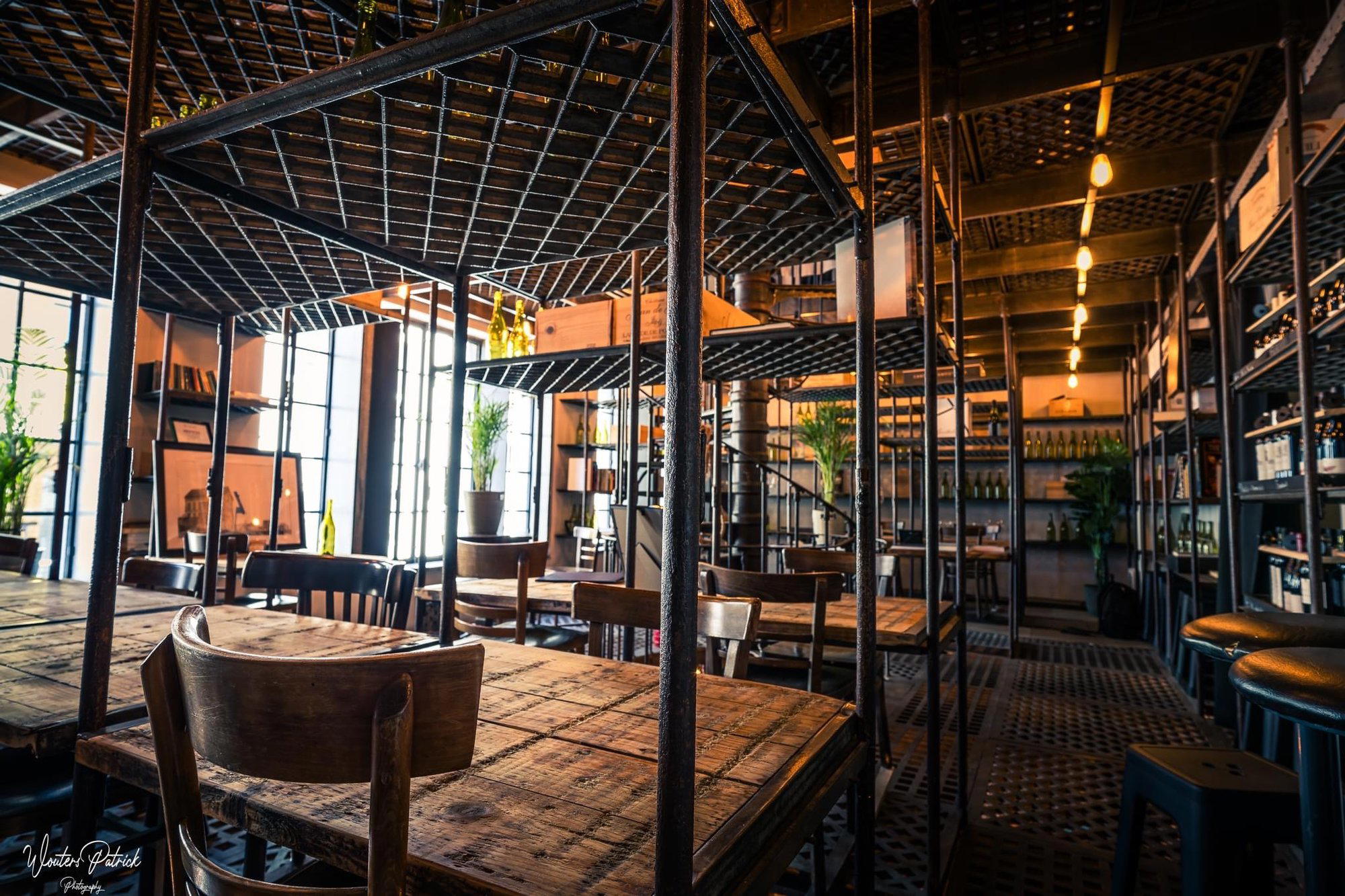
Details
- Cozy
- Intimate
- Romantic
- Date Night
- Special Occasion
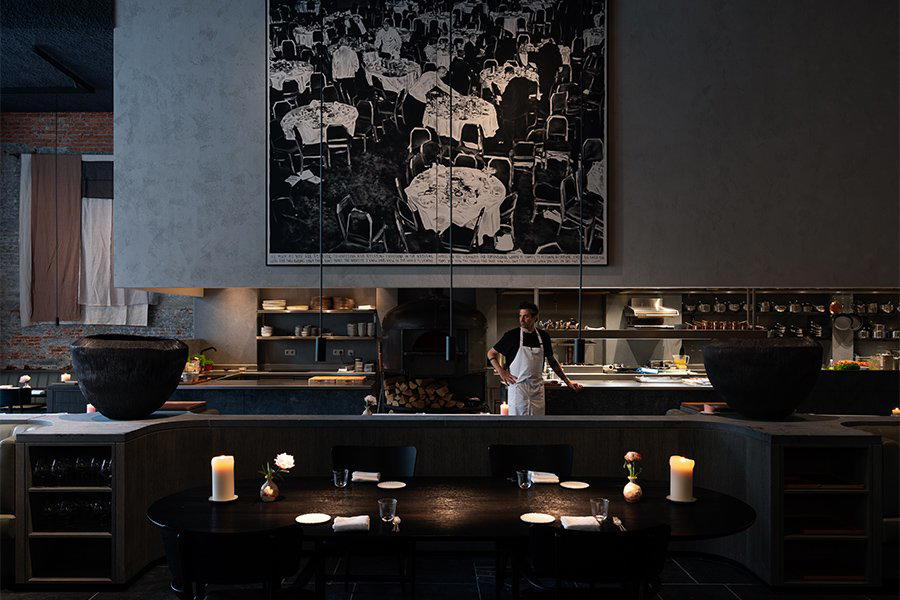
- Open Kitchen
- Extensive Wine List
- Tasting Menu
- A La Carte
- Wine
Current opening hours
- Monday
- Closed
- Tuesday
- Closed
- Wednesday
- 6–11 PM
- Thursday
- Closed
- Friday
- 6–11 PM
- Saturday
- 5 PM–12 AM
- Sunday
- 5 PM–12 AM
Hours can change for holidays and private events. Hours as of .
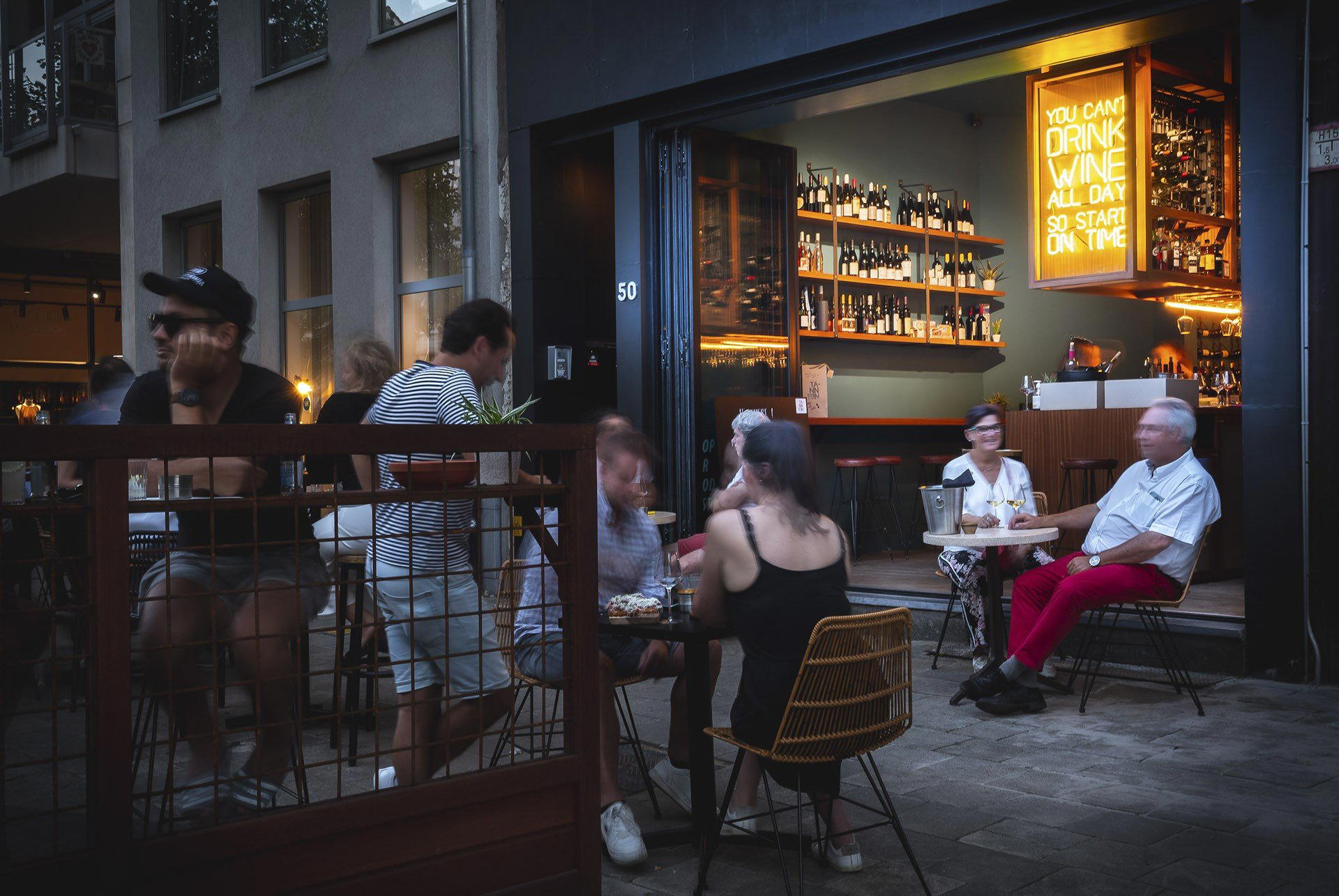
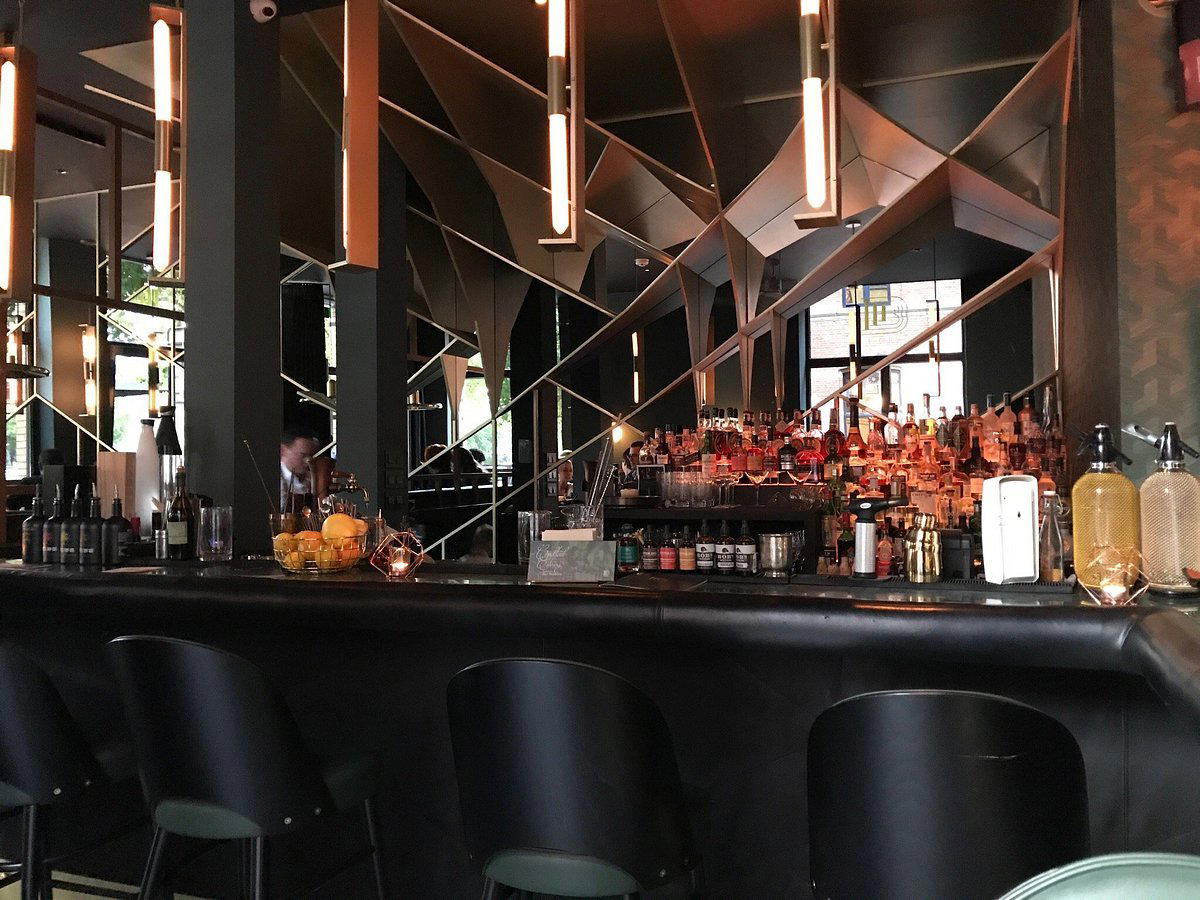
Candlelit medieval cellar with cozy fireplace, dim lighting, stone vaults, and warm, tranquil atmosphere.