
Michelin Plate
Our verdict
Mere 38 holds back-to-back Michelin Plate recognition in 2024 and 2025, placing it among a small cohort of destination restaurants that have drawn serious attention to Võsu, a coastal village on Estonia's northern shore. The kitchen works in the modern cuisine register at a mid-range price point, making it one of the more accessible Michelin-recognised tables in the country.

Pearl is the En Primeur Club membership app, where members save venues, book tables and use the concierge.
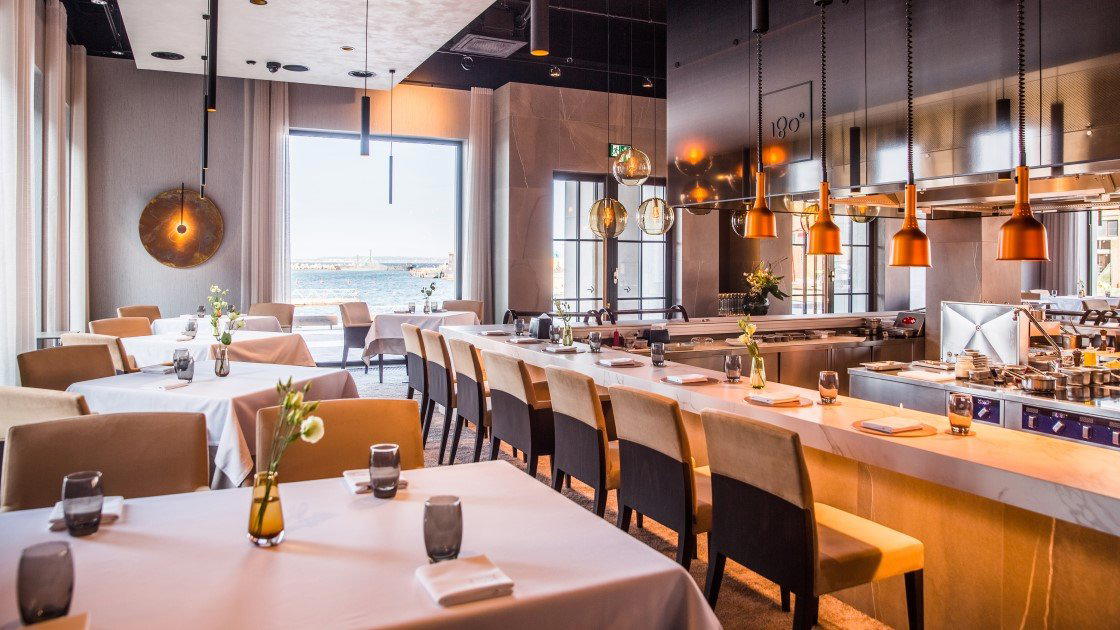
A Coastal Village With Something to Prove
Võsu sits on Estonia's northern coastline, about 80 kilometres east of Tallinn along the Gulf of Finland. It is the kind of settlement that counts its permanent residents in the hundreds and swells only in summer, when Estonians and a smaller number of international visitors arrive for the pine-fringed beaches and the particular quiet that only small Baltic resort towns can offer. That a restaurant here has earned consecutive Michelin Plate recognition, in both 2024 and 2025, tells you something useful about where serious Estonian cooking is now happening. It is not confined to the capital. For related reading, see our full Võsu restaurants guide, as well as guides to hotels, bars, wineries, and experiences in the area.
Arriving at Mere 38
The address, Mere 38, which translates directly from Estonian as Sea Street 38, positions the restaurant in the village's modest coastal grid. Approaching along a road lined with wooden summer houses and birch trees, the setting establishes an expectation that the food will be rooted in its surroundings. This is the operating logic of the better Estonian rural tables: geography is not just backdrop, it is sourcing rationale. The coastline, the forests, and the surrounding Lahemaa National Park together constitute one of the more credible larders available to any kitchen in northern Europe. Mere 38 works within that context, bringing modern cuisine technique to bear on what the immediate region produces.
What the Michelin Plate Means Here
The Michelin Plate, awarded in consecutive years, signals food prepared to a standard that the guide considers worth noting, without yet reaching the one-star threshold. In Estonia's current Michelin picture, that places Mere 38 in a mid-tier recognition band that sits below starred operations like Alexander in Pädaste but within the same quality conversation. Comparable recognition has gone to restaurants working in rural or secondary-city settings across the country, among them Fellin in Viljandi and Hiis in Manniva. The pattern across these venues is consistent: kitchens that take local sourcing seriously, apply contemporary technique, and operate at a price point that keeps them accessible to a wider audience than the capital's top-end tasting-menu rooms. At the €€ price tier, Mere 38 is among the more reachable Michelin-recognised tables in Estonia. For contrast, starred or high-recognition urban operations like 180° by Matthias Diether in Tallinn operate at a considerably higher price bracket.
The Sourcing Logic of the Northern Estonian Coast
Modern cuisine in this part of Estonia does not draw its identity from abstract internationalism. The productive logic of Lahemaa, rivers, coastline, managed forest, and small-scale farming within easy reach, points kitchens toward a set of ingredients that change with the season in ways that are sometimes dramatic. Spring brings foraged greens and the first river fish; summer delivers berries, herbs, and the Baltic catch at its peak; autumn shifts to mushrooms, root vegetables, and preserved preparations that will carry into winter. A kitchen operating in Võsu that takes this cycle seriously is working in a tradition that connects it, loosely but meaningfully, to the new Nordic model that made international critics pay attention to Scandinavian and Baltic cooking over the past two decades.
That broader movement, which produced some of the most scrutinised restaurants in Europe, among them establishments in Stockholm and Copenhagen, has filtered down into smaller, more remote kitchens in ways that are sometimes more genuine than the flagship venues. When a rural Estonian restaurant receives Michelin recognition, the implication is that the technique and the ingredient quality are meeting a standard the guide finds defensible regardless of setting. For other Estonian kitchens working at the intersection of landscape and modern technique, SOO in Maidla, Hõlm in Tartu, Kolm Sõsarat in Lüllemäe, Lahepere Villa in Kloogaranna, Rado Haapsalu in Haapsalu, and Wicca in Laulasmaa each represent different points on the same regional arc.
Guest Response and Competitive Context
For a restaurant in a village of Võsu's size, that volume of responses points to visitors travelling with intent rather than stumbling in incidentally. The consistent scoring suggests the kitchen delivers reliably across seasons and across different diner expectations, which matters in a seasonal coastal setting where the clientele shifts significantly between July and October. Within the modern cuisine category at the €€ price tier in Estonia, Mere 38 occupies a position similar to NOA on the Tallinn coast, technically oriented, locally grounded, accessible, though its setting removes it from the competitive density of the capital entirely. For reference on how modern cuisine operates at the top of the global register, Frantzén in Stockholm, FZN by Björn Frantzén in Dubai, and Maison Lameloise in Chagny define what the category looks like at starred and multi-starred level.
Planning Your Visit
Võsu is most practically reached by car from Tallinn, a drive of roughly 80 kilometres that takes between 75 and 90 minutes depending on the route through Lahemaa. There is no major rail link. The village operates primarily as a summer destination, and the restaurant's busiest period aligns with the Estonian summer season from late June through August, when demand for tables from both domestic and visiting guests is at its peak. Booking ahead is advisable during that window, particularly for weekend evenings. The €€ pricing means a full dinner for two is unlikely to breach a range that would feel pressured even for a casual visit, which is one reason the venue draws a broad cross-section of diners rather than exclusively those travelling specifically for the food.
Frequently asked questions
What price level is Mere 38?
Pricing at Mere 38 is listed as €€.
What part of town is Mere 38 in?
Mere 38 is located at Mere 38, 45501 Võsu, Estonia, Võsu.
How It Stacks Up
| Venue | Cuisine | Price | Awards | Notes |
|---|---|---|---|---|
| Mere 38This venue (the venue you are viewing) | Seafood and Estonian Coastal | $30–50 | Michelin Plate | Not listed |
| NOA | Modern European, Modern Cuisine | Not listed | Not listed | Not listed |
| 180° by Matthias Diether | Modern Creative Fine Dining | $300–500 | 2 Michelin Stars · La Liste Top Restaurants | Estonian Fusion |
| NOA Chef’s Hall | Modern European Fine Dining | $150–200 | 1 Michelin Star · La Liste Top Restaurants | Creative |
| Alexander | Modern Cuisine | Not listed | Not listed | Not listed |
| Fellin | European Café-Bistro | Not listed | Michelin Bib Gourmand · White Guide Baltic Restaurants - Fine Level | Traditional Cuisine |
Recognition history
Dated appearances from independent guides and award organizations, with the underlying list record or original source where available.
Michelin Plate
Michelin
Full recognition history (3 entries)
Michelin Plate
Michelin
Michelin Plate
Michelin
Continue exploring
More in Võsu
Details
- Cozy
- Elegant
- Scenic
- Intimate
- Date Night
- Special Occasion
- Waterfront
- Terrace
- Local Sourcing
- Waterfront
- A La Carte
- Vegetarian Friendly
- Vegan Options
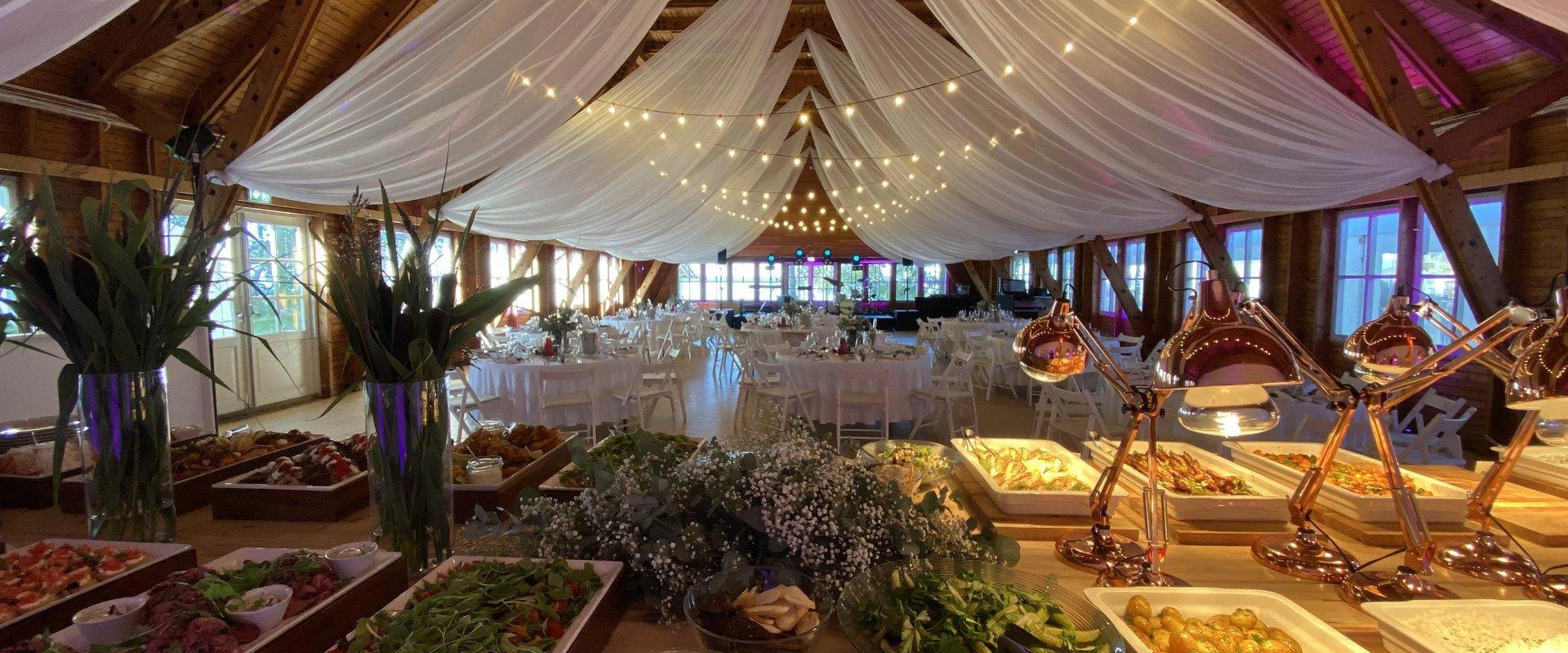
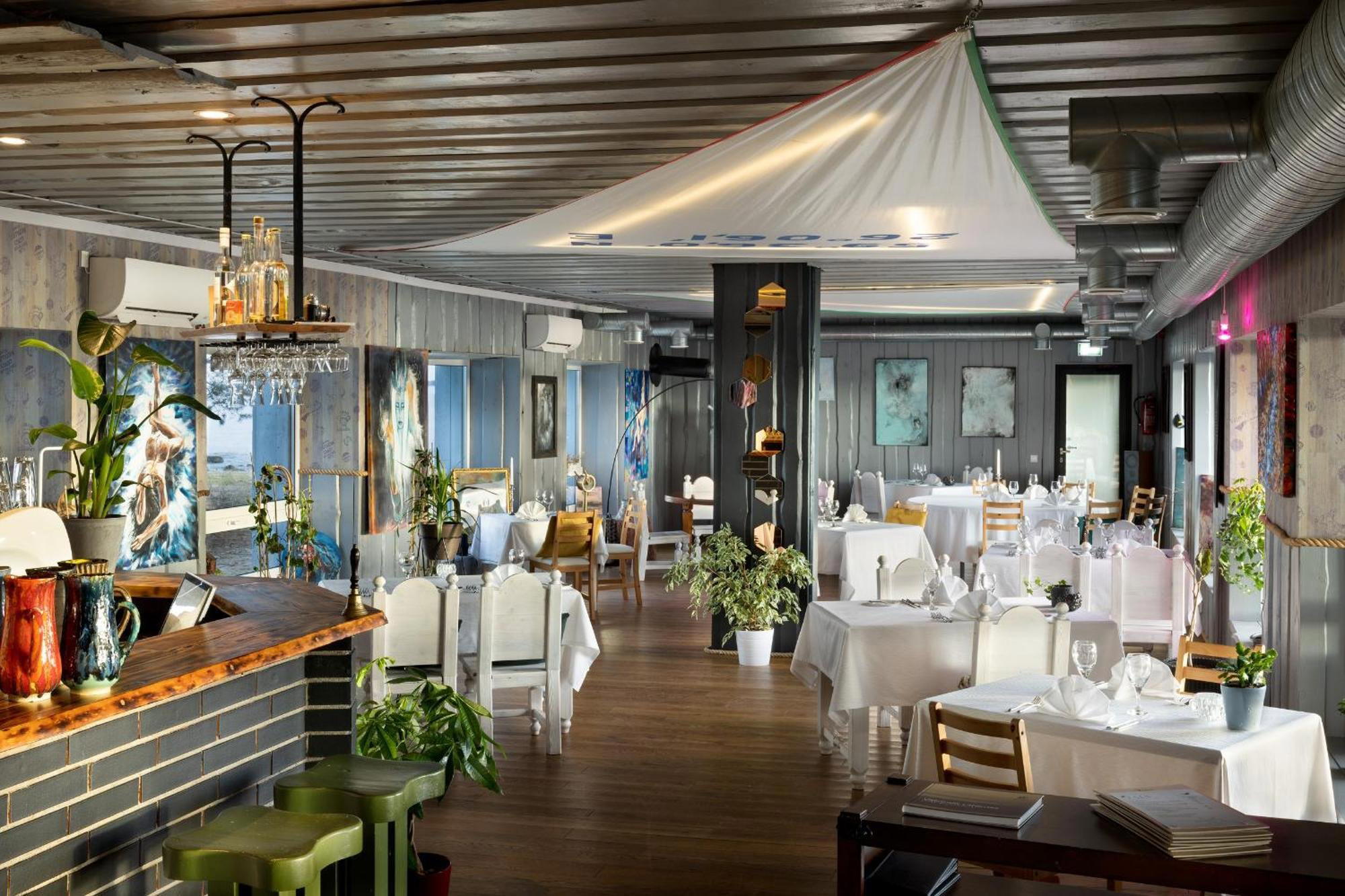
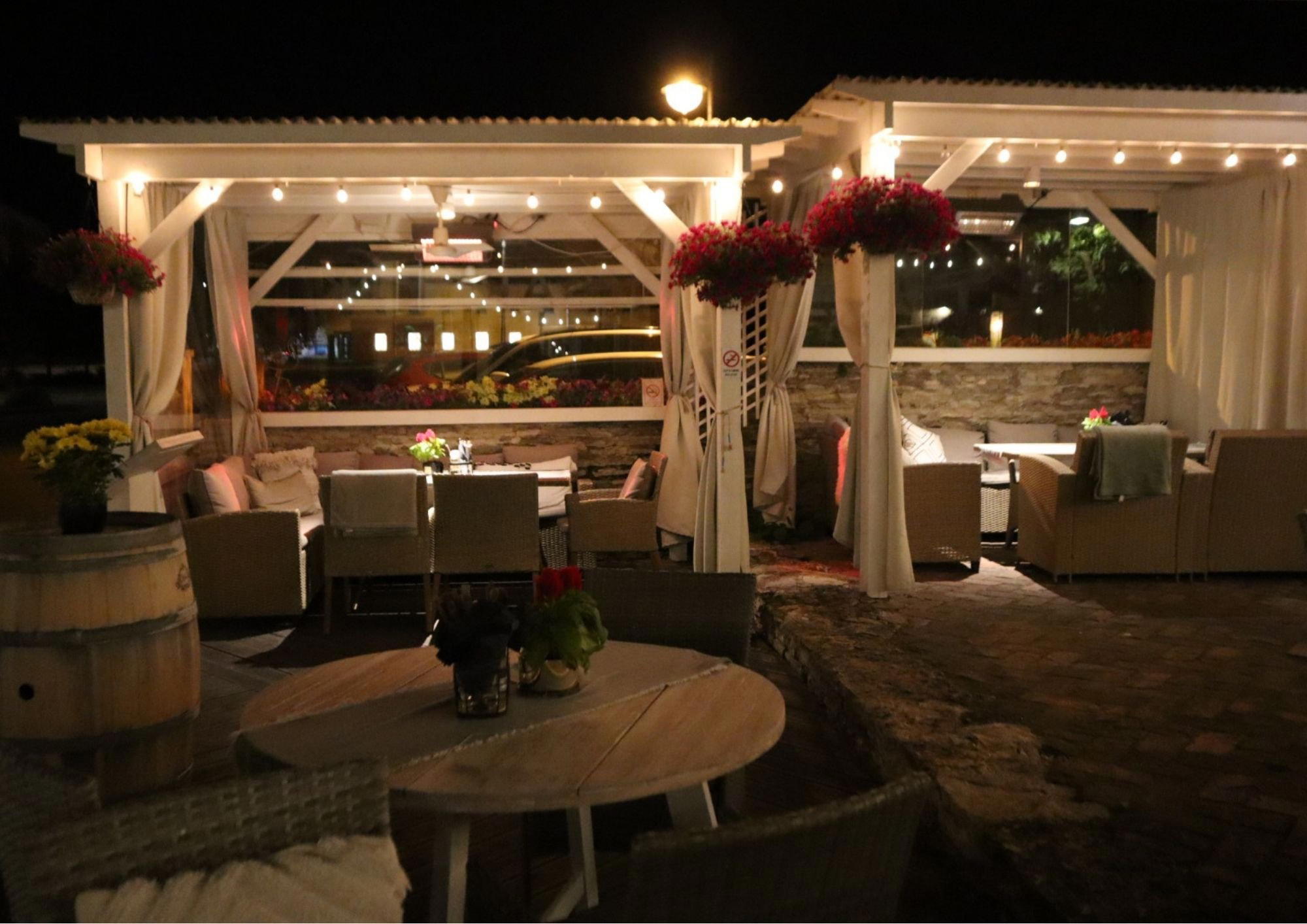
Warm wooden interiors with seaside elegance and serene coastal atmosphere.