
Sumiya belongs to Osaka’s compact-counter sushi tier: six seats, reservation-only service, and a Namba address that puts serious sushi inside the city’s busiest dining district rather than in a hushed hotel corridor. Its Tabelog Sushi WEST 100 selections in 2021 and 2025, plus a JPY 10,000–14,999 dinner range, place it in a focused category where space discipline matters as much as sourcing.
Pearl is the En Primeur Club membership app — saves, bookings, and concierge access live there. Same editors, same standards.
- Address
- 4 Chome-3-23 Namba, Chuo Ward, Osaka, 542-0076, Japan
- Website
- tabelog.com
 Saves & bookings on Pearl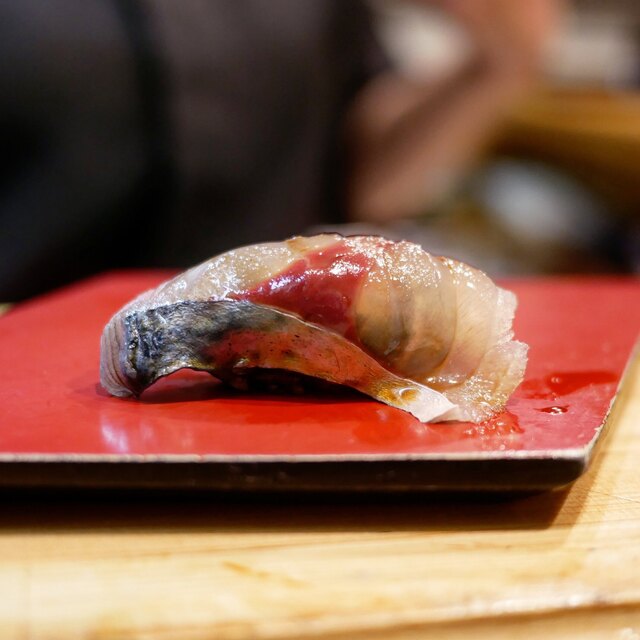
In Namba, the dining signal is usually loud: station traffic, department-store basements, takoyaki queues, late trains, and neon competing for attention. This counter-sushi room works in the opposite register. Six seats change the evening’s scale before the first piece appears; the room filters Osaka’s speed into a slower sequence of rice, fish, sake, and silence. Sumiya belongs to that smaller tradition, where the physical container is not decoration but the operating system.
Osaka is often read through appetite rather than restraint, which can make its serious sushi counters feel sharper than Tokyo equivalents. The city’s casual-food identity is strong, but Namba also supports reservation-led rooms where bill, pacing, and seating plan belong to another conversation. A six-seat counter compresses judgment: little theatrical distance, little tolerance for lag between preparation and service, and little separation between the chef’s hands and the diner’s attention. The meal depends on proximity.
A six-seat room in a district built for volume
Namba is engineered for throughput. Nearby eating can mean pork buns at 551 Horai (551蓬莱), quick cold sweets at Hokkyoku Nanba honten, or low-cost ramen at Naniwa Menjiro. That context matters because Sumiya occupies the other end of the neighbourhood’s rhythm. It is reservation only, with six seats and no private rooms, so the room cannot absorb indecision or casual overflow. The counter is the experience.
This Osaka sushi is not competing with department-store convenience or late-night grazing. It competes on focus: fish-led cooking, a sushi course structure, and a sake program noted for nihonshu rather than a broad drinks menu. Tabelog selected the restaurant for Sushi WEST 100 in 2021 and 2025, placing it among western Japan sushi rooms assessed beyond neighbourhood popularity. Its published score of 3.74 also puts it in a serious Tabelog bracket, especially for such constrained capacity.
The design angle is practical, not decorative. Six seats make every movement visible and leave few ways to disguise imbalance: rice temperature, pacing, glassware, and handoff all happen within a short sightline. In a larger dining room, service can soften technical variation. At this scale, the counter either holds attention or exposes weakness. Small sushi rooms in Japan often feel less like restaurants than calibrated workspaces.
Fish, sake, and the Osaka counter tradition
The listed categories, sushi, seafood, and Japanese cuisine, describe a broad Japanese vocabulary rather than a hybrid concept. The stronger clue is the stated emphasis on fish and sake. Osaka’s sushi culture has several registers, from pressed sushi traditions to Edo-style counters, and Namba’s modern dining grid lets those forms sit beside curry specialists, bakeries, Italian rooms, and casual chains.
Dinner band, JPY 10,000–14,999, keeps Sumiya below the international trophy-counter tier while clearly outside casual sushi. That middle-premium position matters: it suits a diner who understands counter format without necessarily chasing Michelin-style ceremony. Stated course prices, 9,000 yen and 12,000 yen before tax, reinforce the bracket: structured for a planned dinner, restrained enough to remain grounded in Osaka rather than luxury-hotel polish.
Comparison within Namba is instructive. Tahei sits in a lower dinner range, Daman Lumiere Takashimaya oosaka ten works in a department-store French-inflected lane, and 和牛すき焼き 京都力山 難波2号店 points toward beef-led special-occasion dining outside the immediate metro frame. Sumiya’s distinction is not breadth; it is narrowness. In counter sushi, narrowness is an asset when it sharpens the meal rather than shrinking it.
The payment restrictions also reveal the operation’s scale. Credit cards, electronic money, and QR payments are not accepted, aligning with the small independent-counter model still common in parts of Japan. That is operational clarity, not nostalgia. Diners entering this category should treat planning as part of the format, not an inconvenience.
How to place it within an Osaka itinerary
Sumiya makes most sense for a traveler already in the Namba and Chuo Ward orbit who wants a controlled sushi evening without leaving the city’s kinetic core. It is not for a large group, loose walk-in plan, or bar-hopping momentum. It is better as a compact dinner before or after exploring the district, the counter offering a quiet counterpoint to Namba’s public appetite.
That contrast is why Osaka rewards itinerary layering. A serious sushi counter can sit in the same trip as a morning bakery stop at 52CHO-ME BAKERY, a cafe pause at .cafe, or a casual Italian meal at 99 Pizza Napoletana Gourmet or a canto (Italian). The city’s strength is not one dining mood; it is moving between formats without treating one as more authentic.
For a broader Japan or transpacific food route, compare format rather than cuisine. Small, disciplined rooms such as [ki:] in Kyoto or sake-focused addresses like Jōdo Saké Bar in Los Angeles show how Japanese dining exports and regional variants change when scale, seating, and drink culture shift. Casual specialists, from Onigiri Time in Pasadena to [Curry Senmon Ten] Maruyama Kyoju. in Sapporo, follow a different logic.
Use EP Club city pages for the rest of the trip architecture: Our full Osaka hotels guide for where to sleep, Our full Osaka bars guide for post-dinner drinking, Our full Osaka experiences guide for cultural planning, and Our full Osaka wineries guide for wine-led context. Outside Osaka, the broader Japan map runs from -Grilled beef Sukiyaki- KAMAKURA TANUKIAN 鎌倉 たぬき庵 in Kamakura and. 鮪と炭火焼き うお炭 秋葉原店 in Tokyo to.know in Kumamoto and (Shoku) Vietnam in Kawasaki.
In Context: Similar Options
Comparable venues by cuisine and price in the same metro.
| Venue | Cuisine | Price | Notes |
|---|---|---|---|
| SumiyaThis venue — the venue you are viewing | Intimate Sushi Omakase Counter | $$$ | Not listed |
| Tori Ichi | Traditional Osaka Yakitori & Chicken Dishes | $$$ | Chūō |
| Sushi shizuku Nishitenma | Edo-mae Sushi Omakase | $$$ | Kita |
| ZEN | Yakitori & Japanese Izakaya | $$$ | Fukushima |
| Takuya | Modern tonkatsu & pork dishes | $$$ | Kita |
| Yasubee | Japanese Yakiniku | $$$ | Konohana |
Recognition history
Dated appearances from independent guides and award organizations, with the underlying list record or original source where available.
Tabelog 100 #23 · No. 23
Tabelog · Tabelog 100 - Sushi - WEST - 2025
Continue exploring
More in Osaka
Restaurants in Osaka
Browse all →




Bars in Osaka
Browse all →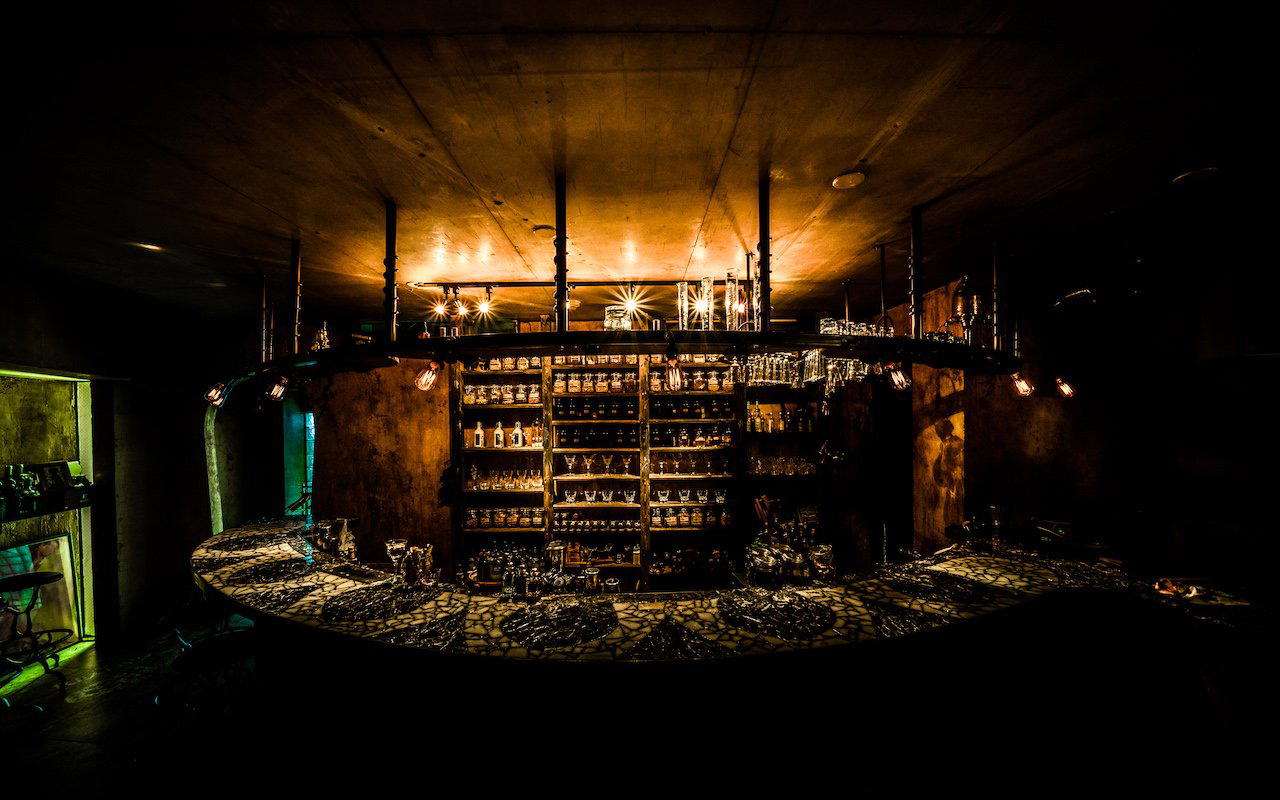


Hotels in Osaka
Browse all →



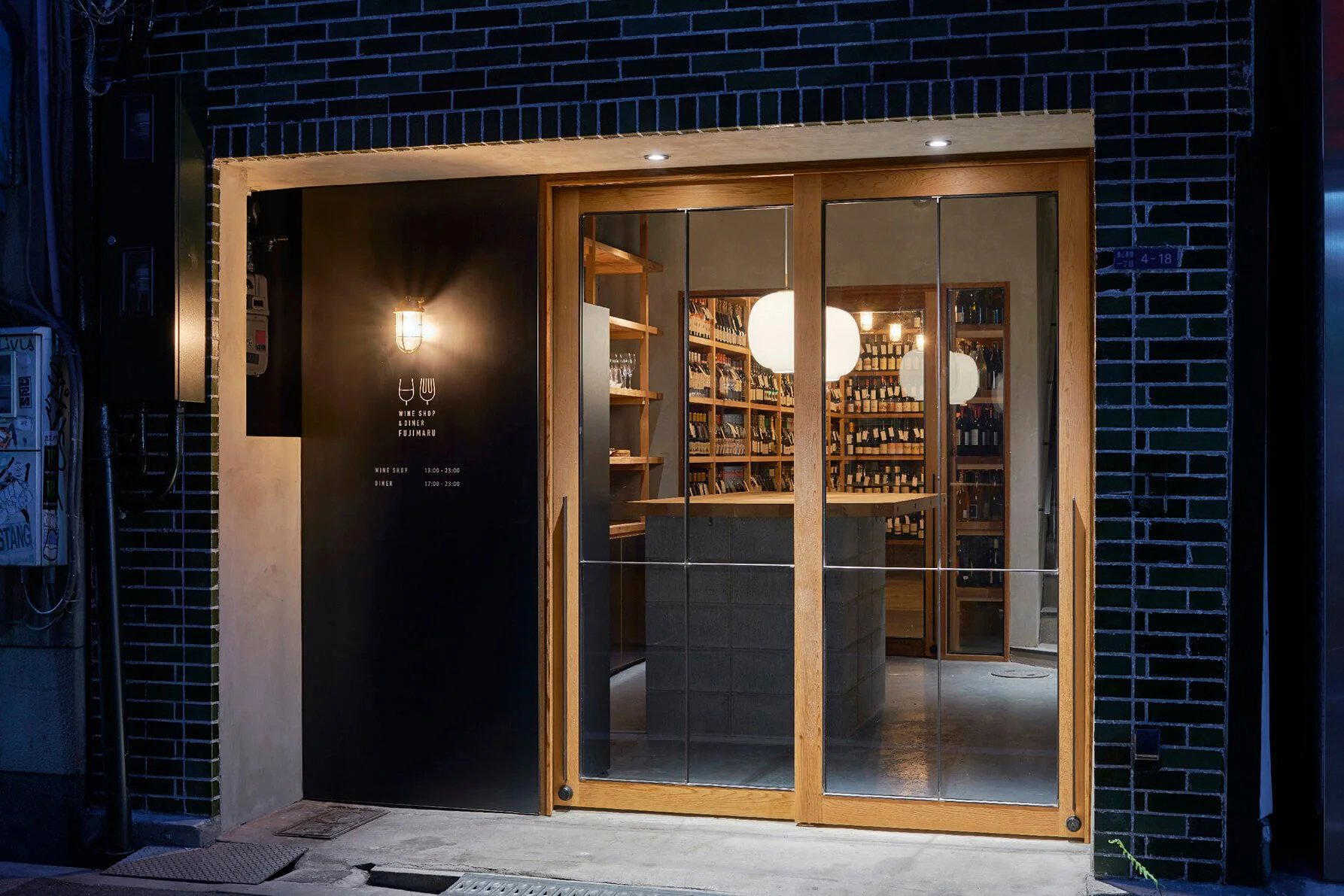
Wineries in Osaka
Browse all →
At a Glance
- Intimate
- Cozy
- Date Night
- Solo
- Special Occasion
- Chefs Counter
- Standalone
- Sake Program
- Local Sourcing
- Sustainable Seafood
Current opening hours
- Monday
- 5–11 PM
- Tuesday
- 5–11 PM
- Wednesday
- 5–11 PM
- Thursday
- 5–11 PM
- Friday
- 5–11 PM
- Saturday
- 5–11 PM
- Sunday
- 5–11 PM
Hours can change for holidays and private events. Last verified .
A minimalist, no-frills counter-only space described as a small hideout, with focus squarely on the fish; the atmosphere is intimate, non-smoking, and relaxed rather than formal, suited to guests who appreciate serious sushi in a quiet setting.