
Kappou Sanyu sits in Tokyo’s Ningyocho orbit, where small shokudo and kappo-adjacent counters keep everyday Japanese cooking close to the office lunch crowd and after-work regulars. Its Tabelog 100 Diner 2026 selection, compact 12-seat room, and croquette-tonkatsu-cafeteria categorization place it in a practical, tightly focused bracket rather than the city’s ceremony-heavy dining tier.
Pearl is the En Primeur Club membership app — saves, bookings, and concierge access live there. Same editors, same standards.
- Address
- 1 Chome-10-8 Nihonbashiningyocho, Chuo City, Tokyo 103-0013, Japan
- Phone
- +81 3-3666-1684
- Website
- tabelog.com
 Saves & bookings on Pearl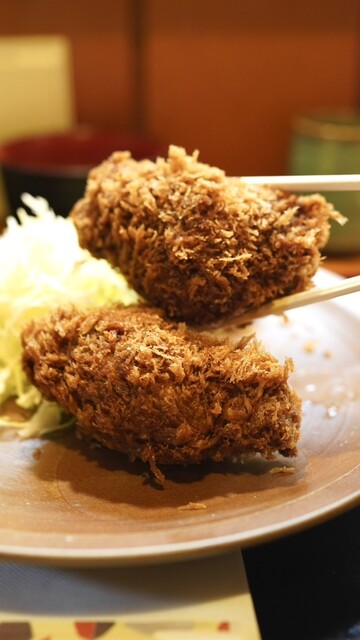
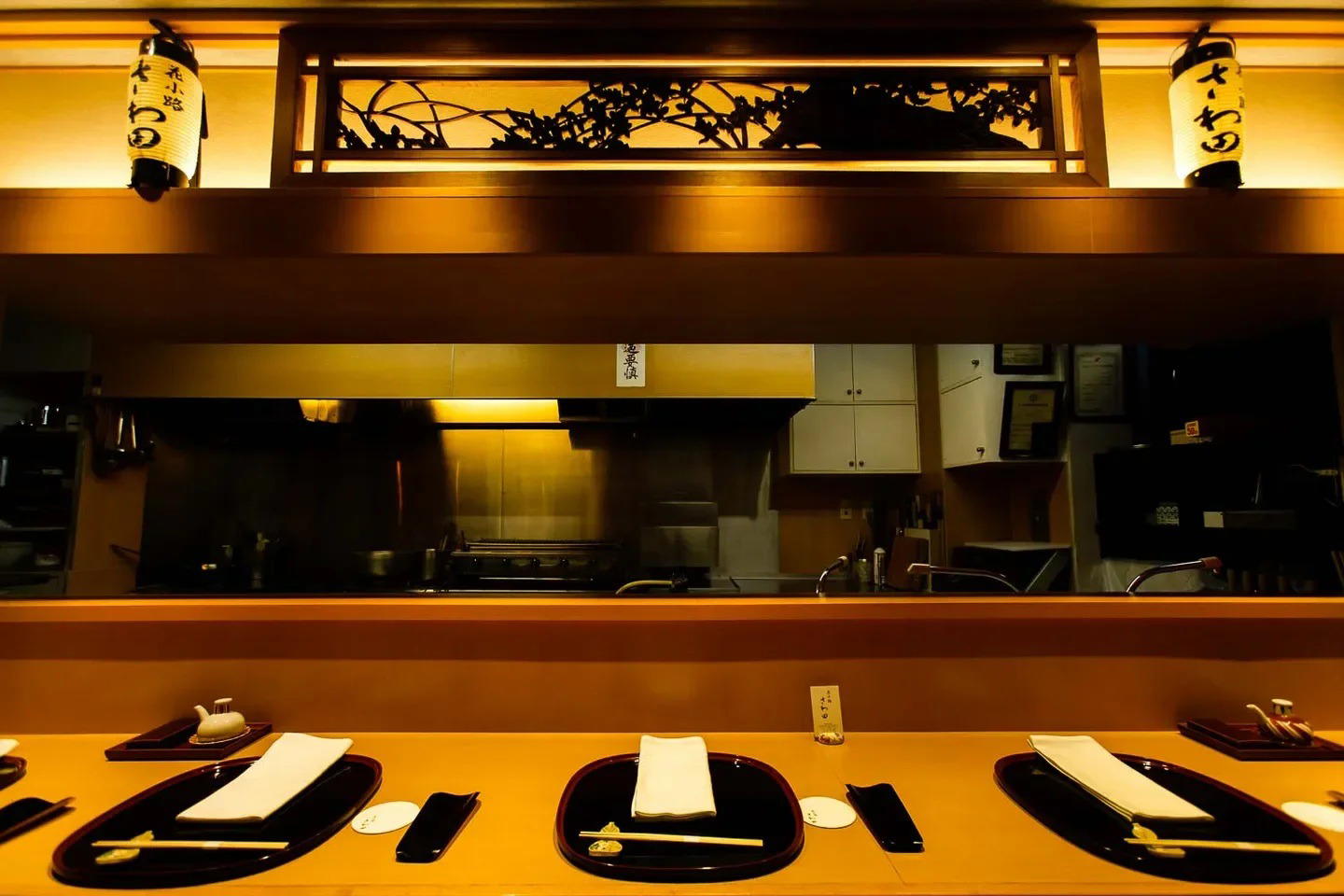
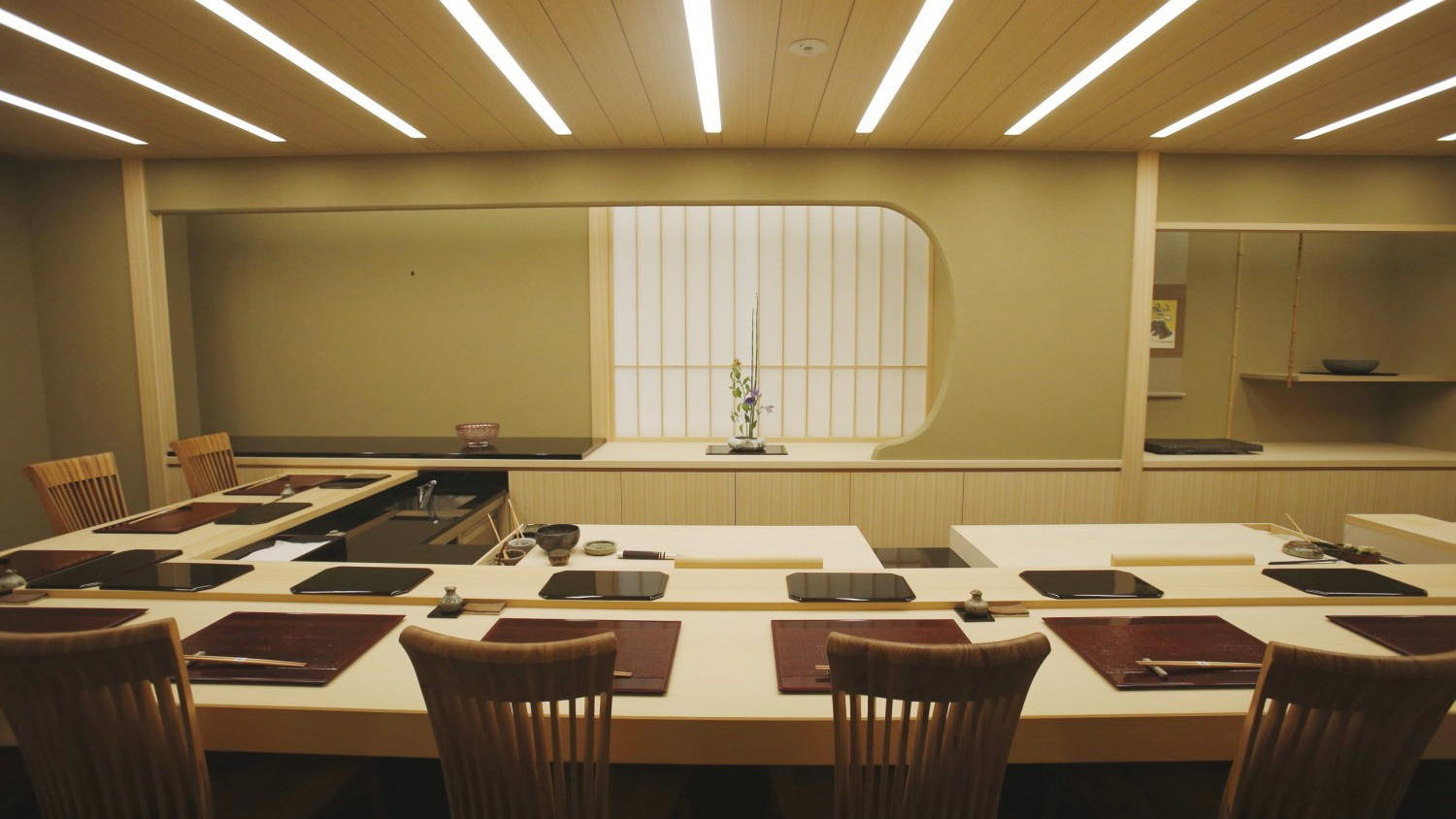
Approach Ningyocho at meal time and the rhythm differs from Ginza or Roppongi: office workers move with purpose, shutters lift for short lunch windows, and small dining rooms trade in speed, regularity, and narrow promises. Kappou Sanyu belongs to the Tokyo category where the room is compact, the cooking language familiar, and value is proven by repeat custom rather than theatre. The signal is not a tasting-menu arc or chef’s-counter performance, but a 12-seat format, six counter seats and six raised table seats, inside the everyday Japanese diner tradition.
That tradition matters because serious Tokyo eating is not confined to sushi, kaiseki, tempura, or French-Japanese dining rooms with long reservation cycles. The city’s shokudo and set-meal culture has its own discipline: controlled menus, short service windows, steady prices, and a clientele that punishes inconsistency fast. A Tabelog 100 Diner 2026 selection places this address in a field judged by diners who know croquette and tonkatsu can be as revealing as nigiri when a kitchen has little room for error. The category is less glamorous than omakase, but often more useful for understanding how Tokyo actually eats.
Ningyocho's diner culture, read through fried food and tight seating
Ningyocho sits in the older commercial belt of Chuo, close enough to Nihonbashi to feel businesslike but with a local grain that resists hotel-district polish. Here, small restaurants often run with clipped efficiency shaped by workers’ lunch breaks, neighborhood regulars, and kitchens built for narrow menus. Kappou Sanyu’s listed categories, cafeteria, croquette, and tonkatsu, put it in the comfort-food lane, but the recognition reframes it: not a casual fallback, but a small-format diner competing on execution inside a crowded city category.
The comparison set helps. Uokyu Eat-in Ajimise Honten sits in a slightly higher everyday-spend bracket, while Gyokueido Hikokuro occupies the lower confectionery-snack end. BAR Tsurukame belongs to a separate late-day drinking economy. Against those Tokyo references, Kappou Sanyu reads as a lunch-and-early-evening diner with especially narrow capacity and a food identity anchored in fried staples rather than drinks, sweets, or seafood retail. That is a different seriousness from Takagaki's Sushi or ラ ピヨッシュ, and the distinction matters: not every Tokyo meal needs to chase scarcity the same way.
The 2026 Tabelog 100 Diner selection is the clearest trust signal, especially because the award sits in the diner category rather than fine dining. Earlier selections in 2024 and 2021 point to continuity within this lane. Tokyo has many compact restaurants with loyal followings; far fewer turn that local pull into repeat recognition on a national restaurant platform. The listed 3.65 score adds another clue, less as a universal verdict than as evidence that diners are judging a modest category seriously.
The beverage clue: sake and shochu, not cellar theatre
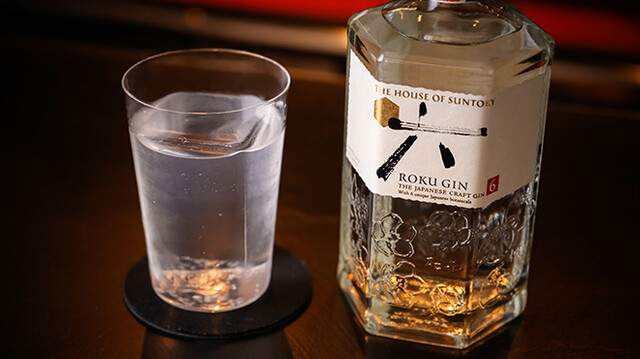
Drinking-program lens needs care, because the story is not a deep wine cellar. The listed drinks are sake and shochu, logical for a cafeteria-tonkatsu-croquette address in this neighborhood. In Tokyo, beverage programs reveal intended tempo. A grand wine list can stretch a meal; sake and shochu at this kind of counter keep the frame closer to dinner with fried food, rice, and conversation than to a long, sommelier-led progression.
For travelers trained to judge restaurants by cellar depth, this is a useful recalibration. The absence of a wine-led identity is not a weakness in this category; it clarifies the format. Fried pork cutlet and croquette shops rarely need verticals or prestige Burgundy. They need drinks that support fat, salt, grain, and pace. Sake and shochu do that without pushing the restaurant into another price and service register. The real question is whether the drinks reinforce the diner’s role as a neighborhood room rather than imitating a higher-ceremony restaurant.
That restraint is part of this tier’s appeal. Tokyo’s ambitious restaurants often ask diners to surrender the evening to a sequence; the shokudo tradition asks for sharper judgment in a shorter window. If the meal is built around croquette or tonkatsu, craft lies in coating, frying, portion, timing, and the balance between richness and rice. Those details need not be inflated into haute cuisine language; they should be taken seriously on their own terms.
How to place it in a Tokyo itinerary
This suits travelers who want one meal explaining a working Tokyo neighborhood more than those chasing ceremony, counter choreography, or international luxury cues. The small room means timing matters, and lunch can be brisk. Treat it as a focused Ningyocho meal, not a long destination dinner. Pair it with a walk through Nihonbashi or the older streets around Ningyocho rather than forcing it into a night of bar-hopping across town.
For a broader city edit, use Our full Tokyo restaurants guide to separate shokudo, yakitori, sushi, curry, and café formats before committing each meal slot. Nearby or category-adjacent Tokyo pages worth cross-checking include . 鮪と炭火焼き うお炭 秋葉原店, 12/10 Shinjuku ten, 124. KAGURAZAKA (Yakitori), 2D Cafe, and 3 Chome no Curry Ya San. Travelers building a fuller stay can also scan Our full Tokyo hotels guide, Our full Tokyo bars guide, Our full Tokyo wineries guide, and Our full Tokyo experiences guide.
The same everyday-Japan thread extends beyond Tokyo in different forms: -Grilled beef Sukiyaki- KAMAKURA TANUKIAN 鎌倉 たぬき庵 in Kamakura.cafe in Osaka.know in Kumamoto, (Shoku) Vietnam in Kawasaki, [Curry Senmon Ten] Maruyama Kyoju. in Sapporo, and [ki:] in Kyoto. For Japanese-drinking context outside Japan, Jōdo Saké Bar in Los Angeles and Onigiri Time in Pasadena show how sake, rice, and compact formats travel differently when removed from native lunch culture.
A Minimal
Comparable venues by cuisine and category.
| Venue | Cuisine | Price | Notes |
|---|---|---|---|
| Kappou SanyuThis venue — the venue you are viewing | Not listed | $ | Not listed |
| Japanese Supaisu Curry Karisshu | Chūō, Japanese Spice Curry | $ | Not listed |
| Wagashi Dokoro Oosumi Tamaya Ginza ten | Chiyoda, Japanese Wagashi Shop | $ | Not listed |
| Stand Hero | Not listed | $ | Chiyoda, Standing Japanese Izakaya & Kushikatsu Bar |
| Kitchen Taka | Not listed | $ | Shinjuku, Japanese yoshoku (Western-style comfort food) counter |
| Tokoi | Suginami, Musashino-style udon | $ | Not listed |
Recognition history
Dated appearances from independent guides and award organizations, with the underlying list record or original source where available.
Tabelog 100 #21 · No. 21
Tabelog · Tabelog 100 - Diner - 2026







At a Glance
- Lively
- Classic
- Cozy
- Solo
- Casual Hangout
- After Work
- Standalone
- Chefs Counter
- Historic Building
- Sake Program
- Beer Program
- Street Scene
Current opening hours
- Monday
- 11 AM–1:30 PM, 6–7:30 PM
- Tuesday
- 11 AM–1:30 PM, 6–7:30 PM
- Wednesday
- 11 AM–1:30 PM, 6–7:30 PM
- Thursday
- 11 AM–1:30 PM
- Friday
- 11 AM–1:30 PM
- Saturday
- Closed
- Sunday
- Closed
Hours can change for holidays and private events. Last verified .
A classic neighborhood cafeteria-style kappo with only 12 seats, counter and raised tatami seating, a relaxed and slightly bustling lunch atmosphere, and a cozy hideout feel in a back alley of Ningyocho.