Kao.Piak.Sen

Michelin Bib Gourmand
Our verdict
A Michelin Bib Gourmand-recognised Vietnamese café in Udon Thani's Mak Khaeng district, Kao. Piak. Sen has held back-to-back Bib distinctions in 2024 and 2025 for its fragrant kao piak broth and bánh bột lọc dumplings. Green-tiled facade, vintage rattan interiors, and a queue that builds fast during morning hours, this is neighbourhood eating at its most considered, at a price point that makes it accessible to everyone.

Pearl is the En Primeur Club membership app, where members save venues, book tables and use the concierge.
Green Tiles and a Queue Worth Joining
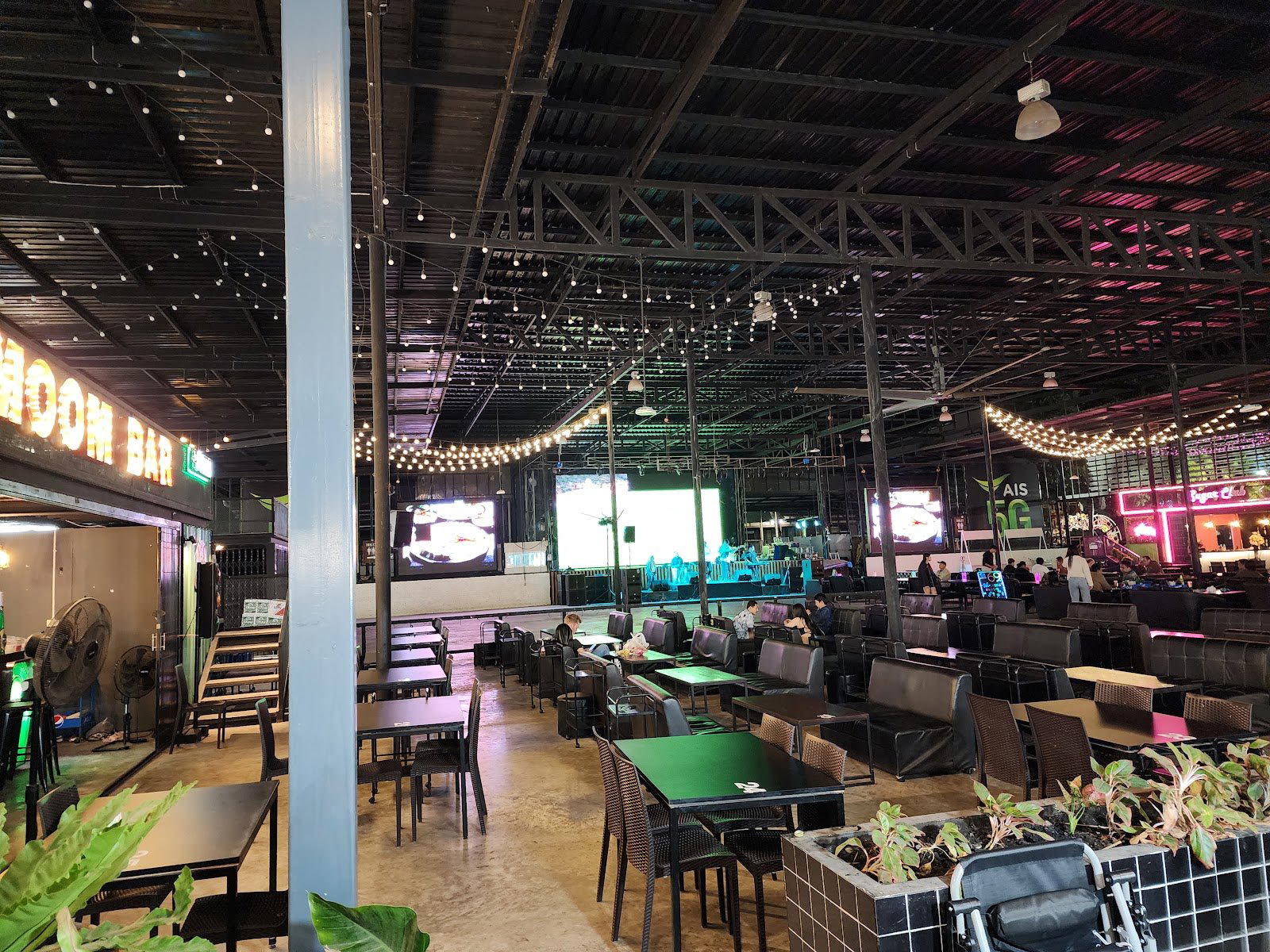
Before you step inside, the facade gives you something to read. Green glazed tiles frame the entrance to this refurbished shophouse on Srisuk Soi 4 in Mak Khaeng, a residential sub-district that sits well outside the central commercial pull of Udon Thani's main boulevards. The building's colour announces intention: this is not a place that stumbled into its aesthetic. Inside, vintage wooden furniture and rattan seating create the kind of low-pressure morning environment that most café operators try and fail to manufacture. Here it reads as unselfconscious, which matters when the room fills up quickly and the energy is entirely focused on the food arriving from the kitchen.
Udon Thani's food scene operates on a spectrum that runs from single-dish Isan specialists, places like Lab Mu Worachai and Krua Khun Nid, through noodle shops such as Baan Chik Pork Noodles, to the occasional outlier that imports a different regional tradition entirely. Kao. Piak. Sen sits in that last category, drawing on Vietnamese cooking in a city whose proximity to Laos and Vietnam gives that culinary influence genuine geographic logic. The city's food culture absorbs these cross-border traditions without much ceremony, and this café is a good illustration of how that absorption works at its most comfortable.
Kao Piak and the Broth-Based Morning
In Vietnamese eating culture, the morning meal is structural, not incidental. Pho and its regional cousins, including kao piak sen, the Lao-Vietnamese rice noodle soup for which this café is named, are not breakfast in the Western sense of something light and provisional. They are the meal around which the day begins to organise itself. The broth is made to be restorative, aromatic with herbs and spice, and calibrated to the kind of sustained warmth that you want when the air is still cool and the day has not yet picked up speed.
That tradition has a visible following here. Kao. Piak. Sen has held the Michelin Bib Gourmand in both 2024 and 2025, a distinction that the Guide awards to kitchens offering high-quality cooking at accessible prices rather than formal fine-dining ambition. Two consecutive Bib recognitions place the café in consistent company: Michelin inspectors visit multiple times across a season before confirming a listing, so repeat inclusion signals that the kitchen is not performing to a one-off standard. In the context of Udon Thani, a city where Khao Soi Thai Yai and Chabaa Barn represent the range of Michelin-tracked eating, Kao. Piak. Sen is one of the strongest arguments that the city's recognition is genuinely distributed across price points rather than concentrated at the high end.
It reflects a visitor pattern that extends well beyond the immediate area, drawing people who have come specifically for the kao piak, the signature broth that gives the café its name.
The Street-Food Tradition Behind bánh bột lọc
Alongside the broth, the other cornerstone dish is bánh bột lọc, a translucent tapioca dumpling filled with spiced shrimp and minced pork. In Central Vietnamese cooking, where this dumpling originates, it occupies the same cultural register as a well-made bánh mì: portable, layered in flavour, built from technique that looks simple and isn't. The chew of tapioca casing against a filling that carries heat from the pork and sweetness from the shrimp is a contrast that takes practice to calibrate correctly. Street-food formats across Vietnam and Laos have long relied on exactly this kind of precision-in-smallness, where the cooking intelligence is concentrated in something you can hold in one hand.
That grab-and-go hawker logic is part of what makes this kind of Vietnamese eating translate so well to a neighbourhood café format. You don't need a long tasting menu or a formal service sequence to deliver something memorable. You need the broth to be right, the filling to be balanced, and the setting to be easy enough that the food can do most of the work. Kao. Piak. Sen operates on that understanding, and the format holds up whether you're eating alone before a morning errand or sitting with two or three people across a rattan table. For a broader sense of how Vietnamese cooking functions at different ends of the price and formality spectrum, Tầm Vị in Hanoi and Camille in Orlando offer useful comparative reference points.
Udon Thani's Wider Table
Udon Thani does not position itself as a food-destination city in the way that Bangkok or Chiang Mai do, but the density of recognised kitchens relative to its population suggests that assessment is increasingly outdated. The Michelin coverage that reaches into this part of Isaan, tracking places like Kao. Piak. Sen alongside Isan specialists and noodle counters, reflects a broader acknowledgement that provincial Thai eating has depth that earlier editions of the Guide underrepresented. Nationally, that shift is visible in the attention paid to kitchens like Sorn in Bangkok and PRU in Phuket, but it plays out at the Bib Gourmand level in cities like Udon Thani in ways that are arguably more interesting, because the price point means the cooking has to earn attention on pure quality rather than on the additional variables of setting or occasion. For further regional context, Aeeen in Chiang Mai, AKKEE in Pak Kret, and Agave in Ubon Ratchathani provide a sense of how Michelin recognition distributes across Thailand's secondary cities. You can also explore the city more fully through our full Udon Thani restaurants guide, or branch into hotels, bars, wineries, and experiences in the area.
Planning Your Visit
Kao. Piak. Sen is at 20/20 Srisuk Soi 4 in the Mak Khaeng sub-district of Udon Thani. The price range sits at the ฿฿ tier, modest spending for the quality on offer, consistent with the Bib Gourmand brief. The Michelin write-up notes that queues form during peak hours, which at a morning-focused café means arriving earlier in the service pays off in shorter waits. The The Spa in Lamai Beach represents a different register entirely, but if you're calibrating a broader Thailand itinerary, the contrast is instructive.
What Should I Eat at Kao. Piak. Sen?
Start with the kao piak sen, the rice noodle soup with fragrant broth that gives the café its name and its Michelin recognition. The Bib Gourmand citation specifically calls out the broth as soothing and fragrant, qualities that Michelin inspectors rarely apply to cooking that doesn't deliver consistently. The bánh bột lọc is the second anchor: a translucent tapioca dumpling filled with spiced shrimp and minced pork, lightly chewy in texture and carrying enough heat to make it more than a supporting dish. Both items have been flagged across both the 2024 and 2025 Michelin citations, which is as close to a directive as a Bib Gourmand listing gets.
Frequently asked questions
What's the price range at Kao. Piak. Sen?
Pricing at Kao. Piak. Sen is listed as ฿฿.
What's the address for Kao. Piak. Sen?
Kao. Piak. Sen is located at 20 20 Srisuk Soi 4, Mak Khaeng Sub-district, Mueang Udon Thani District, Udon Thani 41000, Thailand, Udon Thani.
What distinctions does Kao. Piak. Sen have?
Kao. Piak. Sen has received recognition including: The striking green tiles of the facade hint at the warmth of this stylishly refurbished neighbourhood café. Vintage wooden and rattan furnishings foster an inviting, laid-back ambience, for a light yet flavoursome meal – the perfect start t….
What should I eat at Kao. Piak. Sen?
The kao piak sen, a rice noodle soup in a fragrant, soothing broth, is the dish that anchors both the menu and the café's Michelin Bib Gourmand recognition in 2024 and 2025. Alongside it, order the bánh bột lọc: a translucent tapioca roll filled with spiced shrimp and minced pork that carries noticeable heat. Between these two dishes, most visits are accounted for. Arrive early or expect a queue during peak hours.
What It’s Closest To
| Venue | Cuisine | Price | Awards | Notes |
|---|---|---|---|---|
| Kao. Piak. SenThis venue (the venue you are viewing) | Vietnamese Noodle Soup | $1–10 | Michelin Bib Gourmand | Not listed |
| Khao Soi Thai Yai | Northern Thai Khao Soi | $1–10 | Michelin Bib Gourmand | Northern Thai, ฿ |
| Krua Khun Nid | Authentic Isaan (Northeastern Thai) | $1–10 | Michelin Bib Gourmand | Isan, ฿ |
| Majchapasuk | Traditional Isan Seafood | $1–10 | Michelin Bib Gourmand | Thai, ฿ |
| Peng Duck Noodles | Traditional Thai Duck Noodles | $1–10 | Michelin Bib Gourmand | Noodles, ฿ |
| Samuay & Sons | Modern Isan | $20–30 | Michelin Bib Gourmand | Isan, ฿฿ |
Recognition history
Dated appearances from independent guides and award organizations, with the underlying list record or original source where available.
Michelin Bib Gourmand
Michelin
Full recognition history (3 entries)
Michelin Bib Gourmand
Michelin
Michelin Bib Gourmand
Michelin
Continue exploring
More in Udon Thani
Details
- Cozy
- Rustic
- Classic
- Casual Hangout
- Solo
- Standalone
- A La Carte
Current opening hours
- Monday
- 5:30 AM–6 PM
- Tuesday
- 5:30 AM–6 PM
- Wednesday
- 5:30 AM–6 PM
- Thursday
- 5:30 AM–6 PM
- Friday
- 5:30 AM–6 PM
- Saturday
- 5:30 AM–6 PM
- Sunday
- 5:30 AM–6 PM
Hours can change for holidays and private events. Hours as of .
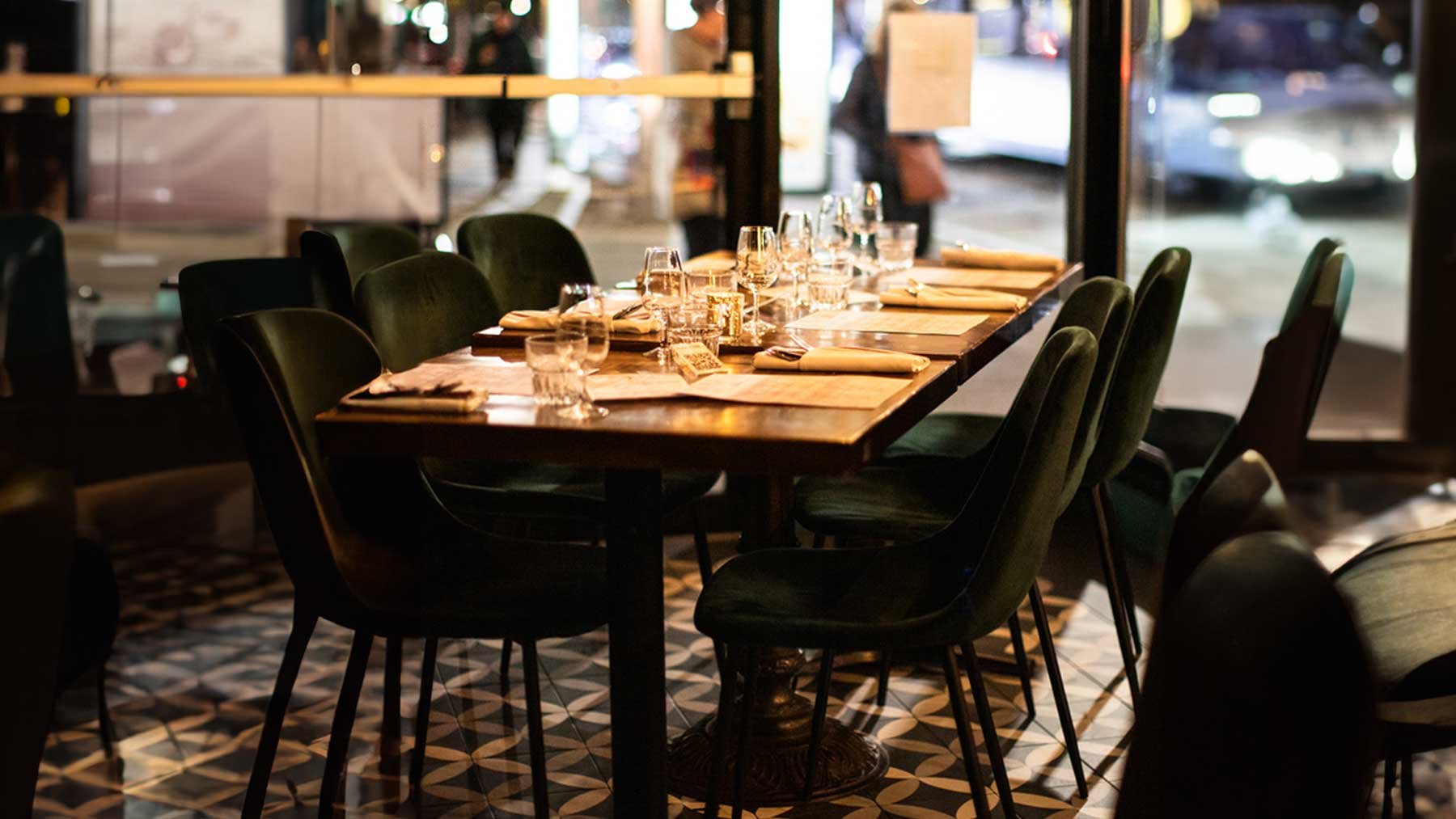
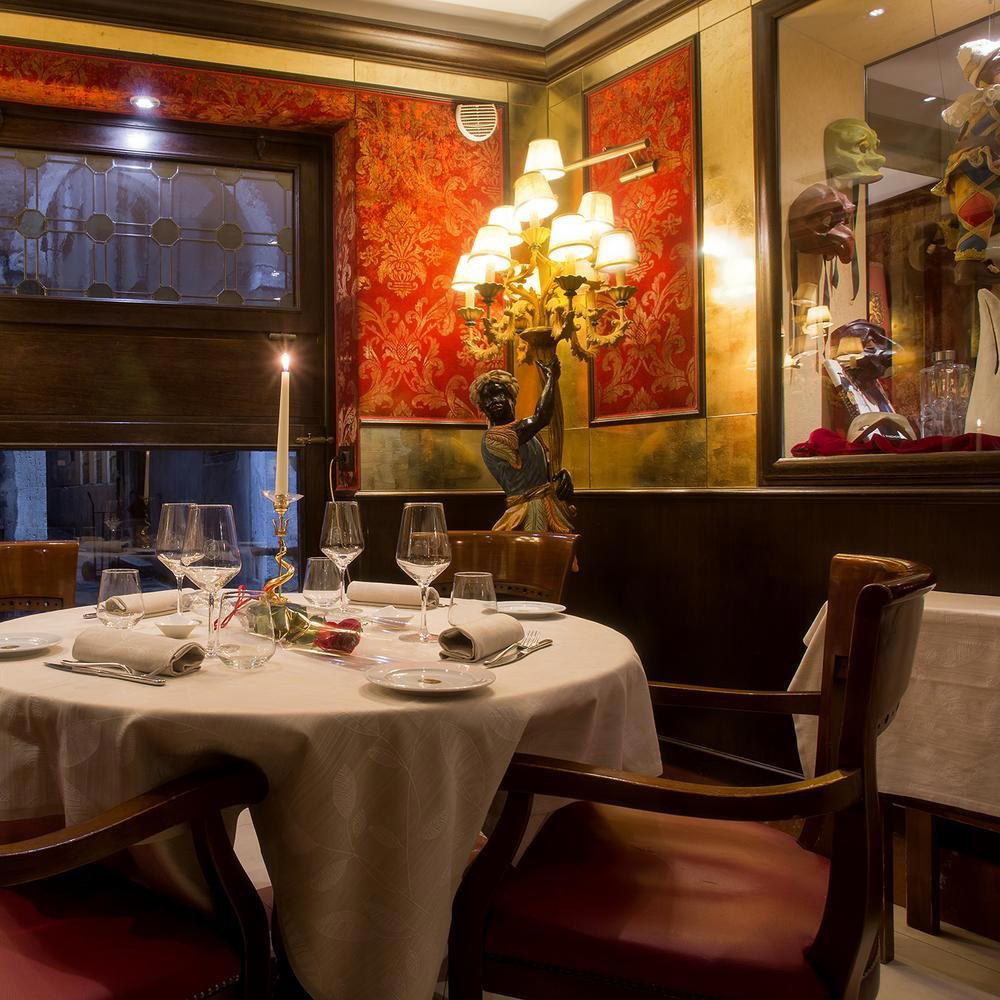
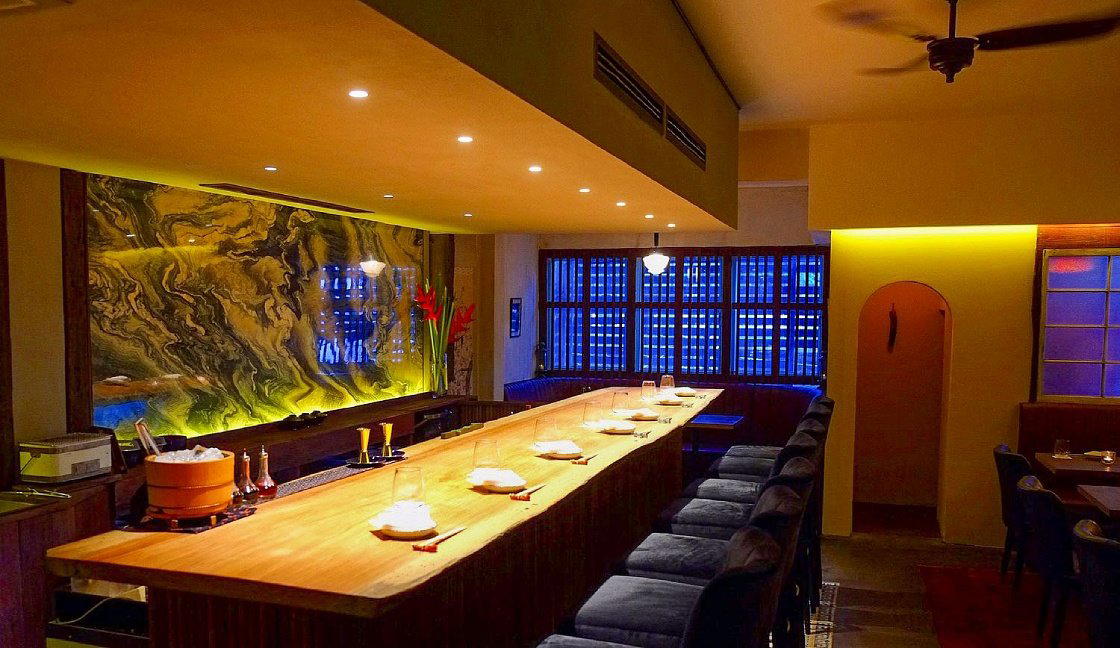
Warm and inviting laid-back ambience with vintage wooden and rattan furnishings that foster a welcoming neighborhood café atmosphere, ideal for a light yet flavorful meal.