Kanoyama


Michelin Plate
Our verdict
Ranked #165 on Opinionated About Dining's 2025 North America list, Kanoyama on East Village's Second Avenue occupies a specific tier of New York sushi: intimate counter dining where edomae technique meets a warm, unhurried room. The omakase format puts Chef Nobuyuki Shikanai close enough to read the table, and a sake list serious enough to anchor a dedicated pre-dinner conversation.

Pearl is the En Primeur Club membership app, where members save venues, book tables and use the concierge.
The menu
What to order
- Sushi Omakase
- Sashimi Omakase
- Hirame with Karasumi
- Katsuo
- Ama Ebi
Where East Village Sushi Sits on the Spectrum
New York's sushi scene has stratified sharply over the past decade. At one end, a handful of counters Joji and Shion 69 Leonard Street among them, operate at price points that rival Tokyo's most decorated rooms, with ticketed formats and booking windows that stretch months out. At the other, neighborhood sushi bars like Blue Ribbon Sushi serve a broader, less ceremonial audience. Kanoyama, on Second Avenue in the East Village, occupies a considered middle position: omakase-driven, technically serious, and ranked #165 on Opinionated About Dining's 2025 North America list, a ranking that has moved consistently upward since the venue appeared at #235 in 2024 and received a Highly Recommended citation in 2023. That trajectory says something about how the room has been received by a peer-reviewed critical audience over time.
Edomae Logic in a Neighborhood Room
The tension between edomae tradition and contemporary sushi expression is one of the defining arguments in high-end Japanese dining right now. Edomae, the Tokyo Bay style that predates refrigeration and relies on curing, aging, marinating, and cooking fish rather than serving everything raw, demands a kind of disciplined restraint that sits at odds with the maximalist presentation common in modernist omakase formats. Globally, counters like Harutaka in Tokyo and Sushi Shikon in Hong Kong are benchmarks for how that tradition travels outside Japan. In New York, the question is how much of the edomae logic survives in a room that isn't priced like Bar Masa and doesn't operate with the institutional weight of a three-Michelin-star kitchen.
At Kanoyama, the answer is: more than most. The omakase proceeds through pre-nigiri courses that are seasonal and technique-led, Opinionated About Dining's documentation of the format references seafood broth with fish and clam dumpling, abalone, and lobster tail grilled with a spicy creamy sauce as representative dishes. These are not raw-fish showcases; they are cooked preparations that set a technical register before the nigiri sequence begins. That sequencing reflects an edomae sensibility even where individual preparations incorporate non-traditional elements like the creamy sauce on the lobster. The kitchen is working in both registers at once, which is exactly where the more interesting contemporary sushi sits: conversant with tradition without being imprisoned by it.
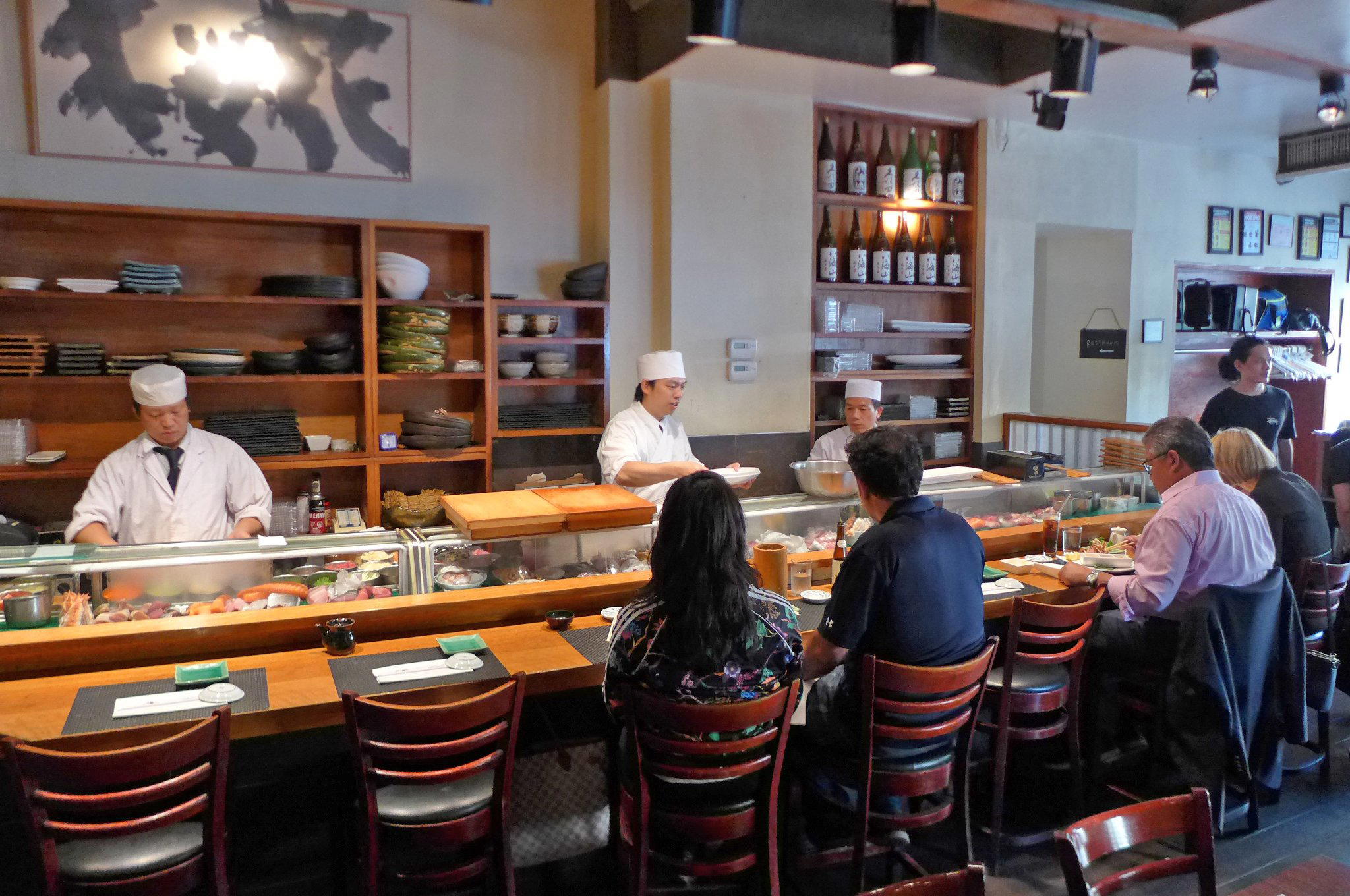
The nigiri themselves arrive in the chef's hands, passed directly for finger-eating. That physical format is deliberate. In a room where temperature and texture matter, and in edomae tradition, they matter enormously, the hand-to-hand transfer keeps the rice at the intended warmth and the fish at the right condition. It also collapses the distance between chef and diner in a way that a plated presentation does not. Compare this to the more theatrical formats at higher price points across the city, where the distance is preserved, sometimes deliberately. Kanoyama's counter works against that tendency.
The Room and What It Communicates
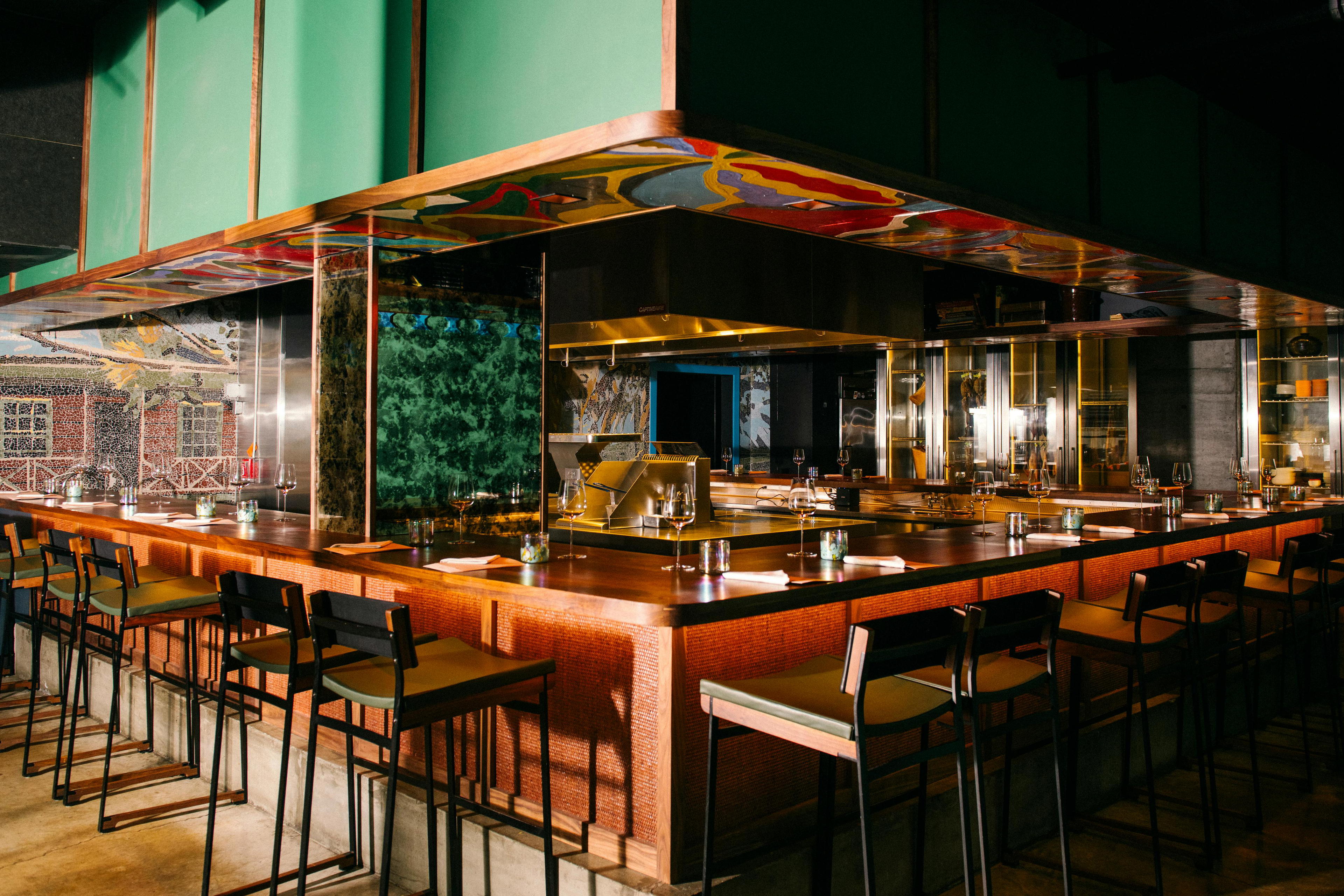
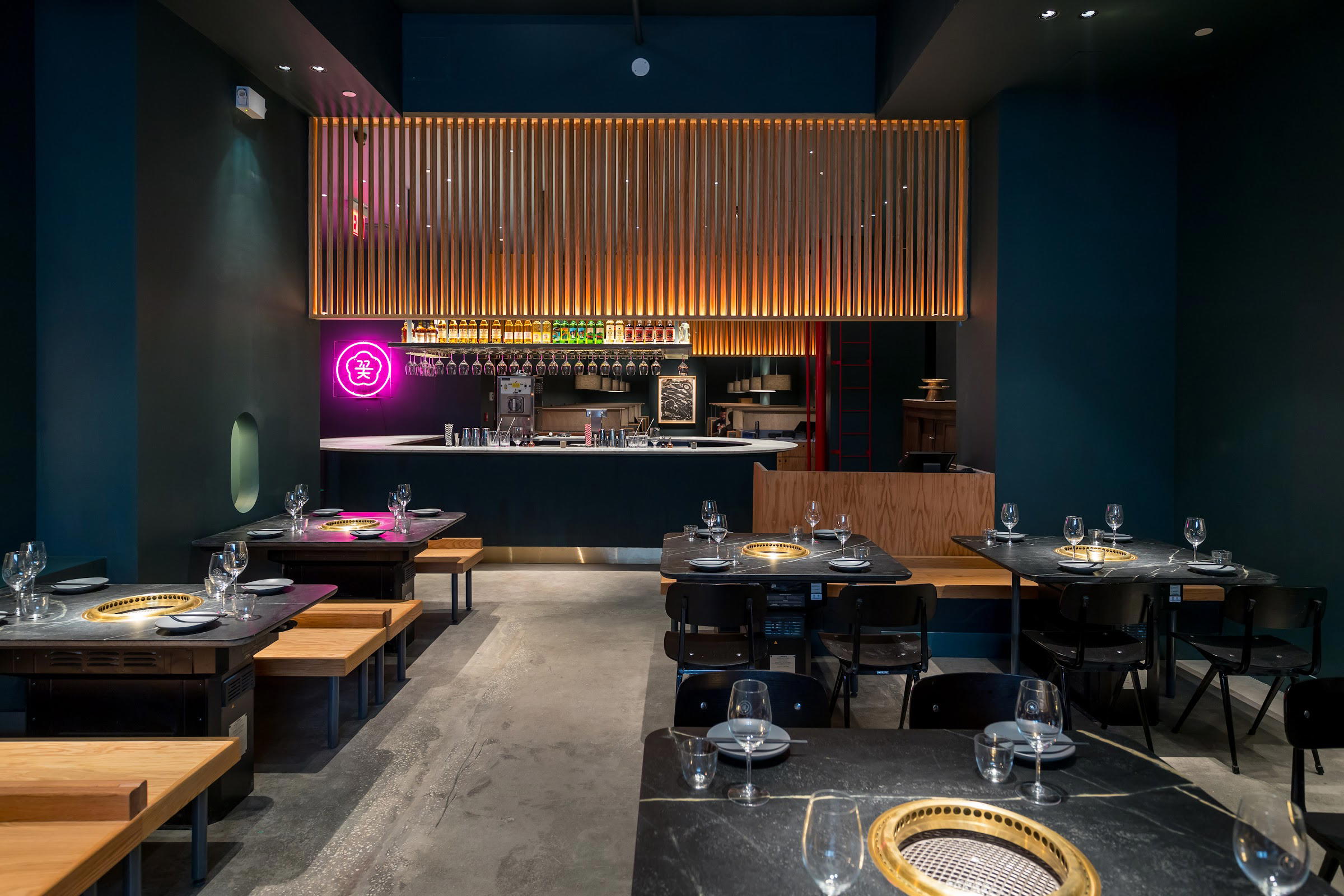
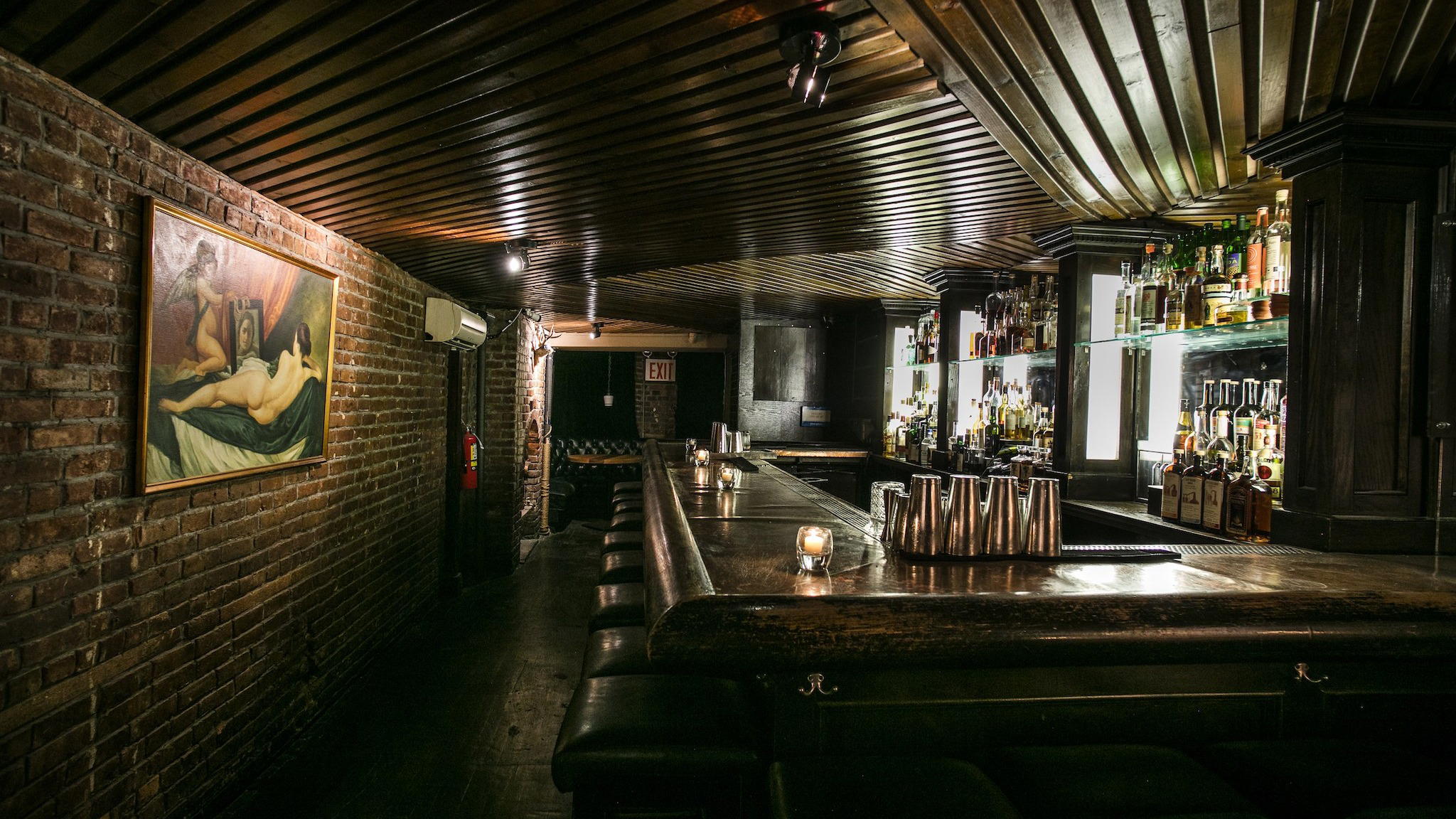
The East Village is not Midtown, and that matters here. The neighborhood context shapes expectations: diners arriving at 175 Second Avenue are not walking into a room designed to intimidate or impress through architectural grandeur. The space is described consistently as cozy, the service as warm and gracious, qualities that at this level of cooking represent an active editorial choice rather than a default. Many of the city's most technically serious counters operate with a solemnity that can tip into stiffness. The atmosphere at Kanoyama reads differently, and for a segment of the serious-sushi audience, that is a meaningful differentiator.
Sake program reinforces the same point. A list serious enough that diners are invited to select their own cup from a wide range of options signals that the room understands its audience, people who pay attention, who have preferences, and who want to be part of the experience rather than served at it. Sake curation at this level requires sourcing depth and staff knowledge to guide the selection without making it feel like a test. The Opinionated About Dining write-up singles it out, which suggests it is operating above the baseline for the omakase tier.
Where It Sits Against North American Peers
Opinionated About Dining's 2025 ranking places Kanoyama at #165 in North America, a list that includes restaurants across all formats and price points, from multi-course tasting menus like Alinea in Chicago, The French Laundry in Napa, and Single Thread Farm in Healdsburg, to destination dining rooms like Emeril's in New Orleans, Lazy Bear in San Francisco, and Providence in Los Angeles. To hold a position at #165 in that field, and to have moved up seventy places in a single year, indicates consistent execution rather than a single standout visit. Opinionated About Dining is scored by a distributed network of experienced diners rather than a single critic, which makes sustained high placement a more reliable signal than a one-time review.
Within New York's sushi tier specifically, Kanoyama is not competing with Sushi Sho for the leading position, nor is it priced or formatted to do so. It is doing something different: delivering a technically grounded omakase in an accessible neighborhood room, with a sake program and a service style that make it one of the more repeat-friendly serious-sushi options in the city.
Planning Your Visit
Kanoyama is open for dinner seven nights a week, from 5:30 pm Sunday through Thursday (last seating 10:30 pm) and until 11:30 pm on Fridays and Saturdays. The extended weekend hours give it more flexibility than many counter-format rooms in the city, which often operate a strict two-seating model. Booking the omakase is the intended experience; the Opinionated About Dining documentation frames it as the format through which the full range of the kitchen's technique is visible. For broader context on where Kanoyama fits within New York's dining scene, see our full New York City restaurants guide. For accommodation near the East Village, our New York City hotels guide covers the relevant options. Those planning a wider evening around the neighborhood can also consult our New York City bars guide, wineries guide, and experiences guide.
Quick reference: 175 Second Ave, East Village. Dinner nightly from 5:30 pm. Omakase format recommended. OAD #165 North America (2025).
Frequently asked questions
Would Kanoyama be comfortable with kids?
Counter omakase runs as a multi-course sequence that requires sustained attention and quiet presence, a format that tends to work poorly for younger children regardless of venue. Kanoyama's back counter is an intimate space where Chef Nobuyuki Shikanai delivers each course directly to diners, and the pace is set by the kitchen, not the table. Families with older children who are comfortable sitting through a full tasting format should have no structural issue, but this is not a casual drop-in dinner.
What should I expect atmosphere-wise at Kanoyama?
Kanoyama sits in the East Village's neighborhood register: cozy rather than formal, warm rather than white-tablecloth. The back counter faces Chef Nobuyuki Shikanai directly, which creates a noticeably personal dynamic compared with larger sushi dining rooms. Opinionated About Dining, which ranked Kanoyama #165 in North America in 2025, specifically calls out the gracious service and the sake list, which includes guest selection from a range of cups.
What kind of recognition has Kanoyama received?
Kanoyama has received recognition including: Opinionated About Dining Top Restaurants in North America Ranked #165 (2025); Book the omakase when visiting Kanoyama and you'll be treated to an intimate and enjoyable experience. Seats at the back counter face Chef Nobuyuki Shikanai, who ….
What's the best thing to order at Kanoyama?
Book the omakase. It is the format through which Chef Nobuyuki Shikanai's full range is expressed, and it is the basis for Kanoyama's consecutive Opinionated About Dining recognition from 2023 through 2025. The counter seats face the chef directly, nigiri are handed to guests to eat with their fingers, and pre-nigiri courses are built around seasonal seafood. The sake list is a genuine secondary draw worth attention before the meal.
How would you describe the cuisine at Kanoyama?
What are the operating hours at Kanoyama?
Hours at Kanoyama: Hours: Monday 5:30–10:30 pm Tuesday 5:30–10:30 pm Wednesday 5:30–10:30 pm Thursday 5:30–10:30 pm Friday 5:30–11:30 pm Saturday 5:30–11:30 pm Sunday 5:30–10:30 pm.
Where is Kanoyama in New York City?
Kanoyama is located at 175 2nd Ave, New York, NY 10003, New York City.
Just the Basics
| Venue | Cuisine | Price | Awards | Notes |
|---|---|---|---|---|
| KanoyamaThis venue (the venue you are viewing) | Traditional Japanese Sushi Omakase | $150–200 | Michelin Plate | Not listed |
| Le Bernardin | French Seafood Fine Dining | $300–500 | 3 Michelin Stars · World's 50 Best #13 | French, Seafood |
| Atomix | Modern Korean Tasting Menu | $300–500 | 2 Michelin Stars · World's 50 Best #7 | Modern Korean, Korean |
| Masa | Seasonal Hokkaido Tempura Omakase | $150–200 | Tabelog 100 #34 | Sushi, Japanese |
| Per Se | French Fine Dining Tasting Menu | $300–500 | 3 Michelin Stars · World's 50 Best #40 | French, Contemporary |
| Eleven Madison Park | Contemporary Plant-Based Fine Dining | $300–500 | 3 Michelin Stars · World's 50 Best #4 | French, Vegan |
Recognition history
Dated appearances from independent guides and award organizations, with the underlying list record or original source where available.
Michelin Plate
Michelin
Opinionated About Dining Top Restaurants in North America Highly Recommended
Opinionated About Dining
Full recognition history (5 entries)
Opinionated About Dining Top Restaurants in North America Ranked #165
Opinionated About Dining
Opinionated About Dining Top Restaurants in North America Ranked #235
Opinionated About Dining
Opinionated About Dining Top Restaurants in North America Highly Recommended
Opinionated About Dining