
Tabelog 100 #69
Our verdict
Kamu Nabi belongs to Tokyo’s serious ramen tier: compact, low-priced, and recognized by Tabelog Ramen TOKYO “Tabelog 100” in 2025 after repeated selections stretching back to 2017. The Sendagi-Bunkyo setting puts it closer to old-neighbourhood noodle culture than station-mall convenience, with a 13-seat room and a format that rewards planning rather than spontaneity.

Pearl is the En Primeur Club membership app, where members save venues, book tables and use the concierge.
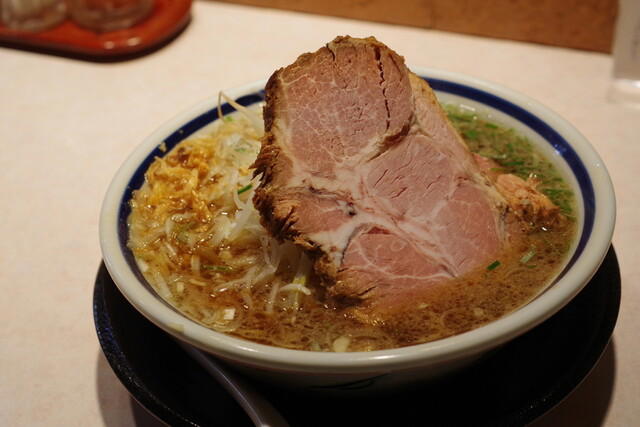
The menu
What to order
- Shoyu ramen with extra pork (char siu)
- Shio ramen
Tokyo does not always announce its best dining with neon force or luxury-restaurant density. The appeal can be quieter: narrow streets, older shopfront rhythms, and the kind of Tokyo dining where a small room can carry more authority than a large dining floor. In that context, ramen is not a quick fallback. It is a specialist format, measured by consistency, restraint, and the patience required to eat on the shop’s terms.
Kamu Nabi sits inside that tradition rather than the newer, export-ready ramen economy. The dining proposition is direct, and Tokyo’s serious ramen culture often compresses choice: focused service, compact operations, and a sharper expectation that diners know the rhythm before arriving. That does not make the experience precious; it makes it disciplined.
Tokyo ramen rewards diners who understand the small-room format
Tokyo’s ramen hierarchy is not built only on bowls. It is built on repetition, scarcity, and local credibility. A shop can be inexpensive by luxury-dining standards and still require more planning than a tasting-menu restaurant with an online calendar. The reason is structural: limited production and a customer base that treats ramen as a serious local pursuit rather than a casual snack.
The Tabelog Ramen TOKYO “Tabelog 100” 2025 selection places Kamu Nabi in a competitive citywide bracket. Tokyo ramen changes quickly: new shops rise, regional styles cycle through fashion, and social media can distort demand overnight. Recognition in this field suggests a shop that has held attention within the city’s noodle conversation.
That recognition also clarifies the reader’s expectations. This is not the hotel-concierge version of ramen, where comfort, English menus, and extended hours smooth the edges. It belongs to the category where the reward is access to a locally validated room, not a choreographed hospitality sequence. Nearby comparison points underline Tokyo’s range: Silk Road and Boulangerie Ianak sit at the everyday-spend end, Waguri Ya Yanaka ten occupies a similar casual-price band, Himitsu Do draws attention in a different sweet-shop lane, and Meishan signals another dining presence. The point is not that they compete dish for dish, but that Tokyo supports specialist stops without turning them into spectacle.
The award signal matters because ramen is crowded, not because it is expensive
Ramen in Tokyo can be financially modest and culturally demanding at the same time. Kamu Nabi’s listed spend falls in the JPY 1,000–JPY 1,999 range for both lunch and dinner, which puts the meal far below the city’s fine-dining threshold. Yet its Tabelog recognition points to a different kind of value calculation: time and timing can replace high price as the main cost.
That distinction is useful for travellers who usually benchmark restaurants by tasting-menu length, wine service, or chef biography. Ramen shops rarely need those signals. The more relevant questions are operational: how much demand recognition creates, how narrow the service periods are, and whether a diner is prepared to work around the shop’s own rhythm. In Tokyo, these practical facts are not secondary details. They shape the meal as much as the broth style or noodle texture, especially at places with sustained local attention.
The shop’s format reinforces that culture of consideration. In a small ramen room, aroma, turnover, and proximity carry real weight. Those details are not decorative etiquette; they are part of how a focused ramen meal works. The better approach is to arrive prepared, keep the meal simple, and treat the experience as a compact Tokyo dining ritual rather than a long, flexible restaurant sitting.
How to fold it into a Tokyo food day
The practical move is to treat this as a focused Tokyo stop rather than a flexible add-on between sightseeing blocks. A diner moving across the city for one bowl should build in margin; small ramen shops punish over-scheduling more than they punish distance. The reward is not only the bowl itself, but the discipline of fitting into a dining format that runs on its own terms.
For a broader Tokyo eating map, use Our full Tokyo restaurants guide, with category detours through Our full Tokyo hotels guide, Our full Tokyo bars guide, Our full Tokyo wineries guide, and Our full Tokyo experiences guide. Nearby or citywide restaurant browsing can branch toward other Tokyo dining rooms, casual counters, specialist shops, and everyday places across the city. Wider Japan and overseas reference points can be useful for perspective, but Kamu Nabi is best understood first as a Tokyo ramen stop with its own compact logic.
The editorial read is simple: Kamu Nabi is for diners who value Tokyo ramen as a precise, small-format urban ritual. The appeal lies in the constraints: sustained Tabelog recognition, low monetary barrier, and a room where etiquette matters. For travellers used to luxury defined by space and service, this is a useful correction. In Tokyo, seriousness often arrives in a compact shop with a line, a short service window, and no need to explain itself.
Frequently asked questions
Where exactly is Kamu Nabi?
Tokyo.
What's the pricing like at Kamu Nabi?
Pricing at Kamu Nabi is listed as JPY 1,000 - JPY 1,999 for dinner and JPY 1,000 - JPY 1,999 for lunch.
Should I book Kamu Nabi in advance?
Specific reservation details are not provided in the available listing. The practical move is to check the venue’s current official channels before going.
What is Kamu Nabi known for?
Kamu Nabi is known for ramen and for being selected for Tabelog Ramen TOKYO "Tabelog 100" in 2025. Its listed Tabelog score is 3.84, with prices in the JPY 1,000–JPY 1,999 range.
Can Kamu Nabi adjust for dietary needs?
Those details are not published. If a specific need matters, confirm before heading to Tokyo. Check the venue's official channels for the latest details.
Is Kamu Nabi good for families?
Family suitability details are not published in the available listing. If that matters for your visit, check the venue’s official channels before going.
Category Peers
Side-by-side context: comparable cuisine and price.
| Venue | Cuisine | Price | Awards | Notes |
|---|---|---|---|---|
| Kamu NabiThis venue (the venue you are viewing) | Classic Ramen Shop | $10–20 | Tabelog 100 #69 | Not listed |
| Kansai Fu Teuchi Udon Irasshai | Kansai-style handmade udon | $1–10 | Tabelog 100 #43 | Taitō |
| Curry Rice Senmon Ten Ethiopia Honten | Japanese curry house | $10–20 | Tabelog 100 #46 | Chiyoda |
| Soup Curry Ya Oodori Chiyoda kandasurugadai ten | Soup curry & Japanese curry house | $10–20 | Tabelog 100 #92 | Chiyoda |
| Taiyaki Wakaba | Traditional Japanese taiyaki & wagashi shop | $1–10 | Tabelog 100 #1 | Shinjuku |
| Higashi Shinjuku Sanrasa | Japanese Curry | Not listed | Tabelog 100 #13 | Shinjuku |
Recognition history
Dated appearances from independent guides and award organizations, with the underlying list record or original source where available.
Tabelog 100 #69 · No. 69
Tabelog · Tabelog 100 - Ramen - TOKYO - 2025
Continue exploring
More in Tokyo
Restaurants in Tokyo
All restaurants in Tokyo →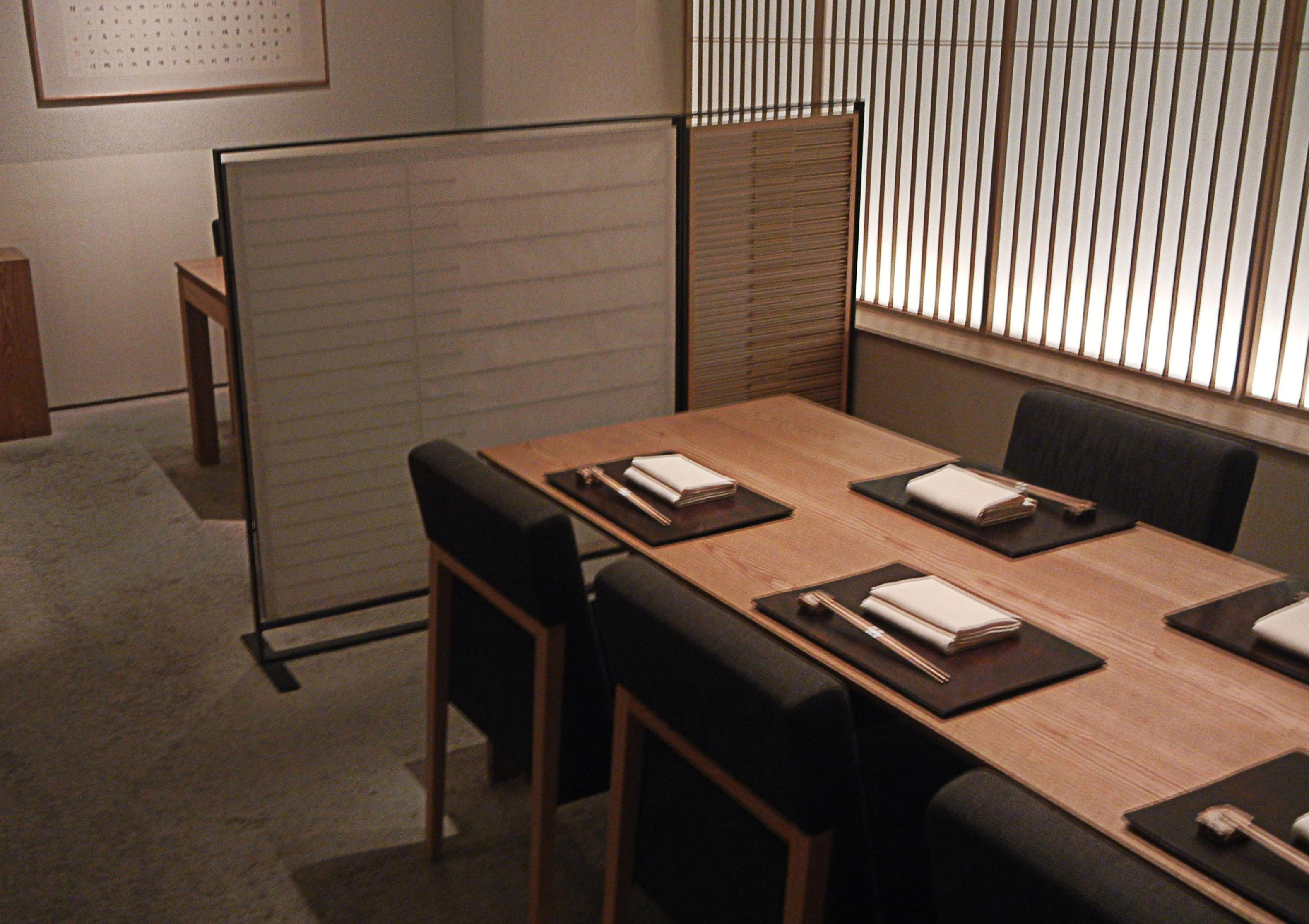

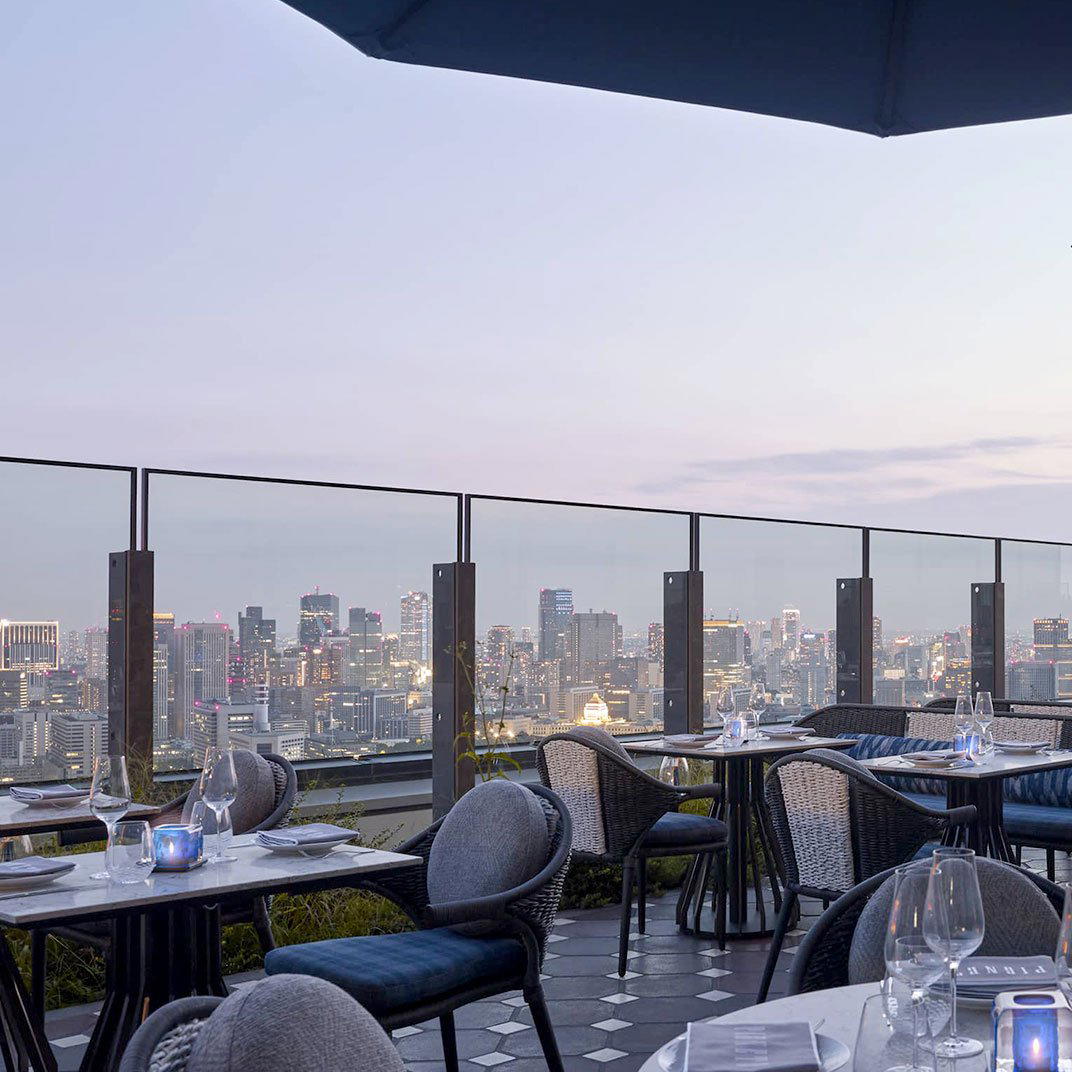


Bars in Tokyo
All bars in Tokyo →
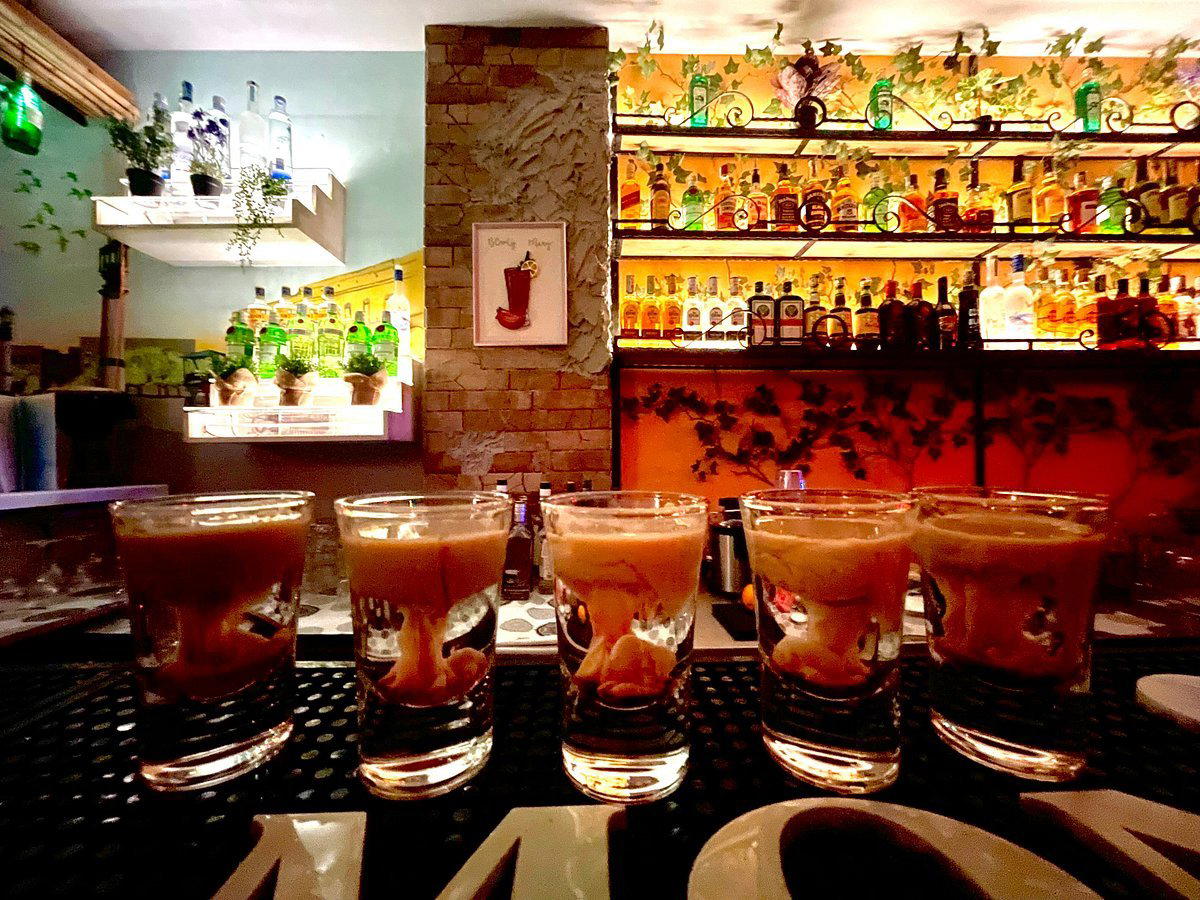



Details
- Cozy
- Classic
- Solo
- Casual Hangout
- Standalone
- A La Carte
- Counter Dining
Small, non‑smoking ramen shop with a relaxed, friendly atmosphere and simple, slightly Chinese‑restaurant‑like interior; counter‑focused seating and a calm but lively ramen‑shop buzz rather than a polished design destination.