Our verdict
Kamezí sits in Playa Blanca on Lanzarote's southern tip, where the volcanic terrain shapes both the scenery and the plate. The restaurant draws on the island's distinct agricultural tradition, including its celebrated malvasía wines and salt-swept produce, placing it within a dining scene that operates far outside Spain's mainland fine-dining circuits. For visitors to the Yaiza municipality, it represents a serious engagement with Canarian ingredient culture.

Pearl is the En Primeur Club membership app, where members save venues, book tables and use the concierge.
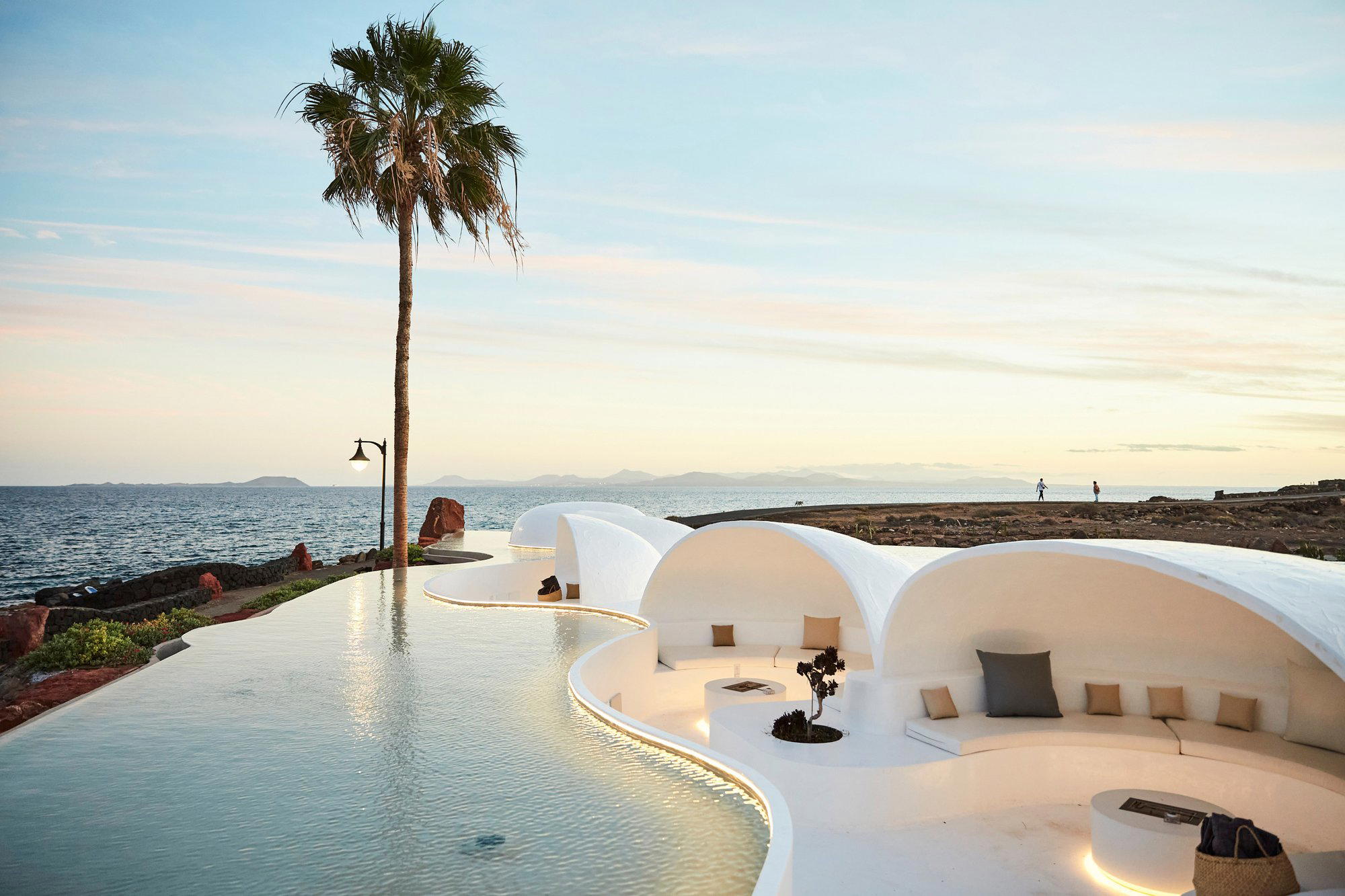
Where Volcanic Terrain Meets the Table
Lanzarote's southern coast does not look like anywhere else in Spain. The drive into Playa Blanca from Yaiza passes through a landscape shaped by the 1730s eruptions that buried a third of the island under lava, and that same volcanic geology is now the island's most productive agricultural asset. The vines of La Geria grow not in soil but in picón, the black lapilli that retains moisture and reflects heat, producing malvasía grapes with a mineral tension you do not find on the mainland. The sea salt from the Salinas de Janubio, a few kilometres up the western coast, is harvested from shallow volcanic pans and carries a faint mineral weight distinct from Atlantic salt elsewhere. These are not local curiosities, they are ingredients with a direct effect on what ends up on a plate, and Kamezí, on Calle Monaco in Playa Blanca, sits within reach of both.
This matters because the Canary Islands occupy an unusual position in Spanish gastronomy. The archipelago has its own Protected Designation of Origin frameworks, its own goat cheeses and mojo traditions, and a fishing economy that pulls species, vieja, cherne, sama, rarely seen on the mainland. Yet the islands remain largely outside the institutional fine-dining conversation that concentrates around San Sebastián, Madrid, and Catalonia. Restaurants like Arzak in San Sebastián, El Celler de Can Roca in Girona, or Azurmendi in Larrabetzu operate within dense networks of critic attention, award cycles, and culinary infrastructure. Lanzarote operates outside all of that, which is precisely what gives a restaurant here a different kind of interest.
The Sourcing Logic of Island Cooking
Canarian cooking at its most considered is an exercise in constraint turned to advantage. The island does not produce everything, and transport costs mean that imported ingredients carry a premium. What Lanzarote does produce, papas arrugadas in several endemic varieties, tomatoes grown in volcanic earth, fresh fish from the cold Canarian current, honey from local beekeeping traditions, carries a directness of flavour that longer supply chains tend to dilute. The question for any serious kitchen in the south of the island is how much of that local material it chooses to anchor its identity.
The Yaiza municipality, which covers Playa Blanca and extends inland toward the Timanfaya National Park boundary, has historically been a tourist-facing area, with the dining scene calibrated accordingly. The upper tier of that market, however, has shifted over the last decade. Visitors arriving via the ferry from Fuerteventura or through Lanzarote Airport increasingly bring appetites shaped by exposure to ingredient-led cooking on the mainland and abroad. That shift creates an audience for restaurants willing to engage seriously with what the island actually grows, catches, and ferments.
The salt from Janubio alone is worth understanding as an ingredient rather than a condiment. Harvested from a lagoon cut off from the Atlantic by a natural barrier of volcanic rock and sand, it is one of the few remaining working salinas in the Canaries and produces coarse flakes with a clean, slightly mineral finish. Its presence in local kitchens connects a plate of food to a specific geography in a way that generic Atlantic sea salt does not. This is the kind of sourcing detail that separates ingredient-aware cooking from cooking that merely invokes local identity as a marketing frame.
Playa Blanca in the Wider Spanish Fine-Dining Map
Positioning Kamezí within Spanish gastronomy requires acknowledging how geographically dispersed the country's serious dining has become. The conversation no longer belongs exclusively to the Basque Country and Catalonia. Quique Dacosta in Dénia built a three-Michelin-star operation around the rice culture and seafood of the Valencian coast. Ángel León at Aponiente in El Puerto de Santa María has made Cádiz province's marine biology his primary ingredient source. Noor in Córdoba frames its sourcing through the agricultural history of Al-Andalus. In each case, geographic specificity is not a limitation but the creative engine. The Canary Islands have the raw material for a similar argument: volcanic terroir, endemic produce varieties, and a fishing tradition with deep cultural roots.
What the islands lack, so far, is the critical infrastructure to sustain and amplify that argument internationally. The Michelin guide covers mainland Spain and the Balearics with far greater density than the Canaries. Publications like those covering Martin Berasategui in Lasarte-Oria or Mugaritz in Errenteria are embedded in regions with decades of culinary journalism behind them. A restaurant in Playa Blanca operates with less ambient critical attention, which means its reputation travels primarily through direct visitor experience and word of mouth rather than through awards cycles.
For comparison, consider how similarly placed operations have built profiles elsewhere. Casa Marcial in Arriondas became a reference point for Asturian cooking long before the region was on mainstream itineraries. Cenador de Amós in Villaverde de Pontones holds three Michelin stars in a village that most international visitors would struggle to locate. Geography, in Spain, is not a ceiling.
Planning a Visit to Kamezí
Kamezí is located at Calle Monaco 2 in Playa Blanca, within the Yaiza municipality on Lanzarote's southern coast. Playa Blanca is accessible from Arrecife, the island's capital, by road in approximately 45 minutes, and from the Fuerteventura ferry terminal in Corralejo via the Playa Blanca port, which puts the restaurant within walking distance of arriving passengers. The surrounding area is compact and navigable on foot once you are in the village. For the wider context of what to eat and drink in the municipality, see our full Yaiza restaurants guide.
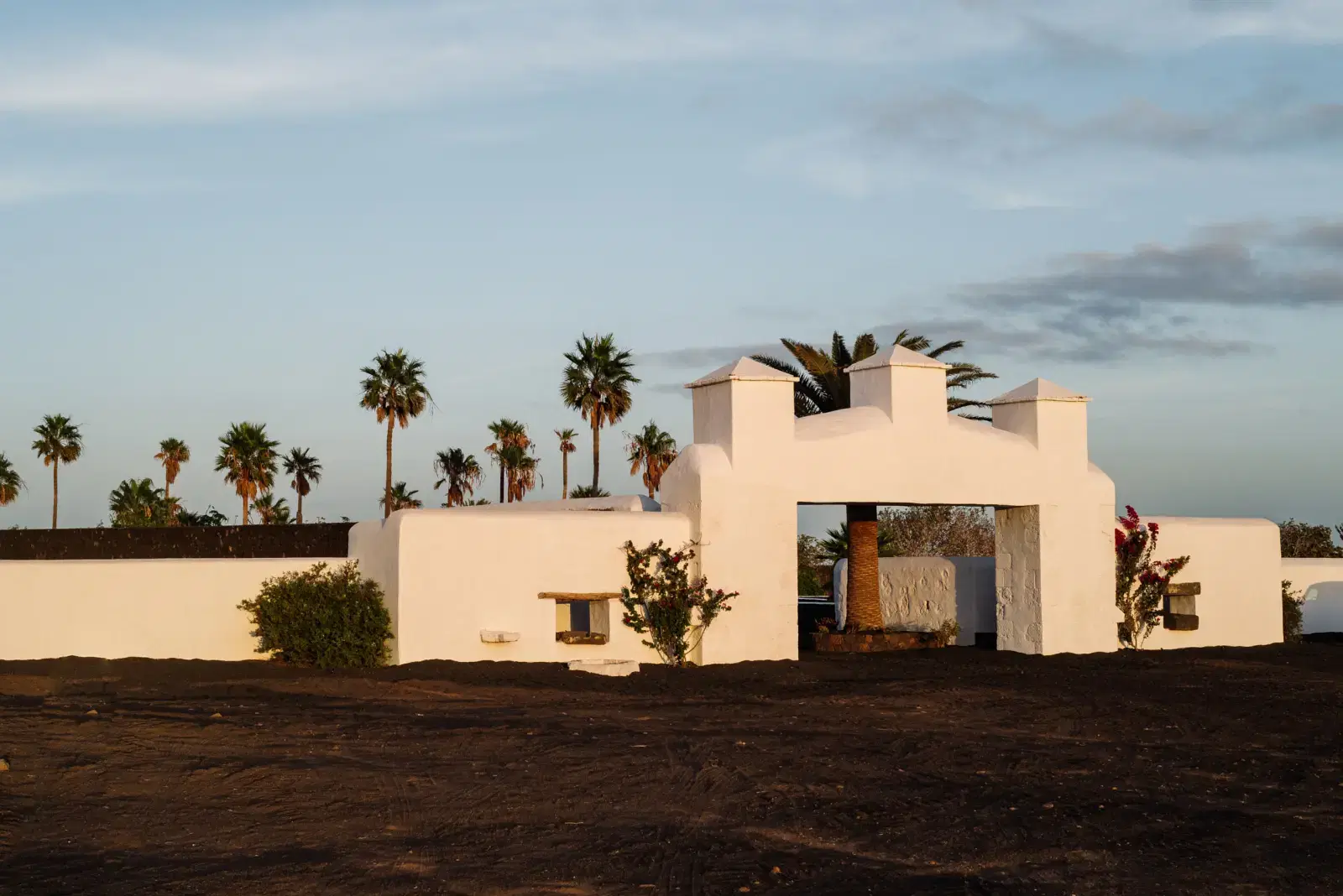
Lanzarote's climate means the southern coast runs warm and dry through most of the year, with the winter months between November and February bringing slightly cooler evenings. That said, outdoor dining remains viable for most of the year in Playa Blanca, and the light in the late afternoon, falling across the volcanic stone buildings and the water visible from the village's higher streets, is the kind of detail that justifies planning a meal around arrival time rather than convenience.
Frequently asked questions
Is Kamezí suitable for children?
Playa Blanca is a family-oriented resort area within Yaiza municipality, and most restaurants across the southern Lanzarote coast are structured to accommodate mixed-age groups. Families with specific requirements should check the venue's official channels to confirm seating and menu flexibility.
What is the atmosphere like at Kamezí?
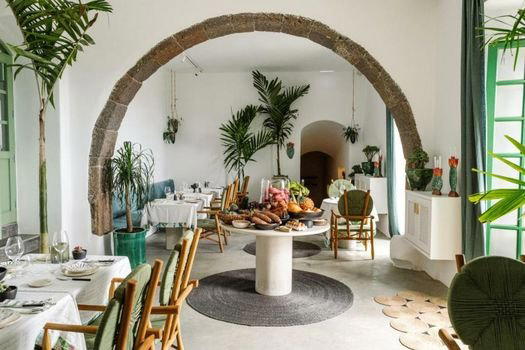
Playa Blanca functions as a quieter, more residential end of Lanzarote's tourist circuit compared to Puerto del Carmen or Arrecife, and restaurants in this part of Yaiza municipality tend toward a measured pace rather than high-volume service. The setting at Calle Monaco 2 reflects that register: southern Lanzarote's volcanic terrain creates a visual context that is spare and dramatic rather than conventionally Mediterranean. Dress expectations and interior details are best confirmed with the venue directly.
Does Kamezí reflect Lanzarote's volcanic wine culture alongside its food?
Lanzarote holds its own DO (Denominación de Origen) status within the Canary Islands, and the malvasía grown in the picón-covered vineyards of La Geria is among Spain's most geographically distinctive whites. Restaurants operating at a considered level in Yaiza municipality often reference that local wine identity on their lists.
What dish is Kamezí famous for?
The dominant ingredient traditions of Playa Blanca and Lanzarote's southern coast point toward volcanic-soil produce, local fish, and the papas arrugadas and mojo frameworks central to Canarian cooking. Any specific dish claims should be verified directly with the restaurant at Calle Monaco 2, Playa Blanca.
What's the address for Kamezí?
Kamezí is located at C. Monaco, 2, 35580 Playa Blanca, Las Palmas, Spain, Yaiza.
What's the best way to book Kamezí?
EP Club does not currently hold confirmed booking or contact details for Kamezí. In Playa Blanca, where the dining scene is compact and the stronger restaurants operate with limited covers, booking ahead rather than walking in is advisable, particularly during peak Canarian resort seasons. The restaurant is located at Calle Monaco 2, Playa Blanca, Yaiza, Las Palmas, and an in-person or local-directory inquiry is the most reliable current route.
What has Kamezí built its reputation on?
Kamezí operates within Playa Blanca's compact dining scene, where the strongest reputations are built on consistent engagement with Canarian ingredients and the cooking logic of island constraint. Playa Blanca sits at the quieter, more residential end of Lanzarote's tourist circuit, which tends to favour restaurants that earn repeat local custom over transient footfall. Its address on Calle Monaco 2 places it within a neighbourhood where word-of-mouth carries more weight than marketing.
Comparison Snapshot
| Venue | Cuisine | Price | Awards | Notes |
|---|---|---|---|---|
| KamezíThis venue (the venue you are viewing) | Creative Mediterranean | Not listed | Not listed | Not listed |
| Aponiente | Avant-Garde Marine Seafood | $200–300 | 3 Michelin Stars · World's 50 Best #84 | Progressive - Seafood, Creative |
| Arzak | Contemporary Basque Fine Dining | $300–500 | 3 Michelin Stars · World's 50 Best #31 | Modern Basque, Creative |
| Azurmendi | Modern Basque Fine Dining | $300–500 | 3 Michelin Stars · World's 50 Best #81 | Progressive, Creative |
| Cocina Hermanos Torres | Modern Spanish Fine Dining | $300–500 | 3 Michelin Stars · World's 50 Best #78 | Creative |
| DiverXO | Avant-Garde Spanish Tasting Menu | $300–500 | 3 Michelin Stars · World's 50 Best #4 | Progressive - Asian, Creative |
Continue exploring
More in Yaiza
Details
- Elegant
- Sophisticated
- Scenic
- Intimate
- Special Occasion
- Date Night
- Terrace
- Waterfront
- Extensive Wine List
- Local Sourcing
- Waterfront
- Tasting Menu
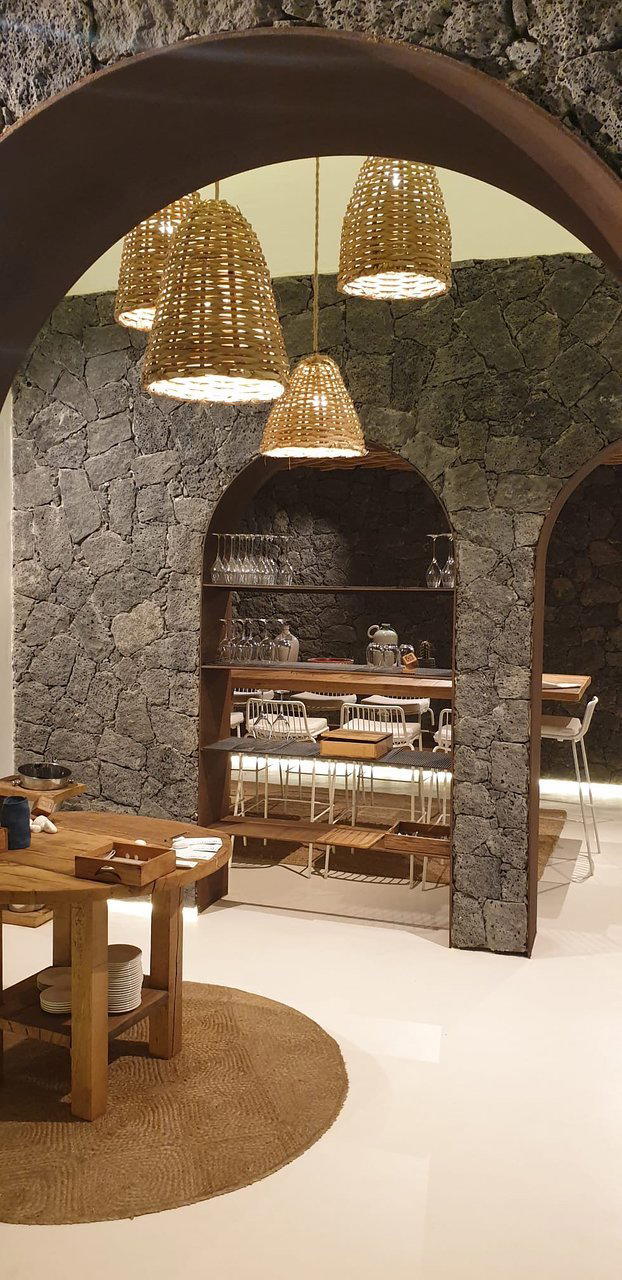
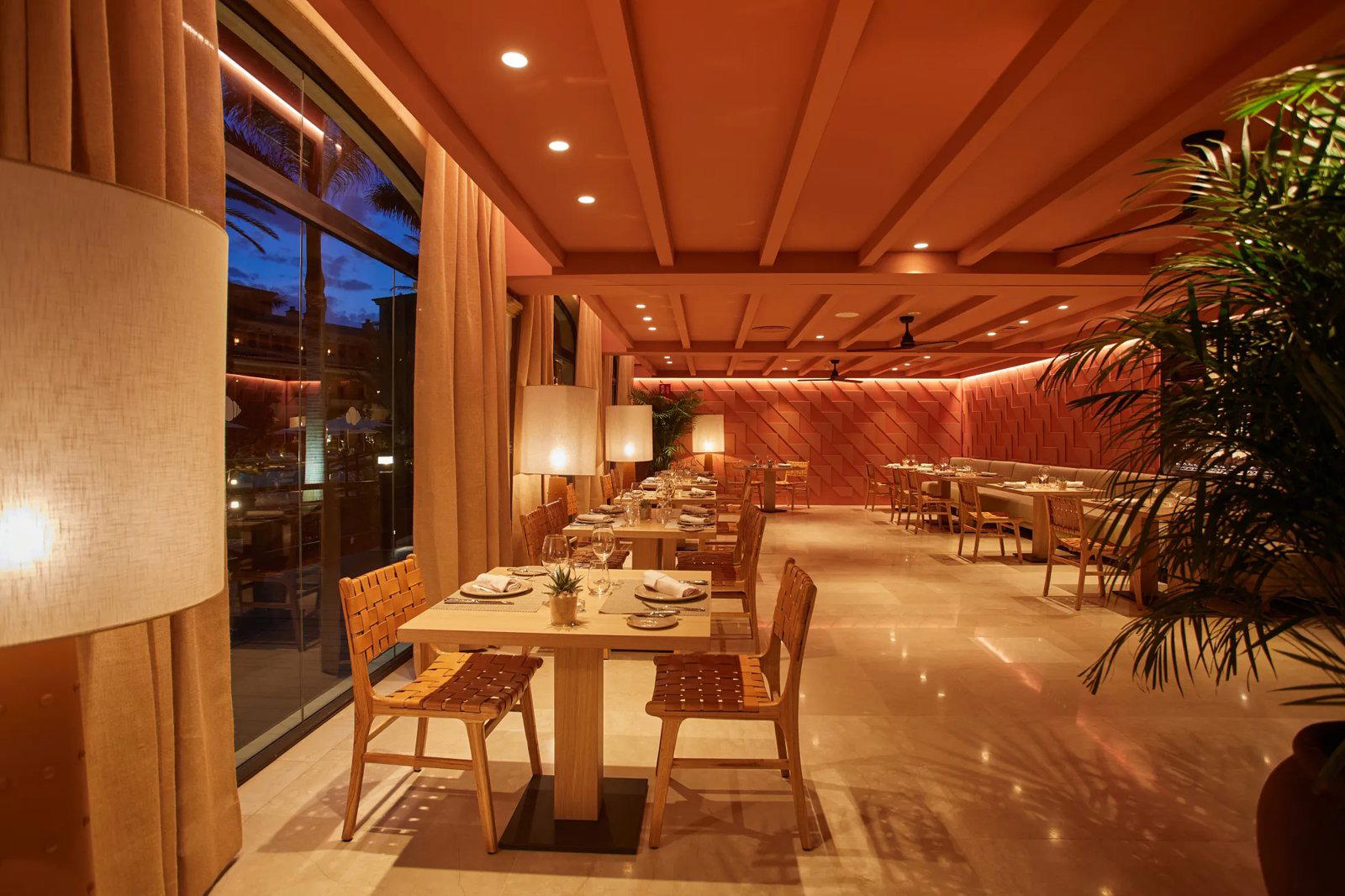
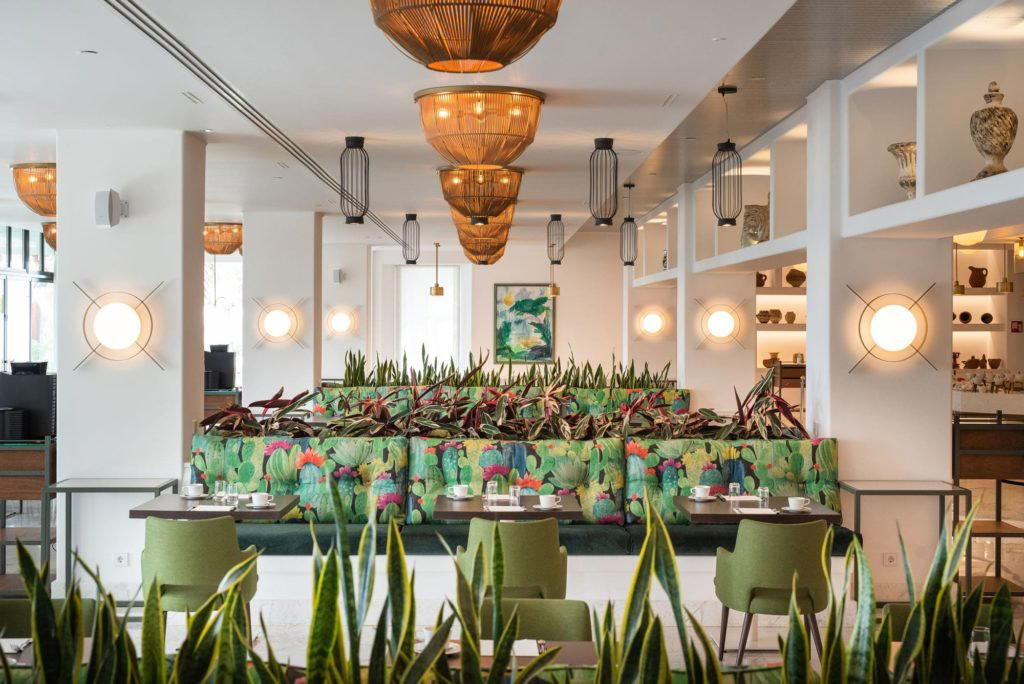
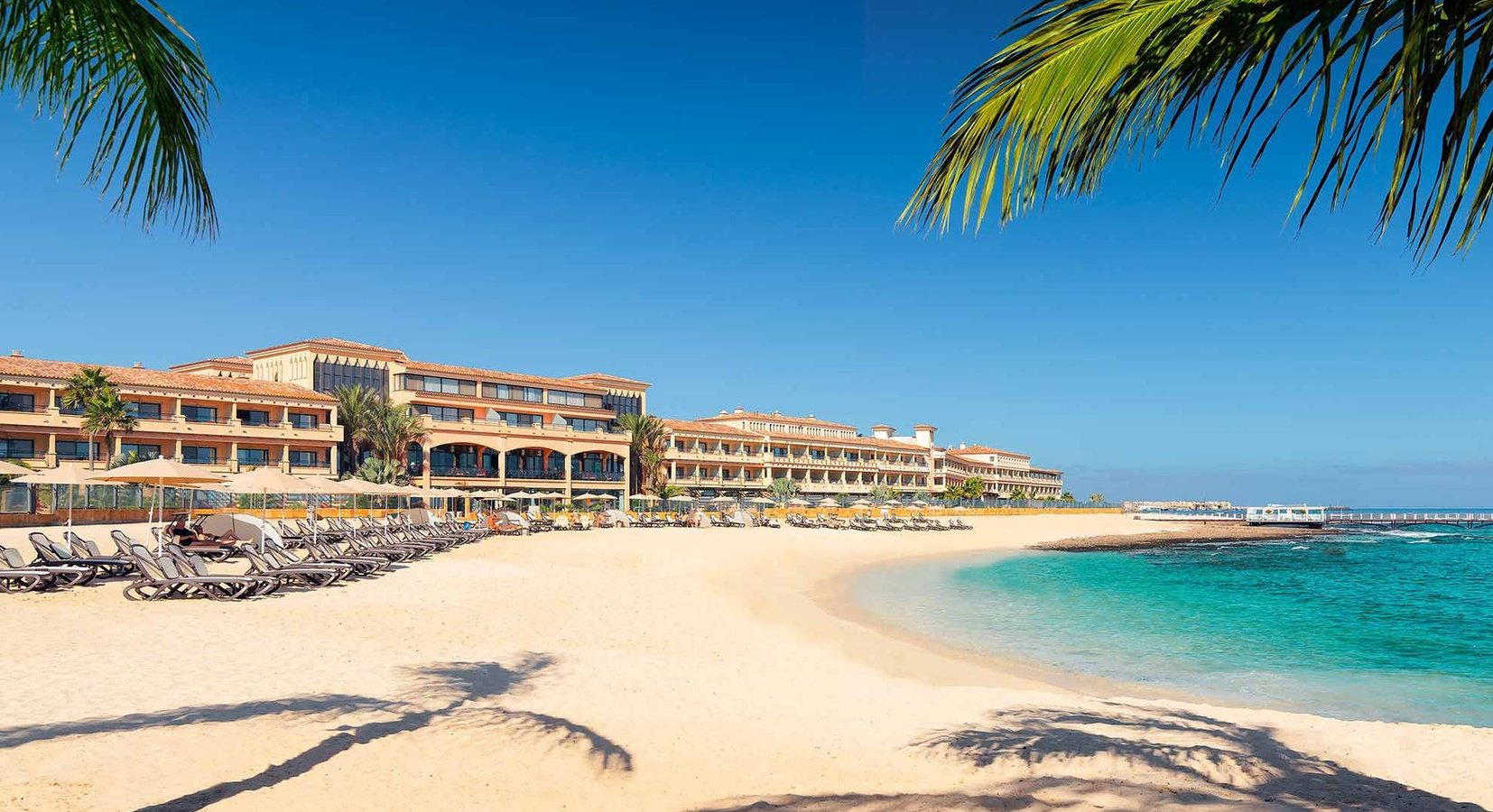
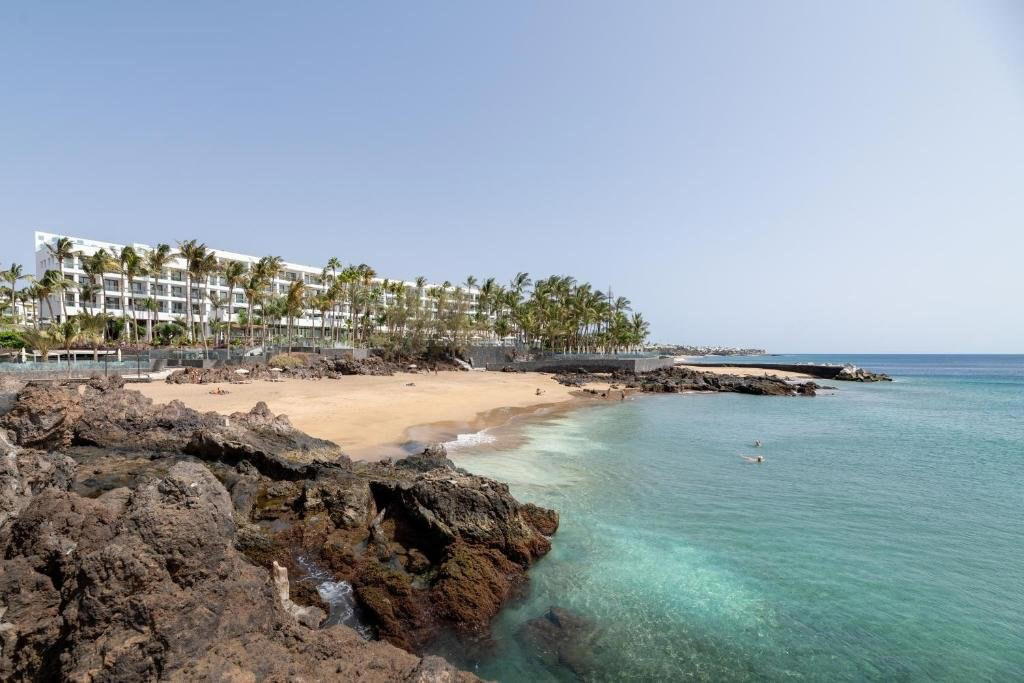
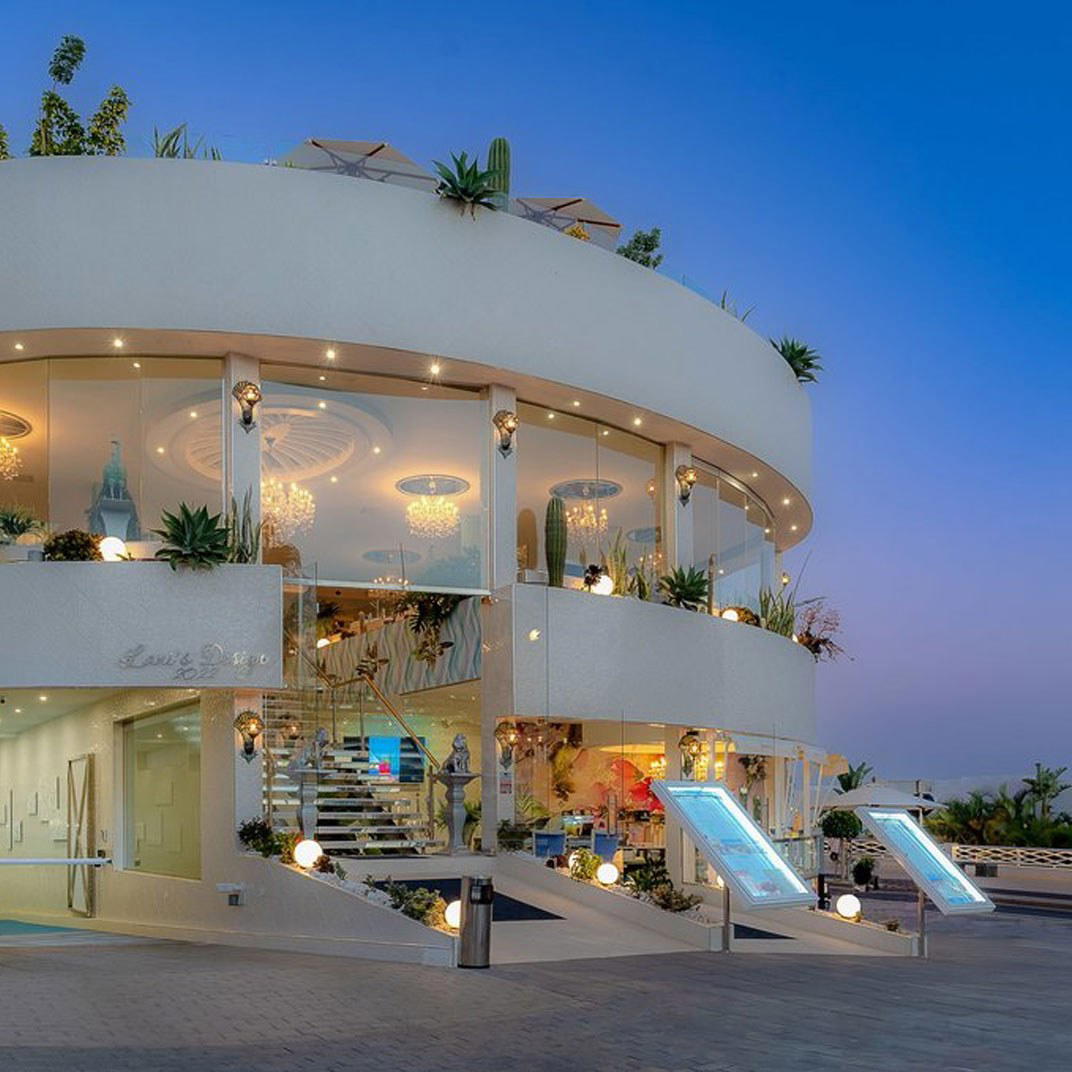
Atmosphere connected to nature with open-sky spaces, volcanic rock materials, and sea views blending indoor and outdoor seamlessly.