Kamezí


1 Michelin Star · Guía Repsol 1 Sol
Our verdict
Kamezí holds a Michelin star in Playa Blanca, Lanzarote, serving a single tasting menu built around ingredients sourced directly from the island and the wider Canary archipelago. The format is focused and deliberate: one menu, two pairing options, and a wine list and cheese trolley that keep the volcanic island's producers at the centre. A serious dining address for the southern tip of Lanzarote.

Pearl is the En Primeur Club membership app, where members save venues, book tables and use the concierge.
The menu
What to order
- Squid noodles with lemon and chilli pilpil
- Corn, chocolate and licorice dessert
- Squid with avocado and cauliflower
- Green apple gin and tonic
Dining at the Southern Edge of Lanzarote
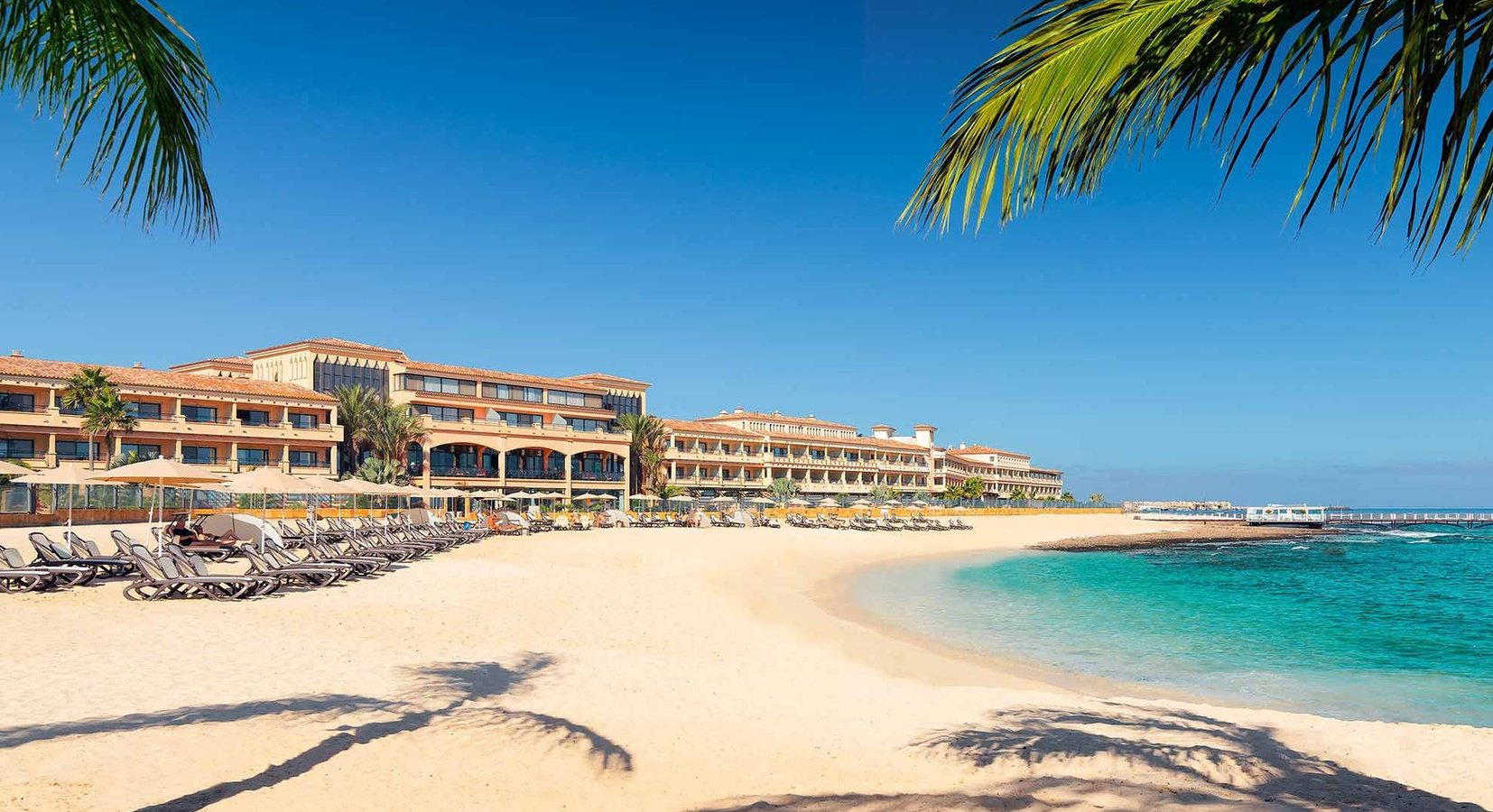
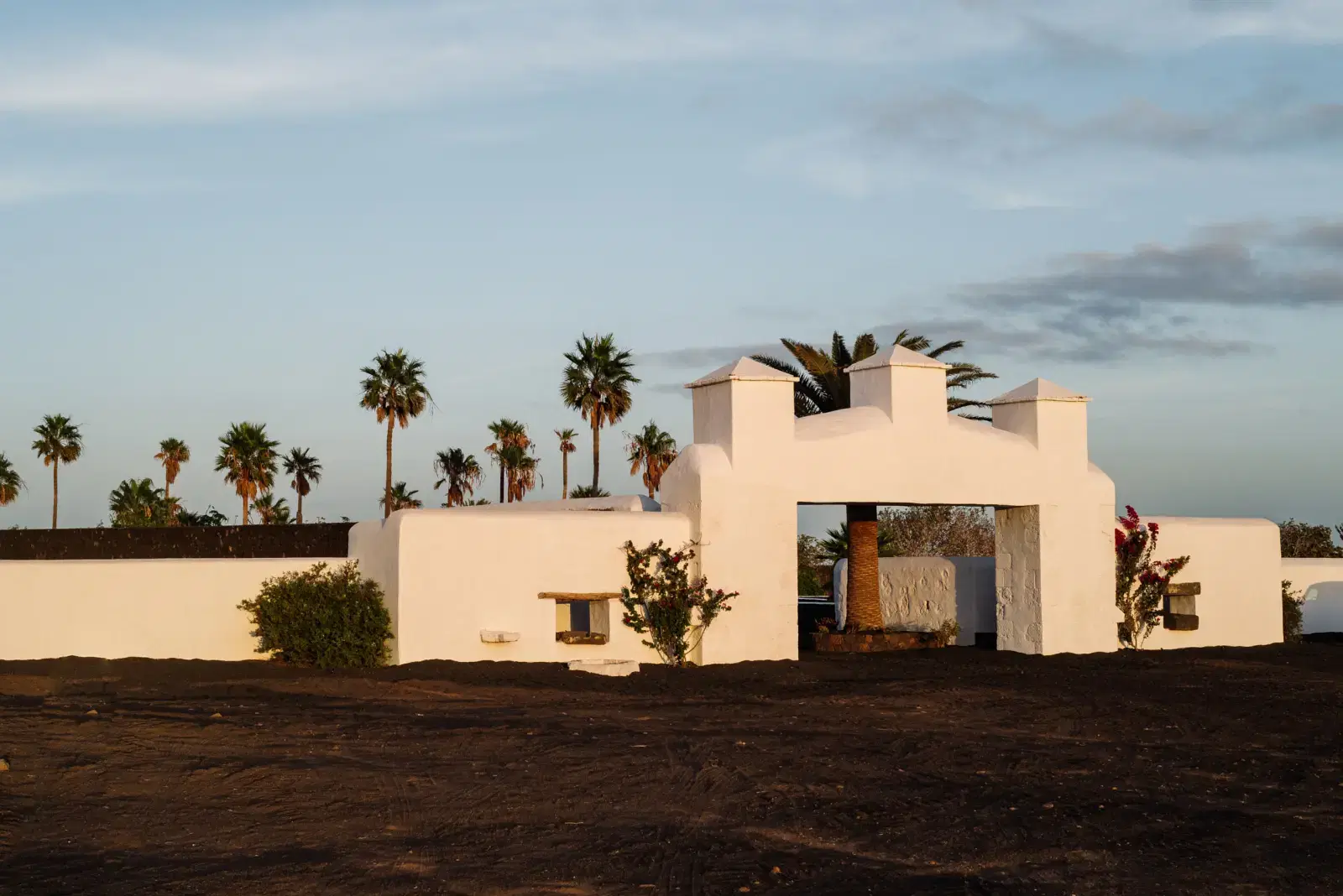
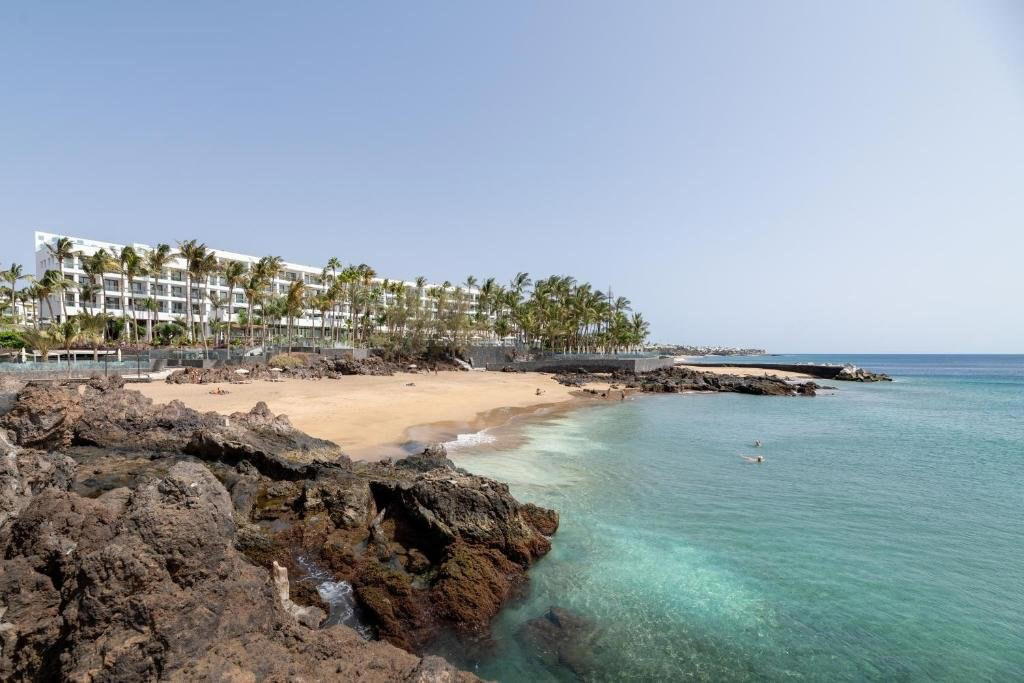
Playa Blanca sits at the southernmost tip of Lanzarote, a short ferry crossing from Fuerteventura, and for most of its recent history it has been a resort town where dining ambitions rarely matched the quality of the view. That has changed. Kamezí, operating out of the Kamezí Boutique Villas complex on Calle Monaco, earned a Michelin star in 2024, placing it among a small tier of island restaurants that have begun to argue seriously for the Canaries as a creative dining destination rather than simply a sun-and-sea stopover. For context on where Spain's creative cooking sits nationally, the reference points include El Celler de Can Roca in Girona, Arzak in San Sebastián, and Azurmendi in Larrabetzu at three stars, Kamezí is working within that same national conversation but from a position that is geographically and conceptually distinct.
What the Setting Communicates Before the Food Arrives
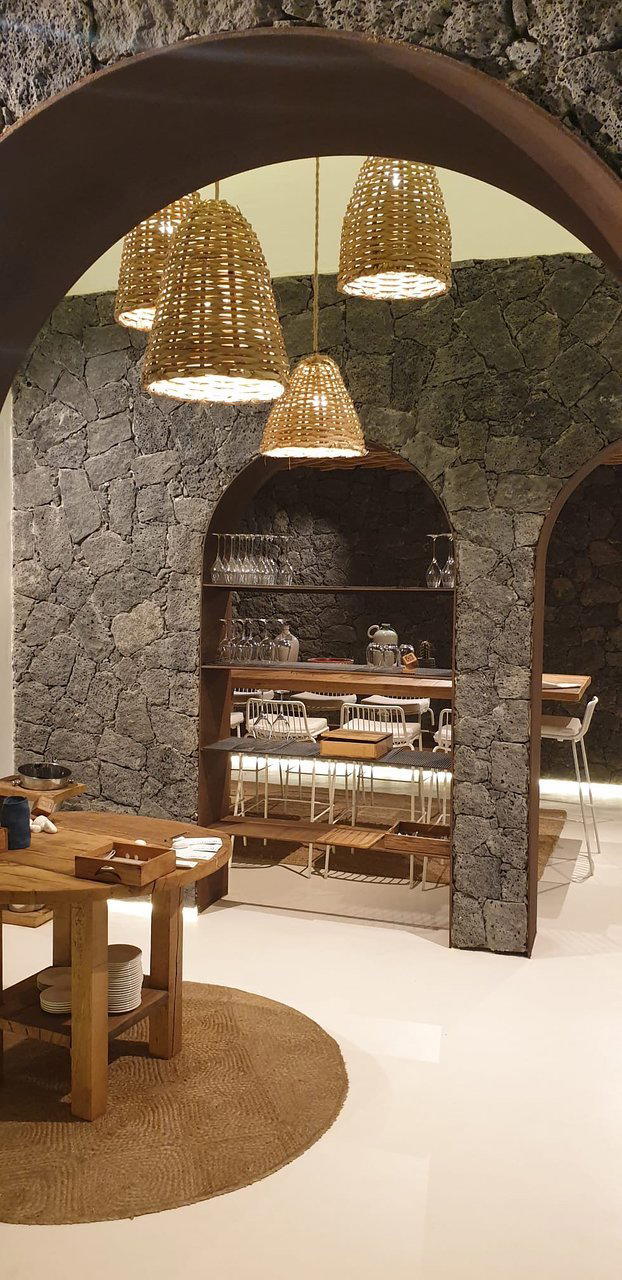
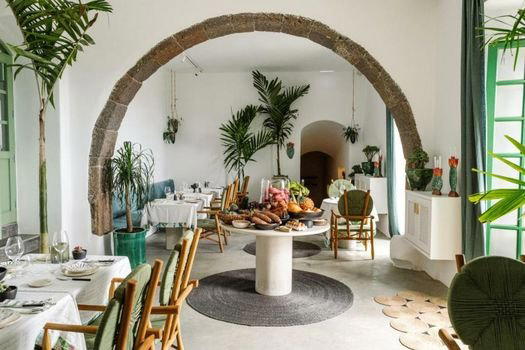
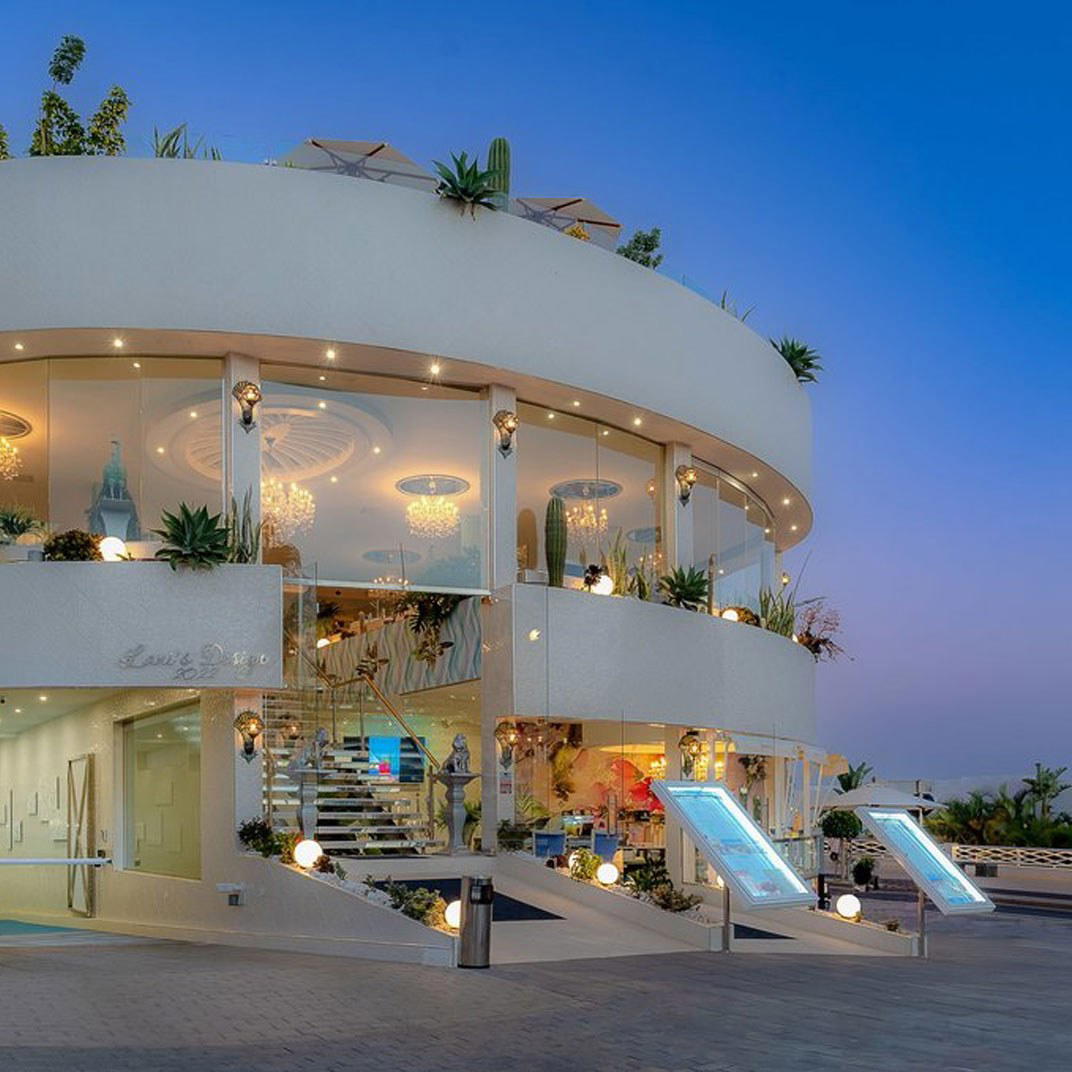
The physical approach to Kamezí does some editorial work before anyone has sat down. The boutique villas complex frames the restaurant as a destination in itself rather than a hotel annexe, and the views from the dining space carry the weight of Lanzarote's volcanic coastline, flat, mineral, and oddly austere in a way that sets a tone. The striking display counter near the entrance is not decorative. It functions as a transparency device: ingredients are visible, and staff are prepared to name suppliers from Lanzarote and across the Canary Islands. In an era when sourcing claims on menus have become generic, a physical counter that prompts the conversation is a more honest method.
The restaurant operates Tuesday through Sunday, opening at 7 PM and closing at 10 PM, with Mondays reserved for closure. The format is dinner-only, which concentrates the operation and aligns with the tasting menu structure. Reservations are advisable well in advance, particularly during peak winter and spring seasons when Lanzarote draws significant visitor numbers from northern Europe.
The Sourcing Argument: Canary Islands as a Larder
Editorial case for Kamezí rests substantially on where the food comes from. The Canary Islands are not typically framed as a larder in the way that, say, the Basque Country or Catalonia are discussed in the context of Spanish gastronomy. The archipelago's volcanic soils, Atlantic currents, and distinct microclimates produce ingredients that are genuinely different from mainland Spanish produce: local fish from waters where the cold Canary Current meets warmer Atlantic flows, avocados and tropical fruit that grow at altitude in the western islands, and cheeses from goats grazed on scrubland that gives the milk a particular character.
Kamezí's single tasting menu, named after the restaurant itself, is built around these specifics. Documented dishes include squid with a lemon and chilli pepper pilpil, the pilpil technique borrowed from Basque tradition but applied to Atlantic squid rather than salt cod, alongside avocado, cauliflower, and chocolate combinations that position the Canary agricultural output as a serious creative ingredient set rather than a supporting cast. The bread is baked on the premises, which is noted explicitly in the restaurant's sourcing communication. This matters because bread, more than almost any other element, signals whether a kitchen is operating with full commitment or delegating the basics.
The wine list and cheese trolley extend the same sourcing logic. Canary Islands wine has undergone a significant reassessment in the past decade, with volcanic-soil whites from Lanzarote's Malvasía Volcánica, grown in the distinctive La Geria cultivation method, where each vine sits in a hollow surrounded by a low stone wall to trap moisture, receiving increasing international attention. A wine list that puts the archipelago at the centre is both a local commitment and a sound recommendation. The cheese trolley operates on the same principle, foregrounding Canarian dairy production that rarely reaches mainland shelves.
For comparison, the sourcing-led approach in Spanish creative cooking appears at very different scales: Aponiente in El Puerto de Santa María built its three-star identity almost entirely around forgotten marine ingredients from the Bay of Cádiz. Quique Dacosta in Dénia uses the Mediterranean coast of Valencia as its primary reference. Kamezí operates at a different scale and with a single star, but the structural argument is the same: the geography of the ingredient is the premise of the cooking.
The Menu Format and Pairing Structure
A single tasting menu is a deliberate constraint. It consolidates purchasing, reduces waste, and signals that the kitchen has a specific thing to say on any given service rather than a broad accommodation of preferences. Kamezí's commitment to one menu positions it closer to the focused end of the spectrum.
Two pairing options are available, which provides flexibility without diluting the menu's coherence. Whether one pairing is wine-only and the other extends to broader pairings, or whether they differ primarily in price tier, is not specified in the available record. The presence of options matters practically: it allows the table to calibrate spend while preserving the kitchen's narrative. The gourmet boutique attached to the complex adds a retail dimension that is increasingly common at this level, it extends the sourcing conversation beyond the meal and gives guests a way to take Canarian producers home.
Kamezí in the Context of Spain's Creative Dining Circuit
Spain's creative cooking infrastructure is concentrated on the mainland and in particular in the Basque Country, Catalonia, and the Valencian Community. DiverXO in Madrid, Mugaritz in Errenteria, and Ricard Camarena in València are among the reference points for what the country's creative cooking looks like at high ambition. Alléno Paris au Pavillon Ledoyen and Arpège in Paris sit within the same European creative conversation from a French position.
Kamezí operates outside those geographic clusters. Its Michelin star in 2024 is partly significant because it extends recognition to an island chain that, in food terms, is treated as a holiday destination by most Europeans rather than a serious dining region. That positioning is both a challenge and an argument. The restaurant does not benefit from the pull of a broader starred district, the kind of culinary gravity that brings diners to San Sebastián or Girona specifically to eat. It earns its visit separately, from guests who are already in Lanzarote or who make the journey with the restaurant as a primary motive.
Planning a Visit
The price range is at the €€€€ tier, which is the leading bracket and reflects the tasting menu format and Michelin-starred positioning. Lanzarote's high season runs broadly from October through April, when northern European visitors arrive in volume and temperatures sit in the low-to-mid twenties Celsius. Booking during this window should be treated as essential. The summer months are quieter and hotter, and availability may be more accessible, though the restaurant's dinner-only schedule and days of operation remain fixed regardless of season. Playa Blanca itself is reachable from Lanzarote Airport in under forty minutes by car; see our full Playa Blanca hotels guide for accommodation near the restaurant. For the broader dining picture in the area, our full Playa Blanca restaurants guide covers the range from Kamezí down to more casual addresses including La Cocina de Colacho, which represents the traditional Canarian end of the local offer. Further local information is available through our Playa Blanca bars guide, our Playa Blanca wineries guide, and our Playa Blanca experiences guide.
Frequently asked questions
Is Kamezí expensive?
Pricing at Kamezí is listed as €€€€.
How It Stacks Up
| Venue | Cuisine | Price | Awards | Notes |
|---|---|---|---|---|
| KamezíThis venue (the venue you are viewing) | Modern Canarian Fine Dining | $100–150 | 1 Michelin Star · Guía Repsol 1 Sol | Not listed |
| Aponiente | Avant-Garde Marine Seafood | $200–300 | 3 Michelin Stars · World's 50 Best #84 | Progressive - Seafood, Creative |
| Arzak | Contemporary Basque Fine Dining | $300–500 | 3 Michelin Stars · World's 50 Best #31 | Modern Basque, Creative |
| DiverXO | Avant-Garde Spanish Tasting Menu | $300–500 | 3 Michelin Stars · World's 50 Best #4 | Progressive - Asian, Creative |
| El Celler de Can Roca | Creative Catalan Fine Dining | $300–500 | 3 Michelin Stars · World's 50 Best #2 | Progressive Spanish, Creative |
| Quique Dacosta | Avant-Garde Spanish Fine Dining | $300–500 | 3 Michelin Stars · World's 50 Best #65 | Creative |
Recognition history
Dated appearances from independent guides and award organizations, with the underlying list record or original source where available.
Michelin 1 Star
Michelin
Guía Repsol 1 Sol
Guía Repsol
Full recognition history (4 entries)
Michelin 1 Star
Michelin
Michelin 1 Star
Michelin
Continue exploring
More in Playa Blanca
Kamezí
The wine
- Extensive wine list
- Sommelier-led
- Craft cocktails
Details
- Elegant
- Sophisticated
- Scenic
- Intimate
- Modern
- Date Night
- Special Occasion
- Celebration
- Open Kitchen
- Waterfront
- Terrace
- Panoramic View
- Private Dining
- Design Destination
- Extensive Wine List
- Craft Cocktails
- Sommelier Led
- Farm To Table
- Local Sourcing
- Organic
- Waterfront
- Tasting Menu
- Small Plates
- Canarian Wines
- Craft Cocktails
- Vegetarian Friendly
- Vegan Options
Current opening hours
- Monday
- Closed
- Tuesday
- 7–10 PM
- Wednesday
- 7–10 PM
- Thursday
- 7–10 PM
- Friday
- 7–10 PM
- Saturday
- 7–10 PM
- Sunday
- Closed
Hours can change for holidays and private events. Hours as of .
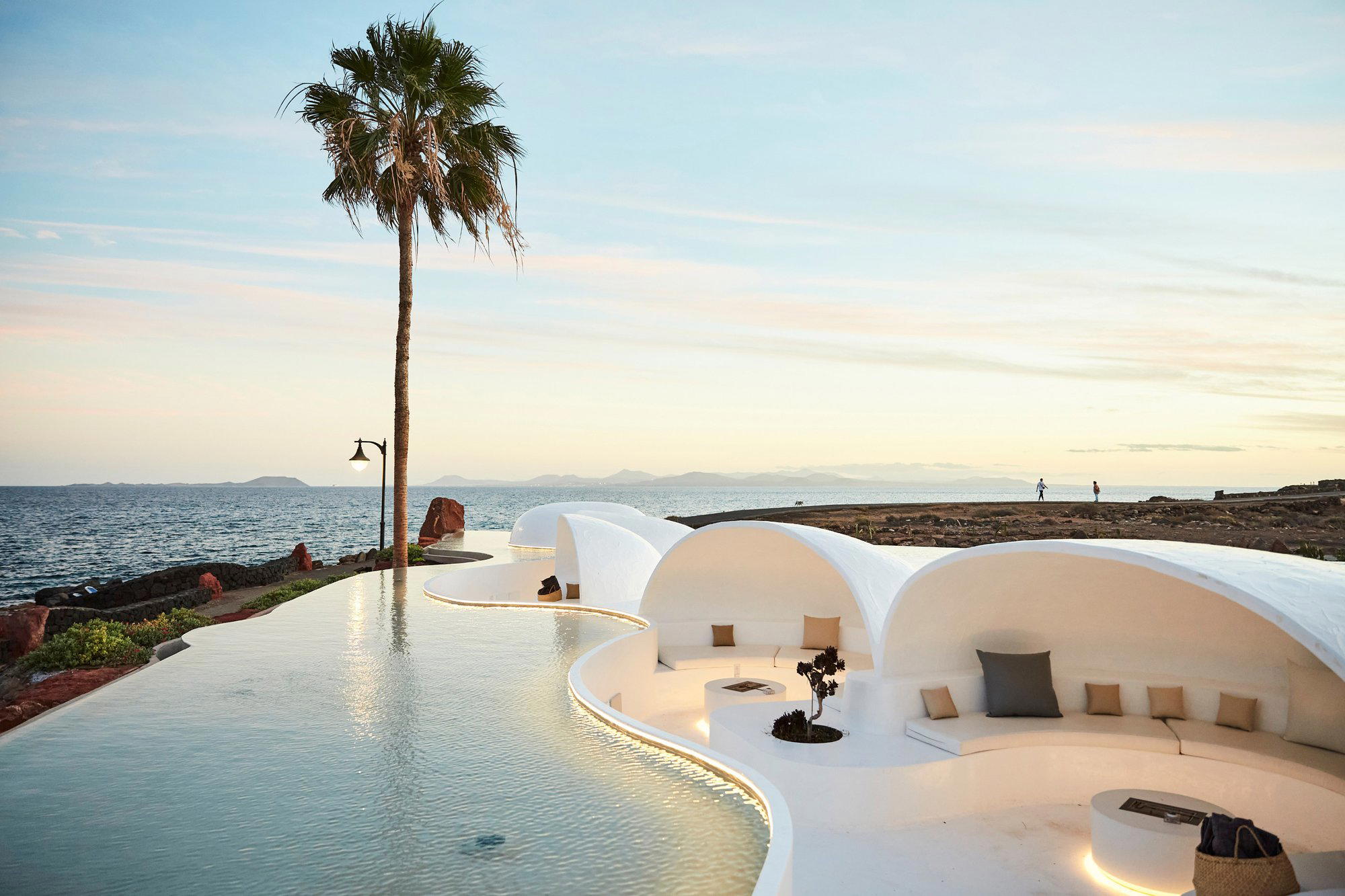
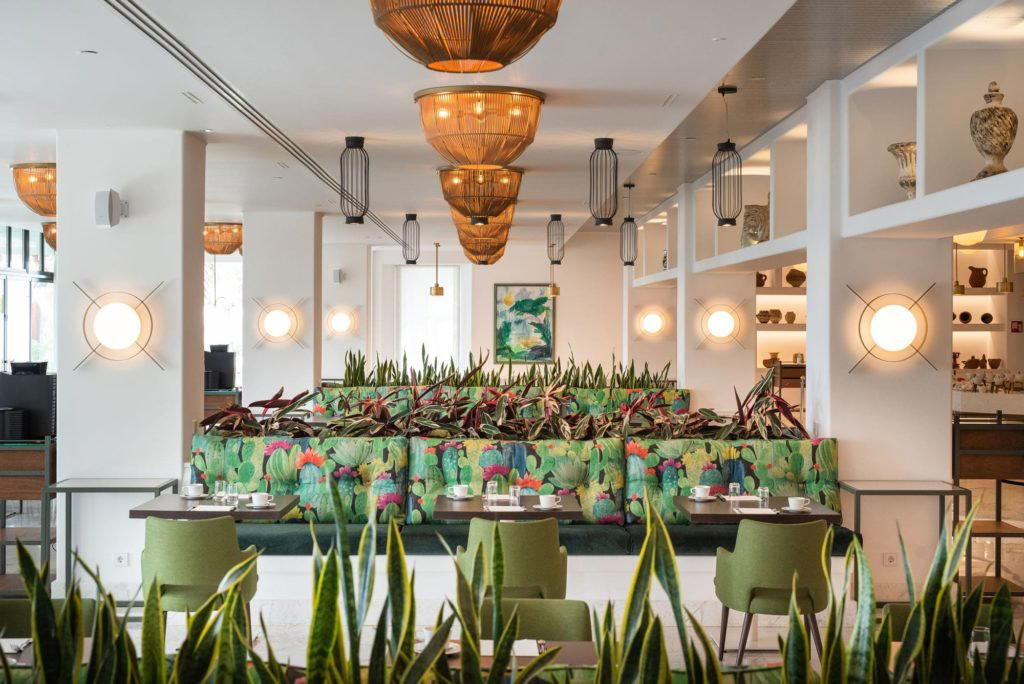
Sophisticated and intimate with far-reaching ocean views; cave-like private pods create a sense of seclusion while maintaining connection to dramatic surroundings; modern design with striking ingredient display counter and open kitchen visible from dining areas.