Our verdict
Juana Vegan occupies a corner of Vila Industrial in Campinas, positioning itself within a wider Brazilian shift toward plant-based dining that reaches beyond São Paulo's established circuit. The address on Av. Dr. Abelardo Pompéu do Amaral places it in a working neighbourhood where ingredient sourcing and format matter more than room design. For Campinas diners tracking the city's evolving restaurant scene, it represents a distinct point on the map.

Pearl is the En Primeur Club membership app, where members save venues, book tables and use the concierge.
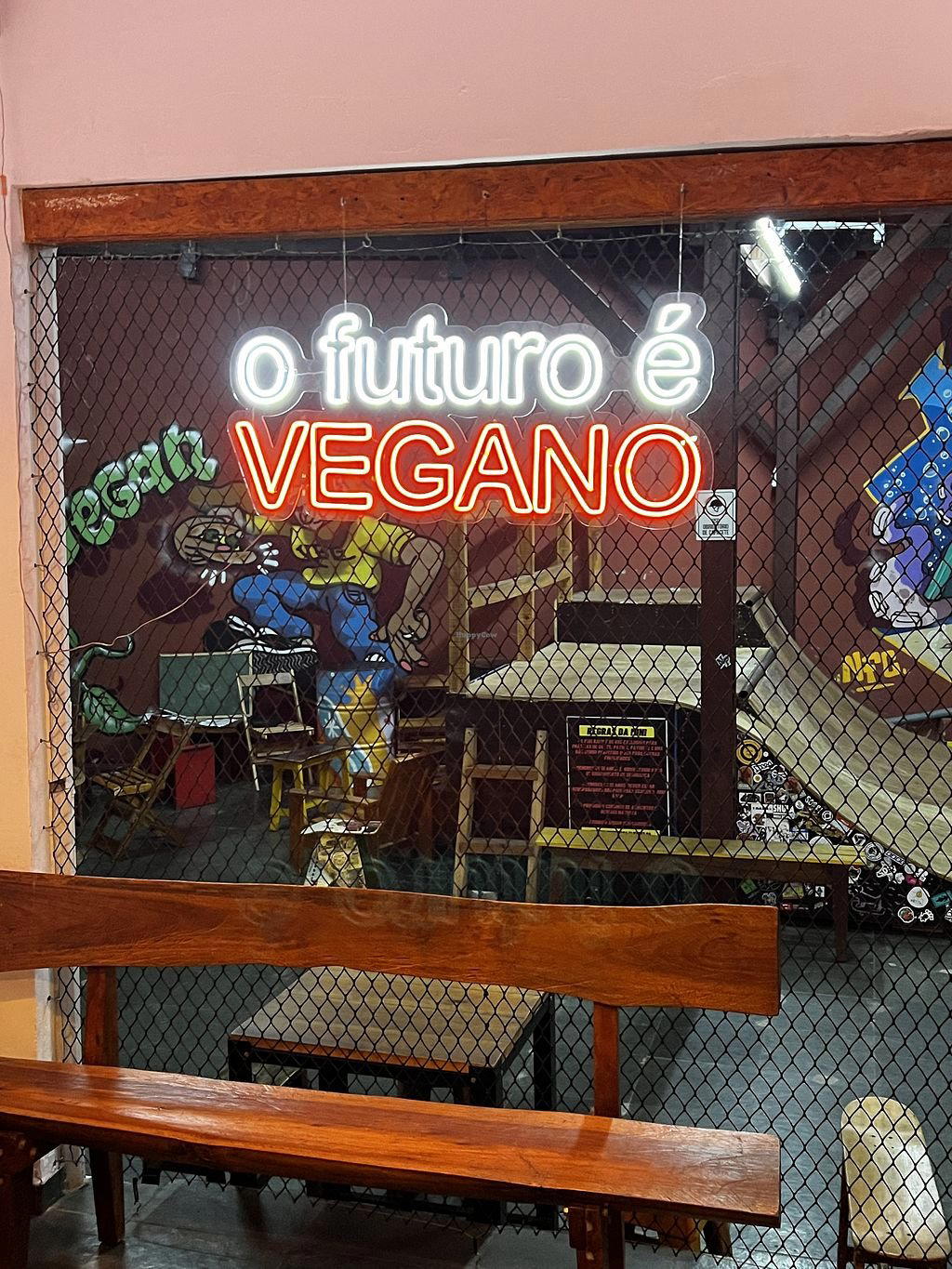
Plant-Based Dining in a City Finding Its Own Voice
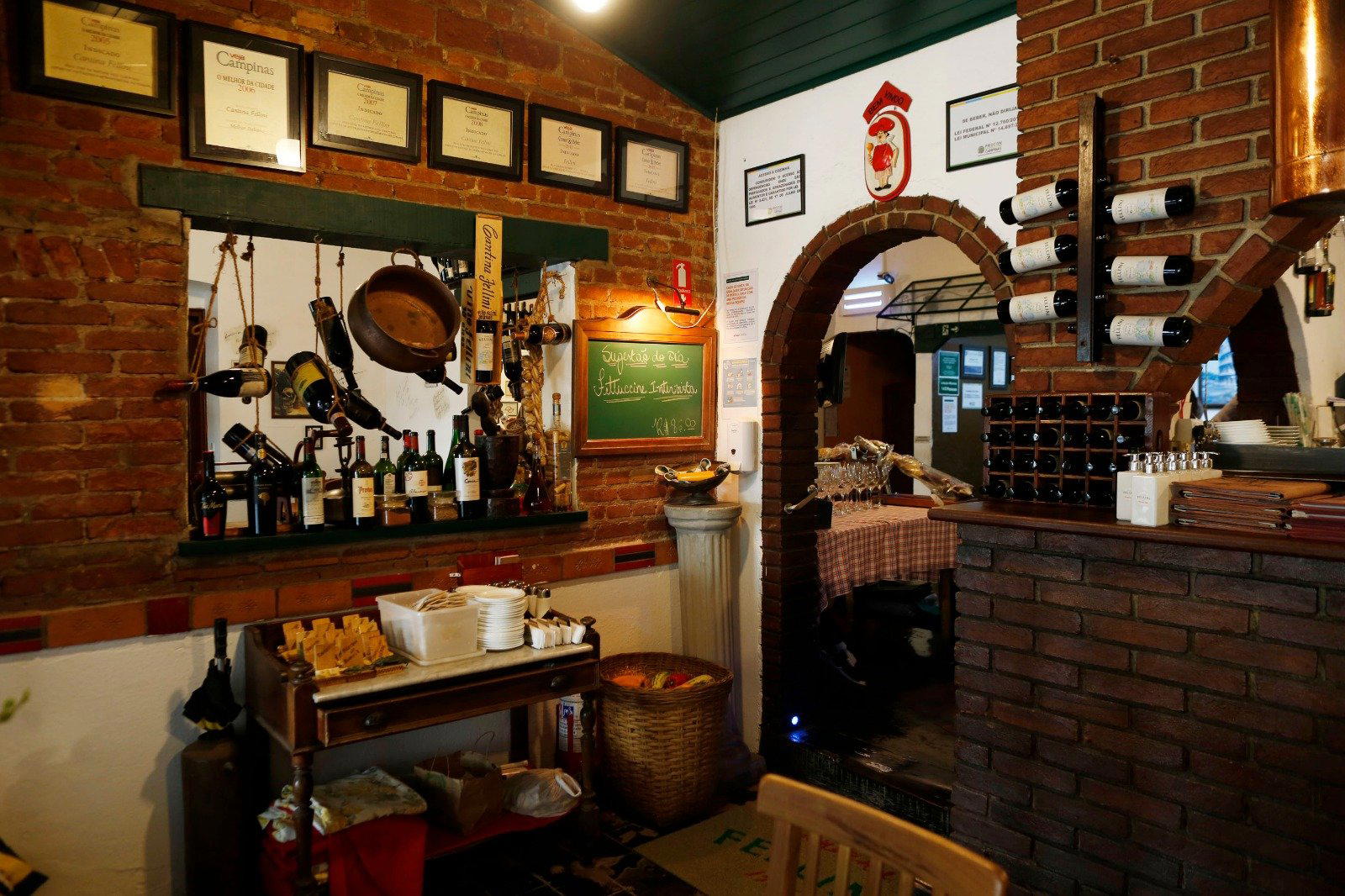
Campinas has spent the past decade developing a restaurant identity that sits somewhere between São Paulo's intensity and the quieter rhythms of interior São Paulo state. The city's dining scene is anchored by Italian-heritage cantinas Cantina Brunelli, Cantina Fellini, alongside modern Italian formats like Bellini and Borelli Dom Pedro. Against that backdrop, a dedicated plant-based address in Vila Industrial reads as a deliberate positioning: this is a kitchen that has opted out of the dominant grammar.
Vila Industrial is not a neighbourhood built around dining tourism. Its streets are practical, mid-century in character, and the restaurants that survive there tend to do so on repeat local custom rather than passing foot traffic. Juana Vegan, on Av. Dr. Abelardo Pompéu do Amaral, fits that pattern. The setting asks nothing theatrical of you before you arrive.
Where the Food Comes From, and Why That Question Matters
Plant-based kitchens anywhere depend on their sourcing in ways that meat-centred restaurants can more easily obscure. When animal protein is absent, the quality of vegetables, legumes, and grains becomes the argument. Brazil's agricultural geography makes this both an opportunity and a discipline: the country produces an extraordinary range of tropical and subtropical produce, from cerrado-native fruits to coastal cassava varieties, but not every kitchen with a vegan sign makes systematic use of that range.
The broader shift in Brazilian fine dining has been toward Brazilian-origin ingredients as a point of pride. D.O.M. in São Paulo built its international reputation on precisely this logic, Amazonian and cerrado ingredients reframed as the subject of serious cooking. Lasai in Rio de Janeiro takes a garden-driven approach that treats sourcing as the menu's first creative act. These are higher-profile contexts, but the same current runs through plant-based operations in secondary cities: what you cook with defines what you stand for.
For Juana Vegan, the Vila Industrial address places it in a neighbourhood where ingredient sourcing often reflects practical local supply chains rather than curated farm partnerships. That context shapes reasonable expectations: this is neighbourhood-scale plant-based cooking, not a farm-to-table format with publicised supplier lists. Whether the kitchen leans into Brazilian regional produce or works with a more conventional urban-market pantry is a detail that arrives with the food.
Campinas's Vegan Tier Within a Broader São Paulo State Picture
São Paulo city has a well-developed vegan dining circuit, with operations ranging from fast-casual throughput to tasting-menu formats. Campinas, with roughly 1.2 million people and a large university population through UNICAMP, has the demographic base to support plant-based dining at multiple price points. Student proximity tends to correlate with vegan and vegetarian supply: the demand exists, and it skews toward value-conscious formats rather than premium ones.
That demographic reality places Juana Vegan in a specific tier., the assumption for a neighbourhood-scale vegan address in Vila Industrial is that it operates closer to the accessible end of Campinas's price spread, more in the register of Di Paolo Campinas as a casual neighbourhood proposition than toward the formal end of the city's dining hierarchy. The absence of awards data or critical coverage in the public record is consistent with this positioning: these are kitchens that serve their communities rather than compete for national recognition.
Across Brazil, plant-based restaurants in mid-sized cities have largely avoided the tasting-menu format that draws critical attention. Venues like Bistro Fitz Carraldo in Manaus or Casa da Flor Restaurante in Dourados illustrate how regional Brazilian cities build dining cultures around local regulars rather than destination visitors, a pattern Juana Vegan appears to follow.
What the Format Likely Looks Like
Vegan restaurants in Brazilian cities of Campinas's size typically operate in one of two formats: a buffet-by-weight model (por quilo), which dominates the Brazilian lunch-dining habit across price points, or an à la carte structure oriented toward dinner and weekend trade. The por quilo format, familiar from São Paulo's working lunch culture, is common enough in Campinas that a vegan kitchen using it would be unremarkable. It is also the format most aligned with the kind of neighbourhood clientele Vila Industrial generates.
Neither format requires a large room. The address on Av. Dr. Abelardo Pompéu do Amaral is a mid-avenue location in a mixed-use neighbourhood, which suggests a modestly scaled dining room consistent with a local-repeat customer base rather than a high-turnover tourist operation. Planning a visit around a weekday lunch or early evening sitting is the sensible approach for a first encounter with any unfamiliar neighbourhood restaurant in this tier.
Planning a Visit
Juana Vegan is located at Av. Dr. Abelardo Pompéu do Amaral, 225, Vila Industrial, Campinas. The Vila Industrial neighbourhood is accessible from central Campinas by standard urban transport, and the address format suggests street-level access rather than a shopping centre or mall context. For a broader orientation to what Campinas's dining scene offers across categories, the full Campinas restaurants guide maps the city's options from Italian cantinas to contemporary formats.
Travellers making their way through interior São Paulo state will find Campinas a more textured dining city than its reputation outside Brazil suggests. The comparison venues referenced here, from the heritage Italian formats at Cantina Brunelli to the casual register of Di Paolo Campinas, illustrate a city where multiple dining registers coexist. A plant-based address in Vila Industrial is one data point in that picture, useful to know if your travel brief includes eating without animal products in a city where that option remains less visible than in São Paulo itself. For context on the range of Brazilian regional dining beyond the southeast axis, addresses like Cantina Pozzobon in Santa Maria, Aero Burguer e Grill in Santa Cruz Do Sul, or Famosa Pizza in Ribeirao Preto suggest how Brazilian cities each build their own dining vernacular around local habit and supply.
Frequently asked questions
Can I bring kids to Juana Vegan?
Plant-based restaurants at Campinas's mid-tier tend to run relaxed, all-ages formats, and Juana Vegan's Vila Industrial address suggests a neighbourhood rather than destination-dining crowd.
What kind of setting is Juana Vegan?
Juana Vegan sits on Av. Dr. Abelardo Pompéu do Amaral in Vila Industrial, a working district of Campinas rather than one of the city's polished commercial corridors. That address typically signals a local, everyday dining format rather than a concept-driven dining room. Expect a practical room oriented around the food rather than the décor.
Is Juana Vegan a good option for plant-based eating near central Campinas?
Juana Vegan is one of the named vegan venues operating in Campinas, a city of roughly 1.2 million that sits in São Paulo state's interior and has a smaller but developing plant-based dining circuit compared to São Paulo city itself. Its location in Vila Industrial places it outside the city's main dining zones, which means it draws a local rather than tourist crowd. For visitors staying near central Campinas, factor travel time into planning.
What should I eat at Juana Vegan?
Vegan restaurants operating in Campinas commonly anchor their menus around Brazilian staples reworked without animal products, rice, beans, grilled vegetables, and protein substitutes drawn from soy or legumes. Checking the venue's current offerings directly will give you the clearest picture of what's on the pass.
Where is Juana Vegan in Campinas?
Juana Vegan is located at Av. Dr. Abelardo Pompéu do Amaral, 225 - Vila Industrial (Campinas), Campinas - SP, 13035-590, Brazil, Campinas.
How It Stacks Up
Comparable venues nearby, for context on price, style, and recognition.
| Venue | Cuisine | Price | Notes |
|---|---|---|---|
| Juana VeganThis venue (the venue you are viewing) | Vegan Brazilian Esfihas & Pizza | Not listed | Not listed |
| Borelli Dom Pedro | Artisanal Gelato | Not listed | Jardim Guanabara |
| Cantina Fellini | Traditional Italian Trattoria | $30–50 | Cambuí |
| Bellini | Award-Winning Italian Fusion | $30–50 | Nova Campinas |
| Kaizen Japanese Food | Autêntica Culinária Japonesa Omakase | $30–50 | Vila Brandina |
| Cantina Brunelli | Authentic Italian Cantina | $20–30 | Cambuí |
Continue exploring
More in Campinas
Restaurants in Campinas
All restaurants in Campinas →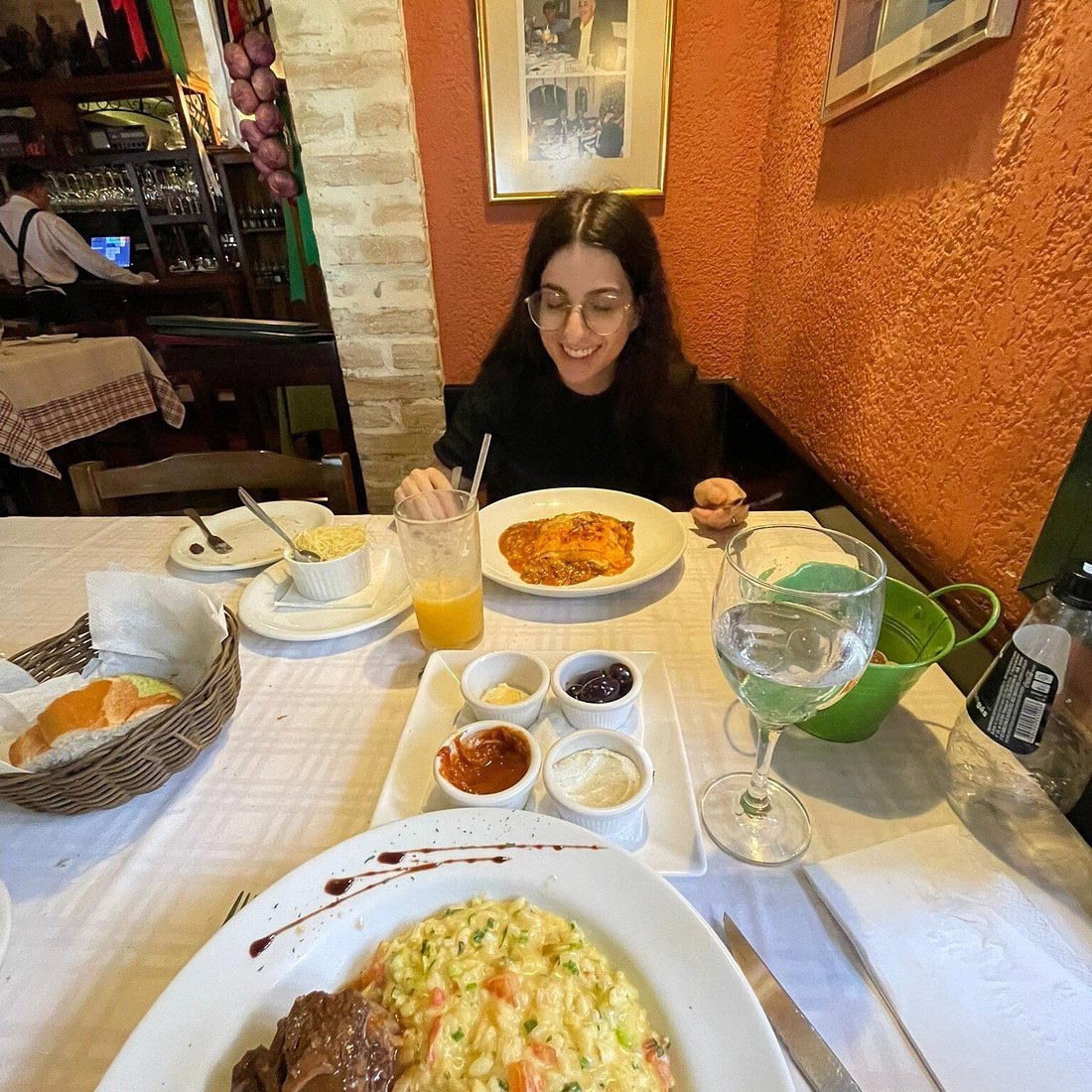
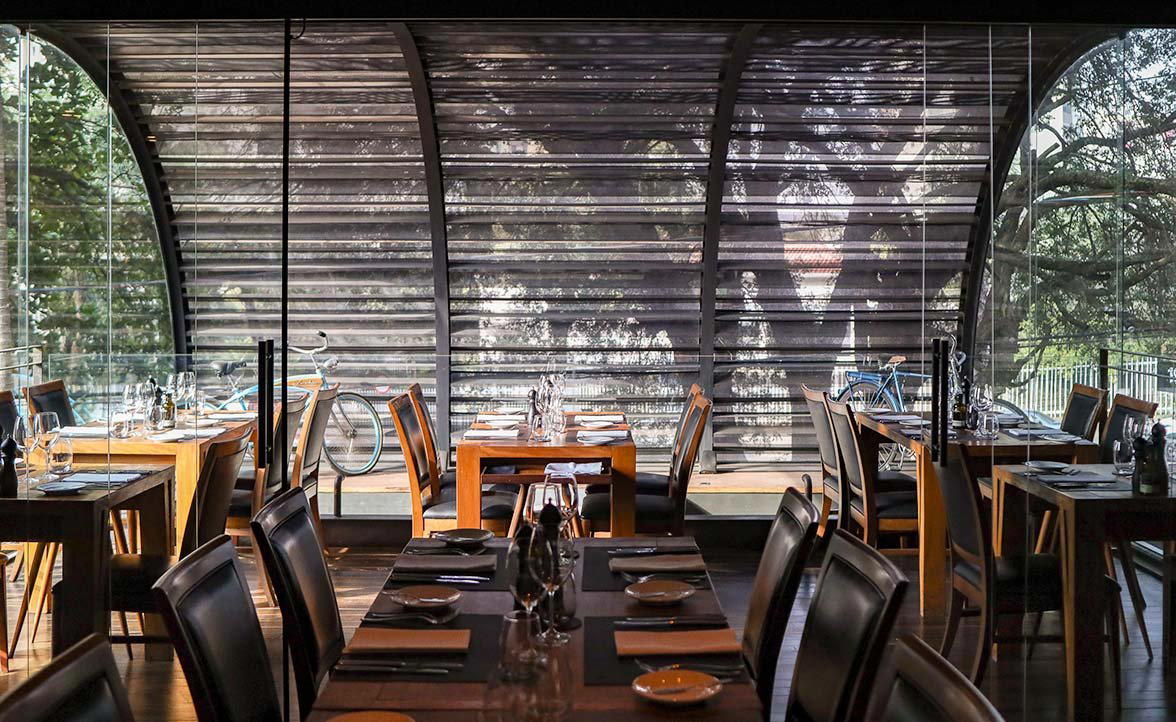
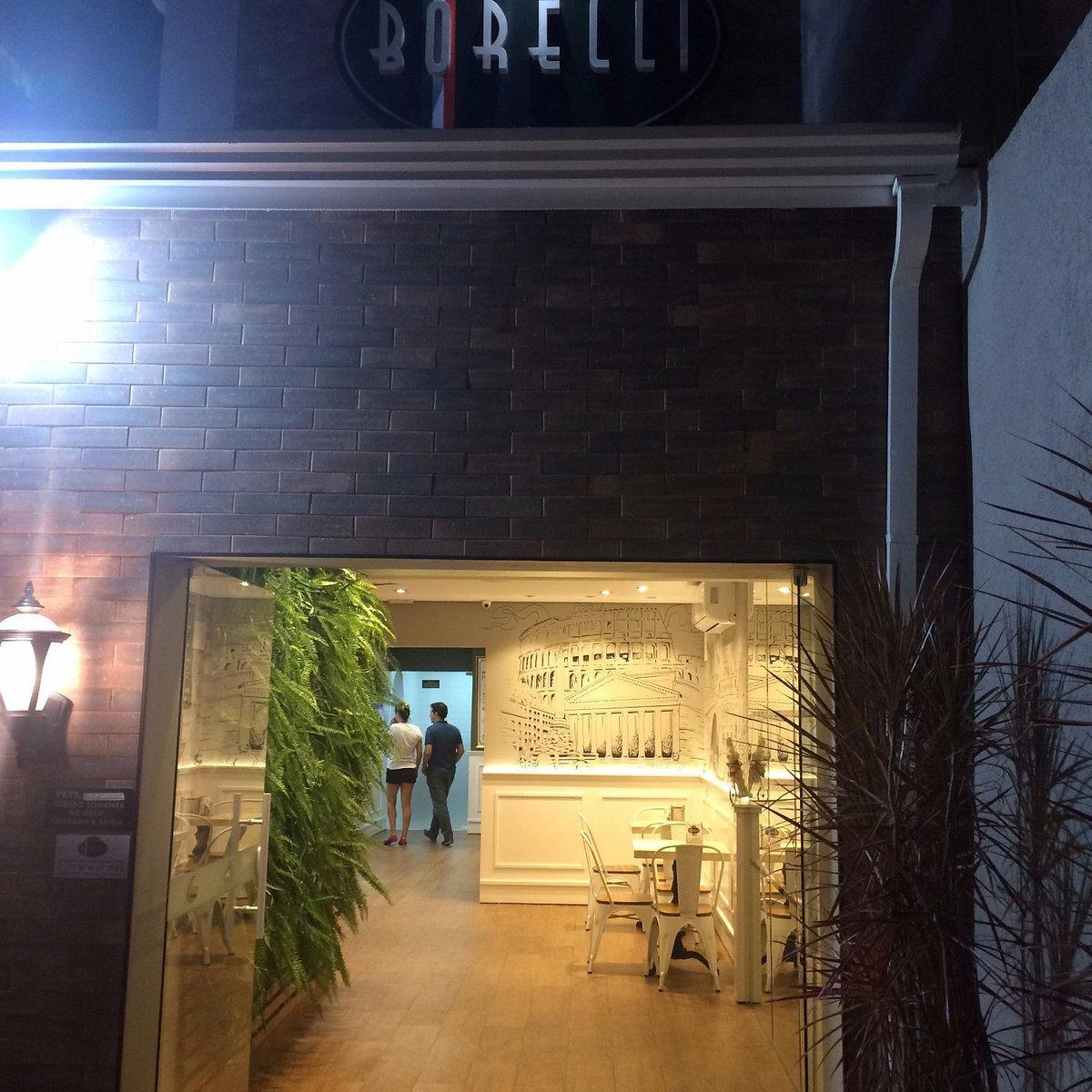
Bars in Campinas
Browse all →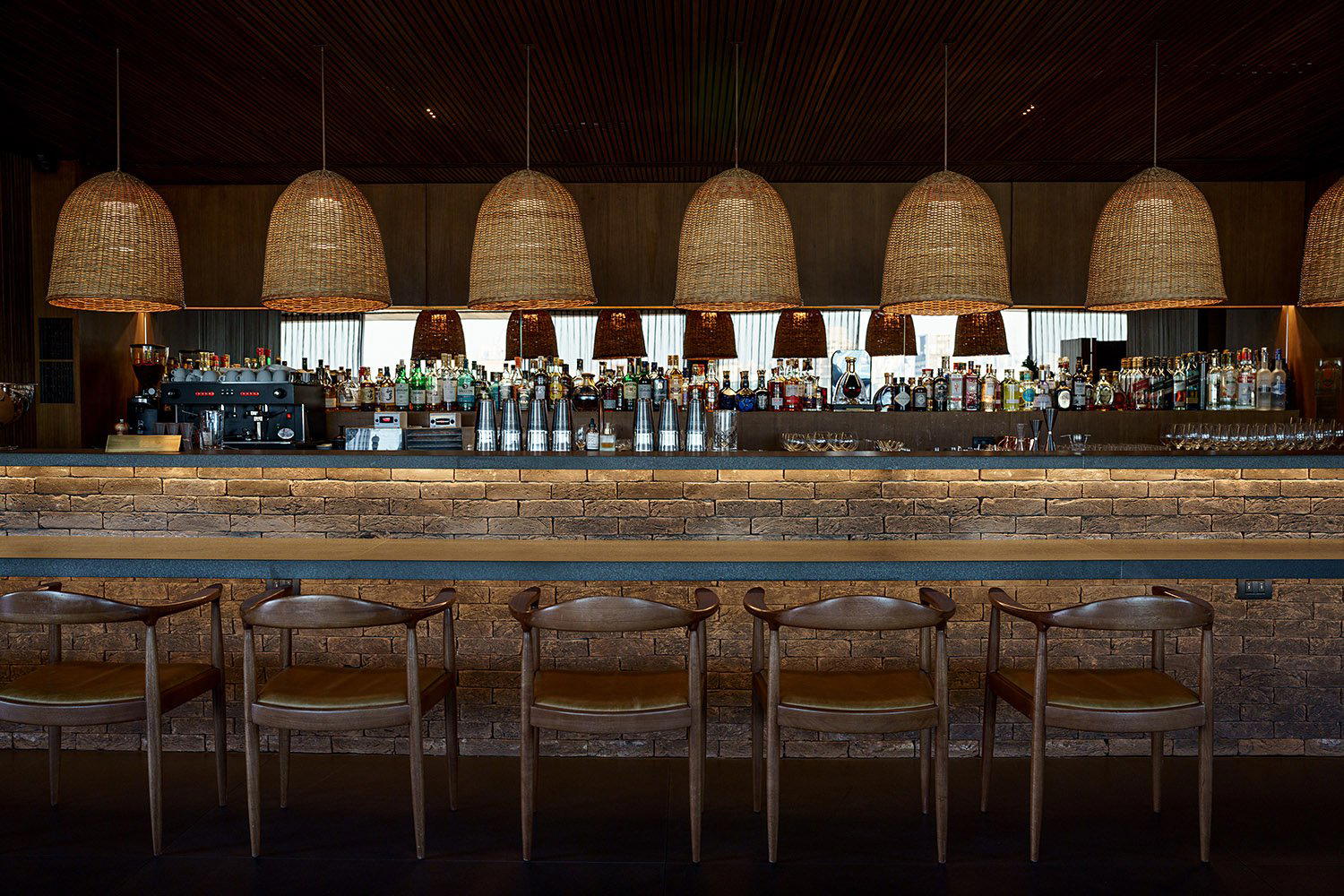
Hotels in Campinas
Browse all →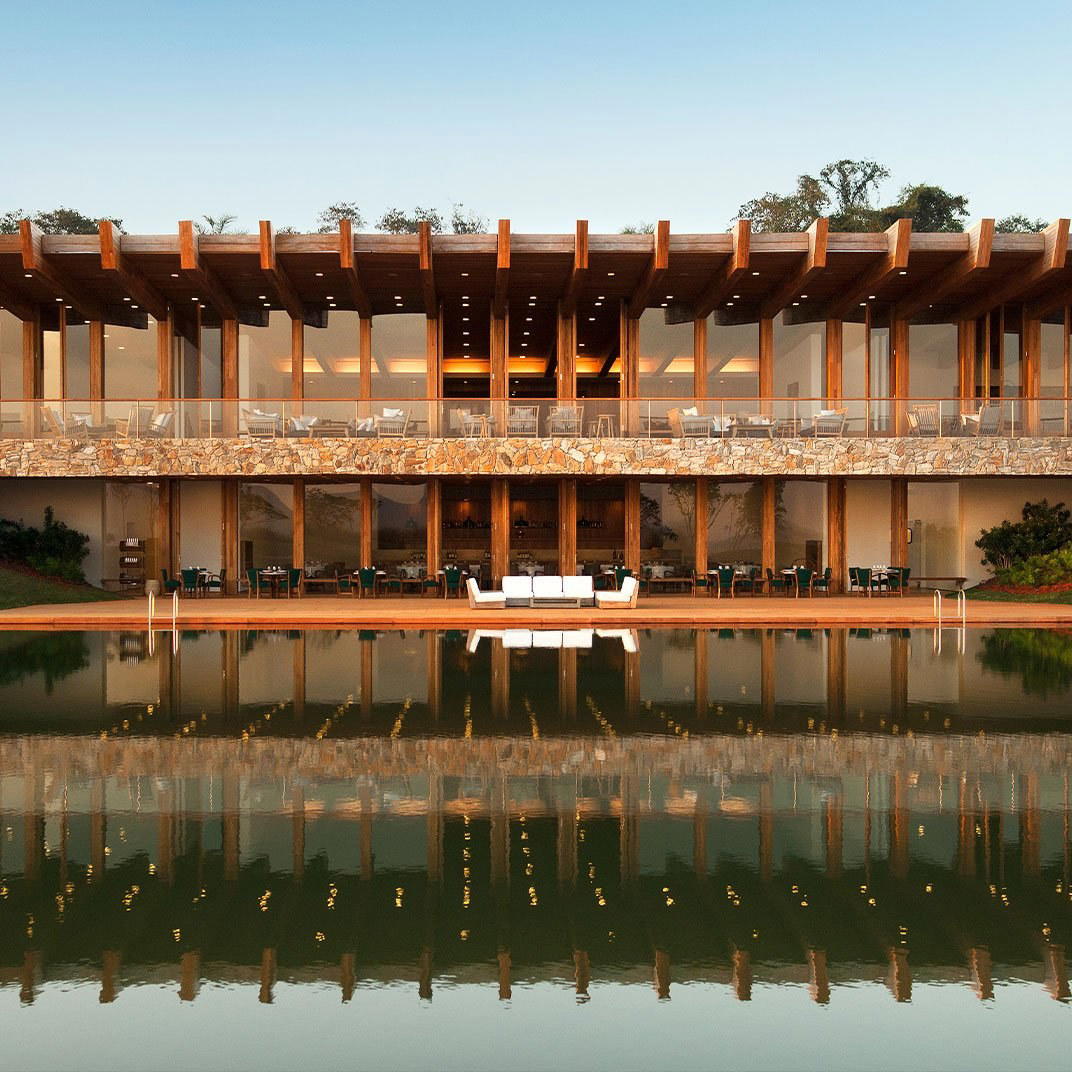
Details
- Lively
- Trendy
- Cozy
- Casual Hangout
- Beer Program
- A La Carte
- Beer
- Vegan Options
Current opening hours
- Monday
- Closed
- Tuesday
- Closed
- Wednesday
- Closed
- Thursday
- 6–11 PM
- Friday
- 6–11 PM
- Saturday
- 6–11 PM
- Sunday
- 6–10 PM
Hours can change for holidays and private events. Hours as of .
Relaxed casual atmosphere with music playing.